EU to review cooperation deal with Israel over Gaza

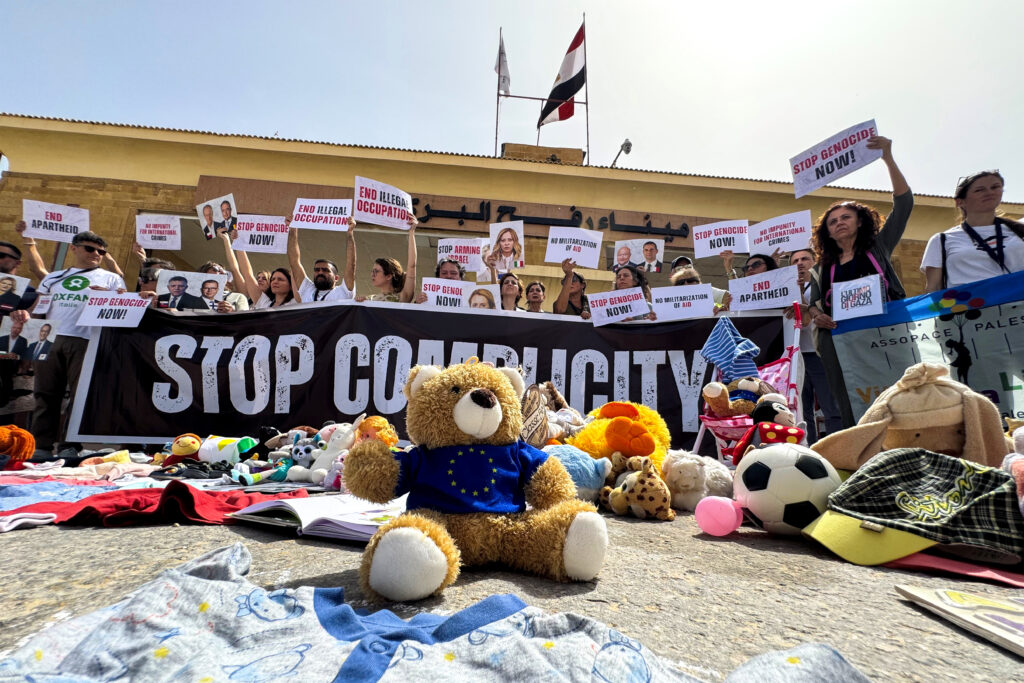
The EU on Tuesday ordered a review of its cooperation deal with Israel and Britain halted trade talks with it as European nations took a tougher line over the Gaza war.France renewed its commitment to recognise a Palestinian state, a day after Israel’s Prime Minister Benjamin Netanyahu angrily hit back at Britain, France and Canada for threatening action over his country’s military offensive and blockade of Gaza.EU foreign affairs chief Kaja Kallas said “a strong majority” of the 27 member states at a foreign ministers’ meeting backed the move in a bid to pressure Israel.”Countries see that the situation in Gaza is untenable, and what we want is to really help the people, and… to unblock the humanitarian aid so that it will reach the people,” Kallas told journalists.Momentum to re-examine the EU-Israel Association Agreement, which forms the basis for trade ties, has grown since Israel resumed a military offensive in Gaza after a ceasefire expired.Diplomats said 17 EU states pressed for the review under an article of the agreement that calls for a respect for human rights, with the Netherlands spearheading the latest push.- Divided EU acts -The EU has long been divided between countries backing Israel and those considered more pro-Palestinian. In a sign of the splits, in a separate move, Hungary blocked imposing more sanctions on Israeli settlers in the occupied West Bank.Belgium’s foreign minister Maxime Prevot said he had “no doubt” about the violation of rights in Gaza, and the review could lead to the suspension of the entire deal.Britain meanwhile suspended free-trade negotiations and summoned Israel’s ambassador. Foreign Secretary David Lammy accused Netanyahu’s government of “egregious actions and rhetoric” over its expansion of military operations in the Palestinian territory.Lammy told the British parliament that the government was imposing new sanctions on individuals and organisations involved in West Bank settlements.”The world is judging, history will judge them. Blocking aid, expanding the war, dismissing the concerns of your friends and partners. This is indefensible and it must stop,” he said.He said Britain would be “reviewing cooperation” with Israel under a so-called 2030 roadmap for UK-Israel relations. The “Netanyahu government’s actions have made this necessary,” Lammy said.Israel responded by saying “external pressure” would not stop the country “defending its existence and security against enemies who seek its destruction”.”If, due to anti-Israel obsession and domestic political considerations, the British government is willing to harm the British economy — that is its own prerogative,” Israeli foreign ministry spokesman Oren Marmorstein said in a statement.France also renewed its diplomatic criticism of Israel, with Foreign Minister Jean-Noel Barrot reaffirming a commitment to recognise a Palestinian state.”We cannot leave the children of Gaza a legacy of violence and hatred. So all this must stop, and that’s why we are determined to recognise a Palestinian state,” Barrot told France Inter radio.French President Emmanuel Macron joined British Prime Minister Keir Starmer and Canadian Prime Minister Mark Carney in a rare joint statement on Gaza on Monday that angered Israel.The three threatened “concrete actions” if Israel continued to block aid. Netanyahu said the statement was a “huge prize” for Hamas, which set off the Gaza war with its October 7, 2023 attacks on Israel.
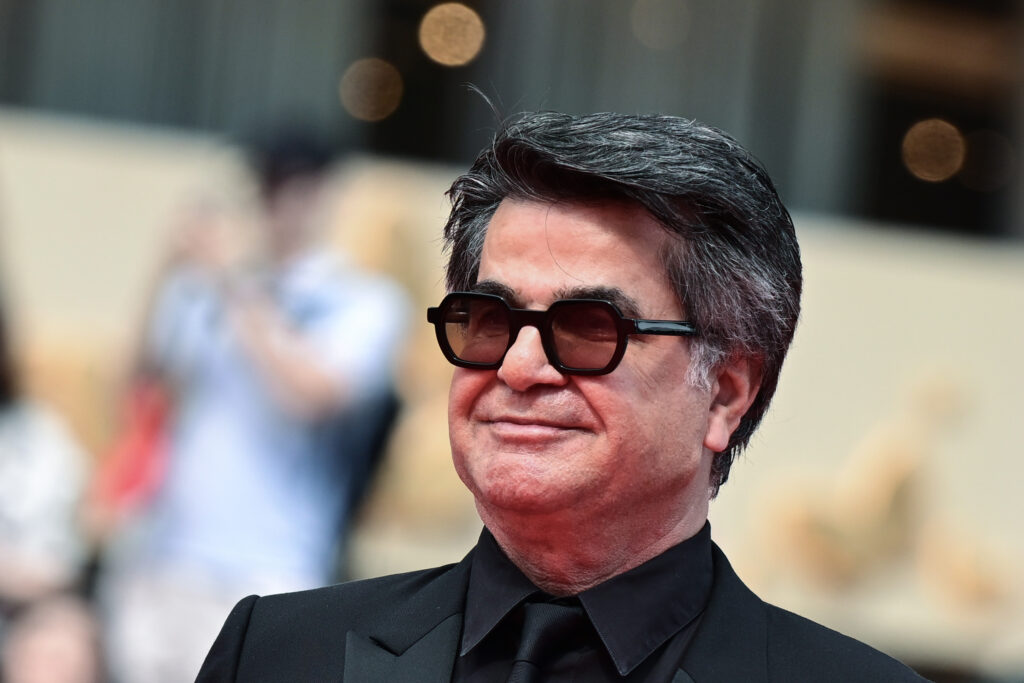

Cannes: Jafar Panahi défie Téhéran, Scarlett Johansson devient cinéaste

Pour la première fois depuis 15 ans, le cinéaste iranien Jafar Panahi a pu se déplacer en personne à Cannes pour présenter “Un simple accident”, un thriller en forme de défi aux autorités de Téhéran et d’introspection pour ses dissidents.La projection du film, en lice pour la Palme d’or, était l’un des évènements du jour, avec celle du premier long métrage de réalisatrice d’une star d’Hollywood, Scarlett Johansson, et le retour de l’actrice francophile et francophone Jodie Foster, dans un film français signé Rebecca Zlotowski.Peu de montées des marches auront été aussi symboliques que celle de Panahi, 64 ans, et de son équipe: très grand nom du cinéma iranien, le réalisateur de “Taxi Téhéran” ou “Trois visages” est habitué à voir ses oeuvres primées dans les plus grands festivals, beaucoup moins à fouler les tapis rouges.Depuis sa condamnation en 2010 pour “propagande contre le régime”, il n’avait pu se rendre à aucun de ces rendez-vous internationaux. Nul ne sait quel sort lui réserveront les autorités de Téhéran après ce onzième long-métrage qui s’en prend très directement à elles et à l’arbitraire des forces de sécurité.L’an dernier, un autre cinéaste iranien, Mohammad Rasoulof, a choisi l’exil, arrivant clandestinement à Cannes pour son film brûlot “Les graines du figuier sauvage” (prix spécial du jury). – La justice et la vengeance -Comme lui, Panahi a tourné dans la clandestinité. Au mépris des lois, plusieurs de ses actrices apparaissent cheveux nus, comme récemment dans “Mon gâteau préféré” du couple de cinéastes Maryam Moghadam et Behtash Sanaeeha, sélectionnés à Berlin l’an dernier puis condamnés à des peines de prison avec sursis pour “propagande contre le régime et obscénité”. Thriller très réussi, “Un simple accident” raconte l’histoire d’un homme enlevé par d’anciens détenus convaincus qu’il était leur tortionnaire en prison. Le long-métrage est aussi une réflexion sur la justice et la vengeance face à l’arbitraire.Avec ce film, Panahi, incarcéré à deux reprises dans son pays, devient un candidat très sérieux à la Palme d’or, décernée samedi par la présidente du jury Juliette Binoche. Actrice engagée, celle-ci l’a régulièrement soutenu.Son compatriote Saeed Roustaee présentera jeudi “Woman and Child”. Sa dernière venue à Cannes pour “Leïla et ses frères”, en 2022, lui a valu une peine de six mois de prison en Iran.- “Historique et très actuel” -Seconde star hollywoodienne à présenter un premier film dans la section Un certain regard cette année, après Kristen Stewart avec “The chronology of water”, Scarlett Johansson a, pour sa part, fait salle comble avec “Eleanor the Great” – “un rêve devenu réalité”, a-t-elle confié, citée sur le site spécialisé Variety.Le long métrage de l’actrice de 40 ans, vue dans “Lost in translation” et “Match Point”, suit Eleanor Morgenstein (June Squibb) qui, à 94 ans, retourne à New York pour prendre un nouveau départ après des décennies passées en Floride.”C’est un film sur l’amitié, sur le deuil, sur le pardon. Et je pense que ce sont tous des thèmes dont nous avons particulièrement besoin aujourd’hui (…) C’est un film que je trouve historique et également très actuel”, a poursuivi Scarlett Johansson.L’autre film en compétition, “Fuori”, adapte l’histoire d’une autrice italienne, Goliarda Sapienza, incarcérée pour vol en 1980. Ce long-métrage, réalisé par Mario Martone et avec Valeria Golino, signe le retour de l’Italien de 65 ans dans la course à la Palme, après “Nostalgia” en 2022 et “L’Amour meurtri” en 1995.Hors compétition (section Cannes Première), les festivaliers devaient découvrir en soirée “Vie privée”, le nouveau thriller psychologique de Rebecca Zlotowski (“Les enfants des autres”, “Une fille facile”) qui, aux côtés de Virginie Efira et Daniel Auteuil, a embauché Jodie Foster.Présent à Cannes pour le 25e anniversaire de son film “Amours chiennes”, le Mexicain Alejandro González Iñárritu a enfin annoncé préparer une installation artistique sur l’œuvre qui l’a révélé à partir de rushs non utilisés. Elle sera présentée en septembre et octobre à la Fondation Prada à Milan, puis à Los Angeles et au Mexique. Le cinéaste prévoit également de ressortir le film en septembre.

US limits Covid boosters to over-65s or those at high risk

The United States will limit Covid-19 boosters to people over 65 or those at risk of serious illness, while requiring vaccine makers to run fresh clinical trials before offering shots to younger and healthier individuals, officials said Tuesday.Writing in the New England Journal of Medicine, the Food and Drug Administration’s Vinayak Prasad and Commissioner Martin Makary framed the policy shift as “evidence-based” and would align the United States more closely with guidance in Europe.But it comes as Health Secretary Robert F. Kennedy Jr., a longtime vaccine skeptic, pushes to remake federal public health policy.Kennedy previously led a nonprofit that was critical of immunization programs, and during the pandemic petitioned the FDA to revoke Covid vaccine authorizations, citing rare side effects including heart inflammation.Prasad and Makary praised the initial Covid-19 vaccine rollout as “a major scientific, medical, and regulatory accomplishment,” but argued that the benefits of repeated boosters for low-risk individuals are uncertain.They criticized the US approach of recommending boosters for all adults regardless of age or health status, calling it a “one-size-fits-all” model based on the mistaken belief that Americans couldn’t handle more nuanced, risk-based advice. Rather than building public trust, they wrote, it had backfired — fueling vaccine hesitancy that has spilled over into skepticism toward childhood shots, including those for measles.The FDA said it would rely on lab test results to approve boosters for people who are over 65, or over six months old with at least one underlying condition.But for healthy individuals between six months and 64 years, regulators will now require data from randomized trials.”We simply don’t know whether a healthy 52-year-old woman with a normal BMI (body mass index) who has had Covid-19 three times and has received six previous doses of a Covid-19 vaccine will benefit from the seventh dose,” they wrote.Some infectious disease experts welcomed the shift.Amesh Adalja of Johns Hopkins University said it matched with the approach taken by other countries in a population that already carries significant immunity. “For lower-risk individuals, the goal has always been less clear, as protection against infection is transient and they don’t have a high risk of severe disease,” he told AFP.But others voiced concern about the practical consequences. Paul Offit, a leading vaccine expert at the Children’s Hospital of Philadelphia, said it could limit access for people who still want boosters.”Any use, say in a healthy 35-year-old, would be considered off-label, and you wonder whether an insurance company would pay for it,” he told AFP.- Not like annual flu shot -Under the revised framework, companies like Pfizer and Moderna will be encouraged to test updated boosters in adults aged 50 to 64.These studies should measure whether the vaccines reduce symptomatic infections, hospitalizations and deaths.Rather than comparing new shots to earlier formulations, Prasad and Makary suggested placebo-controlled trials — with saline as the comparator — to better evaluate both benefit and potential side effects.The proposal, first floated by Kennedy earlier this month, has proved divisive. Critics argue that using a placebo — when authorized vaccines already exist — could expose participants to unnecessary harm.”Imagine if there was a death or two in the placebo group,” said Offit. “I don’t see how you conscience that.”Supporters of continued Covid-19 boosters often draw parallels to annual flu shots.But Makary and Prasad pushed back on that comparison, arguing the genetic changes in Covid variants haven’t been significant enough to justify automatically updating the vaccine each year.The FDA officials also sought to reassure Americans concerned they might lose access to boosters under the new framework.The Centers for Disease Control and Prevention’s (CDC) definition of risk factors is “vast, including obesity and even mental health conditions such as depression,” they wrote, noting that between 100 million and 200 million Americans would likely still qualify.

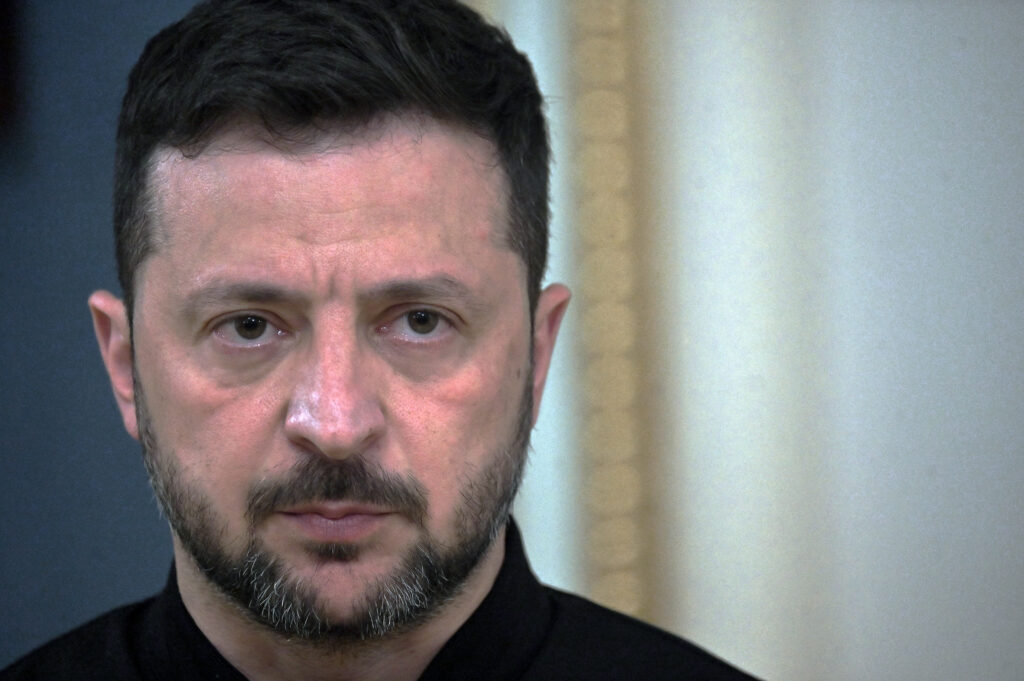
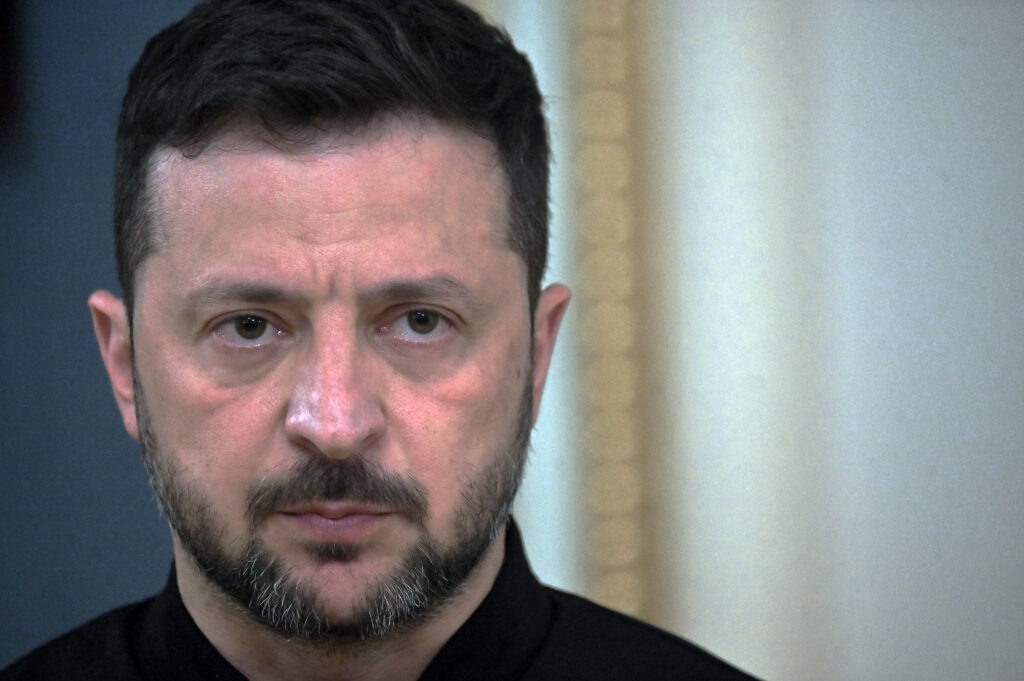
Ukraine: Zelensky accuse la Russie de “gagner du temps” dans les discussions

Le président ukrainien Volodymyr Zelensky a accusé mardi la Russie de “gagner du temps” en faisant traîner les discussions en vue d’un cessez-le-feu afin de poursuivre son invasion de l’Ukraine, au lendemain d’un appel entre Vladimir Poutine et Donald Trump sans résultats tangibles.Cet entretien téléphonique de deux heures entre les dirigeants russe et américain, trois jours après les premiers pourparlers de paix russo-ukrainiens depuis 2022, n’a pas abouti à l’annonce d’un cessez-le-feu, pourtant réclamé par Kiev et les Européens.Malgré l’absence d’avancée majeure, Donald Trump, qui pousse la Russie et l’Ukraine à faire taire les armes, a assuré que les deux belligérants allaient “démarrer immédiatement des négociations en vue” d’une trêve.En l’état, aucun calendrier n’a été annoncé et il n’y a aucune garantie que Moscou et Kiev trouvent un accord.- “Rien n’a bougé” -Volodymyr Zelensky a regretté mardi que “la Russie tente de gagner du temps afin de poursuivre sa guerre et son occupation”, qualifiant les conditions posées par Moscou d'”irréalistes”.A Washington, le secrétaire d’Etat Marco Rubio a assuré que son pays n’a pas fait “la moindre concession” à Moscou. Il a expliqué que le président Trump ne souhaitait pas imposer de nouvelles sanctions à la Russie car “à l’heure actuelle, si vous commencez à menacer de sanctions, les Russes cesseront de parler, et il est utile que nous puissions leur parler et les pousser à s’asseoir à la table des négociations”.Il a évoqué la possibilité que les Russes ne soient “pas intéressés par un accord de paix” et qu’ils veuillent “simplement continuer à faire la guerre”.A Kiev, des habitants interrogés par l’AFP disaient leur déception.”Rien n’a bougé”, se désole ainsi Vitali, un ingénieur de 53 ans. Catégorique, Daryna, une étudiante de 21 ans, pense elle qu'”il est inutile de discuter avec l’agresseur”, tandis que Victoria, une enseignante retraitée, confie ne “plus (avoir) du tout” confiance en Donald Trump pour trouver une issue au conflit, plaçant désormais “ses espoirs” dans les dirigeants européens.A Moscou, Sofia, 72 ans, dit pour sa part ressentir de “l’incertitude”: “J’aimerais savoir ce qui va nous arriver, pas seulement concernant ma famille, mais concernant notre pays en général”.Sur les réseaux sociaux, Volodymyr Zelensky a une nouvelle fois appelé à “un cessez-le-feu” et à “une diplomatie honnête”, à l’issue d’un appel avec la Première ministre italienne, Giorgia Meloni.En l’état, les approches de l’Ukraine et de la Russie s’opposent: Kiev demande un cessez-le-feu “inconditionnel” de 30 jours pour permettre des discussions de paix, tandis que Moscou part du principe que les négociations doivent se faire “simultanément” aux combats.Les principales capitales européennes, fidèles soutiens de Kiev, menacent ainsi la Russie de sanctions “massives” faute de cessez-le-feu, mais Vladimir Poutine a balayé cette requête, considérant que cela donnerait du temps à l’armée ukrainienne pour se réarmer grâce aux livraisons occidentales.- “Mémorandum” -Dans ce qui ressemble à ce stade à une impasse diplomatique, Donald Trump a toutefois assuré “que des progrès ont été accomplis” lundi.Le ton de Vladimir Poutine était toutefois plus prudent, qualifiant la conversation d'”utile” et estimant que les discussions avec l’Ukraine allaient “dans la bonne voie”, après plus de trois ans d’invasion russe qui ont fait des dizaines de milliers de morts dans les deux camps.A la presse, il a affirmé que la Russie était prête à travailler avec l’Ukraine sur un “mémorandum”, étape préalable avant un “possible traité de paix”, et a souligné le besoin de “trouver des compromis”.Mais Volodymyr Zelensky a dit lundi soir “ne rien savoir” sur une telle feuille de route diplomatique.Depuis qu’il a ordonné à son armée d’envahir l’Ukraine en février 2022, Vladimir Poutine maintient des exigences maximalistes, notamment que l’Ukraine renonce à rejoindre l’Otan et qu’elle abandonne quatre de ses régions partiellement contrôlées par la Russie, en plus de la Crimée annexée en 2014.L’Ukraine rejette, elle, fermement ces exigences et demande que l’armée russe, qui occupe près de 20% de son territoire, s’en retire. Ce dont Moscou n’a pas l’intention.- “Victoire tactique” -Pour éviter une nouvelle invasion russe dans le futur, Kiev appelle également à des “garanties de sécurité” solides, notamment des Etats-Unis. Le président ukrainien a averti lundi que Vladimir Poutine “bénéficierait” d’un éventuel désengagement américain des pourparlers.Cette perspective inquiète également les Européens, qui ont adopté formellement mardi un 17e paquet de sanctions contre Moscou et attendent “une réaction forte” de Washington si Moscou continuait à camper sur ses positions.Les Occidentaux cherchent à “faire échouer le dialogue constructif” russo-américain, a dénoncé pour sa part l’émissaire de Vladimir Poutine pour les questions économiques à l’international, Kirill Dmitriev. “C’est une nouvelle victoire tactique pour Poutine”, analyse auprès de l’AFP le politologue indépendant Konstantin Kalatchev, selon qui le statu quo actuel va donner “du temps” à l’armée russe, qui “espère achever cet été la défaite des troupes ukrainiennes”.A l’avantage sur le front, les forces russes ont revendiqué ces derniers jours une poussée dans la région de Donetsk (est), épicentre des combats.

Ukraine: Zelensky accuse la Russie de “gagner du temps” dans les discussions

Le président ukrainien Volodymyr Zelensky a accusé mardi la Russie de “gagner du temps” en faisant traîner les discussions en vue d’un cessez-le-feu afin de poursuivre son invasion de l’Ukraine, au lendemain d’un appel entre Vladimir Poutine et Donald Trump sans résultats tangibles.Cet entretien téléphonique de deux heures entre les dirigeants russe et américain, trois jours après les premiers pourparlers de paix russo-ukrainiens depuis 2022, n’a pas abouti à l’annonce d’un cessez-le-feu, pourtant réclamé par Kiev et les Européens.Malgré l’absence d’avancée majeure, Donald Trump, qui pousse la Russie et l’Ukraine à faire taire les armes, a assuré que les deux belligérants allaient “démarrer immédiatement des négociations en vue” d’une trêve.En l’état, aucun calendrier n’a été annoncé et il n’y a aucune garantie que Moscou et Kiev trouvent un accord.- “Rien n’a bougé” -Volodymyr Zelensky a regretté mardi que “la Russie tente de gagner du temps afin de poursuivre sa guerre et son occupation”, qualifiant les conditions posées par Moscou d'”irréalistes”.A Washington, le secrétaire d’Etat Marco Rubio a assuré que son pays n’a pas fait “la moindre concession” à Moscou. Il a expliqué que le président Trump ne souhaitait pas imposer de nouvelles sanctions à la Russie car “à l’heure actuelle, si vous commencez à menacer de sanctions, les Russes cesseront de parler, et il est utile que nous puissions leur parler et les pousser à s’asseoir à la table des négociations”.Il a évoqué la possibilité que les Russes ne soient “pas intéressés par un accord de paix” et qu’ils veuillent “simplement continuer à faire la guerre”.A Kiev, des habitants interrogés par l’AFP disaient leur déception.”Rien n’a bougé”, se désole ainsi Vitali, un ingénieur de 53 ans. Catégorique, Daryna, une étudiante de 21 ans, pense elle qu'”il est inutile de discuter avec l’agresseur”, tandis que Victoria, une enseignante retraitée, confie ne “plus (avoir) du tout” confiance en Donald Trump pour trouver une issue au conflit, plaçant désormais “ses espoirs” dans les dirigeants européens.A Moscou, Sofia, 72 ans, dit pour sa part ressentir de “l’incertitude”: “J’aimerais savoir ce qui va nous arriver, pas seulement concernant ma famille, mais concernant notre pays en général”.Sur les réseaux sociaux, Volodymyr Zelensky a une nouvelle fois appelé à “un cessez-le-feu” et à “une diplomatie honnête”, à l’issue d’un appel avec la Première ministre italienne, Giorgia Meloni.En l’état, les approches de l’Ukraine et de la Russie s’opposent: Kiev demande un cessez-le-feu “inconditionnel” de 30 jours pour permettre des discussions de paix, tandis que Moscou part du principe que les négociations doivent se faire “simultanément” aux combats.Les principales capitales européennes, fidèles soutiens de Kiev, menacent ainsi la Russie de sanctions “massives” faute de cessez-le-feu, mais Vladimir Poutine a balayé cette requête, considérant que cela donnerait du temps à l’armée ukrainienne pour se réarmer grâce aux livraisons occidentales.- “Mémorandum” -Dans ce qui ressemble à ce stade à une impasse diplomatique, Donald Trump a toutefois assuré “que des progrès ont été accomplis” lundi.Le ton de Vladimir Poutine était toutefois plus prudent, qualifiant la conversation d'”utile” et estimant que les discussions avec l’Ukraine allaient “dans la bonne voie”, après plus de trois ans d’invasion russe qui ont fait des dizaines de milliers de morts dans les deux camps.A la presse, il a affirmé que la Russie était prête à travailler avec l’Ukraine sur un “mémorandum”, étape préalable avant un “possible traité de paix”, et a souligné le besoin de “trouver des compromis”.Mais Volodymyr Zelensky a dit lundi soir “ne rien savoir” sur une telle feuille de route diplomatique.Depuis qu’il a ordonné à son armée d’envahir l’Ukraine en février 2022, Vladimir Poutine maintient des exigences maximalistes, notamment que l’Ukraine renonce à rejoindre l’Otan et qu’elle abandonne quatre de ses régions partiellement contrôlées par la Russie, en plus de la Crimée annexée en 2014.L’Ukraine rejette, elle, fermement ces exigences et demande que l’armée russe, qui occupe près de 20% de son territoire, s’en retire. Ce dont Moscou n’a pas l’intention.- “Victoire tactique” -Pour éviter une nouvelle invasion russe dans le futur, Kiev appelle également à des “garanties de sécurité” solides, notamment des Etats-Unis. Le président ukrainien a averti lundi que Vladimir Poutine “bénéficierait” d’un éventuel désengagement américain des pourparlers.Cette perspective inquiète également les Européens, qui ont adopté formellement mardi un 17e paquet de sanctions contre Moscou et attendent “une réaction forte” de Washington si Moscou continuait à camper sur ses positions.Les Occidentaux cherchent à “faire échouer le dialogue constructif” russo-américain, a dénoncé pour sa part l’émissaire de Vladimir Poutine pour les questions économiques à l’international, Kirill Dmitriev. “C’est une nouvelle victoire tactique pour Poutine”, analyse auprès de l’AFP le politologue indépendant Konstantin Kalatchev, selon qui le statu quo actuel va donner “du temps” à l’armée russe, qui “espère achever cet été la défaite des troupes ukrainiennes”.A l’avantage sur le front, les forces russes ont revendiqué ces derniers jours une poussée dans la région de Donetsk (est), épicentre des combats.

Rubio says Syria could be weeks away from ‘full-scale civil war’

US Secretary of State Marco Rubio warned Tuesday that Syria could be weeks away from a fresh civil war of “epic proportions,” as he called for support to the transitional leadership.The top American diplomat blamed a resurgence of the Islamic State extremist group in areas outside of the transitional government’s control, as well as Iran.He told a US Senate hearing that the government, “given the challenges they’re facing, are maybe weeks — not many months — away from potential collapse and a full-scale civil war of epic proportions, basically the country splitting up.”Rubio spoke after a series of bloody attacks on the Alawite and Druze minorities in Syria, where Islamist-led fighters in December toppled then-president Bashar al-Assad, capping a brutal civil war that began in 2011.US President Donald Trump last week on a visit to Saudi Arabia announced a lifting of Assad-era sanctions and met with the guerrilla leader who is now Syria’s transitional president, Ahmed al-Sharaa.Sharaa, clad in a suit and complimented by Trump as a “young, attractive guy,” was until recently on a US wanted list over jihadist connections. Rubio quipped: “The transitional authority figures, they didn’t pass their background check with the FBI.”But he added: “If we engage them, it may work out, it may not work out. If we did not engage them, it was guaranteed to not work out.”Rubio, who also met with Syria’s foreign minister in Turkey on Thursday, said Iran was looking to work with remnants of the fallen ally Assad, a largely secular leader who hailed from the Alawite sect.Rubio acknowledged concerns about Syria’s direction in Israel, which has kept pounding military sites in the neighboring country.But Rubio, who has spoken twice in recent days to Israeli Prime Minister Benjamin Netanyahu, said a more stable Syria that did not serve as a “launchpad for attacks” would be an “extraordinary achievement for Israel’s security.”- EU ends sanctions -European Union countries, which had already suspended economic sanctions on Syria, gave the green light on Tuesday to lift all restrictions.”We want to help the Syrian people rebuild a new, inclusive and peaceful Syria,” top EU diplomat Kaja Kallas wrote on X after the bloc’s foreign ministers met in Brussels.EU diplomats said that move would unfreeze central bank assets and help reintegrate Syrian banks to the global system, although sanctions would remain on individuals over stirring ethnic tensions.Syria’s foreign ministry hailed the EU decision, saying it marked “the beginning of a new chapter in Syrian-European relations built on shared prosperity and mutual respect.”Syrian Foreign Minister Asaad al-Shaibani, welcoming his Jordanian counterpart to Damascus, said at a joint news conference that “the doors are open” for investment in Syria with the lifting of sanctions.The United States had previously insisted on key steps from Syria’s transitional authorities, including protection of minorities.Trump’s move on Syria was encouraged by Turkey — the main patron of the Islamist fighters who had battled Assad, an ally of Iran and Russia — and Sunni regional power Saudi Arabia.”The nations in the region want to get aid in, want to start helping them, and they can’t because they’re afraid of our sanctions,” Rubio said.Rubio has said Trump plans to waive the Caesar Act, which imposed sanctions for investment on Syria in an effort to ensure accountability regarding abuses under Assad.But such waivers would be temporary, and Syria remains classified by the US as a state sponsor of terrorism, a major impediment to business dealings.Rubio, asked if the administration sought to delist Syria from its terrorism blacklist, replied: “Yes, if they meet the standard.”

Rubio says Syria could be weeks away from ‘full-scale civil war’

US Secretary of State Marco Rubio warned Tuesday that Syria could be weeks away from a fresh civil war of “epic proportions,” as he called for support to the transitional leadership.The top American diplomat blamed a resurgence of the Islamic State extremist group in areas outside of the transitional government’s control, as well as Iran.He told a US Senate hearing that the government, “given the challenges they’re facing, are maybe weeks — not many months — away from potential collapse and a full-scale civil war of epic proportions, basically the country splitting up.”Rubio spoke after a series of bloody attacks on the Alawite and Druze minorities in Syria, where Islamist-led fighters in December toppled then-president Bashar al-Assad, capping a brutal civil war that began in 2011.US President Donald Trump last week on a visit to Saudi Arabia announced a lifting of Assad-era sanctions and met with the guerrilla leader who is now Syria’s transitional president, Ahmed al-Sharaa.Sharaa, clad in a suit and complimented by Trump as a “young, attractive guy,” was until recently on a US wanted list over jihadist connections. Rubio quipped: “The transitional authority figures, they didn’t pass their background check with the FBI.”But he added: “If we engage them, it may work out, it may not work out. If we did not engage them, it was guaranteed to not work out.”Rubio, who also met with Syria’s foreign minister in Turkey on Thursday, said Iran was looking to work with remnants of the fallen ally Assad, a largely secular leader who hailed from the Alawite sect.Rubio acknowledged concerns about Syria’s direction in Israel, which has kept pounding military sites in the neighboring country.But Rubio, who has spoken twice in recent days to Israeli Prime Minister Benjamin Netanyahu, said a more stable Syria that did not serve as a “launchpad for attacks” would be an “extraordinary achievement for Israel’s security.”- EU ends sanctions -European Union countries, which had already suspended economic sanctions on Syria, gave the green light on Tuesday to lift all restrictions.”We want to help the Syrian people rebuild a new, inclusive and peaceful Syria,” top EU diplomat Kaja Kallas wrote on X after the bloc’s foreign ministers met in Brussels.EU diplomats said that move would unfreeze central bank assets and help reintegrate Syrian banks to the global system, although sanctions would remain on individuals over stirring ethnic tensions.Syria’s foreign ministry hailed the EU decision, saying it marked “the beginning of a new chapter in Syrian-European relations built on shared prosperity and mutual respect.”Syrian Foreign Minister Asaad al-Shaibani, welcoming his Jordanian counterpart to Damascus, said at a joint news conference that “the doors are open” for investment in Syria with the lifting of sanctions.The United States had previously insisted on key steps from Syria’s transitional authorities, including protection of minorities.Trump’s move on Syria was encouraged by Turkey — the main patron of the Islamist fighters who had battled Assad, an ally of Iran and Russia — and Sunni regional power Saudi Arabia.”The nations in the region want to get aid in, want to start helping them, and they can’t because they’re afraid of our sanctions,” Rubio said.Rubio has said Trump plans to waive the Caesar Act, which imposed sanctions for investment on Syria in an effort to ensure accountability regarding abuses under Assad.But such waivers would be temporary, and Syria remains classified by the US as a state sponsor of terrorism, a major impediment to business dealings.Rubio, asked if the administration sought to delist Syria from its terrorism blacklist, replied: “Yes, if they meet the standard.”

European nations increase pressure on Israel to stop broad Gaza offensive

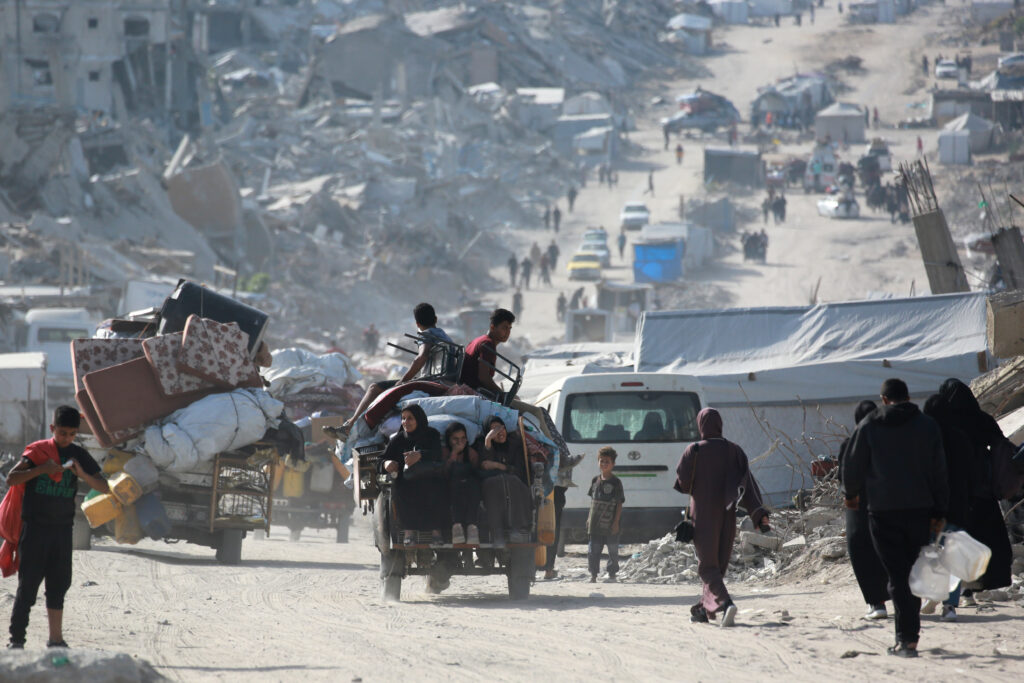
European countries ramped up pressure on Israel to abandon its intensified campaign in Gaza and let more aid into the war-ravaged territory, where rescuers said fresh attacks killed dozens of people on Tuesday.An AFP journalist saw some trucks entering the Kerem Shalom crossing into Gaza from the Israeli side on Tuesday, a day after the UN said it had been cleared to send aid for the first time since Israel imposed a total blockade on March 2, sparking severe shortages of food and medicine.The dire humanitarian situation in the Strip has prompted an international outcry, with the European Union saying it would review its trade cooperation deal with Israel over alleged human rights abuses following a foreign ministers’ meeting on Tuesday. The bloc’s top diplomat Kaja Kallas said “a strong majority” of its 27 member states backed the move, adding “the countries see that the situation in Gaza is untenable… and what we want is to unblock the humanitarian aid”.Sweden said it would press the EU to level sanctions against Israeli ministers.”Since we do not see a clear improvement for the civilians in Gaza, we need to raise the tone further,” said Foreign Minister Maria Malmer Stenergard.And Britain suspended free-trade negotiations with Israel, summoned the Israeli ambassador and said it was imposing sanctions on settlers in the occupied West Bank in its toughest actions so far against Israel’s conduct of the war.”Blocking aid, expanding the war, dismissing the concerns of your friends and partners. This is indefensible and it must stop,” Foreign Secretary David Lammy said in an impassioned speech to parliament.Responding to Britain’s moves, Israeli foreign ministry spokesman Oren Marmorstein said “external pressure will not divert Israel from its path in defending its existence and security”.- Flour, baby food, medicine -COGAT, the Israeli defence ministry body that oversees civil affairs in the Palestinian territories, said “93 UN trucks carrying humanitarian aid, including flour for bakeries, food for babies, medical equipment, and pharmaceutical drugs were transferred” to Gaza on Tuesday.The spokesman for UN chief Antonio Guterres confirmed dozens of trucks were allowed in, but spoke of difficulties receiving the deliveries.”Today, one of our teams waited several hours for the Israeli green light to… collect the nutrition supplies. Unfortunately, they were not able to bring those supplies into our warehouse,” Stephane Dujarric said.UN humanitarian chief Tom Fletcher said that the nine trucks cleared to enter on Monday were “a drop in the ocean of what is urgently needed”.He told the BBC on Tuesday that 14,000 babies could die in the next 48 hours if aid did not reach them in time.US Secretary of State Marco Rubio, replying to a Democrat’s comment during a Senate Foreign Relations Committee meeting, said he understood “that it’s not in sufficient amounts, but we were pleased to see that decision was made” to restart aid shipments.The Israeli army stepped up its offensive at the weekend, vowing to defeat Gaza’s rulers Hamas, whose October 7, 2023 attack on Israel triggered the war.Strikes overnight and early Tuesday left “44 dead, mostly children and women, as well as dozens of wounded”, civil defence spokesman Mahmud Bassal told AFP.Bassal said 15 people were killed when a petrol station was hit near the Nuseirat refugee camp, and eight others were killed in a strike on a school sheltering displaced Palestinians in Gaza City to the north.The Israeli military told AFP it had “struck a Hamas terrorist who was operating from within a command and control centre” inside the school compound. There was no comment on the other incidents.At the bombarded petrol station, Nuseirat resident Mahmoud al-Louh carried a cloth bag of body parts to a vehicle.”They are civilians, children who were sleeping. What was their fault?” he told AFP.In a statement on Tuesday, the military said it had carried out strikes on more than “100 terror targets” in Gaza over the past day.- ‘Irresponsible’ behaviour -On Monday, Prime Minister Benjamin Netanyahu said Israel would “take control of all the territory of the Strip” with its new campaign.Israel resumed operations across Gaza on March 18, bringing an end to a two-month ceasefire amid deadlock over how to proceed.Negotiators from Israel and Hamas began a new round of indirect talks in Doha over the weekend, just as the intensified campaign was getting underway.Qatar, which has been involved in mediation efforts throughout the war, said Tuesday that Israel’s “irresponsible, aggressive behaviour” had undermined the chances of a ceasefire.Hours later, Netanyahu’s office accused Hamas of refusing to accept a deal, saying Israel was recalling its senior negotiators but leaving the “working levels” of its team in Doha.A source close to Hamas alleged that Israel’s delegation “has not held any real negotiations since last Sunday”, blaming “Netanyahu’s systematic policy of obstruction”.The Hamas attack in October 2023 resulted in the deaths of 1,218 people on the Israeli side, mostly civilians, according to an AFP tally based on official figures.Militants also took 251 hostages, 57 of whom remain in Gaza including 34 the military says are dead.Gaza’s health ministry said Tuesday at least 3,427 people have been killed since Israel resumed strikes on March 18, taking the war’s overall toll to 53,573.

Google ramps up search with AI mode

Google on Tuesday said it was beefing up online searches with even more generative artificial intelligence, as it presses on with embracing AI despite fears for its ad-based business model.CEO Sundar Pichai, speaking at the company’s annual developers event, said Google’s search engine would feature a new AI mode, as he boasted that “decades of research” were reaching fruition with the new technology.The search engine’s nascent AI mode goes further than the already launched AI Overviews which display answers to queries from the tech giant’s generative AI powers, above the traditional blue links to websites and ads.”New AI mode is a total reimagining of search with more advanced reasoning,” said Pichai, kicking off the conference in Silicon Valley.”You can ask longer and more complex queries… and you can go further with follow-up questions.”Google head of search Liz Reid described the freshly unveiled AI mode, now available in the United States, as a powerful tool with advanced reasoning, multi-modality, and the ability for users to dive deeper into searches.”It searches across the entire web, going way deeper than the traditional search,” she said.Since Google debuted AI Overviews in search results at its developers conference a year ago, it has grown to more than 1.5 billion users across several countries, according to Pichai.”That means Google Search is bringing Gen AI to more people than any other product in the world,” Pichai said.Google’s push into generative AI comes amid intensifying competition with OpenAI’s ChatGPT, which has itself incorporated search engine features into its popular chatbot. Both companies are rapidly releasing new AI products despite ongoing challenges with preventing misinformation and establishing clear business models, and with no clear sense of how the tech will affect society.Analysts have expressed concerns that shifting away from pages of “blue links” to AI-generated summaries in Google search would mean fewer opportunities to serve up money-making ads at the heart of the company’s business model.This has also caused alarm among website publishers, such as news organizations or Wikipedia, who face a massive drop in traffic with the potential demise of Google search links that have been the main gateway to the internet for the past two decades.Fueling those concerns, Apple executive Eddy Cue testified in federal court recently that Google’s search traffic on Apple devices declined in April for the first time in over two decades.Cue, Apple’s senior vice president of services, told the Washington antitrust trial that Google was losing ground to AI alternatives like ChatGPT and Perplexity, sending Google’s shares plummeting.Investors were also unsettled when Cue added that Apple might soon offer AI alternatives as default search options on its devices, heightening concerns that Google’s advertising revenue could face serious threats from AI competitors.This testimony occurred during a critical trial where a federal judge could potentially order Google to divest key businesses following a previous ruling that its search engine constitutes an illegal monopoly.- ‘Ultra’ -At its annual developers conference, known as Google I/O, the company nurtures relationships with creators of apps, platforms or online services, hoping to keep them inspired to sync with its offerings.Beyond search, the conference showcased numerous AI innovations being developed or deployed.These include real-time speech translation, virtual clothing try-ons using personal photos, and technology that can automatically search for desired items and make purchases when prices drop.Google is also introducing “agent” capabilities to Chrome and the Gemini AI app, allowing AI to handle online tasks independently. These features will initially launch for paying subscribers.The company announced that its most advanced AI tools would be available through a new “Ultra” subscription tier priced at $250 monthly.