


British climbers summit Everest in record bid
A British team of veteran ex-special forces soldiers summited Everest on Wednesday, expedition organisers said, in a bid to fly from London, climb the highest peak and return home within seven days.Four men including government minister Alistair Carns left London on Friday pre-acclimatised to the low oxygen at high altitudes — including using xenon gas, a method that raised eyebrows in the mountaineering community.The men, who slept in special low-oxygen tents before departure from Britain, are raising funds for veterans’ charities.”All four of them, along with a photographer and five Sherpa team reached the summit this morning at 7:10 am,” expedition organiser Lukas Furtenbach, of Austria-based Furtenbach Adventures, told AFP.The team, which also includes Garth Miller, Anthony Stazicker and Kevin Godlington, are now descending from the 8,849-metre (29,000-foot) peak.”They will descend to the base camp by evening and weather permitting will be back home within seven days,” Furtenbach said.The team is raising money for children whose parents were killed in conflict.”I’ve seen, on multiple operations in Afghanistan, individuals who haven’t returned,” Carns, 45, who carried out five tours of Afghanistan, said before his departure.Carns, a colonel in the Royal Marine Reserves, is the most highly decorated British lawmaker since World War II.- ‘Climb higher faster’ -The men are not the fastest to ascend Everest — that record is held by Nepali climber Lhakpa Gelu Sherpa, who climbed from base camp to the summit in 10 hours and 56 minutes in 2003.But expedition leader Miller, a commercial airline pilot, said it was a “new way of climbing 8,000-metre peaks”.Speaking before the ascent, he said they used “the latest sports science” to hone their physical preparation to allow them to “climb higher faster”.For decades the dream of reaching the summit of Mount Everest has required at least two months on the mountain doing a series of acclimatisation rotations.But the team took a different route, heading directly to Everest’s base camp on Saturday by helicopter, straight after arriving from London.Areas above 8,000 metres are known as the “death zone” because thin air and low oxygen levels heighten the risk of altitude sickness.They pre-acclimatised at home using hypoxic tents and special training techniques, before being administered xenon gas two weeks before departure.The World Anti-Doping Agency banned the use of xenon in 2014, saying it could illegally enhance the performance of athletes.- Criticism -Furtenbach said xenon allows faster climbs and decreases the risk of altitude sickness.”I was looking for new ways of acclimatising,” Furtenbach told AFP.Inhaling the gas prompts the production of the hormone erythropoietin (EPO) in the body, which encourages the formation of oxygen-carrying red blood cells to improve performance.”You can say that xenon inhalation mimics the effects of a classical rotation to high altitude,” said Michael Fries, a German doctor who works with Furtenbach.In January the medical commission at the International Climbing and Mountaineering Federation -– the umbrella group for mountaineering organisations -– cautioned against using xenon.”There is no evidence that breathing in xenon improves performance in the mountains and inappropriate use can be dangerous,” it said.It also comes at a financial cost, with the climb costing an estimated $170,000 per person, according to Furtenbach, several times higher than the slower expeditions. Some have been critical of the use of xenon.”Mostly I view it as a stunt,” said Adrian Ballinger, who runs US-based Alpenglow Expeditions, a company that has worked to develop accelerated acclimatisation methods.”To me, those things take away from what makes climbing Mount Everest unique, which is the unknown outcome and the fact that each person on the mountain is pushed to their emotional, physical and mental limits.”Furtenbach, who has tested the gas on mountain climbs since 2020, said he hoped that the expedition would help normalise xenon to become “part of a standard safety protocol for high-altitude mountaineering”.
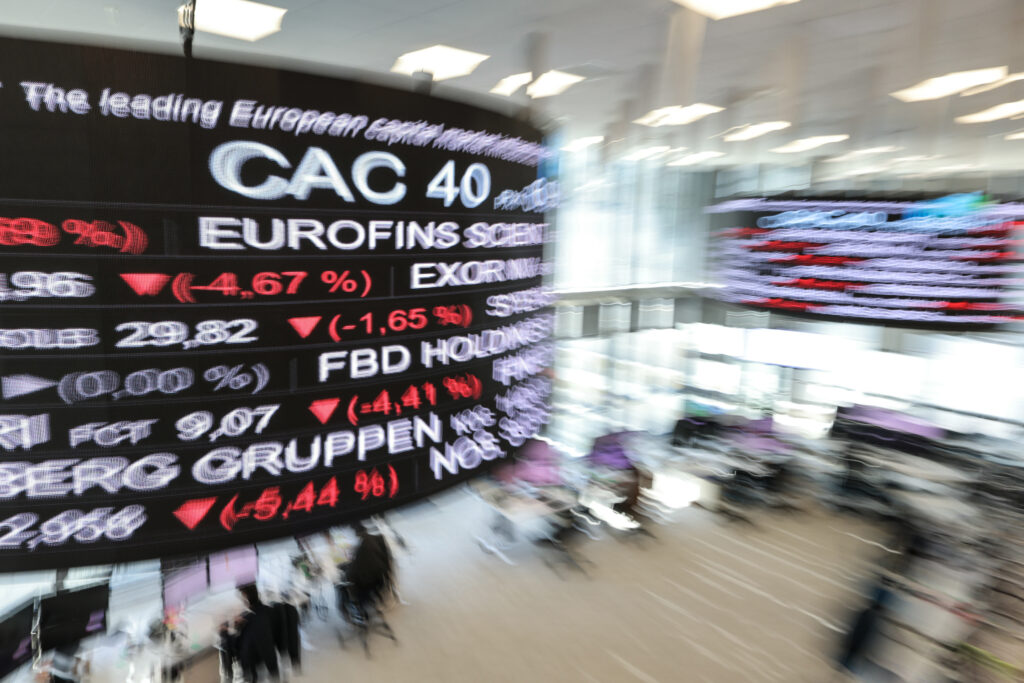
La Bourse de Paris en légère baisse
La Bourse de Paris évolue sans entrain mercredi, gagnée par l’attentisme face aux incertitudes sur le vote du budget aux Etats-Unis et aux tensions géopolitiques et commerciales mondiales.Le CAC 40 perdait 0,36% vers 10H00 (heure française), à 7.913,63 points, en recul de 27,31 points. La veille, l’indice français vedette a pris 0,75%.”Tous les regards sont tournés vers la loi fiscale que l’administration Trump cherche à faire adopter, car l’accord final déterminera en grande partie l’ampleur du déficit américain dans les années à venir”, résument les analystes de Deutsche Bank.Le projet de loi budgétaire du président américain fait l’objet de vifs débats au Congrès, après la dégradation de la note des Etats-Unis par l’agence Moody’s vendredi, qui a bousculé les marchés en début de semaine.Donald Trump a exhorté mardi au Congrès les élus républicains à soutenir sa “grande et belle loi”, qui concrétiserait certaines de ses promesses phares mais risque d’accroître fortement le déficit.Côté géopolitique, le regard des marchés est tourné vers le Moyen-Orient: “des informations de CNN selon lesquelles Israël préparerait des frappes à l’encontre de l’Iran alimentent la volatilité”, explique John Plassard, spécialiste de l’investissement pour Mirabaud.Selon la chaîne américaine, Israël réfléchirait à frapper des installations nucléaires iraniennes.Ces informations interviennent alors que des négociations sont en cours sous la médiation d’Oman entre l’Iran et les Etats-Unis depuis le 12 avril, visant à conclure un nouvel accord pour encadrer le programme nucléaire de Téhéran.Les investisseurs portent enfin leur attention sur les dernières avancées des négociations commerciales entre Washington et ses partenaires, alors que les ministres des Finances du G7 sont réunis depuis mardi soir à Banff, au Canada.Ces derniers cherchent à convaincre l’administration Trump de revenir complètement sur les droits de douane annoncés lors de son offensive protectionniste début avril, et dont une large partie est pour le moment suspendue.Côté obligataire, les taux d’intérêt de l’emprunt à dix ans français de référence atteignaient 3,29% vers 10H00 (heure française), contre 3,26% la veille en clôture.Kering annonce un nouvel empruntLe groupe de luxe Kering (-2,18% à 178,62 euros) a annoncé mardi soir l’émission d’un nouvel emprunt obligataire pour “un montant total de 750 millions d’euros”, afin d’accroître sa “flexibilité financière”.
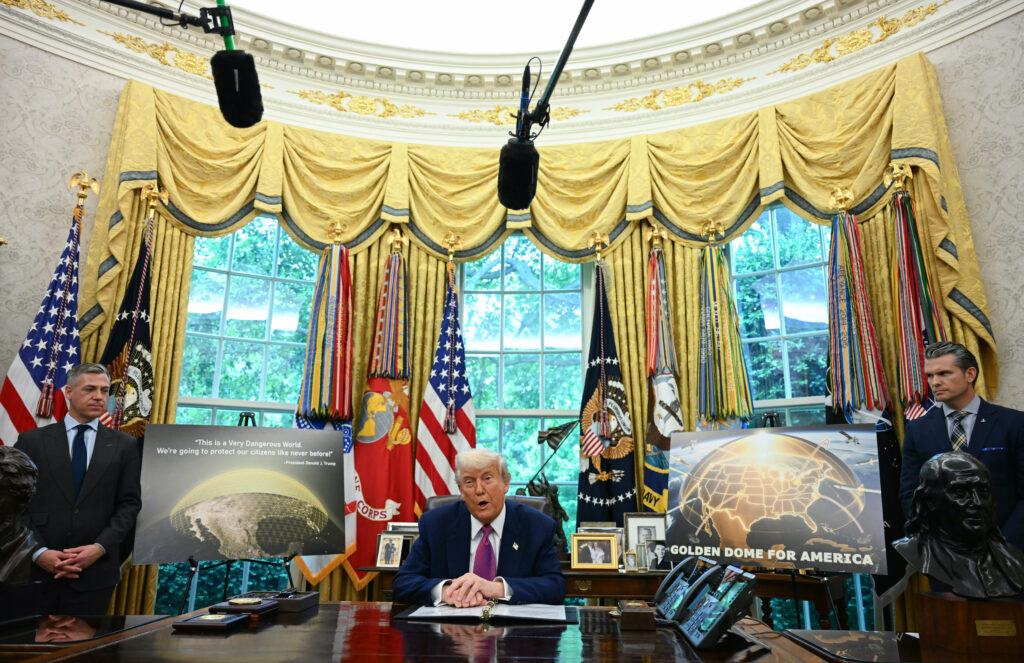
Trump annonce la construction d’un bouclier antimissiles “Dôme d’or” pour les Etats-Unis
Donald Trump a annoncé que les États-Unis allaient construire un vaste bouclier antimissile baptisé “Dôme d’or”, un projet que Pékin a appelé Washington à “abandonner au plus vite”, estimant qu’il saperait la stabilité mondiale.”J’ai le plaisir d’annoncer que nous avons officiellement sélectionné une architecture pour ce système dernier cri”, a déclaré le président américain à la presse dans le Bureau ovale de la Maison Blanche. Il a précisé que le Canada rejoindrait cette initiative.”Une fois achevé, le Dôme d’or sera capable d’intercepter des missiles même s’ils sont lancés de l’autre côté de la Terre et même s’ils sont lancés depuis l’espace”, a-t-il ajouté. Le système sera opérationnel d’ici la fin de son mandat, a-t-il précisé, et coûtera au total “environ 175 milliards de dollars une fois terminé”.La Chine a dénoncé mercredi un projet “marqué par une forte dimension offensive” et qui “risque d’accélérer la militarisation de l’espace ainsi que d’alimenter la course aux armements”.”Cela porte atteinte à l’équilibre stratégique et à la stabilité mondiale”, a indiqué lors d’un point presse régulier Mao Ning, une porte-parole du ministère chinois des Affaires étrangères.”La Chine exprime de sérieuses inquiétudes à ce sujet. Nous exhortons les États-Unis à abandonner au plus vite le développement et le déploiement d’un système mondial de défense antimissile”, a-t-elle souligné.Selon une agence du Congrès américain sans affiliation partisane, le coût estimé d’un système d’interception basé dans l’espace pour contrer un nombre limité de missiles balistiques intercontinentaux est d’entre 161 milliards de dollars et 542 milliards sur 20 ans.- Comme Israël -Fin janvier, Donald Trump avait signé un décret pour développer un “Dôme de fer américain”, soit selon la Maison Blanche un bouclier de défense antimissiles total pour protéger le territoire américain.La Russie et la Chine avaient alors critiqué cette annonce, Moscou y voyant un plan “comparable à la guerre des étoiles” soutenu par Ronald Reagan durant la Guerre froide.L’expression “Dôme de fer” fait référence à l’un des systèmes de défense d’Israël, qui protège le pays des attaques par missiles et roquettes mais aussi par drones.Ce système a intercepté des milliers de roquettes depuis sa mise en service en 2011. Il a un taux d’interception d’environ 90%, selon l’entreprise militaire israélienne Rafael, qui a participé à sa conception.Israël a d’abord développé seul le “Dôme de fer” après la guerre du Liban de 2006, avant d’être rejoint par les États-Unis, qui ont apporté leur savoir-faire en matière de défense et des milliards de dollars de soutien financier.Donald Trump avait déjà évoqué ce projet de bouclier antimissiles dans sa campagne, mais les experts soulignent que ces systèmes sont conçus à l’origine pour répondre à des attaques menées à courte ou moyenne distance, et non pas pour intercepter des missiles à portée intercontinentale susceptibles de frapper les États-Unis.- Drones -En 2022, la dernière évaluation de l’armée américaine dans le domaine des missiles (Missile Defense Review) faisait état de menaces croissantes de la Russie et de la Chine.Pékin se rapproche de Washington en matière de missiles balistiques et hypersoniques, tandis que Moscou modernise ses systèmes de missiles de portée intercontinentale et améliore ses missiles de précision, selon ce document.Il affirme également que la menace des drones – qui jouent un rôle clé dans la guerre en Ukraine – est susceptible de s’accroître et met en garde contre le danger des missiles balistiques de la Corée du Nord et de l’Iran, ainsi que des menaces de roquettes et de missiles provenant d’acteurs non étatiques.Ces dernières années, les États-Unis ont acquis une expérience précieuse en matière de défense contre les missiles et les drones.En Ukraine, les systèmes américains ont été utilisés pour contrer les missiles russes, tandis que les avions et les navires de guerre américains ont aidé à défendre Israël contre les attaques iraniennes l’année dernière et ont abattu à plusieurs reprises des missiles et des drones lancés sur des navires par les rebelles houthis du Yémen, soutenus par Téhéran.dk-rle-isk-reb-ehl/pt
Japan tourists soared 28.5% in April to record 3.9mn
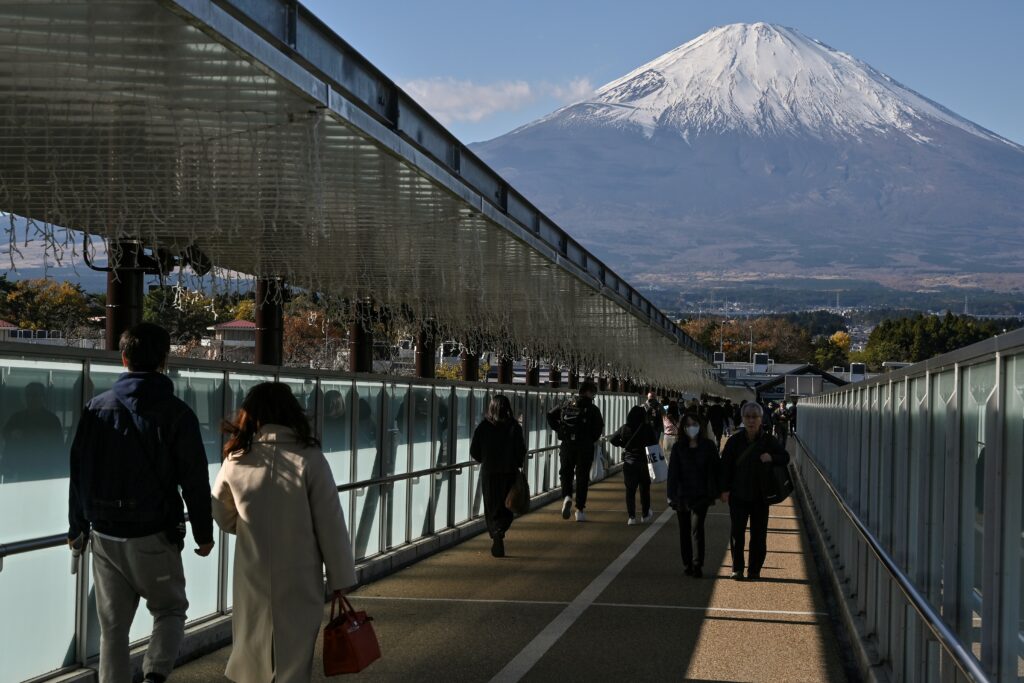
The number of foreign visitors to Japan soared 28.5 percent in April year-on-year to a record 3.91 million, official figures showed Wednesday.”Spring cherry blossom season boosted demand for visits to Japan in many markets, as in the previous month, and overseas travel demand increased in some Asian countries, in Europe, the US and Australia to coincide with the Easter holidays,” the Japan National Tourism Organization said.It said the total surpassed the previous record of 3.78 million in January 2025 and was the highest single month on record, and the first single month to exceed 3.9 million visitors.For the first four months of the year the total was 14.4 million, a rise of 24.5 percent.A weak yen has for months been leading to a boom in visitors, with national tourism figures released in January showing a record of about 36.8 million arrivals last year.The Japanese government has set an ambitious target of almost doubling tourist numbers to 60 million annually by 2030.Authorities say they want to spread sightseers more evenly around the country, and to avoid a bottleneck of visitors eager to snap spring cherry blossoms or vivid autumn colours.But as in other global tourist magnets like Venice in Italy, there has been growing pushback from residents in destinations such as the ancient capital of Kyoto.The tradition-steeped city, just a couple of hours from Tokyo on the bullet train, is famed for its kimono-clad geisha performers and increasingly crowded Buddhist temples.On Mount Fuji, the nation’s highest mountain and a once-peaceful pilgrimage site, authorities have started charging climbers in an effort to reduce overcrowding.Last year a barrier was briefly erected outside a convenience store to stop people standing in the road to photograph a view of the snow-capped volcano that had gone viral.Business travellers in cities including Tokyo have complained that they have been priced out of hotels because of high demand from tourists.Tourists gobbling sushi and onigiri have also been cited as a factor in shortages of rice, which has pushed the price of the staple to record levels, creating a political headache for the government.This year the Japanese Meteorological Agency (JMA) on March 30 declared the country’s most common and popular “somei yoshino” variety of cherry tree in full bloom in Tokyo.Although this year’s blooming dates are around the average, the JMA says climate change and the urban heat-island effect are causing sakura to flower approximately 1.2 days earlier every 10 years.Katsuhiro Miyamoto, professor emeritus at Kansai University, estimated the economic impact of cherry blossom season in Japan, from travel to parties held under the flowers, at 1.1 trillion yen ($7.3 billion) this year, up from 616 billion yen in 2023.
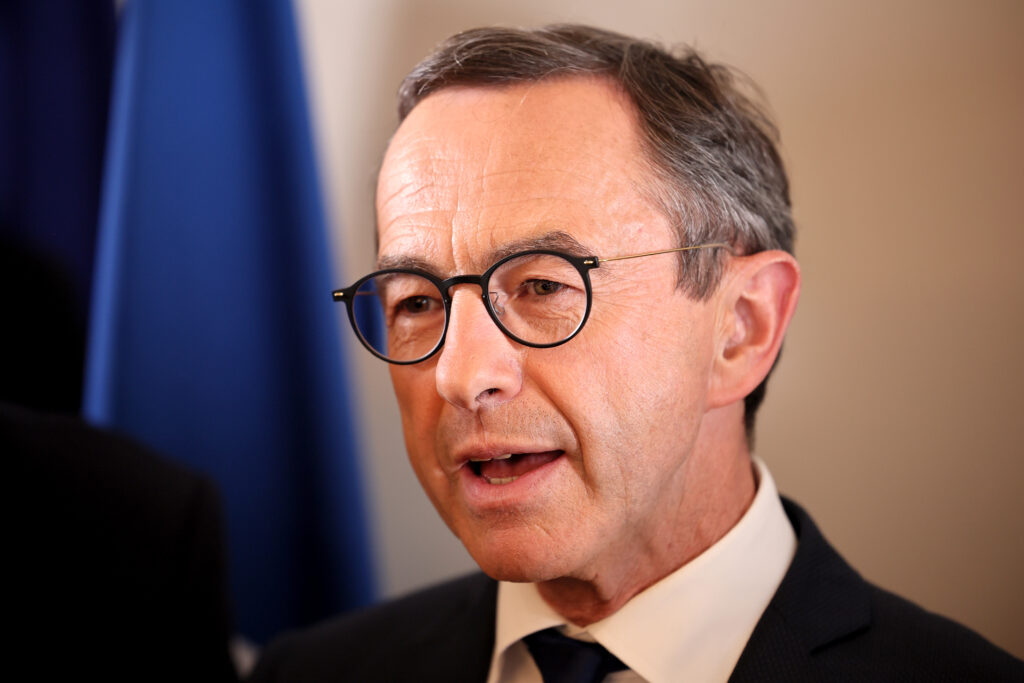
Présidentielle : Retailleau en hausse dans les intentions de vote, selon un sondage
Les intentions de vote pour Bruno Retailleau à la prochaine élection présidentielle sont en hausse de quatre points en mai, indique mercredi un sondage Ifop-Fiducial pour Le Figaro et Sud Radio, trois jours après son élection à la tête des Républicains.Dans cette étude réalisée lundi et mardi, 16% des sondés indiquent qu’ils voteraient pour l’actuel ministre de l’Intérieur si le premier tour de l’élection présidentielle se déroulait dimanche prochain, contre 11% au mois de mars dernier. Un score qui reste bien inférieur à celui du candidat du Rassemblement national, qui arriverait largement en tête au premier tour : qu’il s’agisse de Marine Le Pen ou Jordan Bardella, 31% des voix seraient remportées par le parti d’extrême droite. Le sondage Ifop place Edouard Philippe en deuxième position, avec 21% des intentions de vote. Bruno Retailleau arrive troisième, suivi par Jean-Luc Mélenchon, qui rassemblerait 13,5% des suffrages si Marine Le Pen est candidate, et 13% si Jordan Bardella la remplace. L’étude part du principe qu’il y aura cinq candidatures à gauche : Jean-Luc Mélenchon, Marine Tondelier, Olivier Faure, Fabien Roussel et Nathalie Arthaud. La candidature de François Ruffin n’est pas prise en compte. L’enquête, qui ne constitue pas une prévision mais donne une indication des rapports de force et des dynamiques à l’instant T, a été menée en ligne du 19 au 20 mai auprès d’un échantillon de 1.114 personnes inscrites sur les listes électorales, représentatif de la population française âgée de 18 ans et plus. La marge d’erreur est comprise entre 1,4 pt et 3,1 pts.
Trump unveils plans for ‘Golden Dome’ missile shield for US
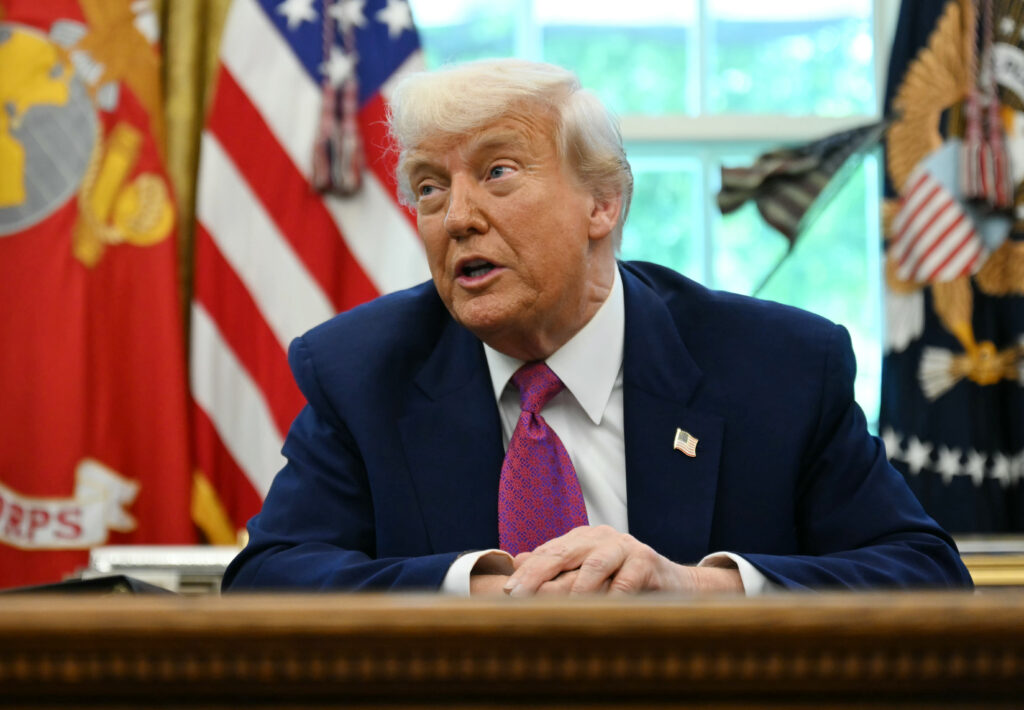
US President Donald Trump has announced new details and initial funding for his “Golden Dome” missile shield system, with geopolitical rival China accusing Washington on Wednesday of undermining global stability.Trump on Tuesday announced $25 billion earmarked for the project, which he said could eventually cost a total of around $175 billion and would be operational in about three years. Beijing hit back Wednesday, denouncing Golden Dome as a threat to international security and accusing the United States of fueling an arms race.”In the campaign I promised the American people I would build a cutting-edge missile defense shield,” Trump said at the White House on Tuesday. “Today I am pleased to announce we have officially selected architecture for this state-of-the-art system.””Once fully constructed, the Golden Dome will be capable of intercepting missiles even if they are launched from other sides of the world, and even if they are launched from space,” Trump said. “This is very important for the success and even survival of our country.”He said US Space Force General Michael Guetlein will lead the effort, and that Canada has expressed interest in being part of it as “they want to have protection also.”While Trump put the total price at about $175 billion, the Congressional Budget Office has estimated the cost of space-based interceptors to defeat a limited number of intercontinental ballistic missiles at between $161 billion and $542 billion over 20 years.Golden Dome has more expansive goals, with Trump saying it “will deploy next-generation technologies across the land, sea and space, including space-based sensors and interceptors.”Pentagon chief Pete Hegseth, speaking alongside Trump, said the system is aimed at protecting “the homeland from cruise missiles, ballistic missiles, hypersonic missiles, drones, whether they’re conventional or nuclear.”- China, Russia oppose Golden Dome -The plan’s Golden Dome name stems from Israel’s Iron Dome air defense system that has intercepted thousands of short-range rockets and other projectiles since it went into operation in 2011.The United States faces various missile threats from adversaries, but they differ significantly from the short-range weapons that Israel’s Iron Dome is designed to counter.The 2022 Missile Defense Review pointed to growing threats from China and Russia.Beijing is closing the gap with Washington when it comes to ballistic and hypersonic missile technology, while Moscow is modernizing its intercontinental-range missile systems and developing advanced precision strike missiles, the document said.It also said that the threat of drones — which have played a key role in the Ukraine war — is likely to grow, and warned of the danger of ballistic missiles from North Korea and Iran, as well as rocket and missile threats from non-state actors.Beijing on Wednesday expressed “serious concern” over the plan, saying it undercuts “global strategic balance and stability.””The United States puts its own interests first and is obsessed with seeking its own absolute security, which violates the principle that no country’s security should come at the expense of others,” foreign ministry spokeswoman Mao Ning said at a regular briefing.”(The plan) heightens the risk of space becoming a battlefield, fuels an arms race, and undermines international security,” Mao added. China this month had already joined Russia in slamming the concept as “deeply destabilizing”. It “explicitly provides for a significant strengthening of the arsenal for conducting combat operations in space,” said a statement published by the Kremlin after talks between the two sides.The United States has gained valuable real-world experience in defending against missiles and drones in recent years.In Ukraine, US systems have been used to counter advanced Russian missiles, while American planes and warships helped defend Israel against Iranian attacks last year and have repeatedly shot down missiles and drones launched at ships by Yemen’s Tehran-backed Huthi rebels.