

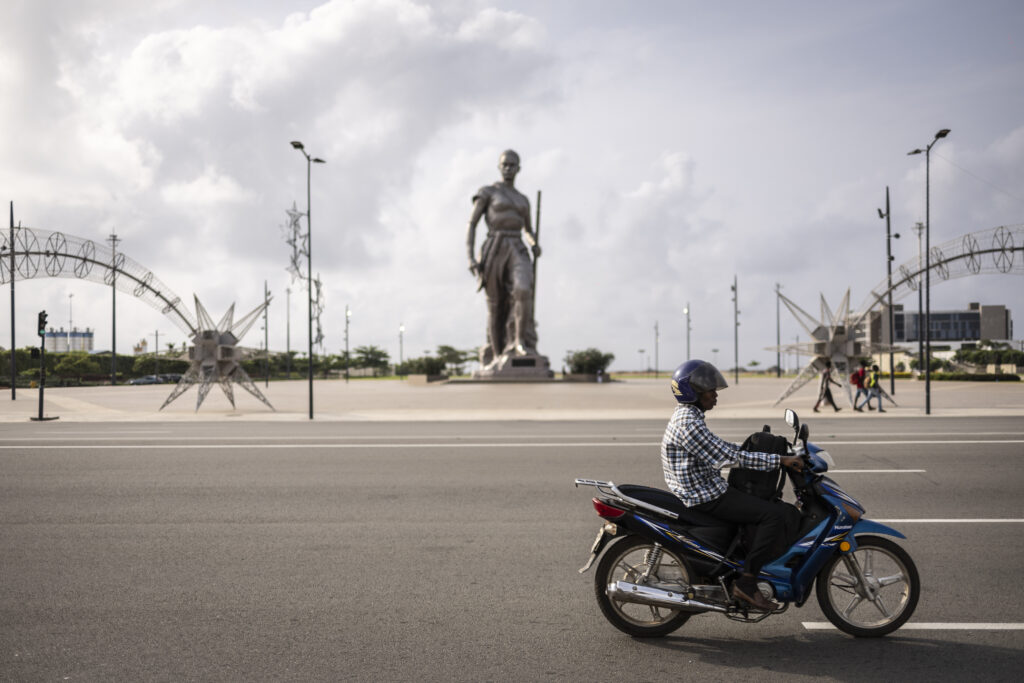
‘Search continues’ for soldiers behind foiled Benin coupMon, 08 Dec 2025 15:58:49 GMT
After managing to release all hostages, including high-ranking officers, Benin was Monday searching for fugitive soldiers behind a foiled coup attempt as other west African countries mobilised to offer military support.The economic capital Cotonou was calm and traffic had returned to normal by Monday afternoon, AFP journalists saw, after a group of soldiers a day …
‘Search continues’ for soldiers behind foiled Benin coupMon, 08 Dec 2025 15:58:49 GMT Read More »
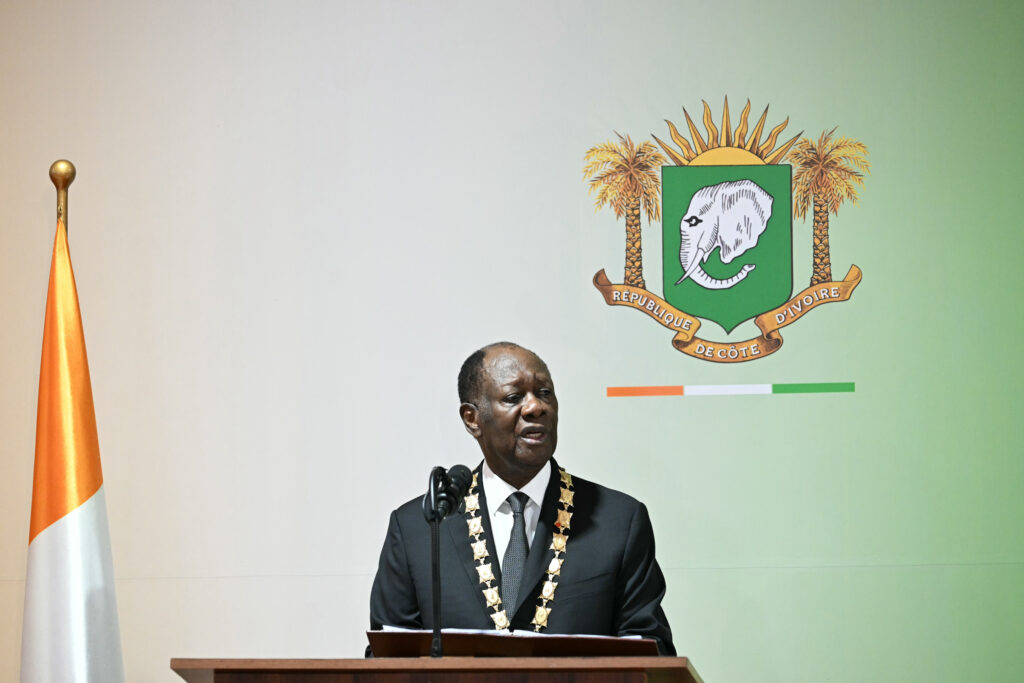
Ivory Coast leader sworn in for fourth term, vowing ‘generational’ changeMon, 08 Dec 2025 15:53:49 GMT
Vowing to deliver “generational” change, President Alassane Ouattara was sworn in Monday for a fourth term as leader of Ivory Coast, after elections in which his two main opponents were excluded from the ballot.Ouattara, 83, was re-elected with nearly 90 percent of the vote in the October 25 election, though turnout in the west African …
Japon : un fort séisme entraîne une alerte au tsunami
Un fort séisme a frappé lundi le nord du Japon, où deux vagues de tsunami de 40 centimètres ont été enregistrées selon l’agence météorologique du pays.L’Institut américain de géophysique (USGS) a affirmé que le tremblement de terre de magnitude 7,6 s’est produit à 14H15 GMT au large de Misawa, sur la côte Pacifique du Japon, à une profondeur de 53 kilomètres.L’agence météorologique japonaise (JMA) a aussitôt émis une alerte au tsunami. Une première vague de 40 cm a déferlé sur un port dans la région septentrionale d’Aomori, où se situe Misawa, à 23H43 locales (14H43 GMT), a-t-elle précisé.A 23H50, une autre vague de 40 cm a atteint la ville d’Urakawa, dans la région d’Hokkaido. Plusieurs personnes ont été blessées, a rapporté la télévision publique NHK en citant un employé d’hôtel à Hachinohe, près d’Aomori. Des images filmées en direct montrent des morceaux de verre brisés éparpillés sur les routes.Le séisme a également été ressenti dans la grande ville de Sapporo, dans le nord de l’archipel nippon, où les alarmes des téléphones portables des habitants ont retenti. Un journaliste de la NHK à Hokkaido (nord) a décrit une secousse horizontale d’environ 30 secondes l’ayant empêché de rester debout, au moment du séisme.La JMA redoutait un peu plus tôt lundi un tsunami pouvant atteindre trois mètres.La région est toujours traumatisée par le terrible séisme de magnitude 9,0 de 2011, qui avait déclenché un tsunami, à l’origine de quelque 18.500 morts ou disparus.La catastrophe avait également entraîné la fusion de trois des réacteurs de la centrale nucléaire de Fukushima, pire désastre de ce type depuis Tchernobyl.Le Japon se situe à la jonction de quatre plaques tectoniques, sur ladite “Ceinture de feu” du Pacifique. Le pays présente l’une des plus fortes activités sismiques au monde.L’archipel de 125 millions d’habitants enregistre environ 1.500 tremblements de terre par an. La plupart sont faibles, même si les dégâts peuvent varier en fonction de leur localisation et de leur profondeur.

Ligue des champions: l’OM n’a plus le droit à l’erreur, le PSG sur sa lancée
Avec déjà trois défaites au compteur, l’Olympique de Marseille n’a plus le droit à l’erreur pour son déplacement à l’Union Saint-Gilloise mardi pour la 6e journée de Ligue des champions, où Paris se déplace à Bilbao et le Real Madrid reçoit City dans un choc devenu un classique européen.. Match crucial pour l’OMAvec seulement six points marqués en cinq rencontres, Marseille a besoin de ramener un résultat de son déplacement mardi (21h00) chez le leader du championnat belge, l’Union Saint-Gilloise, le tout premier adversaire de son histoire européenne, en 1962.Auteurs de leurs “pire match” de la saison à Lille vendredi (défaite 1-0) selon l’entraîneur Roberto De Zerbi, les Olympiens sont dans une mauvaise passe, après un nul frustrant contre Toulouse (2-2) concédé dans le temps additionnel.Les coéquipiers de Mason Greenwood devront particulièrement soigner leurs fin de match, qui leur ont déjà coûté trois points avec des défaites contre le Real Madrid (2-1), le Sporting Portugal (2-1) et l’Atalanta Bergame (1-0), alors que les Marseillais tenaient le nul.Dans le même temps, un Monaco pas très fringant, battu par Brest 1-0 en Ligue 1 et avec également six points en C1, va essayer d’entretenir un espoir de qualification en recevant Galatasaray.. Le PSG pour confirmerLe Paris SG a éloigné les doutes qui pointaient après la défaite contre Monaco (1-0) en balayant Rennes (5-0) samedi soir au Parc des Princes, un résultat de bon augure avant de se déplacer chez l’Athletic Bilbao mercredi (21h00). Malgré leur début de saison plombés par les blessures, les champions d’Europe en titre n’ont trébuché qu’à une seule reprise en C1 cette saison, à domicile contre le Bayern (2-1), pour quatre victoires.Même s’il devra probablement toujours se passer de Désiré Doué et Achraf Hakimi, qui n’ont pas encore retrouvé le groupe parisien, Luis Enrique peut compter sur l’essentiel de ses forces pour le déplacement à Bilbao.Les Basques, corrigés en championnat par le Real Madrid (3-0) et le FC Barcelone (4-0), ont retrouvé des couleurs ce week-end en faisant tomber l’Atlético Madrid (1-0).. Un choc Real-CityL’affiche de cette 6e journée constitue un classique du football européen de ces dernières années, avec le choc entre le Real Madrid, titré en 2022 et 2024, et Manchester City, lauréat de l’édition 2023.L’an dernier, les Madrilènes et les Citizens s’étaient rencontrés en barrage, et les coéquipiers de Kylian Mbappé l’avaient emporté notamment grâce à un triplé de l’attaquant français au match retour.Le duel entre Mbappé et Erling Haaland, deux des buteurs en forme du moment, offrira un avant-goût du Mondial-2026, où les deux joueurs devraient s’affronter en match de poule lors de France-Norvège.. Liverpool sans Salah Finaliste malheureux la saison passée face au PSG, l’Inter de Christian Chivu, arrivé cet été après le départ surprise de Simone Inzaghi, retrouve de l’allant, et pointe à la 4e place de la phase de ligue (12 points).Autant de raisons de s’inquiéter pour Liverpool avant de se rendre à San Siro mardi (21h00), en plein doute avec des résultats décevants et une affaire Mo Salah à gérer. Légende du club, l’attaquant égyptien, relégué sur le banc depuis plusieurs matches, s’est lâché contre ses dirigeants après le nul contre Leeds (3-3). Il ne figure pas dans le groupe des 19 joueurs retenus par ArneSlot pour ce déplacement en Italie.Parmi les autres affiches européennes, Arsenal, leader du championnat d’Angleterre et seul en tête de la Ligue des champions avec 15 points, peut poursuivre son sans-faute à Bruges, tandis que le Bayern Munich (12 points) reçoit le Sporting. Le Barça, sur courant alternatif en C1 (deux victoires, un nul, deux défaites), reçoit lui Francfort.
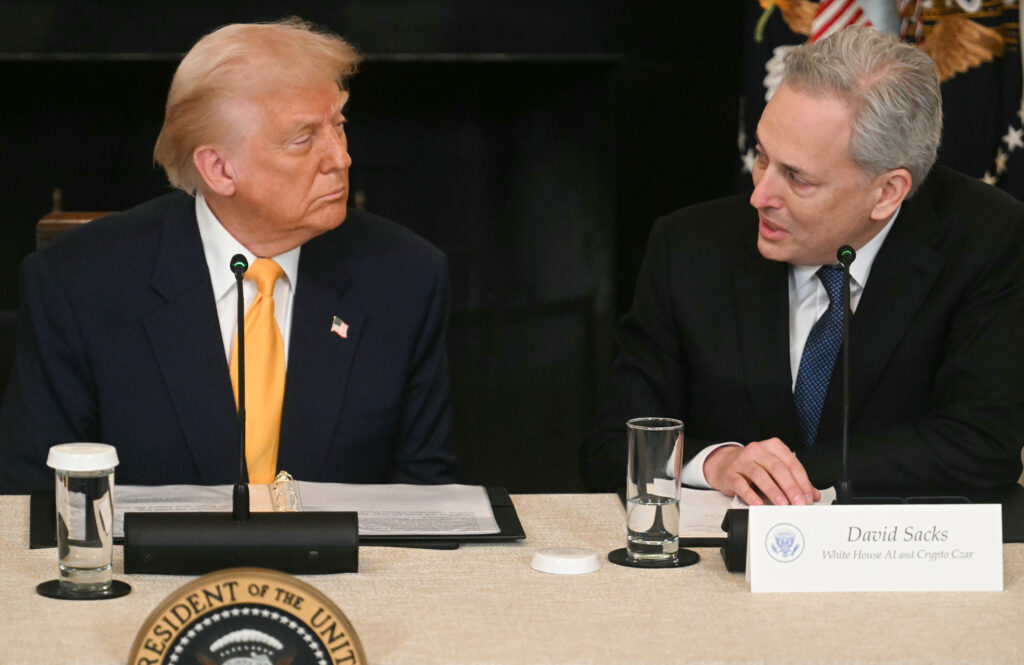
Trump says to sign order blocking AI regulation by states
President Donald Trump said Monday he will attempt to strip states of the right to regulate the surging AI industry, arguing centralized rulemaking is vital to maintain US dominance.”There must be only One Rulebook if we are going to continue to lead in AI,” he posted on his Truth Social platform, announcing an executive order that would seek to prevent state-level regulation.Trump has made a major play to position the United States at the head of the global race to build and control AI tools predicted to transform everything from the way the economy works to military technology.However, the White House is running up against deep skepticism in Congress and within his own MAGA movement, where many voices are wary of the technology’s potential economic and social harms.They point to polls that show increasing concern about AI, especially among young people who are nervous about getting or keeping a job.Figures within his own MAGA movement, such as strategy guru Steve Bannon, complain of Trump’s closer ties to Big Tech that put the president out of touch with his political base.The announcement that he will sign an executive order centralizing AI regulation comes after Congress has twice refused to vote for allowing the overriding of state-level laws on AI.”We are beating ALL COUNTRIES at this point in the race, but that won’t last long if we are going to have 50 States, many of them bad actors, involved in RULES and the APPROVAL PROCESS,” Trump wrote in his post.”THERE CAN BE NO DOUBT ABOUT THIS! AI WILL BE DESTROYED IN ITS INFANCY! I will be doing a ONE RULE Executive Order this week.”The order is likely to stir more political opposition and legal challenges even if no details are yet known about what it would say.A draft order seen by The Hill last month would have created a task force dedicated to challenging state AI laws and restricted certain broadband funding for states with AI laws deemed overly burdensome.The idea to stop states going their own way has been advanced by Trump’s AI and Crypto Czar David Sacks, a Silicon Valley insider, with the support of AI’s biggest players, including OpenAI boss Sam Altman and Nvidia CEO Jensen Huang.”State by state AI regulation would drag this industry to a halt, and it would create a national security concern as we need to make sure that United States advances AI technology as quickly as possible,” Huang told reporters during a visit to US Congress last week.Industry bosses complain that there are more than 1,000 AI-related bills currently moving through state legislatures.”How do you cope with those varied regulations (and)compete with countries like China, which are moving fast in this technology?” Google CEO Sundar Pichai told “Fox News Sunday.”
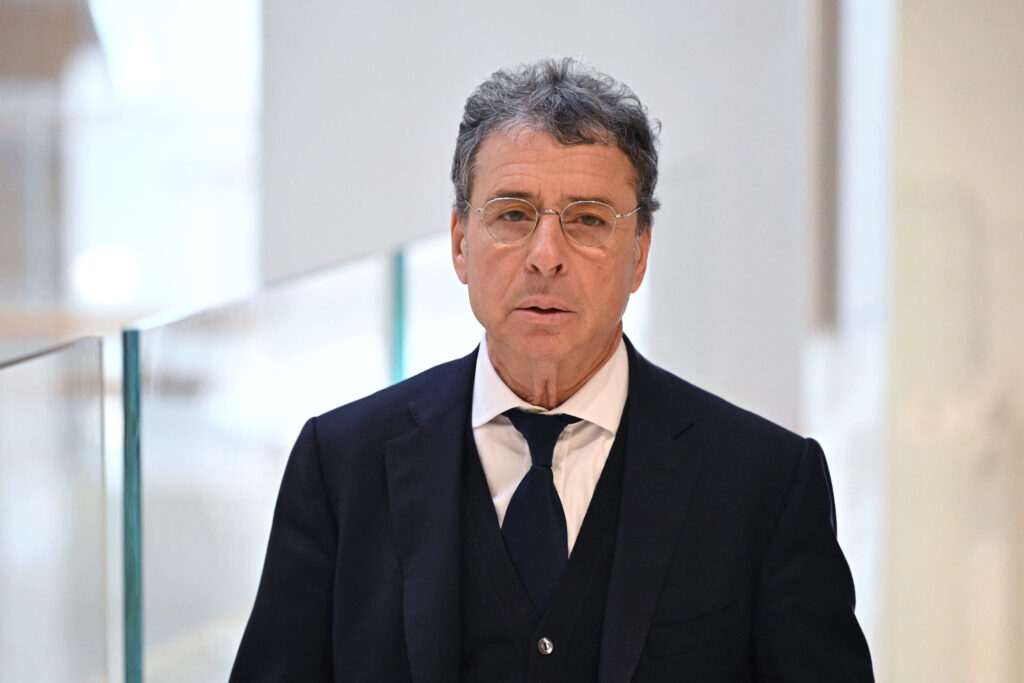
Procès libyen: Djouhri demande une nouvelle fois d’être libéré de prison, réponse mercredi
La cour d’appel de Paris se prononcera mercredi sur une nouvelle demande de mise en liberté déposée par l’intermédiaire Alexandre Djouhri, seul prévenu du procès libyen à être toujours incarcéré, qui a assuré qu’il ne “fuira jamais”.La première demande de l’homme d’affaires franco-algérien de 66 ans, condamné le 25 septembre à six ans d’emprisonnement avec incarcération immédiate, avait été rejetée début novembre par la cour d’appel, qui avait estimé qu’il présentait un risque de fuite et des garanties de représentation “particulièrement faibles”.”Jamais je ne déshonorerai mon nom”, a déclaré lundi M. Djouhri, qui comparaissait devant la cour d’appel en visio-conférence depuis la prison de la Santé, le visage creusé. “J’ai jamais fui de toute ma vie, je ne fuirai jamais, ça je vous en donne ma parole”, a-t-il promis, ajoutant avoir “hâte d’être au procès en appel”.Son avocat, Me Pierre-Henri Bovis, a demandé qu’il soit libéré sous contrôle judiciaire ou assigné à résidence sous bracelet électronique, présentant une garantie d’hébergement à une heure et demie de Paris chez un membre de sa famille.”Toutes ses détentions ont été fondées sur deux mensonges: le premier, qu’il serait le personnage clé du financement libyen (de la campagne de Nicolas Sarkozy, ndlr), et deux, qu’il aurait opté pour une stratégie de fuite”, a-t-il déclaré, dénonçant un “acharnement judiciaire” à l’encontre de son client.Selon l’avocat, dans son jugement du 25 septembre, “le tribunal correctionnel indique bien que les faits reprochés à M. Djouhri sont étrangers au volet du financement de la campagne de 2007”. La justice l’a toutefois condamné à six ans d’emprisonnement et trois millions d’euros d’amende pour avoir été au cœur de schémas financiers complexes impliquant de hauts dirigeants libyens.L’avocat général, qui a une nouvelle fois requis son maintien en détention, a estimé que la situation personnelle du prévenu ne devait “pas se limiter à une attestation d’hébergement” et souligné que son patrimoine était “évalué entre un et 50 millions d’euros”.Observant qu’il avait les nationalités française et algérienne, et qu’il était résident suisse, le magistrat a estimé que la justice n’aurait pas les moyens d’empêcher son passage en Suisse, et peut-être plus tard en Algérie, un pays avec lequel la coopération judiciaire est compliquée.Me Bovis a lui fait valoir que son client n’avait “aucun lien” avec l’Algérie, où il n’a jamais vécu ni travaillé.Le procès en appel du financement libyen se tiendra du 16 mars au 3 juin à Paris. Au total, 10 personnes, dont Nicolas Sarkozy et deux de ses proches, Claude Guéant et Brice Hortefeux, seront rejugées dans ce dossier.

List of key Golden Globe nominees
Here are the nominees in key categories for the 83rd Golden Globe Awards, which will be handed out on January 11.”One Battle After Another” leads all contenders with nine nods, followed by “Sentimental Value” with eight and “Sinners” with seven.- FILM -Best film, drama”Frankenstein””Hamnet””It Was Just An Accident””The Secret Agent””Sentimental Value””Sinners”Best film, musical or comedy”Blue Moon””Bugonia””Marty Supreme””No Other Choice””Nouvelle Vague””One Battle After Another”Best male actor, dramaJoel Edgerton, “Train Dreams”Oscar Isaac, “Frankenstein”Dwayne Johnson, “The Smashing Machine”Michael B. Jordan, “Sinners”Wagner Moura, “The Secret Agent”Jeremy Allen White, “Springsteen: Deliver Me from Nowhere”Best female actor, dramaJessie Buckley, “Hamnet”Jennifer Lawrence, “Die, My Love”Renate Reinsve, “Sentimental Value”Julia Roberts, “After the Hunt”Tessa Thompson, “Hedda”Eva Victor, “Sorry, Baby”Best male actor, musical or comedyTimothee Chalamet, “Marty Supreme”George Clooney, “Jay Kelly”Leonardo DiCaprio, “One Battle After Another”Ethan Hawke, “Blue Moon”Lee Byung-hun, “No Other Choice”Jesse Plemons, “Bugonia”Best female actor, musical or comedyRose Byrne, “If I Had Legs, I’d Kick You”Cynthia Erivo, “Wicked: For Good”Kate Hudson, “Song Sung Blue”Chase Infiniti, “One Battle After Another”Amanda Seyfried, “The Testament of Ann Lee”Emma Stone, “Bugonia”Best supporting actorBenicio Del Toro, “One Battle After Another”Jacob Elordi, “Frankenstein”Paul Mescal, “Hamnet”Sean Penn, “One Battle After Another”Adam Sandler, “Jay Kelly”Stellan Skarsgard, “Sentimental Value”Best supporting actressEmily Blunt, “The Smashing Machine”Elle Fanning, “Sentimental Value”Ariana Grande, “Wicked: For Good”Inga Ibsdotter Lilleaas, “Sentimental Value”Amy Madigan, “Weapons”Teyana Taylor, “One Battle After Another”Best directorPaul Thomas Anderson, “One Battle After Another”Ryan Coogler, “Sinners”Guillermo Del Toro, “Frankenstein”Jafar Panahi, “It Was Just An Accident”Joachim Trier, “Sentimental Value”Chloe Zhao, “Hamnet”Best non-English language film”It Was Just An Accident” (France)”No Other Choice” (South Korea)”The Secret Agent” (Brazil)”Sentimental Value” (Norway)”Sirat” (Spain)”The Voice of Hind Rajab” (Tunisia)Best cinematic and box office achievement:”Avatar: Fire and Ash””F1″”KPop Demon Hunters””Mission Impossible: The Final Reckoning””Sinners””Weapons””Wicked: For Good””Zootopia 2″Best animated feature”Arco””Demon Slayer: Kimetsu No Yaiba — Infinity Castle””Elio””KPop Demon Hunters””Little Amelie or the Character of Rain””Zootopia 2″- TELEVISION -Best drama series”The Diplomat””The Pitt””Pluribus””Severance””Slow Horses””The White Lotus”Best male actor, dramaSterling K. Brown, “Paradise”Diego Luna, “Andor”Gary Oldman, “Slow Horses”Mark Ruffalo, “Task”Adam Scott, “Severance”Noah Wyle, “The Pitt”Best female actor, drama Kathy Bates, “Matlock”Britt Lower, “Severance”Helen Mirren, “Mobland”Bella Ramsey, “The Last of Us”Keri Russell, “The Diplomat”Rhea Seehorn, “Pluribus”Best musical or comedy series”Abbott Elementary””The Bear””Hacks””Nobody Wants This””Only Murders in the Building””The Studio”Best male actor, musical or comedyAdam Brody, “Nobody Wants This”Steve Martin, “Only Murders in the Building”Glen Powell, “Chad Powers”Seth Rogen, “The Studio”Martin Short, “Only Murders in the Building”Jeremy Allen White, “The Bear”Best female actor, musical or comedy Kristen Bell, “Nobody Wants This”Ayo Edebiri, “The Bear”Selena Gomez, “Only Murders in the Building”Natasha Lyonne, “Poker Face”Jenna Ortega, “Wednesday”Jean Smart, “Hacks”Best limited series or TV movie”Adolescence””All Her Fault””The Beast in Me””Black Mirror””Dying for Sex””The Girlfriend”Best male actor, limited series or TV movie Jacob Elordi, “The Narrow Road to the Deep North”Paul Giamatti, “Black Mirror”Stephen Graham, “Adolescence”Charlie Hunnam, “Monster: The Ed Gein Story”Jude Law, “Black Rabbit”Matthew Rhys, “The Beast in Me”Best female actor, limited series or TV movie Claire Danes, “The Beast in Me”Rashida Jones, “Black Mirror”Amanda Seyfried, “Long Bright River”Sarah Snook, “All Her Fault”Michelle Williams, “Dying for Sex”Robin Wright, “The Girlfriend”- FILMS WITH MOST NOMINATIONS -“One Battle After Another” – 9″Sentimental Value” – 8″Sinners” – 7″Hamnet” – 6″Frankenstein” – 5″Wicked: For Good” – 5