Rubio appelle à un “changement radical” à Cuba, asphyxiée

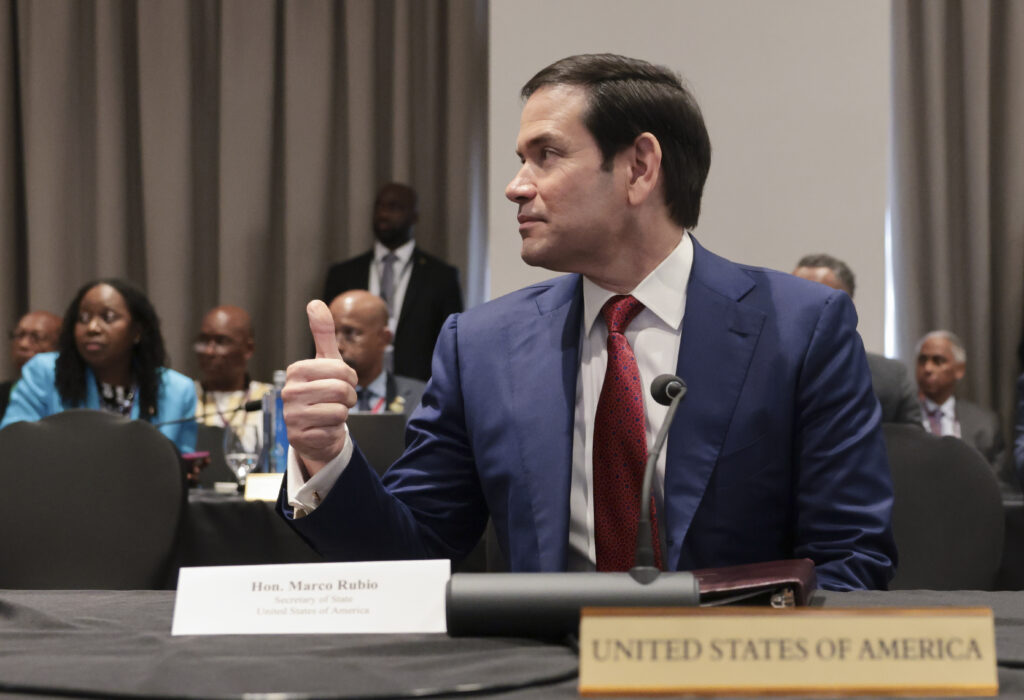
Le chef de la diplomatie américaine, Marco Rubio, a déclaré mercredi que Cuba devait “changer radicalement”, au moment où les Etats-Unis ont infléchi, à des fins humanitaires, leurs restrictions à l’exportation de pétrole à l’île communiste, où sévit une grave crise économique.”Cuba doit changer radicalement, car c’est sa seule chance d’améliorer la qualité de vie …

Rubio appelle à un “changement radical” à Cuba, asphyxiée Read More »

Epstein files reveal links to cash, women, power in Africa

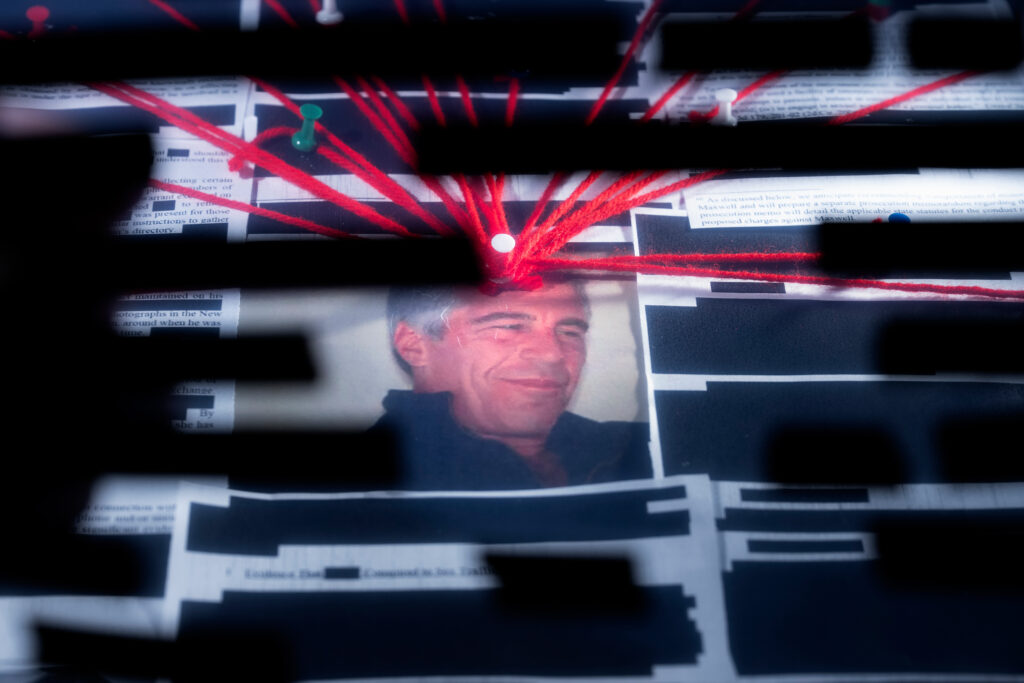
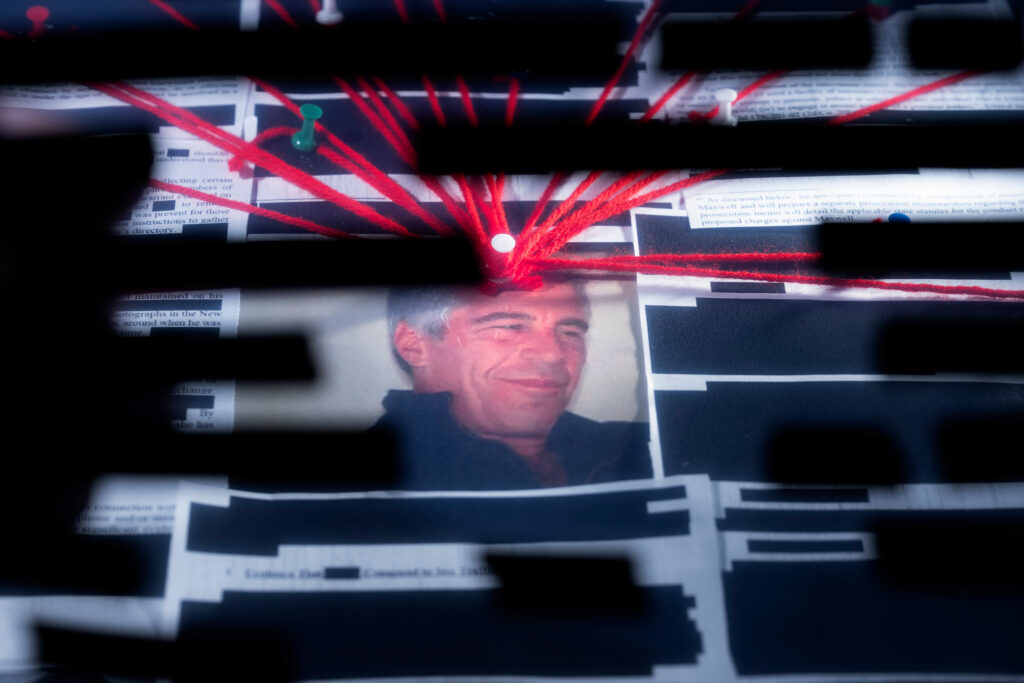
Jeffrey Epstein built close ties with powerful figures in Senegal and Ivory Coast, files released by the US government last month show, detailing the late sex offender’s influence network across Africa. Emails, scheduled meetings, investment projects, and loans reviewed by AFP attest to the disgraced New York financier’s close relationship with Karim Wade, son of former Senegalese president Abdoulaye Wade.They also reveal his ties to Nina Keita, niece of Ivorian president Alassane Ouattara. Wade and Epstein met in 2010 through Emirati businessman Sultan Ahmed bin Sulayem, who recently resigned as CEO of port giant DP World after mounting pressure over his close friendship with Epstein. The pair quickly struck up a rapport.”Thanks for coming. I think there are many things to consider… I feel confident that we will have fun,” Epstein wrote to Wade on November 15, 2010 after their first meeting in Paris.”Have a safe trip back to your paradise Island,” Wade replied.While Wade’s exchanges show no link to Epstein-related sex trafficking crimes, they do reveal conversations on potential business ventures in various sectors, such as finance and energy.Nicknamed the “Minister of Heaven and Earth” for the multiple portfolios he held including international cooperation, energy, and air transport, Wade was a powerful figure in Senegal until April 2012, when his father’s bid for a third term sparked deadly riots.  Epstein saw him as “one of the most important players in africa” and invited him to meet close contacts such as Ehud Barak, then Israel’s defence minister.He also put him in touch with Chinese businessman Desmond Shum to discuss “offshore banking.” The US Department of Justice documents show Shum and Wade met in Beijing on May 9, 2011.  That same month, Wade planned an African tour through Senegal, Mali, and Gabon for Epstein.  – ‘You will not suffer’ -Epstein and Wade’s relationship became even more apparent after the latter’s fortunes reversed when his father left office in 2012.That autumn, Epstein proposed that his “friend” — under the Dakar authorities’ scrutiny over his assets — use his house in Florida. “You and your family are welcome to use my house in palm beach, staff is there, pool etc. you will not suffer,” Epstein wrote. “Txs a lot Brother for the advise,” Wade replied a few weeks later to another email, in which Epstein urged him to “stay mentally strong”.Numerous files suggest Epstein became financially involved on Karim Wade’s behalf after his arrest in 2013 and his 2015 sentencing to six years in prison for corruption. Karim Wade’s lawyer, Mohamed Seydou Diagne, sent two invoices in May 2014 and July 2015 of $500,000 to one of Epstein’s companies.Contacted by AFP on Monday, Diagne said he “did not consider it useful to comment”.Other archives suggest that Epstein covered at least $50,000 in fees for the US lobbying firm Nelson Mullins, hired by Wade’s entourage to secure his release.Epstein regularly exchanged emails with Robert Crowe, a partner at the firm who kept him informed of their efforts in the US and Senegal. In a June 16, 2016 email thread where Epstein and Crowe discussed whether then Senegalese president Macky Sall would pardon Wade, Crowe writes: “He has told my friends high up at State that he was going to do it. They have been putting pressure on him!”Karim Wade was released from prison eight days later, on June 24, and went into exile in Qatar, which he credited for efforts toward his release.Jeffrey Epstein was told by Sultan Ahmed bin Sulayem and Nina Keita.- ‘A very interesting person!’-The DOJ documents show Nina Keita was close to both Epstein and Karim Wade and that she acted as a regular intermediary while Wade was in prison. Keita also helped put Epstein in contact with her uncle, president of Ivory Coast since May 2011, and his team.”He thought you were a very interesting person! … they were all very happy to have you here,” she wrote on January 20, 2012, after the financier’s visit to Abidjan.She had booked him the “ministerial suite” of the luxury Hotel Ivoire for that trip.Ahead of the visit, Epstein had said he hoped to see “very pretty girls there, as well as interesting places”.”You will!” Keita replied. Emails show Keita, a former model, at least once sent photos and the phone number of a young woman to Epstein.He then met this woman at the Ritz hotel in Paris on August 31, 2011. “ask sadia to send pictures of her sister. i prefer under 25,” Epstein wrote to Keita after the meeting.Now the deputy general director of Ivorian petroleum stocks company GESTOCI, Keita also appears in a February 2019 will in which Epstein requested that debts owed to him by a number of people be cancelled upon his death.AFP received no response to its requests for comment from both Keita and the Ivorian presidency, or from Karim Wade, who was contacted through his entourage. The mere mention of a person’s name in the Epstein files does not in itself imply wrongdoing. 

Epstein files reveal links to cash, women, power in AfricaThu, 26 Feb 2026 04:45:22 GMT

Jeffrey Epstein built close ties with powerful figures in Senegal and Ivory Coast, files released by the US government last month show, detailing the late sex offender’s influence network across Africa. Emails, scheduled meetings, investment projects, and loans reviewed by AFP attest to the disgraced New York financier’s close relationship with Karim Wade, son of former Senegalese …

Epstein files reveal links to cash, women, power in AfricaThu, 26 Feb 2026 04:45:22 GMT Read More »

US presses missile issue as new Iran talks to open in Geneva

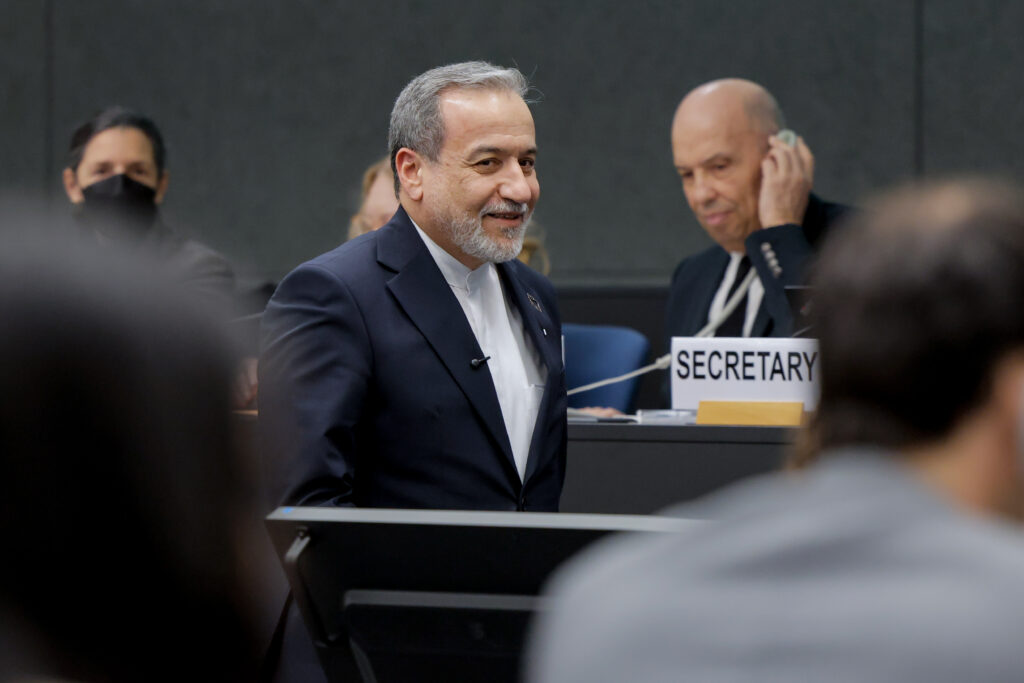
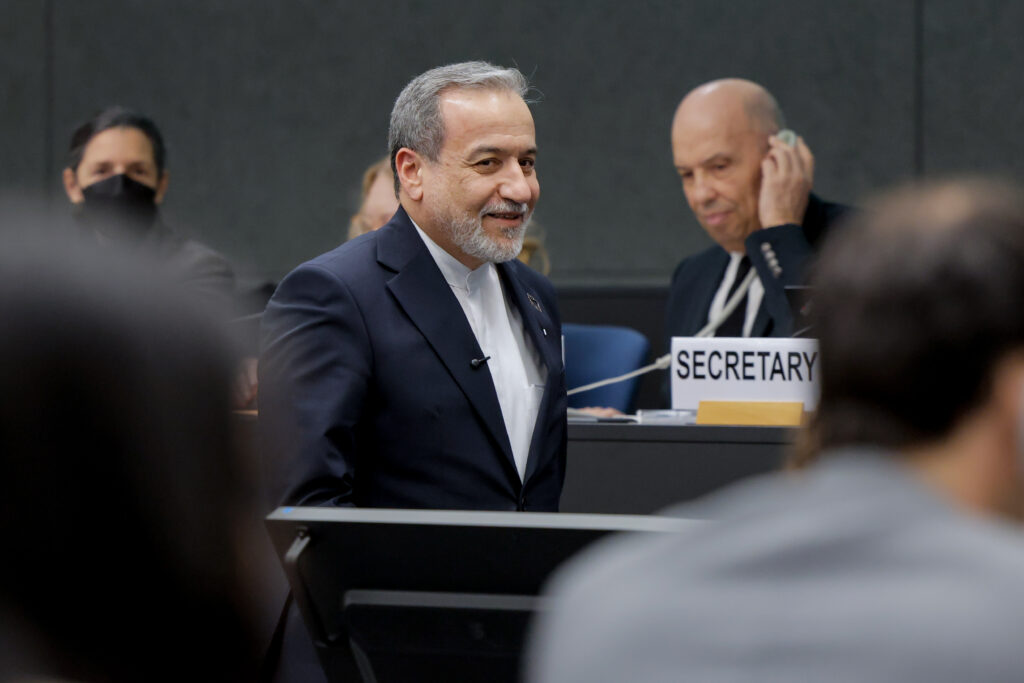
The United States and Iran are set to hold indirect talks in Switzerland on Thursday aiming to strike a deal to avert fresh conflict and bring an end to weeks of threats.The new round of negotiations in Geneva comes after the US carried out a massive military build-up in the region and President Donald Trump repeatedly threatened to strike Iran if a deal is not reached.In his State of the Union address on Tuesday, Trump accused Iran of “pursuing sinister nuclear ambitions”.He also claimed Tehran had “already developed missiles that can threaten Europe and our bases overseas, and they’re working to build missiles that will soon reach the United States of America”.The Iranian foreign ministry called these claims “big lies”.The maximum range of Iran’s missiles is 2,000 kilometres (1,200 miles) according to what Tehran has publicly disclosed. However the US Congressional Research Service estimates they top out at about 3,000 kilometres — less than a third of the distance to the continental United States.The dispute between the countries mostly revolves around Iran’s nuclear programme, which the West believes is aimed at building an atomic bomb but Tehran insists is peaceful.However the US has also been pushing to discuss Iran’s ballistic missile programme, as well as Tehran’s support for armed groups hostile towards Israel.Secretary of State Marco Rubio warned that Iran must also negotiate on its missile programme, calling Tehran’s refusal to discuss ballistic weapons “a big, big problem” on the eve of the talks.He followed up by saying “the president wants diplomatic solutions”.Iran has taken anything beyond the nuclear issue off the negotiating table and has demanded that the US sanctions crippling its economy be part of any agreement.- ‘Neither war nor peace’ -Iranian President Masoud Pezeshkian said on Wednesday he had a “favourable outlook for the negotiations” that could finally “move beyond this ‘neither war nor peace’ situation”.Foreign Minister Abbas Araghchi, who is leading the Iranian delegation at the talks, has called them “a historic opportunity”, adding that a deal was “within reach”.In a foreign ministry statement that followed a meeting with his Oman counterpart, Araghchi said the success of the US negotiations depend “on the seriousness of the other side and its avoidance of contradictory behaviour and positions”.The US will be represented by envoy Steve Witkoff and Jared Kushner, who is married to Trump’s daughter Ivanka.The two countries held talks earlier this month in Oman, which is mediating the negotiations, then gathered for a second round in Geneva last week.A previous attempt at negotiations collapsed when Israel launched surprise strikes on Iran last June, beginning a 12-day war that Washington briefly joined to bomb Iranian nuclear sites.In January, fresh tensions between the US and Iran emerged after Tehran engaged in a bloody crackdown on widespread protests that have posed one of the greatest challenges to the Islamic republic since its inception.Trump has threatened several times to intervene to “help” the Iranian people.Emile Hokayem, senior fellow for Middle East security at the International Institute for Strategic Studies, said that “the region seems to expect a war at this point”.In January, there was “a big push by a number of Middle Eastern states to convince the US not to” strike Iran.”But there’s a lot of apprehension at this point, because the expectation is that this time” a war would be “bigger” than the one in June.Tehran residents who spoke to AFP were divided as to whether there would be renewed conflict.Homemaker Tayebeh noted that Trump had “said that war would be very bad for Iran”.”There would be famine and people would suffer a lot. People are suffering now, but at least with war, our fate might be clear,” the 60-year-old said.

US presses missile issue as new Iran talks to open in Geneva

The United States and Iran are set to hold indirect talks in Switzerland on Thursday aiming to strike a deal to avert fresh conflict and bring an end to weeks of threats.The new round of negotiations in Geneva comes after the US carried out a massive military build-up in the region and President Donald Trump repeatedly threatened to strike Iran if a deal is not reached.In his State of the Union address on Tuesday, Trump accused Iran of “pursuing sinister nuclear ambitions”.He also claimed Tehran had “already developed missiles that can threaten Europe and our bases overseas, and they’re working to build missiles that will soon reach the United States of America”.The Iranian foreign ministry called these claims “big lies”.The maximum range of Iran’s missiles is 2,000 kilometres (1,200 miles) according to what Tehran has publicly disclosed. However the US Congressional Research Service estimates they top out at about 3,000 kilometres — less than a third of the distance to the continental United States.The dispute between the countries mostly revolves around Iran’s nuclear programme, which the West believes is aimed at building an atomic bomb but Tehran insists is peaceful.However the US has also been pushing to discuss Iran’s ballistic missile programme, as well as Tehran’s support for armed groups hostile towards Israel.Secretary of State Marco Rubio warned that Iran must also negotiate on its missile programme, calling Tehran’s refusal to discuss ballistic weapons “a big, big problem” on the eve of the talks.He followed up by saying “the president wants diplomatic solutions”.Iran has taken anything beyond the nuclear issue off the negotiating table and has demanded that the US sanctions crippling its economy be part of any agreement.- ‘Neither war nor peace’ -Iranian President Masoud Pezeshkian said on Wednesday he had a “favourable outlook for the negotiations” that could finally “move beyond this ‘neither war nor peace’ situation”.Foreign Minister Abbas Araghchi, who is leading the Iranian delegation at the talks, has called them “a historic opportunity”, adding that a deal was “within reach”.In a foreign ministry statement that followed a meeting with his Oman counterpart, Araghchi said the success of the US negotiations depend “on the seriousness of the other side and its avoidance of contradictory behaviour and positions”.The US will be represented by envoy Steve Witkoff and Jared Kushner, who is married to Trump’s daughter Ivanka.The two countries held talks earlier this month in Oman, which is mediating the negotiations, then gathered for a second round in Geneva last week.A previous attempt at negotiations collapsed when Israel launched surprise strikes on Iran last June, beginning a 12-day war that Washington briefly joined to bomb Iranian nuclear sites.In January, fresh tensions between the US and Iran emerged after Tehran engaged in a bloody crackdown on widespread protests that have posed one of the greatest challenges to the Islamic republic since its inception.Trump has threatened several times to intervene to “help” the Iranian people.Emile Hokayem, senior fellow for Middle East security at the International Institute for Strategic Studies, said that “the region seems to expect a war at this point”.In January, there was “a big push by a number of Middle Eastern states to convince the US not to” strike Iran.”But there’s a lot of apprehension at this point, because the expectation is that this time” a war would be “bigger” than the one in June.Tehran residents who spoke to AFP were divided as to whether there would be renewed conflict.Homemaker Tayebeh noted that Trump had “said that war would be very bad for Iran”.”There would be famine and people would suffer a lot. People are suffering now, but at least with war, our fate might be clear,” the 60-year-old said.

Post-uprising polls won’t shake Nepal’s delicate India-China balance

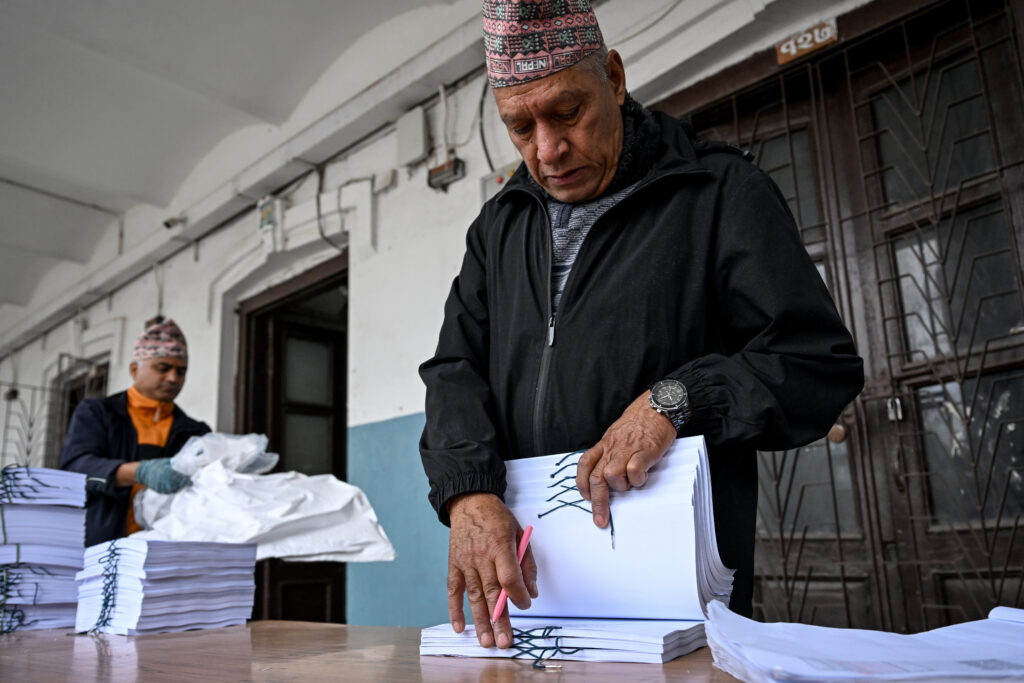
Nepal votes next week for the first time since deadly anti-corruption protests toppled the government, but analysts say any winner will likely maintain the delicate diplomatic balance between its two giant neighbours, India and China.The landlocked Himalayan nation of 30 million people will elect a new government on March 5, six months after youth-led demonstrations brought down the administration of Marxist leader KP Sharma Oli.Who will win is an open question, but Nepali journalist Sudheer Sharma said it will likely be “very difficult” for any single party to secure a majority, meaning longstanding political dynamics may continue.”Nepal’s relation with India or China depends on what type of coalition it will be and who will be the dominant power,” said Sharma.”The fundamentals of the relationship will not change, but some approaches might.”Younger candidates are campaigning on promises to overhaul a stagnant economy and remove an ageing political elite, while veteran politicians emphasise stability and security if returned to power.Key investors and trading partners Beijing and New Delhi are watching closely, but analysts suggested that the new government will likely continue Kathmandu’s pragmatic balancing act between the two powers, who compete for influence.Nepal’s largest trading partner is India, accounting for 63 percent of imports, or $8.6 billion, followed by China at 13 percent, or $1.8 billion, according to World Bank figures.- ‘Regular relationship’ -India has long considered Hindu-majority Nepal as a traditional ally, with open borders along the plains.”Some issues are there, some problems are there, but the regular relationship should be stable,” journalist Sharma said.Retired Indian diplomat Rakesh Sood described New Delhi’s ties with Nepal as “extensive”, encompassing trade, tourism and hydropower.Nepal is integrated with cross-border infrastructure in both directions: power lines from hydropower dams feed electricity to India, while China connects through its Belt and Road Initiative over the Himalayas via Tibet, and makes investments in airports and railways.For nearly two decades, Nepal’s political landscape was dominated by veteran leaders — many of them former Maoist insurgents — who took turns in power since the end of a 10-year civil war in 2006.Last September’s unrest erupted as youth protests against a brief social media ban, but was fuelled by far wider anger at economic stagnation and corruption.Over two days, 77 people were killed, scores were injured, and hundreds of buildings were set on fire.Oli, 74, forced out by the uprising, is seeking a return to power for a potential fifth term as prime minister.He had a fractious relationship with New Delhi — after taking office in 2024, he chose China for his first trip abroad, rather than the customary visit to India.”In Nepal, the then leftist-led government had an uncomfortable relationship with India — and that was overthrown,” Sharma added.- ‘Balance ties’ -A new cohort of first-time candidates has emerged from the loosely organised Gen Z movement that helped drive the protests, young Nepalis seeking economic reform. “Nepal’s leadership, even if at times seemingly inclined to lean toward one power or the other, aims to balance ties with India and China,” South Asia expert Michael Kugelman told AFP.”It’s hard to imagine that changing, even if there is a new influx of younger people in politics.”He suggested the status quo will likely remain, with China “comfortable with any type of political dynamic” in Kathmandu, including one with a younger profile, as long as it remains open to Beijing.”A government with youth leaders would likely not take positions on relations with India and China that diverge much with the previous government,” Kugelman said, suggesting that Nepali youth are “generally not hostile to China — even if some would prefer less Chinese influence”.Both India and China have pumped in hundreds of millions of dollars in investments into Nepal, and both are backing voting preparations, with New Delhi sending vehicles to aid the Election Commission.Kugelman said change may come if a new generation of politicians sweeps into power on an anti-corruption ticket and shakes up old practices of opaque funding for mega-projects.”Young people in Nepal won’t support Chinese or Indian actions that aim to shape Nepal’s politics or put vast amounts of money in the hands of the government in ways that aren’t transparent,” he said.