Iran says ‘good progress’ in US talks, next round within a week

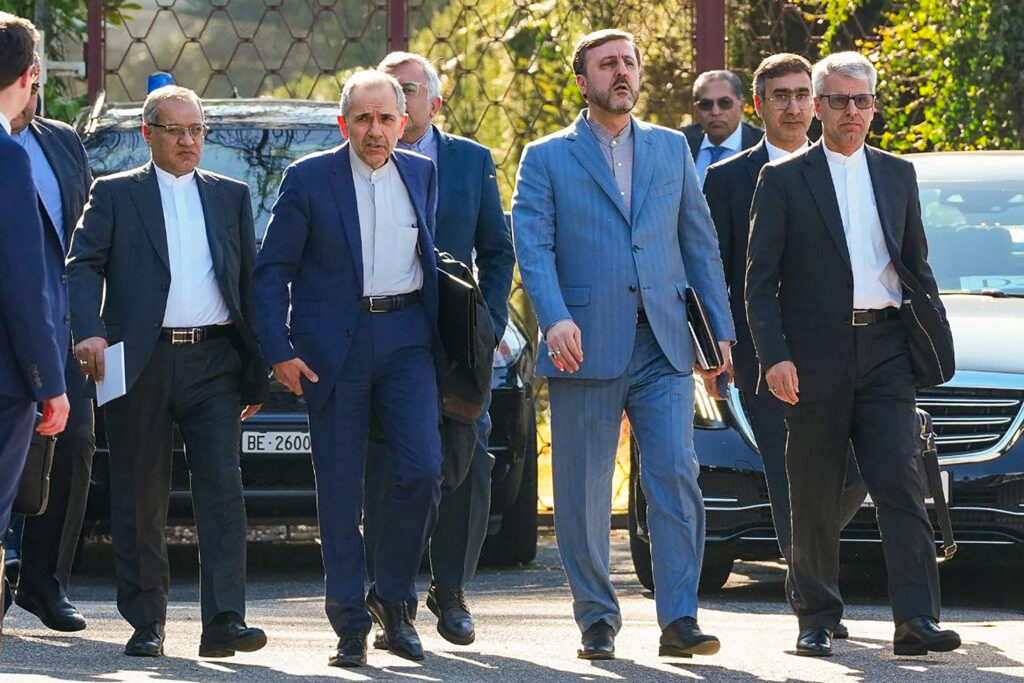
Iran and the United States made “significant progress” in talks in Switzerland on Thursday, mediators said, after the latest round of negotiations to avert a war between the longtime foes, and agreed to further discussions next week in Austria.The Oman-mediated negotiations follow repeated threats from Donald Trump to strike Iran, with the US president last Thursday giving Tehran 15 days to reach a deal.While Iran has insisted the discussions focus solely on its nuclear programme, the US wants Tehran’s missile programme and its support for militant groups in the region curtailed.Iranian Foreign Minister Abbas Araghchi told state TV that the talks “made very good progress and entered into the elements of an agreement very seriously, both in the nuclear field and in the sanctions field”.He said the next round would take place in “perhaps less than a week”, with technical talks at the UN’s nuclear agency to begin in Vienna on MondayOmani Foreign Minister Badr Albusaidi also announced technical discussions were to be held “next week in Vienna”.”We have finished the day after significant progress in the negotiation between the United States and Iran,” he said in a post on X.The negotiations took place as the US continued its largest military buildup in the Middle East in decades.The US and Iranian delegations held a morning session at the Omani ambassador’s residence amid tight security, before pausing to hold consultations with their respective capitals.A second session began around 1700 GMT.Araghchi, in a post on social media overnight, called the latest round of talks “the most intense so far”.”It concluded with the mutual understanding that we will continue to engage in a more detailed manner on matters that are essential to any deal — including sanctions termination and nuclear-related steps,” Araghchi posted on X.UN nuclear chief Rafael Grossi joined the negotiations, a source close to the talks told AFP.- Dramatic buildup -The Wall Street Journal reported on Thursday that Trump’s negotiating team would demand that Iran dismantle its three main nuclear sites and hand over all its remaining enriched uranium to the United States.Iran’s President Masoud Pezeshkian insisted ahead of the talks that the Islamic republic was not “at all” seeking a nuclear weapon.As part of the dramatic US buildup, the USS Gerald R. Ford, the world’s largest aircraft carrier, sent to the Mediterranean this week, left a naval base in Crete on Thursday, an AFP photographer said.Washington currently has more than a dozen warships in the Middle East: one aircraft carrier — the USS Abraham Lincoln — nine destroyers and three other combat ships.It is rare for there to be two US aircraft carriers in the region.- ‘Sinister nuclear ambitions’ -In his State of the Union address on Tuesday, Trump accused Iran of “pursuing sinister nuclear ambitions”, though Tehran has always insisted its programme is for civilian purposes.Trump also claimed Tehran had “already developed missiles that can threaten Europe and our bases overseas.”The Iranian foreign ministry called these claims “big lies”.The maximum range of Iran’s missiles is 2,000 kilometres (1,200 miles), according to what Tehran has publicly disclosed.However, the US Congressional Research Service estimates they top out at about 3,000 kilometres — less than a third of the distance to the continental United States.Trump’s State of the Union accusations in Congress were delivered in the same forum in which then-president George W. Bush laid out the case for the invasion of Iraq in 2003.- ‘People would suffer’ -The US was represented by envoy Steve Witkoff and Jared Kushner, who is married to Trump’s daughter Ivanka.The two countries held talks earlier this month in Oman, then gathered for a second round in Geneva last week.A previous attempt at negotiations collapsed when Israel launched surprise strikes on Iran last June, beginning a 12-day war that Washington briefly joined to bomb Iranian nuclear sites.In January, Tehran launched a mass crackdown on nationwide protests that posed one of the greatest challenges to the Islamic republic since its inception.Protests have since resumed around Iranian universities.Tehran residents who spoke to AFP were divided on what renewed conflict would mean for them.”There would be famine and people would suffer a lot. People are suffering now, but at least with war, our fate might be clear,” 60-year-old homemaker Tayebeh said.burs/amj/dcp/ceg/lb

Argentine: feu vert du Sénat à une loi sur les mines en zone de glaciers

Un projet de loi sur l’activité minière en zone de glaciers en Argentine, contre lequel des militants de Greenpeace ont protesté jeudi à Buenos Aires, a obtenu dans la soirée un premier feu vert législatif de la part du Sénat.Une dizaine de militants de Greenpeace avaient été interpellés jeudi matin dans la capitale argentine après …

Argentine: feu vert du Sénat à une loi sur les mines en zone de glaciers Read More »

Pakistan bombs Kabul after Afghanistan attacks border

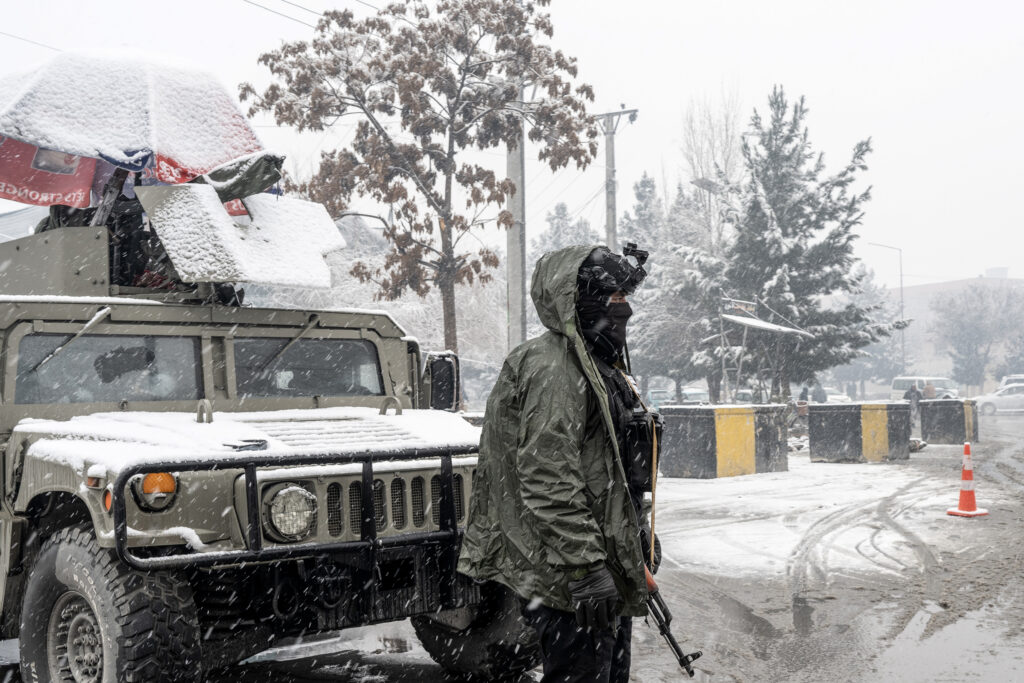
Pakistan bombed major cities in Afghanistan including the capital Kabul on Friday, with Islamabad’s defence minister declaring the neighbours at “open war” following months of tit-for-tat clashes.Afghan forces attacked Pakistani border troops on Thursday night in what the Taliban government said was retaliation for earlier deadly air strikes, while AFP journalists in Kabul and Kandahar heard blasts and jets overhead.Relations between the neighbours have plunged in recent months, with land border crossings largely shut since deadly fighting in October that killed more than 70 people on both sides.Islamabad accuses Afghanistan of failing to act against militant groups that carry out attacks in Pakistan, which the Taliban government denies. Several rounds of negotiations followed an initial ceasefire brokered by Qatar and Turkey, but the efforts have failed to produce a lasting agreement.Both militaries said they killed dozens of soldiers in the latest round of border violence, which followed multiple Pakistani strikes on Afghanistan and clashes along the frontier in recent months.”Afghan Taliban defence targets were targeted in Kabul, Paktia (province) and Kandahar,” Pakistani Information Minister Attaullah Tarar posted on X, while defence minister Khawaja Asif declared an “all-out confrontation” with the Taliban government.”Our patience has reached its limit. Now it is open war between us and you,” he posted on the social media platform. – Jets overhead -In the Afghan capital AFP journalists heard jets and multiple loud blasts, followed by gunfire, over a period of more than two hours.An AFP reporter in Afghanistan’s southern city of Kandahar, where Supreme Leader Hibatullah Akhundzada is based, said he heard jets overhead. The Taliban government confirmed the Pakistani air strikes, with spokesman Zabihullah Mujahid saying there were no casualties. Hours earlier, Mujahid announced “large-scale offensive operations” at the border “in response to repeated violations by the Pakistani military”.The Afghan defence ministry reported eight of its soldiers had been killed in the land offensive.An Afghan official reported multiple civilians wounded near the Torkham border crossing, at a camp for people returning from Pakistan. “A mortar shell has hit the camp and unfortunately seven of our refugees have been wounded, and the condition of one woman is serious,” said Qureshi Badlun, the information chief in Nangarhar province.While the border has largely been closed since October, Afghan returnees have been allowed to cross. – Months of border violence -Mujahid, the Taliban government spokesman, told AFP that several Pakistani soldiers had been “caught alive”, a claim denied by the prime minister’s office in Islamabad.The military operation follows Pakistani strikes on Nangarhar and Paktika provinces overnight into Sunday, which the UN mission in Afghanistan said killed at least 13 civilians. The Taliban government said at least 18 people were killed and denied Pakistan’s announcement that the military operation left more than 80 militants dead.  Both sides also reported cross-border fire on Tuesday, but without casualties. After repeated breaches of the initial ceasefire, Saudi Arabia intervened this month, mediating the release of three Pakistani soldiers captured by Afghanistan in October.burs-je/hmn

L’Iran salue de “bons progrès”, nouveaux pourparlers avec Washington “dans moins d’une semaine”

De “très bons progrès”: l’Iran s’est montré confiant jeudi soir après des discussions indirectes à Genève avec les Etats-Unis, et a annoncé une probable nouvelle session dans moins d’une semaine. Ces pourparlers apparaissent comme ceux de la dernière chance pour éviter une confrontation militaire après un déploiement américain massif au Moyen-Orient.Donald Trump avait lancé le 19 février un ultimatum de “10 à 15 jours” pour décider si un accord avec Téhéran était possible ou s’il allait recourir à la force. “Nous avons fait de très bons progrès et abordé très sérieusement les éléments d’un accord, tant dans le domaine nucléaire que dans celui des sanctions”, a déclaré le ministre iranien des Affaires étrangères, Abbas Araghchi, à la télévision d’Etat.”Il a (…) été décidé que le prochain cycle de négociations se tiendrait très bientôt, peut-être dans moins d’une semaine”, a-t-il ajouté.Il a confié plus tard sur X que la dernière session de négociations à Genève avait été “la plus intense à ce jour”, estimant que “de nouveaux progrès ont été réalisés dans notre engagement diplomatique avec les Etats-Unis”.Des discussions “entre équipes techniques” se tiendront au prélable lundi à Vienne en Autriche, avec “l’aide d’experts” de l’Agence internationale de l’énergie atomique (AIEA).Le médiateur omanais a également parlé “de progrès significatifs”, via son chef de la diplomatie Badr al-Busaidi.- Portée de missiles -Les deux parties ont mené jeudi pendant plusieurs heures, interrompues par une pause à la mi-journée, une troisième session de pourparlers à la résidence de l’ambassadeur d’Oman, près de Genève. Washington veut arracher un accord empêchant notamment l’Iran de se doter de l’arme nucléaire, une crainte des Occidentaux alimentant de longue date les tensions avec Téhéran.La République islamique dément nourrir de telles ambitions mais campe sur son “droit” au nucléaire civil, en vertu du Traité de non-prolifération (TNP) dont il est signataire.Autre sujet de discorde: Washington exige d’aborder la question du programme balistique iranien, ce qu’exclut l’Iran, dont la diplomatie a affirmé que seul le dossier nucléaire serait débattu.Dans son discours sur l’état de l’Union, le président Trump a accusé mardi l’Iran de disposer de “missiles qui peuvent menacer l’Europe” et les bases militaires américaines, et d’oeuvrer à en concevoir des plus puissants, capables “d’atteindre bientôt les Etats-Unis”. Téhéran, qui affirme avoir limité la portée de ses missiles à 2.000 km, a dénoncé de “gros mensonges”.L’Iran dispose d’un large arsenal conçu localement, incluant des Shahab-3, qui peuvent atteindre Israël, son ennemi juré, et des pays d’Europe orientale.- “Idées nouvelles et créatives” -“Les négociateurs font preuve d’une ouverture sans précédent à des idées et solutions nouvelles et créatives”, a salué plus tôt jeudi M. Busaidi, après avoir rencontré l’émissaire américain Steve Witkoff, qui est accompagné du gendre de Donald Trump, Jared Kushner.Selon le Wall Street Journal, ces derniers porteraient toutefois des demandes maximalistes, incluant un démantèlement total des trois principaux sites nucléaires iraniens, Fordo, Natanz et Ispahan – ciblés par des frappes américaines en juin – et la remise aux Etats-Unis des stocks d’uranium enrichi du pays.  Les deux pays ennemis avaient renoué le dialogue le 6 février à Oman, avant de se retrouver le 17 – déjà en Suisse. De précédents pourparlers avaient été interrompus par la guerre déclenchée en juin 2025 par Israël contre l’Iran, à laquelle Washington s’était brièvement joint. – Etudiants suspendus -Les nouvelles tensions sont apparues après la répression dans le sang en janvier d’un vaste mouvement de contestation des Iraniens, auxquels Donald Trump avait alors promis de venir “en aide”. De nouveaux rassemblements ont eu lieu ces derniers jours dans les universités, et trois étudiants ont été suspendus pour avoir brûlé le drapeau de la République islamique, adopté après la révolution de 1979 qui a renversé la monarchie.Washington compte actuellement 13 navires de guerre au Moyen-Orient. Il y a déployé deux porte-avions dont le Gerald Ford, le plus grand au monde, qui a repris la mer jeudi après un arrêt en Crète, selon un photographe de l’AFP.

“L’Attachement” et “Nouvelle Vague” s’imposent aux Césars

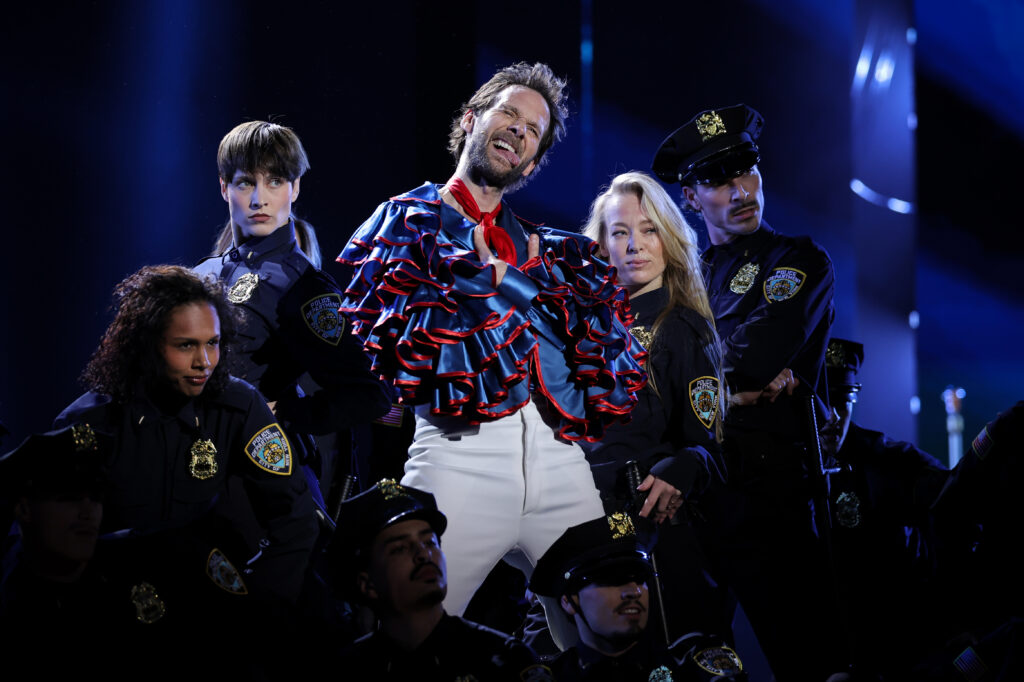
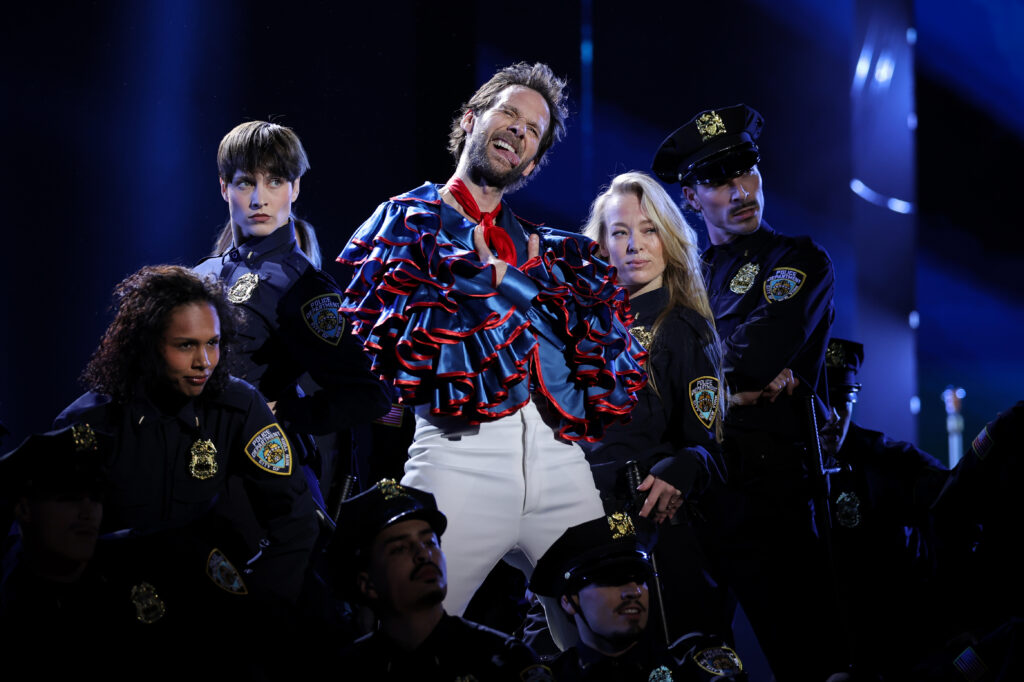
La 51e cérémonie des César a récompensé jeudi le long-métrage “Nouvelle Vague” de quatre prix, tandis que “L’Attachement” a remporté trois trophées dont celui de meilleur film, au cours d’une soirée qui a rendu hommage au peuple iranien, victime d’une répression sanglante.Dès le début de cette édition, sa présidente Camille Cottin a tenu à la dédier “à tous les peuples qui, dans le monde, luttent pour la liberté”, alors que certains invités arboraient un pin’s en solidarité avec le peuple iranien sur le tapis rouge.L’actrice franco-iranienne Golshifteh Farahani, qui remettait le prix du meilleur scénario original, a ensuite rendu hommage tout de noir vêtue au “peuple iranien qui se bat depuis des décennies pour sa liberté, les mains vides, souvent seul, armé de son courage et d’une culture parmi les plus anciennes du monde”.Le réalisateur iranien Jafar Panahi — Palme d’or au dernier Festival de Cannes et dont le film prétendait au César du meilleur long-métrage –, qui a été condamné à un an de prison dans son pays, était présent dans la salle.Vimala Pons et Pierre Lottin, tous les deux récompensés d’un César pour un second rôle, ont aussi lancé un message de solidarité avec les Iraniens en recevant leur trophée.- Léa Drucker, deuxième -La soirée a finalement couronné “Nouvelle Vague”, film le plus récompensé avec quatre statuettes, qui revisite le tournage du mythique “A bout de souffle” à la fin des années 1950. Richard Linklater a décroché le César de la meilleure réalisation.”Ceci est pour moi un honneur presque écrasant”, a remercié le cinéaste américain, absent et s’exprimant par la voix de l’acteur Guillaume Marbeck, Jean-Luc Godard à l’écran.L’autre grand vainqueur est “L’Attachement” de Carine Tardieu, récompensé trois fois, dont la distinction de meilleur film. “La trame repose sur tout ce qui nous relie les uns aux autres dans cette société qui érige des murs un peu partout”, a exprimé la réalisatrice de 52 ans.Son film raconte la relation d’une femme avec les enfants de son voisin à la mort de leur mère et la place qu’elle prend peu à peu dans leur vie.Chez les acteurs, deux figures installées du cinéma français ont été distinguées. Léa Drucker, pour son rôle d’enquêtrice de l’IGPN dans “Dossier 137”, a reçu son deuxième César de la meilleure actrice. Une performance réalisée seulement par Isabelle Huppert, Catherine Deneuve, Nathalie Baye, Romy Schneider ou encore Sabine Azéma avant elle.Chez les hommes, Laurent Lafitte a lui reçu le tout premier César de sa carrière à 52 ans pour son rôle flamboyant inspiré du photographe François-Marie Banier dans “La femme la plus riche du monde” avec Isabelle Huppert en Liliane Bettencourt.- Bardot huée -La soirée a aussi été l’occasion d’un hommage à l’acteur Jim Carrey. Le réalisateur français Michel Gondry, qui lui a offert l’un de ses rôles les plus marquants dans “Eternal Sunshine of the Spotless Mind”, lui a remis un César d’honneur.L’acteur de 64 ans, connu pour certaines des comédies les plus populaires des années 1990 (“The Mask”, “Ace Ventura”, Dumb and Dumber”), a remercié l’Académie dans un discours intégralement en français.Un bref hommage a aussi été rendu à Brigitte Bardot, légende du cinéma des années 1950 et 1960, disparue le 28 décembre dernier à 91 ans. Un geste qui a été accueilli par quelques huées, alors que l’actrice a été proche de l’extrême droite.La cérémonie a comme à son habitude servi de relais au monde du cinéma pour porter certains combats, en présence de la nouvelle ministre de la Culture Catherine Pégard, nommée jeudi. L’acteur Emmanuel Curtil, doubleur et voix française de Jim Carrey, a notamment demandé à la ministre un rendez-vous pour discuter de la protection du travail des artistes face à l’intelligence artificielle.Enfin, un visage très connu du public français a décroché le tout premier César de sa carrière: Franck Dubosc a remporté le meilleur scénario original pour son film “Un ours dans le Jura”.

“L’Attachement” et “Nouvelle Vague” s’imposent aux Césars

La 51e cérémonie des César a récompensé jeudi le long-métrage “Nouvelle Vague” de quatre prix, tandis que “L’Attachement” a remporté trois trophées dont celui de meilleur film, au cours d’une soirée qui a rendu hommage au peuple iranien, victime d’une répression sanglante.Dès le début de cette édition, sa présidente Camille Cottin a tenu à la dédier “à tous les peuples qui, dans le monde, luttent pour la liberté”, alors que certains invités arboraient un pin’s en solidarité avec le peuple iranien sur le tapis rouge.L’actrice franco-iranienne Golshifteh Farahani, qui remettait le prix du meilleur scénario original, a ensuite rendu hommage tout de noir vêtue au “peuple iranien qui se bat depuis des décennies pour sa liberté, les mains vides, souvent seul, armé de son courage et d’une culture parmi les plus anciennes du monde”.Le réalisateur iranien Jafar Panahi — Palme d’or au dernier Festival de Cannes et dont le film prétendait au César du meilleur long-métrage –, qui a été condamné à un an de prison dans son pays, était présent dans la salle.Vimala Pons et Pierre Lottin, tous les deux récompensés d’un César pour un second rôle, ont aussi lancé un message de solidarité avec les Iraniens en recevant leur trophée.- Léa Drucker, deuxième -La soirée a finalement couronné “Nouvelle Vague”, film le plus récompensé avec quatre statuettes, qui revisite le tournage du mythique “A bout de souffle” à la fin des années 1950. Richard Linklater a décroché le César de la meilleure réalisation.”Ceci est pour moi un honneur presque écrasant”, a remercié le cinéaste américain, absent et s’exprimant par la voix de l’acteur Guillaume Marbeck, Jean-Luc Godard à l’écran.L’autre grand vainqueur est “L’Attachement” de Carine Tardieu, récompensé trois fois, dont la distinction de meilleur film. “La trame repose sur tout ce qui nous relie les uns aux autres dans cette société qui érige des murs un peu partout”, a exprimé la réalisatrice de 52 ans.Son film raconte la relation d’une femme avec les enfants de son voisin à la mort de leur mère et la place qu’elle prend peu à peu dans leur vie.Chez les acteurs, deux figures installées du cinéma français ont été distinguées. Léa Drucker, pour son rôle d’enquêtrice de l’IGPN dans “Dossier 137”, a reçu son deuxième César de la meilleure actrice. Une performance réalisée seulement par Isabelle Huppert, Catherine Deneuve, Nathalie Baye, Romy Schneider ou encore Sabine Azéma avant elle.Chez les hommes, Laurent Lafitte a lui reçu le tout premier César de sa carrière à 52 ans pour son rôle flamboyant inspiré du photographe François-Marie Banier dans “La femme la plus riche du monde” avec Isabelle Huppert en Liliane Bettencourt.- Bardot huée -La soirée a aussi été l’occasion d’un hommage à l’acteur Jim Carrey. Le réalisateur français Michel Gondry, qui lui a offert l’un de ses rôles les plus marquants dans “Eternal Sunshine of the Spotless Mind”, lui a remis un César d’honneur.L’acteur de 64 ans, connu pour certaines des comédies les plus populaires des années 1990 (“The Mask”, “Ace Ventura”, Dumb and Dumber”), a remercié l’Académie dans un discours intégralement en français.Un bref hommage a aussi été rendu à Brigitte Bardot, légende du cinéma des années 1950 et 1960, disparue le 28 décembre dernier à 91 ans. Un geste qui a été accueilli par quelques huées, alors que l’actrice a été proche de l’extrême droite.La cérémonie a comme à son habitude servi de relais au monde du cinéma pour porter certains combats, en présence de la nouvelle ministre de la Culture Catherine Pégard, nommée jeudi. L’acteur Emmanuel Curtil, doubleur et voix française de Jim Carrey, a notamment demandé à la ministre un rendez-vous pour discuter de la protection du travail des artistes face à l’intelligence artificielle.Enfin, un visage très connu du public français a décroché le tout premier César de sa carrière: Franck Dubosc a remporté le meilleur scénario original pour son film “Un ours dans le Jura”.

Paramount poised to acquire Warner Bros. after Netflix walks away

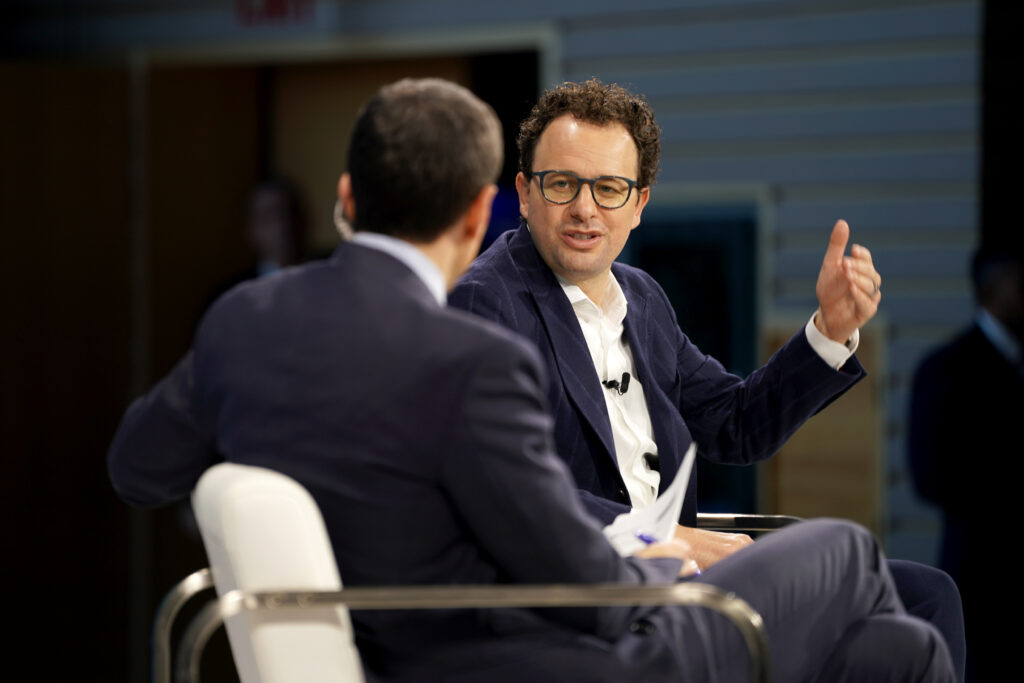
Paramount Skydance, run by pro-Trump technology heir David Ellison, was poised to take control of Warner Bros. Discovery on Thursday after Netflix said it would not raise its takeover offer, ending one of the biggest media bidding wars in a generation.The deal puts a constellation of media properties — from CNN to Nickelodeon to HBO — under the control of the family led by Oracle tycoon and White House ally Larry Ellison.Netflix said it was “declining to match” Paramount’s latest offer after the Warner Bros. board declared it a “Superior Proposal” under the terms of its existing merger agreement with Netflix.”The transaction we negotiated would have created shareholder value with a clear path to regulatory approval,” Netflix said in a statement.”However, we’ve always been disciplined, and at the price required to match Paramount Skydance’s latest offer, the deal is no longer financially attractive, so we are declining to match the Paramount Skydance bid,” it added.The company insisted it “would have been strong stewards of Warner Bros.’ iconic brands, and that our deal would have strengthened the entertainment industry and preserved and created more production jobs in the US.”But this transaction was always a ‘nice to have’ at the right price, not a ‘must have’ at any price,” it concluded.Without a Netflix counteroffer, the Warner Bros. Discovery board is now free to terminate its agreement with the streaming giant and proceed with Paramount.Warner Bros. shareholders were previously scheduled to vote on the Netflix agreement on March 20. That vote is now essentially moot, and attention shifts to securing shareholder approval for the Paramount deal instead.- White House attention -Paramount’s sweetened offer, made Monday, was the latest installment of a bidding war that drew White House attention, with President Donald Trump insisting he had a say in the outcome.Crucially, the proposal included a commitment from Oracle founder Larry Ellison to contribute additional funding if needed to support solvency requirements from Paramount’s lending banks.Ellison is the father of Paramount CEO David Ellison, a Hollywood producer, and largely financed his son’s takeover of Paramount and his subsequent bid for Warner Bros. Discovery.Larry Ellison is also a longtime ally of Trump, and both Paramount and Netflix sought to curry favor with the White House.Creating headwinds for Netflix, Republican lawmakers came out against the company during the deal process, accusing it of promoting pro-trans content on its platform, something co-CEO Ted Sarandos strenuously denied.Just hours before withdrawing from the bidding war, Sarandos was filmed entering the White House on Thursday for talks with officials — though not the president, according to CNBC.The Paramount offer also includes financing from the sovereign wealth funds of three Middle Eastern countries — Saudi Arabia, Qatar and Abu Dhabi — which could attract an additional layer of regulatory scrutiny.The revised Paramount offer included a purchase price of $31.00 per share in cash, a one-dollar increase from its earlier bid, which valued the company at around $108 billion.Paramount has also offered a $7 billion regulatory termination fee should the deal fail to close on regulatory grounds, and agreed to cover the $2.8 billion breakup fee Warner Bros. Discovery would owe Netflix if it walked away from their agreement.A combined Paramount-Warner Bros. would bring together streaming services HBO Max and Paramount+, and merge two of Hollywood’s largest movie studios. It would also place CNN and CBS News under one ownership structure.

Discussions Kiev-Washington à Genève, Moscou dit n’avoir “aucune échéance” pour mettre fin à la guerre

Les émissaires ukrainiens et américains ont entamé jeudi des discussions à Genève pour préparer de nouvelles rencontres trilatérales avec la Russie, Moscou ayant souligné pour sa part n’avoir “aucune échéance” pour mettre fin à la guerre.”Après les réunions d’aujourd’hui, les préparatifs pour la prochaine réunion trilatérale sont déjà plus avancés. Très probablement, la prochaine rencontre …

Discussions Kiev-Washington à Genève, Moscou dit n’avoir “aucune échéance” pour mettre fin à la guerre Read More »

Anthropic says won’t give US military unconditional AI use

AI company Anthropic said Thursday it would not give the US Defense Department unrestricted use of its technology despite being pressured to comply by the Pentagon.”These threats do not change our position: we cannot in good conscience accede to their request,” Anthropic chief executive Dario Amodei said in a statement.Washington had given the artificial intelligence startup until Friday to agree to unconditional military use of its technology, even if it violates ethical standards at the company, or face being forced to comply under emergency federal powers.Amodei said Anthropic models have been deployed by the Pentagon and intelligence agencies to defend the country but that it draws an ethical line regarding its use for mass surveillance of US citizens and fully-autonomous weapons.”Using these systems for mass domestic surveillance is incompatible with democratic values,” Amodei said.And leading AI systems are not yet reliable to be trusted to power deadly weapons without a human in ultimate control, he added.”We will not knowingly provide a product that puts America’s warfighters and civilians at risk.”After meeting with Anthropic early this week, the Pentagon delivered a stark ultimatum: agree to unrestricted military use of its technology by 5:01 pm (22:01 GMT) Friday or face being forced to comply under the Defense Production Act.The Cold War-era law, last used during the Covid pandemic, grants the federal government sweeping powers to compel private industry to prioritize national security needs.The Pentagon also threatened to label Anthropic a supply chain risk, a designation usually reserved for firms from adversary countries that could severely damage the company’s ability to work with the US government and reputation.A senior Pentagon official at the time pushed back on the company’s concerns, insisting the Defense Department had always operated within the law.”Legality is the Pentagon’s responsibility as the end user,” the official said, adding that the department “has only given out lawful orders.”Officials also confirmed that an exchange regarding intercontinental ballistic missiles had taken place between Anthropic and the Pentagon, underscoring the sensitivity of the applications at the heart of the dispute.The Pentagon confirmed that Elon Musk’s Grok system had been cleared for use in a classified setting, while other contracted companies — OpenAI and Google — were described as close to similar clearances, piling competitive pressure on Anthropic to fall in line.Anthropic was contracted alongside those companies last year to supply AI models for a range of military applications under a $200 million agreement.Former OpenAI employees founded Anthropic in 2021 on the premise that AI development should prioritize safety — a philosophy that now puts it on a collision course with the Pentagon and the White House.”Anthropic understands that the Department of War, not private companies, makes military decisions,” Amodei said.”However, in a narrow set of cases, we believe AI can undermine, rather than defend, democratic values.”