

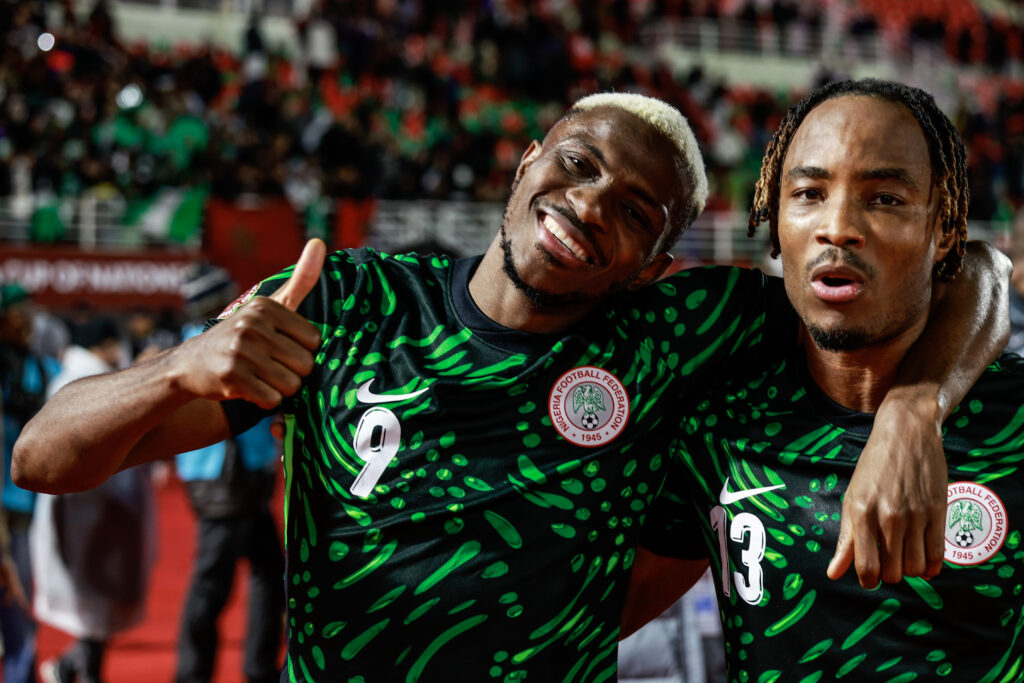
CAN-2025: le Nigeria en huitièmes après sa victoire sur la Tunisie
Le Nigeria, porté par Ademola Lookman, s’est qualifié pour les huitièmes de finale de la Coupe d’Afrique des nations au Maroc grâce à sa victoire 3-2 sur la Tunisie samedi à Fès.Après l’Égypte vendredi, les Super Eagles, assurés de terminer premiers du groupe C, sont la deuxième équipe à rallier la phase finale qu’ils débuteront le 5 janvier face à un troisième de groupe, à Fès également.Placé un cran derrière la star Victor Osimhen et le Sévillan Akor Adams, Lookman a été l’homme du premier match vraiment spectaculaire de la CAN marocaine en offrant deux passes décisives sur les deux premiers buts nigérians et en se chargeant d’aggraver lui-même la marque pour le 3-0. Sa première passe, l’attaquant de Bergame l’a adressée à Osimhen, l’attaquant masqué, qui de la tête a sanctionné en fin de première période la domination totale des siens tout au long du premier acte (1-0, 44e). L’ex-attaquant de Naples, désormais à Galatasaray, a toutefois écopé d’un carton jaune après son but pour avoir provoqué lors de sa célébration le banc tunisien. Comme tous ses partenaires, Osimhen a été intenable en première période durant laquelle il a pensé ouvrir le score dès la 18e minute en reprenant, en renard, un ballon repoussé par Aymen Dahmen après une frappe à ras-de-terre d’Adams. Mais son but a été refusé pour hors jeu.Dès le début de la seconde période, toujours aussi précis, Lookman, sur corner a trouvé cette fois la tête de son capitaine Semi Ajayi qui s’est élevé au-dessus de tout le monde pour doubler la mise et mettre le Nigeria à l’abri d’un retour de la Tunisie (2-0, 49e). -Lookman, deux passes, un but-Trouvé en retrait par Osimhen qu’il avait parfaitement lancé, Lookman s’est avancé dans la surface avant de tirer au ras du poteau gauche tunisien pour le 3-0 (67e).Dépassée par l’intensité physique mise par les Super Eagles, la Tunisie a poussé en fin de rencontre et réduit le score grâce à un coup franc d’Hannibal Mejbri, le pendant tunisien de Lookman, repris de la tête par Montassar Talbi (3-1, 74e), et un pénalty transformé par le Nicois Ali Abdi après une main de Bright Osayi-Samuel, sanctionnée par la VAR (3-2, 86e).Un réveil trop tardif pour contester la victoire du Nigeria, laborieux lors de son entrée en lice face à la Tanzanie (2-1), pas qualifié pour le Mondial-2026, mais finaliste de la dernière CAN et bien décidé à aller jusqu’au bout au Maroc. La Tunisie, dépassée mais combative, qui aurait même pu égaliser en fin de rencontre, devra battre la Tanzanie mardi à Rabat pour rejoindre le Nigeria en huitièmes de finale.
Zelensky soutenu par les Européens et le Canada avant sa rencontre avec Trump
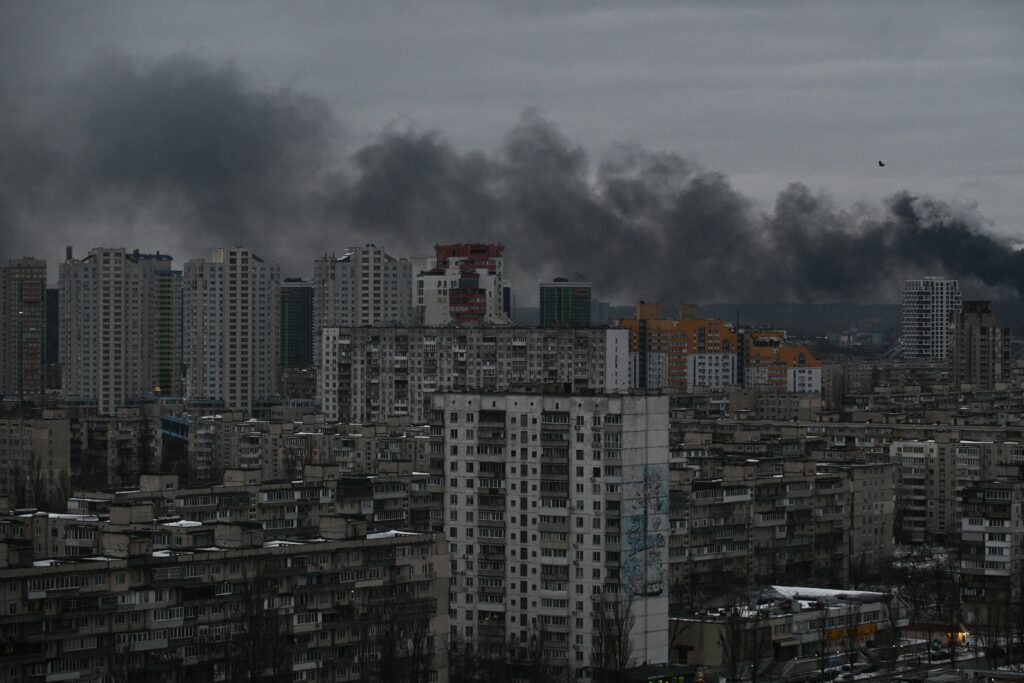
Le président ukrainien Volodymyr Zelensky, qui a fait escale samedi dans la ville canadienne d’Halifax sur la route de la Floride, a reçu le soutien appuyé des Européens et du Canada à la veille d’une rencontre cruciale avec Donald Trump.Dans la nuit de vendredi à samedi, peu avant le voyage du président ukrainien, des frappes russes massives ont visé la capitale Kiev et sa région, faisant deux morts, une quarantaine de blessés et laissant plus d’un million de foyers sans électricité.Ces nouveaux bombardements montrent que la Russie “ne veut pas mettre fin à la guerre”, s’est emporté M. Zelensky.Plus tard, au cours d’une visioconférence entre le chef de l’Etat ukrainien et les principaux dirigeants européens, le président français Emmanuel Macron a de son côté souligné que ces attaques illustraient “le contraste entre la disposition de l’Ukraine à bâtir une paix et durable et la détermination de la Russie à prolonger la guerre qu’elle a déclenchée il y a près de quatre ans”.Les pays européens, le Canada, l’UE et l’Otan ont à cette occasion assuré M. Zelensky de “leur plein soutien” avant ses discussions prévues pour le lendemain avec le président américain, a déclaré le chancelier allemand Friedrich Merz.Ce dernier a affirmé que les efforts des Européens et du Canada en vue d'”une paix durable et juste en Ukraine” se feraient “en étroite coordination avec les États-Unis”.- L'”intégrité territoriale de l’Ukraine” -“Nous saluons tous les efforts qui mènent à notre objectif commun : une paix juste et durable qui préserve la souveraineté et l’intégrité territoriale de l’Ukraine”, a renchéri la présidente de la Commission européenne, Ursula von der Leyen.Le Premier ministre canadien Mark Carney a quant à lui insisté, en recevant M. Zelensky en Nouvelle-Ecosse, sur le fait que toute “paix juste et durable” en Ukraine ne pourrait être établie qu’avec “une Russie prête à coopérer”.”Nous devons mettre fin à cette guerre, et pour cela, nous avons besoin de deux choses : exercer une pression sur la Russie et apporter un soutien suffisamment fort à l’Ukraine”, a pour sa part plaidé le président ukrainien.Volodymyr Zelensky doit s’entretenir avec M. Trump à propos des “questions sensibles” que sont le sort du bassin minier du Donbass, dans l’est de l’Ukraine, et les garanties de sécurité occidentales pour Kiev, dans le cadre des négociations sur la plan américain destiné à mettre fin au conflit.Et ce après que, dans la nuit de vendredi à samedi, la capitale ukrainienne et ses environs ont été la cible d’au moins 519 drones et 40 missiles, dont respectivement 474 et 29 ont été neutralisés, selon l’armée de l’air. Ces frappes, comme les précédentes, ont visé des infrastructures énergétiques.Conséquence, a déploré la compagnie d’électricité DTEK, plus d’un million de foyers ont été privés de courant.Le ministère russe de la Défense a dans le même temps fait savoir que plus de 230 drones ukrainiens avaient été abattus samedi au-dessus de la Russie.L’armée russe, qui a accéléré ses avancées sur le front ces derniers mois, a par ailleurs revendiqué la prise de la ville de Myrnograd, dans l’oblast de Donetsk (est), et de celle de Gouliaïpolé, dans la région de Zaporijjia (sud).- “Je pense que ça se passera bien” -Volodymyr Zelensky et Donald Trump évoqueront en Floride le plan américain, présenté par Washington il y a près d’un mois. Le président ukrainien a dévoilé cette semaine la nouvelle mouture de ce document, retravaillé après d’âpres négociations avec Kiev.Cette nouvelle version propose un gel du front sur les positions actuelles sans offrir de solution immédiate face aux revendications territoriales de la Russie, qui contrôle environ 19% de l’Ukraine.Le nouveau document abandonne deux exigences clés du Kremlin : un retrait des troupes ukrainiennes de la région de Donetsk et un engagement de l’Ukraine juridiquement contraignant de non-adhésion à l’Otan.Dans ces conditions, la validation de cet accord par Moscou paraît improbable. Le vice-ministre russe des Affaires étrangères, Sergueï Riabkov, a ainsi accusé vendredi Kiev et ses alliés européens de vouloir “torpiller” les négociations et appelé à revenir aux ententes antérieures, faute de quoi “aucun accord ne pourra être conclu”.”Si les autorités de Kiev ne souhaitent pas régler cette affaire pacifiquement, nous résoudrons tous les problèmes qui se posent à nous par la voie militaire”, a quant à lui mis en garde Vladimir Poutine samedi.Volodymyr Zelensky “n’a rien tant que je ne donne pas mon accord”, avait de son côté averti la veille Donald Trump. “Je pense que ça se passera bien avec lui. Je pense que ça se passera bien avec (le chef de l’Etat russe Vladimir) Poutine”, avec lequel il prévoit de s’entretenir “bientôt”, avait-il lancé.
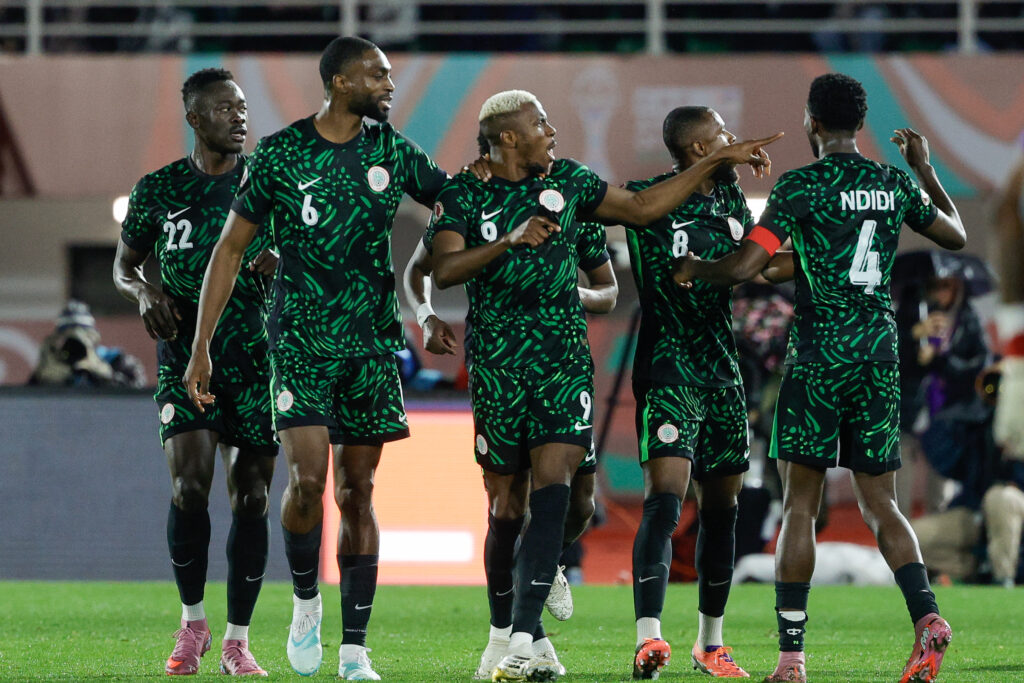
Osimhen stars as Nigeria survive Tunisia rally to reach second roundSat, 27 Dec 2025 22:12:45 GMT
Victor Osimhen starred as Nigeria became the second qualifiers for the Africa Cup of Nations knockout stage after Egypt by surviving a late Tunisia onslaught to win 3-2 in Fes on Saturday. The Super Eagles were cruising to victory when leading 3-0 through goals from Osimhen, captain Wilfred Ndidi and Ademola Lookman.But Tunisia refused to …
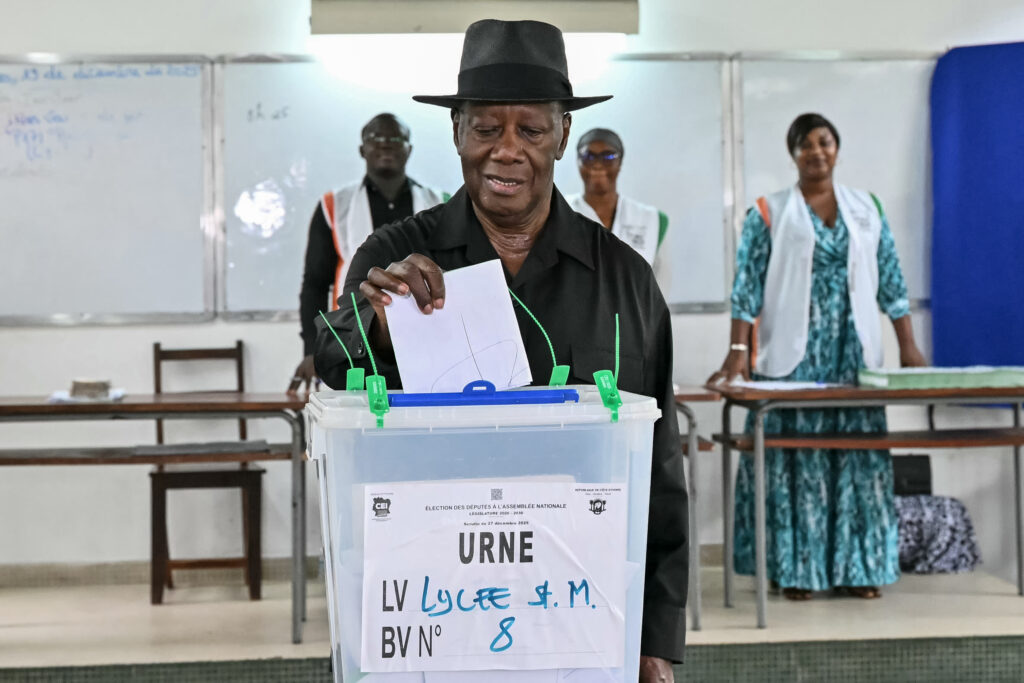
Ivory Coast president seeks parliament majority in electionSat, 27 Dec 2025 21:01:29 GMT
Voting ended Saturday in Ivory Coast’s parliamentary elections, a vote marked by poor turn-out in Abidjan following a boycott call by opposition parties and a few scuffles.The election comes two months after 83-year-old Alassane Ouattara won a presidential ballot that extended his 14-year rule.In the Yopougon and Plateau districts of the city, fewer than 100 …
Ivory Coast president seeks parliament majority in electionSat, 27 Dec 2025 21:01:29 GMT Read More »
La Thaïlande et le Cambodge concluent une trêve
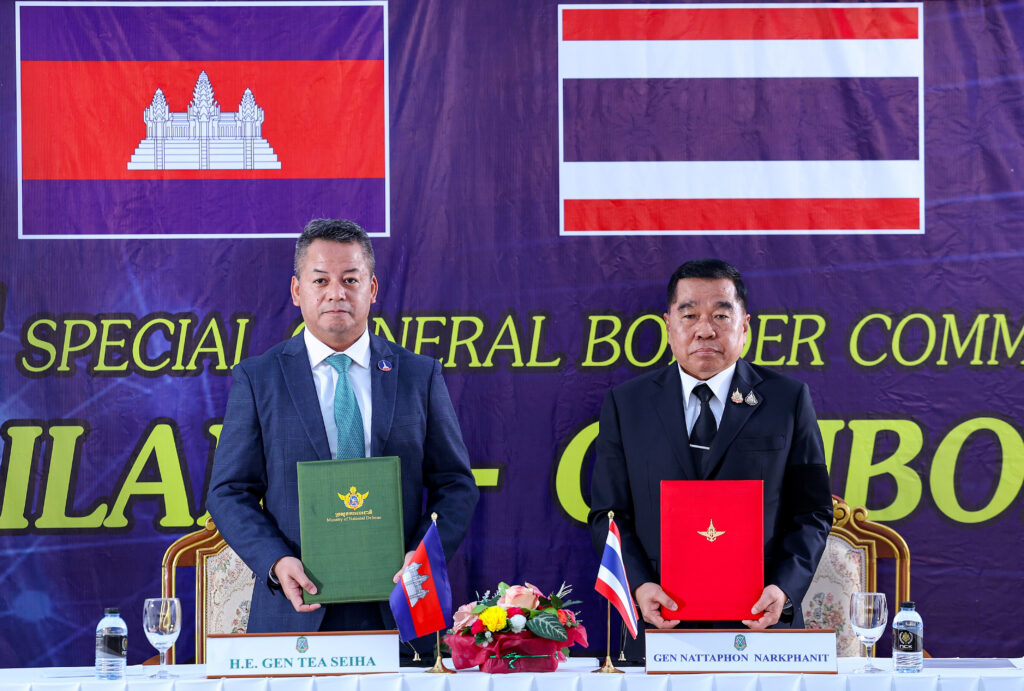
La Thaïlande et le Cambodge ont conclu samedi un cessez-le-feu immédiat dans leur conflit frontalier qui a fait en trois semaines au moins 47 morts et près d’un million de déplacés.Dans une déclaration on conjointe signée par les ministres de la Défense des deux pays, les deux parties ont annoncé l’entrée en vigueur de la …
Angleterre: Arsenal reste sur le trône, Villa renverse Chelsea qui dévisse
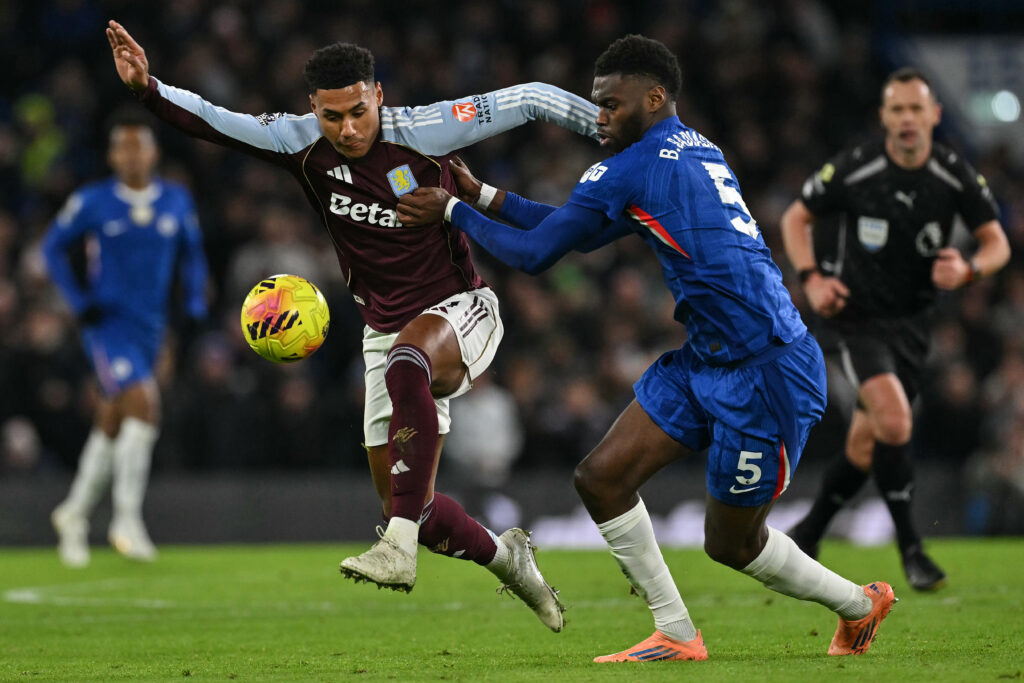
Les fêtes de Noël n’ont pas coupé l’appétit du leader Arsenal et de ses dauphins Manchester City et Aston Villa, ces derniers ayant renversé Chelsea lors du choc de la la 18e journée de Premier League, samedi.Le champion sortant Liverpool s’est également imposé face au dernier Wolverhampton (2-1).Les Gunners conservent la tête avec deux points d’avance sur Manchester City après leurs succès respectifs contre Brighton et Nottingham Forest (2-1), sur le même score.Mais c’est le choc entre Chelsea et Villa qui a polarisé l’attention. À trois jours d’un déplacement chez… les Gunners, les Villans ont signé à Stamford Bridge leur onzième succès d’affilée toutes compétitions confondues.Les hommes d’Unai Emery, inexistants en première période (et menés 1-0 à la pause), sont revenus de nulle part pour s’imposer grâce à un doublé d’Ollie Watson et rester à trois points des Gunners et à une unité de City.Au fond du trou cet automne, Liverpool a de son côté enchaîné une troisième victoire consécutive en championnat contre les Wolves (2-1), sans dominer totalement son sujet, et le voilà en bien meilleure posture.Le tenant du titre chipe la quatrième place à Chelsea avec 32 points.Il peut espérer prolonger son élan ensuite contre Leeds et Fulham, avant un déplacement beaucoup plus corsé à Arsenal, le 8 janvier.Le leader s’est lui débarrassé de Brighton samedi à la maison malgré quelques frissons en fin de match, surtout après la réduction du score de Diego Gomez (64e, 2-1).Une belle parade du gardien David Raya sur une frappe de Yankuba Minteh (76e) lui a permis conserver l’avance acquise grâce à des buts de Martin Odegaard (14e) et Georginio Rütter, contre son camp (52e).”Ça a été difficile à la fin, mais je pense que nous avons fait un bon match. Nous avons dominé dès le début, ils ont repris un peu d’élan vers la fin, mais nous avons obtenu trois points importants”, a commenté le capitaine norvégien sur Sky Sports.- Cherki crève l’écran -En début d’après-midi, Manchester City avait ouvert les hostilités sur le terrain de Nottingham Forest (2-1), avec une seconde période aboutie dans laquelle a brillé Rayan Cherki, une fois de plus.Le N.10 français a haussé son niveau de jeu après la mi-temps, comme le reste de ses partenaires, et il a fait basculer la rencontre avec une passe décisive pour Tijjani Reijnders (48e, 1-0) et le but vainqueur (83e, 2-1), de chaque côté de l’égalisation d’Omari Hutchinson (54e, 1-1).”Depuis le premier jour, avec Rayan, il y a des moments où je lui crie dessus, et d’autres où j’ai envie de l’embrasser. Mes sentiments sont partagés avec lui, mais je dois le laisser exprimer son incroyable talent”, a commenté son entraîneur Pep Guardiola.L’ex-Lyonnais de 22 ans enchaîne les titularisations dans une Premier League où il s’est acclimaté à merveille. Il compte désormais sept passes décisives dans le championnat anglais, toutes réalisées entre début novembre et fin décembre.Autre “Frenchy” qui a le vent en poupe, Hugo Ekitiké a livré une nouvelle belle partition avec Liverpool contre Wolverhampton, avec notamment un énorme travail sur le deuxième but signé Florian Wirtz (42e, 2-0).Les Reds ont perdu le contrôle en seconde période face à la lanterne rouge, surtout après la réduction du score de Santiago Bueno (51e, 2-1), mais ils ont assuré l’essentiel chez eux à Anfield.Dans les autres rencontres disputées samedi, Brentford a régalé son public face à Bournemouth (4-1), contrairement au premier relégable West Ham, battu 1-0 par Fulham, et à Burnley, l’avant-dernier accroché 0-0 par Everton.