

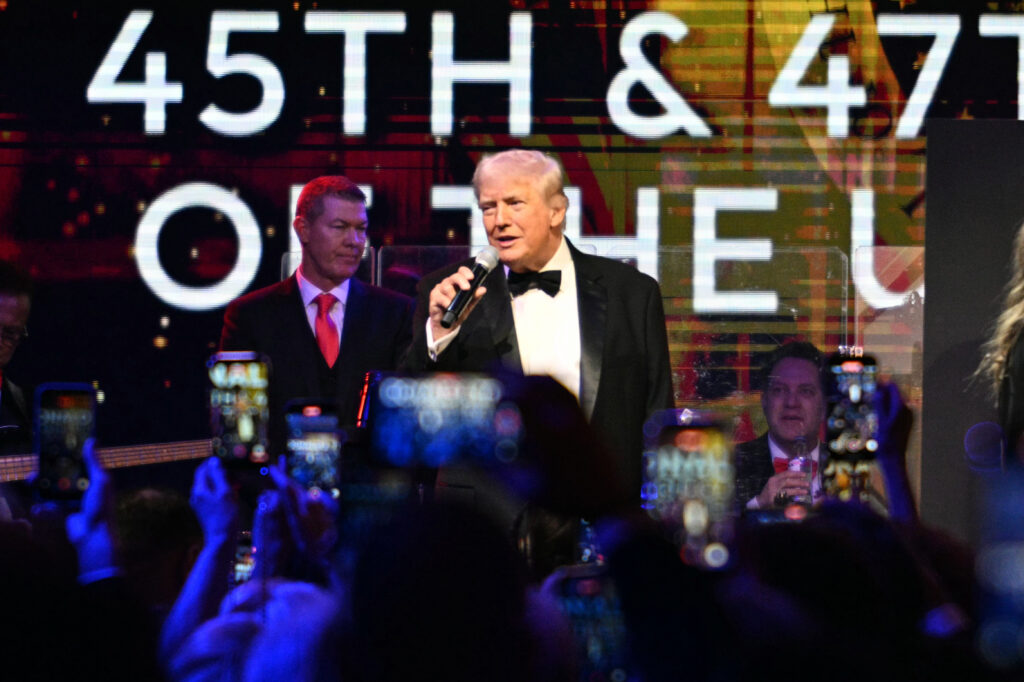
Israel’s Netanyahu among partygoers at Trump’s New Year’s Eve fete
US President Donald Trump hosted Israeli Prime Minister Benjamin Netanyahu at a glittering New Year’s Eve party at his lavish Mar-a-Lago resort on Wednesday, according to social media.Netanyahu, who arrived at the US president’s Palm Beach residence on Monday, was spotted alongside tuxedo-clad Trump Wednesday night in a social media post from conservative influencer Michael Solakiewicz.Trump had joked that the Israeli leader could attend the party during meetings Monday to discuss the fragile Gaza ceasefire and other regional geopolitical concerns in the Middle East.The party guest list included Trump’s ardent supporters Rudy Giuliani and Emirati billionaire Hussain Sajwani, along with his sons Eric and Don Jr., and top members of his administration, including Department of Homeland Security Secretary Kristi Noem and White House deputy chief of staff Dan Scavino.The Gaza ceasefire in October is one of the major achievements of Trump’s first year back in power, but some White House officials fear Netanyahu is slow-walking the process.This week, Trump downplayed reports of tensions with Netanyahu over the second stage of the ceasefire, saying that Israel had “lived up” to its commitments and that the onus was on Palestinian militant group Hamas.Siding with the Israeli premier, Trump said he was “not concerned about anything that Israel’s doing.”This week’s talks mark the fifth such meeting in the United States since Trump’s return to power this year.
Israel’s Netanyahu among partygoers at Trump’s New Year’s Eve fete
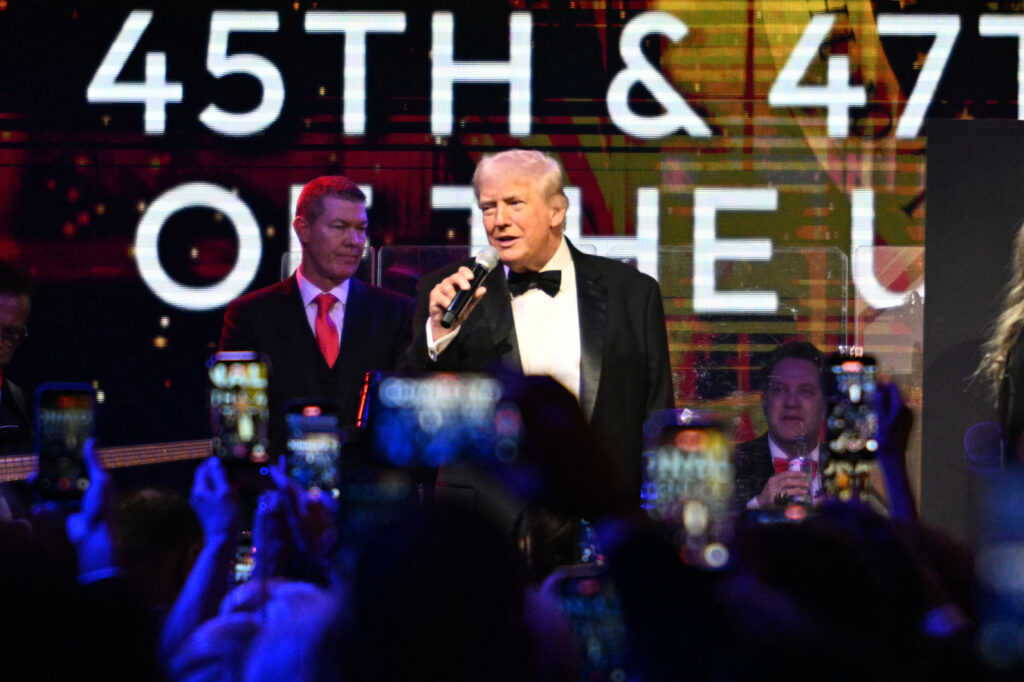
US President Donald Trump hosted Israeli Prime Minister Benjamin Netanyahu at a glittering New Year’s Eve party at his lavish Mar-a-Lago resort on Wednesday, according to social media.Netanyahu, who arrived at the US president’s Palm Beach residence on Monday, was spotted alongside tuxedo-clad Trump Wednesday night in a social media post from conservative influencer Michael Solakiewicz.Trump had joked that the Israeli leader could attend the party during meetings Monday to discuss the fragile Gaza ceasefire and other regional geopolitical concerns in the Middle East.The party guest list included Trump’s ardent supporters Rudy Giuliani and Emirati billionaire Hussain Sajwani, along with his sons Eric and Don Jr., and top members of his administration, including Department of Homeland Security Secretary Kristi Noem and White House deputy chief of staff Dan Scavino.The Gaza ceasefire in October is one of the major achievements of Trump’s first year back in power, but some White House officials fear Netanyahu is slow-walking the process.This week, Trump downplayed reports of tensions with Netanyahu over the second stage of the ceasefire, saying that Israel had “lived up” to its commitments and that the onus was on Palestinian militant group Hamas.Siding with the Israeli premier, Trump said he was “not concerned about anything that Israel’s doing.”This week’s talks mark the fifth such meeting in the United States since Trump’s return to power this year.
Trump joins criticism of Clooney’s French passport
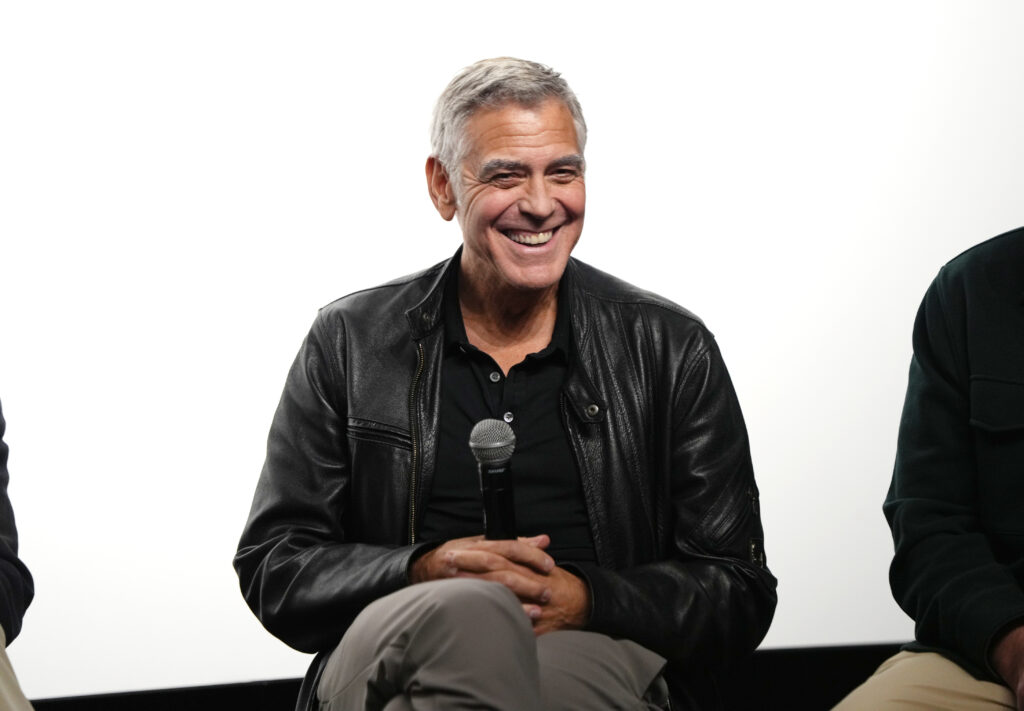
US President Donald Trump piled on criticism Wednesday of a decision to grant Hollywood superstar George Clooney French passports after a junior government official in Paris labelled the move a “double standard”.An official decree seen by AFP on Monday showed that 64-year-old Oscar winner Clooney, his wife Amal Alamuddin Clooney and their two children had become French citizens.Trump, whose administration has backed anti-immigration parties in Europe, said that Paris was welcome to the “Ocean’s Eleven” star, a long-term Democratic supporter, fundraiser and a vocal critic of the president.”Good News! George and Amal Clooney, two of the worst political prognosticators of all time, have officially become citizens of France which is, sadly, in the midst of a major crime problem because of their absolutely horrendous handling of immigration,” Trump said on his Truth Social network.The news of Clooney and his family becoming French comes ahead of language requirements for citizenship being toughened for everyone else under new immigration rules from January 1.A junior member of President Emmanuel Macron’s government had also criticised the decision to award passports despite Clooney speaking poor French.”Personally, I understand the feeling of some French people of a double standard,” Marie-Pierre Vedrenne, a junior interior minister, told the France Info radio station.”We need to be careful about the message we’re sending.”Her boss, Interior Minister Laurent Nunez, and the foreign ministry however defended the decision.The civil code states that “French nationality may be conferred by naturalization, upon the proposal of the minister of foreign affairs, to any French-speaking foreigner who applies for it and who contributes through their distinguished service to France’s influence and the prosperity of its international economic relations.”But Clooney has admitted that his French remains poor despite hundreds of lessons.Under the new immigration rules from Thursday, applicants will need a certificate showing they have a level of French that could get them into a French university. They will also have to pass a civic knowledge test.Clooney has a property in southern France and said he has hailed French privacy laws that keep his family largely protected from international media intrusion.”I love the French culture, your language, even if I’m still bad at it after 400 days of courses,” the actor told RTL radio — in English — in December.His wife, an international human rights lawyer and dual UK-Lebanese national, speaks fluent French.- ‘Meets the conditions’ -Clooney bought the Domaine du Canadel, a former wine estate, near the Provence town of Brignoles, in 2021. He said it is where his family is “happiest”.Nunez, the interior minister, said he was “very happy” with the actor and his family becoming French, saying the country was lucky to have them.The French foreign ministry said the passport allocation for the Clooneys “meets the conditions set by law” for naturalisation.The family “followed a rigorous procedure including security investigations, regulatory naturalization interviews at the prefecture, and the payment of tax stamps,” the ministry added.It highlighted the Clooneys had a French home and they “contribute through their distinguished service to France’s international influence and cultural prestige” through the actor’s role in the film industry.This “can only contribute to maintaining and promoting France’s position in this essential economic sector”, it said.Amal Clooney is “a renowned lawyer” who “regularly collaborates with academic institutions and international organisations based in France”, the ministry added.Around 48,800 people acquired French nationality by decree in 2024, according to interior ministry figures.Clooney is not alone in wanting a French passport.Hollywood director Jim Jarmusch announced on Friday that he was also applying, telling French radio that he wanted “a place to where I can escape the United States”.
Trump annonce retirer la Garde nationale de Chicago, Portland et Los Angeles
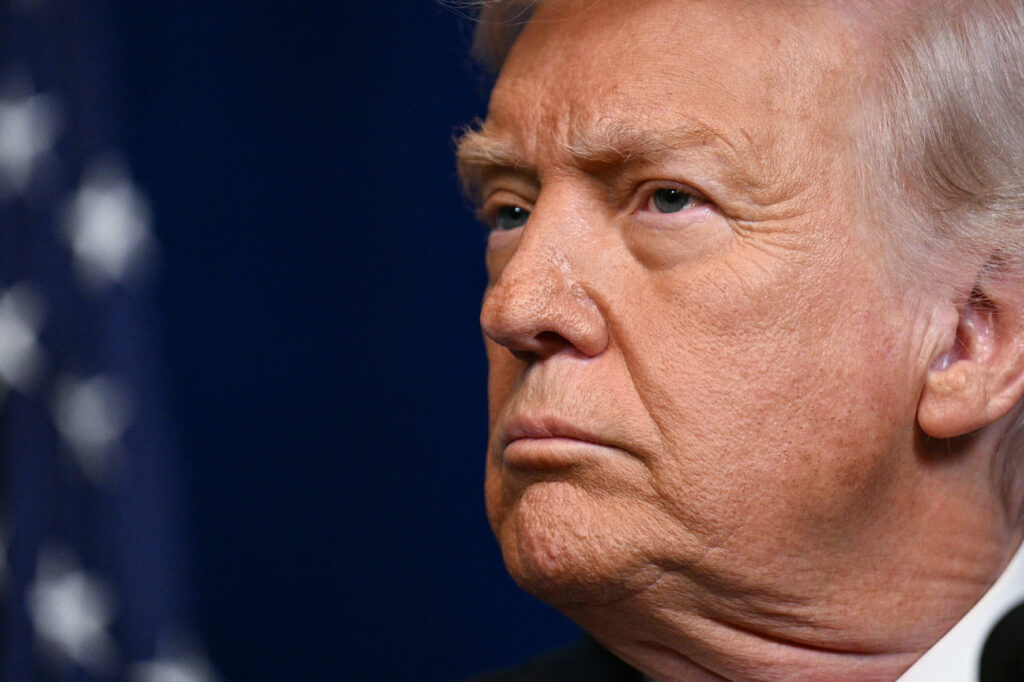
Donald Trump a annoncé mercredi retirer la Garde nationale de Chicago, Portland et Los Angeles, après une série de revers judiciaires concernant la légalité du déploiement de cette unité de réserve de l’armée.”La criminalité a été considérablement réduite” dans ces villes, a assuré le président américain sur son réseau Truth Social, en annonçant le retrait.”Nous …
Trump annonce retirer la Garde nationale de Chicago, Portland et Los Angeles Read More »
AI, chips boom sent South Korea exports soaring in 2025
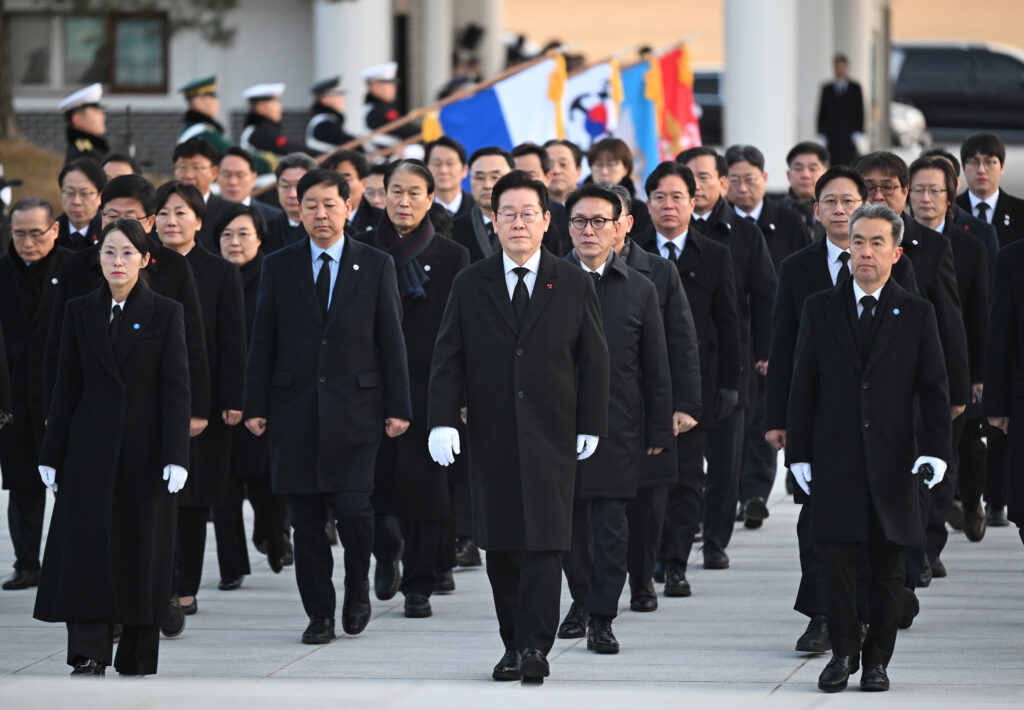
Soaring global demand for semiconductors fuelled by a boom in artificial intelligence sent South Korea’s exports to their highest-ever level in 2025, official data showed Thursday.Total exports last year were valued at over $700 billion, according to data from Seoul’s industry ministry, up 3.8 percent from the previous year.The worldwide surge in interest in artificial intelligence saw semiconductor industry exports reach $173.4 billion in 2025 — a record high and an increase of more than 20 percent from the previous year, the ministry said.High-priced memory chips used in AI data centres were in strong demand, they added.Semiconductor exports in December alone rose more than 40 percent year-on-year, posting gains for a tenth consecutive month and marking the highest monthly figure on record.South Korean tech juggernaut Samsung Electronics is one of the world’s top memory-chip makers, providing crucial components for the AI industry and the infrastructure it relies on.The country is also home to SK hynix, another key player in the global semiconductor market.And South Korean President Lee Jae Myung has vowed to triple spending on AI this year — a move aimed at propelling the country into the ranks of the world’s top three AI powers behind the United States and China.Cars, South Korea’s other key export, also performed strongly, with auto shipments rising to $72 billion, the highest on record despite US tariff pressures.Other sectors like agriculture and cosmetics also recorded their highest-ever figures, buoyed by strong global interest in the country’s pop culture powerhouse, its food and beauty products.- ‘Challenging conditions’ -Exports rose everywhere except to the United States and China, weighed down by tariffs on steel, automobiles and machinery.Asia’s fourth-largest economy was initially hit with a 25 percent across-the-board tariff by the United States but managed to secure a last-minute agreement for a reduced 15 percent rate.South Korea is one of Washington’s biggest trade partners.The new record was “achieved amid challenging domestic and external conditions”, industry minister Kim Jung-kwan said in a statement.It also “serves as an indicator of the South Korean economy’s solid resilience and growth potential,” he said.But, he warned, “export conditions this year are expected to remain difficult, as uncertainties persist in the trade environment, including the sustainability of semiconductor demand”.
Nuñez défend la naturalisation de Clooney après les réserves de sa ministre déléguée
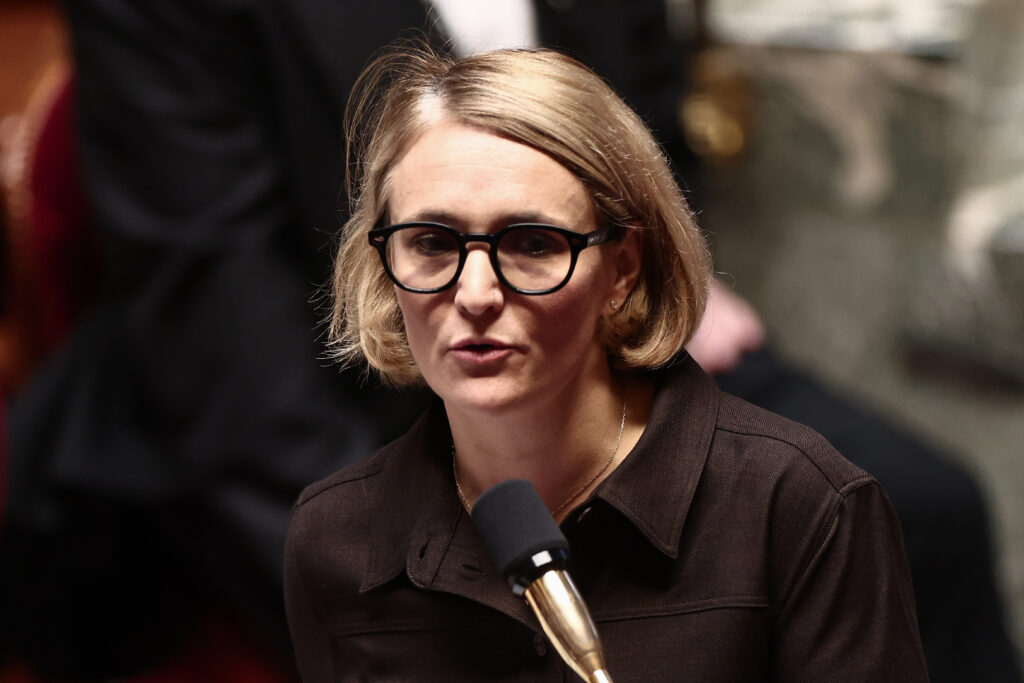
Le ministre de l’Intérieur, Laurent Nuñez, a défendu mercredi la naturalisation de l’acteur américain George Clooney et de sa famille, après les réserves émises par sa ministre déléguée qui avait dénoncé un “deux poids deux mesures”, quand Donald Trump, lui, s’en est moqué. “Moi, que George Clooney demande la naturalisation, je peux en être très fière”, avait déclaré mercredi matin Marie-Pierre Vedrenne sur Franceinfo, tout en estimant que “ce n’est pas le bon message qui est envoyé”.Mais en début de soirée, Laurent Nuñez s’est nettement démarqué de sa ministre déléguée, assurant au contraire qu’il n’y avait aucun “deux poids deux mesures”. L’acteur et producteur, ainsi que sa femme, avocate internationale, ont été naturalisés “par décret” du ministre de l’Intérieur, a précisé ce dernier.”Nous sommes très satisfaits” de ces naturalisations, d’autant que le couple Clooney et ses deux enfants “vivent sur le territoire national”, dans le Var, a ajouté Laurent Nuñez, qualifiant cette naturalisation de “grande chance pour notre pays”.Y voyant un “sujet d’équité”, qui est “absolument essentiel”, Marie-Pierre Vedrenne avait dit comprendre le sentiment de “deux poids deux mesures” chez certains Français, alors que l’acteur de 64 ans admettait début décembre sur RTL être “toujours aussi mauvais” en français malgré “400 jours de cours”.La situation de George Clooney et de son épouse Amal Alamuddin Clooney “répond aux conditions fixées par la loi” pour une naturalisation, a déclaré de son côté le ministère des Affaires étrangères, en rappelant l’article 21-21 du Code civil.Celui-ci stipule que “la nationalité française peut être conférée par naturalisation, sur proposition du ministre des Affaires étrangères, à tout étranger francophone qui en fait la demande et qui contribue par son action émérite au rayonnement de la France et à la prospérité de ses relations économiques internationales”.”Bonne nouvelle! George et Amal Clooney, deux des pires pronostiqueurs politiques de tous les temps, sont officiellement devenus citoyens français”, a lancé mercredi le président américain Donald Trump sur son réseau Truth Social.”Malheureusement, la France est actuellement confrontée à un grave problème de criminalité en raison de sa gestion absolument désastreuse de l’immigration, comme celle qu’on a eu sous Joe Biden l’endormi”, a-t-il critiqué au passage, reprenant son sobriquet favori pour désigner son prédécesseur démocrate à la Maison Blanche. M. Trump dresse régulièrement un lien entre criminalité et immigration sans faire valoir de statistiques fiables.George Clooney est un soutien important du camp démocrate.- “Place de premier rang” -Le ministère des Affaires étrangères a évoqué la “place de premier rang” occupée par George Clooney “dans l’industrie cinématographique à l’échelle mondiale”, qui “ne peut que contribuer au maintien et à la promotion de la place de la France dans ce secteur économique essentiel”.Quant à Amal Alamuddin Clooney, “avocate de renom”, elle “collabore régulièrement avec des institutions universitaires et des organisations internationales installées en France”, a ajouté le ministère.A partir du 1er janvier, le niveau de français exigé pour les étrangers souhaitant notamment acquérir la nationalité française sera plus élevé. En vertu de la dernière loi immigration, ils devront notamment avoir obtenu un diplôme de niveau avancé (B2), exigé par exemple pour rentrer dans une université. Ils devront en outre avoir réussi un examen civique dans le cadre du Contrat d’intégration républicaine (CIR).L’acteur, son épouse et leurs jumeaux âgés de huit ans ont obtenu la nationalité française par un décret publié samedi au Journal officiel.Quelque 48.800 personnes ont acquis la nationalité française par décret en 2024, selon les derniers chiffres du ministère de l’Intérieur.Le couple star, dont la naturalisation a été révélée par Paris Match, réside une partie de l’année dans sa bastide de Brignoles (Var), acquise en 2021.Djb-est-tll-mat/ega/tmt
Ex-boxing champ Joshua discharged from hospital after fatal car crashThu, 01 Jan 2026 02:22:53 GMT
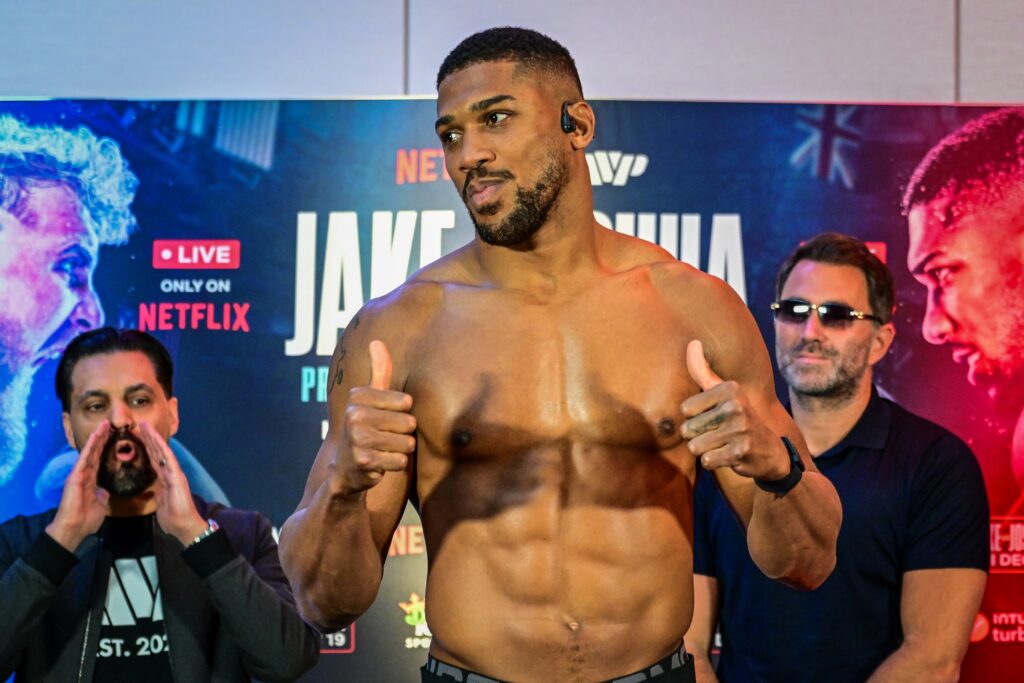
Former world heavyweight boxing champion Anthony Joshua has been discharged from hospital, state officials said Wednesday, after surviving a car accident in Nigeria that killed two of his close friends.Joshua was travelling on Monday with friends Sina Ghami and Latif Ayodele on a busy highway linking Lagos and Ibadan in the southwest of the country …
Trump-hosted Kennedy Center awards gala ratings plummet
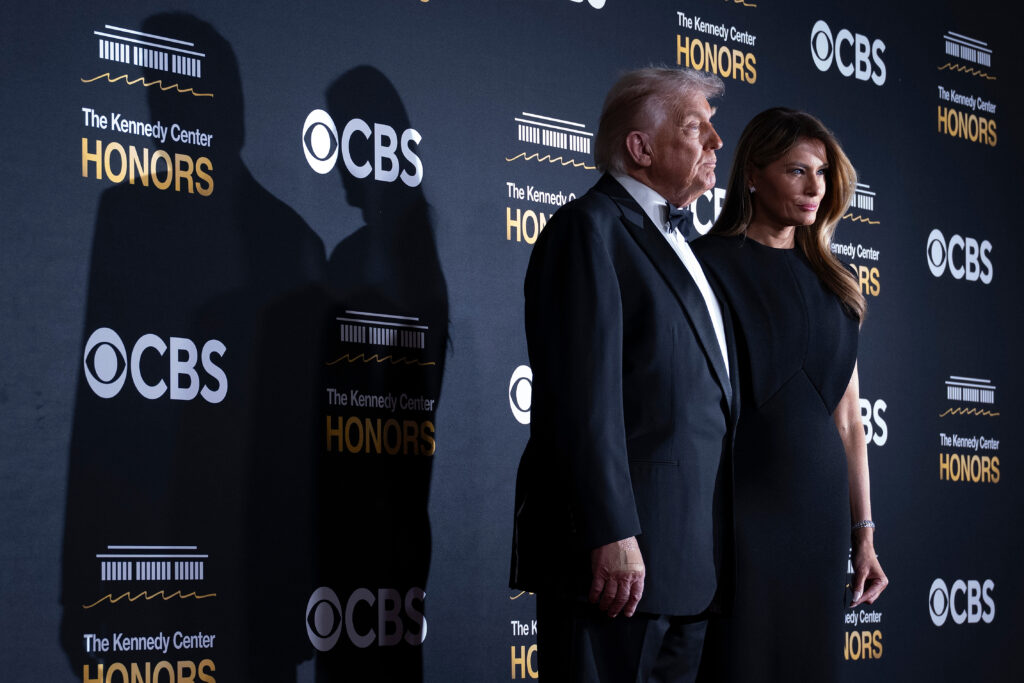
Donald Trump joked about quitting as US president if his hosting of the annual Kennedy Center awards went well.But viewership ratings for this year’s annual ceremony plummeted to a record low amid controversy over his takeover of the premier Washington arts complex, to which Trump’s name was added this month.The 2025 awards broadcast on CBS averaged 3.01 million viewers, according to a report from Nielsen Live + Same Day Panel + Big Data, cited by industry journals Variety and The Hollywood Reporter.The figure was down 25 percent from 2024’s figure of 4.1 million viewers, which was itself a record low and down from 2023’s 4.5 million.Former reality TV star Trump was the first US president to host the awards gala, which this year honored “Rocky” actor Sylvester Stallone, “Phantom of the Opera” star Michael Crawford, disco legend Gloria Gaynor, rock band KISS and country legend George Strait.Since returning to office in January, the 79-year-old Republican has launched a forceful takeover of the center, branding it too “woke” and installing himself as chairman of a hand-picked board.Shortly before the December 23 broadcast of the awards ceremony, which was taped on December 7, Trump took to his Truth Social network to say he was hosting it at the request of “just about everybody.””Tell me what you think of my ‘Master of Ceremony’ abilities. If really good, would you like me to leave the Presidency in order to make ‘hosting’ a full time job?” he posted.The center was renamed the Trump-Kennedy Center earlier this month in a vote by the board that sparked outrage from family members of the late John F. Kennedy.A number of artists including a prominent jazz group and a dance company have since canceled shows at the center to protest the new name.Richard Grenell, the Trump-appointed president of the arts center, denounced the performers canceling shows and said they “were booked by the previous far left leadership.””Boycotting the Arts to show you support the Arts is a form of derangement syndrome,” he wrote on X late Monday.According to US media reports, ticket sales have declined since the new board of directors took over.
Trump says pulling National Guard from three cities — for now
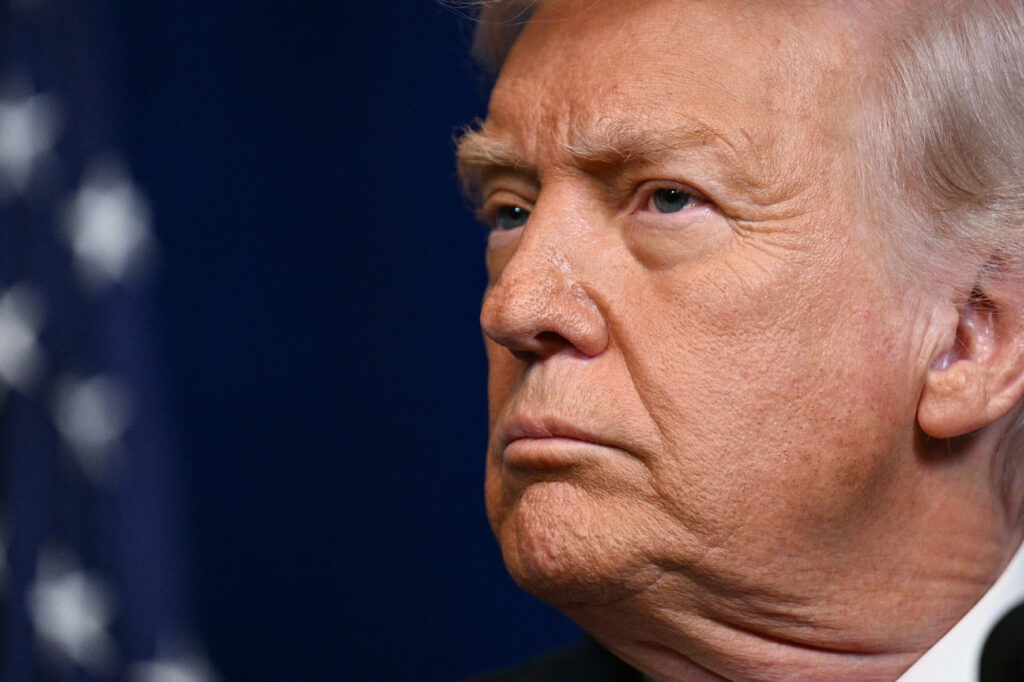
President Donald Trump said Wednesday he was withdrawing National Guard troops from Chicago, Los Angeles and Portland, following a series of legal setbacks over his military deployments in US cities.The Republican had sent troops into several cities run by Democrats during his first year back in power, in what he called a crackdown on illegal immigration and crime.Local leaders slammed the moves as authoritarian overreach and launched a string of successful legal challenges, with the US Supreme Court last week blocking the Chicago deployment.”We are removing the National Guard from Chicago, Los Angeles, and Portland, despite the fact that CRIME has been greatly reduced by having these great Patriots in those cities, and ONLY by that fact,” Trump said on his Truth Social network.In the message on New Year’s Eve, Trump said the three cities “were GONE if it weren’t for the Federal Government stepping in.””We will come back, perhaps in a much different and stronger form, when crime begins to soar again — Only a question of time!” Trump added.Trump’s deployments of National Guard troops have been a centerpiece of his hardline policies on immigration and crime since returning to the White House in January.The 79-year-old billionaire and former reality star has also sent the National Guard into the capital Washington and to Memphis, Tennessee, and threatened to send them to San Francisco.But the Trump administration had already begun to pull some troops from Chicago, Los Angeles and Portland in recent weeks as court judgments went against it.”He lost in court when Illinois stood up against his attempt to militarize American cities with the National Guard. Now Trump is forced to stand down,” Illinois Governor JB Pritzker said on X.- ‘Illegal intimidation tactic’ -Los Angeles became the first city to have troops on the streets in June when Trump went over the heads of local Democratic leaders to order 4,000 National Guard reservists to put down protests over immigration raids.Those local leaders said the relatively minor protests, which affected only a few blocks in America’s second largest metropolis, could easily be handled by city, county and state law enforcement.On December 10, a federal judge ordered Trump’s administration to end the Los Angeles deployment and return control of the soldiers to California’s Democratic Governor Gavin Newsom.Most had already been demobilized, with the US military saying 100 Guard troops remained deployed at the time.Hours before Trump’s announcement, Newsom said the administration had formally stopped opposing the federal court’s ruling on the troops. An appellate court made it official, ruling that the lower court’s order to return control should move forward.”This admission by Trump and his occult cabinet members means this illegal intimidation tactic will finally come to an end,” Newsom, who is widely seen as a likely Democratic contender for the presidency in 2028, said on X.Trump meanwhile ordered military forces from Texas and California to Chicago and Portland in early October. As of last week, some 300 National Guard troops remained activated in the Chicago area but were not engaged in operations.A judge in November ruled the Portland deployment unlawful and ordered it permanently blocked.