Pro-Iran protesters try to storm US missions in Pakistan, Iraq

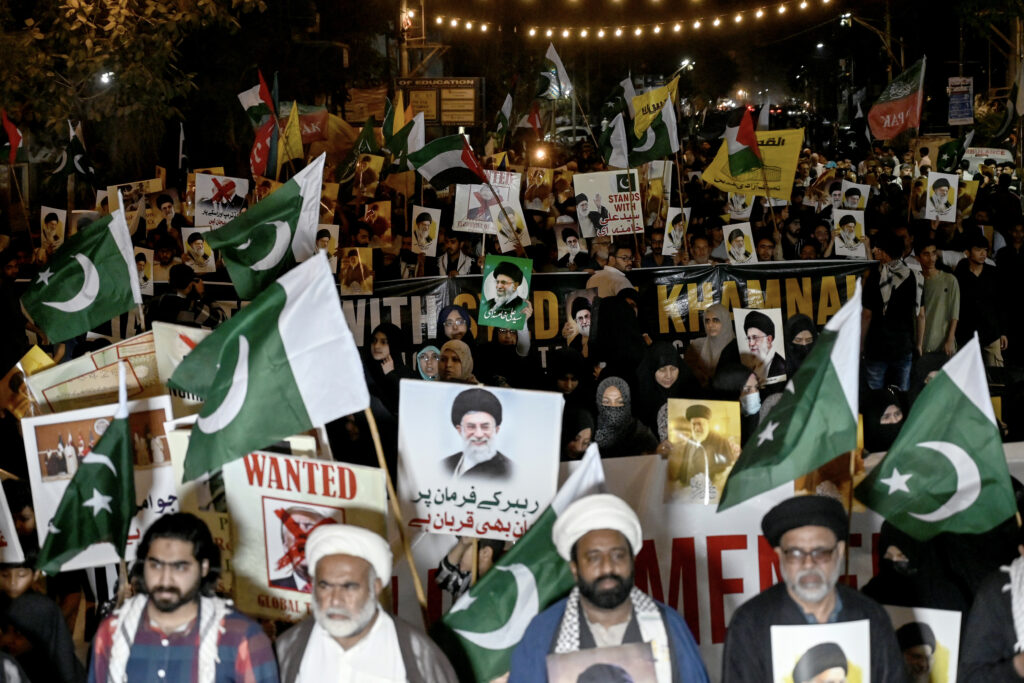
Pro-Iranian protesters angered by the death of Iran supreme leader Ali Khamenei tried to storm the US consulate in Pakistan’s Karachi on Sunday, leaving eight dead, and the fortified Green Zone hosting Washington’s embassy in the Iraqi capital Baghdad.Iranian state media confirmed the death of Khamenei, Iran’s supreme leader since 1989 and sworn enemy of the West, on Sunday, after the opening salvo of a massive US and Israeli attack.In the Pakistani megacity of Karachi, hundreds of pro-Iranian protesters tried to enter the US mission, an AFP journalist saw.At least eight people were killed in the protests and at least 20 were injured, Muhammad Amin, a spokesman for the Edhi Foundation rescue service said, adding most had bullet wounds.A crowd of young people climbed over the main gate and gained access to the driveway of the consular building, smashing some windows.Police fired tear gas at the protesters who dispersed.Videos on social media showed youngsters smashing the windows of the main building of the consulate as the American flag could be seen flying over the compound, whose perimeter is topped with barbed wire.Thousands of people were also taking to the streets in the eastern city of Lahore and in northern Skardu, with a demonstration expected in the afternoon near the diplomatic enclave housing the US embassy in the capital Islamabad.- Khamenei death ‘hurt us’ -In Baghdad, hundreds of Iraqis, many dressed in black, attempted to storm the compound housing the American embassy on Sunday despite a heavy security deployment.Ali, a masked protester, told AFP “the martyrdom of Sayyed Ali Khamenei has hurt us”.”We are here because we want the withdrawal of the occupying American forces from Iraq,” he said, referring to US-led coalition troops who have recently reduced their presence and are now mostly stationed in northern Iraq.Protesters, who had gathered in the Iraqi capital since early Sunday, hurled stones at security forces, who responded with tear gas.A security source told AFP earlier that “their attempts have been thwarted so far, but they keep trying”.In Indian-administered Kashmir, several thousand Shia Muslims joined street demonstrations in the main city Srinagar.Protesters holding red, black, and yellow flags converged on the main square.Many of them chanted anti-Israel and anti-US slogans during the emotionally charged but largely peaceful gathering.”This day we are all very heavy-hearted. We are mourning our beloved leader who was martyred,” Syed Towfeeq, 40, told AFP.”We all have a message for the (US President Donald) Trump… We will always stand against your oppression.”Similar protests were held in other places across Kashmir and other parts of India with a sizeable Shia Muslim presence.burs/jfx/mjw
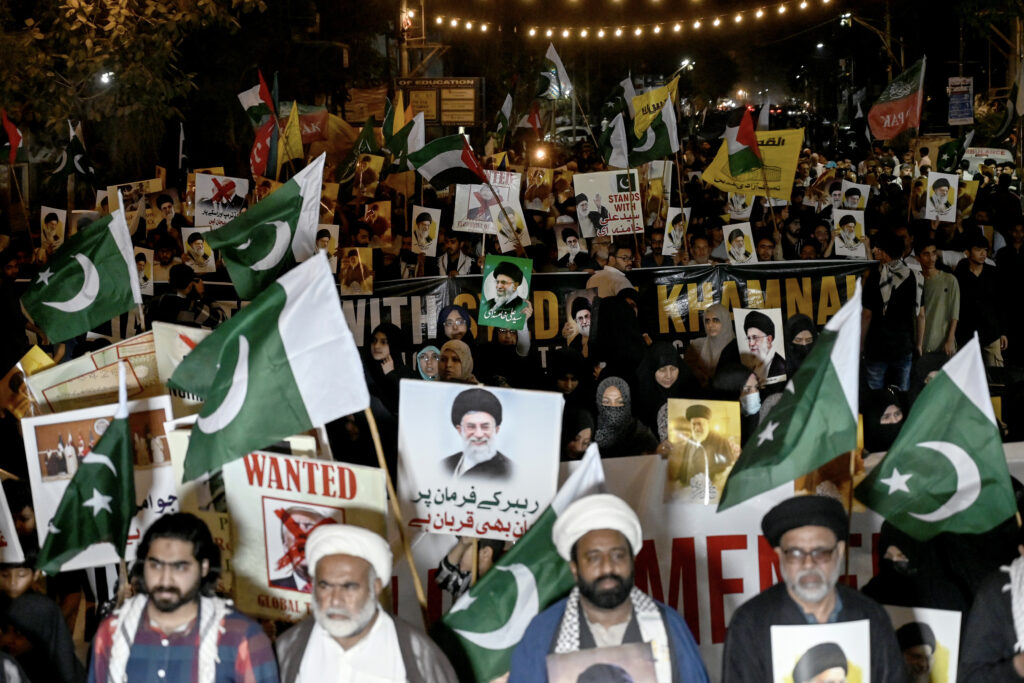

Pro-Iran protesters try to storm US missions in Pakistan, Iraq

Pro-Iranian protesters angered by the death of Iran supreme leader Ali Khamenei tried to storm the US consulate in Pakistan’s Karachi on Sunday, leaving eight dead, and the fortified Green Zone hosting Washington’s embassy in the Iraqi capital Baghdad.Iranian state media confirmed the death of Khamenei, Iran’s supreme leader since 1989 and sworn enemy of the West, on Sunday, after the opening salvo of a massive US and Israeli attack.In the Pakistani megacity of Karachi, hundreds of pro-Iranian protesters tried to enter the US mission, an AFP journalist saw.At least eight people were killed in the protests and at least 20 were injured, Muhammad Amin, a spokesman for the Edhi Foundation rescue service said, adding most had bullet wounds.A crowd of young people climbed over the main gate and gained access to the driveway of the consular building, smashing some windows.Police fired tear gas at the protesters who dispersed.Videos on social media showed youngsters smashing the windows of the main building of the consulate as the American flag could be seen flying over the compound, whose perimeter is topped with barbed wire.Thousands of people were also taking to the streets in the eastern city of Lahore and in northern Skardu, with a demonstration expected in the afternoon near the diplomatic enclave housing the US embassy in the capital Islamabad.- Khamenei death ‘hurt us’ -In Baghdad, hundreds of Iraqis, many dressed in black, attempted to storm the compound housing the American embassy on Sunday despite a heavy security deployment.Ali, a masked protester, told AFP “the martyrdom of Sayyed Ali Khamenei has hurt us”.”We are here because we want the withdrawal of the occupying American forces from Iraq,” he said, referring to US-led coalition troops who have recently reduced their presence and are now mostly stationed in northern Iraq.Protesters, who had gathered in the Iraqi capital since early Sunday, hurled stones at security forces, who responded with tear gas.A security source told AFP earlier that “their attempts have been thwarted so far, but they keep trying”.In Indian-administered Kashmir, several thousand Shia Muslims joined street demonstrations in the main city Srinagar.Protesters holding red, black, and yellow flags converged on the main square.Many of them chanted anti-Israel and anti-US slogans during the emotionally charged but largely peaceful gathering.”This day we are all very heavy-hearted. We are mourning our beloved leader who was martyred,” Syed Towfeeq, 40, told AFP.”We all have a message for the (US President Donald) Trump… We will always stand against your oppression.”Similar protests were held in other places across Kashmir and other parts of India with a sizeable Shia Muslim presence.burs/jfx/mjw

Recteur ou maire: à Clichy-sous-Bois, Olivier Klein refuse de choisir

Il n’entend ni délaisser sa ville, ni sacrifier son académie: Olivier Klein, maire sortant de Clichy-sous-Bois (Seine-Saint-Denis), est candidat à sa réélection sans pour autant abandonner son poste de recteur de l’académie de Strasbourg.”Bonjour madame, comment allez-vous ? Tenez, c’est mon programme, je compte sur vous !”: sous une pluie battante, Olivier Klein, barbe poivre …

Recteur ou maire: à Clichy-sous-Bois, Olivier Klein refuse de choisir Read More »

L1: Un duel olympique crucial pour l’OM, un peu moins pour Lyon

Après une semaine de stage à Marbella, l’OM et son nouvel entraîneur Habib Beye doivent absolument s’imposer dimanche à domicile contre Lyon (20h45) s’ils veulent revenir à portée du podium et de leur adversaire, qui abordera ce choc des Olympiques de façon bien plus sereine.Présent samedi en conférence de presse, le milieu de terrain néerlandais …

L1: Un duel olympique crucial pour l’OM, un peu moins pour Lyon Read More »

L1: Un duel olympique crucial pour l’OM, un peu moins pour Lyon

Après une semaine de stage à Marbella, l’OM et son nouvel entraîneur Habib Beye doivent absolument s’imposer dimanche à domicile contre Lyon (20h45) s’ils veulent revenir à portée du podium et de leur adversaire, qui abordera ce choc des Olympiques de façon bien plus sereine.Présent samedi en conférence de presse, le milieu de terrain néerlandais …

L1: Un duel olympique crucial pour l’OM, un peu moins pour Lyon Read More »

Before dawn, ancient drum rite wakes Istanbul faithful to fast

It’s 3:30 am and lights are slowly coming on in the homes lining a narrow Istanbul street as people are woken up by the rhythmic thump of a drum. Emerging onto a balcony, Sibel Savas and her grandson look down as the drummer — or davulcu in Turkish — wanders through the Ayvansaray neighbourhood, his drumbeat waking the faithful for a last meal before the daily Ramadan fast begins at sunrise. For the past 55 years, Hakan Ozbingol has got up at 3:00 am every day during Ramadan to play his davul, a large double-headed drum carried with a strap and played while walking through the streets. He inherited the role from his father, with whom he started venturing out when he was 10. Although their nightly sortie is purely voluntary, local residents traditionally give a tip at the end of the month, says Ozbingol, who is now 65. If once this amounted to enough to buy the children a nice gift, these days it’s barely enough “to buy them clothes or to cover the bills”, he sighs, as people struggle to cope with Turkey’s bitter economic crisis. But for him, it’s not a job but more of a sacred duty.”As long as it’s to do with Allah, this drum will never fall silent. We’re doing Allah’s work, it’s our duty,” he said hoarsely, trudging with bent back through the winding streets. – Ottoman roots -According to Harun Korkmaz, a music historian at Istanbul University, the Ramadan drum rite “dates back to the end of the 19th century” when the Ottoman military bands, or mehters, performed several times a day, setting the pace of daily life. “The davulcu are continuing this tradition,” he told AFP of a tradition that began in Istanbul and spread to the rest of the country. As well as drumming, “real” davulcu will also chant “mani”, or short rhythmic poems, under people’s windows to flatter a sleepy audience, Ozbingol explained.”In Turkey, there are few davulcus who know how to sing mani. It’s not enough to pick up the drum and bang on it while walking around,” he said, proudly tapping his temple to show where he keeps this knowledge. The tradition began in the Fatih district near Istanbul’s historic peninsula, and most of today’s Ramadan drummers come from Turkey’s Roma community, who today number around 2.7 million, research figures show.As the davulcu walks the street where washing lines vie for space with Turkish flags draped from the high facades of the buildings, he is warmly greeted by a pensioner called Zafer, who is also a musician.”If the Roma weren’t here there would be nothing. They are the musicians and Istanbul’s Ramadan drummers,” the 71-year-old told AFP. – ‘A tradition that must not die’ -Still holding her grandson, Sibal Savas says she has no alarm clock and relies on the early-morning drum rite to wake her up. “This tradition is important to us this. It comes from our ancestors,” she told AFP. In a nearby street, another drummer, 58-year-old Yurdaer, is trying to play a little more quietly as he passes the home of an elderly neighbour who has heart problems. Across Istanbul, Turkey’s largest city, there are a total of 3,000 davulcu who go out nightly to wake the faithful in 961 neighbourhoods, explains Selami Aykut, who heads an organisation representing the megacity’s local mayors. Since the pandemic, when the nightly rite was briefly halted, the authorities doubled the number of accredited drummers. “We have increased the number we work with in order to better pass on our Ottoman traditions to young people, so that they can feel the excitement of Ramadan,” Aykut told AFP.With street vendors hawking traditional foods increasingly scarce across the city’s streets, their services replaced by supermarkets, the davulcu is one rare tradition not at risk of disappearing due to his unique role at Ramadan. “There are no more people selling boza (a fermented cereal-based drink), no more yoghurt sellers, nor other street vendors — they’ve almost all disappeared,” said Ozbingol. “Only the davulcu are left,” he murmurs, wandering off up the street. 

Pakistan cricket’s lack of T20 evolution exposed by World Cup exit

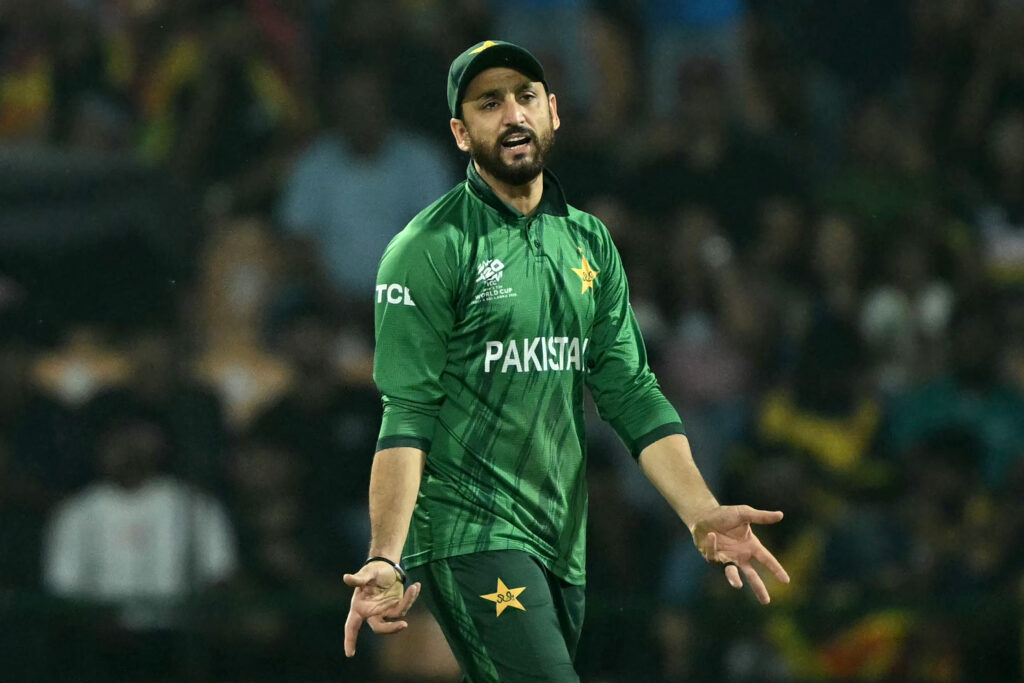
Pakistan’s shortcomings were laid bare during their lacklustre T20 World Cup campaign which ended Saturday when the team failed to reach the semi-finals.From the captain Salman Agha, who was criticised for not being a T20 player, to slow batting rates and the use of all-rounders not up to the job, Pakistan were shown to be behind the times in the rapid-fire format.Former wicketkeeper-batsman Kamran Akmal believes there is a huge gulf in standard between Pakistan and the top sides such as India, West Indies, South Africa and England. “Other teams have evolved to the demands of Twenty20 cricket, but neither our team nor our players meet those standards,” Akmal told AFP. “It is like other teams are playing on the moon and we are on earth. We only beat smaller teams but lose to top teams.”Pakistan had high hopes for the T20 World Cup after sweeping Australia 3-0 in a pre-tournament series.They boasted a quintet of spinners that should have been suited to the turning pitches in Sri Lanka where they played all their matches. But they received a rude awakening in their first match against the Netherlands when only they squeezed home by three wickets in the final over thanks to Faheem Ashraf’s 11-ball 29. – ‘Failed to handle pressure’ -Like most of his predecessors at World Cups, Agha blundered in the pressure-cooker match against India, which only went ahead after the Pakistan government U-turned on a boycott just days before the encounter.Agha won the toss and asked India to bat. The decision backfired badly as Pakistan conceded 175 and were hammered by 61 runs.Agha inexplicably held back his mystery spinner and chief weapon Usman Tariq to the 11th over, by which time opener Ishan Kishan had scored his match-shaping 77 and India were well on their way to a winning total.”How on earth did you bowl at a venue which was suited to batting first,” questioned former Pakistan player Basit Ali. “After India scored 175 our batters failed to handle the pressure of a chase.”Agha also held back Tariq’s second over against England, after he took a wicket in his first, allowing captain Harry Brook to build a sparkling match-winning century.”It was weak captaincy from Agha,” said Akmal, who also took aim at the head coach Mike Hesson and the selectors.  “We were also not helped by head coach Mike Hesson, who has an obsession for bit-and-pieces all-rounders who were neither complete bowlers, nor good batters.”Pakistan’s insistence in sticking with the out-of-sorts Babar Azam did nothing to help their shaky batting.The star batsman’s slow scoring at number four interrupted the side’s rhythm.He was dropped for the final match against Sri Lanka on Saturday where Pakistan finally posted a total in excess of 200, but it proved too little too late as New Zealand progressed on net run rate.”We are all fans of Azam but he disappointed us by not adapting to the demands of T20 cricket,” said one Pakistan fan, Saud Baloch, who resigned from his job in the United Arab Emirates to go to the World Cup.”The whole Pakistan fandom is not only disappointed but angry.”But we know nothing will change and we will continue to mourn such defeats in future.”

Latest developments in Iran: US and Israeli strikes, death of Khamenei

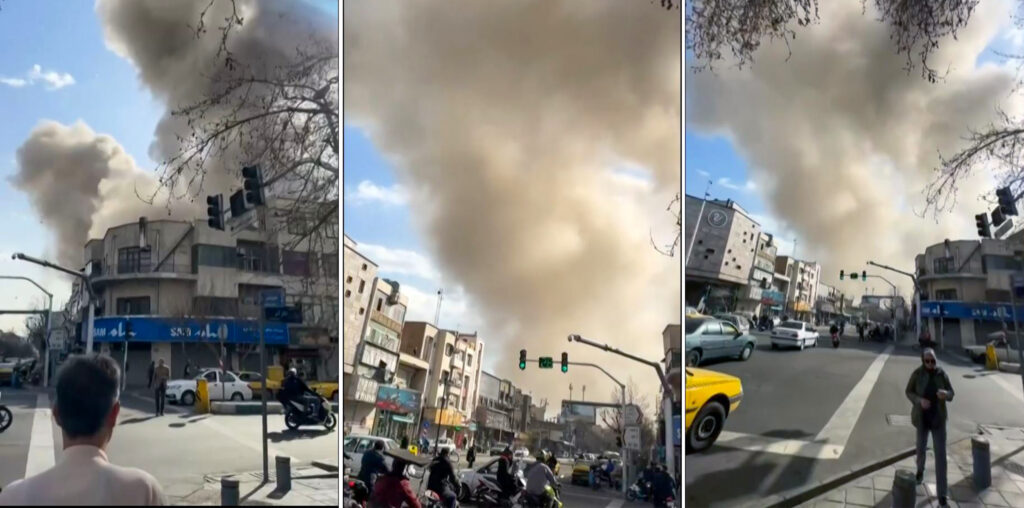
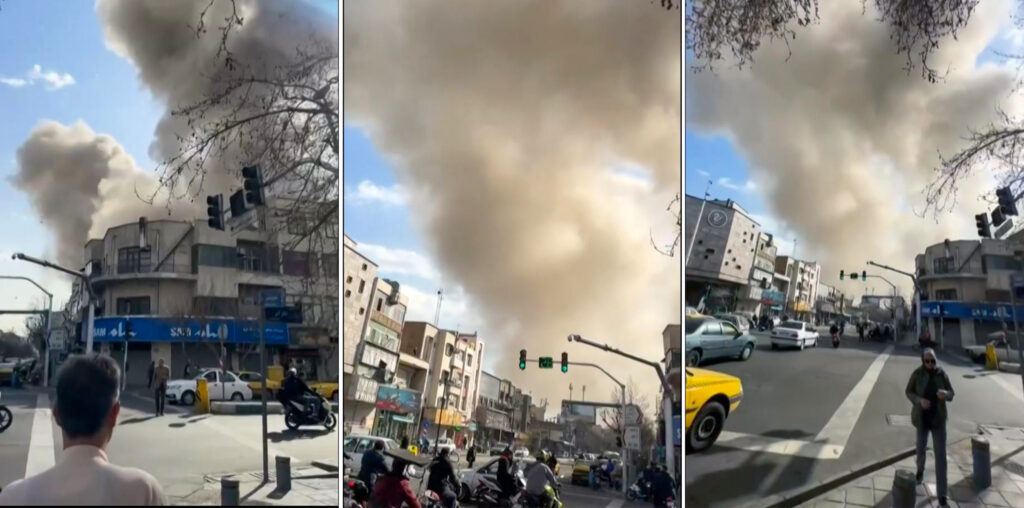
Iranian state television confirmed the death of Iran’s supreme leader Ayatollah Ali Khamenei on Sunday, after US President Donald Trump said he had been killed.The announcement came after the United States and Israel started launching waves of strikes Saturday against targets in Iran, sparking swift retaliation by the Islamic republic.Here are the latest developments.- Iran leader killed -Iranian state television reported Khamenei’s death in the early hours of Sunday, broadcasting archive images with a black banner.Iranian media also reported the deaths of his daughter, son-in-law and granddaughter.”Khamenei, one of the most evil people in History, is dead,” Trump had said hours earlier on his Truth Social platform.”Heavy and pinpoint bombing… will continue, uninterrupted throughout the week or, as long as necessary to achieve our objective of PEACE THROUGHOUT THE MIDDLE EAST”, Trump wrote.He later warned Iran of force “never been seen before” after he said they country indicated it was going to strike back “harder than they have ever hit.””THEY BETTER NOT DO THAT, HOWEVER, BECAUSE IF THEY DO, WE WILL HIT THEM WITH A FORCE THAT HAS NEVER BEEN SEEN BEFORE!” Trump wrote on his Truth Social platform early Sunday.Iranian state television announced a 40-day mourning period and seven public holidays following the ayatollah’s death.The country’s judiciary confirmed Sunday that the chief of the Revolutionary Guards, General Mohammad Pakpour, and another top security adviser, Ali Shamkhani were also “martyred” in the strikes.Pentagon chief Pete Hegseth said the campaign sent a message to those who would do harm to Americans: “We will hunt you down and we will kill you.”Reza Pahlavi, the son of Iran’s late shah, hailed the killing of Khamenei, saying the Islamic republic was entering the “dustbin of history”.Iranian President Masoud Pezeshkian and two top other officials will lead the country in a transitional period following the death of Khamenei, state television reported.The joint US-Israeli operation began earlier on Saturday with smoke rising over Tehran after strikes that Israel said were pre-emptive.Shortly after, Trump announced US combat operations, with the goal of “eliminating imminent threats”.Israel’s military said it targeted multiple sites where senior Iranian officials had gathered in Tehran, and launched strikes against Iranian missile launchers.It said 200 fighter jets had taken part in the “extensive attack”, hitting more than 500 targets.Israeli Prime Minister Benjamin Netanyahu said the attacks killed senior Iranian officials and warned that thousands more targets would be struck in the coming days.The Iranian judiciary said 108 people died in a strike on a girls’ school in Minab, citing a provincial official who blamed Israel.AFP was unable to access the location to verify the toll or the circumstances surrounding the incident.A new series of powerful blasts were heard Sunday in Tehran, AFP journalists in the Iranian capital reported. The source of the blasts was not immediately clear. – Missile, drone wave -In response to the US and Israeli attacks, Iran’s Revolutionary Guards said they targeted the US Fifth Fleet in Bahrain and other American bases in the Gulf on Saturday, after launching a first wave of missile and drone attacks at Israel.Israel’s Magen David Adom emergency service said a woman was killed and at least 21 were injured in the Tel Aviv area.The Israeli military said it deployed search and rescue teams to multiple locations across the country following reports of fallen projectiles.After Khamenei’s death, the Guards said Sunday they would launch the “most ferocious” operation in history against Israel and US military bases.AFP reporters heard blasts across the Gulf cities of Dubai, Doha and Manama on Sunday morning after a day of Iranian retaliatory strikes.Thick black smoke could be seen rising on the clear morning horizon in the south of Doha.- Gulf explosions, strait closed -Explosions had been reported across the Gulf region a day earlier following the strikes.The United Arab Emirates said that two people were killed in Abu Dhabi, including a Pakistani civilian.The country’s defence ministry said that 137 missiles and 209 drones were fired at its territory.Witnesses in Dubai said they heard an explosion and saw missiles streak across the sky. Others told AFP they heard an explosion and saw smoke rising from man-made island The Palm. Four people were injured.AFP correspondents heard loud explosions in the Saudi capital Riyadh.Qatar’s defence ministry said it had intercepted several missile attacks targeting the Gulf state.Two people were killed in air strikes on an Iraqi military base housing the powerful pro-Iran group Kataeb Hezbollah, which threatened the US with a response.Iran’s Revolutionary Guards also moved to close the Strait of Hormuz, a vital waterway through which much of the world’s oil and gas passes.- Allied support, warnings -The United Nations Security Council held an emergency meeting over the fighting, with Iran’s envoy accusing the US and Israel of committing a possible “war crime” by attacking civilians.UN chief Antonio Guterres said military action in the Middle East “carries the risk of igniting a chain of events that no one can control”.Oman’s foreign minister, who has been mediating talks between Tehran and Washington, said he was “dismayed” by the violence.The European Union said developments in Iran were “perilous”.Gulf states condemned Iran’s “cowardly” attacks in a joint statement read by Bahrain’s ambassador during an emergency meeting of the UN Security Council.Russia slammed the US-Israeli strikes as a “dangerous adventure” that could spark regional “catastrophe”.Another Iranian ally, Lebanon’s Hezbollah militant group, called on countries and people in the region to stand against Israel and the US.- Airspace closures, flights nixed -Iran, Iraq, Kuwait, Syria, the UAE and Israel all closed their airspaces to civilian traffic, at least in part, and multiple airlines cancelled flights to the Middle East. Russia cancelled commercial flights to both Iran and Israel “until further notice”.

Latest developments in Iran: US and Israeli strikes, death of Khamenei

Iranian state television confirmed the death of Iran’s supreme leader Ayatollah Ali Khamenei on Sunday, after US President Donald Trump said he had been killed.The announcement came after the United States and Israel started launching waves of strikes Saturday against targets in Iran, sparking swift retaliation by the Islamic republic.Here are the latest developments.- Iran leader killed -Iranian state television reported Khamenei’s death in the early hours of Sunday, broadcasting archive images with a black banner.Iranian media also reported the deaths of his daughter, son-in-law and granddaughter.”Khamenei, one of the most evil people in History, is dead,” Trump had said hours earlier on his Truth Social platform.”Heavy and pinpoint bombing… will continue, uninterrupted throughout the week or, as long as necessary to achieve our objective of PEACE THROUGHOUT THE MIDDLE EAST”, Trump wrote.He later warned Iran of force “never been seen before” after he said they country indicated it was going to strike back “harder than they have ever hit.””THEY BETTER NOT DO THAT, HOWEVER, BECAUSE IF THEY DO, WE WILL HIT THEM WITH A FORCE THAT HAS NEVER BEEN SEEN BEFORE!” Trump wrote on his Truth Social platform early Sunday.Iranian state television announced a 40-day mourning period and seven public holidays following the ayatollah’s death.The country’s judiciary confirmed Sunday that the chief of the Revolutionary Guards, General Mohammad Pakpour, and another top security adviser, Ali Shamkhani were also “martyred” in the strikes.Pentagon chief Pete Hegseth said the campaign sent a message to those who would do harm to Americans: “We will hunt you down and we will kill you.”Reza Pahlavi, the son of Iran’s late shah, hailed the killing of Khamenei, saying the Islamic republic was entering the “dustbin of history”.Iranian President Masoud Pezeshkian and two top other officials will lead the country in a transitional period following the death of Khamenei, state television reported.The joint US-Israeli operation began earlier on Saturday with smoke rising over Tehran after strikes that Israel said were pre-emptive.Shortly after, Trump announced US combat operations, with the goal of “eliminating imminent threats”.Israel’s military said it targeted multiple sites where senior Iranian officials had gathered in Tehran, and launched strikes against Iranian missile launchers.It said 200 fighter jets had taken part in the “extensive attack”, hitting more than 500 targets.Israeli Prime Minister Benjamin Netanyahu said the attacks killed senior Iranian officials and warned that thousands more targets would be struck in the coming days.The Iranian judiciary said 108 people died in a strike on a girls’ school in Minab, citing a provincial official who blamed Israel.AFP was unable to access the location to verify the toll or the circumstances surrounding the incident.A new series of powerful blasts were heard Sunday in Tehran, AFP journalists in the Iranian capital reported. The source of the blasts was not immediately clear. – Missile, drone wave -In response to the US and Israeli attacks, Iran’s Revolutionary Guards said they targeted the US Fifth Fleet in Bahrain and other American bases in the Gulf on Saturday, after launching a first wave of missile and drone attacks at Israel.Israel’s Magen David Adom emergency service said a woman was killed and at least 21 were injured in the Tel Aviv area.The Israeli military said it deployed search and rescue teams to multiple locations across the country following reports of fallen projectiles.After Khamenei’s death, the Guards said Sunday they would launch the “most ferocious” operation in history against Israel and US military bases.AFP reporters heard blasts across the Gulf cities of Dubai, Doha and Manama on Sunday morning after a day of Iranian retaliatory strikes.Thick black smoke could be seen rising on the clear morning horizon in the south of Doha.- Gulf explosions, strait closed -Explosions had been reported across the Gulf region a day earlier following the strikes.The United Arab Emirates said that two people were killed in Abu Dhabi, including a Pakistani civilian.The country’s defence ministry said that 137 missiles and 209 drones were fired at its territory.Witnesses in Dubai said they heard an explosion and saw missiles streak across the sky. Others told AFP they heard an explosion and saw smoke rising from man-made island The Palm. Four people were injured.AFP correspondents heard loud explosions in the Saudi capital Riyadh.Qatar’s defence ministry said it had intercepted several missile attacks targeting the Gulf state.Two people were killed in air strikes on an Iraqi military base housing the powerful pro-Iran group Kataeb Hezbollah, which threatened the US with a response.Iran’s Revolutionary Guards also moved to close the Strait of Hormuz, a vital waterway through which much of the world’s oil and gas passes.- Allied support, warnings -The United Nations Security Council held an emergency meeting over the fighting, with Iran’s envoy accusing the US and Israel of committing a possible “war crime” by attacking civilians.UN chief Antonio Guterres said military action in the Middle East “carries the risk of igniting a chain of events that no one can control”.Oman’s foreign minister, who has been mediating talks between Tehran and Washington, said he was “dismayed” by the violence.The European Union said developments in Iran were “perilous”.Gulf states condemned Iran’s “cowardly” attacks in a joint statement read by Bahrain’s ambassador during an emergency meeting of the UN Security Council.Russia slammed the US-Israeli strikes as a “dangerous adventure” that could spark regional “catastrophe”.Another Iranian ally, Lebanon’s Hezbollah militant group, called on countries and people in the region to stand against Israel and the US.- Airspace closures, flights nixed -Iran, Iraq, Kuwait, Syria, the UAE and Israel all closed their airspaces to civilian traffic, at least in part, and multiple airlines cancelled flights to the Middle East. Russia cancelled commercial flights to both Iran and Israel “until further notice”.