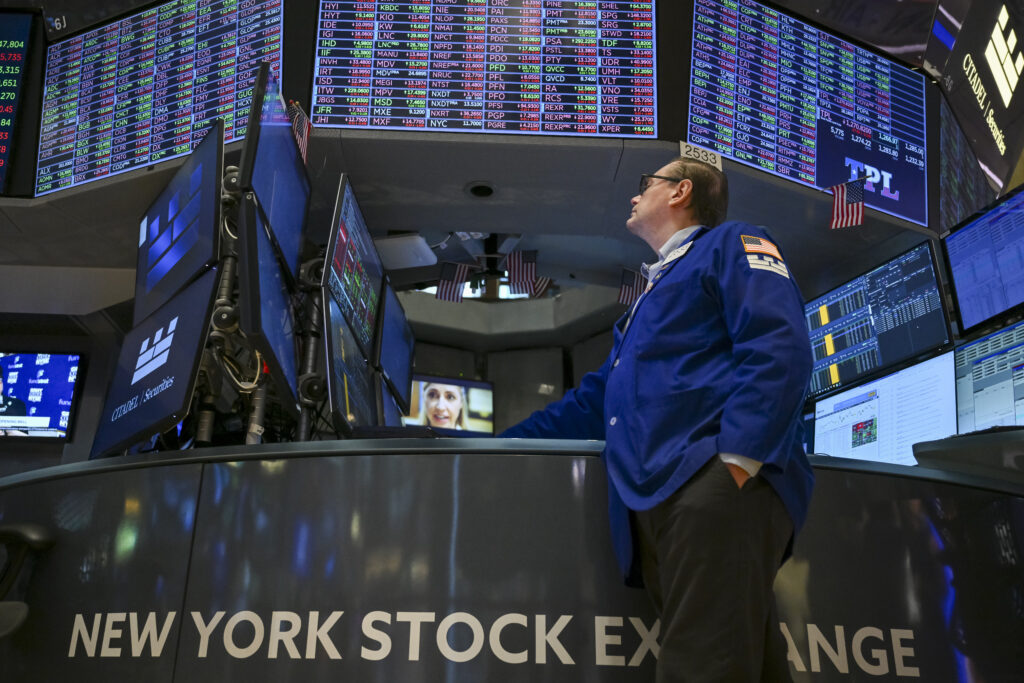
Wall Street en hausse, avant une vague de données économiques

La Bourse de New York a ouvert en hausse lundi, à l’entame d’une semaine chargée en résultats d’entreprises et en indicateurs sur l’état de santé économique des Etats-Unis, en pleine guerre commerciale.Dans les premiers échanges, le Dow Jones avançait de 0,19%, l’indice Nasdaq grappillait 0,05% et l’indice élargi S&P 500 gagnait 0,10%.

Conclave starts May 7, with cardinals saying new pope must tackle abuse

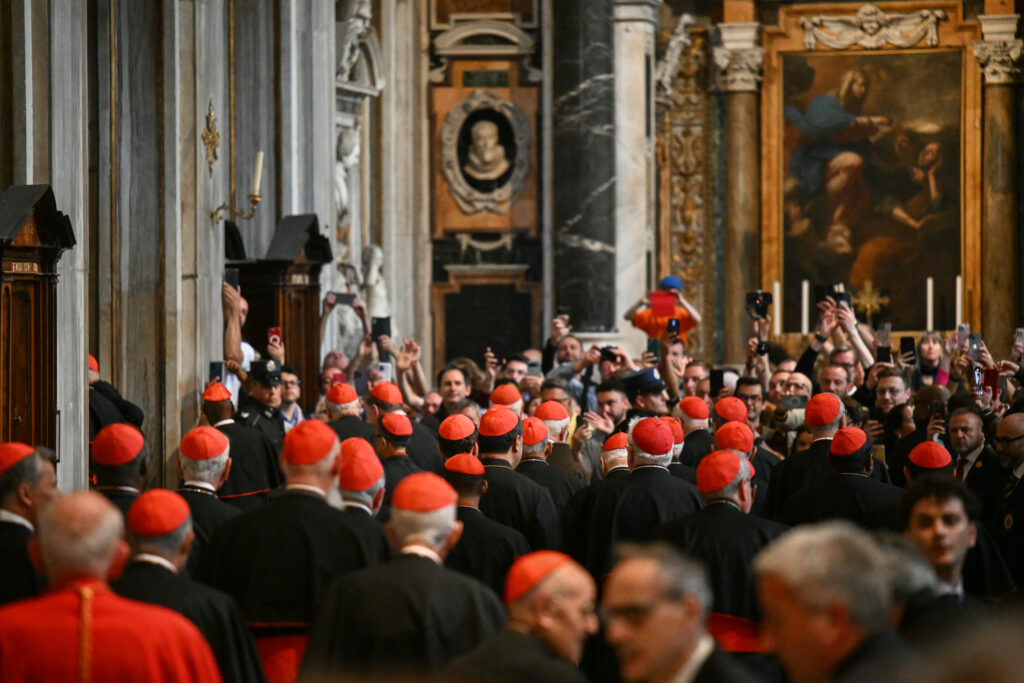
Catholic cardinals agreed on Monday to begin a conclave on May 7 to elect a new pope, and highlighted clerical sexual abuse as one of the key challenges facing Pope Francis’s successor.So-called “Princes of the Church” under the age of 80 will meet in the Sistine Chapel to choose a new religious leader for the world’s 1.4 billion Catholics.The date was decided at a meeting of cardinals of all ages early on Monday, two days after the funeral of Francis, who died on April 21 aged 88.The cardinals outlined the most pressing Church challenges including “evangelisation, the relationship with other faiths (and) the issue of abuse”, the Vatican said.”There was talk of the qualities that the new pontiff must possess to respond effectively to these challenges,” it added.The Church’s 252 cardinals were recalled to Rome after the Argentine’s death, although only 135 are eligible to vote in the conclave.They hail from all corners of the globe and many of them do not know each other.But they already had four meetings last week, so-called “general congregations”, where they began to become better acquainted.Cardinal Gualtiero Bassetti, 83, a former head of the Italian bishops’ conference, said there was a “beautiful fraternal atmosphere”.”Of course, there may be some difficulties because the voters have never been so numerous and not everyone knows each other,” he told Italy’s Corriere della Sera newspaper. On Monday, the Vatican closed the Sistine Chapel, where voting will take place under Michelangelo’s 16th-century ceiling frescoes, to begin preparations.So far there are few clues as to who the cardinals might choose.”I believe that if Francis has been the pope of surprises, this conclave will be too, as it is not at all predictable,” Spanish Cardinal Jose Cobo told El Pais in an interview published on Sunday.Francis was laid to rest on Saturday with a funeral and burial ceremony that drew 400,000 people to St Peter’s Square and beyond, including royalty, world leaders and ordinary pilgrims.On Sunday, about 70,000 mourners filed past his marble tomb in the Santa Maria Maggiore Basilica in Rome, after the “pope of the poor” opted to be buried outside the Vatican’s walls.- Abuse -With conflicts and diplomatic crises raging around the world, Italian Cardinal Pietro Parolin is for many the favourite to succeed him.Parolin was secretary of state under Francis — the pope’s number two.British bookmakers William Hill put him slightly ahead of Filipino Luis Antonio Tagle, the Metropolitan Archbishop emeritus of Manila, followed by Ghana’s Cardinal Peter Turkson.Next in their odds come Matteo Zuppi, the Archbishop of Bologna; Guinea’s Cardinal Robert Sarah; and Pierbattista Pizzaballa, the Latin Patriarch of Jerusalem. The cardinals have put the Catholic Church’s global sex abuse crisis on their list of pressing issues the new pope will have to tackle.Francis introduced a series of measures to combat clerical sexual abuse.But victims associations say he did not do enough and the issue remains a major challenge for the Church, with the scandals showing no sign of abating.The challenge is significant. In many African and Asian countries, the subject remains taboo. Even in Europe, Italy has yet to launch an independent investigation into abuse allegations.While Francis’s efforts to create a more compassionate Church earned him widespread affection and respect, some of his reforms angered the Church’s conservative wing, particularly in the United States and Africa.Roberto Regoli, a professor of Church history and culture at the Pontifical Gregorian University in Rome, told AFP that the cardinals would be looking “to find someone who knows how to forge greater unity”.”We are in a period in which Catholicism is experiencing various polarisations, so I don’t imagine it will be a very, very quick conclave,” he said.Bassetti, who is too old to participate, said that he thought it “will not be long”.Some 80 percent of the cardinal electors were appointed by Francis — although that is no guarantee they will pick a successor in his mould.Most are relatively young, and for many it is their first conclave.- ‘We need a courageous leader’ -The vote is highly secretive and follows strict rules and ceremonial procedures. The process could take several days or potentially longer.There are four votes per day — two each in the morning and afternoon — until one candidate secures a two-thirds majority.Fewer than half of those eligible to vote are European.”The future pope must have a universal heart (and) love all the continents. We must not look at colour, at origin, but at what is proposed,” Cardinal Dieudonne Nzapalainga from the Central African Republic told the Italian newspaper Il Messaggero.”We need a courageous leader, a bold one, capable of speaking forcefully, of holding the helm of the Church steady even in storms… offering stability in an era of great uncertainty.”Patrizia Spotti, a 68-year-old Italian visiting Rome for the 2025 Jubilee holy year, told AFP on Monday that she hoped the new pontiff “will be a pope like Francis”.It was a difficult time for Catholicism, she said.”Churches are empty and the Church itself has made mistakes — all the scandals with the children,” she said, referring to the widespread revelations of clerical sex abuse.

Conclave starts May 7, with cardinals saying new pope must tackle abuse

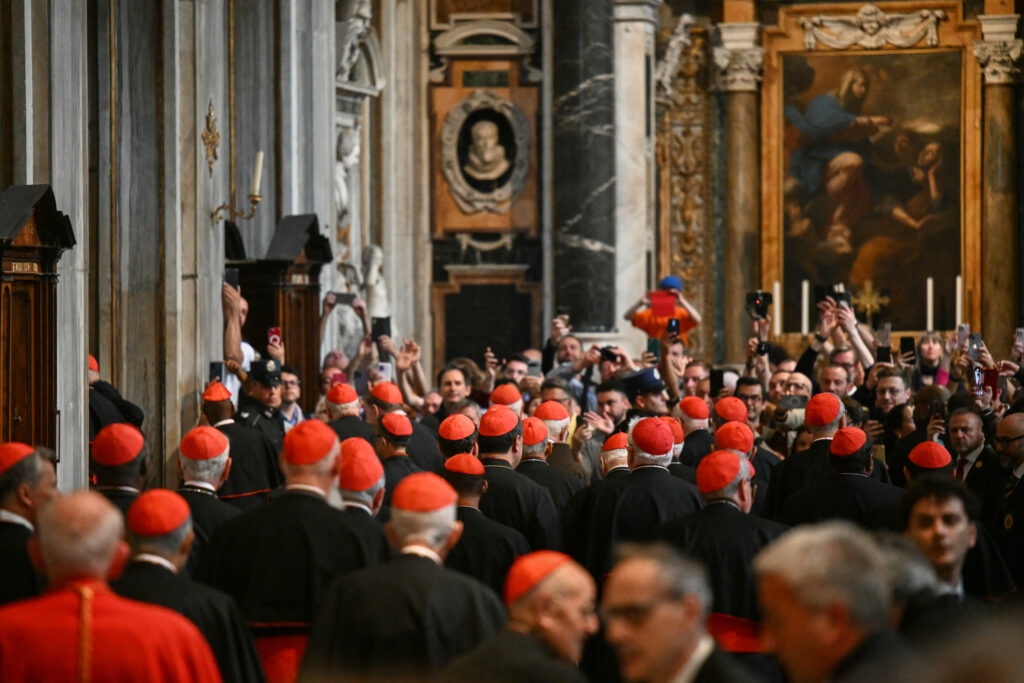
Catholic cardinals agreed on Monday to begin a conclave on May 7 to elect a new pope, and highlighted clerical sexual abuse as one of the key challenges facing Pope Francis’s successor.So-called “Princes of the Church” under the age of 80 will meet in the Sistine Chapel to choose a new religious leader for the world’s 1.4 billion Catholics.The date was decided at a meeting of cardinals of all ages early on Monday, two days after the funeral of Francis, who died on April 21 aged 88.The cardinals outlined the most pressing Church challenges including “evangelisation, the relationship with other faiths (and) the issue of abuse”, the Vatican said.”There was talk of the qualities that the new pontiff must possess to respond effectively to these challenges,” it added.The Church’s 252 cardinals were recalled to Rome after the Argentine’s death, although only 135 are eligible to vote in the conclave.They hail from all corners of the globe and many of them do not know each other.But they already had four meetings last week, so-called “general congregations”, where they began to become better acquainted.Cardinal Gualtiero Bassetti, 83, a former head of the Italian bishops’ conference, said there was a “beautiful fraternal atmosphere”.”Of course, there may be some difficulties because the voters have never been so numerous and not everyone knows each other,” he told Italy’s Corriere della Sera newspaper. On Monday, the Vatican closed the Sistine Chapel, where voting will take place under Michelangelo’s 16th-century ceiling frescoes, to begin preparations.So far there are few clues as to who the cardinals might choose.”I believe that if Francis has been the pope of surprises, this conclave will be too, as it is not at all predictable,” Spanish Cardinal Jose Cobo told El Pais in an interview published on Sunday.Francis was laid to rest on Saturday with a funeral and burial ceremony that drew 400,000 people to St Peter’s Square and beyond, including royalty, world leaders and ordinary pilgrims.On Sunday, about 70,000 mourners filed past his marble tomb in the Santa Maria Maggiore Basilica in Rome, after the “pope of the poor” opted to be buried outside the Vatican’s walls.- Abuse -With conflicts and diplomatic crises raging around the world, Italian Cardinal Pietro Parolin is for many the favourite to succeed him.Parolin was secretary of state under Francis — the pope’s number two.British bookmakers William Hill put him slightly ahead of Filipino Luis Antonio Tagle, the Metropolitan Archbishop emeritus of Manila, followed by Ghana’s Cardinal Peter Turkson.Next in their odds come Matteo Zuppi, the Archbishop of Bologna; Guinea’s Cardinal Robert Sarah; and Pierbattista Pizzaballa, the Latin Patriarch of Jerusalem. The cardinals have put the Catholic Church’s global sex abuse crisis on their list of pressing issues the new pope will have to tackle.Francis introduced a series of measures to combat clerical sexual abuse.But victims associations say he did not do enough and the issue remains a major challenge for the Church, with the scandals showing no sign of abating.The challenge is significant. In many African and Asian countries, the subject remains taboo. Even in Europe, Italy has yet to launch an independent investigation into abuse allegations.While Francis’s efforts to create a more compassionate Church earned him widespread affection and respect, some of his reforms angered the Church’s conservative wing, particularly in the United States and Africa.Roberto Regoli, a professor of Church history and culture at the Pontifical Gregorian University in Rome, told AFP that the cardinals would be looking “to find someone who knows how to forge greater unity”.”We are in a period in which Catholicism is experiencing various polarisations, so I don’t imagine it will be a very, very quick conclave,” he said.Bassetti, who is too old to participate, said that he thought it “will not be long”.Some 80 percent of the cardinal electors were appointed by Francis — although that is no guarantee they will pick a successor in his mould.Most are relatively young, and for many it is their first conclave.- ‘We need a courageous leader’ -The vote is highly secretive and follows strict rules and ceremonial procedures. The process could take several days or potentially longer.There are four votes per day — two each in the morning and afternoon — until one candidate secures a two-thirds majority.Fewer than half of those eligible to vote are European.”The future pope must have a universal heart (and) love all the continents. We must not look at colour, at origin, but at what is proposed,” Cardinal Dieudonne Nzapalainga from the Central African Republic told the Italian newspaper Il Messaggero.”We need a courageous leader, a bold one, capable of speaking forcefully, of holding the helm of the Church steady even in storms… offering stability in an era of great uncertainty.”Patrizia Spotti, a 68-year-old Italian visiting Rome for the 2025 Jubilee holy year, told AFP on Monday that she hoped the new pontiff “will be a pope like Francis”.It was a difficult time for Catholicism, she said.”Churches are empty and the Church itself has made mistakes — all the scandals with the children,” she said, referring to the widespread revelations of clerical sex abuse.
Conclave starts May 7, with cardinals saying new pope must tackle abuse

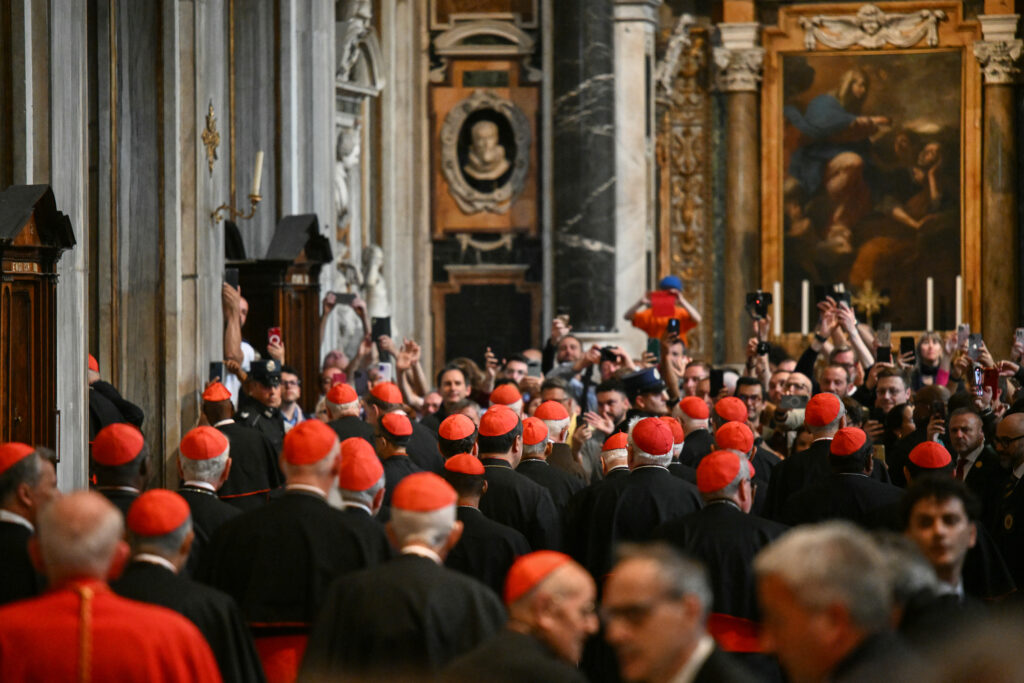
Catholic cardinals agreed on Monday to begin a conclave on May 7 to elect a new pope, and highlighted clerical sexual abuse as one of the key challenges facing Pope Francis’s successor.So-called “Princes of the Church” under the age of 80 will meet in the Sistine Chapel to choose a new religious leader for the world’s 1.4 billion Catholics.The date was decided at a meeting of cardinals of all ages early on Monday, two days after the funeral of Francis, who died on April 21 aged 88.The cardinals outlined the most pressing Church challenges including “evangelisation, the relationship with other faiths (and) the issue of abuse”, the Vatican said.”There was talk of the qualities that the new pontiff must possess to respond effectively to these challenges,” it added.The Church’s 252 cardinals were recalled to Rome after the Argentine’s death, although only 135 are eligible to vote in the conclave.They hail from all corners of the globe and many of them do not know each other.But they already had four meetings last week, so-called “general congregations”, where they began to become better acquainted.Cardinal Gualtiero Bassetti, 83, a former head of the Italian bishops’ conference, said there was a “beautiful fraternal atmosphere”.”Of course, there may be some difficulties because the voters have never been so numerous and not everyone knows each other,” he told Italy’s Corriere della Sera newspaper. On Monday, the Vatican closed the Sistine Chapel, where voting will take place under Michelangelo’s 16th-century ceiling frescoes, to begin preparations.So far there are few clues as to who the cardinals might choose.”I believe that if Francis has been the pope of surprises, this conclave will be too, as it is not at all predictable,” Spanish Cardinal Jose Cobo told El Pais in an interview published on Sunday.Francis was laid to rest on Saturday with a funeral and burial ceremony that drew 400,000 people to St Peter’s Square and beyond, including royalty, world leaders and ordinary pilgrims.On Sunday, about 70,000 mourners filed past his marble tomb in the Santa Maria Maggiore Basilica in Rome, after the “pope of the poor” opted to be buried outside the Vatican’s walls.- Abuse -With conflicts and diplomatic crises raging around the world, Italian Cardinal Pietro Parolin is for many the favourite to succeed him.Parolin was secretary of state under Francis — the pope’s number two.British bookmakers William Hill put him slightly ahead of Filipino Luis Antonio Tagle, the Metropolitan Archbishop emeritus of Manila, followed by Ghana’s Cardinal Peter Turkson.Next in their odds come Matteo Zuppi, the Archbishop of Bologna; Guinea’s Cardinal Robert Sarah; and Pierbattista Pizzaballa, the Latin Patriarch of Jerusalem. The cardinals have put the Catholic Church’s global sex abuse crisis on their list of pressing issues the new pope will have to tackle.Francis introduced a series of measures to combat clerical sexual abuse.But victims associations say he did not do enough and the issue remains a major challenge for the Church, with the scandals showing no sign of abating.The challenge is significant. In many African and Asian countries, the subject remains taboo. Even in Europe, Italy has yet to launch an independent investigation into abuse allegations.While Francis’s efforts to create a more compassionate Church earned him widespread affection and respect, some of his reforms angered the Church’s conservative wing, particularly in the United States and Africa.Roberto Regoli, a professor of Church history and culture at the Pontifical Gregorian University in Rome, told AFP that the cardinals would be looking “to find someone who knows how to forge greater unity”.”We are in a period in which Catholicism is experiencing various polarisations, so I don’t imagine it will be a very, very quick conclave,” he said.Bassetti, who is too old to participate, said that he thought it “will not be long”.Some 80 percent of the cardinal electors were appointed by Francis — although that is no guarantee they will pick a successor in his mould.Most are relatively young, and for many it is their first conclave.- ‘We need a courageous leader’ -The vote is highly secretive and follows strict rules and ceremonial procedures. The process could take several days or potentially longer.There are four votes per day — two each in the morning and afternoon — until one candidate secures a two-thirds majority.Fewer than half of those eligible to vote are European.”The future pope must have a universal heart (and) love all the continents. We must not look at colour, at origin, but at what is proposed,” Cardinal Dieudonne Nzapalainga from the Central African Republic told the Italian newspaper Il Messaggero.”We need a courageous leader, a bold one, capable of speaking forcefully, of holding the helm of the Church steady even in storms… offering stability in an era of great uncertainty.”Patrizia Spotti, a 68-year-old Italian visiting Rome for the 2025 Jubilee holy year, told AFP on Monday that she hoped the new pontiff “will be a pope like Francis”.It was a difficult time for Catholicism, she said.”Churches are empty and the Church itself has made mistakes — all the scandals with the children,” she said, referring to the widespread revelations of clerical sex abuse.

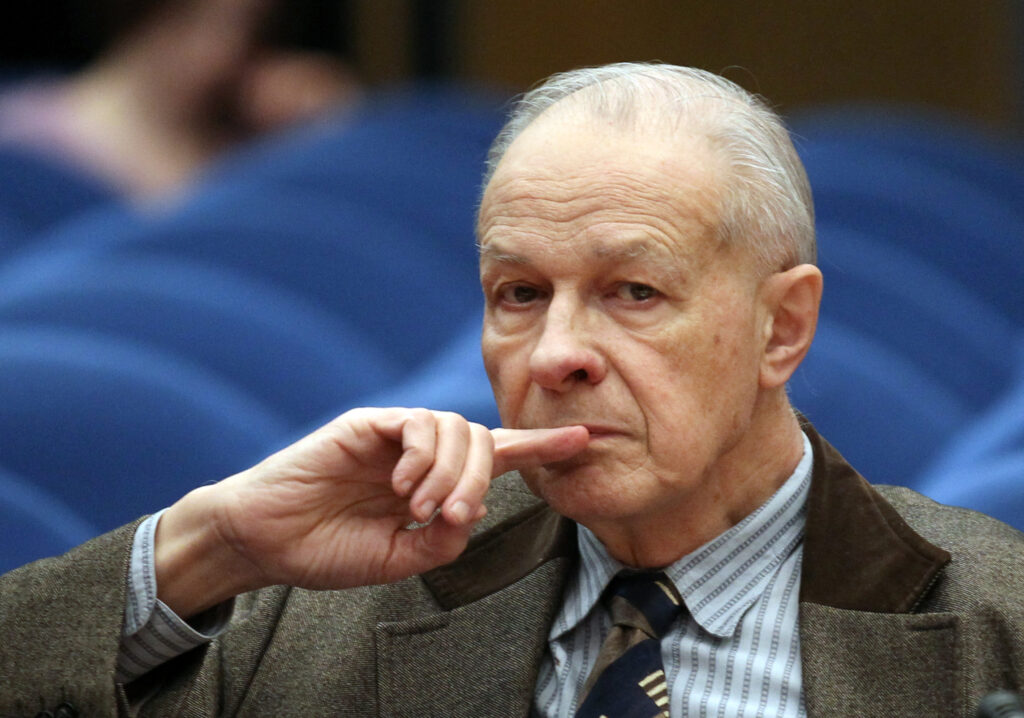
Décès de l’économiste français Michel Aglietta

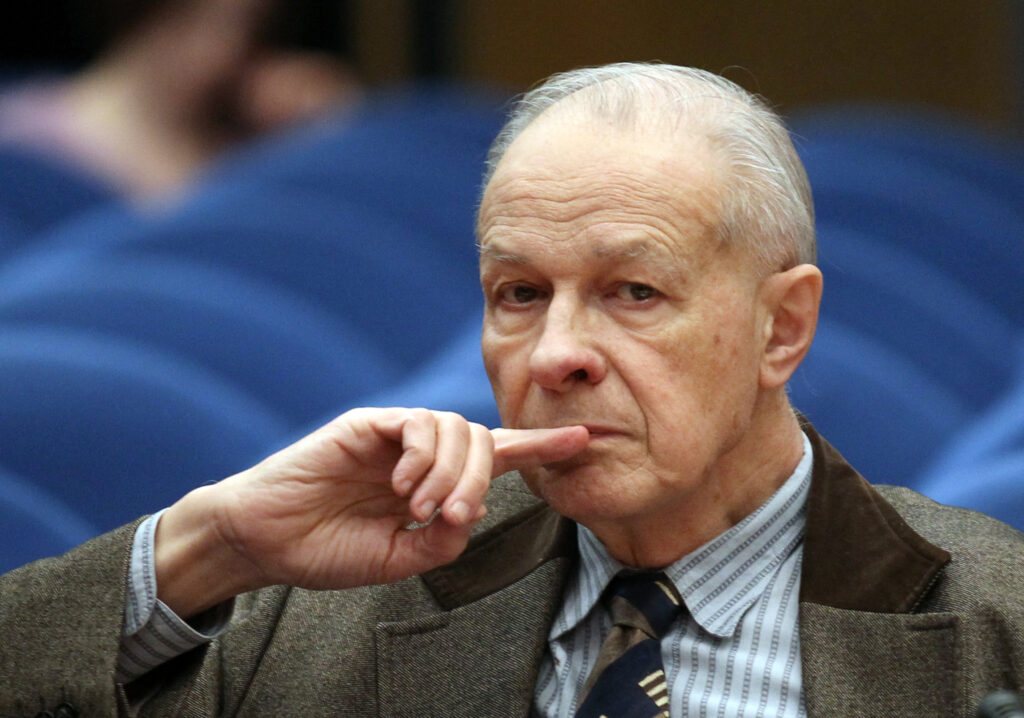
L’économiste français Michel Aglietta est mort à l’âge de 87 ans, a indiqué lundi à l’AFP le Centre d’études prospectives et d’informations internationales (Cepii) dont l’économiste était conseiller.Polytechnicien, l’économiste spécialiste des questions financières et monétaires s’est éteint jeudi, a indiqué le centre français de recherche en économie internationale lié à Matignon, qui affirme avoir été informé du décès de M. Aglietta par sa famille. Outre son rôle au sein du Cepii, M. Aglietta était aussi conseiller à France Stratégie, une institution placée auprès du Premier ministre dont l’objectif est d’analyser les grands enjeux économiques.Professeur émérite de sciences économiques à l’université de Paris Nanterre, Michel Aglietta a publié plusieurs ouvrages liés à l’Europe, au dollar, et aux ressorts de la grande crise financière de 2007-2008.En 2012, il a fait partie des économistes signataires d’une tribune appelant à porter François Hollande à la présidence de la République.Ce polytechnicien a été membre du Conseil d’analyse économique (CAE) de 1997 et 2013, et du Haut conseil des finances publiques de 2013 à 2015.Michel Aglietta avait été fait chevalier de la légion d’honneur en 2016.

Décès de l’économiste français Michel Aglietta

L’économiste français Michel Aglietta est mort à l’âge de 87 ans, a indiqué lundi à l’AFP le Centre d’études prospectives et d’informations internationales (Cepii) dont l’économiste était conseiller.Polytechnicien, l’économiste spécialiste des questions financières et monétaires s’est éteint jeudi, a indiqué le centre français de recherche en économie internationale lié à Matignon, qui affirme avoir été informé du décès de M. Aglietta par sa famille. Outre son rôle au sein du Cepii, M. Aglietta était aussi conseiller à France Stratégie, une institution placée auprès du Premier ministre dont l’objectif est d’analyser les grands enjeux économiques.Professeur émérite de sciences économiques à l’université de Paris Nanterre, Michel Aglietta a publié plusieurs ouvrages liés à l’Europe, au dollar, et aux ressorts de la grande crise financière de 2007-2008.En 2012, il a fait partie des économistes signataires d’une tribune appelant à porter François Hollande à la présidence de la République.Ce polytechnicien a été membre du Conseil d’analyse économique (CAE) de 1997 et 2013, et du Haut conseil des finances publiques de 2013 à 2015.Michel Aglietta avait été fait chevalier de la légion d’honneur en 2016.