


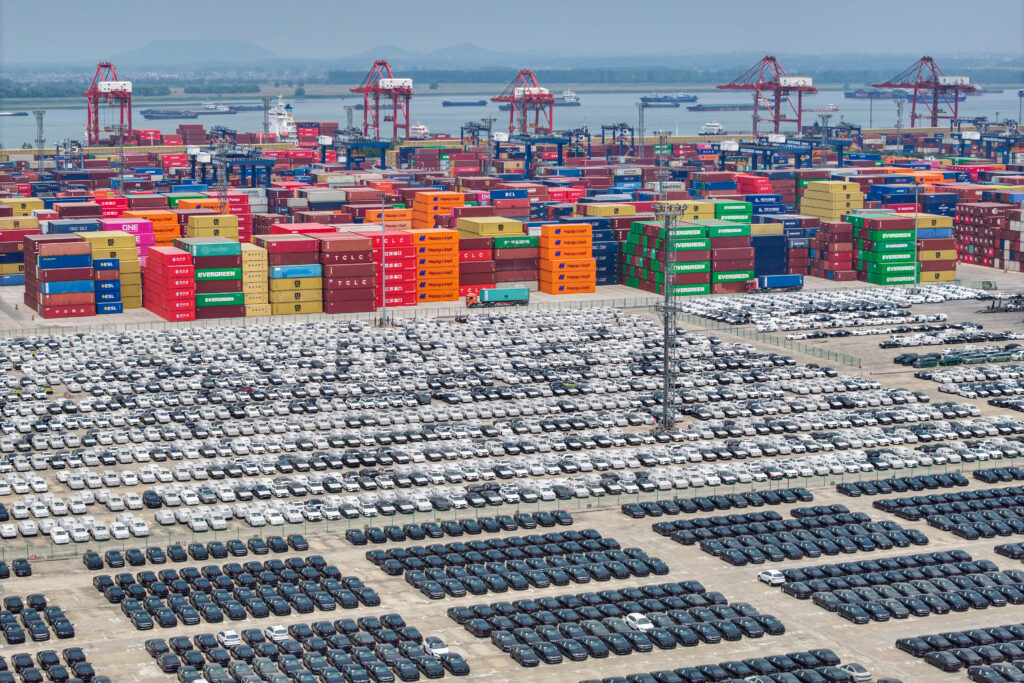
Guerre commerciale: la Chine dit “évaluer” une proposition américaine
La Chine a annoncé vendredi qu’elle évaluait une proposition de négociations émanant des Etats-Unis au sujet des droits de douane exorbitants appliqués par les deux pays sur leurs marchandises respectives.”Les Etats-Unis ont récemment pris l’initiative à de nombreuses reprises pour transmettre des informations à la Chine (…), affirmant qu’ils (espéraient) discuter”, a indiqué le ministère du Commerce à Pékin. “La Chine est en train d’évaluer cela”, ajoute le communiqué.Washington impose une surtaxe de 145% sur de nombreux produits chinois depuis le mois d’avril. Pékin a réagi en dégainant des droits de douane de 125% sur les marchandises importées des Etats-Unis.Le président américain Donald Trump, revenu aux affaires en janvier et attaché à sa politique protectionniste, a plusieurs fois laissé entendre que la Chine avait contacté les Etats-Unis pour mener des discussions sur les droits de douane. Des affirmations fermement démenties par Pékin.Donald Trump a affirmé mercredi qu’il y a “de très fortes chances” que Pékin et Washington parviennent à un accord.La Chine se dit pour sa part ouverte au dialogue mais sur la base du “respect mutuel”.”Si les Etats-Unis veulent discuter, ils doivent montrer leur sincérité à le faire, être prêts à corriger leurs mauvaises pratiques et annuler les droits de douane unilatéraux, et agir”, a encore déclaré vendredi le ministère chinois du Commerce.- “Coercition” et “chantage” -Et d’ajouter: “si la partie américaine ne corrige pas ses droits de douane unilatéraux et mauvais, cela signifie que la partie américaine est complètement hypocrite et nuira davantage à la confiance mutuelle entre les deux parties”.”Dire une chose et en faire une autre, ou même tenter la coercition et le chantage sous couvert de négociations ne fonctionnera pas”, a-t-il averti.Pour Wu Xinbo, directeur du centre d’études américaines de l’Université Fudan de Shanghai, Pékin va continuer à jouer la carte de la fermeté.”Bien sûr, les Etats-Unis espèrent entamer des négociations dès que possible, mais notre attitude est la suivante: vous devez d’abord prendre des mesures pour montrer votre sincérité”, a déclaré M. Wu à l’AFP.Une fois que les Etats-Unis auront annulé les droits de douane imposés à la Chine, “nous pourrons discuter de nos préoccupations légitimes”, telles que les inquiétudes de Washington sur le déséquilibre du commerce bilatéral et les griefs de Pékin sur les efforts des Etats-Unis pour entraver son développement technologique, a-t-il ajouté.L’administration Trump a fixé un délai de 90 jours, qui expire en juillet, à un grand nombre de pays pour qu’ils scellent un accord avec Washington et évitent des droits de douane plus élevés.Pékin, en revanche, a promis de mener une guerre commerciale “jusqu’au bout” si nécessaire. Une vidéo publiée cette semaine sur les réseaux sociaux par son ministère des affaires étrangères promet de “ne jamais s’agenouiller”. “La position de la Chine a toujours été parfaitement cohérente”, a estimé le ministère du Commerce vendredi. “Si nous nous battons, nous le ferons jusqu’au bout. Si nous discutons, la porte est ouverte. La guerre douanière et la guerre commerciale ont été lancées unilatéralement par les États-Unis.”La Chine a reconnu que son économie, dépendante des exportations, est confrontée à des difficultés en raison d’un “changement brutal” du contexte mondial.Quant aux Etats-Unis, ils ont subi au premier trimestre un recul inattendu de leur produit intérieur brut, en raison d’un bond des importations avant l’entrée en vigueur des droits de douane.Malgré la nécessité économique croissante pour les deux pays de parvenir à un accord, “aucune des deux parties ne veut avoir l’air faible”, explique Ja-Ian Chong, de l’Université nationale de Singapour. Mais pour l’analyste Stephen Innes, de SPI Asset, les propos de Pékin vendredi représentaient le “premier rameau d’olivier” dans la guerre commerciale.”Sur le papier, les deux capitales agitent des drapeaux de détente”, écrit-il dans une note. “Mais en creusant un peu, on s’aperçoit que le chemin est encore parsemé de mines”.
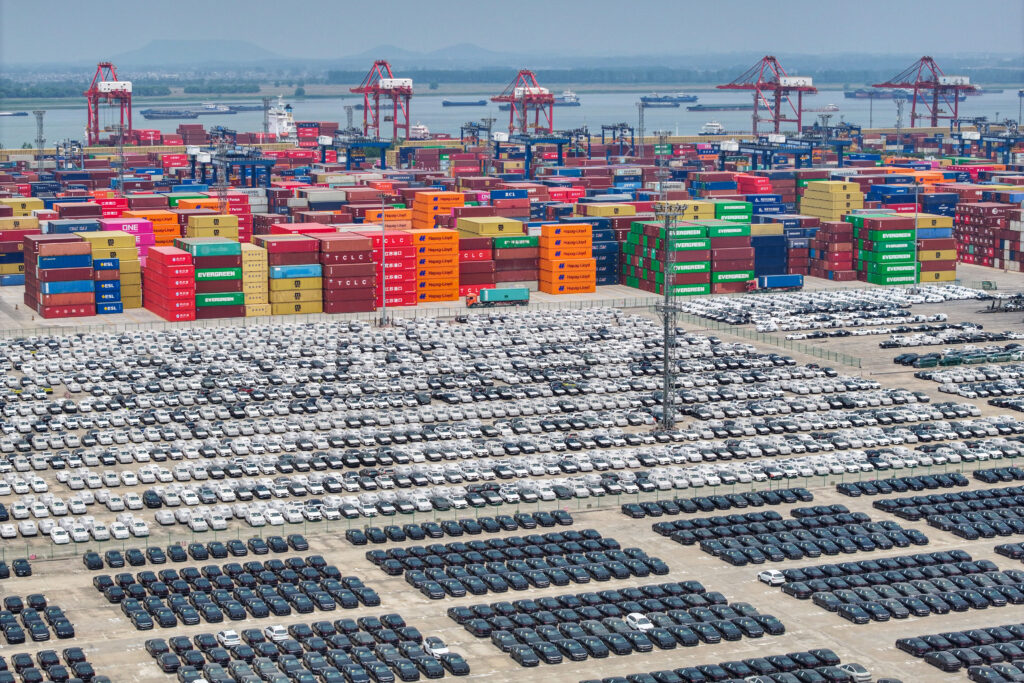
Guerre commerciale: la Chine dit “évaluer” une proposition américaine
La Chine a annoncé vendredi qu’elle évaluait une proposition de négociations émanant des Etats-Unis au sujet des droits de douane exorbitants appliqués par les deux pays sur leurs marchandises respectives.”Les Etats-Unis ont récemment pris l’initiative à de nombreuses reprises pour transmettre des informations à la Chine (…), affirmant qu’ils (espéraient) discuter”, a indiqué le ministère du Commerce à Pékin. “La Chine est en train d’évaluer cela”, ajoute le communiqué.Washington impose une surtaxe de 145% sur de nombreux produits chinois depuis le mois d’avril. Pékin a réagi en dégainant des droits de douane de 125% sur les marchandises importées des Etats-Unis.Le président américain Donald Trump, revenu aux affaires en janvier et attaché à sa politique protectionniste, a plusieurs fois laissé entendre que la Chine avait contacté les Etats-Unis pour mener des discussions sur les droits de douane. Des affirmations fermement démenties par Pékin.Donald Trump a affirmé mercredi qu’il y a “de très fortes chances” que Pékin et Washington parviennent à un accord.La Chine se dit pour sa part ouverte au dialogue mais sur la base du “respect mutuel”.”Si les Etats-Unis veulent discuter, ils doivent montrer leur sincérité à le faire, être prêts à corriger leurs mauvaises pratiques et annuler les droits de douane unilatéraux, et agir”, a encore déclaré vendredi le ministère chinois du Commerce.- “Coercition” et “chantage” -Et d’ajouter: “si la partie américaine ne corrige pas ses droits de douane unilatéraux et mauvais, cela signifie que la partie américaine est complètement hypocrite et nuira davantage à la confiance mutuelle entre les deux parties”.”Dire une chose et en faire une autre, ou même tenter la coercition et le chantage sous couvert de négociations ne fonctionnera pas”, a-t-il averti.Pour Wu Xinbo, directeur du centre d’études américaines de l’Université Fudan de Shanghai, Pékin va continuer à jouer la carte de la fermeté.”Bien sûr, les Etats-Unis espèrent entamer des négociations dès que possible, mais notre attitude est la suivante: vous devez d’abord prendre des mesures pour montrer votre sincérité”, a déclaré M. Wu à l’AFP.Une fois que les Etats-Unis auront annulé les droits de douane imposés à la Chine, “nous pourrons discuter de nos préoccupations légitimes”, telles que les inquiétudes de Washington sur le déséquilibre du commerce bilatéral et les griefs de Pékin sur les efforts des Etats-Unis pour entraver son développement technologique, a-t-il ajouté.L’administration Trump a fixé un délai de 90 jours, qui expire en juillet, à un grand nombre de pays pour qu’ils scellent un accord avec Washington et évitent des droits de douane plus élevés.Pékin, en revanche, a promis de mener une guerre commerciale “jusqu’au bout” si nécessaire. Une vidéo publiée cette semaine sur les réseaux sociaux par son ministère des affaires étrangères promet de “ne jamais s’agenouiller”. “La position de la Chine a toujours été parfaitement cohérente”, a estimé le ministère du Commerce vendredi. “Si nous nous battons, nous le ferons jusqu’au bout. Si nous discutons, la porte est ouverte. La guerre douanière et la guerre commerciale ont été lancées unilatéralement par les États-Unis.”La Chine a reconnu que son économie, dépendante des exportations, est confrontée à des difficultés en raison d’un “changement brutal” du contexte mondial.Quant aux Etats-Unis, ils ont subi au premier trimestre un recul inattendu de leur produit intérieur brut, en raison d’un bond des importations avant l’entrée en vigueur des droits de douane.Malgré la nécessité économique croissante pour les deux pays de parvenir à un accord, “aucune des deux parties ne veut avoir l’air faible”, explique Ja-Ian Chong, de l’Université nationale de Singapour. Mais pour l’analyste Stephen Innes, de SPI Asset, les propos de Pékin vendredi représentaient le “premier rameau d’olivier” dans la guerre commerciale.”Sur le papier, les deux capitales agitent des drapeaux de détente”, écrit-il dans une note. “Mais en creusant un peu, on s’aperçoit que le chemin est encore parsemé de mines”.
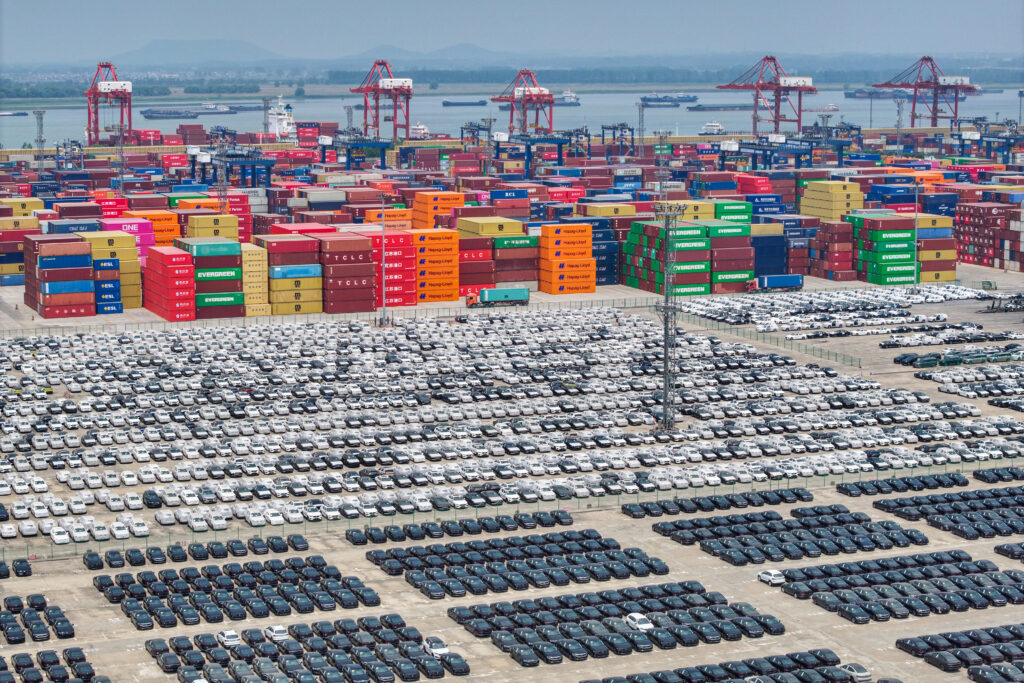
Guerre commerciale: la Chine dit “évaluer” une proposition américaine
La Chine a annoncé vendredi qu’elle évaluait une proposition de négociations émanant des Etats-Unis au sujet des droits de douane exorbitants appliqués par les deux pays sur leurs marchandises respectives.”Les Etats-Unis ont récemment pris l’initiative à de nombreuses reprises pour transmettre des informations à la Chine (…), affirmant qu’ils (espéraient) discuter”, a indiqué le ministère du Commerce à Pékin. “La Chine est en train d’évaluer cela”, ajoute le communiqué.Washington impose une surtaxe de 145% sur de nombreux produits chinois depuis le mois d’avril. Pékin a réagi en dégainant des droits de douane de 125% sur les marchandises importées des Etats-Unis.Le président américain Donald Trump, revenu aux affaires en janvier et attaché à sa politique protectionniste, a plusieurs fois laissé entendre que la Chine avait contacté les Etats-Unis pour mener des discussions sur les droits de douane. Des affirmations fermement démenties par Pékin.Donald Trump a affirmé mercredi qu’il y a “de très fortes chances” que Pékin et Washington parviennent à un accord.La Chine se dit pour sa part ouverte au dialogue mais sur la base du “respect mutuel”.”Si les Etats-Unis veulent discuter, ils doivent montrer leur sincérité à le faire, être prêts à corriger leurs mauvaises pratiques et annuler les droits de douane unilatéraux, et agir”, a encore déclaré vendredi le ministère chinois du Commerce.- “Coercition” et “chantage” -Et d’ajouter: “si la partie américaine ne corrige pas ses droits de douane unilatéraux et mauvais, cela signifie que la partie américaine est complètement hypocrite et nuira davantage à la confiance mutuelle entre les deux parties”.”Dire une chose et en faire une autre, ou même tenter la coercition et le chantage sous couvert de négociations ne fonctionnera pas”, a-t-il averti.Pour Wu Xinbo, directeur du centre d’études américaines de l’Université Fudan de Shanghai, Pékin va continuer à jouer la carte de la fermeté.”Bien sûr, les Etats-Unis espèrent entamer des négociations dès que possible, mais notre attitude est la suivante: vous devez d’abord prendre des mesures pour montrer votre sincérité”, a déclaré M. Wu à l’AFP.Une fois que les Etats-Unis auront annulé les droits de douane imposés à la Chine, “nous pourrons discuter de nos préoccupations légitimes”, telles que les inquiétudes de Washington sur le déséquilibre du commerce bilatéral et les griefs de Pékin sur les efforts des Etats-Unis pour entraver son développement technologique, a-t-il ajouté.L’administration Trump a fixé un délai de 90 jours, qui expire en juillet, à un grand nombre de pays pour qu’ils scellent un accord avec Washington et évitent des droits de douane plus élevés.Pékin, en revanche, a promis de mener une guerre commerciale “jusqu’au bout” si nécessaire. Une vidéo publiée cette semaine sur les réseaux sociaux par son ministère des affaires étrangères promet de “ne jamais s’agenouiller”. “La position de la Chine a toujours été parfaitement cohérente”, a estimé le ministère du Commerce vendredi. “Si nous nous battons, nous le ferons jusqu’au bout. Si nous discutons, la porte est ouverte. La guerre douanière et la guerre commerciale ont été lancées unilatéralement par les États-Unis.”La Chine a reconnu que son économie, dépendante des exportations, est confrontée à des difficultés en raison d’un “changement brutal” du contexte mondial.Quant aux Etats-Unis, ils ont subi au premier trimestre un recul inattendu de leur produit intérieur brut, en raison d’un bond des importations avant l’entrée en vigueur des droits de douane.Malgré la nécessité économique croissante pour les deux pays de parvenir à un accord, “aucune des deux parties ne veut avoir l’air faible”, explique Ja-Ian Chong, de l’Université nationale de Singapour. Mais pour l’analyste Stephen Innes, de SPI Asset, les propos de Pékin vendredi représentaient le “premier rameau d’olivier” dans la guerre commerciale.”Sur le papier, les deux capitales agitent des drapeaux de détente”, écrit-il dans une note. “Mais en creusant un peu, on s’aperçoit que le chemin est encore parsemé de mines”.

Sudan capital tiptoes back to life after recapture by armyFri, 02 May 2025 04:19:46 GMT
In war-ravaged Khartoum donkey carts clatter over worn asphalt, the smell of tomatoes wafts from newly reopened stalls and pedestrians dodge burnt-out cars left by two years of war.Life is slowly, cautiously returning to the Sudanese capital, weeks after the army recaptured the city from the paramilitary Rapid Support Forces (RSF) who had held it …
Sudan capital tiptoes back to life after recapture by armyFri, 02 May 2025 04:19:46 GMT Read More »
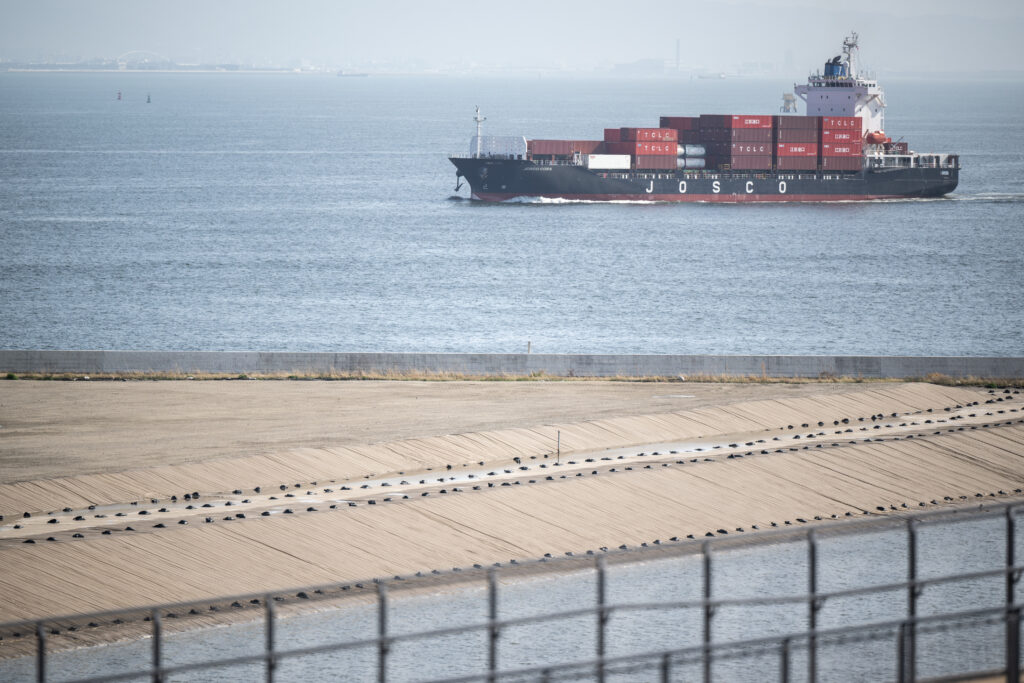
Tokyo’s tariff envoy says US talks ‘constructive’
Tokyo’s envoy for US tariff talks in Washington said Thursday that the second round of negotiations between the two countries had been “frank and constructive.”Japan, a key US ally and its biggest investor, is subject to the same 10 percent baseline tariffs imposed on most nations plus steeper levies on cars, steel and aluminum.President Donald Trump also in early April announced “reciprocal” tariffs on Japan of 24 percent, but later put them on pause for 90 days along with those on other countries except China.”We were able to move forward in frank and constructive discussions to reach a mutually beneficial agreement as soon as possible,” Ryosei Akazawa told reporters Thursday.”We were able to advance concrete discussions on, for example, expanding trade between our two countries, non-tariff measures and economic and security co-operation.”Akazawa said he had “strongly proposed” to US Treasury Secretary Scott Bessent and other officials that Trump’s sweeping levies on trade partners be reviewed.The next round of ministerial-level talks will “take place intensively from mid-May onwards,” Akazawa said. Thursday’s talks followed an initial meeting in mid-April.Akazawa said any deal on tariff relief would be in the form of a package, which will be announced when finalized.”We have not yet reached the point where we can find areas of agreement,” Prime Minister Shigeru Ishiba told reporters.”However, I have been informed that the discussion was very positive and constructive.”- ‘Firmly defending’ interests – Trump has repeatedly called for a stronger yen to boost US exports, but foreign currency rates were not discussed Thursday, Akazawa said.The yen has risen significantly since Trump’s tariffs were announced, and was trading at 145 for a dollar, compared with 158 in mid-January.Japanese media had said the second round of talks could focus on automobiles and agricultural products, which Akazawa called “very important economic sectors.””We have no intention of negotiating in a way that would be detrimental to the national interest, so we have been firmly defending what needs to be defended and saying what needs to be said,” he said.Akazawa had told reporters at the airport on Wednesday that “Japanese companies are losing money each and every day” because of US tariffs. He said Thursday that he did not discuss China with the US officials, adding that Japan has a “very strong trade relationship with China too.””We will continue to monitor the developments in US-China relations, including the tariff measures against China, with great interest.”Separately, Finance Minister Katsunobu Kato said on a TV Tokyo program on Friday that Japan’s holdings of US Treasuries could be a bargaining chip in the negotiations.”It is natural to discuss everything that is a negotiation card… Whether we use them or not is another matter,” Kato said, according to TV Tokyo.”We don’t keep (the Treasury holdings) to support the US. We will intervene if our country is in trouble.”
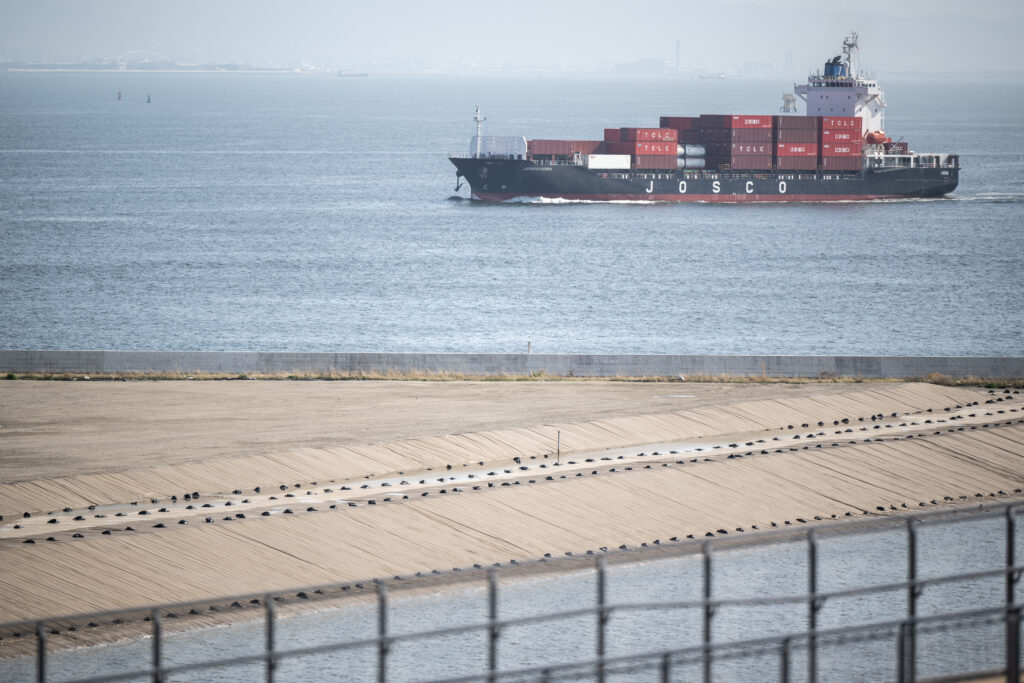
Tokyo’s tariff envoy says US talks ‘constructive’
Tokyo’s envoy for US tariff talks in Washington said Thursday that the second round of negotiations between the two countries had been “frank and constructive.”Japan, a key US ally and its biggest investor, is subject to the same 10 percent baseline tariffs imposed on most nations plus steeper levies on cars, steel and aluminum.President Donald Trump also in early April announced “reciprocal” tariffs on Japan of 24 percent, but later put them on pause for 90 days along with those on other countries except China.”We were able to move forward in frank and constructive discussions to reach a mutually beneficial agreement as soon as possible,” Ryosei Akazawa told reporters Thursday.”We were able to advance concrete discussions on, for example, expanding trade between our two countries, non-tariff measures and economic and security co-operation.”Akazawa said he had “strongly proposed” to US Treasury Secretary Scott Bessent and other officials that Trump’s sweeping levies on trade partners be reviewed.The next round of ministerial-level talks will “take place intensively from mid-May onwards,” Akazawa said. Thursday’s talks followed an initial meeting in mid-April.Akazawa said any deal on tariff relief would be in the form of a package, which will be announced when finalized.”We have not yet reached the point where we can find areas of agreement,” Prime Minister Shigeru Ishiba told reporters.”However, I have been informed that the discussion was very positive and constructive.”- ‘Firmly defending’ interests – Trump has repeatedly called for a stronger yen to boost US exports, but foreign currency rates were not discussed Thursday, Akazawa said.The yen has risen significantly since Trump’s tariffs were announced, and was trading at 145 for a dollar, compared with 158 in mid-January.Japanese media had said the second round of talks could focus on automobiles and agricultural products, which Akazawa called “very important economic sectors.””We have no intention of negotiating in a way that would be detrimental to the national interest, so we have been firmly defending what needs to be defended and saying what needs to be said,” he said.Akazawa had told reporters at the airport on Wednesday that “Japanese companies are losing money each and every day” because of US tariffs. He said Thursday that he did not discuss China with the US officials, adding that Japan has a “very strong trade relationship with China too.””We will continue to monitor the developments in US-China relations, including the tariff measures against China, with great interest.”Separately, Finance Minister Katsunobu Kato said on a TV Tokyo program on Friday that Japan’s holdings of US Treasuries could be a bargaining chip in the negotiations.”It is natural to discuss everything that is a negotiation card… Whether we use them or not is another matter,” Kato said, according to TV Tokyo.”We don’t keep (the Treasury holdings) to support the US. We will intervene if our country is in trouble.”