

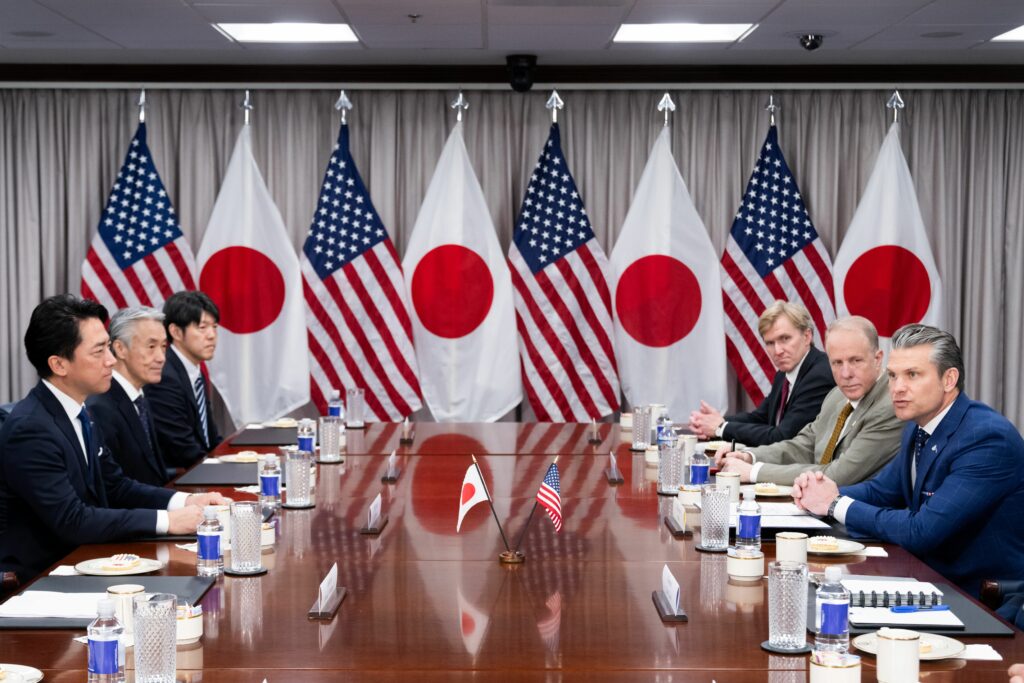
Japan and US agree to expand cooperation on missiles, military drills
Tokyo and Washington agreed Friday to boost joint production of defence equipment including missiles, and expand their military presence in waters southwest of mainland Japan, as China ramps up pressure on its Asian neighbour.The agreement came after Japanese defence minister Shinjiro Koizumi met Pentagon chief Pete Hegseth in Washington, where they also pledged to further cooperation on supply chains including critical minerals.Japan is embroiled in a heated diplomatic spat with China, triggered by Prime Minister Sanae Takaichi’s suggestion in November that Japan could intervene militarily if China attacks Taiwan.China, which regards Taiwan as its own territory, reacted angrily, blocking exports to Japan of “dual-use” items with potential military applications, fuelling worries in Tokyo that Beijing could choke supplies of much-needed rare earths.As the “security environment is rapidly growing severe” in Asia, “the two ministers confirmed the Japan-US alliance remains absolutely unwavering”, the statement released by Tokyo’s defence ministry said. They agreed to further advance joint production of air-to-air missiles and surface-to-air interceptors.The allies also agreed to work on the expansion of “more sophisticated and practical joint drills in various locations including the Southwest region”, the statement said. Beefing up defence around the so-called “Southwest” region, which includes areas such as the subtropical island of Okinawa, is one of Japan’s top priorities.Okinawa, home to the vast majority of American military bases in Japan, serves as a key US outpost to monitor China, the Taiwan Strait and the Korean peninsula, with both Tokyo and Washington stressing its strategic importance.Tokyo has also been steadily increasing its military budget, including in December when the right-leaning government of Takaichi approved a record nine trillion yen in defence spending for the upcoming fiscal year.At the top of his meeting with Koizumi, Hegseth praised Japan for this effort, calling it “hard-nosed realism; practical, common-sense approach that puts both of our vital national interests together”, according to the US Department of War, recently re-branded from the Department of Defense.Their meeting was preceded by a joint morning workout session at a military gym. “The American military-style training was very tough,” Koizumi wrote on X.”But I did my best to labour my way through it, telling myself: ‘this is all for the sake of strengthening the Japan-US alliance.'”
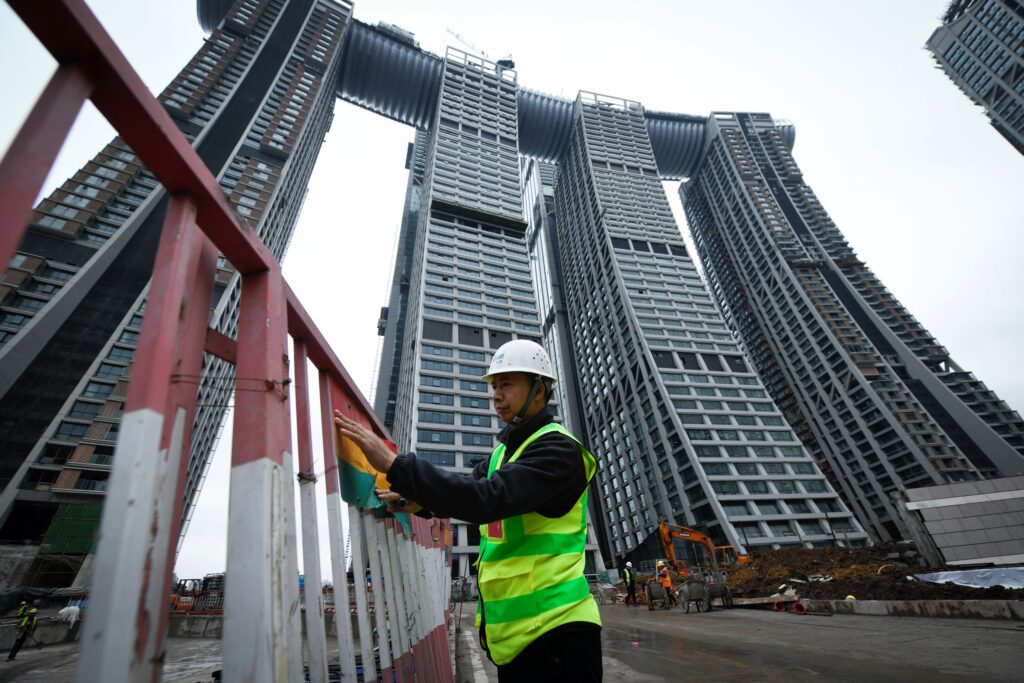
China’s 2025 economic growth likely slowest in decades: analysts
China’s economy likely grew last year at its weakest rate in three decades, outside of the pandemic, according to an AFP survey of analysts ahead of official data on Monday.The world’s second-largest economy struggled to shore up its property market while boosting domestic consumption as Chinese exports to the key US market were crimped by Donald Trump’s tariffs.President Xi Jinping said last month that growth probably met an annual target of “around five percent” in 2025.Economists estimated a median figure of 4.9 percent, in what would be the weakest growth since 1990 when China was under Western sanctions after the deadly Tiananmen Square crackdown.The announcement will be “close enough for officials to declare victory” in meeting the roughly five-percent number, a “political comfort blanket” for Beijing, said Sarah Tan of Moody’s Analytics.But the composition of Chinese growth was “deeply uneven” and official figures “mask the weak sentiment on the ground”, she said.Analysts agreed the main problem was China’s property sector, which has failed to overcome a persistent debt crisis despite rate cuts and loosened restrictions on homebuying.House prices have risen slightly in some large cities but the broader market remains sluggish.”We see no sign of a near-term property sector bottoming out,” analysts from Goldman Sachs said.Without bolder measures like converting housing stock into affordable homes, the industry will remain unstable, analysts warned.- Waning investments -Investments in property and infrastructure likely took a hit last year.Official figures already show that fixed-asset investment slowed 2.6 percent between January and November, its sharpest rate since 2020.Larry Hu and Yuxiao Zhang of Macquarie Group attributed the decline to unannounced “data revisions” by Beijing, adding they did not expect policymakers to respond.Property investment could fall by 12 percent in 2026, they predicted.Tianchen Xu of the Economist Intelligence Unit (EIU) also forecast a real-estate “correction” in 2026, adding: “This will remain a drag on growth.”Meanwhile, constraints on local government finances pushed a wider slowdown in manufacturing and infrastructure investment last year, Goldman Sachs analysts said.China’s outbound foreign direct investment continued to outpace inbound flows in recent quarters, they noted.- Too anxious to spend -Domestic spending is also cause for concern. Retail sales, a key indicator of consumption, grew at their slowest pace in nearly three years in November.Economists have long urged Beijing to move towards a growth model powered by consumption rather than exports and manufacturing.Excess supply remains an issue in manufacturing despite a government campaign last year to combat overcapacity and price cutting.China aims to become a global powerhouse in advanced manufacturing, but that promises little for domestic spending, according to Goldman Sachs analysts.”High-end manufacturing and frontier technology will not generate many jobs or lead to significantly higher incomes for average households, making only a limited contribution to private consumption,” they said.Chinese consumers remain jittery about the wider economy and high unemployment, even though officials have relaxed fiscal policy and subsidised the replacement of household items in a sputtering bid to boost spending.”That anxiety is shaping how households spend,” Tan said, noting that while domestic tourism rebounded to pre-pandemic levels last year, the average outlay per traveller was lower.- Minimal US impact -Robust exports have been a bright spot in the cloudy economic picture despite a bruising trade war with the United States that saw Trump slap steep tariffs on Chinese products.Official data showed Chinese exports to the United States plunged by 20 percent in 2025, but that had little impact on demand for Chinese products elsewhere.China’s trade surplus hit a record $1.2 trillion last year, with officials lauding a “new historical high” filled by other trade partners.”The trade war 2.0 didn’t impact China much, leading Beijing to refrain from implementing major stimulus measures,” said Hu and Zhang of Macquarie.Tan agreed that “exports are propping up the economy while consumers and property developers hang back”.But whether they continue to drive the economy in 2026 remains to be seen.Economists expect Beijing to reveal new stimulus measures — potentially at its annual parliamentary session in March — to address core challenges.”We think there will be a turnaround this year driven by policy support from fiscal and new financing policy tools,” said Erin Xin at HSBC.Xu, of the EIU, predicated that fiscal policy would be “expansionary by historical standards” for China to reach its growth target.Macquarie analysts, however, were more conservative, saying “the size of the stimulus package will largely depend on the magnitude of the export slowdown”.

Five memorable Africa Cup of Nations finalsFri, 16 Jan 2026 04:13:12 GMT
There have been 32 Africa Cup of Nations finals and AFP Sport selects five of the most memorable ahead of the 2025 title decider between hosts Morocco and Senegal in Rabat on Sunday:Ethiopia 4 Egypt 2The final with the most goals, and plenty of excitement as 1962 hosts Ethiopia equalised twice against defending champions Egypt, then …
Five memorable Africa Cup of Nations finalsFri, 16 Jan 2026 04:13:12 GMT Read More »
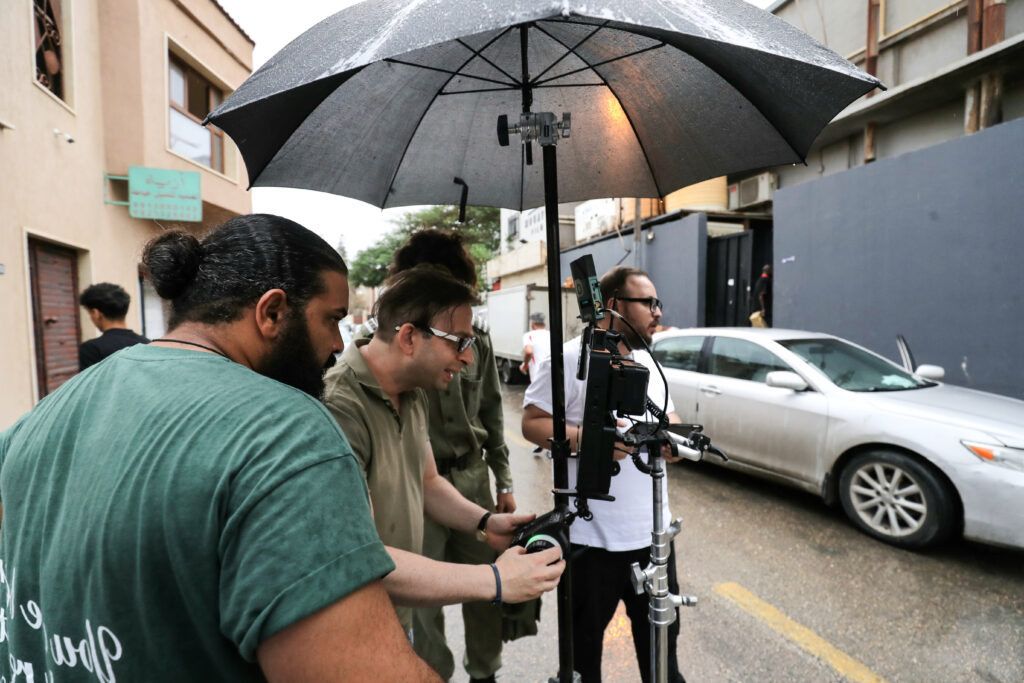
Libyan filmmaker fights for cinema revival
Mouayed Zabtia shoots most scenes for his latest movie in a studio he built at his Tripoli home. For the filmmaker, it is one way to overcome the obstacles he faces in a country where cinema once nearly vanished.Before a 1969 coup that brought Moamer Kadhafi to power, Libya’s capital Tripoli was home to more than 20 movie theatres.”Today we have none,” Zabtia told AFP.Kadhafi was overthrown and killed in 2011, and though the censorship of his era has declined, its effects are still deeply felt through underinvestment and public disinterest.”You have to go abroad to see films in a movie theatre,” said Mohammed Rizk, an actor in Zabtia’s current project, which is set in 1980s Libya when a younger generation yearned for freedom under Kadhafi.Under the longtime ruler, cinema was viewed as a tool of foreign cultural invasion, and only movies aligned with the state were funded and promoted.Movie theatres were seen as spaces for gatherings that were difficult to control.- ‘Disinterest’ -Many like 47-year-old Zabtia believed that after Kadhafi’s fall, cinema would be resurrected, but the instability that ensued has delayed any revival.”The problem is disinterest from all governments since 2011,” Zabtia said. “We were expecting that they would help.”The filmmaker said he had funded all his productions from his own pocket, mainly with revenue from a production company he founded in 2001 to create television series and wedding videos.It was only after the 2011 revolution that he decided to take on cinema, a goal since childhood.In his dim-lit studio, Zabtia oversees everything — from lighting and sound to costumes — as a small crew bustles about making his latest picture, “1986”.Zabtia said the film is inspired by true events, including the estrangement from Libya of pioneering singer Ahmed Fakroun after Kadhafi cracked down on Western-influenced music.Today, Zabtia said, it is no longer censorship that stifles filmmaking in Libya, but an array of other challenges compounded by a lack of public support.Authorities have in recent years attempted to revive the artform through festivals and the creation of the Libyan Film Institute in 2021.- No story without women -Zabtia said most of his work is filmed in the studio as “filming outside in Libya is very tiring”.”We lack logistic support. You need big crews, food, drinks, help with the police for outdoor sets.””We don’t have that experience, and people are not used to seeing these kinds of cameras in the street.”Added to that, some Libyans feel cinema clashes with their moral values, he added.Portraying women on screen is particularly difficult, Zabtia said, although he insisted it was “impossible to make a film without women when it comes to telling a story.””We have many hidden female talents who are afraid to come forward.”Yet the director believes one solution to these social obstacles is cinema itself: “The role of cinema — our role — is to pinpoint issues and try to address them.”Despite the obstacles, a handful of Libyan films have crossed borders.”Freedom Fields”, a documentary by Libyan-British director Naziha Arebi about three women footballers, was screened at the Toronto International Film Festival in 2018.In 2023, “Donga”, a film by Muhannad Lamin about the 2011 uprising, was shown at the International Documentary Film Festival Amsterdam.While “cinema doesn’t really have a market in Libya”, Zabtia hopes the lack of interest will translate into an opportunity to stand out and establish a niche — particularly with platforms like Netflix and Amazon Prime. “We want to develop and highlight Libyan work, talent and skills,” he said. “And we want to reach audiences overseas. It’s important that they hear about Libyan stories and culture, and get to know us as a people.”
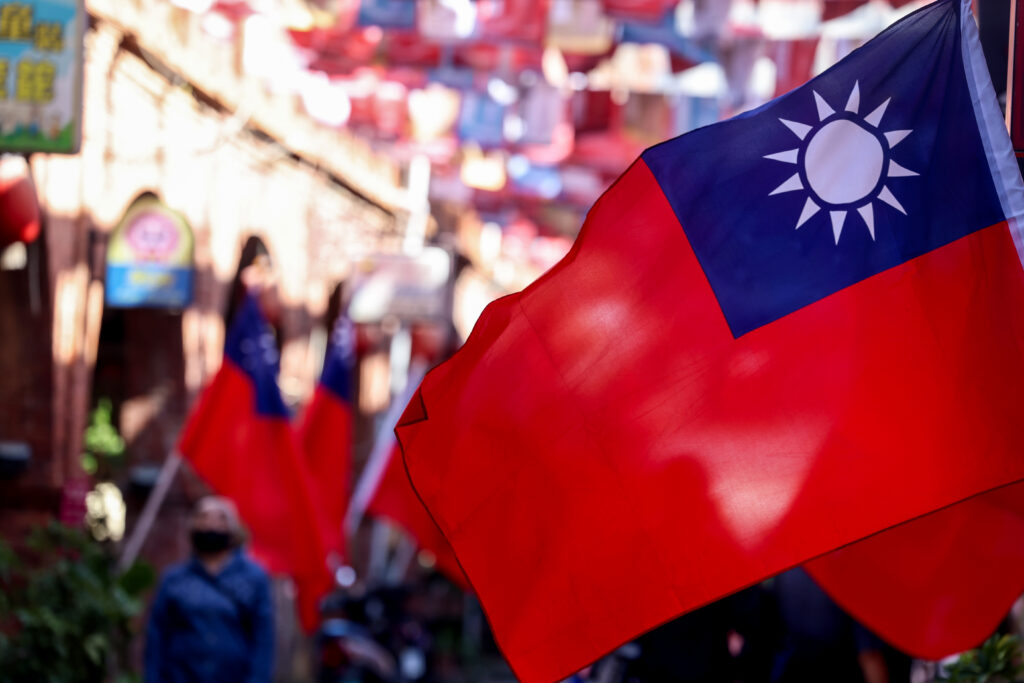
US says reached deal with Taiwan to lower tariffs, boost investments
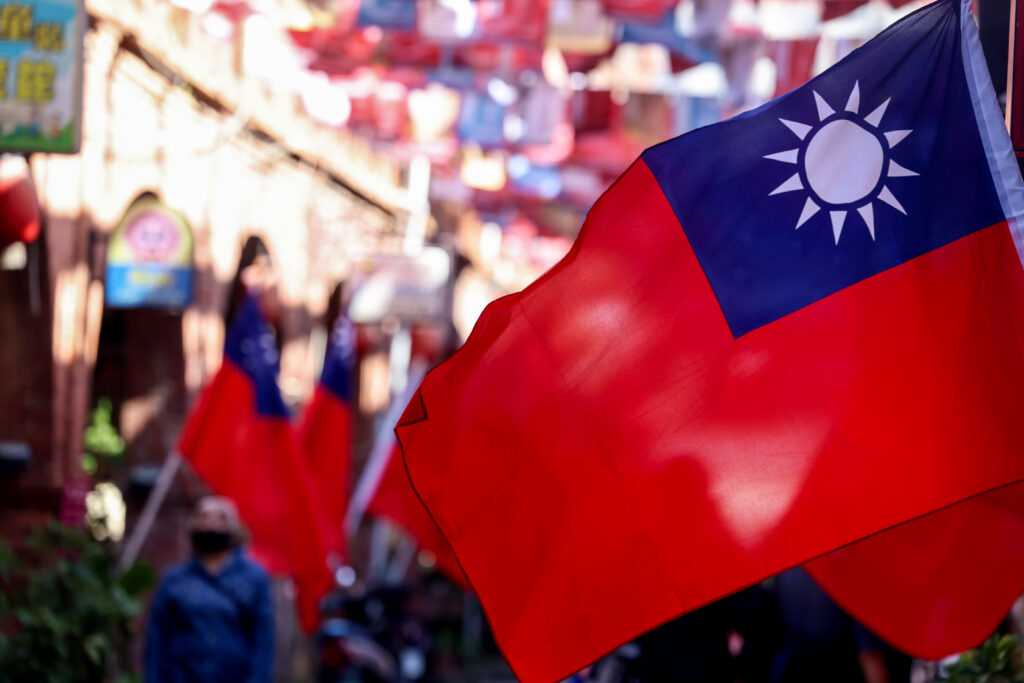
The United States said Thursday that it has signed a deal with Taiwan to reduce tariffs on goods from the democratic island, while increasing Taiwanese semiconductor and tech companies’ investments in America.The agreement, the US Commerce Department said, “will drive a massive reshoring of America’s semiconductor sector.”Under the deal, Washington will lower tariffs on Taiwanese goods to 15 percent, down from a 20 percent “reciprocal” rate meant to address US trade deficits and practices it deems unfair.Taiwanese Premier Cho Jung-tai praised negotiators on Friday for “delivering a well-executed home run”.”These results underscore that the progress achieved so far has been hard-won,” Cho said.Sector-specific tariffs on Taiwanese auto parts, timber, lumber and wood products will also be capped at 15 percent, while generic pharmaceuticals and certain natural resources will face no “reciprocal” duties, the US Commerce Department added.Meanwhile, Taiwanese chip and tech businesses are set to make “new, direct investments totalling at least $250 billion” in the United States to build and expand capacity in areas like advanced semiconductors and artificial intelligence, the department said.Taiwan will also provide “credit guarantees of at least $250 billion to facilitate additional investment by Taiwanese enterprises,” the department said adding that this would support the growth of the US semiconductor supply chain.Taiwan’s government said the new tariff will not stack on top of existing duties, which had been a major concern for local industries.”Of course it’s good that the reciprocal tariff has been lowered to 15 percent — at least it puts us on par with our main competitors South Korea and Japan,” said Chris Wu, sales director for Taiwanese machine tool maker Litz Hitech Corp. But, given the company’s single-digit profit margins, “there is no way we can absorb the tariff” for US customers, he said. The department’s announcement did not mention names, but the deal has key implications for Taiwanese chipmaking titan TSMC, the world’s biggest contract maker of microchips used in everything from Apple phones to Nvidia’s cutting-edge AI hardware.In an interview with CNBC, Commerce Secretary Howard Lutnick said TSMC has bought land and could expand in Arizona as part of the deal.”They just bought hundreds of acres adjacent to their property. Now I’m going to let them go through it with their board and give them time,” he said.TSMC did not immediately respond to a request for comment.Taiwanese producers who invest in the United States will also be treated more favorably when it comes to future semiconductor duties, the Commerce Department said.Firms building new US chip capacity may import up to 2.5 times their planned capacity without paying sector-specific duties during construction. The quota lowers to 1.5 times once projects are completed.A day prior, US officials held off imposing wider chip tariffs, instead announcing a 25 percent duty on certain semiconductors meant to be shipped abroad — a key step in allowing Nvidia to sell advanced AI chips to China.Ryan Majerus, a former US trade official, told AFP that although chip tariffs are currently narrowly targeted, Washington “signaled there is certainly potential for it to grow.”Majerus, now a partner at law firm King & Spalding, added that the deal had parallels to those with other US partners. The European Union and Japan, for example, both also secured a 15-percent tariff rate.- ‘Self-sufficient’ -“The objective is to bring 40 percent of Taiwan’s entire supply chain and production, to domestically bring it into America,” Lutnick told CNBC.”We’re going to bring it all over, so we become self-sufficient in the capacity of building semiconductors,” he added.The agreement comes after months of negotiations.Taiwanese President Lai Ching-te had pledged to boost investments in the United States and increase defense spending as his government tried to lower US duties, and avoid a toll on its semiconductor chip exports.Taiwan is a powerhouse in the manufacturing of semiconductor chips, which are the lifeblood of the global economy, as well as other electronics.But US President Donald Trump previously accused Taiwan of stealing the US chip industry, and his administration had made clear it wants more of the critical technology made on American soil.Taiwan’s trade surplus in goods with the United States was around $74 billion in 2024. More than half of its exports to the United States are information and communications technology products — including semiconductors.
US says reached deal with Taiwan to lower tariffs, boost investments
The United States said Thursday that it has signed a deal with Taiwan to reduce tariffs on goods from the democratic island, while increasing Taiwanese semiconductor and tech companies’ investments in America.The agreement, the US Commerce Department said, “will drive a massive reshoring of America’s semiconductor sector.”Under the deal, Washington will lower tariffs on Taiwanese goods to 15 percent, down from a 20 percent “reciprocal” rate meant to address US trade deficits and practices it deems unfair.Taiwanese Premier Cho Jung-tai praised negotiators on Friday for “delivering a well-executed home run”.”These results underscore that the progress achieved so far has been hard-won,” Cho said.Sector-specific tariffs on Taiwanese auto parts, timber, lumber and wood products will also be capped at 15 percent, while generic pharmaceuticals and certain natural resources will face no “reciprocal” duties, the US Commerce Department added.Meanwhile, Taiwanese chip and tech businesses are set to make “new, direct investments totalling at least $250 billion” in the United States to build and expand capacity in areas like advanced semiconductors and artificial intelligence, the department said.Taiwan will also provide “credit guarantees of at least $250 billion to facilitate additional investment by Taiwanese enterprises,” the department said adding that this would support the growth of the US semiconductor supply chain.Taiwan’s government said the new tariff will not stack on top of existing duties, which had been a major concern for local industries.”Of course it’s good that the reciprocal tariff has been lowered to 15 percent — at least it puts us on par with our main competitors South Korea and Japan,” said Chris Wu, sales director for Taiwanese machine tool maker Litz Hitech Corp. But, given the company’s single-digit profit margins, “there is no way we can absorb the tariff” for US customers, he said. The department’s announcement did not mention names, but the deal has key implications for Taiwanese chipmaking titan TSMC, the world’s biggest contract maker of microchips used in everything from Apple phones to Nvidia’s cutting-edge AI hardware.In an interview with CNBC, Commerce Secretary Howard Lutnick said TSMC has bought land and could expand in Arizona as part of the deal.”They just bought hundreds of acres adjacent to their property. Now I’m going to let them go through it with their board and give them time,” he said.TSMC did not immediately respond to a request for comment.Taiwanese producers who invest in the United States will also be treated more favorably when it comes to future semiconductor duties, the Commerce Department said.Firms building new US chip capacity may import up to 2.5 times their planned capacity without paying sector-specific duties during construction. The quota lowers to 1.5 times once projects are completed.A day prior, US officials held off imposing wider chip tariffs, instead announcing a 25 percent duty on certain semiconductors meant to be shipped abroad — a key step in allowing Nvidia to sell advanced AI chips to China.Ryan Majerus, a former US trade official, told AFP that although chip tariffs are currently narrowly targeted, Washington “signaled there is certainly potential for it to grow.”Majerus, now a partner at law firm King & Spalding, added that the deal had parallels to those with other US partners. The European Union and Japan, for example, both also secured a 15-percent tariff rate.- ‘Self-sufficient’ -“The objective is to bring 40 percent of Taiwan’s entire supply chain and production, to domestically bring it into America,” Lutnick told CNBC.”We’re going to bring it all over, so we become self-sufficient in the capacity of building semiconductors,” he added.The agreement comes after months of negotiations.Taiwanese President Lai Ching-te had pledged to boost investments in the United States and increase defense spending as his government tried to lower US duties, and avoid a toll on its semiconductor chip exports.Taiwan is a powerhouse in the manufacturing of semiconductor chips, which are the lifeblood of the global economy, as well as other electronics.But US President Donald Trump previously accused Taiwan of stealing the US chip industry, and his administration had made clear it wants more of the critical technology made on American soil.Taiwan’s trade surplus in goods with the United States was around $74 billion in 2024. More than half of its exports to the United States are information and communications technology products — including semiconductors.

Groenland: le Danemark en désaccord avec Trump, envoi d’une mission militaire européenne
En “désaccord fondamental” avec les Etats-Unis, le Danemark a obtenu jeudi l’envoi d’une mission militaire européenne au Groenland, territoire autonome danois convoité par Donald Trump, qui a fait savoir que ce déploiement n’avait “aucun impact” sur son “objectif”.Traditionnel allié des Américains au sein de l’Otan, le Danemark a annoncé renforcer sa présence militaire au Groenland, …
Groenland: le Danemark en désaccord avec Trump, envoi d’une mission militaire européenne Read More »
Trump salue le “geste magnifique” de Machado, qui lui a offert sa médaille du Nobel de la paix
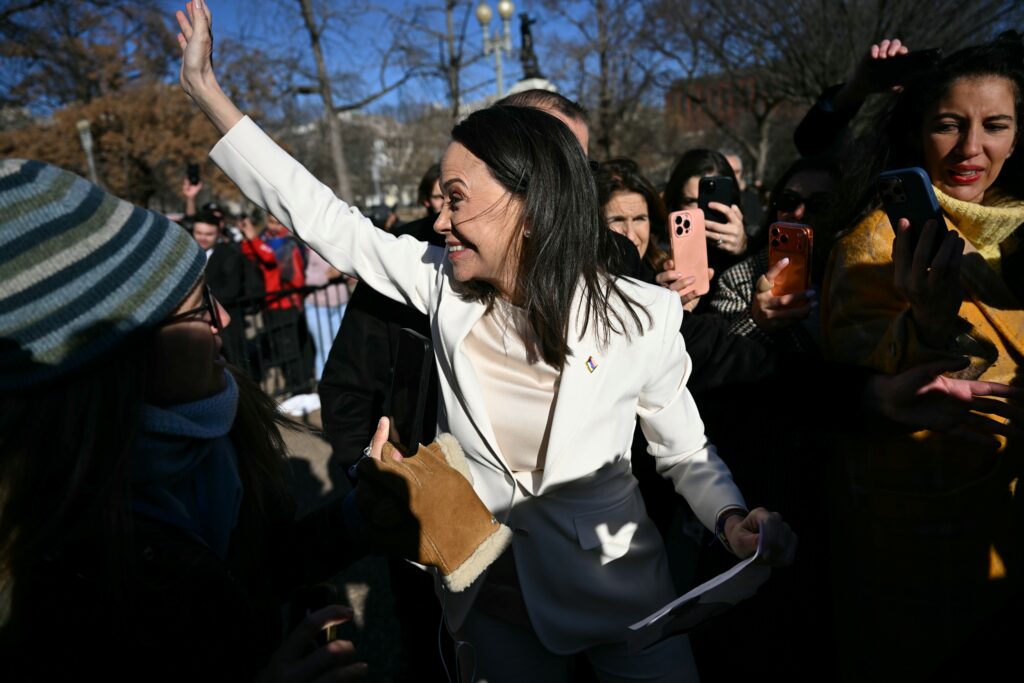
Donald Trump s’est réjoui jeudi du “geste magnifique” de l’opposante vénézuélienne Maria Corina Machado, qui lui a remis la médaille de son prix Nobel de la paix lors de leur rencontre à la Maison Blanche. “Maria m’a remis son prix Nobel de la paix pour le travail que j’ai accompli. Quel magnifique geste de respect mutuel. Merci Maria!”, a écrit sur sa plateforme Truth Social le président américain, qui convoite ouvertement cette distinction.Plus tôt dans la journée, l’opposante vénézuélienne avait annoncé avoir “offert” la médaille de son prix Nobel à Donald Trump, qui la tient à l’écart de sa stratégie pour le Venezuela.”Il le mérite. C’était un moment très émouvant”, a-t-elle déclaré lors d’un entretien à la chaîne américaine Fox News.Le Centre Nobel de la Paix, musée situé à Oslo, a opportunément souligné sur X jeudi que les lauréats pouvaient disposer comme ils ou elles l’entendaient de la médaille dorée associée à la distinction.Mais il a ajouté: “Une médaille peut changer de mains, mais pas le titre d’un lauréat”.Le déjeuner entre Donald Trump et Maria Corina Machado, présenté côté américain avant tout comme une rencontre de courtoisie, s’est déroulé sans accès de la presse.Peu après la capture de Nicolas Maduro, depuis détenu aux Etats-Unis, le président américain avait estimé que Mme Machado, qui avait quitté clandestinement le Venezuela en décembre pour recevoir le Nobel, n’était pas qualifiée pour diriger le pays.- “Il faut la démocratie” -Elle est arrivée peu après 12H00 (17H00 GMT) à la Maison Blanche et est partie aux alentours de 14H30.”Je lui ai assuré que les Vénézuéliens voulaient vivre libres, dignement, dans la justice”, a encore dit l’opposante. “Pour cela, il faut la démocratie”, a-t-elle ajouté.Donald Trump écarte pour l’instant l’organisation d’élections et préfère “dicter” jusqu’à nouvel ordre les décisions de l’équipe dirigeante restée en place à Caracas après la capture du président déchu par les forces spéciales américaines.Maria Corina Machado “est vraiment une voix remarquable et courageuse pour beaucoup de Vénézuéliens”, a commenté la porte-parole de la Maison Blanche, Karoline Leavitt, pendant que la réunion était en cours.Le président américain avait eu mercredi une “longue conversation” avec la présidente par intérim du pays d’Amérique latine, Delcy Rodriguez.Il n’a eu que des éloges pour l’ancienne vice-présidente du dirigeant déchu, une “personne formidable”, selon lui.Delcy Rodriguez a évoqué jeudi une “réforme partielle” de la loi sur le pétrole, principale ressource du pays dont Washington entend contrôler l’extraction et la commercialisation.- Vente de pétrole -Les forces américaines ont par ailleurs saisi jeudi matin un nouveau pétrolier sous sanctions dans les Caraïbes, le sixième en quelques semaines.Les Etats-Unis ont aussi finalisé une vente de pétrole vénézuélien, la première depuis leur reprise en main du secteur, pour un montant de 500 millions de dollars.Pour arriver à ses fins, Donald Trump devra aussi convaincre les multinationales pétrolières, dont certaines sont prudentes voire franchement réticentes, d’investir massivement dans les infrastructures en mauvais état du Venezuela.Le pays dispose des plus grandes réserves du monde avec 303.221 millions de barils, selon l’Organisation des pays exportateurs de pétrole (Opep), devant l’Arabie saoudite (267.200 millions) et l’Iran.Toutefois, des années de mauvaise gestion et de corruption ont fait chuter la production d’un pic de plus de 3 millions de barils/jour (bj) à un plus bas historique d’un peu plus de 350.000 bj en 2020. Le pouvoir a fait des efforts pour redresser la barre et atteindre 930.000 bj en 2025, selon l’Opep. La production avoisinerait actuellement 1,2 million bj, selon les autorités.