UN blasts new US-backed aid distribution system in Gaza

The UN on Wednesday condemned a US-backed aid system in Gaza after 47 people were injured during a chaotic food distribution, where the Israeli military said it did not open fire at crowds.The issue of aid has come sharply into focus amid a hunger crisis coupled with intense criticism of the Gaza Humanitarian Foundation (GHF), a shadowy group that has bypassed the longstanding UN-led system in the territory.According to the UN, 47 people were injured in the mayhem that erupted on Tuesday when thousands of Palestinians desperate for food rushed into a GHF aid distribution site, while a Palestinian medical source said at least one had died.Ajith Sunghay, the head of the UN Human Rights Office in the Palestinian territories, said most of the wounded had been hurt by gunfire.Based on the information he had, “it was shooting from the IDF” — the Israeli military.The Israeli military rejected the accusation, with spokesman Colonel Olivier Rafowicz telling AFP that Israeli soldiers “fired warning shots into the air, in the area outside” the centre managed by the GHF, and “in no case towards the people.”With the war sparked by Hamas’s October 2023 attack on Israel entering its 600th day on Wednesday, Palestinians in Gaza felt there was no reason to hope for a better future.”Six hundred days have passed and nothing has changed. Death continues, and Israeli bombing does not stop,” said Bassam Daloul, 40, adding that “even hoping for a ceasefire feels like a dream and a nightmare”.In Israel, the relatives of people held hostage in Gaza since the October 7 attack longed for the return of their loved ones, with hundreds gathering in their name in Tel Aviv.”I want you to know that when Israel blows up deals, it does so on the heads of the hostages,” Arbel Yehud, who was freed from Gaza captivity in January, told a press conference in Tel Aviv.”Their conditions immediately worsen, food diminishes, pressure increases, and bombings and military actions do not save them, they endanger their lives.”- ‘Waste of resources’ -The UN has repeatedly hit out against the GHF, which faces accusations of failing to fulfil the principles of humanitarian work.Philippe Lazzarini, head of the UN agency for Palestinian refugees, on Wednesday reiterated the criticism.”I believe it is a waste of resources and a distraction from atrocities. We already have an aid distribution system that is fit for purpose,” he said during a visit in Japan.In Gaza, the civil defence agency said Israeli air strikes killed 16 people since dawn Wednesday.Heba Jabr, 29, who sleeps in a tent in southern Gaza with her husband and their two children, was struggling to find food.”Dying by bombing is much better than dying from the humiliation of hunger and being unable to provide bread and water for your children,” she told AFP.Israel imposed a full blockade on Gaza for over two months, before allowing supplies in at a trickle last week.A medical source in southern Gaza told AFP that after Tuesday’s stampede at the GHF site, “more than 40 injured people arrived at Nasser Hospital, the majority of them wounded by Israeli gunfire”, adding that at least one had died since.The source added that “a number of other civilians also arrived at the hospital with various bruises”.- Hostage families’ anguish -On Tuesday, the GHF said around “8,000 food boxes have been distributed so far… totalling 462,000 meals”. UN agencies and aid groups have argued that the GHF’s designation of so-called secure distribution sites contravenes the principle of humanity because it would force already displaced people to move again in order to stay alive.Israel stepped up its military offensive in Gaza earlier this month, while mediators push for a ceasefire that remains elusive.In Israel, hundreds of people gathered to call for a ceasefire that would allow for the release of hostages held by militants in Gaza since their 2023 attack. Protesters gathered along the country’s roads and on the main highway running through the Israeli coastal city of Tel Aviv at 6:29 am, the exact time the unprecedented October 7 attack began.Most Israeli media headlines read “600 days”, and focused on the hostage families’ struggle to get their loved ones home.Other events were planned across Israel to mark the 600th day of captivity for the 57 remaining hostages still in Gaza.Some 1,218 people were killed in Hamas’s October 7, 2023, attack, mostly civilians, according to an AFP tally based on official figures.The health ministry in Hamas-run Gaza said on Wednesday that at least 3,924 people had been killed in the territory since Israel ended a ceasefire on March 18, taking the war’s overall toll to 54,084, mostly civilians.bur-az-lba-acc/jsa


Political protests paralyse Bangladesh daily life

Protests have become part of daily life in Bangladesh’s capital, with residents either taking part as political parties jostle for power after an uprising last year — or avoiding them.The South Asian nation of around 170 million people has been in political turmoil since former prime minister Sheikh Hasina was ousted in August 2024, fleeing by helicopter as crowds stormed her palace.Hasina’s 15-year-long authoritarian rule contained protests like a pressure cooker, until the student-led movement spearheaded a revolt that toppled her from power.On Wednesday, at least half a dozen demonstrations were held in the sprawling megacity of Dhaka, home to more than 20 million people. This was a typical day, with the demonstrations ranging from political rallies and counter-protests, to worker strikes and celebrations at the release of an Islamist leader from death row.”I got released this morning after being imprisoned for 14 years,” A.T.M. Azharul Islam said, waving at thousands of supporters of the country’s main Islamist party, Jamaat-e-Islami.The tight-packed crowd cheered as the senior leader was released from a prison hospital in central Dhaka, a day after the Supreme Court overturned his death sentence and acquitted him of war crimes.”There was no justice in the past… we expect the court will ensure that the people get justice in the coming days,” Islam said.Leftist parties say they will demonstrate in opposition to his release.Across Ramna Park in the neighbourhood of Naya Paltan, thousands choked the streets as part of a rally in support of the Bangladesh National Party (BNP).Political parties are readying for hugely anticipated elections which the interim government has vowed will take place by June 2026 at the latest.- ‘Unpredictable’ -While tens of thousands gather at major intersections across Dhaka with their demands, others spend hours navigating their way through traffic-snarled streets.”All the major roads are blocked during the day,” chicken seller Zakir Hossain said Wednesday.”We’ve had to shift our schedules. I start work at midnight now, even though the law and order situation is worsening every day, and muggings have become common.”It worries many, remembering the violence last year when police tried — and failed — to crush the protests that toppled Hasina.”The situation is unpredictable — the protests can turn violent at any moment,” said a 43-year-old housewife, asking not to be identified as her husband is a government employee.”I never used to call my husband much, but now I do. If he is even a little late coming home from the office, all sorts of bad thoughts come to my mind.”Bangladesh’s interim leader Muhammad Yunus, the 84-year-old Nobel Peace Prize winner who is leading the caretaker government as its chief adviser until elections are held, has called for parties to build unity and calm intense political power struggles.The government warned on Saturday that “unreasonable demands” and obstruction had been “continuously obstructing” its work.- ‘A balance’ -Yunus has said polls could be held as early as December but that having them later would give the government more time for reform.Rallies organised by the powerful BNP are calling for the government to set an election date, as well as a raft of other demands, including the sacking of multiple members of Yunus’s cabinet.In other protests, tax authority workers, angered at an overhaul of the body that would place it under the finance ministry’s control, held a two-week partial strike.That escalated on Sunday when security forces surrounded the national tax headquarters, before the government later backtracked on its reform.Civil servants this week also demonstrated at the main government ministry complex to rally against orders changing employment rules — which the government then said it will reconsider.On the streets, the protests continue.”Customers rarely come to the bank when they see the roads blocked,” said bank manager Muhammed Sazzad. While he supported the right to assemble, he suggested the government “could designate a specific area for protests”.Rakib Hasan Anik, a lecturer at the Bangladesh University of Professionals, said that “academic discipline is suffering”, with students stuck in traffic and missing class.”There needs to be a balance,” he said. “We can only hope all sides reach a consensus that prioritises the public.”

EU hardens tone on Israel, but will it make a difference?

With reports of acute suffering in Gaza flooding the airwaves, EU leaders have toughened their tone on Israel — but the bloc will need to bridge deep divisions to move from rhetoric to a real-world impact on the conflict.The shift has been most noticeable from key power Germany, one of Israel’s staunchest allies in the world, its loyalty rooted in the trauma of the Holocaust.After an Israeli strike killed dozens, including many children, in a Gaza school-turned-shelter Monday, German Chancellor Friedrich Merz declared he “no longer understands” Israel’s objectives in the war-ravaged Palestinian enclave.”The way in which the civilian population has been affected… can no longer be justified by a fight against Hamas terrorism,” he said.Berlin’s stern new tone found an echo Tuesday in Brussels, where the German head of the European Commission, Ursula von der Leyen, denounced as “abhorrent” and “disproportionate” the past days’ attacks on civilian infrastructure in Gaza.An EU diplomat called such language both “strong and unheard of” coming from the commission chief, among the first to rally to Israel’s side in the wake of the October 7, 2023 Hamas attacks that triggered the Gaza war.The explanation? “Merz has moved the dial” in Brussels, said one EU official.”There’s been a very notable shift over recent weeks,” agreed Julien Barnes-Dacey, head of the Middle East programme at the European Council on Foreign Relations (ECFR), in a podcast by the think-tank — arguing it reflects a “sea change of European public opinion”.Translating talk into action is another matter, however.- Longstanding divisions -Germany, the main supplier of weapons to Israel after the United States, this week rebuffed calls to cut off arms sales to Prime Minister Benjamin Netanyahu’s government.On Tuesday however, in a barely veiled threat, its foreign minister warned Israel against crossing a line.”We defend the rule of law everywhere and also international humanitarian law,” said Johann Wadephul. “Where we see that it is being violated, we will of course intervene and certainly not supply weapons that would enable further violations.”The European Union has long struggled to have an impact on the Mideast conflict due to long-standing divisions between countries that back Israel and those seen as more pro-Palestinian.Last week, in a milestone of sorts, the bloc launched a review to determine whether Israel is complying with human-rights principles laid out in its association agreement with the EU — a move backed by 17 of 27 member states.EU top diplomat Kaja Kallas said Wednesday she hopes to present options on the next steps to foreign ministers at a June 23 meeting in Brussels.Suspending the EU-Israel accord outright would require unanimity among member states — seen by diplomats as virtually unthinkable.Berlin was among the EU capitals that opposed even reviewing the deal, as did fellow economic heavyweight Italy.But Barnes-Dacey sees “the possibility of a qualified majority of states imposing some restrictions” under the trade component of the agreement.The EU is Israel’s biggest commercial partner, with 42.6 billion euros ($48.2 billion) traded in goods in 2024. Trade in services reached 25.6 billion euros in 2023.An EU diplomat says it is not yet clear whether there is sufficient support for the move, which needs backing from 15 member states, representing 65 percent of the bloc’s population.For Kristina Kausch, a Middle East expert at the German Marshall Fund think tank, it is too soon to speak of a European policy shift.”Even the review of the association agreement is only a review,” she said. “What counts is the action.”Momentum to ramp up pressure is growing by the day, however, spearheaded by the most vocal critics of Israel’s assault such as Spain, Belgium and Ireland.”My personal view is that it very much looks like genocide,” said Belgium’s foreign minister, Maxime Prevot. “I don’t know what further horrors need to take place before we dare use the word.”Accusations that Israel is committing “genocide” in Gaza have been levelled by rights groups, UN officials and a growing number of countries.Israel rejects the charge, and in Europe even the governments most sympathetic to the Palestinians are treading carefully.One tangible next step could be the broader recognition of Palestinian statehood — with France seeking to move forward on the matter ahead of a UN conference in June.”Will that have an immediate impact? Probably not,” said Barnes-Dacey.”But I do think it will have an impact if Israel knows that it no longer has the free path that it’s had for so long.”

Iran Cannes winner Panahi backs trucker strikes

Iranian filmmaker Jafar Panahi backed week-long nationwide strikes by truckers Wednesday as a “loud call” to the authorities, after arriving home from his triumph at the Cannes film festival.Truck drivers across Iran were striking for a seventh day on Wednesday in a stoppage rare in its length and magnitude, seeking better conditions in a sector crucial for the economy in the Islamic republic.After starting last week in the southern port city of Bandar Abbas, the strike action has spread across the country, according to reports by monitoring groups on social media and Persian-language media based outside Iran.The truck drivers are protesting a rise in insurance premiums, poor road security, high fuel prices and low freight rates, according to union statements cited by these media.”They are fed up. They have no choice but to go strike,” Panahi wrote on Instagram, having returned to Iran on Monday after winning the Palme d’or for his latest film “It Was Just an Accident”.”When thieves and illiterate people are put in charge, the result is this terrible situation: corruption and mismanagement in everything, from the economy and culture to the environment and politics,” added Panahi.The acclaimed director was long banned from filmmaking and unable to leave Iran, having also spent time in prison due to his political stances.”This strike is a loud call to the government saying: ‘Enough! Stop all this oppression and plunder’,” he said.Persian-language television channels based outside Iran, including Iran International and Manoto, which are critical of the government, said the strike was continuing Wednesday, broadcasting images of deserted roads sent from inside Iran as well as trucks parked up in cities including the central city of Isfahan. It was not immediately possible to independently verify the images.Tankers carrying fuel from the major refinery in Abadan in western Iran have now joined the strike, Manoto said.Iran International also said some participants had been arrested in the western city of Kermanshah, following arrests earlier this week in the southern city of Shiraz.The same outlets also indicated that there have been strikes in other sectors in Iran, notably by bakers who are angered by early morning power cuts when they are baking bread.

Le chantier de l’A69 reprend à partir de mi-juin, colère des écologistes

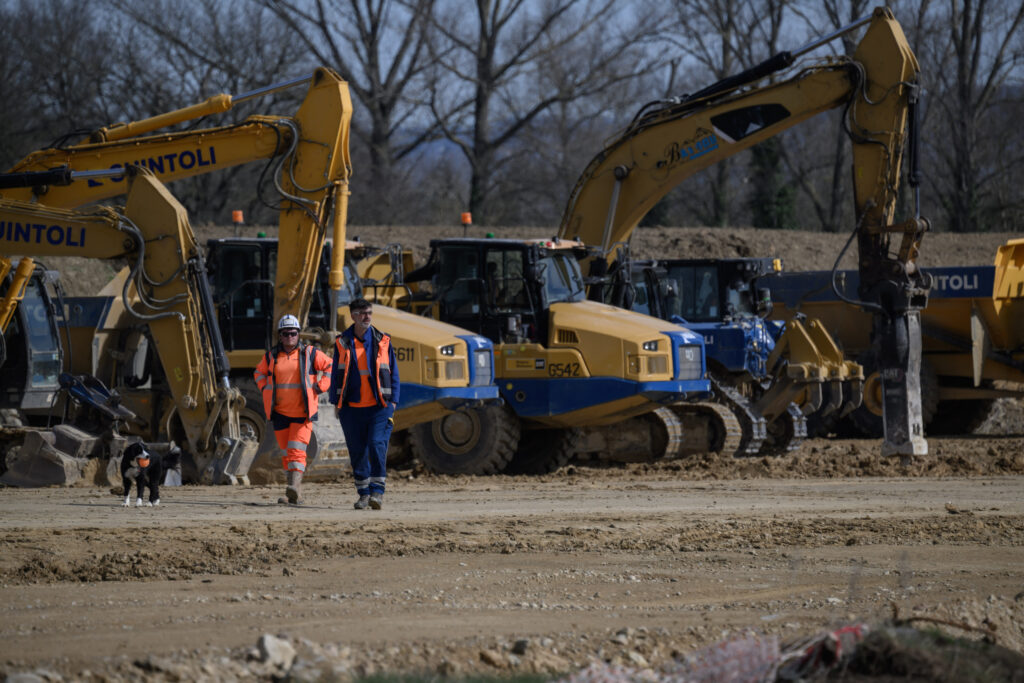
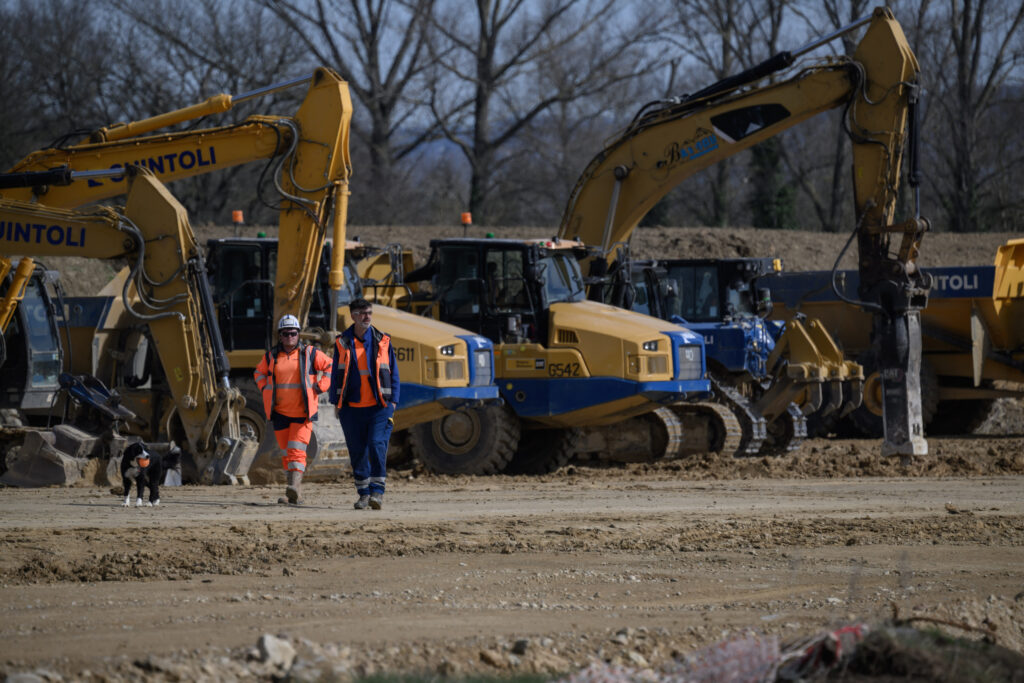
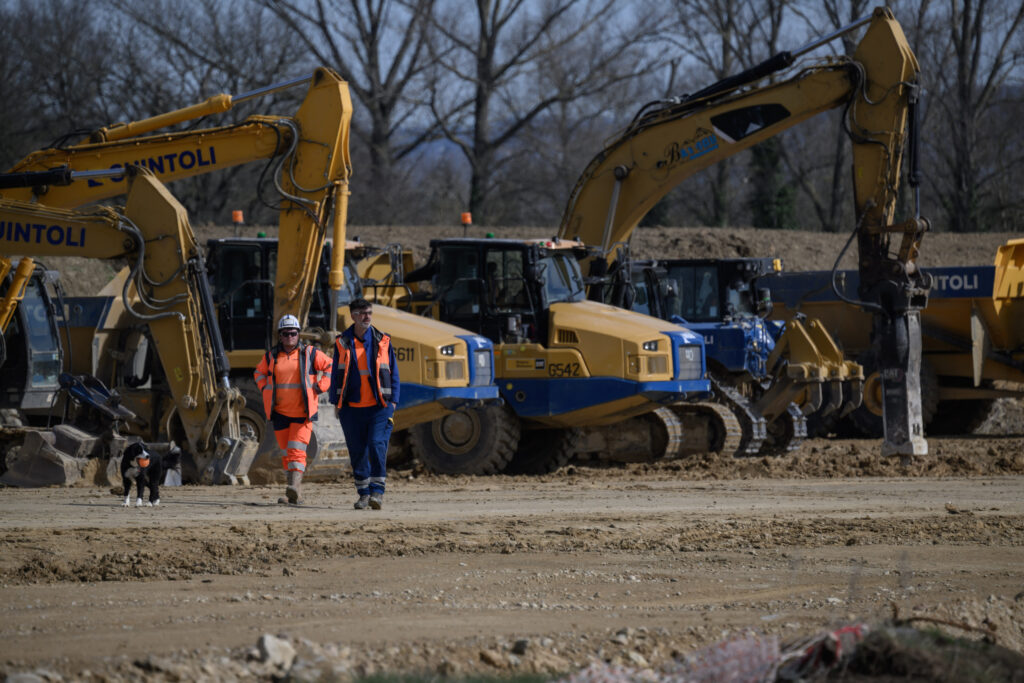
La justice administrative a tranché: le chantier de l’autoroute Toulouse-Castres, fortement contesté depuis deux ans par les écologistes, va pouvoir reprendre à partir de mi-juin, après trois mois d’arrêt.La cour administrative d’appel de Toulouse a prononcé mercredi “un sursis à l’exécution des jugements rendus le 27 février annulant les autorisations environnementales délivrées par l’Etat”.Cette décision “constitue un véritable soulagement”, a réagi le ministre des Transports Philippe Tabarot. “Le juge a reconnu comme sérieux l’argument en faveur de l’existence d’une raison impérative d’intérêt public majeur du projet”.”Les travaux reprendront à partir de mi-juin de manière progressive.”, a-t-il ajouté, tout en appelant à rester “vigilants”, “sur la prise en compte des enjeux de protection de l’environnement”.La cour se prononçait sur un recours en urgence déposé par l’Etat, visant à redémarrer ce chantier de 53 kilomètres. Elle doit encore trancher sur le fond dans plusieurs mois.- “Tirer des leçons” -Cette décision intervient avant l’examen, lundi à l’Assemblée nationale, d’une proposition de loi dite de “validation” adoptée au Sénat à une large majorité le 15 mai. “Cette reprise était très attendue par nos concitoyens, assure le député du Tarn Philippe Bonnecarrère. L’Assemblée nationale pourra ainsi débattre sereinement lundi de l’étape suivante: la proposition de loi de validation. Aucune obstruction ne peut maintenant se justifier”.Ce texte, contesté par les opposants qui le jugent contraire à la constitution, prévoit d’autoriser la poursuite du chantier, sans attendre que la cour d’appel administrative se prononce sur le fond, dans plusieurs mois.Saluant la décision, le maire DVD de Castres Pascal Bugis a regretté “un gâchis sur un plan financier”, l’arrêt des travaux ayant “augmenté le coût du chantier” et réitéré que l’A69 est “importante pour le développement du territoire”. A l’avenir, “il faudra que les recours soient purgés quand on démarre (un chantier), afin qu’il n’y ait plus d’aléas par la suite. Il faudra tirer des leçons”, a ajouté le maire de Castres.- “Premières ripostes” -Julie Rover, une des avocates des opposants à l’A69, s’est dite “stupéfaite” par la décision de la cour administrative. “Le risque aujourd’hui c’est de reprendre le chantier et que dans huit ou dix mois, il y ait une annulation qui soit confirmée”, avertit l’avocate.La Voie est libre a dénoncé une décision “vide d’arguments”. Les juges “ne pouvaient pas faire pire pour faire naître une suspicion de décision hautement politique”, regrette le collectif écologiste dans un communiqué.Le 27 février, à la surprise générale, le tribunal administratif de Toulouse avait arrêté le chantier de cette autoroute entamé en 2023, faute de Raison impérative d’intérêt public majeur (RIIPM) justifiant les atteintes à l’environnement.Depuis le début des travaux en mars 2023, ces militants écologistes ont occupé des arbres pour éviter leur abattage, tenté d’installer des ZAD (zones à défendre) sur le tracé ou organisé des rassemblements de milliers de personnes, parfois émaillés d’incidents violents avec les forces de l’ordre.Mercredi, les militants anti-A69 ont exprimé leur “sidération”, dénoncé une “mainmise du pouvoir sur la justice” et lancé aussitôt des appels à la mobilisation, notamment vers 18h30, devant la gare Matabiau à Toulouse. “L’69 ne passera pas! Premières ripostes à la reprise des travaux” ou “Nous n’allons pas les laisser faire”, annoncent-ils sur les réseaux sociaux.Une grande mobilisation est également convoquée les 4, 5 et 6 juillet aux abords du chantier. Thomas Brail, figure de la contestation, perché à plusieurs reprises dans des arbres pour éviter leur abattage, s’est dit “atterré” et a annoncé qu’il entamerait une grève de la soif, dès la reprise des travaux.Ces derniers mois, les partisans de l’A69 se sont aussi fait entendre, notamment en manifestant en masse le 8 mars à Castres avec comme slogan: “A69, on finit!”. Ils voient dans l’autoroute une solution de désenclavement du bassin de population de Castres-Mazamet, qui compte environ 100.000 habitants.Or, pour les opposants, ce bassin n’est pas enclavé et, même s’il l’était, une autoroute ne serait certainement pas une garantie de désenclavement, fustigent-ils.L’A69 devait initialement être mise en service fin 2025, selon la société Atosca, en charge des travaux, une échéance qui ne pourra pas être respectée.Pour finaliser le chantier, Atosca doit maintenant rapatrier dans le Tarn un millier de salariés et de nombreux engins de chantier.

Le chantier de l’A69 reprend à partir de mi-juin, colère des écologistes

La justice administrative a tranché: le chantier de l’autoroute Toulouse-Castres, fortement contesté depuis deux ans par les écologistes, va pouvoir reprendre à partir de mi-juin, après trois mois d’arrêt.La cour administrative d’appel de Toulouse a prononcé mercredi “un sursis à l’exécution des jugements rendus le 27 février annulant les autorisations environnementales délivrées par l’Etat”.Cette décision “constitue un véritable soulagement”, a réagi le ministre des Transports Philippe Tabarot. “Le juge a reconnu comme sérieux l’argument en faveur de l’existence d’une raison impérative d’intérêt public majeur du projet”.”Les travaux reprendront à partir de mi-juin de manière progressive.”, a-t-il ajouté, tout en appelant à rester “vigilants”, “sur la prise en compte des enjeux de protection de l’environnement”.La cour se prononçait sur un recours en urgence déposé par l’Etat, visant à redémarrer ce chantier de 53 kilomètres. Elle doit encore trancher sur le fond dans plusieurs mois.- “Tirer des leçons” -Cette décision intervient avant l’examen, lundi à l’Assemblée nationale, d’une proposition de loi dite de “validation” adoptée au Sénat à une large majorité le 15 mai. “Cette reprise était très attendue par nos concitoyens, assure le député du Tarn Philippe Bonnecarrère. L’Assemblée nationale pourra ainsi débattre sereinement lundi de l’étape suivante: la proposition de loi de validation. Aucune obstruction ne peut maintenant se justifier”.Ce texte, contesté par les opposants qui le jugent contraire à la constitution, prévoit d’autoriser la poursuite du chantier, sans attendre que la cour d’appel administrative se prononce sur le fond, dans plusieurs mois.Saluant la décision, le maire DVD de Castres Pascal Bugis a regretté “un gâchis sur un plan financier”, l’arrêt des travaux ayant “augmenté le coût du chantier” et réitéré que l’A69 est “importante pour le développement du territoire”. A l’avenir, “il faudra que les recours soient purgés quand on démarre (un chantier), afin qu’il n’y ait plus d’aléas par la suite. Il faudra tirer des leçons”, a ajouté le maire de Castres.- “Premières ripostes” -Julie Rover, une des avocates des opposants à l’A69, s’est dite “stupéfaite” par la décision de la cour administrative. “Le risque aujourd’hui c’est de reprendre le chantier et que dans huit ou dix mois, il y ait une annulation qui soit confirmée”, avertit l’avocate.La Voie est libre a dénoncé une décision “vide d’arguments”. Les juges “ne pouvaient pas faire pire pour faire naître une suspicion de décision hautement politique”, regrette le collectif écologiste dans un communiqué.Le 27 février, à la surprise générale, le tribunal administratif de Toulouse avait arrêté le chantier de cette autoroute entamé en 2023, faute de Raison impérative d’intérêt public majeur (RIIPM) justifiant les atteintes à l’environnement.Depuis le début des travaux en mars 2023, ces militants écologistes ont occupé des arbres pour éviter leur abattage, tenté d’installer des ZAD (zones à défendre) sur le tracé ou organisé des rassemblements de milliers de personnes, parfois émaillés d’incidents violents avec les forces de l’ordre.Mercredi, les militants anti-A69 ont exprimé leur “sidération”, dénoncé une “mainmise du pouvoir sur la justice” et lancé aussitôt des appels à la mobilisation, notamment vers 18h30, devant la gare Matabiau à Toulouse. “L’69 ne passera pas! Premières ripostes à la reprise des travaux” ou “Nous n’allons pas les laisser faire”, annoncent-ils sur les réseaux sociaux.Une grande mobilisation est également convoquée les 4, 5 et 6 juillet aux abords du chantier. Thomas Brail, figure de la contestation, perché à plusieurs reprises dans des arbres pour éviter leur abattage, s’est dit “atterré” et a annoncé qu’il entamerait une grève de la soif, dès la reprise des travaux.Ces derniers mois, les partisans de l’A69 se sont aussi fait entendre, notamment en manifestant en masse le 8 mars à Castres avec comme slogan: “A69, on finit!”. Ils voient dans l’autoroute une solution de désenclavement du bassin de population de Castres-Mazamet, qui compte environ 100.000 habitants.Or, pour les opposants, ce bassin n’est pas enclavé et, même s’il l’était, une autoroute ne serait certainement pas une garantie de désenclavement, fustigent-ils.L’A69 devait initialement être mise en service fin 2025, selon la société Atosca, en charge des travaux, une échéance qui ne pourra pas être respectée.Pour finaliser le chantier, Atosca doit maintenant rapatrier dans le Tarn un millier de salariés et de nombreux engins de chantier.

Le chantier de l’A69 reprend à partir de mi-juin, colère des écologistes

La justice administrative a tranché: le chantier de l’autoroute Toulouse-Castres, fortement contesté depuis deux ans par les écologistes, va pouvoir reprendre à partir de mi-juin, après trois mois d’arrêt.La cour administrative d’appel de Toulouse a prononcé mercredi “un sursis à l’exécution des jugements rendus le 27 février annulant les autorisations environnementales délivrées par l’Etat”.Cette décision “constitue un véritable soulagement”, a réagi le ministre des Transports Philippe Tabarot. “Le juge a reconnu comme sérieux l’argument en faveur de l’existence d’une raison impérative d’intérêt public majeur du projet”.”Les travaux reprendront à partir de mi-juin de manière progressive.”, a-t-il ajouté, tout en appelant à rester “vigilants”, “sur la prise en compte des enjeux de protection de l’environnement”.La cour se prononçait sur un recours en urgence déposé par l’Etat, visant à redémarrer ce chantier de 53 kilomètres. Elle doit encore trancher sur le fond dans plusieurs mois.- “Tirer des leçons” -Cette décision intervient avant l’examen, lundi à l’Assemblée nationale, d’une proposition de loi dite de “validation” adoptée au Sénat à une large majorité le 15 mai. “Cette reprise était très attendue par nos concitoyens, assure le député du Tarn Philippe Bonnecarrère. L’Assemblée nationale pourra ainsi débattre sereinement lundi de l’étape suivante: la proposition de loi de validation. Aucune obstruction ne peut maintenant se justifier”.Ce texte, contesté par les opposants qui le jugent contraire à la constitution, prévoit d’autoriser la poursuite du chantier, sans attendre que la cour d’appel administrative se prononce sur le fond, dans plusieurs mois.Saluant la décision, le maire DVD de Castres Pascal Bugis a regretté “un gâchis sur un plan financier”, l’arrêt des travaux ayant “augmenté le coût du chantier” et réitéré que l’A69 est “importante pour le développement du territoire”. A l’avenir, “il faudra que les recours soient purgés quand on démarre (un chantier), afin qu’il n’y ait plus d’aléas par la suite. Il faudra tirer des leçons”, a ajouté le maire de Castres.- “Premières ripostes” -Julie Rover, une des avocates des opposants à l’A69, s’est dite “stupéfaite” par la décision de la cour administrative. “Le risque aujourd’hui c’est de reprendre le chantier et que dans huit ou dix mois, il y ait une annulation qui soit confirmée”, avertit l’avocate.La Voie est libre a dénoncé une décision “vide d’arguments”. Les juges “ne pouvaient pas faire pire pour faire naître une suspicion de décision hautement politique”, regrette le collectif écologiste dans un communiqué.Le 27 février, à la surprise générale, le tribunal administratif de Toulouse avait arrêté le chantier de cette autoroute entamé en 2023, faute de Raison impérative d’intérêt public majeur (RIIPM) justifiant les atteintes à l’environnement.Depuis le début des travaux en mars 2023, ces militants écologistes ont occupé des arbres pour éviter leur abattage, tenté d’installer des ZAD (zones à défendre) sur le tracé ou organisé des rassemblements de milliers de personnes, parfois émaillés d’incidents violents avec les forces de l’ordre.Mercredi, les militants anti-A69 ont exprimé leur “sidération”, dénoncé une “mainmise du pouvoir sur la justice” et lancé aussitôt des appels à la mobilisation, notamment vers 18h30, devant la gare Matabiau à Toulouse. “L’69 ne passera pas! Premières ripostes à la reprise des travaux” ou “Nous n’allons pas les laisser faire”, annoncent-ils sur les réseaux sociaux.Une grande mobilisation est également convoquée les 4, 5 et 6 juillet aux abords du chantier. Thomas Brail, figure de la contestation, perché à plusieurs reprises dans des arbres pour éviter leur abattage, s’est dit “atterré” et a annoncé qu’il entamerait une grève de la soif, dès la reprise des travaux.Ces derniers mois, les partisans de l’A69 se sont aussi fait entendre, notamment en manifestant en masse le 8 mars à Castres avec comme slogan: “A69, on finit!”. Ils voient dans l’autoroute une solution de désenclavement du bassin de population de Castres-Mazamet, qui compte environ 100.000 habitants.Or, pour les opposants, ce bassin n’est pas enclavé et, même s’il l’était, une autoroute ne serait certainement pas une garantie de désenclavement, fustigent-ils.L’A69 devait initialement être mise en service fin 2025, selon la société Atosca, en charge des travaux, une échéance qui ne pourra pas être respectée.Pour finaliser le chantier, Atosca doit maintenant rapatrier dans le Tarn un millier de salariés et de nombreux engins de chantier.

Le chantier de l’A69 reprend à partir de mi-juin, colère des écologistes

La justice administrative a tranché: le chantier de l’autoroute Toulouse-Castres, fortement contesté depuis deux ans par les écologistes, va pouvoir reprendre à partir de mi-juin, après trois mois d’arrêt.La cour administrative d’appel de Toulouse a prononcé mercredi “un sursis à l’exécution des jugements rendus le 27 février annulant les autorisations environnementales délivrées par l’Etat”.Cette décision “constitue un véritable soulagement”, a réagi le ministre des Transports Philippe Tabarot. “Le juge a reconnu comme sérieux l’argument en faveur de l’existence d’une raison impérative d’intérêt public majeur du projet”.”Les travaux reprendront à partir de mi-juin de manière progressive.”, a-t-il ajouté, tout en appelant à rester “vigilants”, “sur la prise en compte des enjeux de protection de l’environnement”.La cour se prononçait sur un recours en urgence déposé par l’Etat, visant à redémarrer ce chantier de 53 kilomètres. Elle doit encore trancher sur le fond dans plusieurs mois.- “Tirer des leçons” -Cette décision intervient avant l’examen, lundi à l’Assemblée nationale, d’une proposition de loi dite de “validation” adoptée au Sénat à une large majorité le 15 mai. “Cette reprise était très attendue par nos concitoyens, assure le député du Tarn Philippe Bonnecarrère. L’Assemblée nationale pourra ainsi débattre sereinement lundi de l’étape suivante: la proposition de loi de validation. Aucune obstruction ne peut maintenant se justifier”.Ce texte, contesté par les opposants qui le jugent contraire à la constitution, prévoit d’autoriser la poursuite du chantier, sans attendre que la cour d’appel administrative se prononce sur le fond, dans plusieurs mois.Saluant la décision, le maire DVD de Castres Pascal Bugis a regretté “un gâchis sur un plan financier”, l’arrêt des travaux ayant “augmenté le coût du chantier” et réitéré que l’A69 est “importante pour le développement du territoire”. A l’avenir, “il faudra que les recours soient purgés quand on démarre (un chantier), afin qu’il n’y ait plus d’aléas par la suite. Il faudra tirer des leçons”, a ajouté le maire de Castres.- “Premières ripostes” -Julie Rover, une des avocates des opposants à l’A69, s’est dite “stupéfaite” par la décision de la cour administrative. “Le risque aujourd’hui c’est de reprendre le chantier et que dans huit ou dix mois, il y ait une annulation qui soit confirmée”, avertit l’avocate.La Voie est libre a dénoncé une décision “vide d’arguments”. Les juges “ne pouvaient pas faire pire pour faire naître une suspicion de décision hautement politique”, regrette le collectif écologiste dans un communiqué.Le 27 février, à la surprise générale, le tribunal administratif de Toulouse avait arrêté le chantier de cette autoroute entamé en 2023, faute de Raison impérative d’intérêt public majeur (RIIPM) justifiant les atteintes à l’environnement.Depuis le début des travaux en mars 2023, ces militants écologistes ont occupé des arbres pour éviter leur abattage, tenté d’installer des ZAD (zones à défendre) sur le tracé ou organisé des rassemblements de milliers de personnes, parfois émaillés d’incidents violents avec les forces de l’ordre.Mercredi, les militants anti-A69 ont exprimé leur “sidération”, dénoncé une “mainmise du pouvoir sur la justice” et lancé aussitôt des appels à la mobilisation, notamment vers 18h30, devant la gare Matabiau à Toulouse. “L’69 ne passera pas! Premières ripostes à la reprise des travaux” ou “Nous n’allons pas les laisser faire”, annoncent-ils sur les réseaux sociaux.Une grande mobilisation est également convoquée les 4, 5 et 6 juillet aux abords du chantier. Thomas Brail, figure de la contestation, perché à plusieurs reprises dans des arbres pour éviter leur abattage, s’est dit “atterré” et a annoncé qu’il entamerait une grève de la soif, dès la reprise des travaux.Ces derniers mois, les partisans de l’A69 se sont aussi fait entendre, notamment en manifestant en masse le 8 mars à Castres avec comme slogan: “A69, on finit!”. Ils voient dans l’autoroute une solution de désenclavement du bassin de population de Castres-Mazamet, qui compte environ 100.000 habitants.Or, pour les opposants, ce bassin n’est pas enclavé et, même s’il l’était, une autoroute ne serait certainement pas une garantie de désenclavement, fustigent-ils.L’A69 devait initialement être mise en service fin 2025, selon la société Atosca, en charge des travaux, une échéance qui ne pourra pas être respectée.Pour finaliser le chantier, Atosca doit maintenant rapatrier dans le Tarn un millier de salariés et de nombreux engins de chantier.

Stocks wobble as relief rally fades, Japan debt sale disappoints

Stock markets dipped Wednesday as optimism over easing trade tensions ran out of steam and a weak Japanese debt sale fuelled concerns about rising bond yields.European and Asian equities struggled to track a rally the previous day on Wall Street fuelled by forecast-beating US consumer confidence data and easing tensions between the US and European Union.”The fizz of relief boosting stocks so far this week looks set to go a little flat, as a wait-and-see mood looks set to spread on Wall Street,” said Susannah Streeter, head of money and markets at Hargreaves Lansdown. Investors also awaited first-quarter earnings from US chipmaking giant Nvidia later on Wednesday for signs of uncertainty on the business, particularly from US chip export restrictions, analysts said. Markets had been lifted at the start of the week after US President Donald Trump delayed 50 percent tariffs on the EU that had sparked a market rout. But “risk sentiment has lost some steam on Wednesday”, said Kathleen Brooks, research director at trading group XTB.”There are no major drivers of sentiment this morning, however, multiple factors have led to a softening in risk appetite including, higher bond yields after a weak auction of Japanese debt,” she added.London, Paris and Frankfurt were all lower in midday deals, after giving up earlier gains. In Asia, Hong Kong fell while Shanghai and Tokyo were flat at the close. Wellington was also in the red even after New Zealand’s central bank cut interest rates for the sixth meeting in a row.The yen lost some of its early gains after the auction of 40-year Japanese government bonds (JGBs) was met with the worst take-up since July.That came after last week saw the worst auction of 20-year notes for more than a decade.The cost of government debt has risen around the world in recent weeks — notably hitting record highs last week in Japan — amid worries about rising spending as leaders try to support their economies and after Trump’s April 2 tariff blitz.The Bank of Japan’s decision to reduce its purchases of JGBs as it looks to tighten monetary policy in the face rising inflation has added to the rising yields.The gloomy auction reversed Tuesday’s rally that came after Japan’s Ministry of Finance sent a questionnaire to market players regarding issuance, fuelling talk that it was considering slowing its sales, meaning there would be less supply.Bonds yields rise and prices fall when demand is weak.Still, Masahiko Loo, senior fixed-income strategist at State Street Global Advisors, said the JGB panic may have been overdone.”Any perceived supply-demand imbalance is more a matter of timing mismatches, which is a technical dislocation rather than a fundamental flaw.”We expect these imbalances to be resolved as early as the third quarter of 2025,” he said.- Key figures at around 1045 GMT -London – FTSE 100: DOWN 0.2 percent at 8,762.29 pointsParis – CAC 40: DOWN 0.1 percent at 7,820.84Frankfurt – DAX: DOWN 0.2 percent at 24,188.93Tokyo – Nikkei 225: FLAT at 37,722.40 (close)Hong Kong – Hang Seng Index: DOWN 0.5 percent at 23,258.31 (close)Shanghai – Composite: FLAT at 3,339.93 (close)New York – Dow: UP 1.8 percent at 42,343.65 (close)Euro/dollar: UP at $1.1330 from $1.1329 on TuesdayPound/dollar: DOWN at $1.3500 from $1.3504Dollar/yen: DOWN at 144.26 yen from 144.34 yenEuro/pound: UP at 83.93 pence from 83.88 penceBrent North Sea Crude: UP 1.0 percent at $64.15 per barrelWest Texas Intermediate: UP 1.0 percent at $61.52 per barrel

Iran hangs man convicted of Israel spying, activists slam ‘unfair’ trial

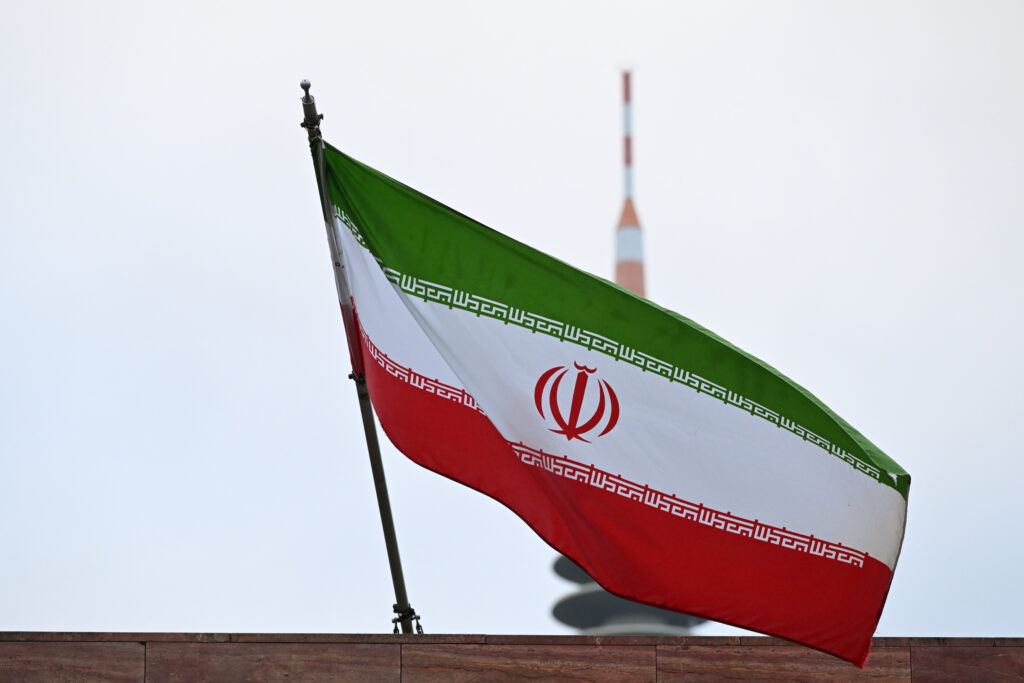
Iran on Wednesday executed a man convicted of spying for Israel, in defiance of pleas from his family and activists for his life to be spared after what they described as an unfair trial.Pedram Madani, 41, was hanged in Ghezelhesar prison in Karaj outside Tehran after earlier this week being transferred from Evin prison in the capital where he had been held following his arrest in 2019.He is the second man to be executed by Iran on charges of spying for Israel within two months, amid a surge in executions on all charges which activists say is aimed at instilling fear in the population.The hanging comes against the background of a new period of escalating tensions between Iran and Israel, which the Islamic republic does not recognise, over the Iranian nuclear programme.The judiciary’s Mizan Online website said Madani had been “spying in favour of the Zionist regime”, using the term employed by institutions in the Islamic republic to denote Israel. “Following the complete process of criminal procedure and the final confirmation and upholding of the verdict by the Supreme Court, he was brought to justice and executed,” it said.- ‘Unfair process’ -But activists and his family said that the case against him was deeply flawed and he had notably been denied the right to a lawyer of his choosing during the legal process.Madani “was sentenced to death by the Revolutionary Court without access to a lawyer of his choice, through an unfair and non-transparent process orchestrated by security agencies,” Mahmood Amiry-Moghaddam, the director of Norway-based NGO Iran Human Rights (IHR) which tracks the death penalty in Iran, told AFP.”The Islamic Republic’s goal in executing Pedram Madani and others who are hanged daily is solely to instill fear within society and to conceal the regime’s widespread corruption and systemic failures.”The Dadban legal monitor said in a statement on social media that in such a trial before a Revolutionary Court the defendant is denied the possibility of defending himself and the judge also has “no option” of rejecting the case.”It is more than a legal accusation — it is a charge used as a tool to issue and carry out the death penalty,” it said.In a video posted on Tuesday by IHR and other groups warning of the risk of the imminent execution, his mother described Madani as a “man who loves his country and loves his family.””My son’s case is full of flaws and his death sentence must be revoked,” she said.- ‘False confessions’ -There had on the eve of the execution been numerous pleas from Iranian campaigners for his life to be spared, including from Nobel peace prize winner Narges Mohammadi, currently on temporary release from serving her own prison sentence.”The Islamic republic uses the death penalty as a tool to instill fear and intensify repression against the people,” she said in a video statement.”There was not even a chosen lawyer on the case. Pedram’s cellmates testify he confessed falsely and under pressure. In Revolutionary Courts these false confessions serve as the basis of death sentences,” she added.According to Mizan, Madani was accused of transmitting classified information and holding meetings with Mossad officers abroad, including in Brussels.The judiciary said he had travelled to “the occupied territories” —  the term used by Iranian officials to describe Israel — prior to his arrest in 2020–2021.He was also convicted of acquiring “illicit wealth” by receiving euros and bitcoin from Israel.In April, Iran executed Mohsen Langarneshin for allegedly aiding Mossad in the 2022 killing of an Islamic Revolutionary Guards colonel in Tehran.Rights groups including IHR have said Langarneshin was executed after an unfair trial and a confession extracted under torture.According to IHR, there have been at least 478 executions in Iran this year alone, including more than 60 hangings in the last 10 days.