Asian markets rise as traders eye possible Trump-Xi talks

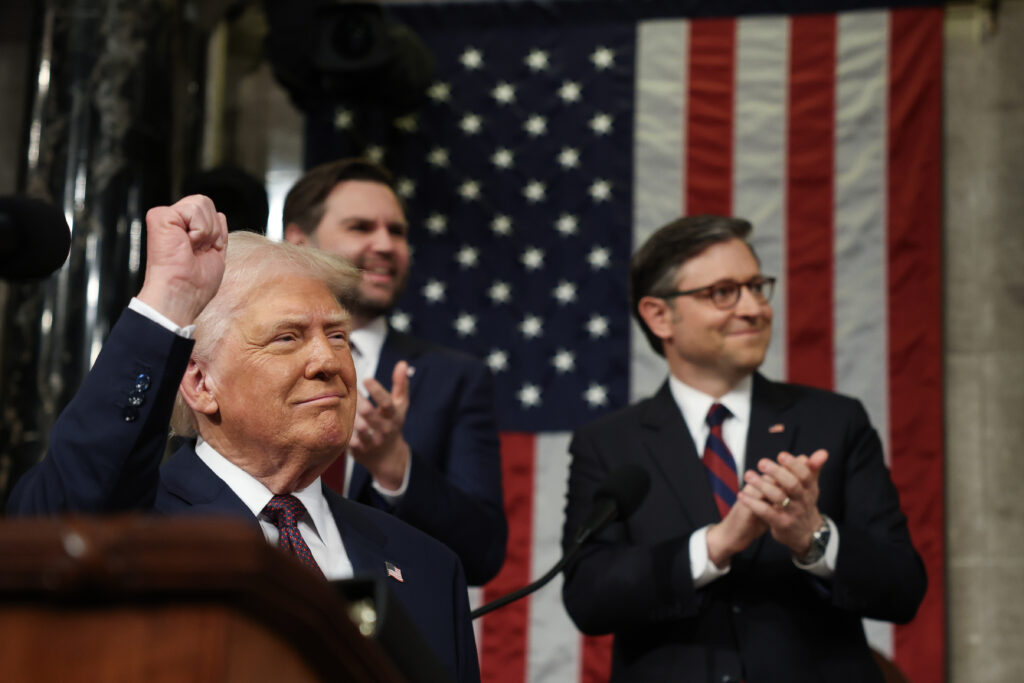
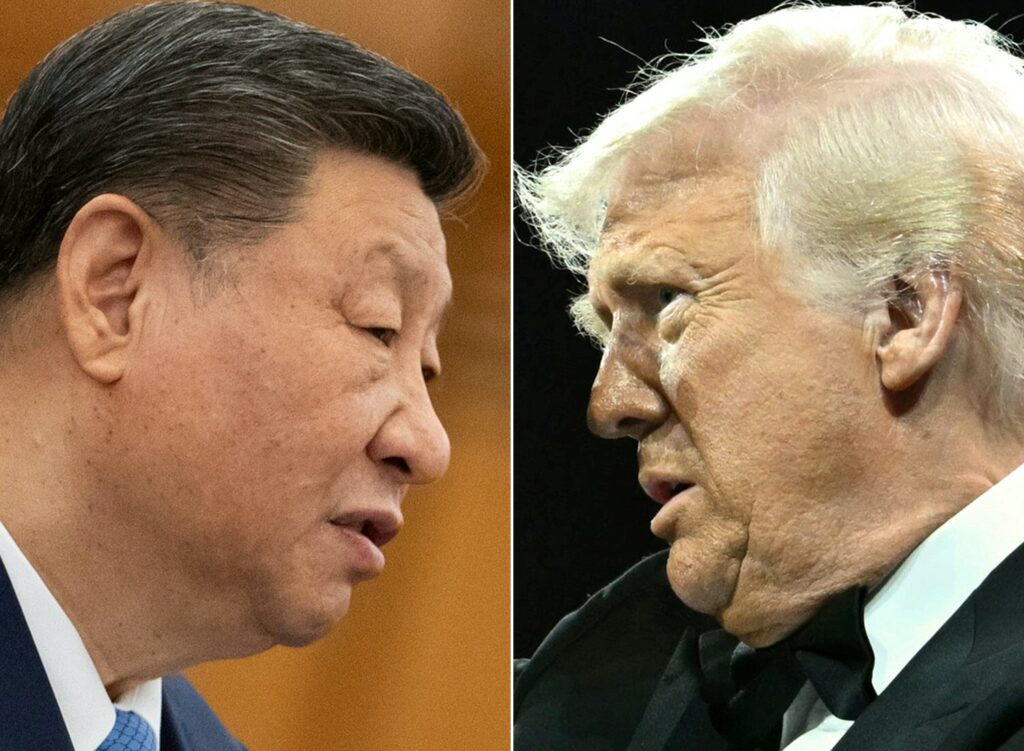
Asian stocks rallied Tuesday as investors kept tabs on developments in the China-US trade war amid speculation the countries’ leaders will hold talks soon.After a period of relative calm on the tariff front, Donald Trump at the weekend accused Beijing of violating last month’s deal to slash huge tit-for-tat levies and threatened to double tolls on steel and aluminium.The moves jolted Asian markets on Monday, but hopes that the US president will speak with Chinese counterpart Xi Jinping — possibly this week — has given investors some hope for a positive outcome.Meanwhile, oil prices extended Monday’s surge on a weak dollar and Ukraine’s strike on Russian bombers parked deep inside the country that stoked geopolitical concerns as well as stuttering US-Iran nuclear talks.Trump has expressed confidence that a talk with Xi could ease trade tensions, even after his latest volley against the Asian superpower threatened their weeks-old tariff truce.”They violated a big part of the agreement we made,” he said Friday. “But I’m sure that I’ll speak to President Xi, and hopefully we’ll work that out.”It is unclear if Xi is keen on a conversation — the last known call between them was in the days before Trump’s inauguration in January — but the US president’s economic adviser Kevin Hassett signalled on Sunday that officials were anticipating something this week.US Treasury Secretary Scott Bessent — who last week warned negotiations with China were “a bit stalled” — said at the weekend the leaders could speak “very soon”.Officials from both sides are set for talks on the sidelines of an Organisation for Economic Co-operation and Development (OECD) ministerial meeting in Paris on Wednesday.While there has been no movement on the issue, investors took the opportunity on Tuesday to pick up recently sold shares.Hong Kong gained more than one percent while Shanghai returned from a long weekend on the front foot.There were also gains in Tokyo, Sydney, Wellington, Singapore, Taipei and Manila. Seoul was closed for a presidential election.- Deals queued up? -The advances followed a positive day on Wall Street led by tech giants in the wake of a forecast-beating earnings report from chip titan Nvidia.Still, National Australia Bank’s Rodrigo Catril remained nervous after Trump’s latest salvos.”The lift in tariffs is creating another layer of uncertainty and tension,” he wrote in a commentary.”European articles suggest the lift in tariffs doesn’t bode well for negotiations with the region (and) UK steelmakers call Trump doubling tariffs ‘another body blow’,” he added.”The steel and aluminium tariffs also apply to Canada, so they will likely elicit some form of retaliation from there and while US-China trade negotiations are deteriorating due to rare earth, student visas and tech restrictions, steel tariffs will also affect China.”Separately, US Commerce Secretary Howard Lutnick on Monday voiced optimism for a trade deal with India “in the not too distant future”, adding that he was “very optimistic”.And Japanese trade point man Ryosei Akazawa is eyeing another trip to Washington for more negotiations amid speculation of a deal as early as this month.Also in focus is Trump’s signature “big, beautiful bill” that is headlined by tax cuts slated to add up to $3 trillion to the nation’s debt.Senators have started weeks of what is certain to be fierce debate over the mammoth policy package, which partially covers an extension of Trump’s 2017 tax relief through budget cuts projected to strip health care from millions of low-income Americans.Oil prices extended Monday’s surge that saw West Texas Intermediate briefly jump five percent on concerns about an escalation of the Russia-Ukraine conflict and suggestions Washington could hit Moscow with stricter sanctions.That compounded news that the OPEC+ producers’ grouping had agreed a smaller-than-expected increase in crude production.Traders were also monitoring tensions over Iran’s nuclear programme after Tehran said it would not accept an agreement that deprives it of what it calls “peaceful activities”.- Key figures at around 0230 GMT -Tokyo – Nikkei 225: UP 0.2 percent at 37,546.85 (break)Hong Kong – Hang Seng Index: UP 1.2 percent at 23,425.37Shanghai – Composite: UP 0.2 percent at 3,352.06Euro/dollar: DOWN at $1.1431 from $1.1443 on MondayPound/dollar: DOWN at $1.3532 from $1.3548Dollar/yen: UP at 143.05 yen from 142.71 yenEuro/pound: UP at 84.48 pence from 84.46 penceWest Texas Intermediate: UP 1.0 percent at $63.16 per barrelBrent North Sea Crude: UP 0.9 percent at $65.22 per barrelNew York – Dow: UP 0.1 percent at 42,305.48 points (close)London – FTSE 100: FLAT at 8,774.26 (close)
Pakistan to play in Sri Lanka at India-hosted Women’s World Cup

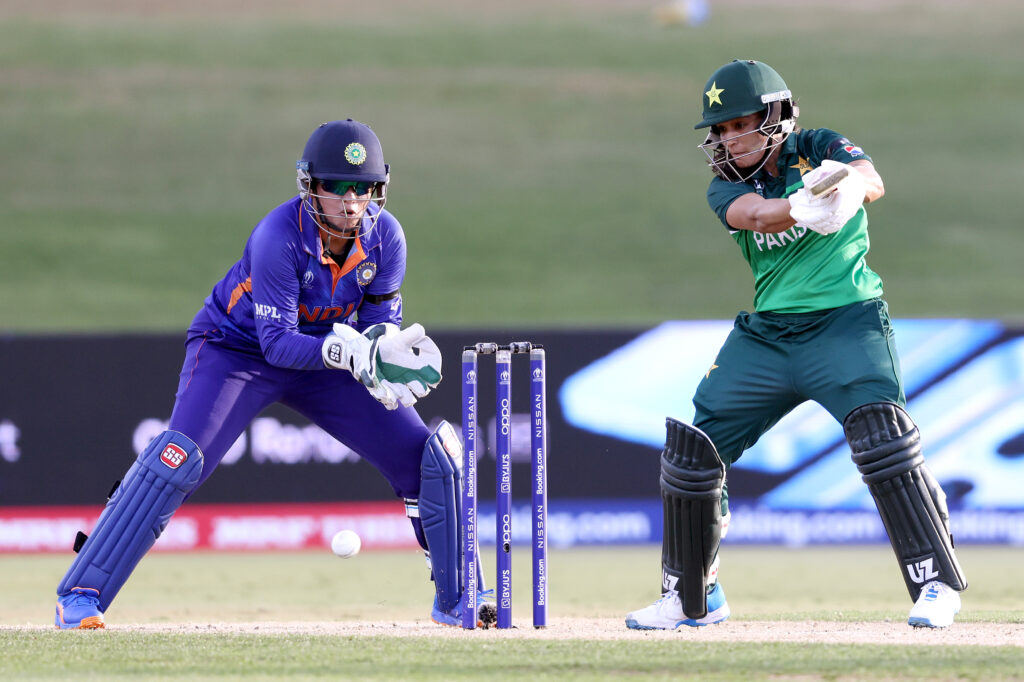
Pakistan will play their matches at this year’s Women’s Cricket World Cup in Sri Lanka under an International Cricket Council deal that allows them to avoid playing in host nation India.The refusal of India to travel to Pakistan for the men’s Champions Trophy earlier this year resulted in the ICC introducing neutral venues to tournaments hosted by either of the neighbouring countries.Nuclear-armed India and Pakistan were last month involved in a four-day military conflict, their worst since 1999, before a ceasefire was agreed.Sri Lanka’s Colombo will join Indian host cities Bengaluru, Guwahati, Indore and Visakhapatnam in staging matches from September 30 until the final of the 50-over tournament on November 2, the ICC announced late on Monday. Colombo will be Pakistan’s home for seven group games.The first semi-final will take place in either Guwahati or Colombo, if Pakistan progress that far, on October 29 with the second semi-final a day later in Bengaluru.The final will be in either Bengaluru or Colombo on Sunday, November 2.”The venues for the knockouts are dependent on Pakistan qualifying”, the ICC said in a statement.”Two alternative venues have been identified for one semi-final and the final.”Eight teams will contest the World Cup — Australia, Bangladesh, England, India, New Zealand, Pakistan, South Africa and Sri Lanka. Australia beat England by 71 runs in the final of the last Women’s World Cup, hosted by New Zealand in 2022.

Lebanon on bumpy road to public transport revival

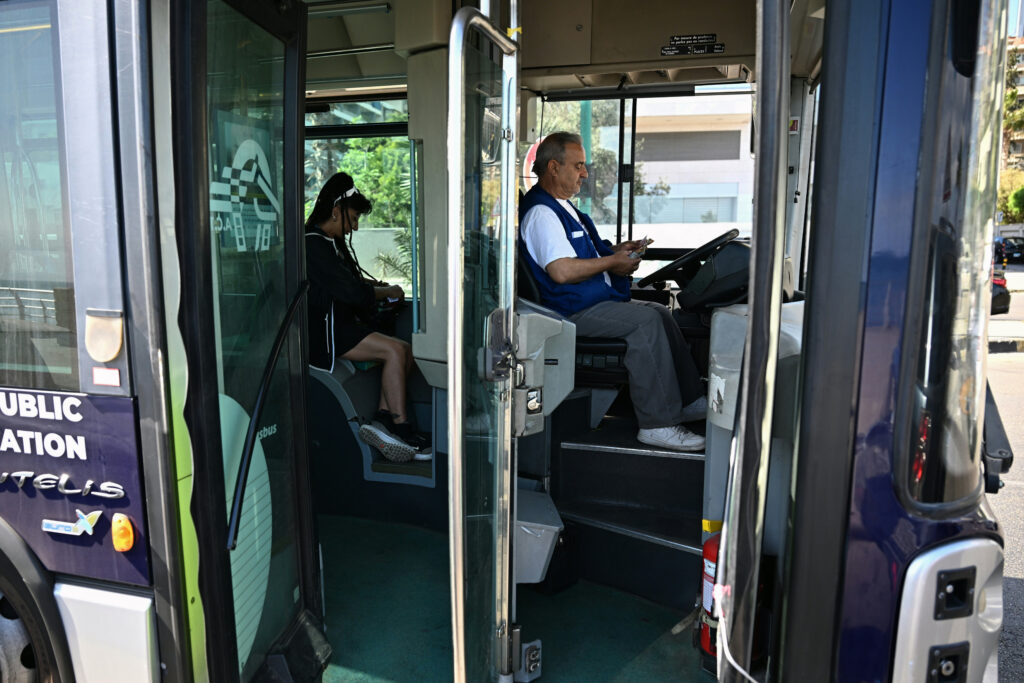
On Beirut’s chaotic, car-choked streets, Lebanese student Fatima Fakih rides a shiny purple bus to university, one of a fleet rolled out by authorities to revive public transport in a country struggling to deliver basic services.The 19-year-old says the spacious public buses are “safer, better and more comfortable”, than the informal network of private buses and minivans that have long substituted for mass transport.”I have my bus card — I don’t have to have money with me,” she added, a major innovation in Lebanon, where cash is king and many private buses and minivans have no tickets at all.Lebanon’s public transport system never recovered from the devastating 1975–1990 civil war that left the country in ruins, and in the decades since, car culture has flourished.Even before the economic crisis that began in 2019 — plunged much of the population into poverty and sent transport costs soaring — the country was running on empty, grappling with crumbling power, water and road infrastructure. But public buses, now equipped with GPS tracking, have been slowly returning. They operate along 11 routes — mostly in greater Beirut but also reaching north, south and east Lebanon — with a private company managing operations. Fares start at about 80 cents.- Pre-war tram, trains -Passengers told AFP the buses were not only safer and more cost-effective, but more environmentally friendly. They also offer a respite from driving on Lebanon’s largely lawless, potholed roads, where mopeds hurtle in all directions and traffic lights are scarce.The system officially launched last July, during more than a year of hostilities between Israel and militant group Hezbollah that later slammed the brakes on some services.Ali Daoud, 76, who remembers Lebanon’s long-defunct trains and trams, said the public bus was “orderly and organised” during his first ride. The World Bank’s Beirut office told AFP that Lebanon’s “reliance on private vehicles is increasingly unsustainable”, noting rising poverty rates and vehicle operation costs.Ziad Nasr, head of Lebanon’s public transport authority, said passenger numbers now averaged around 4,500 a day, up from just a few hundred at launch.He said authorities hope to extend the network, including to Beirut airport, noting the need for more buses, and welcoming any international support.France donated around half of the almost 100 buses now in circulation in 2022.Consultant and transport expert Tammam Nakkash said he hoped the buses would be “a good start” but expressed concern at issues including the competition.Private buses and minivans — many of them dilapidated and barrelling down the road at breakneck speed — cost similar to the public buses.Shared taxis are also ubiquitous, with fares starting at around $2 for short trips.Several incidents of violence targeted the new public buses around their launch last year.- Environment -Student and worker Daniel Imad, 19, said he welcomed the idea of public buses but had not tried them yet.People “can go where they want for a low price” by taking shared taxis, he said before climbing into a one at a busy Beirut intersection.Public transport could also have environmental benefits in Lebanon, where climate concerns often take a back seat to daily challenges like long power blackouts.A World Bank climate and development report last year said the transport sector was Lebanon’s second-biggest contributor to greenhouse gas and air pollution, accounting for a quarter of emissions, only behind the energy sector.Some smaller initiatives have also popped up, including four hybrid buses in east Lebanon’s Zahle.Nabil Mneimne from the United Nations Development Programme said Lebanon’s first fully electric buses with a solar charging system were set to launch this year, running between Beirut and Jbeil (Byblos) further north.In the capital, university student Fakih encouraged everyone to take public buses, “also to protect the environment”.Beirut residents often complain of poor air quality due to heavy traffic and private, diesel-fuelled electricity generators that operate during power outages.”We don’t talk about this a lot but it’s very important,” she said, arguing that things could improve in the city “if we all took public transport”.

Six months after deposing Assad, Syria faces security, economic challenges

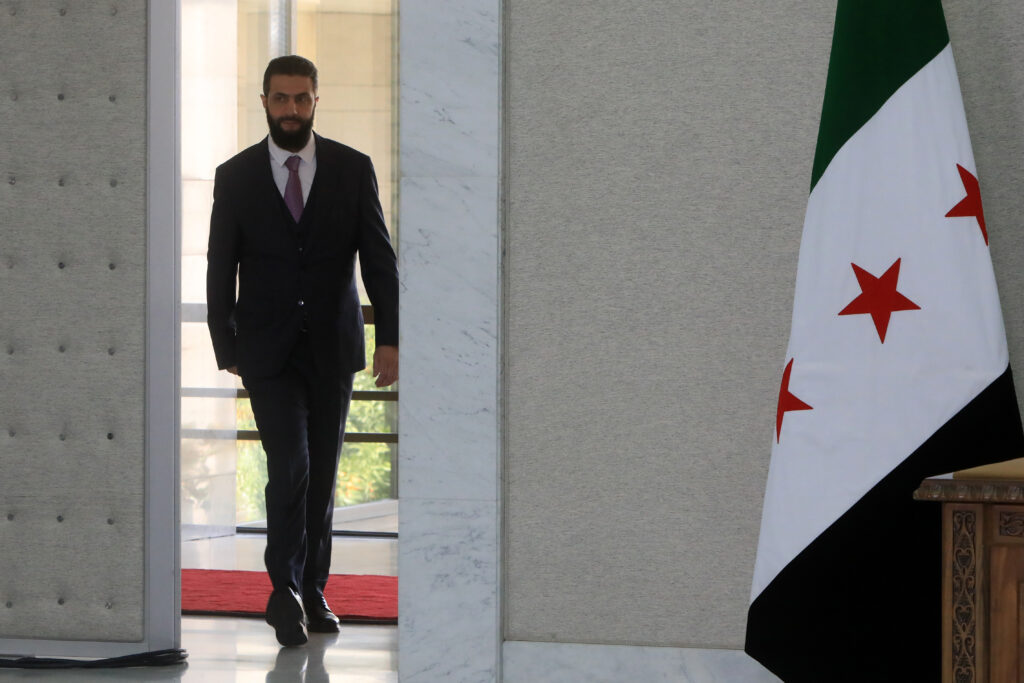
Syria’s interim President Ahmed al-Sharaa has in six months established himself internationally and had crippling sanctions removed, but still needs to rebuild national institutions, revive the economy and unite the fractured country.AFP looks at the main challenges facing Sharaa, whose Islamist-led coalition toppled longtime Syrian ruler Bashar al-Assad on December 8.- State building -After ousting Assad, Sharaa has had to navigate four political entities, each with their own civil, economic, judicial and military organisation: the central government in Damascus, the incumbent president’s former rebel authority in the northwest, Turkey-backed groups in the north, and a Kurdish-led autonomous administration in the northeast.Radwan Ziadeh, executive director of the Washington-based Syrian Center for Political and Strategic Studies, said that creating relative stability in this fragile context was “a significant accomplishment” for Sharaa.But guaranteeing the success of the five-year transitional phase will be “the most difficult challenge”, Ziadeh said.The new authorities’ ability to maintain stability was cast into doubt when deadly sectarian clashes hit the Syrian coast in March and the Damascus area the following month.More than 1,700 people were killed in the coastal violence, mostly members of the Alawite minority to which Assad belongs, according to the Syrian Observatory for Human Rights monitor. The clashes near Damascus involved the Druze minority.The treatment of minorities remains “one of the greatest internal challenges”, Ziadeh said, as “building trust between different components requires great political effort to ensure coexistence and national unity”.Badran Ciya Kurd, a senior official in the Kurdish-led administration in the northeast which seeks a decentralised Syrian state, warned against “security and military solutions” to political issues.The transitional government should “become more open to accepting Syrian components… and involving them in the political process”, Kurd told AFP, calling for an inclusive constitution that would form the basis for a democratic system.US Secretary of State Marco Rubio warned last month that Syrian authorities could be weeks away from a “full-scale civil war” due to the acute challenges they faced.Sharaa’s “greatest challenge is charting a path forward that all Syrians want to be part of, and doing so quickly enough without being reckless”, said Neil Quilliam, associate fellow at the Chatham House think tank.- Security -There are pressing security challenges, with kidnappings, arrests and killings sometimes blamed on government-linked factions reported by the Syrian Observatory and on social media.The recent bouts of sectarian violence have raised concerns over Sharaa’s ability to keep radical fighters among his forces’ ranks in check.Washington wants foreign jihadists to leave the country, but Sharaa may find it difficult to let go of fighters who stood by his side for years, and some countries refuse to take them back.Six foreign fighters have been promoted in the new defence ministry, sparking international criticism. A Syrian source with knowledge of the matter said however that Damascus had told the United States it would freeze the promotions.Washington also wants the Syrian government to take control of Kurdish-run prisons and camps where thousands of suspected Islamic State group jihadists and their relatives are detained, but Damascus lacks the personnel to manage them.- Economy, diplomacy -Sharaa is leading a country battered by 14 years of civil war, with its economy depleted, infrastructure destroyed and most people living in poverty.Under the new authorities, Syria has seen an increased availability of fuel and goods including certain fruits whose import had previously been near impossible.After Western governments lifted many sanctions, Sharaa’s priority now is fighting poverty in order to “stabilise the country and avoid problems”, according to a source close to the president.Economist Karam Shaar said that beyond political stability which is essential for economic growth, other obstacles include “the regulatory framework and the set of laws necessary for investment, which unfortunately seem vague in many parts”.Authorities have said they were studying legislation that could facilitate investments, while seeking to attract foreign capital.Rehabilitating Syria’s infrastructure is key to encouraging millions of refugees to return home, a major demand from neighbouring countries and others in Europe.Syria must also contend with neighbouring Israel, which has carried out attacks and incursions since December.According to Quilliam, Damascus is “light years away from considering normalisation” with Israel — a prospect pushed by Washington, after several other Arab states have done so in recent years.Syria has admitted it held indirect talks with Israel, but the government has avoided taking a stance on normalisation.

Accusé de corruption, le Premier ministre mongol perd un vote de confiance et démissionne

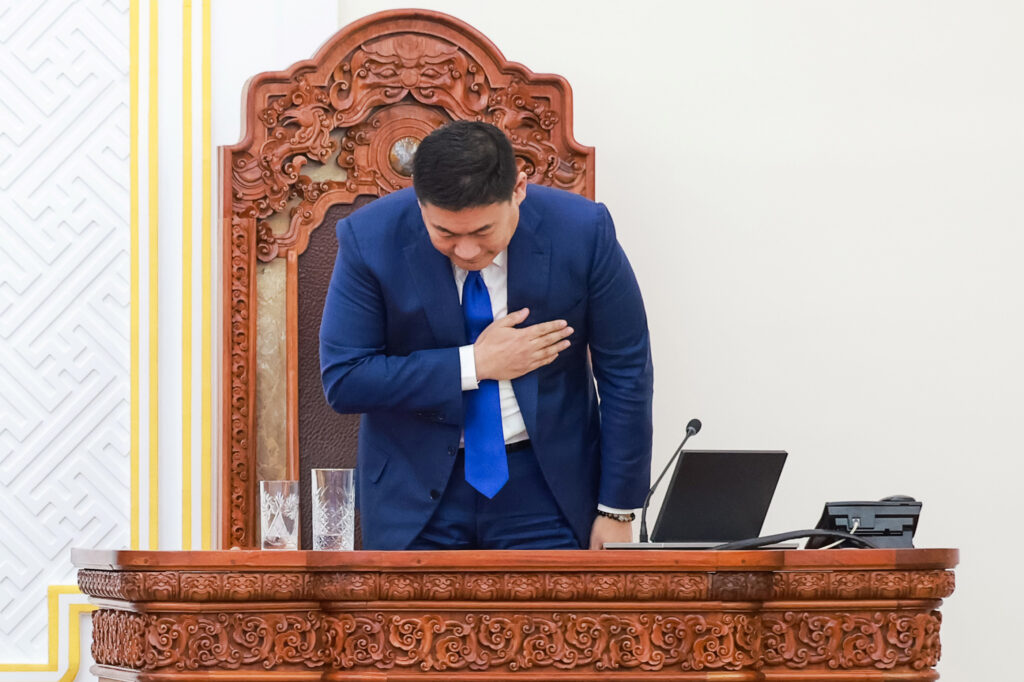
Le Premier ministre mongol Luvsannamsrain Oyun-Erdene a démissionné mardi, prenant acte d’une motion de censure approuvée par les députés mongols, après des semaines de manifestations dans la capitale contre la corruption présumée du dirigeant.”Ce fut un honneur de servir mon pays et mon peuple dans des périodes difficiles, (avec) notamment des pandémies, des guerres et des droits de douane”, a déclaré M. Oyun-Erdene après l’annonce du résultat du vote, en faisant référence à la pandémieCet ex-avocat de 44 ans restera Premier ministre intérimaire jusqu’à ce que son successeur soit nommé dans les 30 jours, indique un communiqué du Parlement.Lors de ce vote à bulletin secret, le dirigeant mongol n’a obtenu le soutien que de 44 députés, tandis que 38 ont voté contre lui. Il lui fallait une majorité de 64 voix pour l’emporter.La Mongolie, vaste pays de 3,4 millions d’habitants enclavé entre la Chine et la Russie, dispose de ressources naturelles abondantes mais est confrontée depuis des décennies à une corruption endémique qui gangrène ses institutions.Une partie de la population estime que les richesses issues de l’exploitation minière, notamment du charbon, sont accaparées par une élite politique et économique restreinte.Ces tensions ont ressurgi le mois dernier après des révélations sur les dépenses exubérantes du fils du Premier ministre, qui ont déclenché des manifestations dans la capitale, Oulan-Bator.Dans une déclaration à l’AFP, le bureau du Premier ministre avait affirmé en mai qu’il niait “avec véhémence” les allégations d’irrégularités, les qualifiant de “diffamation”.Sous la direction de M. Oyun-Erdene, au pouvoir depuis 2021, la Mongolie a dégringolé dans l’indice de perception de la corruption de Transparency International.- Pression de la rue -La démission du Premier ministre mongol survient après plusieurs semaines de manifestations à Oulan-Bator qui réclamaient son départ.La veille du vote de confiance, des centaines de jeunes manifestants se sont réunis sur le parvis du Parlement en brandissant des pancartes clamant “Il est facile de démissionner”.”La raison pour laquelle je suis venu est que je souhaite une vie différente, une société différente”, a déclaré lundi à l’AFP Yroolt, un créateur de contenu âgé de 30 ans, n’acceptant de dévoiler que son prénom.”Nous savons tous que l’injustice est profondément ancrée dans notre société, mais il est temps que cela change”, a-t-il estimé.Ces soupçons de corruption font plus largement écho aux inquiétudes de la jeunesse quant à leurs perspectives économiques et à la hausse du coût de la vie.Le démission de M. Oyun-Erdene plonge le pays dans une grande incertitude.La Mongolie est dirigée depuis le scrutin de l’an dernier par un gouvernement de coalition à trois partis, mis en place après que le Parti du peuple mongol de Luvsannamsrain Oyun-Erdene a perdu une part importante de sa majorité.Mais le mois dernier, le PPM a exclu de la coalition la deuxième force politique, le Parti démocrate, après que certains de ses jeunes députés ont soutenu les appels à la démission du Premier ministre.Ce revirement avait accentué des divisions politiques déjà profondes.

Trump ‘open’ to meeting Ukraine, Russia leaders to push ceasefire

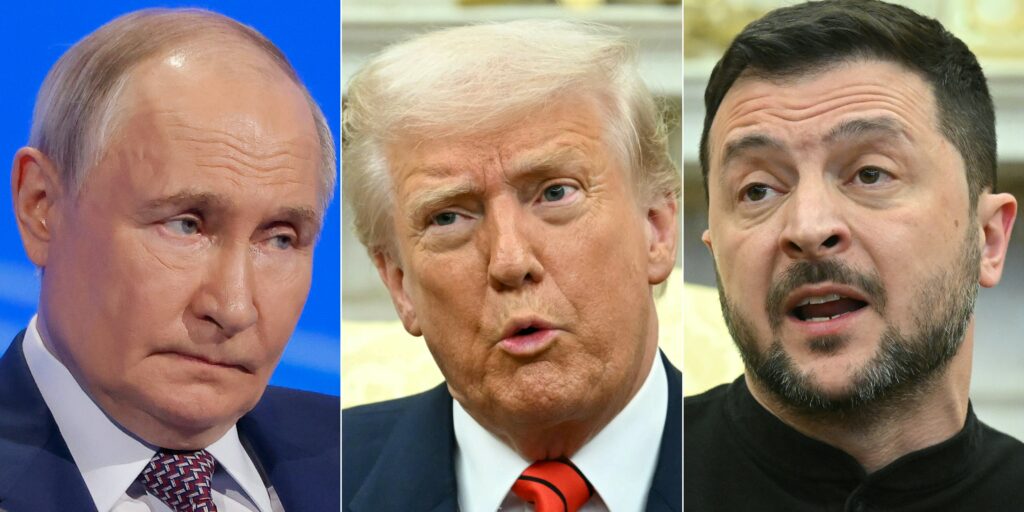
US President Donald Trump is “open” to meeting his Russian and Ukrainian counterparts in Turkey, the White House said, after the two sides failed on Monday to make headway towards an elusive ceasefire.Delegations from both sides did, however, agree another large-scale prisoner exchange in their meeting in Istanbul, which in mid-May also hosted their first round of face-to-face talks.Turkish President Recep Tayyip Erdogan proposed that Russian President Vladimir Putin, Ukrainian President Volodymyr Zelensky and Trump come together for a third round later this month in either Istanbul or Ankara.Putin has so far refused such a meeting. But Zelensky has said he is willing, underlining that key issues can only be resolved at leaders-level.Trump, who wants a swift end to the three-year war, is “open” to a three-way summit “if it comes to that, but he wants both of these leaders and both sides to come to the table together”, White House spokeswoman Karoline Leavitt said in Washington.But despite Trump’s willingness to meet with Putin and Zelensky, no US representative took part in Monday’s talks in Istanbul, according to a State Department spokesperson.Zelensky said that, “We are very much awaiting strong steps from the United States” and urged Trump to toughen sanctions on Russia to “push” it to agree to a full ceasefire. In Monday’s meeting, Ukraine said that Moscow had rejected its call for an unconditional ceasefire. It offered instead a partial truce of two to three days in some areas of the frontline.Russia will only agree a full ceasefire if Ukrainian troops pull back entirely from four regions — Donetsk, Lugansk, Zaporizhzhia and Kherson — according to its negotiating terms reported on by Russian state media. Russia currently only partly controls those regions.Moscow has also demanded a ban on Kyiv joining NATO, limiting Ukraine’s military and ending Western military support.- Prisoner swap -Top negotiators from both sides agreed to swap all severely wounded soldiers and captured fighters under the age of 25.Russia’s lead negotiator Vladimir Medinsky said it would involve “at least 1,000″ on each side. The two sides also agreed to hand over the bodies of 6,000 soldiers, Ukraine said after the talks.”The Russian side continued to reject the motion of an unconditional ceasefire,” Ukraine’s Deputy Foreign Minister Sergiy Kyslytsya told reporters after the talks.Russia said it had offered a limited pause in fighting.”We have proposed a specific ceasefire for two to three days in certain areas of the front line,” Medinsky said, adding that this was needed to collect the bodies of dead soldiers from the battlefield. Zelensky hit back on social media: “I think ‘idiots’, because the whole point of a ceasefire is to stop people from becoming dead in the first place.”Kyiv said it would study a document the Russian side handed its negotiators outlining its demands for both peace and a full ceasefire.Zelensky said after the Istanbul talks concluded that any deal for lasting peace must not “reward” Putin, and has called for an immediate and unconditional ceasefire to cover combat on air, sea and land.- ‘Constructive atmosphere’ -Ukrainian Defence Minister Rustem Umerov, who led his country’s delegation, called for a next meeting to take place before the end of June. He also said a Putin-Zelensky summit should be discussed.Turkish Foreign Minister Hakan Fidan said after the talks — inside a luxury hotel on the banks of the Bosphorus — that they were held “in a constructive atmosphere”.”During the meeting, the parties decided to continue preparations for a possible meeting at the leader level,” Fidan said on social media.Tens of thousands have been killed since Russia launched its full-scale invasion of Ukraine, with swathes of eastern and southern Ukraine destroyed and millions forced to flee their homes in Europe’s largest refugee crisis since World War II.In the front-line town of Dobropillya in eastern Ukraine, 53-year-old Volodymyr told AFP he had no hope left for an end to the conflict.”We thought that everything would stop. And now there is nothing to wait for. We have no home, nothing. We were almost killed by drones,” he said.After months of setbacks for Kyiv’s military, Ukraine said it had carried out an audacious attack on Sunday, smuggling drones into Russia and then firing them at airbases, damaging around 40 strategic Russian bombers worth $7 billion in a major special operation.

Russes et Ukrainiens vont échanger tous leurs prisonniers jeunes ou blessés

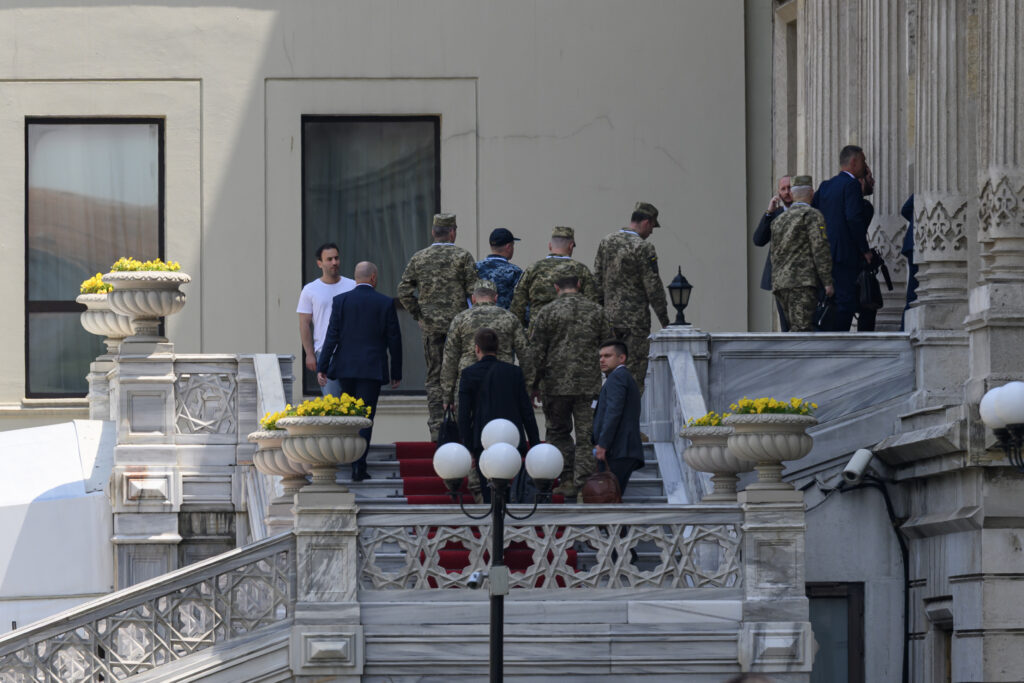
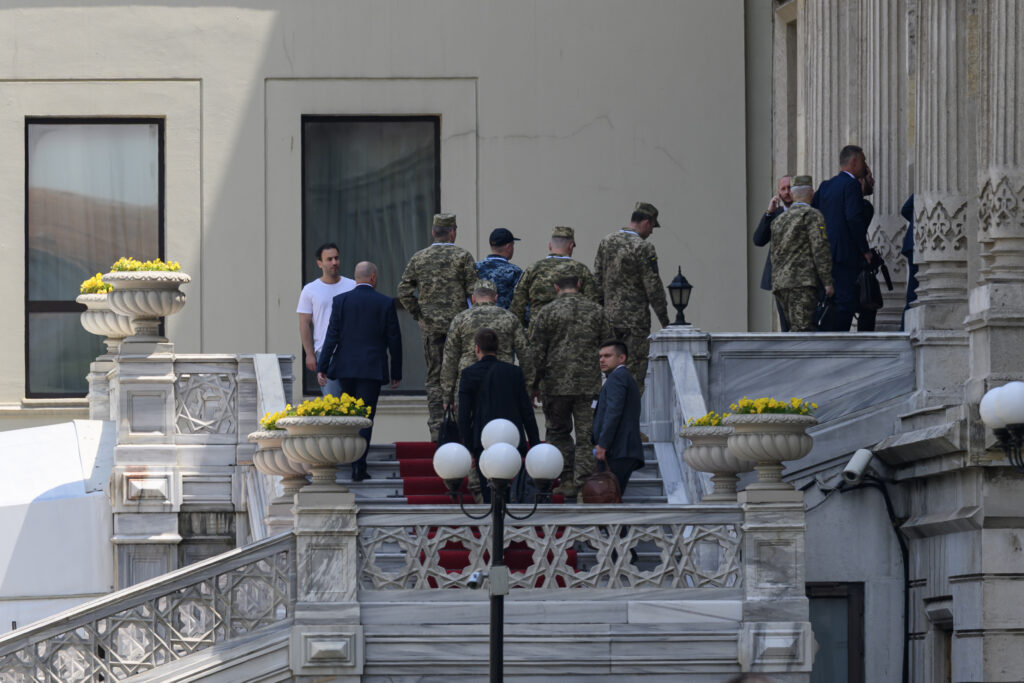
Russes et Ukrainiens sont convenus lundi, à l’issue de nouveaux pourparlers à Istanbul, d’échanger tous leurs prisonniers de guerre de moins de 25 ans ou grièvement blessés, ainsi que des milliers de corps de soldats tués, sans parvenir à s’accorder sur un cessez-le-feu.Ces discussions sous médiation turque n’ont duré qu’une heure au palais Ciragan d’Istanbul, mais l’Ukraine a proposé une nouvelle rencontre à la Russie “entre le 20 et le 30 juin”, a précisé le négociateur en chef ukrainien, le ministre de la Défense Roustem Oumerov.Lundi soir, le président turc Recep Tayyip Erdogan a de nouveau proposé de réunir en sommet les présidents russe, ukrainien et américain, “à Istanbul ou Ankara”. Aucun représentant américain n’a participé aux discussions de lundi, a indiqué un porte-parole du département d’Etat. Mais le président Donald Trump reste “prêt” à se rendre en Turquie, selon Karoline Leavitt, sa porte-parole.Cette deuxième session de négociations directes entre Kiev et Moscou intervenait au lendemain d’une attaque ukrainienne de drones d’une ampleur inédite contre l’aviation militaire russe, et l’explosion de deux ponts en Russie, qui ont provoqué des accidents de trains, dont l’un a fait sept morts.Résultat des pourparlers: les deux belligérants sont convenus “d’échanger tous les prisonniers de guerre grièvement blessés et gravement malades”, ainsi que “les jeunes soldats âgés de 18 à 25 ans”, a-t-il ajouté.M. Oumerov a aussi indiqué que Moscou et Kiev échangeraient “6.000 contre 6.000” corps de soldats tués au combat, ce qui a été confirmé par le négociateur russe Vladimir Medinski, qui a cependant dit ne pas savoir combien de dépouilles détenaient les Ukrainiens.La Russie a en revanche une nouvelle fois rejeté la proposition d’un cessez-le-feu inconditionnel, selon Kiev. Moscou estime qu’une telle initiative permettrait à l’Ukraine de se réarmer grâce aux livraisons d’armes occidentales avant de nouvelles hostilités.- “Avoir du répit” -M. Medinski a toutefois indiqué avoir proposé à l’Ukraine un cessez-le-feu partiel de “deux-trois jours” sur certaines portions du front.Une proposition critiquée par Volodymyr Zelensky sur X, soulignant que “tout l’objectif d’un cessez-le-feu, c’est de faire en sorte que les gens cessent de mourir en premier lieu”. “Pour eux, il s’agit juste d’une courte pause dans la guerre”, a-t-il déploré.La délégation russe a par ailleurs remis aux Ukrainiens un mémorandum sur “les moyens d’instaurer une paix durable” et “les mesures à prendre pour parvenir à un cessez-le-feu complet”, a précisé le négociateur russe.Selon ce mémorandum, publié par les agences de presse russes, Moscou demande à Kiev de retirer ses troupes des quatre régions d’Ukraine dont la Russie revendique l’annexion avant tout cessez-le-feu global.Le ministre turc des Affaires étrangères Hakan Fidan a salué sur X une “atmosphère constructive” pendant la réunion d’Istanbul. Les parties vont “commencer à travailler au niveau technique sur ces textes dans les prochains jours”, a-t-il ajouté.Enfin, l’Ukraine a indiqué avoir transmis à Moscou une liste de centaines d’enfants ukrainiens qui, selon Kiev, ont été “déportés” par la Russie et dont elle exige le rapatriement.Une première séance de pourparlers en Turquie le 16 mai avait déjà mené à un échange de prisonniers de 1.000 personnes dans chaque camp, sans aboutir à un cessez-le-feu.Près du front dans l’est de l’Ukraine, à Dobropillia, les habitants interrogés par l’AFP avaient confié n’avoir aucun espoir que les négociations d’Istanbul aboutissent à la paix.Volodymyr, 53 ans, n’aurait de toute façon nulle part où aller, son village situé près de Tchassiv Iar – une ville au cœur des combats depuis des mois – ayant été “réduit en cendres”.A Kramatorsk, la grande ville de la région, un militaire ukrainien pense aussi que la guerre “va continuer encore et encore”.”Ce serait formidable s’ils pouvaient se mettre d’accord pour arrêter, pour avoir une sorte de répit, afin que nous puissions récupérer nos gars, ceux qui sont morts, et que les gars cessent de mourir”, ajoute ce soldat, sous couvert d’anonymat lui aussi.- Positions inconciliables -Ces pourparlers interviennent au lendemain d’une attaque inédite contre quatre aérodromes militaires russes, lors de laquelle les Ukrainiens ont lancé des drones explosifs introduits clandestinement en Russie, détruisant ou endommageant de nombreux avions, y compris à des milliers de kilomètres du front.Dans certains secteurs du front en revanche, Kiev est à la peine, les troupes de Moscou ayant progressé ces derniers jours, notamment dans la région ukrainienne de Soumy (nord).Les deux parties sont très loin d’un accord, que ce soit une trêve ou un règlement à plus long terme.Le président ukrainien, Volodymyr Zelensky, a martelé lundi que Vladimir Poutine ne devait “rien obtenir” de son invasion. Il souhaite également une rencontre directe avec son homologue russe, perspective que le Kremlin a repoussée plusieurs fois.”Nous attendons avec impatience des mesures fortes de la part des Etats-Unis”, a par ailleurs réagi sur X le chef de l’Etat ukrainien. Il avait exhorté la semaine dernière Washington à imposer de nouvelles sanctions contre Moscou.La Russie insiste de son côté pour régler les “causes profondes” du conflit. Elle exige notamment que l’Ukraine renonce à rejoindre l’Otan.Ces conditions sont inacceptables pour Kiev, qui veut un retrait pur et simple des troupes russes de son territoire, ainsi que des garanties de sécurité concrètes, appuyées par les Occidentaux, comme la protection de l’Otan ou la présence de troupes occidentales sur le terrain, ce que Moscou exclut.

Russes et Ukrainiens vont échanger tous leurs prisonniers jeunes ou blessés

Russes et Ukrainiens sont convenus lundi, à l’issue de nouveaux pourparlers à Istanbul, d’échanger tous leurs prisonniers de guerre de moins de 25 ans ou grièvement blessés, ainsi que des milliers de corps de soldats tués, sans parvenir à s’accorder sur un cessez-le-feu.Ces discussions sous médiation turque n’ont duré qu’une heure au palais Ciragan d’Istanbul, mais l’Ukraine a proposé une nouvelle rencontre à la Russie “entre le 20 et le 30 juin”, a précisé le négociateur en chef ukrainien, le ministre de la Défense Roustem Oumerov.Lundi soir, le président turc Recep Tayyip Erdogan a de nouveau proposé de réunir en sommet les présidents russe, ukrainien et américain, “à Istanbul ou Ankara”. Aucun représentant américain n’a participé aux discussions de lundi, a indiqué un porte-parole du département d’Etat. Mais le président Donald Trump reste “prêt” à se rendre en Turquie, selon Karoline Leavitt, sa porte-parole.Cette deuxième session de négociations directes entre Kiev et Moscou intervenait au lendemain d’une attaque ukrainienne de drones d’une ampleur inédite contre l’aviation militaire russe, et l’explosion de deux ponts en Russie, qui ont provoqué des accidents de trains, dont l’un a fait sept morts.Résultat des pourparlers: les deux belligérants sont convenus “d’échanger tous les prisonniers de guerre grièvement blessés et gravement malades”, ainsi que “les jeunes soldats âgés de 18 à 25 ans”, a-t-il ajouté.M. Oumerov a aussi indiqué que Moscou et Kiev échangeraient “6.000 contre 6.000” corps de soldats tués au combat, ce qui a été confirmé par le négociateur russe Vladimir Medinski, qui a cependant dit ne pas savoir combien de dépouilles détenaient les Ukrainiens.La Russie a en revanche une nouvelle fois rejeté la proposition d’un cessez-le-feu inconditionnel, selon Kiev. Moscou estime qu’une telle initiative permettrait à l’Ukraine de se réarmer grâce aux livraisons d’armes occidentales avant de nouvelles hostilités.- “Avoir du répit” -M. Medinski a toutefois indiqué avoir proposé à l’Ukraine un cessez-le-feu partiel de “deux-trois jours” sur certaines portions du front.Une proposition critiquée par Volodymyr Zelensky sur X, soulignant que “tout l’objectif d’un cessez-le-feu, c’est de faire en sorte que les gens cessent de mourir en premier lieu”. “Pour eux, il s’agit juste d’une courte pause dans la guerre”, a-t-il déploré.La délégation russe a par ailleurs remis aux Ukrainiens un mémorandum sur “les moyens d’instaurer une paix durable” et “les mesures à prendre pour parvenir à un cessez-le-feu complet”, a précisé le négociateur russe.Selon ce mémorandum, publié par les agences de presse russes, Moscou demande à Kiev de retirer ses troupes des quatre régions d’Ukraine dont la Russie revendique l’annexion avant tout cessez-le-feu global.Le ministre turc des Affaires étrangères Hakan Fidan a salué sur X une “atmosphère constructive” pendant la réunion d’Istanbul. Les parties vont “commencer à travailler au niveau technique sur ces textes dans les prochains jours”, a-t-il ajouté.Enfin, l’Ukraine a indiqué avoir transmis à Moscou une liste de centaines d’enfants ukrainiens qui, selon Kiev, ont été “déportés” par la Russie et dont elle exige le rapatriement.Une première séance de pourparlers en Turquie le 16 mai avait déjà mené à un échange de prisonniers de 1.000 personnes dans chaque camp, sans aboutir à un cessez-le-feu.Près du front dans l’est de l’Ukraine, à Dobropillia, les habitants interrogés par l’AFP avaient confié n’avoir aucun espoir que les négociations d’Istanbul aboutissent à la paix.Volodymyr, 53 ans, n’aurait de toute façon nulle part où aller, son village situé près de Tchassiv Iar – une ville au cœur des combats depuis des mois – ayant été “réduit en cendres”.A Kramatorsk, la grande ville de la région, un militaire ukrainien pense aussi que la guerre “va continuer encore et encore”.”Ce serait formidable s’ils pouvaient se mettre d’accord pour arrêter, pour avoir une sorte de répit, afin que nous puissions récupérer nos gars, ceux qui sont morts, et que les gars cessent de mourir”, ajoute ce soldat, sous couvert d’anonymat lui aussi.- Positions inconciliables -Ces pourparlers interviennent au lendemain d’une attaque inédite contre quatre aérodromes militaires russes, lors de laquelle les Ukrainiens ont lancé des drones explosifs introduits clandestinement en Russie, détruisant ou endommageant de nombreux avions, y compris à des milliers de kilomètres du front.Dans certains secteurs du front en revanche, Kiev est à la peine, les troupes de Moscou ayant progressé ces derniers jours, notamment dans la région ukrainienne de Soumy (nord).Les deux parties sont très loin d’un accord, que ce soit une trêve ou un règlement à plus long terme.Le président ukrainien, Volodymyr Zelensky, a martelé lundi que Vladimir Poutine ne devait “rien obtenir” de son invasion. Il souhaite également une rencontre directe avec son homologue russe, perspective que le Kremlin a repoussée plusieurs fois.”Nous attendons avec impatience des mesures fortes de la part des Etats-Unis”, a par ailleurs réagi sur X le chef de l’Etat ukrainien. Il avait exhorté la semaine dernière Washington à imposer de nouvelles sanctions contre Moscou.La Russie insiste de son côté pour régler les “causes profondes” du conflit. Elle exige notamment que l’Ukraine renonce à rejoindre l’Otan.Ces conditions sont inacceptables pour Kiev, qui veut un retrait pur et simple des troupes russes de son territoire, ainsi que des garanties de sécurité concrètes, appuyées par les Occidentaux, comme la protection de l’Otan ou la présence de troupes occidentales sur le terrain, ce que Moscou exclut.

Trump’s mega-bill faces rocky ride in Senate

US senators have begun weeks of what is certain to be fierce debate over the mammoth policy package President Donald Trump hopes will seal his legacy, headlined by tax cuts slated to add up to $3 trillion to the nation’s debt.The Republican leader celebrated when the House passed his “big, beautiful bill,” which partially covers an extension of his 2017 tax relief through budget cuts projected to strip health care from millions of low-income Americans.The Senate now gets to make its own changes, and the upper chamber’s version could make or break Republicans’ 2026 midterm election prospects — and define Trump’s second term.  But the 1,116-page blueprint faces an uphill climb, with moderate Republicans balking at $1.5 trillion in spending cuts while fiscal hawks are blasting the bill as a ticking debt bomb.”We have enough (holdouts) to stop the process until the president gets serious about spending reduction and reducing the deficit,” Senator Ron Johnson, one of half a dozen Republican opponents to the bill, told CNN. Democrats — whose support is not required if Republicans can maintain a united front — have focused on the tax cuts mostly benefiting the rich on the backs of a working class already struggling with high prices. The White House says the legislation will spur robust economic growth to neutralize its potential to blow up America’s already burgeoning debt pile, which has ballooned to $36.9 trillion. But several independent analyses have found that — even taking growth into account — it will add between $2.5 trillion and $3.1 trillion to deficits over the next decade.The nonpartisan Congressional Budget Office, meanwhile, found that the combined effects of tax cuts and cost savings would be a giant transfer of wealth from the poorest 10 percent to the richest 10 percent.Republicans muscled the measure through the House by a single vote on May 22 by a combination of bargaining vote holdouts on policies and deploying Trump himself to twist arms.House Speaker Mike Johnson is now pleading with the Senate not to alter the bill too much, as any tweaks will need to go back to the lower chamber.- Faultlines -The Senate wants to get the bill to Trump’s desk by US Independence Day on July 4 — an ambitious timeline given Republicans’ narrow three-vote majority and wide faultlines that have opened over the proposed specifics.Independent analysts expect around seven million beneficiaries of the Medicaid health insurance program will be deprived of coverage due to new proposed eligibility restrictions and work requirements. Polling shows that the vast majority of Americans oppose cutting Medicaid — including Trump himself, as well as some Republicans in poorer states that rely heavily on federal welfare. Senate moderates are also worried about proposed changes to funding food aid that could deprive up to 3.2 million of vital nutrition support.One thing is almost certain — Trump himself will get involved at some point, though his negotiation tactics may be more subtle than they were when he threatened “grandstanders” holding up the tax bill in the House.Trump took to his Truth Social website on Monday to decry “so many false statements (that) are being made about ‘THE ONE, BIG, BEAUTIFUL BILL'” — and to falsely claim that it would not cut Medicaid.”The only ‘cutting’ we will do is for Waste, Fraud, and Abuse, something that should have been done by the Incompetent, Radical Left Democrats for the last four years, but wasn’t,” he said.  One more wrinkle for Trump: tech billionaire Elon Musk — no longer one of his closest aides but still an influential commentator — has already broken with the president to criticize the mega-bill. “A bill can be big or it can be beautiful. But I don’t know if it can be both,” Musk said in a CBS interview criticizing its effect on debt.