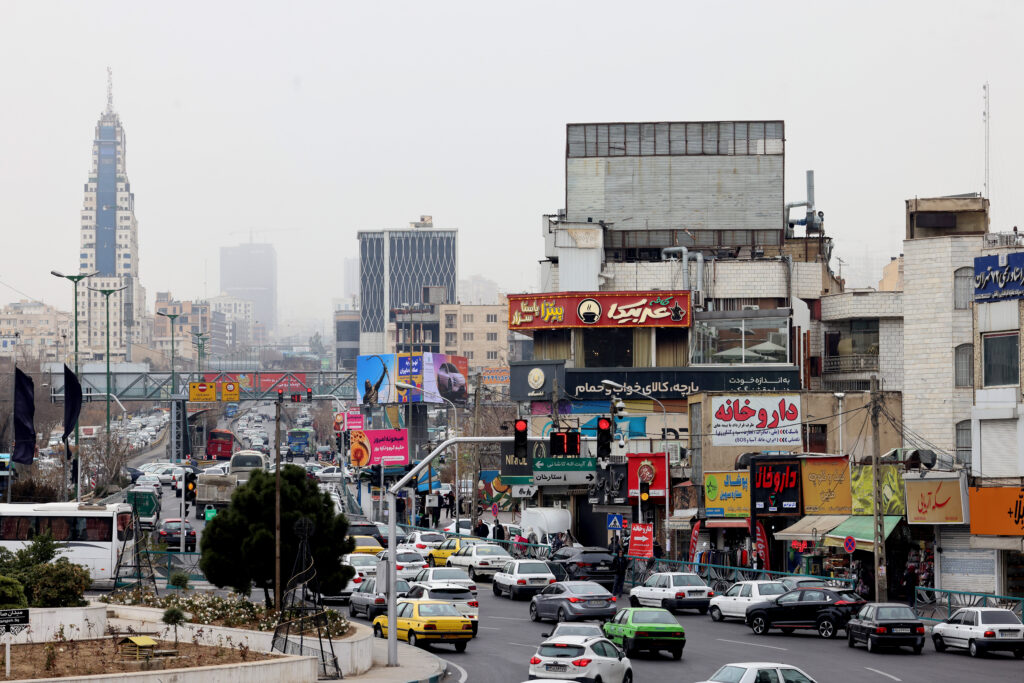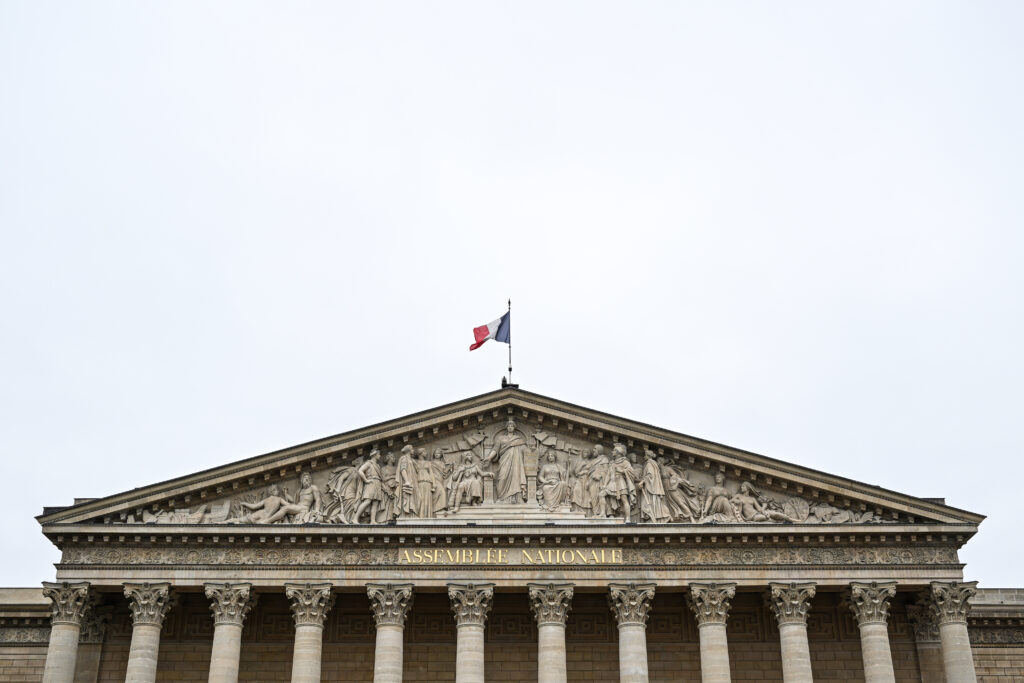
Groenland, Trump et Venezuela au menu d’un débat sans vote au Parlement

Le gouvernement organise lundi un débat sans vote au Parlement sur le rôle de la France dans les crises internationales, ce qui promet des discussions animées sur les velléités du président américain Donald Trump vis-à-vis du Groenland et du Venezuela, au cœur de l’actualité.L’Assemblée nationale à 17h00 puis le Sénat à 21h30 seront saisis de ces sujets brûlants au titre de l’article 50-1 de la Constitution.Après avoir écouté une déclaration du gouvernement, les parlementaires débattront à tour de rôle. A l’Assemblée, ce débat donnera lieu à un jeu de questions-réponses avec des représentants du gouvernement, un format inédit pour ce type de débat dans cette hémicycle, selon les services de la chambre basse.Ce débat sans vote est non contraignant pour le gouvernement, mais il permet aux différentes forces politiques d’interpeller l’exécutif et de développer leur position sur les sujets abordés.Annoncé par le Premier ministre Sébastien Lecornu, ce débat portera dans le détail “sur le rôle de la France dans la prévention et la résolution des crises politiques internationales, notamment au Venezuela”. Il avait été programmé à la suite de plusieurs demandes en ce sens des groupes de gauche, après l’opération militaire américaine dans ce pays d’Amérique latine, ayant conduit à l’exfiltration du président Nicolas Maduro et de son épouse Cilia Flores, le 3 janvier.- “Autonomie stratégique” -Le chef du gouvernement français avait souhaité que ce débat soit “un moment où il faut se poser des questions sur notre autonomie stratégique, voir pourquoi la réaction européenne n’a pas été aussi rapide et aussi forte, peut-être, qu’attendu, pour dire les choses de manière (…) prudente”.Depuis, l’actualité a largement dépassé le cadre de l’opération américaine au Venezuela et ce débat donnera forcément lieu à des prises de parole concernant les velléités du président américain vis-à-vis du Groenland.Donald Trump a menacé samedi plusieurs pays européens dont la France de surtaxes douanières, ces états ayant répliqué en promettant de rester “unis” et en examinant les différentes ripostes possibles. En France, la classe politique a été unanime pour condamner les annonces américaines.La présidente de l’Assemblée nationale, Yaël Braun-Pivet, a d’ailleurs assuré dimanche qu’elle avait “rénové” le périmètre du débat pour qu’il inclue “la situation internationale” en général, y compris “le Groenland et l’Iran”, notamment.Si le Parlement n’est pas compétent pour contrôler par un vote les questions relatives aux opérations extérieures de la France – qui sont du ressort du président de la République -, la députée Renaissance a annoncé qu’elle inscrirait à l’ordre du jour du “G7 parlementaire” prévu en septembre en France cette question de “l’autorisation parlementaire de ce type d’opération” militaire.”On ne peut pas laisser simplement nos dirigeants décider de l’engagement de nos forces et de l’engagement de pays sans qu’il y ait un regard parlementaire”, a-t-elle dit sur RTL, M6 et Public Sénat.
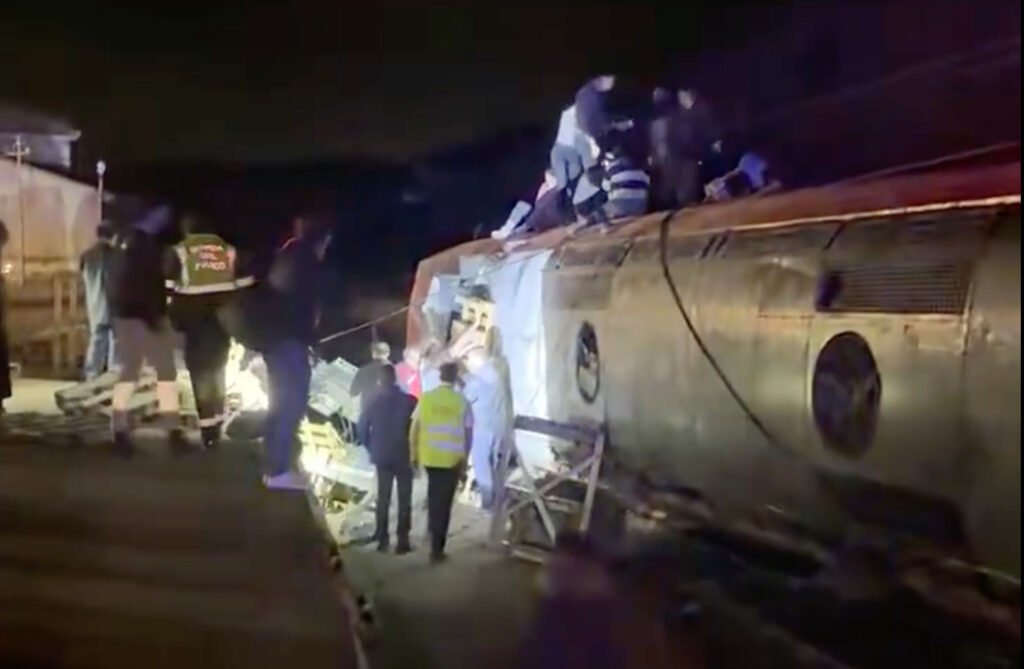
Espagne: au moins 21 morts et des dizaines de blessés dans une collision entre deux trains

Un accident ferroviaire impliquant deux trains à grande vitesse a fait dimanche au moins 21 morts et une trentaine de blessés graves dans le sud de l’Espagne, selon la Garde civile, après une collision très violente qui a projeté des wagons hors des rails.Le ministre espagnol des Transports, Oscar Puente, a souligné sur le réseau …

Espagne: au moins 21 morts et des dizaines de blessés dans une collision entre deux trains Read More »

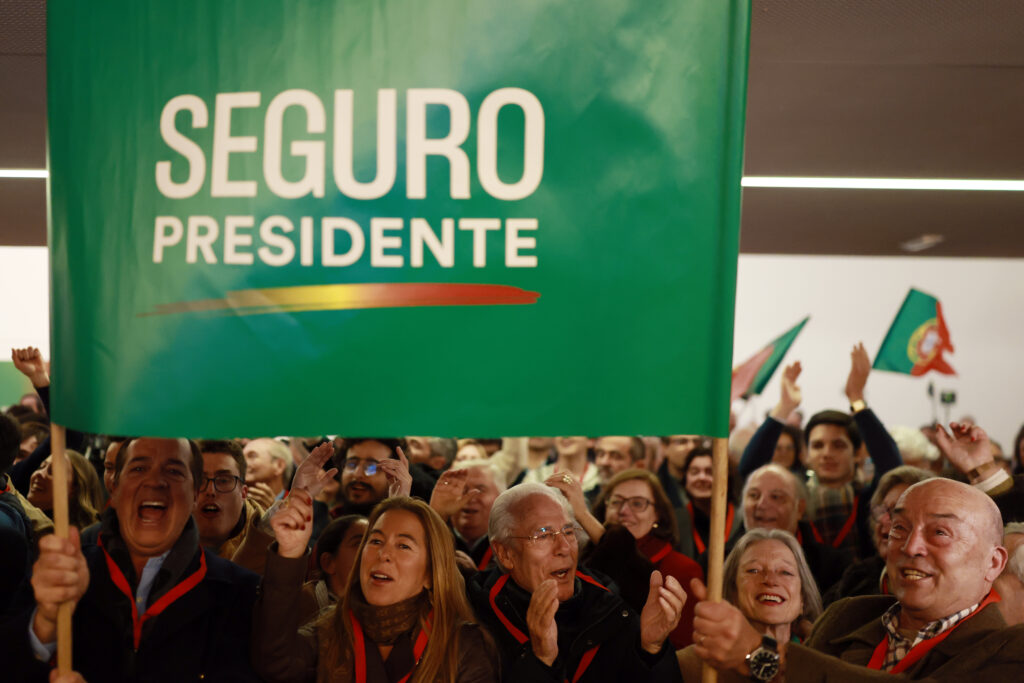
Présidentielle au Portugal: centre gauche et extrême droite s’affronteront au second tour

L’élection présidentielle au Portugal se décidera lors d’un rare second tour entre le candidat de centre gauche et le leader de l’extrême droite, qui a atteint dimanche un nouveau palier en se qualifiant pour le vote décisif prévu le 8 février.Selon des résultats partiels quasi complets, le socialiste Antonio José Seguro, 63 ans, est arrivé …

Présidentielle au Portugal: centre gauche et extrême droite s’affronteront au second tour Read More »

Gold, silver hit records and stocks fall as Trump fans trade fears

Gold and silver hit record highs Monday while most equity markets fell after Donald Trump revived trade war fears by threatening several European nations with tariffs over their opposition to the United States buying Greenland.The US president has fanned already-rising geopolitical tensions this month by insisting that Washington would take control of the North Atlantic island, citing national security needs.And on Saturday, after talks failed to resolve “fundamental disagreement” over the Danish autonomous territory, he announced he would hit eight countries with fresh levies over their refusal to submit to his demands.He said he would impose 10 percent tariffs on Denmark, Norway, Sweden, France, Germany, the United Kingdom, the Netherlands and Finland from February 1 — rising to 25 percent from June 1 — if they did not agree to the takeover.The announcement drew an immediate response, with a joint statement from the countries saying: “Tariff threats undermine transatlantic relations and risk a dangerous downward spiral.”The move also threatened a trade deal signed between the United States and European Union last year, with German Foreign Minister Johann Wadephul telling ARD television: “I don’t believe that this agreement is possible in the current situation.” Meanwhile, aides to French President Emmanuel Macron said he would ask the EU to activate a never-before-used “anti-coercion instrument” against Washington if Trump makes good on his threat.This measure allows for curbing imports of goods and services into the EU, a market of 27 countries with a combined population of 450 million.Bloomberg reported member states were discussing the possibility of retaliatory levies on €93 billion ($108 billion) of US goods.The prospect of a trade war between the global economic heavyweights shook markets, with safe haven assets extending gains that had come on the back of Trump’s threats against Iran last week and the US ouster of Venezuelan president Nicolas Maduro.Gold, a key go-to in times of turmoil, hit a peak of $4,690.59, while silver struck $94.12. On equity markets, Tokyo, Hong Kong, Shanghai, Sydney, Singapore and Wellington retreated, though there were gains in Seoul and Taipei.European and US futures sank.The dollar also retreated against its peers, with the euro, sterling and yen all higher.”The next signpost is whether this moves from rhetoric to policy, and that is why the concrete dates matter,” wrote Charu Chanana, chief investment strategist at Saxo Markets.”On the European side, the decision path matters as much as the headline, because there is a difference between merely mentioning the anti-coercion instrument as a signal and formally pursuing it as action.”Even if the immediate tariff threat gets negotiated down, the structural risk is that fragmentation keeps rising, with more politicised trade, more conditional supply chains, and higher policy risk for companies and investors.”There was little major reaction to data showing China’s economy expanded five percent last year, in line with its target. However, growth in the final three months slowed sharply from the previous quarter.Investors in Seoul and Taipei brushed off a warning from US Commerce Secretary Howard Lutnick that South Korean chipmakers and Taiwan firms not investing in the United States could be hit with 100 percent tariffs unless they boost output in the country.- Key figures at around 0230 GMT -Tokyo – Nikkei 225: DOWN 1.0 percent at 53,412.88 (break)Hong Kong – Hang Seng Index: DOWN 0.7 percent at 26,670.01Shanghai – Composite: DOWN 0.1 percent at 4,099.23Euro/dollar: UP at $1.1628 from $1.1604 on FridayPound/dollar: UP at $1.3397 from $1.3382Dollar/yen: DOWN at 157.54 yen from 158.07 yenEuro/pound: UP at 86.79 pence from 86.69 penceWest Texas Intermediate: UP 0.1 percent at $59.52 per barrelBrent North Sea Crude: FLAT at $64.15 per barrelNew York – Dow: DOWN 0.2 percent at 49,359.33 (close)London – FTSE 100: FLAT at 10,235.29 (close)

China says economy grew 5% last year, among slowest in decades

China’s economy expanded five percent in 2025, Beijing said Monday, one of its slowest rates of growth in decades as it struggles with persistently low consumer spending and a debt crisis in its property sector.Leaders set a growth target of “around five percent” for last year, following a five percent rise in 2024.The economy grew at 4.5 percent between October and December last year, in line with expectations but marking a significant slowdown towards the end of the year.While China’s GDP grew enough for officials to declare victory, analysts warn that growth has been uneven and figures mask weak sentiment on the ground.Chinese consumers remain jittery about the wider economy and high unemployment, even though officials have relaxed fiscal policy and subsidised the replacement of household items in a sputtering bid to boost spending.Retail sales, a key indicator of consumption, rose 0.9 percent year-on-year in December — the weakest pace since the end of 2022, when stringent zero-Covid measures ended.Last month’s sales were worse than the 1.3 percent year-on-year growth recorded in November, extending a months-long slowdown.China’s crucial property sector was once a major indicator of the country’s economic strength.But in recent years it has failed to overcome a flagging debt crisis despite rate cuts and loosened restrictions on homebuying.Fixed-asset investments in China shrunk 3.8 percent year-on-year in 2025, an inevitable rebalancing following a property and infrastructure boom in recent decades.Real estate investment was down 17.2 percent last year.House prices have risen slightly in some large cities but the broader market remains sluggish.Last year also saw the return of Donald Trump to the White House and the revival of a fierce trade war between the world’s two largest economies.Chinese President Xi Jinping and Trump reached a tentative truce to their fierce trade war when they met in late October, agreeing a pause to painful measures that included lofty tit-for-tat tariffs.Official data showed Chinese exports to the United States plunged by 20 percent in 2025, but that had little impact on demand for Chinese products elsewhere.Robust exports remained a bright spot in the cloudy economic picture despite that bruising trade war.China’s trade surplus hit a record $1.2 trillion last year, with officials lauding a “new historical high” filled by other trade partners.Shipments to the ASEAN group of Southeast Asian nations rose 13.4 percent year-on-year, while exports to Africa saw 25.8 percent growth.Exports to the European Union were also up 8.4 percent, though imports from the bloc dipped.

Harry set for final courtroom battle against UK media

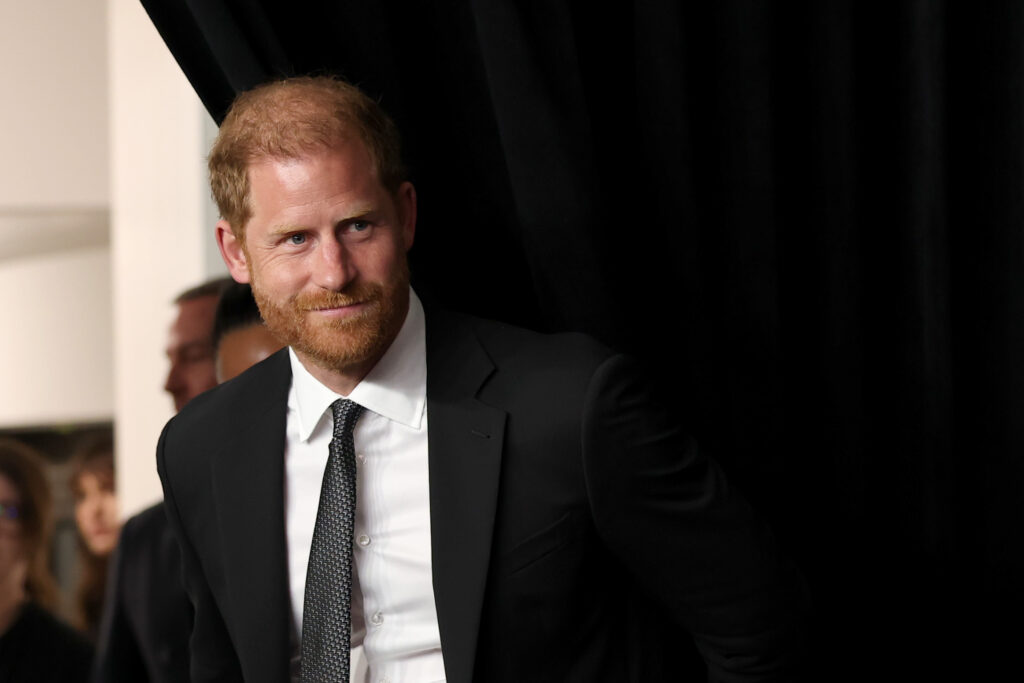
Prince Harry is to return to London this week for the trial into his claims that a UK newspaper group unlawfully gathered information, in the royal’s last case in his long-running crusade against the media.The trial, expected to last up to nine weeks, is scheduled to start at London’s High Court on Monday.It is the third and final case brought by the prince, who is said to see holding the media to account as a personal mission.Harry has long blamed the media for the death of his mother Princess Diana, who was killed in a Paris car crash in 1997 while trying to shake off the paparazzi.King Charles III’s younger son is bringing the case along with six other high-profile complainants including pop icon Elton John and John’s husband David Furnish.The seven accuse Associated Newspapers, publishers of the Daily Mail and Mail on Sunday, of allegedly carrying out or commissioning unlawful activities such as hiring private investigators to place listening devices inside cars.They also allegedly impersonated individuals to obtain medical information — a practice known as blagging — and accessed private phone conversations.The media group has firmly denied the allegations, calling them “lurid” and “preposterous”.- Rare UK trip -Harry is expected to attend for some of the first three days of opening statements.He is then due to take the stand for a full day of testimony on Thursday, according to a draft trial schedule shared with reporters by lawyers.Actor Elizabeth Hurley is set to give evidence the following week, followed by John and Furnish in early February. Actor Sadie Frost is also among the complainants.In 2023, Harry made history by becoming the first senior British royal to give evidence in court for more than a century, when he testified as part of his claim against Mirror Group Newspapers (MGN).It will be a rare trip back to Britain for the prince, also known as the Duke of Sussex, who stepped back from royal duties in 2020 and relocated eventually to California with wife Meghan, where they live with their two children.During his last UK visit in September, Harry met with the king, seeking to start to repair a bitter rift with his immediate family.But UK media have said there are no plans for Harry to see Charles during next week’s visit.- ‘Blagging’ claim -The new trial follows earlier cases brought against Rupert Murdoch’s News Group Newspapers (NGN) and Mirror Group.Last year Prince Harry settled out of court in his action against Murdoch’s UK tabloid publisher.NGN — publisher of tabloids The Sun and the now defunct News of the World — agreed to pay him “substantial damages” in January 2025 after admitting intruding into his private life, including by hacking his phone.In a statement, NGN offered a “full and unequivocal apology” to the prince for “serious intrusion” into the private lives of Harry and his mother Princess Diana by The Sun and also “phone hacking, surveillance and misuse of private information by journalists and private investigators instructed by them at the News of the World”.In his other case against Mirror Group, a High Court ruling in December 2023 said Harry had been a victim of phone hacking by journalists working for the group and awarded him £140,600 ($179,600) in damages.Media lawyer Mark Stephens told AFP much had changed in the British media in recent years, but that this final case would primarily be about “press freedom”.”Press freedom is essential but so is freedom from being illegally spied on,” he said.”I think we’re not going to be looking so much at yesterday’s gossip. I think this case is going to be more about tomorrow’s accountability for the media more generally,” he added.

‘It wasn’t clean’: Mother mourns son killed in US Maduro assault

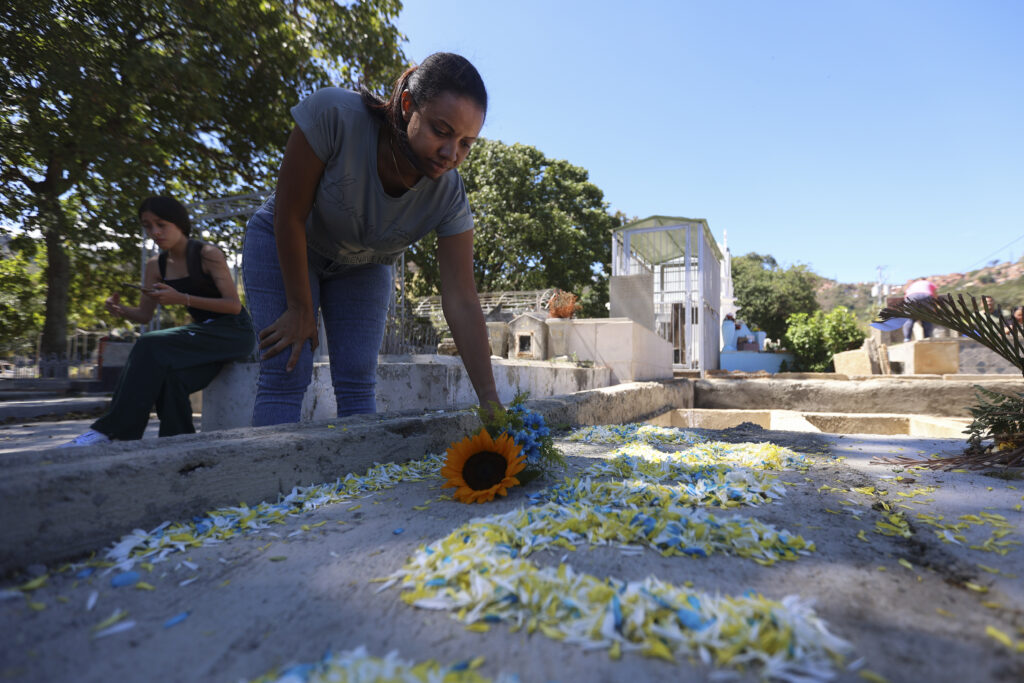
As the first explosions rocked his military base in Caracas, 18-year-old Saul Pereira Martinez sent his mother a simple message: “I love you. It has begun.”It was the night of January 3, and US forces were invading Venezuela to seize the country’s then-president, Nicolas Maduro, on the orders of US President Donald Trump.Pereira had finished his shift on guard duty at Fort Tiuna, where Maduro was sheltered that night. Nonetheless, he would not survive the assault.Natividad Martinez, his mother, visited on Sunday the cemetery where her son’s remains are buried, recalling the night it happened, and still in shock.The last time she spoke to Saul was at 2:00 am. He repeated that he loved her, and told her to take care of his two brothers, aged two and nine.Trump has repeatedly touted the success of the stunning operation to seize Maduro, boasting that there were no casualties.In truth, at least 83 people were killed in the operation, including 47 Venezuelan soldiers and 32 Cuban security personnel, according to the defense ministry in Caracas.”You can’t come to my country and kill people like that,” said Martinez.”Because (they say) ‘it was a clean operation.’ It wasn’t clean. Do you know how many people died?” – ‘A brave man’ -As the attack began, 38-year-old Martinez heard explosions and began to scream, worried for the safety of her son, her husband said.After she got off the phone with him, she fell to the ground screaming his name, he said.”I told her to stay calm, we don’t know what’s going on,” said Saul’s stepfather, who asked not to be identified because he works as a police officer and government security official. He believes that Saul was killed because his unit was spending the night within the security perimeter around Maduro, which made them a target for US forces.On Sunday, Saul’s parents were joined by his girlfriend and friends at the cemetery in southern Caracas.Saul had just completed his initial training with the Honor Guard in December and was studying at the military academy. They brought flowers, and, to the rhythm of old salsa music, the family cried, recalled anecdotes, and toasted in honor of the young soldier whom they remember as “a brave man.” Saul entered the military following in the footsteps of a childhood friend, who was at La Carlota air base during the US attack and was wounded in the leg. His mother had applauded the decision, having earlier worried about the trajectory her son’s life was on. Saul, says Natividad, went from “partying, going here and there, doing nothing at home” to studying, cleaning the house during his visits, and acquiring discipline. – ‘All human beings’ -Despite the massive US military deployment in the Caribbean, Trump’s bellicose threats against Maduro and strikes on what Washington called drug-smuggling boats off the Venezuelan coast, Martinez’s family did not expect things to get this bad.”The president didn’t always stay in the same place,” his stepfather explained, and the government maneuvered to mislead even the state security forces about Maduro’s whereabouts. US forces found Maduro because of inside informers, the stepfather said.”(The death of) my son was a collateral effect of that infiltration,” he said. Hours after the attack, Natividad brought food for Saul to Fort Tiuna, as per their weekly schedule.She found only silence. Hours later, when the names of the fallen began to circulate, she went to the battalion and stood there, demanding answers. “And they had to tell me,” she said, staring at the cement tomb where mourners had spelled out Saul’s name in yellow, blue, and white flower petals. Her son, like other soldiers, was honored by the government, which promoted him posthumously. Natividad said that some seemed not to mourn these deaths because of the political polarization that has divided the nation under Maduro’s rule, and that of Hugo Chavez before him.”Those who died are also human beings. They are all Venezuelans. On one side or the other, they are all human beings, they all have people who mourn them,” she said. Shaken but still stoic, Natividad said she felt proud of her son.”He died for his country,” she said. “Regardless of what they say, to me, my son was a patriot, and that’s what matters to me.” 

Espagne: au moins 21 morts et des dizaines de blessés dans une collision entre deux trains

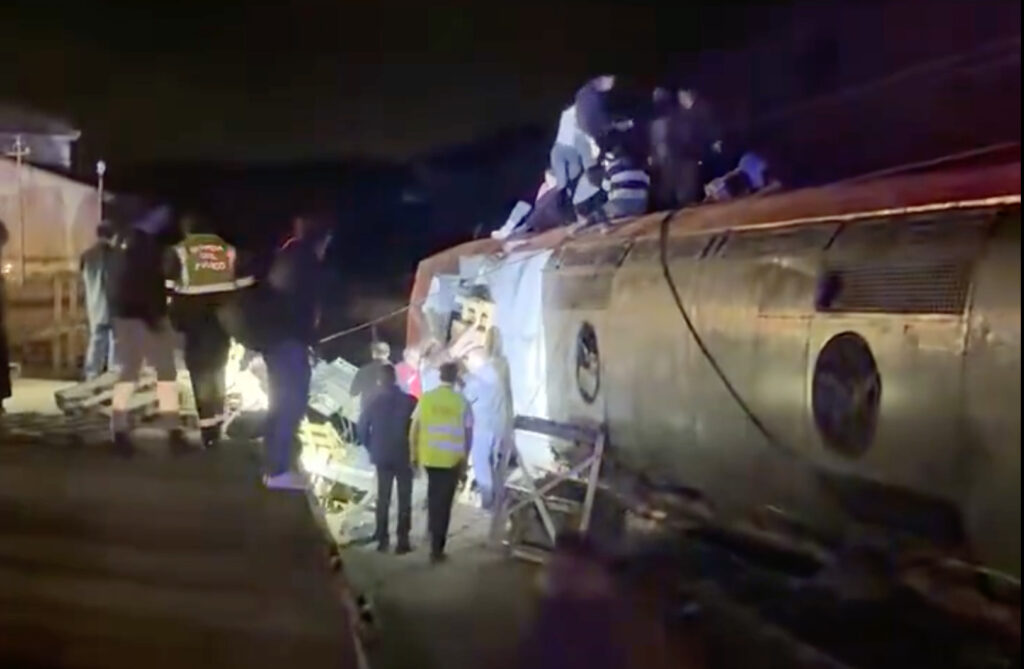
Un accident ferroviaire impliquant deux trains à grande vitesse a fait dimanche au moins 21 morts et une trentaine de blessés graves dans le sud de l’Espagne, selon la Garde civile, après une collision très violente qui a projeté des wagons hors des rails.Le ministre espagnol des Transports, Oscar Puente, a souligné sur le réseau social X que “le choc a été terrible”.”Toutes les personnes blessées nécessitant des soins hospitaliers ont été évacuées”, a-t-il déclaré ensuite lors d’un point presse tôt lundi matin. “On parle de 30 personnes blessées gravement qui ont été transférées dans des hôpitaux”, a-t-il précisé.Les images diffusées à la télévision publique montraient les deux trains entourés d’une foule de personnes et d’ambulances, tandis que les services d’urgence s’efforçaient de venir en aide aux nombreux blessés.Selon le ministre, “les derniers wagons d’un train” de la compagnie Iryo, parti de Malaga, en Andalousie (sud), pour rallier Madrid, “ont déraillé” près d’Adamuz, à près de 200 km au nord de Malaga, entrant en collision avec un train de la compagnie nationale Renfe qui circulait dans le sens inverse sur une voie adjacente en direction de Huelva.La violence du choc entre les trains, avec des centaines de passagers à bord, a été telle qu’il a “projeté les deux premiers wagons du train Renfe hors des rails”, a-t-il poursuivi, expliquant que “la priorité” pour le moment était “de porter secours aux victimes”.La Garde civile a indiqué à l’AFP, dans un dernier bilan, qu’il y avait au moins 21 morts, les autorités régionales andalouses évoquant au moins 73 blessés, dont six très graves, et “une nuit (qui s’annonce) très difficile”.Le Premier ministre espagnol Pedro Sánchez a évoqué “une nuit de profonde douleur” après “le tragique accident ferroviaire”. Il a précisé suivre de près les opérations, le gouvernement central à Madrid “collabor(ant) avec les autres autorités compétentes” mobilisées sur place.De son côté, la famille royale espagnole a fait part dans un communiqué de sa “grande inquiétude” à la suite de ce “grave accident”.”Tout est complètement détruit”, a déclaré Francisco Carmona, chef des pompiers de Cordoue, à la chaîne de télévision publique TVE.”Nous avons même dû déplacer des corps pour pouvoir accéder à des personnes vivantes”, a-t-il ajouté.- “Un film d’horreur” -“On se croirait dans un film d’horreur”, a raconté un passager, Lucas Meriako, qui se trouvait à bord du train Iryo, à la chaîne La Sexta. “Il y a eu un choc très violent à l’arrière et l’impression que tout le train allait se disloquer (…) De nombreuses personnes ont été blessées par des éclats de verre”, a-t-il dit.C’est comme si “un tremblement de terre” avait secoué le wagon, a témoigné de son côté un journaliste de la radio publique RNE qui voyageait dans l’un des deux trains, à la télévision publique TVE.Les occupants du wagon ont pris les marteaux de secours pour briser les vitres et commencer à sortir du convoi, a-t-il encore raconté. Selon des médias espagnols, plus de 300 personnes se trouvaient dans le train d’Iryo et plus de 100 dans l’autre train de Renfe.Dans la grande gare madrilène d’Atocha, des “équipes de soutien vont être déployées pour accompagner les familles” des personnes touchées, a annoncé la présidente de la région de Madrid, Isabel Díaz Ayuso. Le président français Emmanuel Macron a adressé ses “pensées” aux victimes de l’accident, évoquant “une tragédie” et promettant le soutien de la France à l’Espagne.Face à la situation, “le trafic de trains à grande vitesse entre Madrid et Cordoue, Séville, Malaga et Huelva (des villes dans le sud de l’Espagne, ndlr) sera interrompu au moins toute la journée du lundi 19 janvier”, a, par ailleurs, indiqué sur X le gestionnaire du réseau ferroviaire espagnol (Adif).

Limited internet briefly returns in Iran after protest blackout

Limited internet access briefly returned in Iran before dropping again, a monitor said Sunday, 10 days into a communications blackout that rights groups said aimed to mask a protest crackdown that killed thousands.Iran’s president warned that an attack on the country’s supreme leader would be a declaration of war — an apparent response to US counterpart Donald Trump saying it was time to look for new leadership in Iran.Demonstrations sparked in late December by anger over economic hardship exploded into protests widely seen as the biggest challenge to the Iranian leadership in years.The rallies subsided after the crackdown that rights groups have called a “massacre” carried out by security forces under the cover of a communications blackout that started on January 8.Monitor Netblocks said late Sunday that “traffic levels have fallen after a brief, heavily filtered restoration of select Google and messaging services in Iran”.Iranian officials have said the demonstrations were peaceful before turning into “riots” and blamed foreign influence from Iran’s arch-foes the United States and Israel. Trump, who joined Israel’s 12-day war against Iran in June, had repeatedly threatened new military action against Tehran if protesters were killed.While Washington appeared to have stepped back, Trump hit out at supreme leader Ayatollah Ali Khamenei in an interview with Politico on Saturday, saying it was “time to look for new leadership in Iran”. “The man is a sick man who should run his country properly and stop killing people,” Trump said.Iranian President Masoud Pezeshkian on Sunday warned on X: “An attack on the great leader of our country is tantamount to a full-scale war with the Iranian nation.”As leaders in Washington and Tehran have exchanged barbs, Iranian officials have said calm has been restored in the streets. Security forces with armoured vehicles and motorcycles were seen in central Tehran, according to AFP correspondents.- ‘Cannot just stay silent’ -Schools reopened on Sunday after a week of closure.Pezeshkian meanwhile told a cabinet meeting that he “recommended to the secretary of the Supreme National Security Council that internet restrictions be lifted as soon as possible”.Some users reported access to WhatsApp, while outgoing international calls had resumed since Tuesday, and text messaging was restored Saturday. Fars news agency on Sunday reported that the chief executive of Irancell, Iran’s second-largest mobile phone operator, was dismissed for failing to comply with the government’s decision to shut down the internet.Solidarity demonstrations have continued in multiple cities in recent days, including in Berlin, London and Paris.Despite the restrictions, information had still filtered out, with reports of atrocities emerging, according to rights groups.Amnesty International said it had verified dozens of videos and accounts in recent days showing a “massacre of protesters” by security forces.Norway-based Iran Human Rights says it has verified the deaths of 3,428 protesters killed by security forces, confirming cases through sources within the Islamic republic’s health and medical system, witnesses and independent sources.However, the NGO warns the true toll is likely far higher. Media cannot independently confirm the figure and Iranian officials have not given an exact death toll for the protests.Other estimates place the death toll at more than 5,000 — and possibly as high as 20,000 — though the internet blackout has severely hampered independent verification, IHR says.The overseas-based opposition Iran International channel has said at least 12,000 people were killed during the protests, citing senior government and security sources.Iran’s judiciary has rejected that figure.- ‘Not be spared’ -On Saturday, Khamenei said “a few thousand” people had been killed by what he called “agents” of the United States and Israel, and Iranian local media has reported multiple deaths among security forces.Khamenei said authorities “must break the back of the seditionists”, as local media have reported thousands of arrests and rights groups have estimated up to 20,000 people have been detained. On Sunday, judiciary spokesman Asghar Jahangir reiterated that swift trials would be held, warning that some acts warranted the capital offence of “moharebeh”, or “waging war against God”. “All those who played a decisive role in these calls for violence, which led to bloodshed and significant damage to public finances, will not be spared,” he said.Alarm has grown over the threat of capital punishment against arrested protesters, even as Trump said Iran had called off hundreds of executions.Analyst Arif Keskin cast doubt on Trump’s claim, saying “the Iranian leadership sees executions… as an effective tool to end protests, prevent them and suppress them”.burs-sw/jsa/jxb