Jury prepares to consider Harvey Weinstein verdict

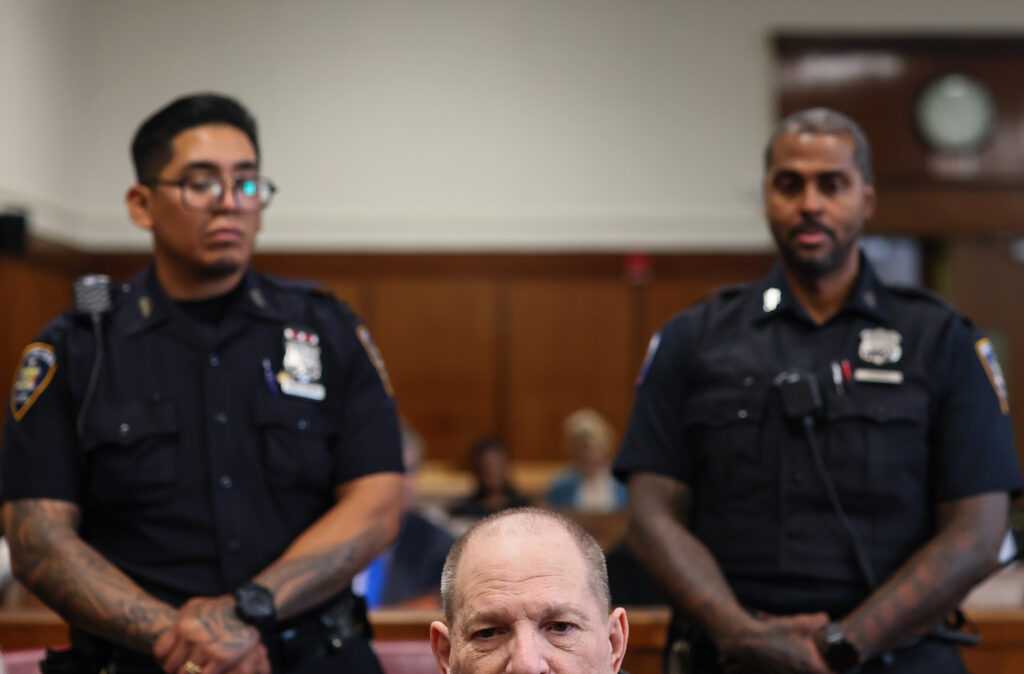
Jurors prepared to consider a verdict in Hollywood mogul Harvey Weinstein’s rape and sexual assault retrial Thursday after hearing from three women who allege the cinema power broker preyed on them.A New York state appeals court had thrown out Weinstein’s 2020 convictions after irregularities in the presentation of witnesses at his original trial, forcing two victims of his alleged abuse to testify a second time.Judge Curtis Farber began giving instructions Thursday to jurors, one of whom had to be swapped out for an alternate after falling ill, before they retire to consider their verdict.After six weeks of deliberations, the jury must decide whether Weinstein, accused by dozens of women of being a sexual predator, is guilty of sexual assaults in 2006 on former production assistant Miriam Haley and former model Kaja Sokola, and of rape in 2013 of aspiring actress Jessica Mann.”He raped three women, they all said no,” said prosecutor Nicole Blumberg Wednesday as she recounted the evidence of the three alleged victims of Weinstein who testified at this trial.The Hollywood figure had “all the power” and “all the control” over the alleged victims which is why jurors should find him guilty, she said.”The defendant thought the rules did not apply to him, now it is the time to let him know that the rules apply to him.”There is no reasonable doubt; tell the defendant what he already knows — that he is guilty of the three crimes.”Weinstein’s defense attorney insisted the sexual encounters were consensual, pointing to a “casting couch” dynamic between the movie mogul and the women.”We don’t want to police the bedroom” — except in cases of rape, Blumberg fired back.Weinstein, the producer of box-office hits “Pulp Fiction” and “Shakespeare in Love,” has never acknowledged wrongdoing.The cinema magnate, whose downfall in 2017 sparked the global #MeToo movement, has been on trial again since April 15 in a scruffy Manhattan courtroom.He is serving a 16-year prison sentence after being convicted in California of raping and assaulting a European actress more than a decade ago.Two of the accusers in this case — Haley and Mann — testified at Weinstein’s original trial.Their accounts helped galvanize the #MeToo movement nearly a decade ago, but the case is being re-prosecuted at a new trial in New York.His 2020 convictions on charges relating to Haley and Mann, and his 23-year prison term, were overturned last year by the New York Court of Appeals.The tribunal ruled that the way witnesses were handled in the original trial was improper.

Trump ferme le territoire américain aux ressortissants de 12 pays

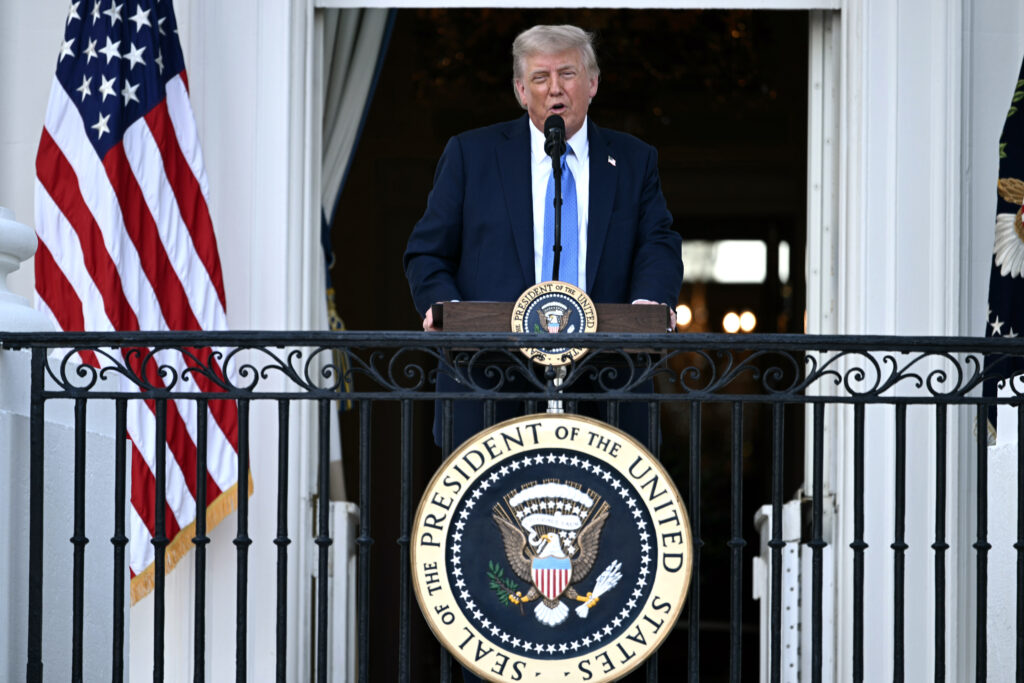
Les Etats-Unis empêcheront à partir de lundi les ressortissants de 12 pays d’entrer aux Etats-Unis afin de “protéger” le pays, et imposeront des restrictions contre sept autres Etats, a annoncé Donald Trump, rappelant une interdiction qu’il avait instaurée sous son premier mandat. La décision s’applique à l’Afghanistan, la Birmanie, au Tchad, au Congo-Brazzaville, à la Guinée équatoriale, l’Erythrée, Haïti, l’Iran, la Libye, la Somalie, au Soudan et au Yémen, selon la Maison Blanche. Les ressortissants de sept autres pays sont visés par des restrictions dans la délivrance de visas: le Burundi, Cuba, le Laos, la Sierra Leone, le Togo, le Turkménistan et le Venezuela.”En tant que président, je dois agir pour protéger la sécurité nationale et l’intérêt national des Etats-Unis et de sa population”, a dit Donald Trump dans le texte de la décision, qui affirme viser à “protéger les Etats-Unis face aux terroristes étrangers”. L’exécutif américain, qui mène une politique anti-immigration très restrictive, explique la présence des pays sur cette liste par l’absence d’administrations efficaces pour assurer un contrôle des voyageurs et la tendance des ressortissants de certains pays à rester aux Etats-Unis après l’expiration de leurs visas.- “Dangers extrêmes” -“L’attaque terroriste récente à Boulder, Colorado (ouest), avait mis en évidence les dangers extrêmes que représente pour (les Etats-Unis) l’entrée de ressortissants étrangers qui n’ont pas été correctement contrôlés” et par ceux “qui dépassent la durée de leur visa”, a dit le président américain dans une vidéo sur X. Il faisait référence à l’attaque perpétrée dimanche au cri de “Palestine libre” par un Egyptien n’ayant plus de visa, contre des participants à une marche hebdomadaire en soutien aux otages israéliens retenus dans la bande de Gaza, faisant 12 blessés.La liste de 12 pays ne comporte cependant pas l’Egypte, pays d’origine de l’homme de 45 ans accusé de l’attaque de Boulder.”Nous ne permettrons pas que ce qui est arrivé en Europe se produise en Amérique”, a-t-il ajouté en référence aux attaques, parfois jihadistes, perpétrées sur le vieux continent par des ressortissants étrangers.”Nous ne pouvons pas avoir une immigration ouverte en provenance de pays que nous ne pouvons pas contrôler et filtrer de manière sûre et fiable”, a-t-il assuré.- “Discriminatoire” – La branche américaine d’Amnesty International a dénoncé un décret “discriminatoire, raciste et absolument cruel”.L’Union africaine (UA) s’est dit jeudi “préoccupée par l’impact négatif potentiel de telles mesures”, y compris sur “les relations diplomatiques” avec les pays concernés.Le ministre tchadien des Affaires étrangères, Abdoulaye Sabre Fadoule, s’est dit surpris “par le motif lié au terrorisme qui est mis en avant et qui méconnaît totalement l’engagement et les résultats du Tchad dans ce domaine”.La Somalie n’a pas encore réagi, mais à Mogadiscio des habitants ont dit craindre l’expulsion de leurs compatriotes des Etats-Unis.”Cette démarche est une humiliation contre nous, en tant que Somaliens”, a réagi Ahmed Osoble Mohamud.Le Venezuela a de son côté averti mercredi ses ressortissants que voyager aux Etats-Unis représentait désormais un “grand risque”.Jamal Abdi, président du National Iranian American Council, a estimé que “le retour de l’interdiction ne va pas renforcer la sécurité de l’Amérique mais va faire souffrir de nombreux Américains, dont ceux de la communauté américano-iranienne.”La Birmanie n’a pas encore réagi, mais à Rangoun une étudiante de 24 ans, qui venait d’obtenir une approbation de son visa pour un cursus à Bard College à New York, a décrit une “situation terrible pour beaucoup de jeunes Birmans”.”Nous n’avons pas de vie ici, et les gens veulent s’échapper vers un pays où on peut respirer, où on peut faire des études”, a-t-elle dit.- “Intérêt national” -“Il essaie de rendre l’Amérique blanche à nouveau, pas de rendre l’Amérique grande à nouveau, ce qui est très triste et effrayant”, a estimé Nastenka Mirthes, une Américaine de New York. De nombreux pays extra-européens ne sont toutefois pas concernés par la décision de l’administration américaine. Des exceptions sont prévues pour les détenteurs de certains visas et pour des personnes dont le voyage aux Etats-Unis “sert l’intérêt national”.Les footballeurs participant à la Coupe du monde de 2026, qui se déroulera aux Etats-Unis, au Mexique et au Canada, ainsi que les athlètes des Jeux olympiques de Los Angeles (2028) ne seront pas concernés par les restrictions.Le président américain a comparé la décision annoncée mercredi aux “restrictions efficaces” qu’il avait imposées à un certain nombre de pays, principalement musulmans, au cours de son premier mandat (2017-2021).

Trump ferme le territoire américain aux ressortissants de 12 pays

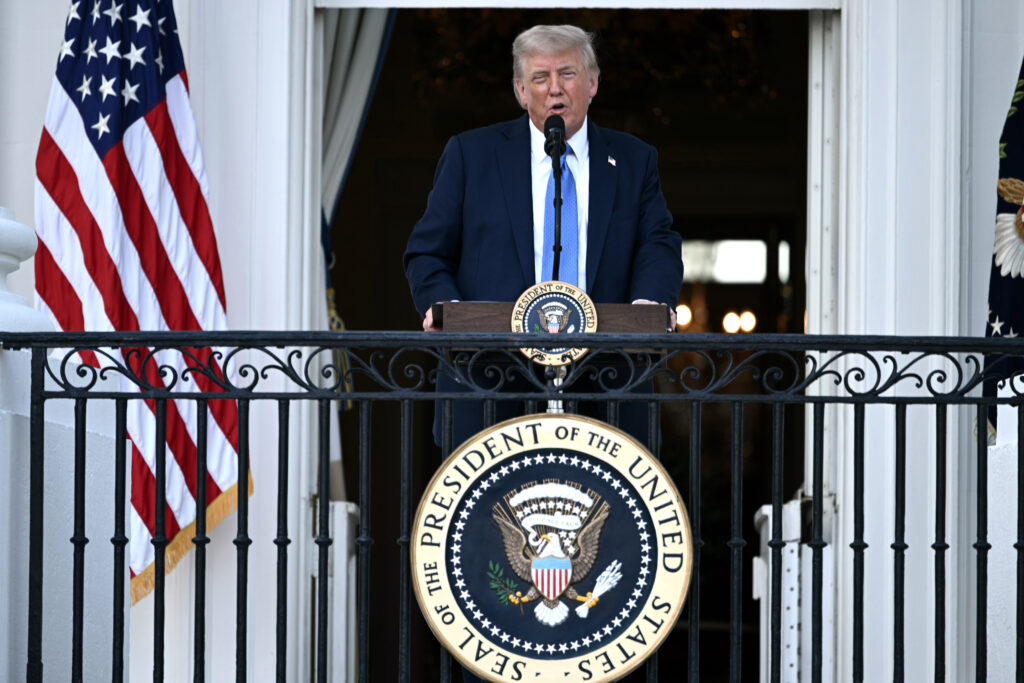
Les Etats-Unis empêcheront à partir de lundi les ressortissants de 12 pays d’entrer aux Etats-Unis afin de “protéger” le pays, et imposeront des restrictions contre sept autres Etats, a annoncé Donald Trump, rappelant une interdiction qu’il avait instaurée sous son premier mandat. La décision s’applique à l’Afghanistan, la Birmanie, au Tchad, au Congo-Brazzaville, à la Guinée équatoriale, l’Erythrée, Haïti, l’Iran, la Libye, la Somalie, au Soudan et au Yémen, selon la Maison Blanche. Les ressortissants de sept autres pays sont visés par des restrictions dans la délivrance de visas: le Burundi, Cuba, le Laos, la Sierra Leone, le Togo, le Turkménistan et le Venezuela.”En tant que président, je dois agir pour protéger la sécurité nationale et l’intérêt national des Etats-Unis et de sa population”, a dit Donald Trump dans le texte de la décision, qui affirme viser à “protéger les Etats-Unis face aux terroristes étrangers”. L’exécutif américain, qui mène une politique anti-immigration très restrictive, explique la présence des pays sur cette liste par l’absence d’administrations efficaces pour assurer un contrôle des voyageurs et la tendance des ressortissants de certains pays à rester aux Etats-Unis après l’expiration de leurs visas.- “Dangers extrêmes” -“L’attaque terroriste récente à Boulder, Colorado (ouest), avait mis en évidence les dangers extrêmes que représente pour (les Etats-Unis) l’entrée de ressortissants étrangers qui n’ont pas été correctement contrôlés” et par ceux “qui dépassent la durée de leur visa”, a dit le président américain dans une vidéo sur X. Il faisait référence à l’attaque perpétrée dimanche au cri de “Palestine libre” par un Egyptien n’ayant plus de visa, contre des participants à une marche hebdomadaire en soutien aux otages israéliens retenus dans la bande de Gaza, faisant 12 blessés.La liste de 12 pays ne comporte cependant pas l’Egypte, pays d’origine de l’homme de 45 ans accusé de l’attaque de Boulder.”Nous ne permettrons pas que ce qui est arrivé en Europe se produise en Amérique”, a-t-il ajouté en référence aux attaques, parfois jihadistes, perpétrées sur le vieux continent par des ressortissants étrangers.”Nous ne pouvons pas avoir une immigration ouverte en provenance de pays que nous ne pouvons pas contrôler et filtrer de manière sûre et fiable”, a-t-il assuré.- “Discriminatoire” – La branche américaine d’Amnesty International a dénoncé un décret “discriminatoire, raciste et absolument cruel”.L’Union africaine (UA) s’est dit jeudi “préoccupée par l’impact négatif potentiel de telles mesures”, y compris sur “les relations diplomatiques” avec les pays concernés.Le ministre tchadien des Affaires étrangères, Abdoulaye Sabre Fadoule, s’est dit surpris “par le motif lié au terrorisme qui est mis en avant et qui méconnaît totalement l’engagement et les résultats du Tchad dans ce domaine”.La Somalie n’a pas encore réagi, mais à Mogadiscio des habitants ont dit craindre l’expulsion de leurs compatriotes des Etats-Unis.”Cette démarche est une humiliation contre nous, en tant que Somaliens”, a réagi Ahmed Osoble Mohamud.Le Venezuela a de son côté averti mercredi ses ressortissants que voyager aux Etats-Unis représentait désormais un “grand risque”.Jamal Abdi, président du National Iranian American Council, a estimé que “le retour de l’interdiction ne va pas renforcer la sécurité de l’Amérique mais va faire souffrir de nombreux Américains, dont ceux de la communauté américano-iranienne.”La Birmanie n’a pas encore réagi, mais à Rangoun une étudiante de 24 ans, qui venait d’obtenir une approbation de son visa pour un cursus à Bard College à New York, a décrit une “situation terrible pour beaucoup de jeunes Birmans”.”Nous n’avons pas de vie ici, et les gens veulent s’échapper vers un pays où on peut respirer, où on peut faire des études”, a-t-elle dit.- “Intérêt national” -“Il essaie de rendre l’Amérique blanche à nouveau, pas de rendre l’Amérique grande à nouveau, ce qui est très triste et effrayant”, a estimé Nastenka Mirthes, une Américaine de New York. De nombreux pays extra-européens ne sont toutefois pas concernés par la décision de l’administration américaine. Des exceptions sont prévues pour les détenteurs de certains visas et pour des personnes dont le voyage aux Etats-Unis “sert l’intérêt national”.Les footballeurs participant à la Coupe du monde de 2026, qui se déroulera aux Etats-Unis, au Mexique et au Canada, ainsi que les athlètes des Jeux olympiques de Los Angeles (2028) ne seront pas concernés par les restrictions.Le président américain a comparé la décision annoncée mercredi aux “restrictions efficaces” qu’il avait imposées à un certain nombre de pays, principalement musulmans, au cours de son premier mandat (2017-2021).

What is genocide and is it happening in Gaza?

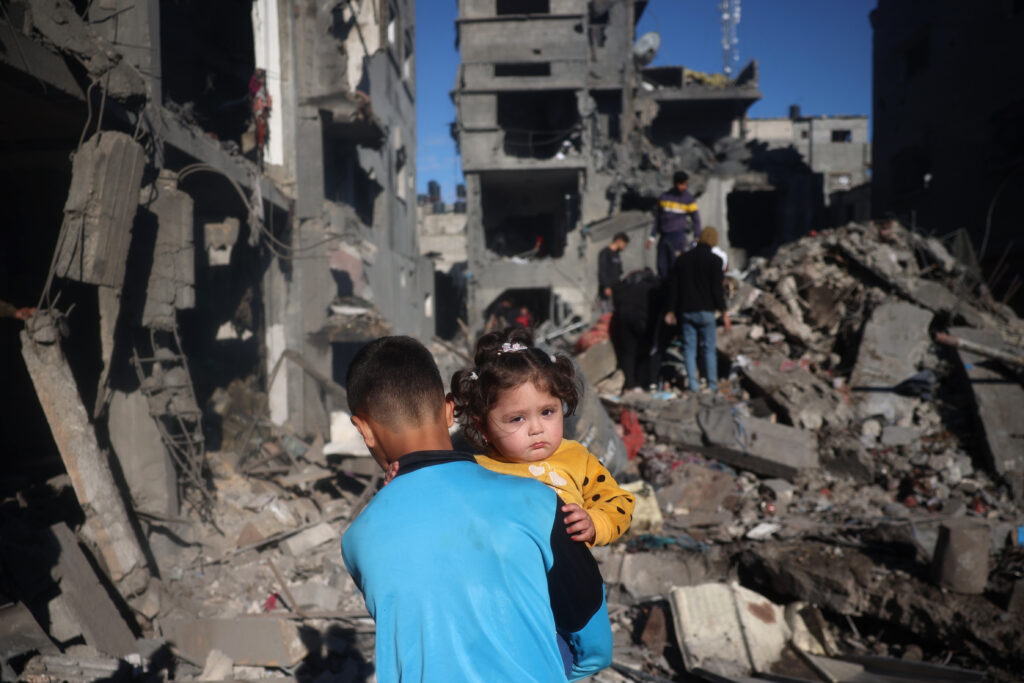
Rights groups, lawyers and some governments are describing the Gaza war as “genocide” and calling for a ceasefire but Israel, created in the aftermath of the Nazi Holocaust of Jews, vehemently rejects the explosive term.Israel says it is seeking to wipe out Gaza’s Islamist rulers and free its hostages still held in the occupied Palestinian coastal strip since the Hamas militant attack in Israel on October 7, 2023.But Israel’s devastating war on Gaza — largely populated by descendants of Palestinian refugees who were expelled from or fled what became Israeli land in 1948 — has killed tens of thousands of civilians and sparked growing global outrage.The accusation against Israel of genocide has been made with increasing force from quarters ranging from “Schindler’s List” star Ralph Fiennes to Amnesty International and some Israeli historians.What does the legal term really mean and who can decide whether it applies?What is ‘genocide’?The word genocide — derived from the Greek word “genos”, for race or tribe, and “cide”, from the Latin for “to kill” — was coined in 1944 by Raphael Lemkin. Lemkin, a Polish Jew who had fled to the United States, used it to describe the crimes committed by Nazi Germany during the Holocaust.It was used for the first time within a legal framework by an international military tribunal at Nuremberg to try Nazi leaders for their crimes in 1945. However, those accused were eventually convicted on charges of crimes against humanity.It has been recognised within international law since 1948 and the advent of the UN Genocide Convention.That text defines genocide as any of five “acts committed with intent to destroy, in whole or in part, a national, ethnic, racial or religious group”. These five acts include killing members of the group, causing them serious bodily or mental harm, imposing living conditions intended to destroy the group, preventing births and forcibly transferring children out of the group.Regardless of the definition, the qualification of “genocide” has been hugely sensitive over the decades.What is happening in Gaza?Israel’s military offensive on Gaza since October 2023 has killed 54,677 people, mostly civilians, according to the health ministry in the occupied Palestinian territory.The United Nations has said the territory’s entire population of more than two million people is at risk of famine, even if Israel said last month it was partially easing the complete blockade on aid it imposed on Gaza on March 2.Despite international calls for an end to the war, a ceasefire agreement between Israel and Hamas remains elusive.The latest war started after Hamas fighters attacked Israel on October 7, 2023. The attack resulted in the deaths of 1,218 people, mostly civilians, according to an AFP tally based on official Israeli figures.Of the 251 hostages seized, 55 remain in Gaza, including 32 the Israeli military says are dead.Who speaks of ‘genocide’ in Gaza?In December 2023, South Africa brought a case to the International Court of Justice (ICJ), the United Nations’ highest judicial organ, alleging that Israel’s Gaza offensive breached the 1948 UN Convention on the Prevention and Punishment of the Crime of Genocide. Israel denies the accusation.In rulings in January, March and May 2024, the ICJ told Israel to do everything possible to “prevent” acts of genocide during its military operations in Gaza, including by providing urgently needed humanitarian aid to prevent famine.While no court has so far ruled the ongoing conflict is a genocide, human rights groups and international law experts — including several who are Israeli — have used the term to describe it.Amnesty International has accused Israel of carrying out a “live-streamed genocide” in Gaza, while Human Rights Watch has alleged it is responsible for “acts of genocide”.A UN committee in November found Israel’s warfare in Gaza was “consistent with the characteristics of genocide”.And a UN investigation concluded in March that Israel carried out “genocidal acts” in Gaza through the destruction of the strip’s main IVF clinic and other reproductive healthcare facilities.Omer Bartov, an Israeli scholar of the Holocaust, wrote in August last year that “Israel was engaged in systematic war crimes, crimes against humanity and genocidal actions”.Fellow Israeli historians Amos Goldberg and Daniel Blatman in January co-wrote an article in which they said: “Israel is indeed committing genocide in Gaza.”Western governments have largely refrained from using the word, with France’s President Emmanuel Macron saying it was not up to a “political leader to use to term but up to historians to do so when the time comes”.But Turkish President Recep Tayyip Erdogan has used it, while Brazilian President Luiz Inacio Lula da Silva has accused Israel of “premeditated genocide”.What does Israel say?Israel alleges it is exercising its right to security and “self defence”, an argument echoed by its staunch ally the United States.Israel has dismissed accusations of genocide as “blatant lies” and Prime Minister Benjamin Netanyahu has accused the UN Human Rights Council of being “an antisemitic, corrupt, terror-supporting and irrelevant body”.He has said UN experts should instead focus on “crimes against humanity and the war crimes committed by the Hamas terrorist organisation in the worst massacre against the Jewish people since the Holocaust”, referring to October 7.The International Criminal Court (ICC) in November issued arrest warrants for Netanyahu and former Israeli defence minister Yoav Gallant over alleged crimes against humanity and war crimes in Israel’s war in Gaza — including starvation as a method of warfare.It also issued an arrest warrant for Hamas military chief Mohammed Deif over allegations of crimes against humanity and war crimes in the October 7 attack, but the case against him was dropped in February after confirmation Israel had killed him.ICC prosecutor Karim Khan also initially sought warrants against Hamas leaders Yahya Sinwar and Ismail Haniyeh, but dropped those applications after their deaths in Israeli attacks.Who decides and when?Thijs Bouwknegt, a genocide expert, said the Israeli policy in Gaza seemed to be “designed to make a civilian population either perish or leave” but a court would have to decide if it was genocide.”It bears the hallmarks of it but we still have to wait and see whether it actually was,” said the historian, who has conducted research for the ICC and observed trials over genocide in Rwanda and former Yugoslavia.In the case of Rwanda, in which the United Nations said extremist Hutus killed some 800,000 Tutsis and moderate Hutus in 1994, it took a decade for the International Criminal Tribunal to conclude genocide had happened.It was not until 2007 that the ICJ recognised as genocide the murder by Bosnian Serb forces of almost 8,000 Muslim men and boys in Srebrenica in 1995 during the Bosnian war.”The threshold for genocide is nearly impossible to meet,” Bouwknegt explained.”You have to prove that there was an intent and that there was the only possible explanation for what happened.”Has there been intent?French-Israeli lawyer Omer Shatz said “there is no doubt that war crimes, crimes against humanity are being committed” in Gaza.But the international law expert agreed intent was more difficult to prove.That is why, after the ICC issued an arrest warrant against Netanyahu and Gallant, he filed a report with the court in December arguing they were among eight Israeli officials responsible for “incitement to genocide in Gaza”.”If incitement is established, that establishes intent,” he told AFP.His 170-page report lists such alleged incitements, including Gallant at the start of the war saying Israel was fighting “human animals” in Gaza and far-right Finance Minister Bezalel Smotrich urging “total extermination” in the Palestinian territory.It cites President Isaac Herzog failing to differentiate between Palestinian militants and civilians when he spoke of “an entire nation out there that is responsible” for the October 7 attack.Mathilde Philip-Gay, an international law expert, said it was ultimately up to a judge to decide on whether the genocide label applied.But, she warned: “International law cannot stop a war.””The judiciary will intervene after the war. The qualification (of genocide) is very important for victims but it will come later,” she said.What now?The 1948 Genocide Convention says signatories can call on UN organs “to take such action… for the prevention and suppression of acts of genocide”.But while it implies they should act to stop any such crime from occurring, it does not detail how.Activists have called for an arms embargo and sanctions against Israel.The European Union last month ordered a review of its cooperation deal with Israel and Britain halted trade talks with the government.But the United States and Germany, two major weapons suppliers, are not likely to want to review their relationship with Israel.

US trade gap plummets as Trump tariffs take hold

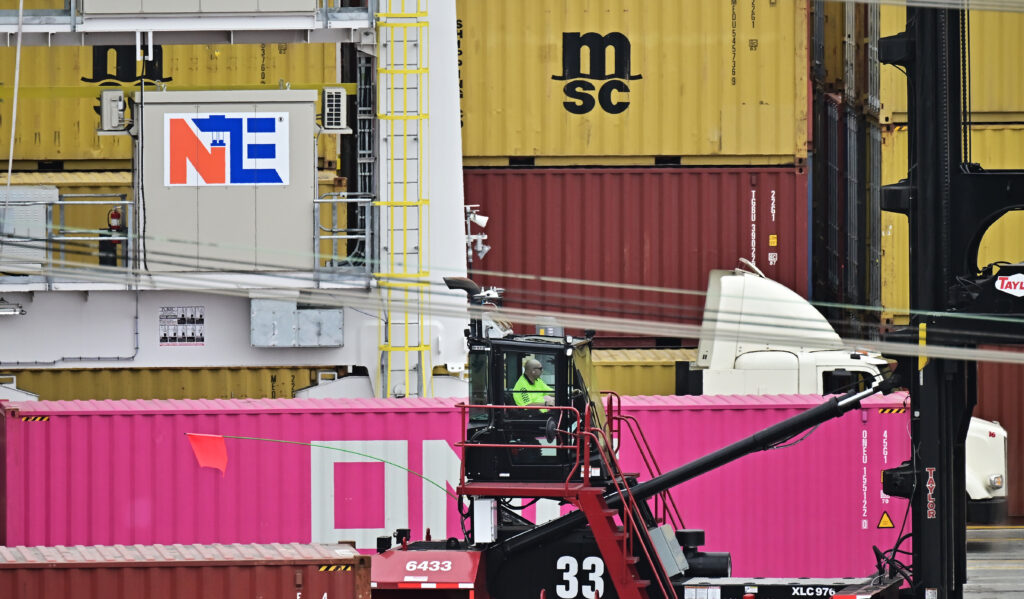
The US trade deficit more than halved in April as President Donald Trump’s global tariffs reversed an import surge that preceded the new duties.The White House is likely to frame the smaller deficit as a win, noting a report of its expected boost to GDP growth, although analysts warn that businesses had likely paused further imports while waiting for countries to strike deals.The world’s biggest economy logged a trade gap of $61.6 billion in the same month that Trump unveiled 10 percent levies on almost all trading partners. This was down by 55.5 percent from March, the largest decrease on record, said the Commerce Department.In March, the overall US trade deficit widened to $138.3 billion as businesses sought to get ahead of Trump’s promised duties.But imports slumped by 16.3 percent in April to $351 billion as the blanket tariffs on US allies and competitors alike kicked in.Goods imports in particular fell by the most on record as well.Apart from the 10 percent levy, Trump also announced -– before swiftly pausing –- higher rates on dozens of economies including the European Union and Japan. This halt, which allowed room for trade negotiations to take place, is due to expire in early July.Goods from China were the biggest target of Trump’s during the month as the world’s two biggest economies engaged in a tit-for-tat escalation that took both sides’ levies on each other’s products to three digits.This brought many shipments from China to a halt before the countries reached a temporary deal to de-escalate the situation.For now, all eyes are on talks between Trump and Chinese President Xi Jinping, amid hopes that both leaders can help bring about a longer-lasting truce.But the state of a trade deal between both countries remains uncertain as Trump last week accused Beijing of violating the terms of their temporary agreement — which China denied.After a phone call with Xi on Thursday, Trump said there had been a “very positive conclusion for both countries.”Both April exports and imports involving China were the lowest since early 2020 during the Covid-19 pandemic, according to the Commerce Department.- ‘Hit pause’ -“The economy has essentially hit pause on discretionary imports and is now working off inventories as businesses and consumers delay spending and wait for clarity on tariffs,” said Nationwide financial markets economist Oren Klachkin.He added in a statement that the sharp drop in goods imports, stronger goods exports and larger services surplus narrowed the total April trade gap by the most on record.With imports plummeting, GDP growth in the second quarter is set to rebound, said Oxford Economics senior US economist Matthew Martin.But he warned in a note that headline growth figures “will overstate the true health of the economy.”Overall in April, US imports dropped by 16.3 percent to $351 billion on a retreat in goods shipments.In particular, imports of consumer goods fell by $33 billion, data showed, with pullbacks in pharmaceuticals and cell phones.US exports ticked up by 3 percent to $289.4 billion, helped by goods exports such as those of industrial supplies.But US exports of autos and parts dropped by $3.3 billion.Besides wide-ranging tariffs targeting different countries, businesses have also been contending with sector-specific duties that Trump has rolled out in recent months.In March and April, the president slapped tariffs on imports of steel, aluminum and automobiles and he has since doubled the duties on both metals this month.The overall US deficit was the smallest since 2023, according to government figures.

Gamers get hold of Nintendo’s hotly awaited Switch 2

Gamers finally got their hands on Nintendo’s new Switch 2 on Thursday, the console that could score record early sales for the Japanese “Super Mario” creator.The device, which features a bigger screen and more processing power, is an upgrade to the Switch that became a global phenomenon with hit games such as “Animal Crossing”.The original Switch has sold 152 million units since its 2017 release, making it the third-best-selling console ever.Consoles were still on the shelves at a central Paris electronics store by early afternoon Thursday, defying concerns of stock running out.”I’m not surprised, people planned ahead with pre-orders,” said Benoit Martins, 29, a construction project manager.He said he had been waiting “for months” to pick up his own new console — but did not turn out at midnight to secure it at the moment of release, as several dozen French fans had.In Tokyo, there had been no Switch 2’s available without preorders when stores opened Thursday morning.Lei Wang, 24, a recent graduate from China, said he had been “shocked” to win a preorder lottery as he queued to collect his device.”It’s basically just me who got picked… so I don’t really want to say anything” to less lucky friends, he said with a laugh.Shinichi Sekiguchi, 31, said he was so excited he forgot to bring his phone, while 33-year-old Kuro said she had taken a day off work to use her new console.”The improved graphics and the ability to play with a larger group — I think that’s a big deal,” she said.Serkan Toto from Tokyo consultancy Kantan Games said he “would not be surprised to see Switch 2 breaking sales records in the next weeks and months”.Nintendo’s online store had 2.2 million pre-order applications for the Switch 2 in Japan — an “insane number the industry has never seen before”, Toto told AFP.- Worth the price? -The Switch 2 has eight times the memory of the first Switch and its controllers, which attach with magnets, can also be used like a desktop computer mouse.New functions allowing users to chat as they play online and temporarily share games with friends could also be a big draw for young audiences used to watching game streamers.However, Nintendo has its work cut out to match the overall success of the original.Challenges include uncertainty over US trade tariffs and whether it can convince enough people to pay the high price for its new device.The Switch 2 costs $449.99 in the United States, more than the original’s launch price of $299.99. Both are hybrid consoles that can connect to a TV or be played on the go.New Switch 2 games such as “Donkey Kong Bananza” and “Mario Kart World” — which allows players to go exploring off-grid — are also more expensive than existing titles.”After playing it, I think it’s worth the price,” Steven Paterno, a 24-year-old aspiring filmmaker, told AFP at a Nintendo launch event in New York City.He had been waiting outside the Rockefeller Center’s Nintendo store for a month and a half, part of a group of around 20 die-hard fans desperate to be first in line.”I loved the original Switch, but I had to admit the Switch 2 really tops it,” Paterno said.- Cancelled pre-orders -Retailers in the United States, Europe and other major markets are gearing up for a rush of excited fans, with some stores opening at midnight to welcome them.”I’m very excited to pick it up at midnight,” 22-year-old graduate Angel Caceres said at the New York launch event.”I’m going to be very tired after that.”Supply pressures have forced some retailers to cancel orders, with Britain’s Game saying it is “working hard to reinstate as many affected pre-orders as possible”.Nintendo forecasts it will ship 15 million Switch 2 consoles in the current financial year, roughly equal to the original console in the same period after its release.The Switch 2 “is priced relatively high” compared with its predecessor, the company’s president Shuntaro Furukawa said at a financial results briefing in May.So it “will not be easy” to keep initial momentum going, he warned.While Nintendo is diversifying into theme parks and hit movies, around 90 percent of its revenue still comes from the Switch business, analysts say.cg-tu-kaf-mng-tgb/giv

Christine Lagarde se dit “déterminée” à achever son mandat à la BCE

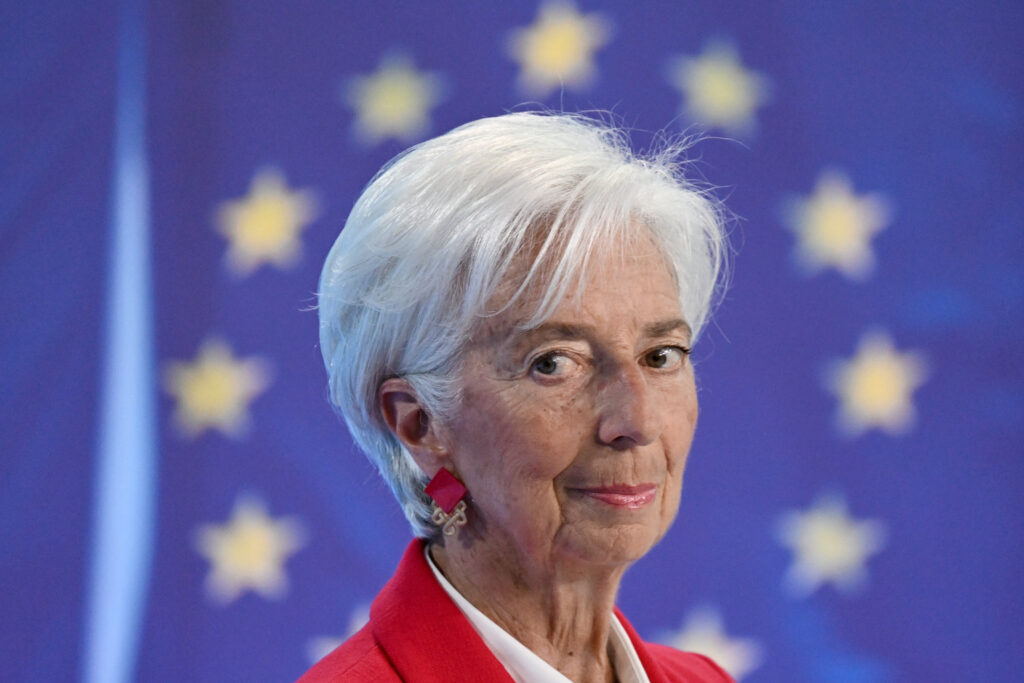
Christine Lagarde a assuré jeudi être “déterminée” à terminer son mandat à la tête de la Banque Centrale Européenne, réfutant des informations selon lesquelles elle envisagerait de rejoindre le Forum économique mondial (WEF) de Davos.”Je peux vous dire très fermement que j’ai toujours été et que je suis pleinement déterminée à remplir ma mission et à achever mon mandat”, a-t-elle déclaré à la presse à l’issue d’une réunion monétaire de l’institution de Francfort. Son mandat a débuté en 2019 et doit s’achever en 2027.Dans un article fin mai, le quotidien britannique Financial Times avait affirmé que Klaus Schwab, après avoir quitté ses fonctions à la tête du WEF en avril, s’était entretenu avec Mme Lagarde pour tenter de la convaincre d’écourter son mandat à la Banque centrale européenne.L’ancien président de ce forum, qui se tient chaque année dans la station de ski chic de Davos en Suisse, assurait également que l’ancienne ministre française et ancienne directrice générale du Fonds monétaire international (FMI), était “depuis plusieurs années” au coeur de discussions pour lui succéder.  A la suite de cet article, la BCE avait déjà démenti tout projet de sa présidente de mettre un terme anticipé à ses fonctions.

Mission délicate de Merz à Washington, en quête d’une bonne entente avec Trump

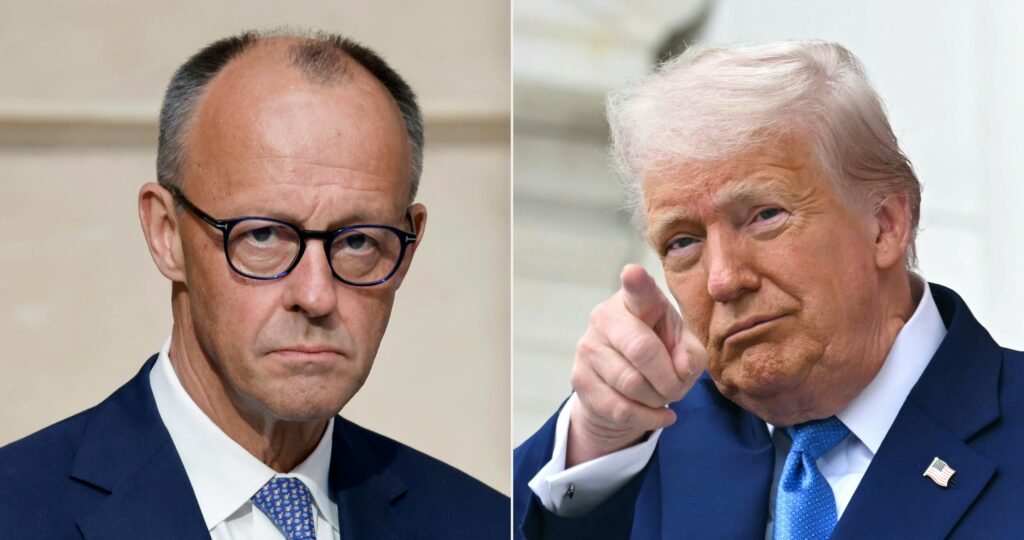
Le nouveau chancelier allemand Friedrich Merz doit mener jeudi une mission fort délicate: poser les bases d’une bonne entente avec Donald Trump, très critique de l’excédent commercial allemand, et qui n’hésite pas à piéger les dirigeants étrangers dans le Bureau ovale.La rencontre permettra de sonder l’humeur du président républicain sur le conflit en Ukraine, dans l’attente de la riposte promise par Moscou à l’audacieuse attaque ukrainienne contre des aérodromes russes, une riposte dont Vladimir Poutine lui-même a parlé mercredi à son homologue américain.Depuis un mois à la tête de la première économie européenne, le dirigeant de 69 ans s’était déjà entretenu à plusieurs reprises au téléphone avec le président américain. “Notre alliance avec les Etats-Unis a été, est et restera d’une importance capitale pour la sécurité, la liberté et la prospérité en Europe”, a écrit Friedrich Merz avant son départ pour Washington où il a atterri dans la nuit.Donald Trump a tourné le dos au libre-échange commercial et critiqué les dépenses de défense jugées trop faibles des pays de l’Otan. Ce faisant, il attaque deux piliers de la relation avec l’Allemagne, cette grande puissance exportatrice qui se repose sur la protection militaire américaine.- Cauchemar commercial -La bataille commerciale sera au centre des discussions, à quelques semaines de la date à laquelle le président américain menace d’imposer des droits de douane de 50% sur tous les produits européens, un cauchemar pour une économie allemande déjà affaiblie.Friedrich Merz a prévenu que l’Allemagne, troisième économie mondiale, ne se présentait pas en “quémandeur”.Avant les sommets du G7 au Canada (15-17 juin) et de l’Otan à La Haye (24-26 juin), le dirigeant allemand devrait aussi relayer la demande européenne de nouvelles sanctions contre la Russie, un scénario un temps évoqué par Donald Trump qui n’en a toutefois pas reparlé récemment.Friedrich Merz et Donald Trump doivent s’exprimer autour de 11h45 locale (15h45 GMT) face à la presse dans le Bureau ovale, épreuve médiatique redoutée depuis les embuscades tendues par le président américain à son homologue ukrainien Volodymyr Zelensky, puis sud-africain Cyril Ramaphosa. Les deux hommes auront ensuite un déjeuner de travail.Le chancelier allemand, jugé impulsif, attend le rendez-vous “avec sérénité”, assure-t-on à Berlin.- Interlocuteur -Multi-millionnaire, parlant couramment anglais, Friedrich Merz est comme Donald Trump un homme d’affaires – il a travaillé pour BlackRock, premier gestionnaire d’actifs du monde – et partage son goût du golf.Le chancelier a aussi promis de satisfaire d’ici début 2030 l’exigence américaine d’une augmentation des dépenses de défense et de sécurité des pays de l’Otan à 5% de leur PIB.Mais les sujets contentieux sont nombreux. Depuis son premier mandat, Donald Trump est obsédé par l’excédent commercial de l’Allemagne avec les Etats-Unis, et en particulier par les ventes de voitures allemandes.Pourtant atlantiste convaincu, Friedrich Merz avait prôné, sitôt élu, “une véritable indépendance vis-à-vis des Etats-Unis” sur les questions de sécurité, des propos longtemps inimaginables pour un dirigeant conservateur allemand.Autre sujet délicat: les immixtions américaines dans la politique intérieure allemande après que le président et son entourage ont affiché leur soutien au parti d’extrême droite AfD.Selon le New York Times, Donald Trump entend aborder le sujet de la “liberté d’expression” en Allemagne, le terme générique utilisé par l’administration américaine pour déplorer le traitement selon elle injuste infligé aux formations de droite radicale européennes. Ce alors que le président américain est lui-même accusé de chercher à intimider les porteurs d’opinions progressistes aux Etats-Unis.Le dirigeant allemand a affirmé aux journalistes, à son arrivée à Washington, qu’il “donnerait son opinion très clairement” si son hôte abordait les questions de politique intérieure allemande.

Mission délicate de Merz à Washington, en quête d’une bonne entente avec Trump

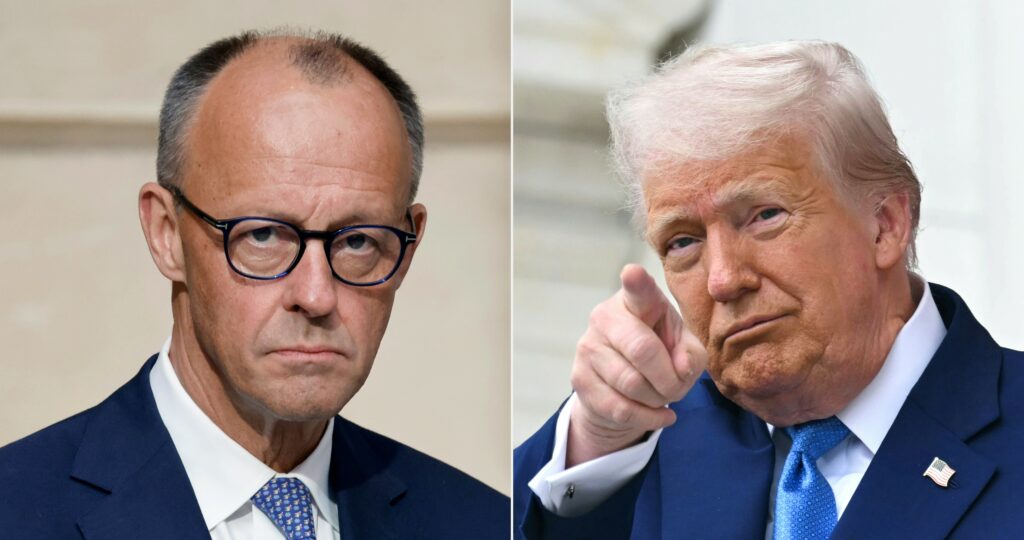
Le nouveau chancelier allemand Friedrich Merz doit mener jeudi une mission fort délicate: poser les bases d’une bonne entente avec Donald Trump, très critique de l’excédent commercial allemand, et qui n’hésite pas à piéger les dirigeants étrangers dans le Bureau ovale.La rencontre permettra de sonder l’humeur du président républicain sur le conflit en Ukraine, dans l’attente de la riposte promise par Moscou à l’audacieuse attaque ukrainienne contre des aérodromes russes, une riposte dont Vladimir Poutine lui-même a parlé mercredi à son homologue américain.Depuis un mois à la tête de la première économie européenne, le dirigeant de 69 ans s’était déjà entretenu à plusieurs reprises au téléphone avec le président américain. “Notre alliance avec les Etats-Unis a été, est et restera d’une importance capitale pour la sécurité, la liberté et la prospérité en Europe”, a écrit Friedrich Merz avant son départ pour Washington où il a atterri dans la nuit.Donald Trump a tourné le dos au libre-échange commercial et critiqué les dépenses de défense jugées trop faibles des pays de l’Otan. Ce faisant, il attaque deux piliers de la relation avec l’Allemagne, cette grande puissance exportatrice qui se repose sur la protection militaire américaine.- Cauchemar commercial -La bataille commerciale sera au centre des discussions, à quelques semaines de la date à laquelle le président américain menace d’imposer des droits de douane de 50% sur tous les produits européens, un cauchemar pour une économie allemande déjà affaiblie.Friedrich Merz a prévenu que l’Allemagne, troisième économie mondiale, ne se présentait pas en “quémandeur”.Avant les sommets du G7 au Canada (15-17 juin) et de l’Otan à La Haye (24-26 juin), le dirigeant allemand devrait aussi relayer la demande européenne de nouvelles sanctions contre la Russie, un scénario un temps évoqué par Donald Trump qui n’en a toutefois pas reparlé récemment.Friedrich Merz et Donald Trump doivent s’exprimer autour de 11h45 locale (15h45 GMT) face à la presse dans le Bureau ovale, épreuve médiatique redoutée depuis les embuscades tendues par le président américain à son homologue ukrainien Volodymyr Zelensky, puis sud-africain Cyril Ramaphosa. Les deux hommes auront ensuite un déjeuner de travail.Le chancelier allemand, jugé impulsif, attend le rendez-vous “avec sérénité”, assure-t-on à Berlin.- Interlocuteur -Multi-millionnaire, parlant couramment anglais, Friedrich Merz est comme Donald Trump un homme d’affaires – il a travaillé pour BlackRock, premier gestionnaire d’actifs du monde – et partage son goût du golf.Le chancelier a aussi promis de satisfaire d’ici début 2030 l’exigence américaine d’une augmentation des dépenses de défense et de sécurité des pays de l’Otan à 5% de leur PIB.Mais les sujets contentieux sont nombreux. Depuis son premier mandat, Donald Trump est obsédé par l’excédent commercial de l’Allemagne avec les Etats-Unis, et en particulier par les ventes de voitures allemandes.Pourtant atlantiste convaincu, Friedrich Merz avait prôné, sitôt élu, “une véritable indépendance vis-à-vis des Etats-Unis” sur les questions de sécurité, des propos longtemps inimaginables pour un dirigeant conservateur allemand.Autre sujet délicat: les immixtions américaines dans la politique intérieure allemande après que le président et son entourage ont affiché leur soutien au parti d’extrême droite AfD.Selon le New York Times, Donald Trump entend aborder le sujet de la “liberté d’expression” en Allemagne, le terme générique utilisé par l’administration américaine pour déplorer le traitement selon elle injuste infligé aux formations de droite radicale européennes. Ce alors que le président américain est lui-même accusé de chercher à intimider les porteurs d’opinions progressistes aux Etats-Unis.Le dirigeant allemand a affirmé aux journalistes, à son arrivée à Washington, qu’il “donnerait son opinion très clairement” si son hôte abordait les questions de politique intérieure allemande.

Libyans fear return of deadly violence as Eid begins

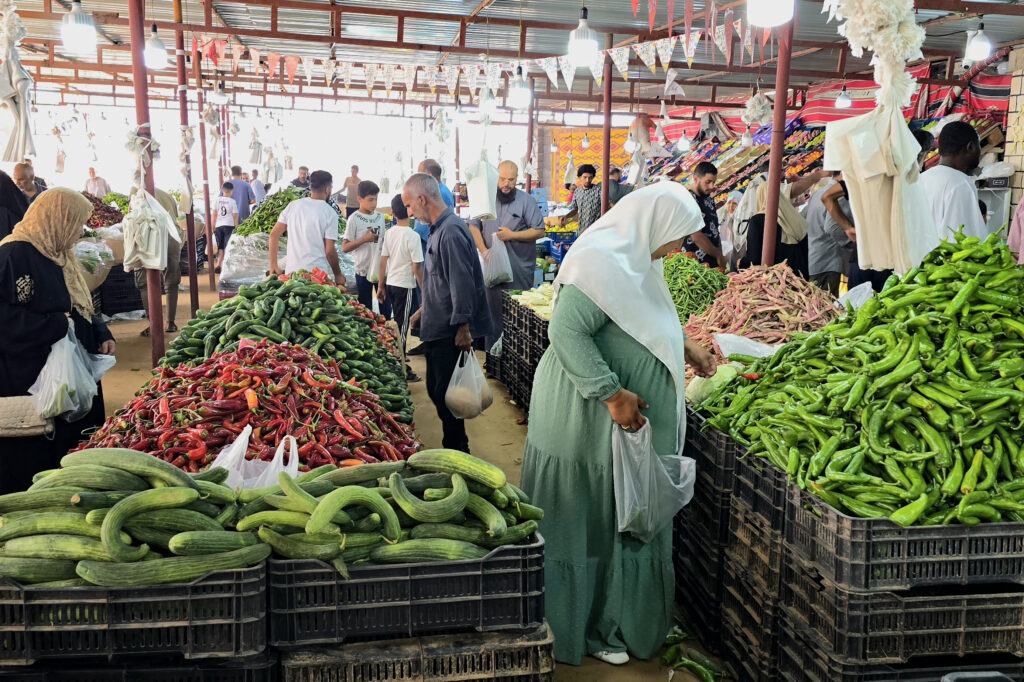
Residents of the Libyan capital were preparing for the Islamic holiday of Eid al-Adha in relative peace after deadly clashes last month, but they were unconvinced it would outlast the festivities.With celebrations set for Friday, Randa al-Mahmoudi, a schoolteacher in her thirties, said she was trying to keep life steady for her three children.”We try, at least for the children, to do things as usual, without thinking about what might happen,” she said, shopping in a supermarket in Siyahiya, a western district of Tripoli. “Otherwise, we can’t live.”Despite “everything looking normal in Tripoli with traffic jams, open shops and schools, and flights operating,” Mahmoudi said, she “can feel something is off”.Nureddin al-Shaouesh, a 48-year-old radio technician, said his children would “tremble when they hear wedding fireworks”, thinking they were gunshots in the capital.Another local, Hamza al-Ahmar, 39, wondered: “What will happen after Eid? That’s the question on everyone’s mind.”The Libyan capital was rocked in May by several days of fighting between rival armed groups. The 444 Brigade, aligned with the Tripoli-based government, fought several powerful rival factions in control of various areas of the city.Libya is split between the UN-recognised government in Tripoli, led by Prime Minister Abdulhamid Dbeibah, and a rival administration in the east.The North African country has remained deeply divided since the 2011 NATO-backed revolt that toppled and killed longtime leader Moamer Kadhafi.- Fragile truce -The clashes were sparked by the killing of Abdelghani al-Kikli, the leader of the SSA armed group, by the 444 Brigade, which later took on another rival faction, Radaa.The fighting came after Dbeibah announced a string of executive orders seeking to dismantle armed groups that he later said had “become stronger than the state”.A fragile truce ensued, but many Tripolitans remained on edge after the clashes, which killed at least eight people, according to the United Nations.”On the surface, things are calm,” said Fathi Shibli, a 64-year-old retired teacher. “But I wouldn’t say it’s a return to normal. People are afraid of new fights because the root of the problem is yet to be resolved.”The area once under SSA control has since been taken over by the 444 Brigade, which claimed to have discovered a mass grave there containing dozens of bodies.On Wednesday, UN Human Rights Commissioner Volker Turk raised alarm over “gross human rights violations uncovered at official and unofficial detention facilities run by the Stabilisation Support Apparatus (SSA) force in Tripoli”.- ‘We’ll see what happens’ -The UN support mission in Libya said “10 charred bodies” were found at the SSA headquarters in Abu Salim, its former stronghold in the capital, while “a total of 67 bodies in refrigerators” were discovered at two local hospitals.A burial site was also reportedly found in Tripoli’s zoo, formerly managed by the SSA.”We’ll see what happens,” said Mahmoudi. “There’s a new reality in Tripoli after Gheniwa’s death and the tensions with Radaa.”Hundreds of people — mostly from the Radaa-controlled Souq al-Joumaa district — have protested for the past three Fridays in the capital to demand Dbeibah’s resignation.”I want him gone, but with the current chaos and a rival government in the East watching closely, toppling this government would be a mistake,” said Ahmar.Shibli said the issue was beyond the UN-backed premier, citing inefficiencies across the board: “Dbeibah’s departure won’t fix the crisis. He’s just one part of the problem.”Presidential and parliamentary elections under UN supervision were scheduled for December 2021, but they were indefinitely postponed due to unresolved disputes between the country’s eastern and western powers.