Israel begins flying home citizens stranded abroad by Iran conflict

A first aircraft bringing home Israelis stranded abroad by flight cancellations resulting from the conflict with Iran touched down on Wednesday, with returnees expressing relief to be back on Israeli soil.A statement from the airports authority said “the first flight of Operation Safe Return” landed at Ben Gurion Airport early Wednesday, with national carrier El Al bringing Israelis home from Larnaca in Cyprus. Transport Minister Miri Regev said Tuesday that between 100,000 and 150,000 Israelis have been stranded abroad, as Israel and Iran traded deadly fire in their most intense confrontation ever.Despite the nightly volleys of Iranian missile fire at Israel since Friday, hotelier Yaakov Bogen, 66, said he would rather be at home with family than abroad.”I belong here, and unfortunately we get used to these fights and war, but we prefer to be here, to support as much as we can,” he told AFP in Tel Aviv after landing back in Israel.Travellers with suitcases disembarked a bus in the coastal hub, after Israel’s airports authority urged the public not to order taxis or greet arriving passengers at Ben Gurion Airport due to “the current security situation”.Stylist Tali Gehorsam, 40, expressed relief to be back after her flight was redirected to Cyprus half an hour before landing in the early hours of Friday.”This is home. There’s no other place,” she said. “To be overseas and to watch the news is not a nice feeling.”After decades of enmity and a prolonged shadow war, the long-range blitz began Friday when Israel launched a massive bombing campaign that prompted Iran to respond with missiles and drones.Since Friday, at least 24 people have been killed in Israel and hundreds wounded, according to Prime Minister Benjamin Netanyahu’s office.Ori Abadi, a 35-year-old Tel Aviv resident, said he had family in two areas of central Israel that have been hit by recent deadly missile strikes.”I know that both of the apartments got damaged. It really hurts, it’s really worrying and I’m really glad to be with my family now,” he said.Israel’s transport ministry said all of Israel’s commercial aircraft had been sent abroad to prevent damage during the air war with Iran.After suspending flights last week, El Al said it was “preparing rescue flights” starting Wednesday with planes departing from Larnaca, Athens, Rome, Milan and Paris.The low-cost Israeli airline Arkia also announced special flights this week to repatriate Israelis.A statement from the airports authority said Wednesday that the return operation “is being managed in stages based on the level of risk and current security assessments, with a strong emphasis on the safety of passengers, aircrews and aircraft”.

Khamenei says Iran will ‘never surrender’, warns off US

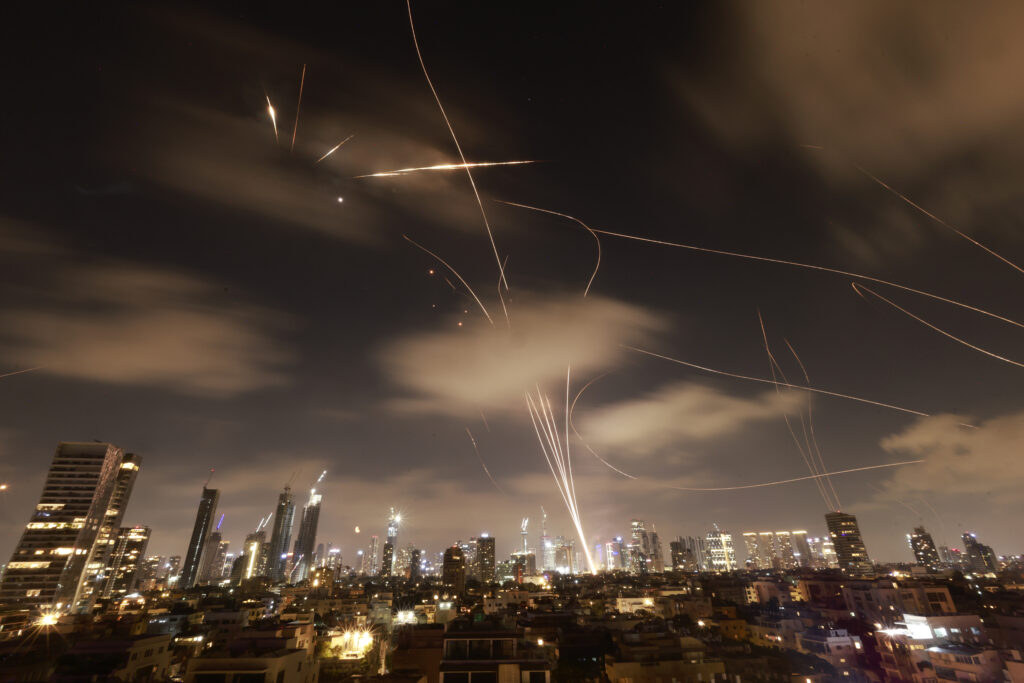
Iran’s supreme leader Ayatollah Ali Khamenei said Wednesday the nation would never surrender as demanded by President Donald Trump and warned the United States it would face “irreparable damage” if it intervenes in support of its ally.The speech came six days into the conflict, with Trump demanding Iran’s “unconditional surrender” while boasting the United States could kill Khamenei and fuelling speculation about a possible intervention.The long-range blitz began Friday, when Israel launched a massive bombing campaign that prompted Iran to respond with missiles and drones.”This nation will never surrender,” Khamenei said in a speech read on state television, in which he called Trump’s ultimatum “unacceptable”.”America should know that any military intervention will undoubtedly result in irreparable damage,” he said.Khamenei, in power since 1989 and the final arbiter of all matters of state in Iran, had earlier vowed the country would show “no mercy” towards Israel’s leaders.The speech followed a night of strikes, with Israeli attacks destroying two buildings making centrifuge components for Iran’s nuclear programme near Tehran, according to the UN nuclear watchdog. “More than 50 Israeli Air Force fighter jets… carried out a series of air strikes in the Tehran area over the past few hours,” the Israeli military said, adding that several weapons manufacturing facilities were hit. “As part of the broad effort to disrupt Iran’s nuclear weapons development programme, a centrifuge production facility in Tehran was targeted.”Centrifuges are vital for uranium enrichment, the sensitive process that can produce fuel for reactors or, in highly extended form, the core of a nuclear warhead.The strikes destroyed two buildings making centrifuge components for Iran’s nuclear programme in Karaj, a satellite city of Tehran, the International Atomic Energy Agency said.In another strike on a site in Tehran, “one building was hit where advanced centrifuge rotors were manufactured and tested”, the agency added in a post on X.Iran’s Revolutionary Guards said they had launched hypersonic Fattah-1 missiles at Tel Aviv.Hypersonic missiles travel at more than five times the speed of sound and can manoeuvre mid-flight, making them harder to track and intercept.No missile struck Tel Aviv overnight, though AFP photos showed Israel’s air defence systems activated to intercept missiles over the commercial hub.Iran also sent a “swarm of drones” towards Israel, while the Israeli military said it had intercepted a total of 10 drones launched from Iran.It said one of its own drones had been shot down over Iran.- ‘Unconditional surrender’ -Trump fuelled speculation about US intervention when he made a hasty exit from the G7 summit in Canada, where the leaders of the club of wealthy democracies called for de-escalation but backed Israel’s “right to defend itself”.He boasted that the United States could easily assassinate Khamenei.”We know exactly where the so-called ‘Supreme Leader’ is hiding. He is an easy target, but is safe there — We are not going to take him out (kill!), at least not for now,” Trump wrote on his Truth Social platform.Trump met with his National Security Council to discuss the conflict. There was no immediate public statement after the hour and 20 minute meeting.US officials stressed Trump has not yet made a decision about any intervention.- Evacuations -Israel’s attacks have hit nuclear and military facilities around Iran, as well as residential areas.Residential areas in Israel have also been hit, and foreign governments have scrambled to evacuate their citizens from both countries.Many Israelis spent another night disrupted by air raid warnings, with residents of coastal hub Tel Aviv repeatedly heading for shelters when sirens rang out warning of incoming Iranian missiles.In the West Bank city of Ramallah, perched at 800 metres (2,600 feet) above sea level and with a view over Tel Aviv, some residents gathered on rooftops and balconies to watch.An AFP journalist reported cheers and whistles as dozens of missiles flew overhead, with Israeli air defences activating to intercept them, causing mid-air explosions which lit up the sky.Since Friday, at least 24 people have been killed in Israel and hundreds wounded, according to Netanyahu’s office.Iran said on Sunday that Israeli strikes had killed at least 224 people, including military commanders, nuclear scientists and civilians. It has not issued an updated toll since then.On Tuesday in Tehran, long queues stretched outside bakeries and petrol stations as people rushed to stock up on fuel and basic supplies.Iran’s ISNA and Tasnim news agencies on Wednesday reported that five suspected agents of Israel’s Mossad intelligence agency had been detained, on charges of tarnishing the country’s image online.- Nuclear facilities -After a prolonged shadow war, Israel said its surprise air campaign was aimed at preventing Iran from acquiring nuclear weapons — an ambition Tehran denies.The UN nuclear watchdog said there appeared to have been “direct impacts on the underground enrichment halls” at Iran’s Natanz facility.Israel has maintained ambiguity regarding its own atomic activities, but the Stockholm International Peace Research Institute (SIPRI) says it has 90 nuclear warheads.The conflict derailed a running series of nuclear talks between Tehran and Washington, with Iran saying after the start of Israel’s campaign that it would not negotiate with the United States while under attack.burs/ser/kir

Khamenei says Iran will ‘never surrender’, warns off US

Iran’s supreme leader Ayatollah Ali Khamenei said Wednesday the nation would never surrender as demanded by President Donald Trump and warned the United States it would face “irreparable damage” if it intervenes in support of its ally.The speech came six days into the conflict, with Trump demanding Iran’s “unconditional surrender” while boasting the United States could kill Khamenei and fuelling speculation about a possible intervention.The long-range blitz began Friday, when Israel launched a massive bombing campaign that prompted Iran to respond with missiles and drones.”This nation will never surrender,” Khamenei said in a speech read on state television, in which he called Trump’s ultimatum “unacceptable”.”America should know that any military intervention will undoubtedly result in irreparable damage,” he said.Khamenei, in power since 1989 and the final arbiter of all matters of state in Iran, had earlier vowed the country would show “no mercy” towards Israel’s leaders.The speech followed a night of strikes, with Israeli attacks destroying two buildings making centrifuge components for Iran’s nuclear programme near Tehran, according to the UN nuclear watchdog. “More than 50 Israeli Air Force fighter jets… carried out a series of air strikes in the Tehran area over the past few hours,” the Israeli military said, adding that several weapons manufacturing facilities were hit. “As part of the broad effort to disrupt Iran’s nuclear weapons development programme, a centrifuge production facility in Tehran was targeted.”Centrifuges are vital for uranium enrichment, the sensitive process that can produce fuel for reactors or, in highly extended form, the core of a nuclear warhead.The strikes destroyed two buildings making centrifuge components for Iran’s nuclear programme in Karaj, a satellite city of Tehran, the International Atomic Energy Agency said.In another strike on a site in Tehran, “one building was hit where advanced centrifuge rotors were manufactured and tested”, the agency added in a post on X.Iran’s Revolutionary Guards said they had launched hypersonic Fattah-1 missiles at Tel Aviv.Hypersonic missiles travel at more than five times the speed of sound and can manoeuvre mid-flight, making them harder to track and intercept.No missile struck Tel Aviv overnight, though AFP photos showed Israel’s air defence systems activated to intercept missiles over the commercial hub.Iran also sent a “swarm of drones” towards Israel, while the Israeli military said it had intercepted a total of 10 drones launched from Iran.It said one of its own drones had been shot down over Iran.- ‘Unconditional surrender’ -Trump fuelled speculation about US intervention when he made a hasty exit from the G7 summit in Canada, where the leaders of the club of wealthy democracies called for de-escalation but backed Israel’s “right to defend itself”.He boasted that the United States could easily assassinate Khamenei.”We know exactly where the so-called ‘Supreme Leader’ is hiding. He is an easy target, but is safe there — We are not going to take him out (kill!), at least not for now,” Trump wrote on his Truth Social platform.Trump met with his National Security Council to discuss the conflict. There was no immediate public statement after the hour and 20 minute meeting.US officials stressed Trump has not yet made a decision about any intervention.- Evacuations -Israel’s attacks have hit nuclear and military facilities around Iran, as well as residential areas.Residential areas in Israel have also been hit, and foreign governments have scrambled to evacuate their citizens from both countries.Many Israelis spent another night disrupted by air raid warnings, with residents of coastal hub Tel Aviv repeatedly heading for shelters when sirens rang out warning of incoming Iranian missiles.In the West Bank city of Ramallah, perched at 800 metres (2,600 feet) above sea level and with a view over Tel Aviv, some residents gathered on rooftops and balconies to watch.An AFP journalist reported cheers and whistles as dozens of missiles flew overhead, with Israeli air defences activating to intercept them, causing mid-air explosions which lit up the sky.Since Friday, at least 24 people have been killed in Israel and hundreds wounded, according to Netanyahu’s office.Iran said on Sunday that Israeli strikes had killed at least 224 people, including military commanders, nuclear scientists and civilians. It has not issued an updated toll since then.On Tuesday in Tehran, long queues stretched outside bakeries and petrol stations as people rushed to stock up on fuel and basic supplies.Iran’s ISNA and Tasnim news agencies on Wednesday reported that five suspected agents of Israel’s Mossad intelligence agency had been detained, on charges of tarnishing the country’s image online.- Nuclear facilities -After a prolonged shadow war, Israel said its surprise air campaign was aimed at preventing Iran from acquiring nuclear weapons — an ambition Tehran denies.The UN nuclear watchdog said there appeared to have been “direct impacts on the underground enrichment halls” at Iran’s Natanz facility.Israel has maintained ambiguity regarding its own atomic activities, but the Stockholm International Peace Research Institute (SIPRI) says it has 90 nuclear warheads.The conflict derailed a running series of nuclear talks between Tehran and Washington, with Iran saying after the start of Israel’s campaign that it would not negotiate with the United States while under attack.burs/ser/kir

Ultime opération sauvetage pour le “conclave” des retraites

Pour éviter l’échec après presque quatre mois de concertation, le “conclave” des retraites initié par François Bayrou se donne une journée de plus, le 23 juin, mais les partenaires sociaux doutent de l’intérêt de jouer les prolongations. L’opposition de gauche demande des comptes au Premier ministre. La fin de partie a-t-elle déjà été sifflée? La ministre du Travail Astrid Panosyan-Bouvet a redit mercredi sur Franceinfo sa “confiance” dans la capacité des participants à trouver “les compromis nécessaires”. Mais le patron du Medef Patrick Martin s’est dit plus tôt sur France 2 “très réservé” sur la présence de l’organisation patronale à l’ultime réunion du “conclave”, même s’il doit encore “consulter ses instances”.”Nous n’étions pas demandeurs que cette réforme soit réexaminée. A bas bruit, certains sont en train de la détricoter. Or, notre pays a besoin de travailler plus”, a-t-il estimé s’opposant à des propositions syndicales qui vont “dans le sens d’une altération du financement de nos retraites”.”Si le patronat ne vient pas le 23, on saura qui a mis fin aux négociations et ce ne sera pas nous!”, a commenté auprès de l’AFP Cyril Chabanier, patron de la CFTC, qui assène encore: “quand Patrick Martin dit ce matin +on ne bougera pas+, c’est sûr qu’une dernière réunion ne servira à rien”.La CFE-CGC va également “rester jusqu’au bout”, selon son président François Hommeril sur BFM Business mercredi, car dans le “format” du “conclave”, ce n’est pas “le Medef qui tient la plume et le Medef couine un peu parce qu’il n’a pas l’habitude”. Mais Christelle Thieffinne, négociatrice de ce syndicat, est “pessimiste” pour un accord.- “Lignes écarlates” – La CPME (patronat des petites et moyennes entreprises) devrait revenir lundi à la table des négociations, mais avec des “lignes rouges, voire écarlates”, a prévenu Eric Chevée, son représentant, à l’issue de la longue journée de mardi, date-butoir initiale, conclue dans la nuit sans accord.”Dans la dernière ligne droite, tout ce qui a été impossible dans la journée – nous avons flirté avec l’échec – a été en partie ouvert”, grâce à Jean-Jacques Marette, médiateur expérimenté dans les négociations entre patronat et syndicat, a résumé Yvan Ricordeau, négociateur de la CFDT.Parmi toutes les propositions retenues par Jean-Jacques Marette pour dégager un accord, les mesures en faveur des femmes semblent les plus consensuelles, selon les participants.Les femmes qui ont eu des enfants verraient leur retraite calculée sur les 24 meilleures années (1 enfant), ou 23 meilleures années (2 enfants), d’après les indications fournies par les participants. Sur la pénibilité, les termes de l’accord semblent plus confus. Pour répondre à une demande insistante de la CFDT, le patronat accepterait l’instauration d’un compte pénibilité — prenant en considération les manutentions manuelles de charge, les postures pénibles et les vibrations mécaniques — qui pourrait ouvrir, dans certains cas, à un départ anticipé en retraite.  Sur l’âge de départ sans décote, l’accord se ferait autour d’un âge abaissé à 66 ans et demi contre 67 ans. L’âge de départ sans décote est l’âge auquel il est possible de partir sans pénalité, même si l’on n’a pas cotisé le nombre de trimestres exigés (172). Il semble acquis que le dispositif des carrières longues soit alors restreint et ne puisse plus bénéficier aux personnes ayant travaillé avant l’âge de 21 ans.- CSG, retraités -Pour parvenir à l’équilibre financier en 2030, la CSG serait augmentée pour les retraités aux revenus moyens ou supérieurs, et les retraites pourraient être sous-indexées de 0,8 point par rapport à l’inflation en 2026, et 0,4 point en 2027.La prime seniors, évoquée en début de semaine par François Bayrou, serait elle enterrée.La réussite ou non de ce “conclave” est un instant de vérité pour M. Bayrou, qui avait lancé ce nouveau format de discussions après un compromis noué avec les socialistes pour éviter une censure du gouvernement.”A partir du moment où ce conclave n’aboutit pas sur l’abrogation de la réforme des retraites, nous déposerons une motion de censure”, a promis Manuel Bompard, coordinateur de la France Insoumise, mercredi sur RTL même si LFI aura besoin de l’appui d’autres groupes à gauche pour pouvoir techniquement la déposer.”Il faut qu’on mette cette question des retraites derrière, ça fait depuis deux ans qu’on ne parle que de ça”, a plaidé Astrid Panosyan-Bouvet.  L’idée de ce conclave était principalement de rendre moins impopulaire la réforme des retraites Borne de 2023, qui porte progressivement de 62 à 64 ans le départ à la retraite. Tout en visant l’équilibre financier, alors que le déficit du système est annoncé à 6,6 milliards d’euros en 2030.pgr-lby-grd-bat/alu/clc

Ultime opération sauvetage pour le “conclave” des retraites

Pour éviter l’échec après presque quatre mois de concertation, le “conclave” des retraites initié par François Bayrou se donne une journée de plus, le 23 juin, mais les partenaires sociaux doutent de l’intérêt de jouer les prolongations. L’opposition de gauche demande des comptes au Premier ministre. La fin de partie a-t-elle déjà été sifflée? La ministre du Travail Astrid Panosyan-Bouvet a redit mercredi sur Franceinfo sa “confiance” dans la capacité des participants à trouver “les compromis nécessaires”. Mais le patron du Medef Patrick Martin s’est dit plus tôt sur France 2 “très réservé” sur la présence de l’organisation patronale à l’ultime réunion du “conclave”, même s’il doit encore “consulter ses instances”.”Nous n’étions pas demandeurs que cette réforme soit réexaminée. A bas bruit, certains sont en train de la détricoter. Or, notre pays a besoin de travailler plus”, a-t-il estimé s’opposant à des propositions syndicales qui vont “dans le sens d’une altération du financement de nos retraites”.”Si le patronat ne vient pas le 23, on saura qui a mis fin aux négociations et ce ne sera pas nous!”, a commenté auprès de l’AFP Cyril Chabanier, patron de la CFTC, qui assène encore: “quand Patrick Martin dit ce matin +on ne bougera pas+, c’est sûr qu’une dernière réunion ne servira à rien”.La CFE-CGC va également “rester jusqu’au bout”, selon son président François Hommeril sur BFM Business mercredi, car dans le “format” du “conclave”, ce n’est pas “le Medef qui tient la plume et le Medef couine un peu parce qu’il n’a pas l’habitude”. Mais Christelle Thieffinne, négociatrice de ce syndicat, est “pessimiste” pour un accord.- “Lignes écarlates” – La CPME (patronat des petites et moyennes entreprises) devrait revenir lundi à la table des négociations, mais avec des “lignes rouges, voire écarlates”, a prévenu Eric Chevée, son représentant, à l’issue de la longue journée de mardi, date-butoir initiale, conclue dans la nuit sans accord.”Dans la dernière ligne droite, tout ce qui a été impossible dans la journée – nous avons flirté avec l’échec – a été en partie ouvert”, grâce à Jean-Jacques Marette, médiateur expérimenté dans les négociations entre patronat et syndicat, a résumé Yvan Ricordeau, négociateur de la CFDT.Parmi toutes les propositions retenues par Jean-Jacques Marette pour dégager un accord, les mesures en faveur des femmes semblent les plus consensuelles, selon les participants.Les femmes qui ont eu des enfants verraient leur retraite calculée sur les 24 meilleures années (1 enfant), ou 23 meilleures années (2 enfants), d’après les indications fournies par les participants. Sur la pénibilité, les termes de l’accord semblent plus confus. Pour répondre à une demande insistante de la CFDT, le patronat accepterait l’instauration d’un compte pénibilité — prenant en considération les manutentions manuelles de charge, les postures pénibles et les vibrations mécaniques — qui pourrait ouvrir, dans certains cas, à un départ anticipé en retraite.  Sur l’âge de départ sans décote, l’accord se ferait autour d’un âge abaissé à 66 ans et demi contre 67 ans. L’âge de départ sans décote est l’âge auquel il est possible de partir sans pénalité, même si l’on n’a pas cotisé le nombre de trimestres exigés (172). Il semble acquis que le dispositif des carrières longues soit alors restreint et ne puisse plus bénéficier aux personnes ayant travaillé avant l’âge de 21 ans.- CSG, retraités -Pour parvenir à l’équilibre financier en 2030, la CSG serait augmentée pour les retraités aux revenus moyens ou supérieurs, et les retraites pourraient être sous-indexées de 0,8 point par rapport à l’inflation en 2026, et 0,4 point en 2027.La prime seniors, évoquée en début de semaine par François Bayrou, serait elle enterrée.La réussite ou non de ce “conclave” est un instant de vérité pour M. Bayrou, qui avait lancé ce nouveau format de discussions après un compromis noué avec les socialistes pour éviter une censure du gouvernement.”A partir du moment où ce conclave n’aboutit pas sur l’abrogation de la réforme des retraites, nous déposerons une motion de censure”, a promis Manuel Bompard, coordinateur de la France Insoumise, mercredi sur RTL même si LFI aura besoin de l’appui d’autres groupes à gauche pour pouvoir techniquement la déposer.”Il faut qu’on mette cette question des retraites derrière, ça fait depuis deux ans qu’on ne parle que de ça”, a plaidé Astrid Panosyan-Bouvet.  L’idée de ce conclave était principalement de rendre moins impopulaire la réforme des retraites Borne de 2023, qui porte progressivement de 62 à 64 ans le départ à la retraite. Tout en visant l’équilibre financier, alors que le déficit du système est annoncé à 6,6 milliards d’euros en 2030.pgr-lby-grd-bat/alu/clc

Oil prices dip, stocks mixed tracking Mideast unrest

Oil prices eased and stock markets diverged Wednesday as traders kept a close watch over the Israel-Iran conflict ahead of an interest-rate announcement from the US Federal Reserve.Asia’s main equity indices closed mixed and the picture was similar in European midday deals. The dollar dropped against main rivals.The Fed is widely expected to hold interest rates steady Wednesday, as officials gauge the impact of US tariffs on inflation — and despite President Donald Trump’s calls for rate cuts as the world’s biggest economy faces pressure.”Global market direction remains clouded by tariffs, complicated by the Middle Eastern conflict and confounded by the lack of any obvious positive catalysts,” noted Richard Hunter, head of markets at Interactive Investor.Oil prices pulled back very slightly, after surging Tuesday on fears of crude supplies tightening in the face of rising Middle East tensions. Gas prices rose with concerns surrounding its supply.Israel and Iran exchanged fire again Wednesday, the sixth day of strikes in their most intense confrontation in history, fuelling fears of a drawn-out conflict that could engulf the wider region.There were signs also of possible US intervention after Trump called for Tehran’s “unconditional surrender”.Of particular concern is the possibility of Iran shutting off the Strait of Hormuz, through which around one fifth of global oil supply is transported.- Central banks -Wall Street slid Tuesday as a below-forecast reading on US retail sales for May revived worries about the impact of tariffs on the economy. That came as another report showed US factory output fell unexpectedly.The data provided hope that the Fed would still cut interest rates this year.The US central bank is due Wednesday to also release its rate and economic growth outlook for the rest of the year, which are expected to take account of Trump’s tariff war.”The Fed would no doubt be cutting again by now if not for the uncertainty regarding tariffs and a recent escalation of tensions in the Middle East,” said KPMG senior economist Benjamin Shoesmith.In a busy week for monetary policy, Sweden’s central bank on Wednesday cut its key interest rate to try and boost the country’s economy, as it cited risks linked to trade tensions and the escalating conflict in the Middle East.The Bank of England is expected to keep its key rate steady Thursday, especially after official data Wednesday showed UK annual inflation fell less than expected in May.The Bank of Japan on Tuesday kept interest rates unchanged and said it would taper its purchase of government bonds at a slower pace, as trade uncertainty threatens to weigh on the world’s number four economy.- Key figures at around 1040 GMT -Brent North Sea Crude: DOWN 0.2 percent at $76.33 per barrelWest Texas Intermediate: DOWN 0.1 percent at $74.76 per barrelLondon – FTSE 100: FLAT at 8,833.44 pointsParis – CAC 40: DOWN 0.2 percent at 7,668.79 Frankfurt – DAX: DOWN 0.4 percent at 23,344.78Tokyo – Nikkei 225: UP 0.9 percent at 38,885.15 (close)Hong Kong – Hang Seng Index: DOWN 1.1 percent at 23,710.69 (close)Shanghai – Composite: FLAT at 3,388.81 (close)New York – Dow: DOWN 0.7 percent at 42,215.80 (close)Euro/dollar: UP at $1.1506 from $1.1488 on TuesdayPound/dollar: UP at $1.3454 from $1.3425Dollar/yen: DOWN at 144.80 yen from 145.27 yenEuro/pound: DOWN at 85.52 pence from 85.54 penceburs-bcp/ajb/rl

Smartphones banned from schools in Afghan Taliban’s heartland

A ban on smartphones in schools issued by Taliban authorities in southern Afghanistan came into force, students and teachers confirmed to AFP on Wednesday, over concerns of “focus” and “Islamic law”.The directive by the provincial Education Department in Kandahar applies to students, teachers and administrative staff in schools and religious schools.”This decision has been made to ensure educational discipline, focus”, the statement said, adding that it was taken from a “sharia perspective” and that smartphones contribute to “the destruction of the future generation”.The policy, which has already taken effect in schools across the province, has divided opinion among teachers and students. “We did not bring smart phones with us to school today”, Saeed Ahmad, a 22-year-old teacher, told AFP. “I think this is a good decision so that there is more focus on studies,” he added.Mohammad Anwar, an 11th grader, said “the teachers are saying if anyone is seen bringing a phone, they will start searching the students.”Another 12th-grade student, refusing to give his name, said the ban would hinder learning in a country where girls are barred from secondary school and university as part of restrictions the UN has dubbed “gender apartheid”.”When the teacher writes a lesson on the board, I often take a picture so I could write it down later. Now I can’t. This decision will negatively affect our studies.”- ‘Complete ban’ -The ban has also taken root in religious schools known as madrassas. “Now there’s a complete ban. No one brings smartphones anymore,” Mohammad, 19 years old madrassa student said.A number of countries have in recent years moved to restrict mobile phones from classrooms such as France, Denmark and Brazil.The Taliban authorities have already introduced a ban on images of living beings in media, with multiple provinces announcing restrictions and some Taliban officials refusing to be photographed or filmed.The Taliban’s Supreme Leader Hibatullah Akhundzada called last week on officials and scholars to reduce their use of smartphones.”This is the order of the leaders, and we must accept it,” a 28-year-old security forces member told AFP without giving his name as he was not authorized to speak to the media.”I have now found a brick phone … I used WhatsApp on my smartphone sometimes, but now I don’t use it anymore,” he added.Some Taliban officials in Kandahar have started sharing their numbers for brick phones and switching off online messaging apps.   

Déchets toxiques: l’Alsace fera appel contre le confinement à Stocamine

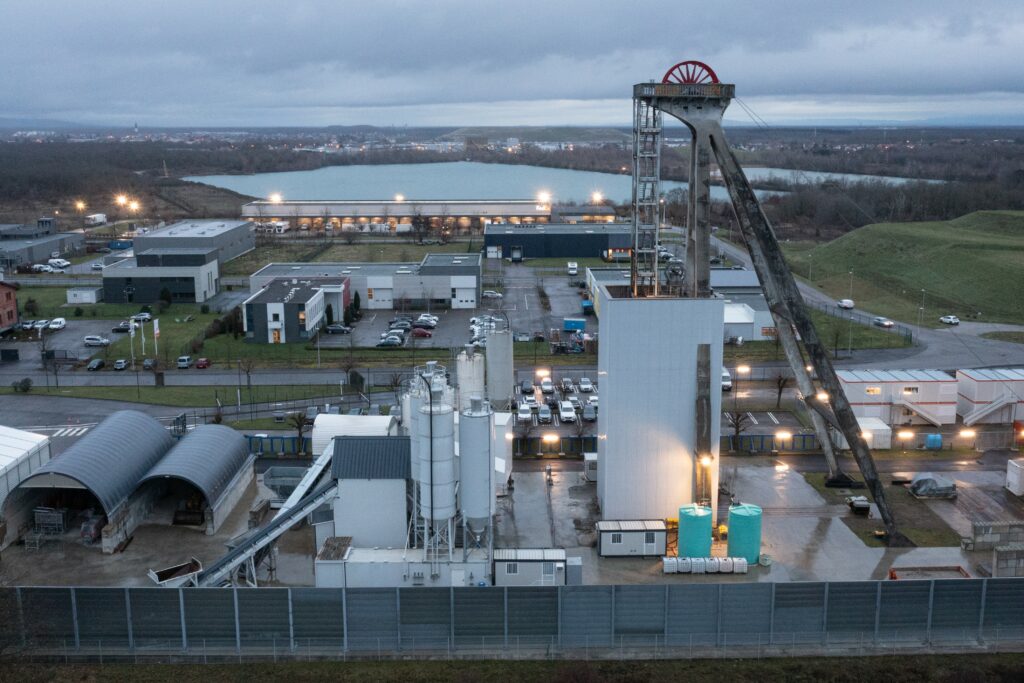
La Collectivité européenne d’Alsace (CEA) a annoncé mercredi qu’elle interjetterait appel du jugement autorisant le confinement définitif de déchets toxiques sur le site de Stocamine à Wittelsheim (Haut-Rhin), inquiète d’une “menace environnementale et sanitaire grave”.Le tribunal administratif de Strasbourg a rejeté mardi les requêtes de la CEA (née de la fusion des conseils départementaux du Bas-Rhin et du Haut-Rhin), d’associations et de riverains, qui contestaient l’autorisation de confinement illimitée donnée par l’Etat.Le tribunal a jugé que le déstockage des 42.000 tonnes de déchets (cyanure, arsenic, mercure…) entreposés dans cette ancienne mine de potasse, option défendue par les requérants, n’était plus réalisable en toute sécurité notamment en raison de la dégradation des infrastructures.Dans un communiqué, la CEA “regrette ce jugement qui acte un abandon silencieux de la responsabilité publique, à commencer par celle de l’Etat, face à une menace environnementale et sanitaire grave, tant pour l’Alsace que pour le bassin rhénan”.Elle déplore “qu’aucune évaluation sérieuse n’a été faite sur la possibilité d’un déstockage partiel, progressif” des déchets.”Le tribunal choisit également d’ignorer l’opposition massive du public, pourtant exprimée de manière claire: 98% (1.571 contributions) d’avis négatifs lors de l’enquête publique, positions fermes des collectivités territoriales, alertes des autorités allemandes et experts suisses”, souligne la collectivité.Stéphane Giraud, directeur d’Alsace Nature, qui se bat depuis des années pour le déstockage de ces déchets toxiques, a aussi exprimé sa “déception” mardi après le jugement du tribunal administratif. Il a indiqué à l’AFP que l’association “ne s’interdit absolument aucune procédure légale pour faire revenir l’État à la raison dans ce dossier”. 

Déchets toxiques: l’Alsace fera appel contre le confinement à Stocamine

La Collectivité européenne d’Alsace (CEA) a annoncé mercredi qu’elle interjetterait appel du jugement autorisant le confinement définitif de déchets toxiques sur le site de Stocamine à Wittelsheim (Haut-Rhin), inquiète d’une “menace environnementale et sanitaire grave”.Le tribunal administratif de Strasbourg a rejeté mardi les requêtes de la CEA (née de la fusion des conseils départementaux du Bas-Rhin et du Haut-Rhin), d’associations et de riverains, qui contestaient l’autorisation de confinement illimitée donnée par l’Etat.Le tribunal a jugé que le déstockage des 42.000 tonnes de déchets (cyanure, arsenic, mercure…) entreposés dans cette ancienne mine de potasse, option défendue par les requérants, n’était plus réalisable en toute sécurité notamment en raison de la dégradation des infrastructures.Dans un communiqué, la CEA “regrette ce jugement qui acte un abandon silencieux de la responsabilité publique, à commencer par celle de l’Etat, face à une menace environnementale et sanitaire grave, tant pour l’Alsace que pour le bassin rhénan”.Elle déplore “qu’aucune évaluation sérieuse n’a été faite sur la possibilité d’un déstockage partiel, progressif” des déchets.”Le tribunal choisit également d’ignorer l’opposition massive du public, pourtant exprimée de manière claire: 98% (1.571 contributions) d’avis négatifs lors de l’enquête publique, positions fermes des collectivités territoriales, alertes des autorités allemandes et experts suisses”, souligne la collectivité.Stéphane Giraud, directeur d’Alsace Nature, qui se bat depuis des années pour le déstockage de ces déchets toxiques, a aussi exprimé sa “déception” mardi après le jugement du tribunal administratif. Il a indiqué à l’AFP que l’association “ne s’interdit absolument aucune procédure légale pour faire revenir l’État à la raison dans ce dossier”.