Pas de baisse des taux d’intérêt de la Fed en vue, Trump déjà déçu

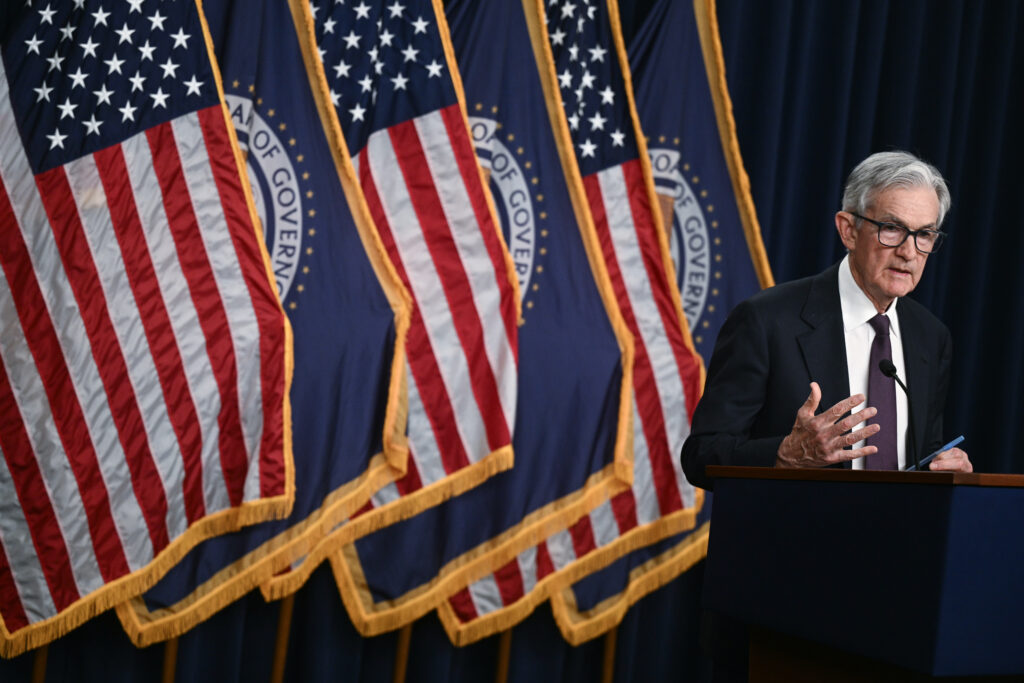
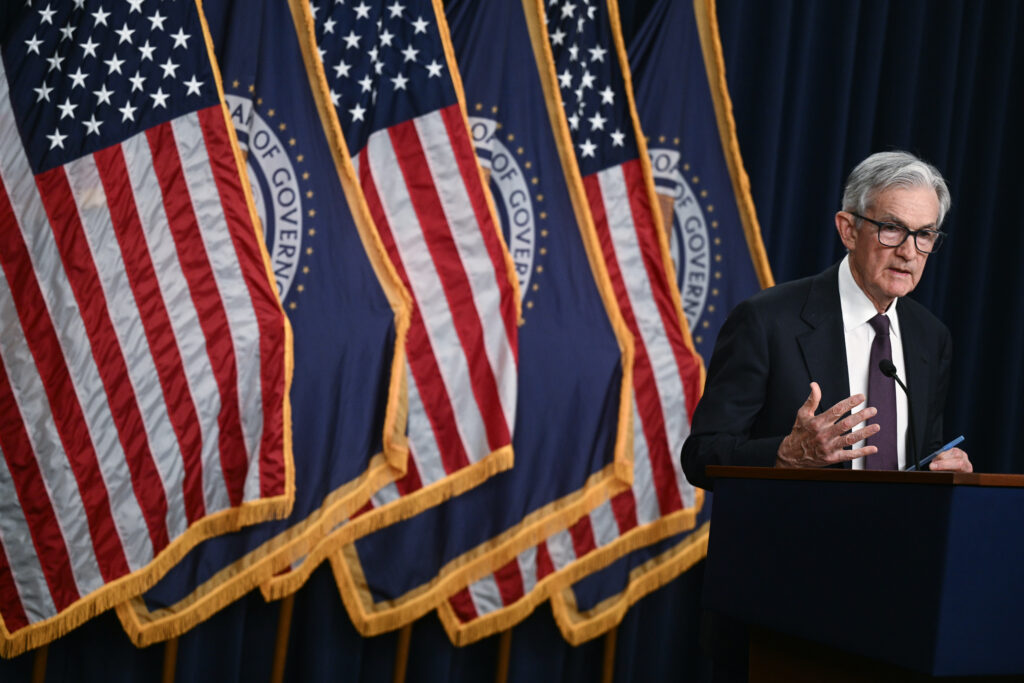
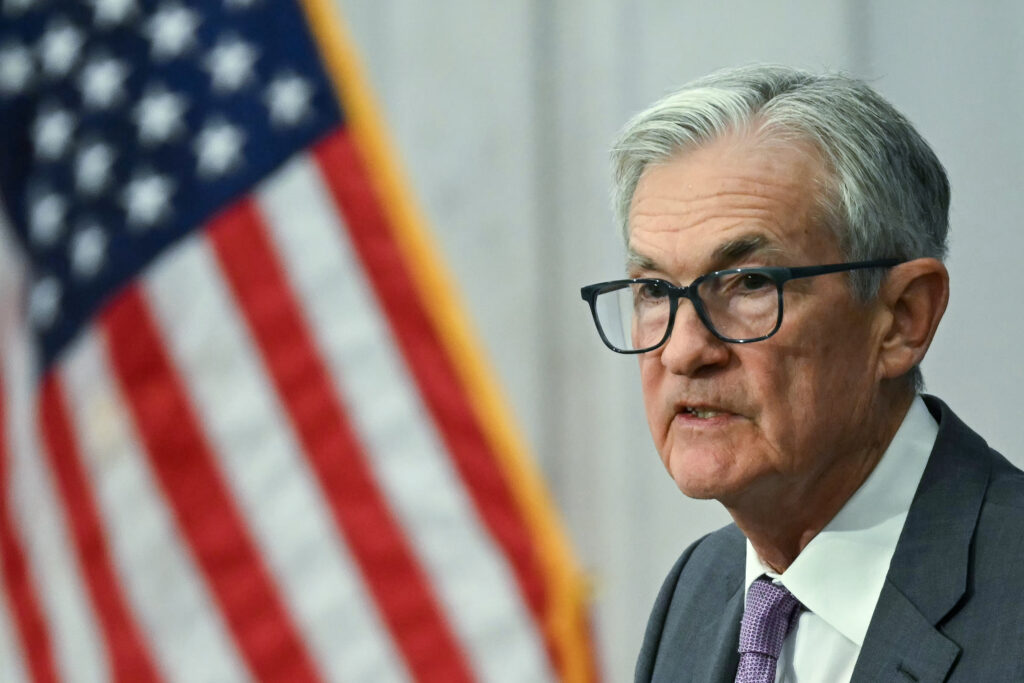
La Réserve fédérale américaine (Fed) devrait laisser ses taux d’intérêt inchangés pour la quatrième fois de suite mercredi et cette éventualité agace d’avance Donald Trump, qui a mis un nouveau coup de pression sur l’institution.”Il n’y a pas d’inflation” aux Etats-Unis “et donc j’aimerais voir les taux baisser”, a déclaré le chef de l’Etat devant la Maison-Blanche.M. Trump a qualifié le président de la banque centrale américaine, Jerome Powell, de “personne stupide”. Et aussi affirmé que ce dernier, qu’il avait lui-même désigné pour prendre la tête de l’institution en 2018, était “politisé”.”Peut-être que je devrais aller à la Fed. Est-ce que je suis autorisé à me désigner moi-même ?” a lancé M. Trump. Les acteurs de la finance sont quasiment certains que la Fed ne va pas toucher à ses taux mercredi, en adepte de l’immobilité prudente face au terrain glissant des droits de douane et des crises géopolitiques.Son comité de politique monétaire (FOMC) rendra sa décision à 14H00 heure locale (18H00 GMT) et Jerome Powell tiendra 30 minutes plus tard sa traditionnelle conférence de presse.Il s’agit de la quatrième réunion de la Fed depuis le retour au pouvoir de M. Trump en janvier. Les trois précédentes se sont conclues par un statu quo sur les taux, situés depuis décembre entre 4,25% et 4,50%.Le président américain avait récemment estimé qu’il faudrait baisser les taux “carrément d’un point” de pourcentage afin de réduire les coûts d’emprunt des particuliers et des entreprises.Les banques centrales bougent généralement plus lentement leurs taux, d’un quart de point à la fois.Surtout, les responsables de la Fed ont montré qu’ils tenaient à rester crédibles en matière de lutte contre l’inflation, et que le principal risque était selon eux, pour l’heure, celui d’un déraillement des prix du fait des nouveaux droits de douane.Depuis son retour à la Maison-Blanche, M. Trump a imposé au moins 10% de surtaxe sur la plupart des produits importés aux Etats-Unis et menace d’aller plus loin.- Prévisions actualisées -“Trump a en quelque sorte raison quand il dit qu’il n’y a pas d’impact sur les prix à la consommation”, a déclaré à l’AFP Dan North, économiste chez Allianz Trade North America. Mais, enchaîne-t-il, “c’est parce que cela prend quelques mois” avant que les vagues des droits de douane percutent les consommateurs. “A moins que ces droits de douane ne soient retirés demain (…) l’inflation va repartir, ce que la Fed veut à tout prix éviter”, selon M. North.”En plus, l’économie américaine ne supplie pas la Fed de réduire les taux. Les consommateurs continuent à dépenser, le marché du travail crée encore des emplois, même s’il ralentit un peu”, souligne M. North, qui s’attend au mieux à une baisse de taux lors de la dernière réunion de l’année, en décembre.En l’absence de suspense quant à la décision de mercredi, “tout le monde regardera si une majorité (des responsables de la Fed) est toujours en faveur d’au moins une baisse cette année”, pointe la banque BBVA dans une note. Ceux-ci envisageaient jusqu’alors deux baisses de taux en 2025. Les investisseurs guetteront aussi l’actualisation des prévisions de la Fed pour la première économie mondiale.Va-t-elle abaisser comme en mars ses prévisions pour la croissance, l’inflation et le chômage? Ou considère-t-elle que les États-Unis seront plus étanches que redouté au choc des droits de douane?Le consommateur – moteur de l’économie américaine – semble en tout cas plus attentif à son porte-monnaie. Un indicateur publié mardi montre que les ventes au détail (dans les magasins, les restaurants, chez les concessionnaires) ont reflué de 0,9% en mai.L’escalade militaire au Moyen-Orient brouille davantage le tableau. La modération de l’inflation dont se félicite M. Trump est largement due à la baisse des cours du pétrole. Le conflit menace de le faire flamber.

Pas de baisse des taux d’intérêt de la Fed en vue, Trump déjà déçu

La Réserve fédérale américaine (Fed) devrait laisser ses taux d’intérêt inchangés pour la quatrième fois de suite mercredi et cette éventualité agace d’avance Donald Trump, qui a mis un nouveau coup de pression sur l’institution.”Il n’y a pas d’inflation” aux Etats-Unis “et donc j’aimerais voir les taux baisser”, a déclaré le chef de l’Etat devant la Maison-Blanche.M. Trump a qualifié le président de la banque centrale américaine, Jerome Powell, de “personne stupide”. Et aussi affirmé que ce dernier, qu’il avait lui-même désigné pour prendre la tête de l’institution en 2018, était “politisé”.”Peut-être que je devrais aller à la Fed. Est-ce que je suis autorisé à me désigner moi-même ?” a lancé M. Trump. Les acteurs de la finance sont quasiment certains que la Fed ne va pas toucher à ses taux mercredi, en adepte de l’immobilité prudente face au terrain glissant des droits de douane et des crises géopolitiques.Son comité de politique monétaire (FOMC) rendra sa décision à 14H00 heure locale (18H00 GMT) et Jerome Powell tiendra 30 minutes plus tard sa traditionnelle conférence de presse.Il s’agit de la quatrième réunion de la Fed depuis le retour au pouvoir de M. Trump en janvier. Les trois précédentes se sont conclues par un statu quo sur les taux, situés depuis décembre entre 4,25% et 4,50%.Le président américain avait récemment estimé qu’il faudrait baisser les taux “carrément d’un point” de pourcentage afin de réduire les coûts d’emprunt des particuliers et des entreprises.Les banques centrales bougent généralement plus lentement leurs taux, d’un quart de point à la fois.Surtout, les responsables de la Fed ont montré qu’ils tenaient à rester crédibles en matière de lutte contre l’inflation, et que le principal risque était selon eux, pour l’heure, celui d’un déraillement des prix du fait des nouveaux droits de douane.Depuis son retour à la Maison-Blanche, M. Trump a imposé au moins 10% de surtaxe sur la plupart des produits importés aux Etats-Unis et menace d’aller plus loin.- Prévisions actualisées -“Trump a en quelque sorte raison quand il dit qu’il n’y a pas d’impact sur les prix à la consommation”, a déclaré à l’AFP Dan North, économiste chez Allianz Trade North America. Mais, enchaîne-t-il, “c’est parce que cela prend quelques mois” avant que les vagues des droits de douane percutent les consommateurs. “A moins que ces droits de douane ne soient retirés demain (…) l’inflation va repartir, ce que la Fed veut à tout prix éviter”, selon M. North.”En plus, l’économie américaine ne supplie pas la Fed de réduire les taux. Les consommateurs continuent à dépenser, le marché du travail crée encore des emplois, même s’il ralentit un peu”, souligne M. North, qui s’attend au mieux à une baisse de taux lors de la dernière réunion de l’année, en décembre.En l’absence de suspense quant à la décision de mercredi, “tout le monde regardera si une majorité (des responsables de la Fed) est toujours en faveur d’au moins une baisse cette année”, pointe la banque BBVA dans une note. Ceux-ci envisageaient jusqu’alors deux baisses de taux en 2025. Les investisseurs guetteront aussi l’actualisation des prévisions de la Fed pour la première économie mondiale.Va-t-elle abaisser comme en mars ses prévisions pour la croissance, l’inflation et le chômage? Ou considère-t-elle que les États-Unis seront plus étanches que redouté au choc des droits de douane?Le consommateur – moteur de l’économie américaine – semble en tout cas plus attentif à son porte-monnaie. Un indicateur publié mardi montre que les ventes au détail (dans les magasins, les restaurants, chez les concessionnaires) ont reflué de 0,9% en mai.L’escalade militaire au Moyen-Orient brouille davantage le tableau. La modération de l’inflation dont se félicite M. Trump est largement due à la baisse des cours du pétrole. Le conflit menace de le faire flamber.

US Fed set to hold rates steady as it guards against inflation

The US central bank is expected to hold interest rates steady Wednesday after its key policy meeting, as officials gauge the impact of tariffs on inflation — drawing renewed pressure from President Donald Trump for rate cuts.The Federal Reserve has kept the benchmark lending rate unchanged this year at a range between 4.25 percent and 4.50 percent, and analysts expect policymakers will remain on the sidelines until price increases cool sustainably.But shortly after Fed officials gathered for a second day, Trump stepped up calls for rate reductions, lashing out at Fed Chair Jerome Powell and insisting there was no need to worry about price increases.”We have a stupid person, frankly, at the Fed, he probably won’t cut today,” Trump said in reference to Powell, hours before the Fed was due to release its latest decision.”We have no inflation, we have only success, and I’d like to see interest rates get down,” he added, speaking at the White House. “Maybe I should go to the Fed. Am I allowed to appoint myself?”While Trump has imposed a 10 percent tariff on most US trading partners and steeper levies on imports of steel, aluminum and autos in recent months, these have not triggered a widespread price surge so far.This is partly because Trump has backed off or postponed some of his most punishing salvos, while businesses in turn are relying on existing inventory to avoid hiking consumer costs directly.In May, the consumer price index edged up to 2.4 percent year-on-year from 2.3 percent in April, underscoring the limited effect of levies for now.But economists expect it will take several months for tariffs to flow into consumer prices, and the Fed is proceeding cautiously with interest rate adjustments.”The Fed would no doubt be cutting again by now if not for the uncertainty regarding tariffs and a recent escalation of tensions in the Middle East,” said KPMG senior economist Benjamin Shoesmith.The prospect of higher inflation will probably keep the central bank in “wait-and-see mode for much of this year,” he added. Officials will want to see if price increases are sticky.Policymakers are also trying to keep expectations “anchored,” a state in which consumers expect price increases to remain low and steady.If there are widespread expectations of price hikes, inflation could rise as businesses increase customer costs and workers seek higher wages.The Fed is due to release its latest economic projections on growth, unemployment and inflation on Wednesday too. Analysts will monitor if officials still expect to make two more rate cuts this year as well.- ‘Saber-rattling’ -Trump has repeatedly urged the independent central bank to slash rates, calling Powell “too late” in doing so and “a fool” for holding off further cuts at the bank’s May meeting.The president has pointed to benign US inflation in arguing for cuts.More recently, he cast such a move as a way for the country to “pay much less interest on debt coming due,” overlooking the fact that lower interest rates usually raise consumer prices.Powell has maintained that the Fed’s rate-setting committee would make its decisions based solely on objective and non-political analysis, the Fed previously said.The Fed chair has also defended US central bank independence over rates in his recent meeting with Trump.Despite Trump’s pressure, Allianz Trade North America senior economist Dan North expects Powell will not be too shaken by “saber-rattling.””Consumers are still spending, labor markets still creating jobs, although it is in fact slowing a little bit,” North told AFP.”Certainly, the health of the economy doesn’t beg for the Fed to cut rates,” he added. “So we think they’re on hold till the end of the year.”

Khamenei vows Iran will never surrender

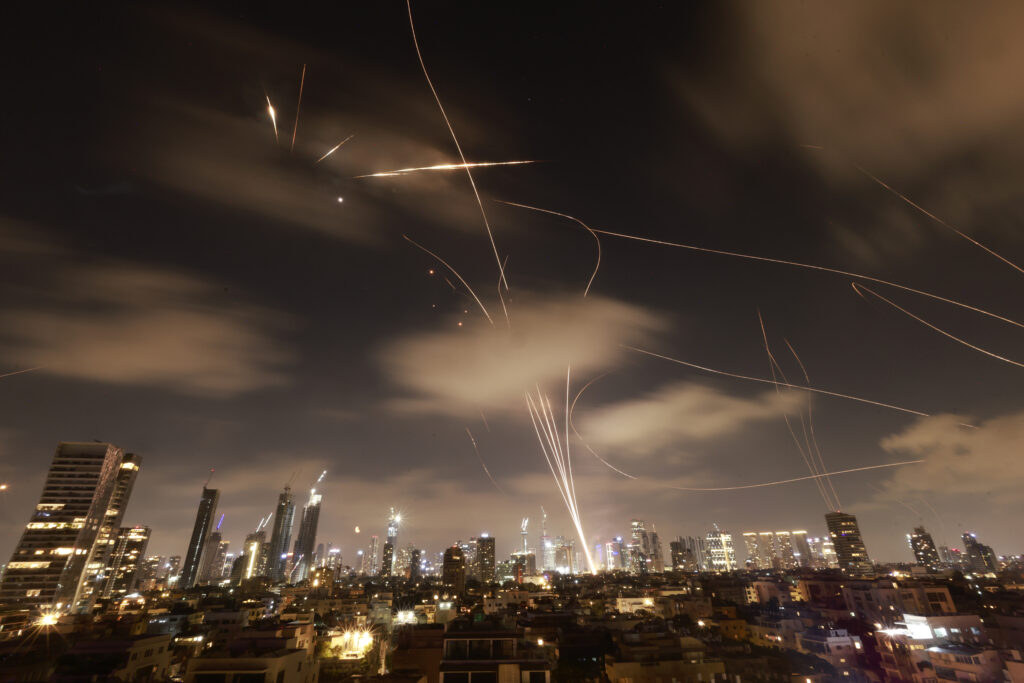
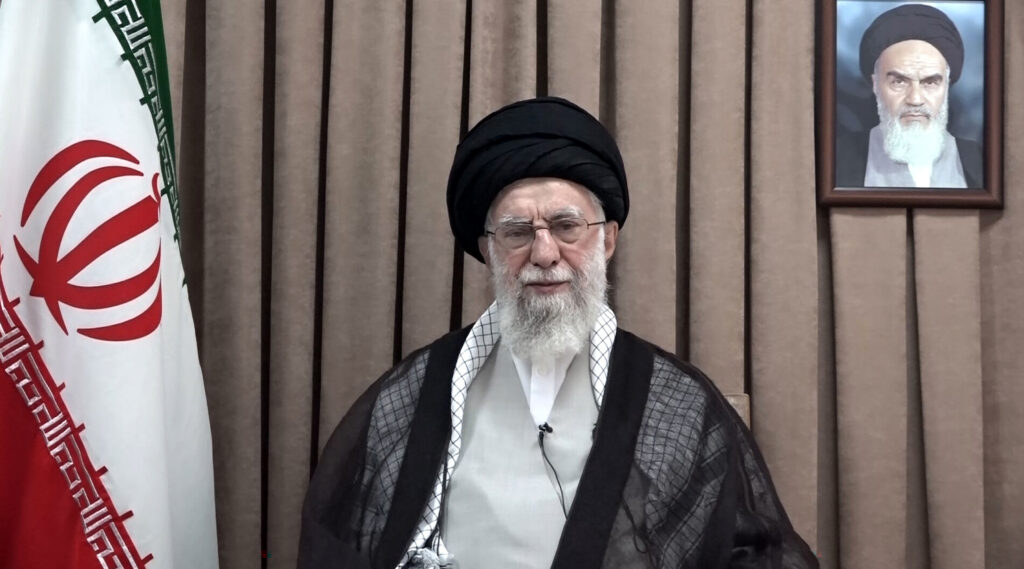
Iran’s supreme leader Ayatollah Ali Khamenei said Wednesday the nation would never surrender and warned the United States of “irreparable damage” if it intervenes, while Israel said it had destroyed the internal security headquarters in Tehran.Khamenei’s speech came six days into the conflict, with Trump saying he may or may not intervene in the conflict, while demanding Iran’s “unconditional surrender”.The long-range blitz began Friday, when Israel launched a massive bombing campaign that prompted Iran to respond with missiles and drones.”This nation will never surrender,” Khamenei said in a speech, in which he called Trump’s ultimatum “unacceptable”.”America should know that any military intervention will undoubtedly result in irreparable damage,” he said.Khamenei, in power since 1989 and the final arbiter of all matters of state in Iran, had earlier vowed the country would show “no mercy” towards Israel’s leaders.Israel’s Defence Minister Israel Katz said air force jets had destroyed Iran’s internal security headquarters after the army announced it was striking military targets in Tehran.”Air Force jets have just destroyed the internal security headquarters of the Iranian regime — the main arm of repression of the Iranian dictator,” Katz said in a statement, vowing to “strike symbols of governance and hit the Ayatollah regime wherever it may be”.- Centrifuges hit -Earlier, Israeli attacks destroyed two buildings making centrifuge components for Iran’s nuclear programme near Tehran, according to the UN nuclear watchdog.”More than 50 Israeli Air Force fighter jets… carried out a series of air strikes in the Tehran area over the past few hours,” the Israeli military said, adding that several weapons manufacturing facilities and a centrifuge production site were hit. Centrifuges are vital for uranium enrichment, the sensitive process that can produce fuel for reactors or, in highly extended form, the core of a nuclear warhead.The strikes destroyed two buildings making centrifuge components for Iran’s nuclear programme in Karaj, a satellite city of Tehran, the International Atomic Energy Agency said.In another strike on a site in Tehran, “one building was hit where advanced centrifuge rotors were manufactured and tested”, the agency added in a post on X.Iran’s Revolutionary Guards said they had launched hypersonic Fattah-1 missiles at Tel Aviv.Hypersonic missiles travel at more than five times the speed of sound and can manoeuvre mid-flight, making them harder to track and intercept.No missile struck Tel Aviv overnight, though AFP photos showed Israel’s air defence systems activated to intercept missiles over the commercial hub.- ‘Unconditional surrender’ -Trump has fuelled speculation about US intervention, telling reporters on Tuesday: “I may do it, I may not do it. I mean, nobody knows what I’m going to do.”A day earlier, he boasted that the United States could assassinate Khamenei.”We know exactly where the so-called ‘Supreme Leader’ is hiding. He is an easy target, but is safe there — We are not going to take him out (kill!), at least not for now,” Trump wrote on his Truth Social platform.US officials have stressed Trump has not yet made a decision about any intervention.Israel’s attacks have hit nuclear and military facilities around Iran, as well as residential areas.Finding fuel has become a problem in Iran, with long queues of cars waiting hours in front of petrol stations, a 40-year-old Iranian driver told AFP at the Iraqi border crossing of Bashmakh.”There are shortages of rice, bread, sugar and tea,” said Fatah, who spoke to AFP using a pseudonym.”People are shocked and distraught, they don’t know what they should do,” car dealer Shwan said via a messaging app.- Evacuations -Residential areas in Israel have also been hit, and foreign governments have scrambled to evacuate their citizens from both countries.Some Israelis stranded abroad since last week decided to return home, however.”I decided to come back because the family is here, and I belong here, and unfortunately we get used to these fights and war, but we prefer to be here, to support as much as we can,” said Yaakov Bogen, a 66-year-old hotelier.Since Friday, at least 24 people have been killed in Israel and hundreds wounded, Netanyahu’s office said on Monday.Iran said on Sunday that Israeli strikes had killed at least 224 people, including military commanders, nuclear scientists and civilians. It has not issued an updated toll since then.Israel said its surprise air campaign was aimed at preventing Iran from acquiring nuclear weapons — an ambition Tehran denies.Israel has maintained ambiguity regarding its own atomic activities, but the Stockholm International Peace Research Institute (SIPRI) says it has 90 nuclear warheads.The conflict derailed a running series of nuclear talks between Tehran and Washington, with Iran saying after the start of Israel’s campaign that it would not negotiate with the United States while under attack.burs/ser/jsa

New rules may not change dirty and deadly ship recycling business

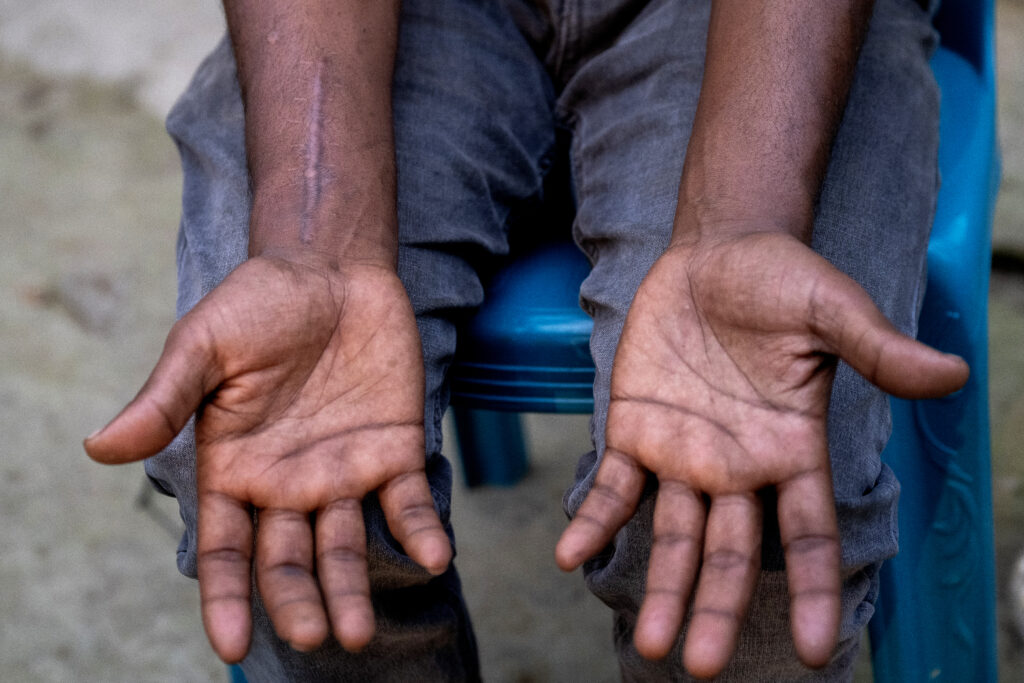
Mizan Hossain fell 10 metres (33-foot) from the top of a ship he was cutting up on Chittagong beach in Bangladesh — where the majority of the world’s maritime giants meet their end — when the vibrations shook him from the upper deck. He survived, but his back was crushed. “I can’t get up in the morning,” said the 31-year-old who has a wife, three children and his parents to support.”We eat one meal in two, and I see no way out of my situation,” said Hossain, his hands swollen below a deep scar on his right arm.The shipbreaking site where Hossain worked without a harness did not comply with international safety and environmental standards.Hossain has been cutting up ships on the sand without proper protection or insurance since he was a child, like many men in his village a few kilometres inland from the giant beached ships. One of his neighbours had his toes crushed in another yard shortly before AFP visited Chittagong in February.Shipbreaking yards employ 20,000 to 30,000 people directly or indirectly in the sprawling port on the Bay of Bengal. But the human and environmental cost of the industry is also immense, experts say.The Hong Kong Convention on the Recycling of Ships, which is meant to regulate one of the world’s most dangerous industries, is set to come into effect on June 26. But many question whether its rules on handling toxic waste and protecting workers are sufficient or if they will ever be properly implemented.Only seven out of Chittagong’s 30 yards meet the new rules about equipping workers with helmets, harnesses and other protection as well as protocols for decontaminating ships of asbestos and other pollutants and storing hazardous waste. – No official death tolls – Chittagong was the final destination of nearly a third of the 409 ships dismantled globally last year, according to the NGO coalition Shipbreaking Platform. Most of the others ended up in India, Pakistan, or Turkey. But Bangladesh — close to the Asian nerve centre of global maritime commerce — offers the best price for buying end-of-life ships due to its extremely low labour costs, with a minimum monthly wage of around $133 (115 euros).Chittagong’s 25-kilometre stretch of beach is the world’s biggest ship graveyard. Giant hulks of oil tankers or gas carriers lie in the mud under the scorching sun, an army of workers slowly dismembering them with oxyacetylene torches.”When I started (in the 2000s) it was extremely dangerous,” said Mohammad Ali, a thickset union leader who long worked without protection dismantling ships on the sand.”Accidents were frequent, and there were regular deaths and injuries.” He was left incapacitated for months after being hit on the head by a piece of metal. “When there’s an accident, you’re either dead or disabled,” the 48-year-old said. At least 470 workers have been killed and 512 seriously injured in the shipbreaking yards of Bangladesh, India and Pakistan since 2009, according to the Shipbreaking Platform NGO. No official death toll is kept in Chittagong. But between 10 and 22 workers a year died in its yards between 2018 and 2022, according to a count kept by Mohamed Ali Sahin, founder of a workers’ support centre.There have been improvements in recent years, he said, especially after Dhaka ratified the Hong Kong Convention in 2023, Sahin said.But seven workers still died last year and major progress is needed, he said. The industry is further accused of causing major environmental damage, particularly to mangroves, with oil and heavy metals escaping into the sea from the beach. Asbestos — which is not illegal in Bangladesh — is also dumped in open-air landfills. Shipbreaking is also to blame for abnormally high levels of arsenic and other metalloids in the region’s soil, rice and vegetables, according to a 2024 study in the Journal of Hazardous Materials.- ‘Responsibility should be shared’ – PHP, the most modern yard in the region, is one of few in Chittagong that meets the new standards.Criticism of pollution and working conditions in Bangladesh yards annoys its managing director Mohammed Zahirul Islam. “Just because we’re South Asian, with dark skin, are we not capable of excelling in a field?” he told AFP.”Ships are built in developed countries… then used by Europeans and Westerners for 20 or 30 years, and we get them (at the end) for four months. “But everything is our fault,” he said as workers in helmets, their faces shielded by plastic visors to protect them from metal shards, dismantled a Japanese gas carrier on a concrete platform near the shore.”There should be a shared responsibility for everyone involved in this whole cycle,” he added.His yard has modern cranes and even flower beds, but workers are not masked as they are in Europe to protect them from inhaling metal dust and fumes.But modernising yards to meet the new standards is costly, with PHP spending $10 million to up its game. With the sector in crisis, with half as many ships sent for scrap since the pandemic — and Bangladesh hit by instability after the tumultuous ousting of premier Sheikh Hasina in August — investors are reluctant, said John Alonso of the International Maritime Organization (IMO).Chittagong still has no facility to treat or store hazardous materials taken from ships. PHP encases the asbestos it extracts in cement and stores it on-site in a dedicated room. “I think we have about six to seven years of storage capacity,” said its expert Liton Mamudzer. But NGOs like Shipbreaking Platform and Robin des Bois are sceptical about how feasible this is, with some ships containing scores of tonnes of asbestos. And Walton Pantland, of the global union federation IndustriALL, questioned whether the Hong Kong standards will be maintained once yards get their certification, with inspections left to local officials. Indeed six workers were killed in September in an explosion at SN Corporation’s Chittagong yard, which was compliant with the convention. Shipbreaking Platform said it was symptomatic of a lack of adequate “regulation, supervision and worker protections” in Bangladesh, even with the Hong Kong rules. – ‘Toxic’ Trojan horse -The NGO’s director Ingvild Jenssen said shipowners were using the Hong Kong Convention to bypass the Basel Convention, which bans OECD countries from exporting toxic waste to developing nations. She accused them of using it to offload toxic ships cheaply at South Asian yards without fear of prosecution, using a flag of convenience or intermediaries.In contrast, European shipowners are required to dismantle ships based on the continent, or flying a European flag, under the much stricter Ship Recycling Regulation (SRR). At the Belgian shipbreaking yard Galloo near the Ghent-Terneuzen canal, demolition chief Peter Wyntin told AFP how ships are broken down into “50 different kinds of materials” to be recycled.Everything is mechanised, with only five or six workers wearing helmets, visors and masks to filter the air, doing the actual breaking amid mountains of scrap metal.A wind turbine supplies electricity, and a net collects anything that falls in the canal. Galloo also sank 10 million euros into water treatment, using activated carbon and bacterial filters.But Wyntin said it is a struggle to survive with several European yards forced to shut as Turkish ones with EU certification take much of the business. While shipbreakers in the EU have “25,000 pages of legislation to comply with”, he argued, those in Aliaga on the western coast of Turkey have only 25 pages of rules to respect to be “third-country compliant under SRR”.Wyntin is deeply worried the Hong Kong Convention will further undermine standards and European yards with them. “You can certify yards in Turkey or Asia, but it still involves beaching,” where ships are dismantled directly on the shore. “And beaching is a process we would never accept in Europe,” he insisted.- Illegal dumps -Turkish health and safety officials reported eight deaths since 2020 at shipbreaking yards in Aliaga, near Izmir, which specialises in dismantling cruise ships. “If we have a fatality, work inspectors arrive immediately and we risk being shut down,” Wyntin told AFP.In April, Galloo lost a bid to recycle a 13,000-tonne Italian ferry, with 400 tonnes of asbestos, to a Turkish yard, Wyntin said.Yet in May, the local council in Aliaga said “hazardous waste was stored in an environmentally harmful manner, sometimes just covered with soil.” “It’s estimated that 15,000 tons of hazardous waste are scattered in the region, endangering human and environmental health due to illegal storage methods,” it said on X, posting photos of illegal dumps. In Bangladesh, Human Rights Watch and the Shipbreaking Platform have reported that “toxic materials from ships, including asbestos” are sometimes “resold on the second-hand market”. In Chittagong everything gets recycled.On the road along the beach, shops overflow with furniture, toilets, generators and staircases taken straight from the hulks pulled up on the beach a few metres away.Not far away, Rekha Akter mourned her husband, one of those who died in the explosion at SN Corporation’s yard in September. A safety supervisor, his lungs were burned in the blast.Without his salary, she fears that she and their two young children are “condemned to live in poverty. It’s our fate,” said the young widow.

China’s AliExpress risks fine for breaching EU illegal product rules

Chinese online giant AliExpress must do more to protect consumers from illegal product sales, the European Commission said Wednesday, an interim finding that could open the way to heavy fines.While noting some progress, “the Commission preliminarily found AliExpress in breach of its obligation to assess and mitigate risks related to the dissemination of illegal products” under the EU’s Digital Services Act (DSA), a statement said.The EU opened a formal investigation in March 2024 into AliExpress, which is owned by Alibaba, for multiple suspected breaches of DSA rules on countering the spread of illegal goods and content online.The commission’s preliminary findings concluded that “AliExpress fails to appropriately enforce its penalty policy concerning traders that repeatedly post illegal content”.It also highlighted “systemic failures” in AliExpress’s moderation systems that expose it to “manipulation by malicious traders”, and said the firm’s own risk assessments underestimated the dangers linked to illegal products.Those findings were “in breach of the obligations” that the DSA imposes on very large platforms — such as AliExpress, Facebook and Instagram — with more than 45 million monthly European users, the commission said.AliExpress now has the right to examine the commission’s findings and reply in writing.If the firm is confirmed to be in non-compliance with the DSA, the commission could impose a fine of up to six percent of its global turnover.In a statement, AliExpress said it remained “dedicated to compliance with the DSA” and was “confident that a positive and compliant result will be achieved through continuing our mutual dialogue with the commission.”- Addressing concerns -The EU has developed a powerful armoury to regulate Big Tech with the milestone DSA and a sister law, the Digital Markets Act, that hits web giants with strict curbs, obligations and oversight on how they do business.It took action against AliExpress after identifying likely failings to prevent the sale of fake medicines, prevent minors seeing pornography, stop affiliated influencers pushing illegal products, and other issues including data access for researchers.In its statement Wednesday, the commission said AliExpress had taken a series of legally binding measures to remedy those concerns.Steps included improvements to its systems for detecting illegal products such as medicines and pornographic material, notably goods spread through hidden links and affiliate programmes.The commission also said AliExpress had addressed concerns regarding the flagging of illegal products, the handling of internal complaints, ad transparency, the traceability of traders and research access to data.The European Consumer Organisation BEUC welcomed the commission’s announcement, urging it to “pursue AliExpress in the areas where it is still not complying with the law, such as on its proactive efforts to stop the sale of illegal and dangerous goods on its platform”.Brussels is also looking into Chinese-founded fashion giant Shein and shopping app Temu over risks linked to illegal products.

Français détenus en Iran: les proches de Cécile Kohler “terrifiés”

Les proches de Cécile Kohler et de Jacques Paris, Français détenus en Iran, sont “terrifiés” après les frappes israéliennes sur Téhéran, a déclaré mercredi la soeur de Cécile, Noémie Kohler, à l’AFP.”Depuis le 30 mai, on n’a plus aucune nouvelle, plus aucun signe de vie de Jacques et Cécile et les autorités françaises n’arrivent pas non plus à obtenir d’informations”, a déclaré Noémie Kohler, expliquant que l’inquiétude avait grandi après les frappes menées par l’armée israélienne sur l’Iran depuis le 13 juin.”On a vu qu’au moins deux frappes avaient eu lieu à environ 2 kilomètres de l’endroit où ils sont détenus, donc c’est extrêmement proche. On se doute qu’ils ont dû entendre les explosions mais on ne sait pas du tout comment ils vont, on ne sait pas du tout à quel niveau d’information ils ont accès (…) on ne sait pas si les conditions dans la prison se sont détériorées en lien avec la situation, on est absolument dans l’inconnu et on est vraiment terrifiés”,a-t-elle dit.L’armée israélienne dit vouloir, avec ces frappes, empêcher Téhéran d’obtenir la bombe atomique. En riposte, l’Iran a promis de bombarder Israël sans relâche jusqu’à la fin des attaques.”Ce qu’on demande aux autorités françaises, c’est qu’elles pèsent de tout leur poids diplomatique pour faire cesser les bombardements”, a déclaré Noémie Kohler, plaidant pour “l’exfiltration humanitaire” de Cécile Kohler et Jacques Paris car “ils sont en danger de mort imminente”.Le ministre des Affaires étrangères Jean-Noël Barrot a indiqué devant le Sénat avoir “adressé aux autorités iraniennes comme aux autorités israéliennes des messages les alertant sur la présence dans la prison d’Evin de nos deux compatriotes et sur la nécessité, s’agissant des autorités iraniennes, de les libérer sans délai pour assurer leur sécurité”.Le dernier contact téléphonique remonte au 28 mai, lorsque les parents de Cécile Kohler l’ont eue au téléphone.”Les nouvelles n’étaient déjà pas bonnes à l’époque parce qu’ils sont à bout de force, ils sont désespérés, ils ne croient plus à leur libération, et les autorités iraniennes les maintiennent dans un état de terreur psychologique absolument terrible en leur annonçant un verdict extrêmement sévère et imminent qui n’arrive jamais, donc ils ont toujours cette menace qui pèse au-dessus de leur tête”, a relaté Noémie Kohler.Cécile Kohler, enseignante, et son compagnon, Jacques Paris, que les autorités françaises qualifient “d’otages d’Etat”, ont été arrêtés en mai 2022 pour “espionnage” et sont emprisonnés depuis dans des conditions extrêmement dures, à l’isolement, dans la prison d’Evin de Téhéran.Ils sont officiellement les deux derniers Français détenus en Iran. Olivier Grondeau, qui était détenu depuis octobre 2022, a été libéré en mars.

Oil rises, stocks mixed as investors watch rates, conflict

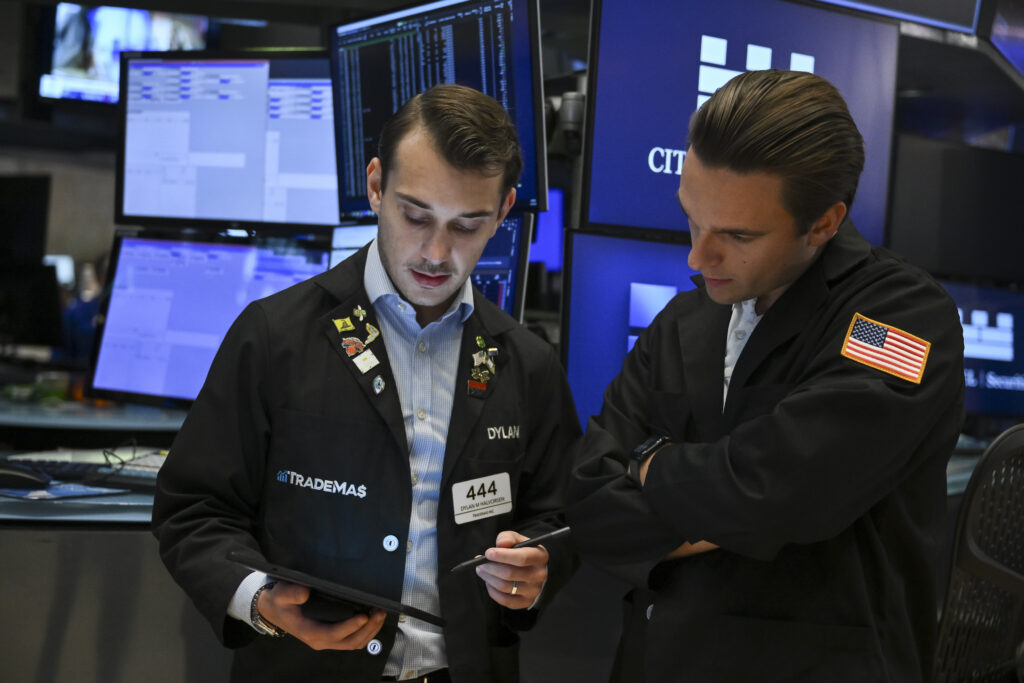
Oil prices rose and stock markets diverged Wednesday as investors tracked the Israel-Iran conflict and a looming US interest rate decision.Wall Street’s main indices were mixed in early deals after the open as investors awaited the Federal Reserve rate decision and weighed the latest news from Iran.Despite rising tensions after President Donald Trump called for Iran’s surrender, “there has been no sense of panic from investors”, said David Morrison, market analyst at financial services firm Trade Nation.”As far as the US is concerned, events are taking place a long way from home,” he said. “But there’s also a feeling that investors are betting on a short and sharp engagement, resulting in a more stable position across the Middle East than the one that currently exists.”In Europe, the London stock market rose but Paris and Frankfurt were down in afternoon deals after Asian equities closed in different directions.Oil prices rose after surging the previous day as Iran’s supreme leader Ayatollah Ali Khamenei rejected Trump’s call for an “unconditional surrender”.Six days into the conflict, Khamenei warned the United States would face “irreparable damage” if it intervenes in support of Israel.Gas prices rose with concerns surrounding its supply.Of particular concern is the possibility of Iran shutting off the Strait of Hormuz, through which around one fifth of global oil supply is transported.”Global market direction remains clouded by tariffs, complicated by the Middle Eastern conflict and confounded by the lack of any obvious positive catalysts,” said Richard Hunter, head of markets at Interactive Investor.- Fed watch -The Fed is widely expected to hold interest rates steady Wednesday, as officials gauge the impact of US tariffs on inflation.The central bank has ignored calls from President Donald Trump to cut borrowing costs as the world’s biggest economy faces pressure.The US central bank will also release on Wednesday its rate and economic growth outlook for the rest of the year, which are expected to take account of Trump’s tariff war.Weak US retail sales and factory output data on Tuesday rekindled worries about the impact of tariffs on the economy but also provided hope that the Fed would still cut rates this year.”The Fed would no doubt be cutting again by now if not for the uncertainty regarding tariffs and a recent escalation of tensions in the Middle East,” said KPMG senior economist Benjamin Shoesmith.In a busy week for monetary policy, Sweden’s central bank cut its key interest rate on Wednesday to try and boost the country’s economy, as it cited risks linked to trade tensions and the escalating conflict in the Middle East.The Bank of England is expected to keep its key rate steady Thursday, especially after official data Wednesday showed UK annual inflation fell less than expected in May.The Bank of Japan on Tuesday kept interest rates unchanged and said it would taper its purchase of government bonds at a slower pace, as trade uncertainty threatens to weigh on the world’s number four economy.- Key figures at around 1335 GMT -Brent North Sea Crude: UP 1.3 percent at $77.41 per barrelWest Texas Intermediate: UP 1.3 percent at $74.24 per barrelNew York – Dow: UP 0.1 percent at 42,244.64 pointsNew York – S&P 500: FLAT at 5,984.80 New York – Nasdaq Composite: DOWN 0.1 percent at 19,503.61London – FTSE 100: UP 0.2 at 8,848.38Paris – CAC 40: DOWN 0.4 percent at 7,649.90Frankfurt – DAX: DOWN 0.7 percent at 23,283.31Tokyo – Nikkei 225: UP 0.9 percent at 38,885.15 (close)Hong Kong – Hang Seng Index: DOWN 1.1 percent at 23,710.69 (close)Shanghai – Composite: FLAT at 3,388.81 (close)New York – Dow: DOWN 0.7 percent at 42,215.80 (close)Euro/dollar: UP at $1.1491 from $1.1488 on TuesdayPound/dollar: UP at $1.3437 from $1.3425Dollar/yen: DOWN at 144.78 yen from 145.27 yenEuro/pound: DOWN at 85.50 pence from 85.54 penceburs-bcp-lth/rl

Wall Street atone avant la décision de la Fed

La Bourse de New York a ouvert sans grand mouvement mercredi, se montrant attentiste en attendant la fin de la réunion de la Réserve fédérale américaine (Fed), qui devrait laisser ses taux inchangés mais fournir des prévisions économiques actualisées.Dans les premiers échanges, le Dow Jones était pratiquement à l’équilibre (+0,01%), l’indice Nasdaq grappillait 0,07% et l’indice élargi S&P 500 0,06%.