

Israël: trois morts dans une frappe iranienne après l’annonce d’un cessez-le-feu par Trump
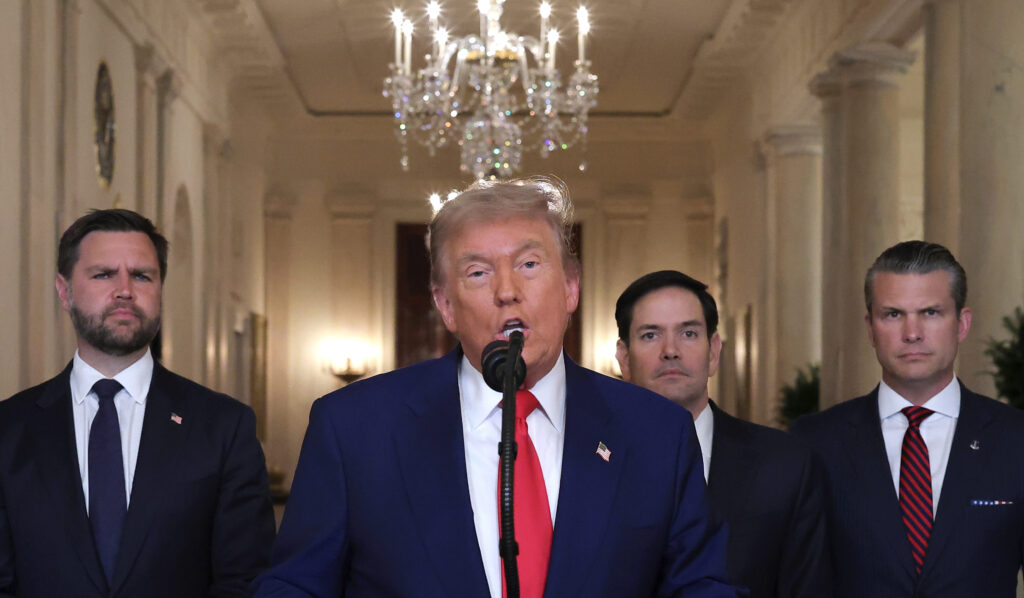
Les secours israéliens ont annoncé mardi la mort de trois personnes dans une frappe iranienne, peu avant l’entrée en vigueur d’un cessez-le-feu présenté par le président américain Donald Trump mais qu’aucune des deux parties n’a confirmé avoir conclu.Une quatrième suivie d’une cinquième salve de missiles ont été tirées de l’Iran vers Israël, selon le média d’Etat iranien Irib, au moment du début attendu de ce cessez-le-feu prévu à 04H00 GMT.”Suite à l’impact d’un missile dans le sud d’Israël (…) les équipes du MDA ont prononcé le décès de trois personnes”, a annoncé Magen David Adom, équivalent israélien de la Croix-Rouge, faisant aussi état de huit blessés, dans un communiqué sur X.Quelques heures avant les frappes iraniennes, Donald Trump a annoncé que l’Iran et Israël, en guerre depuis le 13 juin, avaient accepté un cessez-le-feu qui devait déboucher sur “la fin officielle” de la guerre.Le chef de la diplomatie iranienne Abbas Araghchi a aussitôt réagi en précisant qu’il n’existait “pas d’accord” à ce stade, mais que Téhéran n’avait “pas l’intention” de poursuivre ses frappes si Israël “arrête” son agression.Israël n’a pas pour l’heure confirmé officiellement la perspective d’un cessez-le-feu, qui survient après des vagues successives de frappes réciproques, le but affiché par Israël étant la destruction des installations nucléaires de Téhéran, accusé de vouloir se doter de l’arme nucléaire, ce qu’il dément.”Il a été pleinement convenu par et entre Israël et l’Iran qu’il y aurait un cessez-le-feu complet et total”, a écrit le président américain sur son réseau Truth Social.Selon ce message, le cessez-le-feu devait entrer en vigueur mardi à 04H00 GMT et se dérouler sur 24 heures en deux temps, l’Iran arrêtant initialement toutes ses opérations avant qu’Israël ne fasse de même 12 heures plus tard.- Conditions -M. Araghchi a toutefois conditionné un cessez-le-feu iranien à un arrêt immédiat des frappes par Israël, exigeant que “le régime israélien arrête son agression illégale contre le peuple iranien au plus tard à 04H00 du matin, heure de Téhéran”, soit 00H30 GMT.Quelques heures après le message du président américain mais avant 00H30 GMT, une série d’explosions a secoué Téhéran, selon des journalistes de l’AFP présents sur place. Elles sont parmi les plus violentes dans la capitale depuis le début de la guerre.L’annonce de Donald Trump est venue peu après que l’Iran a lancé des missiles sur la base militaire américaine d’Al-Udeid au Qatar en représailles aux raids américains menés samedi soir, à l’heure américaine, sur trois sites nucléaires iraniens.Riposte qualifiée de “très faible” par Donald Trump, qui a aussi tenu à “remercier l’Iran” d’avoir “prévenu” les Etats-Unis “à temps, ce qui a permis de ne pas perdre de vies et de ne blesser personne”.- Représailles calibrées -Le Conseil de sécurité nationale iranien a décrit son attaque comme une “réponse à l’action agressive” des Etats-Unis. L’Iran a utilisé autant de missiles “que le nombre de bombes” utilisées dans les raids américains, signalant une réponse dûment calibrée, selon la même source.Le Qatar a dit avoir intercepté les tirs iraniens.En Irak, des frappes de drone ont visé tôt mardi avant l’aube les radars de deux bases militaires irakiennes près de Bagdad et dans le sud du pays, d’après des responsables irakiens, qui n’ont pas été en mesure d’identifier les auteurs de l’attaque.Donald Trump s’était prévalu dimanche d’avoir infligé des “dommages monumentaux” au site d’enrichissement d’uranium de Fordo, au sud de Téhéran, et aux installations nucléaires d’Ispahan et Natanz (centre). Pour Ali Vaez, du groupe de réflexion International Crisis Group, les représailles iraniennes après les raids américains “étaient calibrées et annoncées de manière à ne pas entraîner de victimes américaines, permettant ainsi une sortie de crise pour les deux parties”.- La prison d’Evine ciblée -Lundi, des centres de commandement des Gardiens de la Révolution (l’armée idéologique de la République islamique d’Iran) ainsi que la prison d’Evine avaient été pris pour cible par Israël.La justice iranienne a fait état de dégâts dans certaines parties de la prison, où sont détenus des Occidentaux, prisonniers politiques et opposants.Les deux Français Cécile Kohler et Jacques Paris, qui y sont détenus depuis plus de trois ans, “n’auraient pas été touchés”, selon la diplomatie française.Israël a aussi dit avoir mené des frappes pour “bloquer les voies d’accès” au site de Fordo, enfoui sous une montagne.En Iran, la guerre a fait plus de 400 morts et 3.056 blessés, en majorité des civils, selon un bilan officiel. Les tirs iraniens sur Israël ont fait 24 morts, d’après les autorités.Israël a bombardé depuis le 13 juin des centaines de sites militaires et nucléaires, tuant les plus hauts gradés du pays ainsi que des scientifiques du nucléaire.L’Iran, qui riposte avec des tirs de missiles et de drones vers Israël, dément vouloir fabriquer l’arme atomique et défend son droit à un programme nucléaire civil.L’Agence internationale de l’énergie atomique (AIEA) a jugé impossible à ce stade d’évaluer les dégâts, réclamant un accès aux sites iraniens.Des experts estiment que l’Iran pourrait en avoir évacué le matériel nucléaire, et Téhéran a affirmé toujours posséder des stocks d’uranium enrichi.L’AIEA a dit toutefois n’avoir décelé jusque-là aucun indice d’un “programme systématique” de fabrication d’une bombe atomique.
Israël: trois morts dans une frappe iranienne après l’annonce d’un cessez-le-feu par Trump
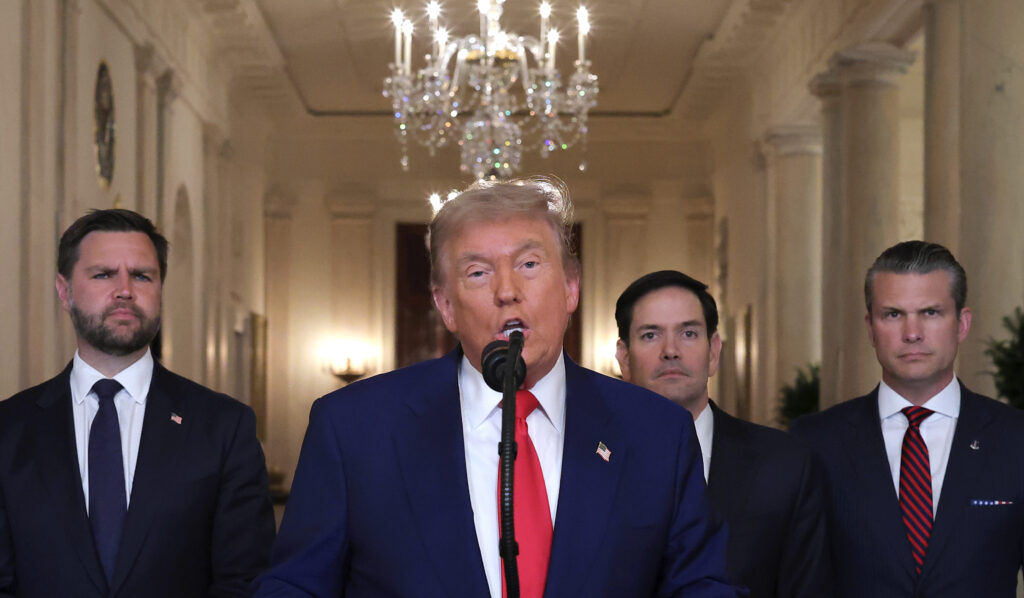
Les secours israéliens ont annoncé mardi la mort de trois personnes dans une frappe iranienne, peu avant l’entrée en vigueur d’un cessez-le-feu présenté par le président américain Donald Trump mais qu’aucune des deux parties n’a confirmé avoir conclu.Une quatrième suivie d’une cinquième salve de missiles ont été tirées de l’Iran vers Israël, selon le média d’Etat iranien Irib, au moment du début attendu de ce cessez-le-feu prévu à 04H00 GMT.”Suite à l’impact d’un missile dans le sud d’Israël (…) les équipes du MDA ont prononcé le décès de trois personnes”, a annoncé Magen David Adom, équivalent israélien de la Croix-Rouge, faisant aussi état de huit blessés, dans un communiqué sur X.Quelques heures avant les frappes iraniennes, Donald Trump a annoncé que l’Iran et Israël, en guerre depuis le 13 juin, avaient accepté un cessez-le-feu qui devait déboucher sur “la fin officielle” de la guerre.Le chef de la diplomatie iranienne Abbas Araghchi a aussitôt réagi en précisant qu’il n’existait “pas d’accord” à ce stade, mais que Téhéran n’avait “pas l’intention” de poursuivre ses frappes si Israël “arrête” son agression.Israël n’a pas pour l’heure confirmé officiellement la perspective d’un cessez-le-feu, qui survient après des vagues successives de frappes réciproques, le but affiché par Israël étant la destruction des installations nucléaires de Téhéran, accusé de vouloir se doter de l’arme nucléaire, ce qu’il dément.”Il a été pleinement convenu par et entre Israël et l’Iran qu’il y aurait un cessez-le-feu complet et total”, a écrit le président américain sur son réseau Truth Social.Selon ce message, le cessez-le-feu devait entrer en vigueur mardi à 04H00 GMT et se dérouler sur 24 heures en deux temps, l’Iran arrêtant initialement toutes ses opérations avant qu’Israël ne fasse de même 12 heures plus tard.- Conditions -M. Araghchi a toutefois conditionné un cessez-le-feu iranien à un arrêt immédiat des frappes par Israël, exigeant que “le régime israélien arrête son agression illégale contre le peuple iranien au plus tard à 04H00 du matin, heure de Téhéran”, soit 00H30 GMT.Quelques heures après le message du président américain mais avant 00H30 GMT, une série d’explosions a secoué Téhéran, selon des journalistes de l’AFP présents sur place. Elles sont parmi les plus violentes dans la capitale depuis le début de la guerre.L’annonce de Donald Trump est venue peu après que l’Iran a lancé des missiles sur la base militaire américaine d’Al-Udeid au Qatar en représailles aux raids américains menés samedi soir, à l’heure américaine, sur trois sites nucléaires iraniens.Riposte qualifiée de “très faible” par Donald Trump, qui a aussi tenu à “remercier l’Iran” d’avoir “prévenu” les Etats-Unis “à temps, ce qui a permis de ne pas perdre de vies et de ne blesser personne”.- Représailles calibrées -Le Conseil de sécurité nationale iranien a décrit son attaque comme une “réponse à l’action agressive” des Etats-Unis. L’Iran a utilisé autant de missiles “que le nombre de bombes” utilisées dans les raids américains, signalant une réponse dûment calibrée, selon la même source.Le Qatar a dit avoir intercepté les tirs iraniens.En Irak, des frappes de drone ont visé tôt mardi avant l’aube les radars de deux bases militaires irakiennes près de Bagdad et dans le sud du pays, d’après des responsables irakiens, qui n’ont pas été en mesure d’identifier les auteurs de l’attaque.Donald Trump s’était prévalu dimanche d’avoir infligé des “dommages monumentaux” au site d’enrichissement d’uranium de Fordo, au sud de Téhéran, et aux installations nucléaires d’Ispahan et Natanz (centre). Pour Ali Vaez, du groupe de réflexion International Crisis Group, les représailles iraniennes après les raids américains “étaient calibrées et annoncées de manière à ne pas entraîner de victimes américaines, permettant ainsi une sortie de crise pour les deux parties”.- La prison d’Evine ciblée -Lundi, des centres de commandement des Gardiens de la Révolution (l’armée idéologique de la République islamique d’Iran) ainsi que la prison d’Evine avaient été pris pour cible par Israël.La justice iranienne a fait état de dégâts dans certaines parties de la prison, où sont détenus des Occidentaux, prisonniers politiques et opposants.Les deux Français Cécile Kohler et Jacques Paris, qui y sont détenus depuis plus de trois ans, “n’auraient pas été touchés”, selon la diplomatie française.Israël a aussi dit avoir mené des frappes pour “bloquer les voies d’accès” au site de Fordo, enfoui sous une montagne.En Iran, la guerre a fait plus de 400 morts et 3.056 blessés, en majorité des civils, selon un bilan officiel. Les tirs iraniens sur Israël ont fait 24 morts, d’après les autorités.Israël a bombardé depuis le 13 juin des centaines de sites militaires et nucléaires, tuant les plus hauts gradés du pays ainsi que des scientifiques du nucléaire.L’Iran, qui riposte avec des tirs de missiles et de drones vers Israël, dément vouloir fabriquer l’arme atomique et défend son droit à un programme nucléaire civil.L’Agence internationale de l’énergie atomique (AIEA) a jugé impossible à ce stade d’évaluer les dégâts, réclamant un accès aux sites iraniens.Des experts estiment que l’Iran pourrait en avoir évacué le matériel nucléaire, et Téhéran a affirmé toujours posséder des stocks d’uranium enrichi.L’AIEA a dit toutefois n’avoir décelé jusque-là aucun indice d’un “programme systématique” de fabrication d’une bombe atomique.
Israel says 3 killed in Iran strike after Trump’s ceasefire announcement
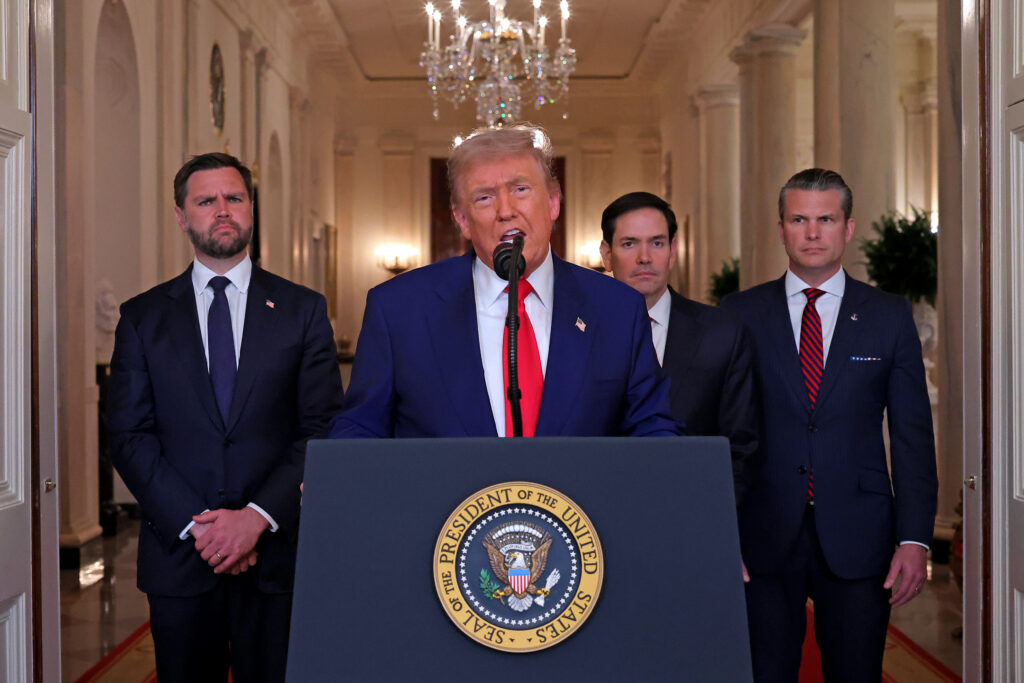
Israeli rescuers said Tuesday three people were killed in an Iranian strike, as Tehran’s state media reported new waves of missiles heading for Israel after US President Donald Trump announced a ceasefire between the two Middle East foes.Neither Iran nor Israel have confirmed the agreement touted by Trump on ending the conflict that has killed hundreds in Iran and two dozen in Israel.The US leader had said the ceasefire would be a phased 24-hour process beginning at around 0400 GMT Tuesday, with Iran unilaterally halting all operations. Israel would follow suit 12 hours later.”It has been fully agreed by and between Israel and Iran that there will be a Complete and Total CEASEFIRE,” Trump wrote on his Truth Social platform.”Upon the 24th hour, an official end to the 12-day war will be saluted by the world,” he said, adding that both sides had agreed to remain “peaceful and respectful” during each phase of the process.Iran’s Foreign Minister Abbas Araghchi that “as of now, there is NO ‘agreement’ on ceasefire or cessation of military operations.””However, provided that the Israeli regime stops its illegal aggression against the Iranian people no later than 4 am Tehran time, we have no intention to continue our response afterwards,” he said on social media.But Israel’s army said sirens were activated in northern Israel — where moments before Iran’s state media Irib reported a wave of missiles were headed.Israeli emergency services also reported casualties in an Iranian missile strike in southern Israel. “Following the missile impact site in southern Israel: So far, MDA teams have pronounced the deaths of three people,” Magen David Adom said in a statement on X.Explosions also continued to rock Tehran overnight, with blasts in the north and centre of the Iranian capital described by AFP journalists as some of the strongest since the conflict broke out.Any cessation in hostilities would come as a huge relief to world leaders frantic about an escalation in violence igniting a wider conflagration.The adversaries had been swapping missile fire since Israel carried out surprise “preemptive” strikes against Iran on June 13, targeting nuclear and military sites, and prompting Trump to warn of a possible “massive” regional conflict.- Strikes on US base -The US leader’s truce announcement came hours after Iran launched missiles at the largest US military facility in the Middle East — Al Udeid Air Base in Qatar — in a move Trump shrugged off as “very weak.”Calling for a de-escalation, Trump said Tehran had given advance notice of the barrage. Iran’s National Security Council confirmed having targeted the base “in response to the US aggressive and insolent action against Iran’s nuclear sites and facilities”. But it added that the number of missiles launched “was the same as the number of bombs that the US had used” — a signal that it had calibrated its response to be directly proportional rather than escalatory.”This was calibrated and telegraphed in a way that would not result in any American casualties, so that there is an off ramp for both sides,” Ali Vaez, a senior advisor at the International Crisis Group, told AFP.The offensive came after the United States joined its ally Israel’s military campaign against Iran, attacking an underground uranium enrichment centre with massive bunker-busting bombs and hitting two other nuclear facilities overnight Saturday into Sunday.As international concern mounted that Israel’s campaign and the US strikes could ignite a wider conflict, French President Emmanuel Macron insisted that “the spiral of chaos must end” while China warned of the potential economic fallout.- ‘Blatant aggression’ -Iran said its assault in Qatar wasn’t targeting the Middle Eastern neighbour, but the government in Doha accused Tehran of “blatant aggression” and claimed its right to a “proportional” response.Iran’s state media quoted the Revolutionary Guard Corps announcing that six missiles had hit Al Udeid, which had been evacuated beforehand, according to the Qataris. The broadside was made up of “short-range and medium-range ballistic missiles,” a US defence official said.AFP reporters heard blasts in central Doha and in Lusail, north of the capital, on Monday evening, and saw projectiles moving across the night sky.Iranians gathered in central Tehran to celebrate, images on state TV showed, with some waving the flag of the Islamic republic and chanting “Death to America”.Qatar earlier announced the temporary closure of its airspace in light of “developments in the region”, while the US embassy and other foreign missions warned their citizens to shelter in place.Israeli strikes on Iran have killed more than 400 people, Iran’s health ministry has said. Twenty-four people have died in Iran’s attacks on Israel, according to official figures.burs-ft/hmn/tc/ecl
Israel says 3 killed in Iran strike after Trump’s ceasefire announcement
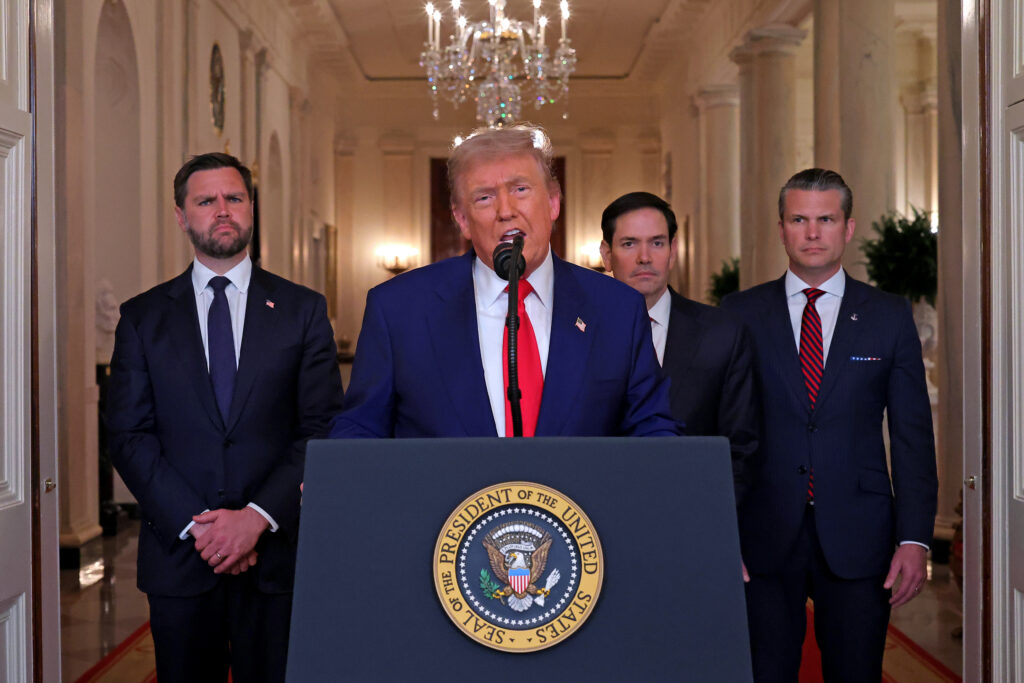
Israeli rescuers said Tuesday three people were killed in an Iranian strike, as Tehran’s state media reported new waves of missiles heading for Israel after US President Donald Trump announced a ceasefire between the two Middle East foes.Neither Iran nor Israel have confirmed the agreement touted by Trump on ending the conflict that has killed hundreds in Iran and two dozen in Israel.The US leader had said the ceasefire would be a phased 24-hour process beginning at around 0400 GMT Tuesday, with Iran unilaterally halting all operations. Israel would follow suit 12 hours later.”It has been fully agreed by and between Israel and Iran that there will be a Complete and Total CEASEFIRE,” Trump wrote on his Truth Social platform.”Upon the 24th hour, an official end to the 12-day war will be saluted by the world,” he said, adding that both sides had agreed to remain “peaceful and respectful” during each phase of the process.Iran’s Foreign Minister Abbas Araghchi that “as of now, there is NO ‘agreement’ on ceasefire or cessation of military operations.””However, provided that the Israeli regime stops its illegal aggression against the Iranian people no later than 4 am Tehran time, we have no intention to continue our response afterwards,” he said on social media.But Israel’s army said sirens were activated in northern Israel — where moments before Iran’s state media Irib reported a wave of missiles were headed.Israeli emergency services also reported casualties in an Iranian missile strike in southern Israel. “Following the missile impact site in southern Israel: So far, MDA teams have pronounced the deaths of three people,” Magen David Adom said in a statement on X.Explosions also continued to rock Tehran overnight, with blasts in the north and centre of the Iranian capital described by AFP journalists as some of the strongest since the conflict broke out.Any cessation in hostilities would come as a huge relief to world leaders frantic about an escalation in violence igniting a wider conflagration.The adversaries had been swapping missile fire since Israel carried out surprise “preemptive” strikes against Iran on June 13, targeting nuclear and military sites, and prompting Trump to warn of a possible “massive” regional conflict.- Strikes on US base -The US leader’s truce announcement came hours after Iran launched missiles at the largest US military facility in the Middle East — Al Udeid Air Base in Qatar — in a move Trump shrugged off as “very weak.”Calling for a de-escalation, Trump said Tehran had given advance notice of the barrage. Iran’s National Security Council confirmed having targeted the base “in response to the US aggressive and insolent action against Iran’s nuclear sites and facilities”. But it added that the number of missiles launched “was the same as the number of bombs that the US had used” — a signal that it had calibrated its response to be directly proportional rather than escalatory.”This was calibrated and telegraphed in a way that would not result in any American casualties, so that there is an off ramp for both sides,” Ali Vaez, a senior advisor at the International Crisis Group, told AFP.The offensive came after the United States joined its ally Israel’s military campaign against Iran, attacking an underground uranium enrichment centre with massive bunker-busting bombs and hitting two other nuclear facilities overnight Saturday into Sunday.As international concern mounted that Israel’s campaign and the US strikes could ignite a wider conflict, French President Emmanuel Macron insisted that “the spiral of chaos must end” while China warned of the potential economic fallout.- ‘Blatant aggression’ -Iran said its assault in Qatar wasn’t targeting the Middle Eastern neighbour, but the government in Doha accused Tehran of “blatant aggression” and claimed its right to a “proportional” response.Iran’s state media quoted the Revolutionary Guard Corps announcing that six missiles had hit Al Udeid, which had been evacuated beforehand, according to the Qataris. The broadside was made up of “short-range and medium-range ballistic missiles,” a US defence official said.AFP reporters heard blasts in central Doha and in Lusail, north of the capital, on Monday evening, and saw projectiles moving across the night sky.Iranians gathered in central Tehran to celebrate, images on state TV showed, with some waving the flag of the Islamic republic and chanting “Death to America”.Qatar earlier announced the temporary closure of its airspace in light of “developments in the region”, while the US embassy and other foreign missions warned their citizens to shelter in place.Israeli strikes on Iran have killed more than 400 people, Iran’s health ministry has said. Twenty-four people have died in Iran’s attacks on Israel, according to official figures.burs-ft/hmn/tc/ecl
With missiles overhead, Tel Aviv residents huddle underground
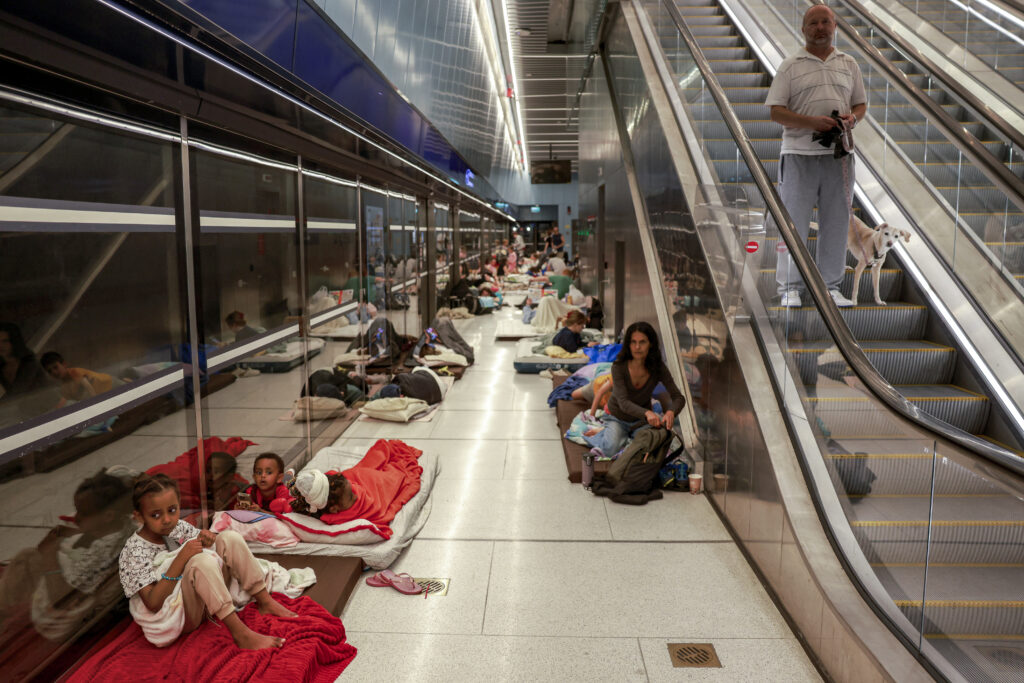
As night falls in Israel’s coastal city of Tel Aviv, hundreds make the familiar descent into the depths of the metro to escape the latest salvo of Iranian missiles.For those with no safe shelters near their homes, the city’s underground stations and car parks have become vital refuges since the war began on June 13. Despite nightly missile barrages, Israel’s casualty toll has remained relatively low, with authorities repeatedly stressing the importance of taking cover in life-saving protected spaces. “The day after the Israeli intervention in Iran began, there was an explosion, a bomb not far from my home, and the entire shelter I was in shock,” Muriel Azria, 58, who works in tourism, told AFP in a Tel Aviv metro station.She arrives prepared every evening with her suitcase and her dog, ready for a night on her council-provided mattress set up on the platform.”From the moment I enter the subway, which is magnificent, I calm down,” she said. “It’s not very comfortable, but at least I’m not afraid, we hear much less booming.””There are people, everyone is generally very nice,” she told AFP.Israeli residents receive blaring phone alerts via SMS to warn them of incoming Iranian missiles, often in the early hours of the morning. These are often followed by the wail of overhead air raid sirens.Among the haphazardly placed mattresses on the platforms of the metro stations, some people clutch phones while others play cards, do crosswords or chat to pass the time underground. For 86-year-old retiree Yudit Kamara, who does not have a shelter at home, the daily journey to the underground station has become an ordeal. “It’s too much, I don’t have the strength anymore to go through this. It’s really difficult,” she told AFP.”All these children here, all this mess, and it’s really cold and not so comfortable. But what other choice do we have? Where will we go?” she asked, stifling a sob.More than 60 percent of Israelis do not have a safe shelter at home, according to the NGO Latet, which distributes emergency kits, food parcels and children’s games to the most vulnerable families.- ‘Need to be strong’ -“I’m very nervous but I need to be strong for my child,” said 48-year-old Erlenn Solomon, who has slept every night in an underground station since the start of the conflict.”As a mom, you need to be strong.”Israel’s economic hub Tel Aviv has been particularly targeted by Iran’s missiles since the start of the conflict on June 13.The full extent of the damage from Iran’s attacks on Israel is not known due to military censorship rules, but at least 50 impacts have been acknowledged nationwide and 24 people have died, according to official figures.Once a rare sight in a country with highly sophisticated air defences, Israelis have now become somewhat used to waking up to images of blown-out buildings and rubble-strewn streets.As well as the metro, some have sought shelter from the bombing in the depths of underground car parks.”It’s terrible. I’ve had some moments where I’ve told my parents I don’t want to do this anymore, I want to go home, back to the apartment where we live close,” said Maya Papirany, 27, speaking four storeys below ground.”Then they remind me of the dangers of not being down here,” she added.Some sit in plastic chairs while others lie in sleeping bags with their eyes glued to their phones to follow the situation above ground. Papirany now sleeps alongside her mother and children on a mattress on the floor of a car park lined with tents. Beside her, a young girl sleeps soundly. “They’re not scared of the bombs. I think they’re too young to really understand what’s going on, and they don’t really understand the seriousness of it, so they think it’s, like, a fun game,” she said.
Virgin Australia surges in market comeback
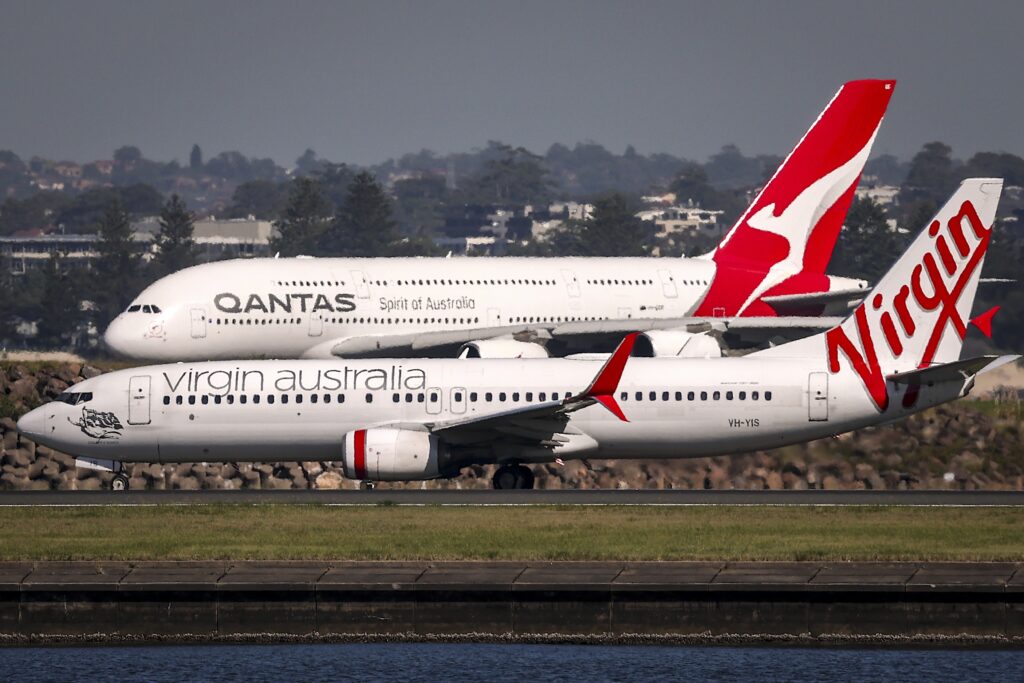
Virgin Australia climbed sharply as it re-entered the local share market Tuesday, a dramatic comeback from near bankruptcy more than four years ago.A 30-percent chunk of Virgin Australia, one of the few domestic rivals to Qantas, was sold in an initial public offering this month at Aus$2.90 a share to raise Aus$685 million (US$444 million).The price values the entire airline at Aus$2.3 billion.The stock, which listed on the Australian Securities Exchange at noon, climbed 8.6 percent from the offer price in the first five minutes of trade.US private equity giant Bain Capital came to the airline’s rescue in late 2020 after the Australian government refused to bail it out as the Covid-19 pandemic brought international travel to a standstill. “Today marks the start of an exciting new chapter for Virgin Australia as a publicly listed company,” said airline chairman Peter Warne.”Our listing reflects the remarkable work undertaken over the past five years to transform the airline and position it for long-term success,” he said in a statement.After selling a 30-percent stake in Virgin Australia in the initial public offering, Bain now holds about 40 percent of the airline.Qatar Airways bought a 25 percent share in the carrier this year.Qatar’s entry injected a dose of foreign competition against Australia’s dominant carrier Qantas and its budget offshoot Jetstar, which together carry more than 60 percent of domestic passengers.”We are proud of how far we have come and energised by the opportunities ahead as we continue to realise our ambition of being Australia’s most loved airline,” Virgin Australia chief executive Dave Emerson said.
Asian stocks up as Trump announces Iran-Israel ceasefire
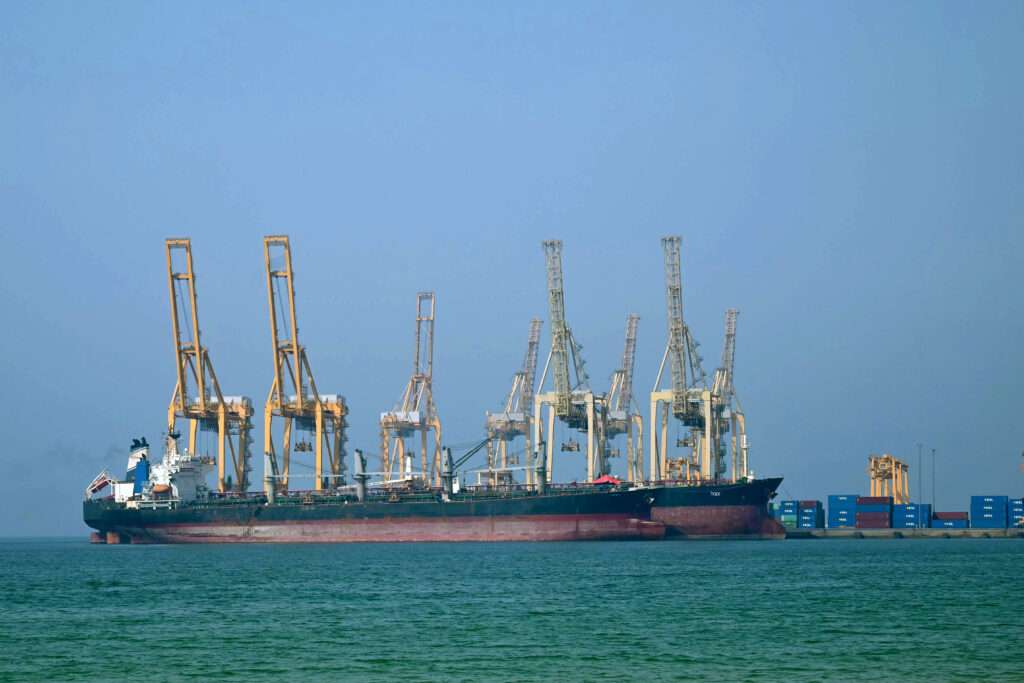
Asian shares gained and oil prices were down Tuesday, as fears of an energy market shock eased following US President Donald Trump’s announcement of a ceasefire between Iran and Israel.Investors were relieved that Iran did not retaliate to a US attack on its nuclear facilities by throttling oil transport through the strategic Strait of Hormuz.On Monday, Iran said it had launched missiles at a major US base in Qatar, which described the situation as stable, while analysts said oilfield assets were unaffected.”Tehran played it cool. Their ‘retaliation’ hit a US base in Qatar — loud enough for headlines, quiet enough not to shake the oil market’s foundations,” said Stephen Innes at SPI Asset Management.”And once that became clear, the war premium came crashing out of crude,” with Brent and the main US crude contract WTI sliding more than seven percent overnight.Both oil contracts were down over two percent on Tuesday.In Asia, the mood was largely upbeat, with Tokyo and Hong Kong up 1.4 percent, Shanghai gaining 0.8 percent and Seoul jumping 2.7 percent.Singapore gained 0.7 percent, Sydney was up 1.1 percent and Taipei put on 1.8 percent, but Jakarta was down 1.7 percent.Trump said Iran and Israel had agreed to a staggered ceasefire that would bring about an “official end” to their conflict, as strikes continued to hammer Tehran.Iran’s foreign minister said Tuesday that Tehran did not intend to continue its strikes if Israel stopped its attacks.”Details of the ceasefire agreement are still sparse at the time of writing and as such the detente and de-escalation is not a done deal,” wrote Michael Wan at MUFG.”Nonetheless, latest news reports suggest Iran has agreed to the ceasefire and if this is right, the left tail risk of more extreme scenarios resulting in significant oil supply disruptions have meaningfully diminished.”In forex markets, the dollar gave up gains after Federal Reserve Governor Michelle Bowman said she would support cutting interest rates at July’s meeting if inflation holds steady.The market currently expects the Fed to resume cutting interest rates in September.Bowman indicated that “ongoing progress in tariff negotiations providing a less risky economic environment to adjust policy”,” prompting the dollar to weaken, Wan said.- Key figures at around 0200 GMT -Tokyo – Nikkei 225: UP 1.4 percent at 38,873.07Hong Kong – Hang Seng Index: UP 1.4 percent at 24,025.13Shanghai – Composite: UP 0.8 percent at 3,886.66Euro/dollar: UP at $1.1590 from $1.1581 on MondayPound/dollar: UP at $1.3539 from $1.3526Dollar/yen: DOWN at 145.66 yen from 146.12 yenEuro/pound: FLAT at 85.60 penceWest Texas Intermediate: DOWN 2.3 percent at $66.19 per barrelBrent North Sea Crude: DOWN 2.2 percent at $69.24 per barrelNew York – Dow: UP 0.9 percent at 42,581.78 (close)London – FTSE 100: DOWN 0.2 percent at 8,758.04 (close)
Municipales Paris-Lyon-Marseille: le camp gouvernemental face à ses divisions internes
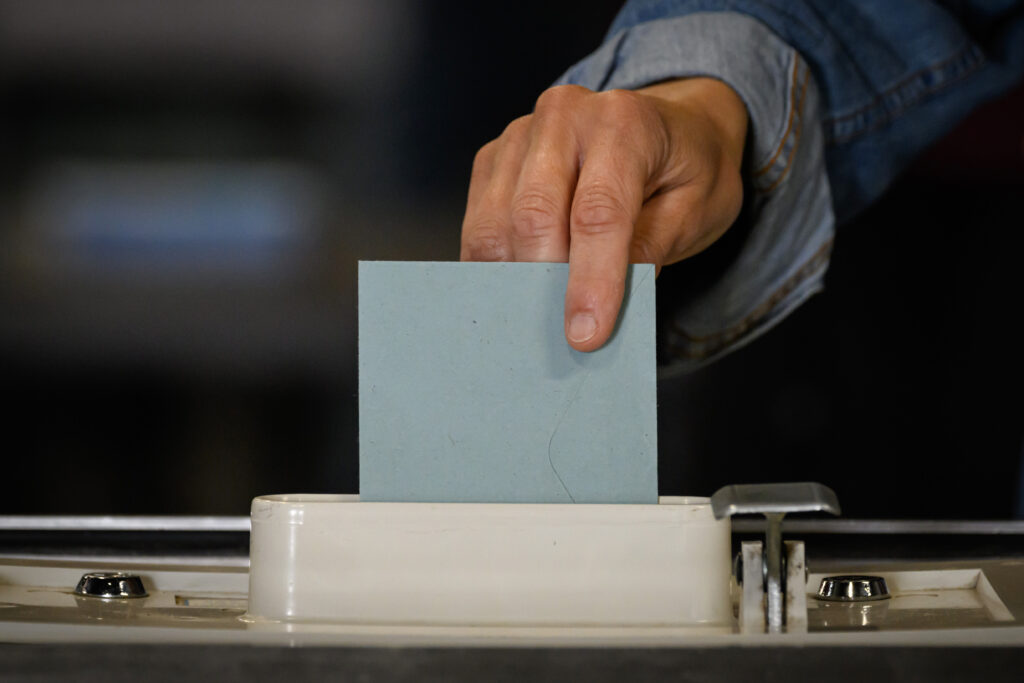
Risque de fracture ? Divisé sur la réforme du scrutin municipal à Paris, Lyon et Marseille, le camp gouvernemental va afficher mardi ses dissensions lors d’une commission mixte paritaire, réunion de parlementaires chargés d’aboutir à un compromis. Son issue est très incertaine.L’Assemblée nationale a voté pour, le Sénat a voté contre, mais François Bayrou y tient: à neuf mois des élections municipales, le Premier ministre espère toujours l’émergence in extremis d’un accord au Parlement sur cette réforme critiquée. C’est tout l’objet de la commission mixte paritaire (CMP) convoquée à 9h30 au Sénat. A huis clos, sept députés et sept sénateurs vont tenter d’aligner leurs positions sur cette proposition de loi d’origine macroniste.Le texte entend mettre fin au mode de scrutin mis en place en 1982 dans la loi PLM, en vertu duquel les électeurs à Paris, Lyon et Marseille votent dans chaque arrondissement pour une liste de conseillers, les élus du haut de la liste siégeant au conseil d’arrondissement et au conseil municipal.Dans sa version approuvée par les députés, elle prévoit à la place d’instaurer deux scrutins, l’un pour élire les conseillers d’arrondissement ou de secteur, l’autre pour élire ceux du conseil municipal, sur une circonscription unique. – “Concertation” -Avec une ambition: rendre le scrutin “plus lisible”, rapprocher les électeurs du choix de leur maire et faire en sorte “qu’un électeur égale une voix”.Mais derrière cette formule simple se cachent d’importants enjeux électoraux et de grandes divergences de vues.Y sont favorables: le parti présidentiel Renaissance, le MoDem du Premier ministre, le Rassemblement national, la France insoumise et le groupe Les Républicains (LR) de l’Assemblée nationale.A l’inverse, les socialistes et les sénateurs LR y sont quasi unanimement opposés, jugent la réforme bâclée et téléguidée par Rachida Dati, qui espère via ce texte être en meilleure posture pour ravir Paris à la gauche.Ce scénario est rarissime dans la configuration politique actuelle, où l’exécutif se repose énormément sur le Sénat pour faire cheminer les textes législatifs, là où il ne dispose d’aucune majorité à l’Assemblée nationale.L’influent président du Sénat, Gérard Larcher (LR), ne goûte guère cette obstination du locataire de Matignon. Il lui avait fait savoir par courrier, appelant à plus de “concertation” et obtenant du même coup un report d’une semaine de cette CMP.Ce délai a permis aux rapporteurs des deux chambres d’entrer en contact pour évoquer les contours d’un accord. Mais lundi après-midi, il n’y avait “pas d’accord”, selon une source parlementaire. Le même pessimisme régnait auprès de la plupart des parlementaires sollicités.- Rapport de force serré -Il faudra sortir la calculette: sur les 14 parlementaires disposant d’un droit de vote, sept sont favorables à la réforme quand six y sont défavorables… La position du 14e représentant, le sénateur Horizons Marc Laménie, sera très scrutée.Comme en séance publique, il devrait s’abstenir, a-t-on appris auprès de son groupe parlementaire Les Indépendants dans la soirée. Mais son choix “dépendra des propositions de rédaction nouvelles” soumises en CMP, a-t-on ajouté.Une abstention du parti d’Edouard Philippe offrirait logiquement une majorité aux “pro-réforme”, à sept voix contre six. Mais l’incertitude demeure.Qu’il y ait accord ou non, le texte devra de toute façon repasser par les deux chambres du Parlement avant d’aboutir, avec la possibilité pour le gouvernement de donner le dernier mot à l’Assemblée nationale, au risque de se mettre les sénateurs à dos.”Je n’imagine pas qu’un texte puisse être adopté sur ce sujet sans qu’il y ait accord de l’Assemblée nationale et du Sénat”, avait pourtant prévenu François Bayrou dès février. Les sénateurs n’ont pas oublié: “Le Premier ministre doit respecter sa parole. En cas de désaccord, la réforme ne peut pas aller plus loin”, martèle auprès de l’AFP la sénatrice LR Catherine Di Folco, membre de la CMP.Les répercussions de ce débat risquent aussi d’agiter le gouvernement, car le ministre de l’Intérieur Bruno Retailleau ne la voit pas d’un bon oeil.”Si François Bayrou fait voter cette loi sans le Sénat, c’est un petit accroc dans l’entente”, reconnaît une ministre. “En tout cas Gérard Larcher sera assez mécontent”. François Bayrou prendra-t-il ce risque ?