


ICC rejects Bangladesh’s plea to play T20 World Cup matches outside India
Cricket’s governing body said Wednesday it had rejected Bangladesh’s request to shift their T20 World Cup matches out of India, casting doubt on their participation in next month’s tournament.The T20 World Cup begins in a little over two weeks on February 7, with Bangladesh’s four group matches scheduled to be played in Kolkata and Mumbai.The Bangladesh Cricket Board (BCB) has repeatedly refused to play its games in India, and the Dhaka government said on Tuesday that they would not be pressured into changing their stance.The International Cricket Council said in a statement that in the “absence of any independent security findings that… compromise the safety of the Bangladesh team”, the ICC will not relocate the match.The row between the neighbouring nations erupted on January 3, when the Indian cricket board (BCCI) ordered the Indian Premier League (IPL) franchise Kolkata Knight Riders to release Bangladesh fast bowler Mustafizur Rahman.The BCB asked to move their matches to World Cup co-hosts Sri Lanka. There was no immediate confirmation of whether Bangladesh would buckle to the ICC’s decision.The ICC said it had “engaged with the BCB in sustained and constructive dialogue” to ensure Bangladesh could participate in the tournament, but added that those efforts had been “rebuffed.”The ICC said in a statement that “independent security assessments, comprehensive venue-level security plans and formal assurances from the host authorities” found there was “no credible or verifiable threat to the safety” of the Bangladesh team.The council said, despite efforts, that the BCB had maintained its position citing: “a single, isolated and unrelated development concerning one of its player’s involvement in a domestic league.”Youth and Sports Adviser in Dhaka’s interim government Asif Nazrul told the state-run BSS news agency late Tuesday that Bangladesh “cannot be forced to play in India.”Bangladesh captain Litton Das, speaking to reporters after a domestic match on Tuesday, said he had no idea if the team would take part.”From where I stand, I’m uncertain, everyone is uncertain,” Das said, asking back: “Are you sure we will play the World Cup?””I think at this moment, the whole of Bangladesh is uncertain,” he added in comments reported by Dhaka’s Prothom Alo newspaper.Sources in Colombo told AFP Sri Lanka had not been contacted about hosting Bangladesh’s matches.Earlier, ICC sources told AFP that Bangladesh could be replaced by Scotland, who are the highest-ranked team that did not qualify for the World Cup.During the World Cup, Bangladesh will hold its first elections since a mass uprising in 2024 toppled then-prime minister Sheikh Hasina, a close ally of New Delhi.Political relations between India and Bangladesh have soured since.
What is Trump’s ‘Board of Peace’?
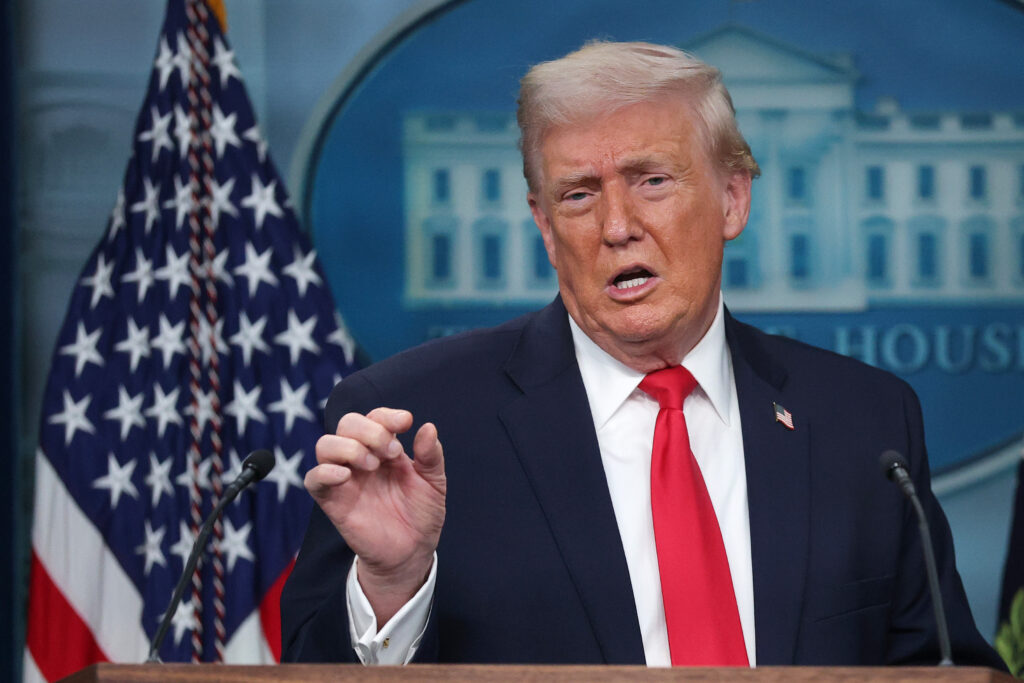
US President Donald Trump is set to formally announce the first charter of his so-called “Board of Peace”, a body for resolving international conflicts with a $1-billion price tag for permanent membership.The board, which Trump will launch with what has been billed as a signing ceremony in Davos, Switzerland on Thursday, was originally conceived to oversee the rebuilding of Gaza. But a draft of the charter seen by AFP does not appear to limit its role to the Palestinian territory.- What will it do? -The Board of Peace will be chaired by Trump, according to its founding charter sent to countries invited to participate.It is “an international organization that seeks to promote stability, restore dependable and lawful governance, and secure enduring peace in areas affected or threatened by conflict”, reads its preamble.It will “undertake such peace-building functions in accordance with international law”, it adds.- Who will run it? -Trump will be chairman but also “separately serve” as representative of the United States.”The chairman shall have exclusive authority to create, modify or dissolve subsidiary entities as necessary or appropriate to fulfil the Board of Peace’s mission,” the document states.He will pick members of an executive board to be “leaders of global stature” to “serve two-year terms, subject to removal by the chairman”.The charter says the chairman can be replaced only in case of “voluntary resignation or as a result of incapacity”.A US official confirmed that Trump could keep the chairmanship, even after leaving the White House, “until he resigns it”, although a future US president can appoint a different US representative.- Who can be a member? -Member states must be invited by the US president and will be represented by their head of state or government.Each member “shall serve a term of no more than three years”, the charter says.But “the three-year membership term shall not apply to member states that contribute more than USD $1,000,000,000 in cash funds to the Board of Peace within the first year of the charter’s entry into force”, it adds.The US official said that membership itself “does not carry any mandatory funding obligation beyond whatever a state or partner chooses to contribute voluntarily”.The board will convene annual meetings with decisions by a majority vote, with the chairman breaking any tie.- Who’s on the executive board? -The executive board will be chaired by Trump and include seven members:- US Secretary of State Marco Rubio- Steve Witkoff, Trump’s special negotiator- Jared Kushner, Trump’s son-in-law- Tony Blair, former UK prime minister- Marc Rowan, billionaire US financier- Ajay Banga, World Bank president- Robert Gabriel, loyal Trump aide on the National Security Council- Which countries are invited? -Some 35 world leaders out of 50 or so invited have agreed to join the board so far, a senior White House official told reporters Wednesday. Dozens of countries and leaders have said they have received an invitation, including close US allies but also adversaries.China has been invited but a foreign ministry spokesman said Wednesday Beijing would defend the international system with the United Nations “at its core”.Both Russian President Vladimir Putin and Ukrainian President Volodymyr Zelensky have been invited, despite Russia’s ongoing invasion of Ukraine.A number of governments immediately said they would join.Several Trump allies are in, including Hungary’s nationalist Prime Minister Viktor Orban — who said he was headed to Davos to attend the ceremony, according to a pro-government media outlet Wednesday — Argentine President Javier Milei and Israeli Prime Minister Benjamin Netanyahu.Azerbaijan’s autocratic President Ilham Aliyev will also have a spot. And Kazakhstan’s President Kassym-Jomart Tokayev said he, too, would attend Thursday’s ceremony.The United Arab Emirates, a close US partner, also said it would join, as did Egypt. Canada said it would take part but explicitly ruled out paying the $1-billion fee for permanent membership.- Who won’t be involved? -Longtime US ally France has indicated it will not join. The response sparked an immediate threat from Trump to slap sky-high tariffs on French wine.Zelensky said it would be “very hard” to be a member of a council alongside Russia, and diplomats were “working on it”.Britain echoed the sentiment, saying it was “concerned” that Putin had been invited.”Putin is the aggressor in an illegal war against Ukraine, and he has shown time and time again he is not serious about peace,” said a Downing Street spokesperson.Norway, which has become the target of Trump’s ire after he was snubbed for the Nobel Peace Prize, has also said it will not join and that the proposal “raises a number of questions”.The charter says the board enters into force “upon expression of consent to be bound by three States”.burs/jj/st/phz
Trump lands in Davos to push Greenland claims
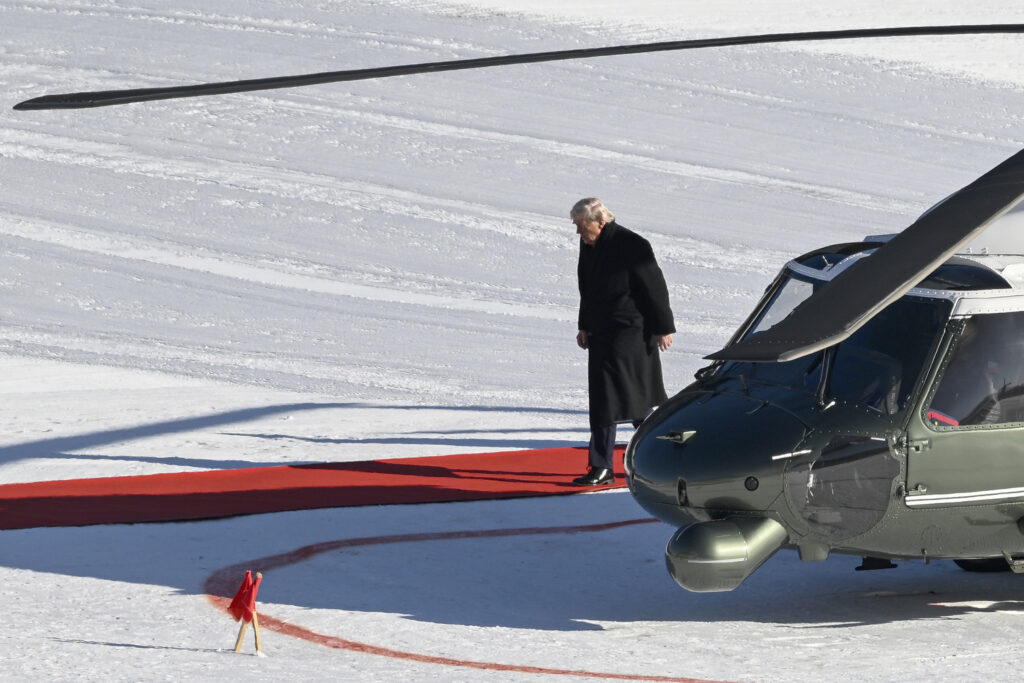
US President Donald Trump touched down in a tense Davos on Wednesday to give an “America First” speech that will push his world-shaking bid to seize control of Greenland.Trump’s claims over the Danish territory have dominated the meeting in the Swiss ski resort, where Trump landed by helicopter, stepping onto a red carpet laid in the snow.He arrived at the World Economic Forum some two hours behind schedule, after an electrical issue earlier forced Air Force One to turn back to Washington.The 79-year-old doubled down on his claims over the strategic Arctic island before arriving, but Europe and Canada have closed ranks against what they view as a threat to the US-led global order.Canada’s Prime Minister Mark Carney warned at Davos of a “rupture” to the US-led system while NATO’s chief called on Wednesday for “thoughtful diplomacy” to resolve one of the biggest crises in transatlantic relations for decades.The united stand drew a rebuke from Trump’s Treasury chief Scott Bessent, who told Europeans to “take a deep breath” and wait for the president’s arrival to see what he has to say.”Do not have this reflexive anger that we’ve seen,” Bessent told reporters in Davos.Trump’s speech would have an “America First feel” and was expected to touch on Greenland and the US military operation to seize Venezuela’s Nicolas Maduro “in the context of his Western Hemisphere focus,” a senior US official said.Huge lines of the world’s business and political elite queued up to see Trump’s speech, with hundreds turned away, AFP reporters saw.He will also tout the US economy, amid growing frustration over the cost of living that could damage Trump’s Republican party in the 2026 midterm elections.Trump is also expected to hold around five bilateral meetings with European leaders in Davos, the official said..But in a sign of the dissent against Trump, the words “No Kings” were dug into the snow overlooking mountain-fringed Davos overnight, referring to a US protest slogan.- ‘Thoughtful diplomacy’ -Trump insists mineral-rich Greenland is vital for US and NATO security against Russia and China as a melting Arctic opens up and the superpowers jostle for strategic advancement.But NATO chief Mark Rutte told Davos on Wednesday that “thoughtful diplomacy” was needed, as Trump’s claims over another ally’s territory provoke an existential crisis for the group.”There are these tensions at the moment, there’s no doubt,” said Rutte, who has been dubbed the “Trump whisperer” for his ability to deal with the US president.Rutte also pushed back against Trump, who has long told other countries to pay more for the alliance, and who on Tuesday said he doubted NATO would come to the aid of the United States if asked.”I tell him, yes they will,” Rutte said.France called meanwhile Wednesday for a NATO exercise in Greenland “and is ready to contribute to it”, Macron’s office said.The French president had warned at Davos on Tuesday against US attempts to “subordinate Europe”, and blasted Trump’s “unacceptable” threats to impose tariffs on allies over Greenland.Europe has threatened countermeasures after Trump turned up the pressure by threatening levies of up to 25 percent on eight European countries for backing Denmark.- ‘Rupture’ -Canada’s Carney — who has sought to reduce his own country’s dependence on Washington since Trump called for it to become the 51st US state — won a rare standing ovation at Davos for his stance.”We are in the midst of a rupture, not a transition,” Carney said of the US-led global system of governance.Greenland’s prime minister said Tuesday that his tiny population of 57,000 must be prepared for military force.On Thursday, meanwhile, Trump is set to formally announce the first charter of his so-called “Board of Peace,” a body for resolving international conflicts with a $1 billion price tag for permanent membership.burs-dk/gv
Fate of IS detainees uncertain as Damascus reins in Kurds
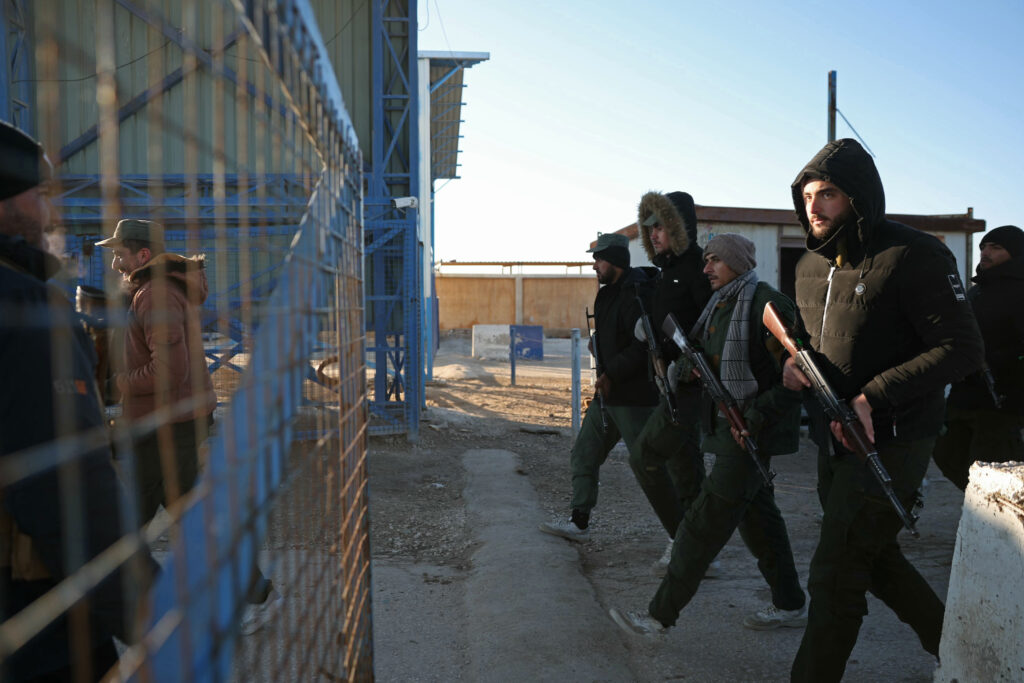
The Syrian government’s attempt to wrest back control of Kurdish-held areas has thrown into doubt the fate of thousands of suspected Islamic State group jihadists detained there, with Western observers worried many could take advantage of the chaos to escape.The Kurdish-led Syrian Democratic Forces spearheaded the battle against IS in Syria, backed by a US-led coalition, after it declared a “caliphate” in swathes of Syria and neighbouring Iraq in 2014.Almost seven years after they captured the last patch of that proto-state, the Kurds until this week held thousands of men in jails, and tens of thousands of women and children from their families in camps in northeast Syria. These prisons and camps “are hotbeds of radicalism”, said Laurence Bindner, a specialist of radicalisation online.US general Michael Kurilla three years ago warned of an IS “army in detention” in Syria and Iraq that, if freed, could “pose a great threat”.The largest of the Syrian IS detention camps, Al-Hol, is home to more than 24,000 people — around 15,000 Syrians, 3,500 Iraqis and 6,200 other foreigners, the camp’s director told AFP in December. Foreign women and children are held in a high-security section.The army of Syria’s Islamist-led government on Wednesday moved into the vast detention camp, after Kurdish forces withdrew a day earlier to defend their cities before a ceasefire was then announced.The latest truce opens the way for further talks on a deal to integrate the Kurdish de facto autonomous administration and its forces into the Syrian state.- ‘Opportunity to exploit’ -In Syria, the Kurds have repeatedly called on countries to repatriate their citizens from their detention facilities.Baghdad has accelerated repatriations.But Western governments have generally allowed home only a trickle, fearing security threats after a string of deadly IS attacks in Western cities, including shootings and suicide bombings in Paris that killed 130 people in 2015.A Western security official said the situation in Syria was “evolving very quickly” and they were “assessing the impact on the camps”. “We can’t rule out escapes,” the source said, before the army took over Al-Hol.On Monday, the Syrian army said the SDF released IS detainees from a prison in the northeastern town of Shadadi, while the Kurds said they lost control of the facility after an attack by Damascus.Any mass escape — with detainees either “exploiting security gaps” or being “deliberately allowed to leave” — would be a worst-case scenario, said Thomas Renard, research director at the International Centre for Counter-Terrorism (ICCT) based in The Hague.”This solution — of provisional detention facilities, without trial, without prospects — was never going to be sustainable in a highly volatile region,” he said.If detainees escaped, “we can imagine that some would try to keep a low profile”, Renard said.But others “would no doubt return to IS or another jihadist group, and that would be bad for Syria, for the region, and for global security”, he added.A Western security source said in November that the jihadist group’s agenda still included getting back IS fighters in jail. Bindner said pro-IS social media channels were abuzz with questions about the fate of the IS detainees.”For IS, it’s clearly an opportunity to seek to exploit,” she said.”Even if just a few dozen or hundreds of prisoners get out and join the roughly 3,000 IS fighters in Syria, that gives them a boost in strength and morale,” she added.”It could bolster their insurgency,” she said, even if no proto-state would likely be re-established.- Detainees ‘sick, weak’ -Around 2,000 of the alleged IS combatants in custody — and an estimated 8,000 detained women and children — in northeast Syria are foreigners, that is not Syrian or Iraqi, according to US figures from June.Among them for example is Shamima Begum, who joined IS as a teenager and whom the United Kingdom stripped of her British nationality.Lilla Schumicky-Logan, joint director of GCERF, a global fund that works to prevent violent extremism, said there had been no “overall assessment on how radicalised people are” in Syria’s IS jails and camps.Among the foreign women held in the camps, many have repented and asked to go home, she said.As for the suspected IS fighters in prisons, “a lot of them have been there for six to seven years. They are now sick, weak, suffering from tuberculosis”, she said.”How capable are they to pick up a gun and go and fight? I think we really need to ask this question.”
Coup d’arrêt pour le Mercosur: le Parlement européen saisit la justice de l’UE
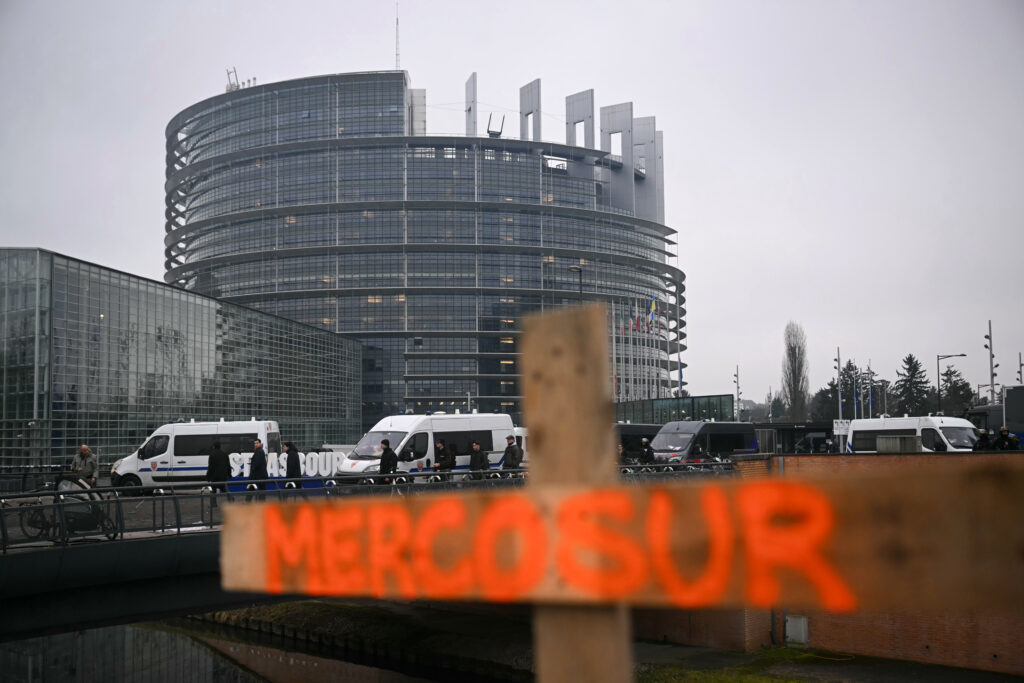
Le Parlement européen a porté un coup d’arrêt à l’accord commercial avec le Mercosur en saisissant la justice, une décision accueillie par des cris de joie d’agriculteurs mercredi à Strasbourg.Les eurodéputés ont soutenu ce recours devant la Cour de justice de l’Union européenne avec 334 voix pour, 324 contre et 11 abstentions.Cette décision bloque en théorie l’entrée en vigueur de cet accord commercial avec l’Amérique latine pendant plusieurs mois. Dans l’intervalle, la Commission européenne a toutefois la possibilité de l’appliquer à titre provisoire si elle le souhaite. L’exécutif européen n’a pas tranché sur ce point, mais a fait part mercredi de sa “profonde déception” après le vote du Parlement.Ardent défenseur de ce traité de libre-échange, le chancelier allemand Friedrich Merz a lui aussi jugé “regrettable” la décision des eurodéputés. “Convaincu de la légalité de l’accord”, il a demandé son application “à titre provisoire”.- Les agriculteurs “fiers” -Le gouvernement français s’est en revanche réjoui de ce vote, estimant que le Parlement s’était “exprimé en cohérence avec la position” de la France.En dehors de l’institution à Strasbourg, le vote a été accueilli par une effusion de joie d’agriculteurs, encore réunis devant le Parlement européen au lendemain d’une manifestation de plusieurs milliers d’entre eux. Ils étaient encore 600 mercredi à faire face à d’importantes forces de police, leurs tracteurs garés non loin de l’hémicycle.”On peut être fiers (…). On est rincés, ça fait des mois et des mois, des années qu’on est sur ce sujet”, a réagi Quentin Le Guillous, secrétaire général des Jeunes Agriculteurs.”C’est un peu l’euphorie, c’est un très long combat” a dit à l’AFP Romain Blanchard, 44 ans, qui produit du vin et des céréales dans les Bouches-du-Rhône. “On a fait neuf heures de route, on laisse nos fermes, nos familles pour être là. Ça s’est joué à pas grand chose”.La saisine de la Cour pourrait retarder d’un an et demi le vote global du Parlement européen sur la ratification de ce traité conclu avec l’Argentine, le Brésil, le Paraguay et l’Uruguay.- Premier signal -Ce premier vote donne un signal sur les équilibres à Strasbourg, dans un dossier fortement marqué par les considérations nationales.Opposés au Mercosur, les 81 députés français s’étaient ainsi tous engagés à voter pour cette saisine, et il faudra attendre le décompte des votes pour vérifier qu’ils ont bien tenu parole.”Victoire, notre stratégie de combat (…) porte ses fruits, le Mercosur trébuche”, a réagi l’eurodéputée française Céline Imart, membre de la droite, la première formation politique au Parlement.Le chef de son groupe, l’eurodéputé allemand Manfred Weber, avait pourtant mis tout son poids dans la balance pour empêcher cette saisine. Mardi, il avait qualifié ce traité de libre-échange avec le Mercosur “d’accord anti-Trump”, dans l’espoir de convaincre les derniers hésitants à voter contre.Les opposants à la saisine soulignaient la nécessité de mettre en œuvre l’accord le plus vite possible, particulièrement au moment où le président américain Donald Trump agite la menace de nouveaux droits de douane contre l’Europe.Les partisans d’un recours devant la Cour européenne espèrent au contraire, avec ce vote, retarder la ratification de l’accord et donc sa mise en œuvre.Ce traité crée l’une des plus grandes zones de libre-échange au monde entre l’UE, le Brésil, l’Argentine, le Paraguay et l’Uruguay, soit plus de 700 millions de consommateurs.Il doit permettre à l’UE d’exporter davantage de voitures, machines, vins et spiritueux vers l’Amérique latine tout en facilitant l’entrée en Europe de viande bovine, volailles, sucre, riz, miel et soja sud-américains.Pour ses détracteurs, cela va bousculer l’agriculture européenne avec des produits importés moins chers et pas forcément respectueux des normes de l’UE, faute de contrôles suffisants. Ils restent néanmoins prudents après cette courte victoire.Certes, la ratification du traité avec le Mercosur est bloquée pendant des mois, mais la Commission européenne pourrait passer outre, en lançant une application provisoire.La “vraie bataille” sera là, a averti l’eurodéputé français David Cormand du groupe des Verts.
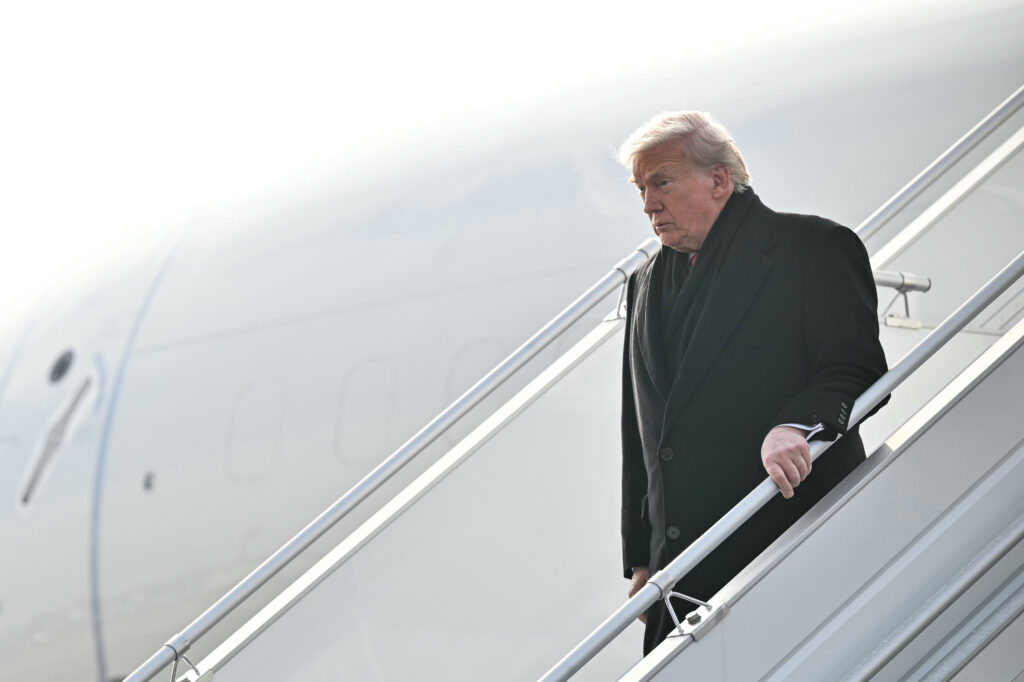
Groenland : Trump au Forum de Davos dans un climat électrique
Le président américain Donald Trump est arrivé mercredi à Davos où il participe au Forum économique mondial dans un climat rendu électrique par sa volonté d’annexer le Groenland au risque de faire éclater l’alliance transatlantique.M. Trump doit prononcer un discours très attendu, initialement prévu à 14H30 (13H30 GMT), mais il a rejoint avec retard la station chic des Alpes suisses, à la suite d’un problème à bord d’Air Force One qui l’a contraint à faire demi-tour en vol et prendre un autre appareil.Le président américain participe au Forum pour la première fois depuis 2020. Il entend par ailleurs tenir plusieurs réunions sur le Groenland.Avant de quitter Washington, Donald Trump a raillé avec virulence les dirigeants européens opposés à ses convoitises sur le Groenland.- “Vous verrez bien!” -Interrogé jusqu’où il était prêt à aller pour prendre le contrôle de la vaste île arctique aux dépens du Danemark, membre de l’Otan, il répondu : “Vous verrez bien”.”L’Amérique sera bien représentée à Davos – par moi”, a-t-il ensuite déclaré sur son réseau Truth Social.M. Trump insiste sur le fait que le Groenland, territoire autonome danois riche en minerais, est vital pour la sécurité des Etats-Unis et de l’Otan face à la Russie et à la Chine, alors que la fonte des glaces dans l’Arctique ouvre de nouvelles routes et que les superpuissances rivalisent pour obtenir des avantages stratégiques. Il a accentué la pression en menaçant d’imposer de nouveaux droits de douane allant jusqu’à 25% à huit pays européens pour leur soutien au Danemark, ce qui a incité l’Europe à menacer les Etats-Unis de représailles.”Le Royaume-Uni ne cédera pas sur ses principes et valeurs et sur l’avenir du Groenland, sous la menace de droits de douanes”, a déclaré mercredi son Premier ministre Keir Starmer devant la chambre des Communes.Les États-Unis “se comportent très bizarrement pour des alliés”, a déploré mercredi la présidente de la Banque centrale européenne (BCE), Christine Lagarde.La présidente de la Commission, Ursula von der Leyen, a appelé l’Europe à rompre avec sa “prudence traditionnelle” face aux défis d’un monde “de plus en plus anarchique” et défini par la “puissance brute”.La France a demandé un “exercice de l’Otan au Groenland” et est “prête à y contribuer”, a annoncé l’Elysée.- “Déclarations incendiaires” -“Inspirez profondément. N’ayez pas ce réflexe de colère”, a rétorqué le secrétaire américain au Trésor, Scott Bessent, reprochant aux Européens des déclarations “incendiaires” et les appelant à écouter les arguments de Donald Trump.Le secrétaire général de l’Otan Mark Rutte a plaidé pour “une diplomatie réfléchie”, “seule manière” de “faire face” à la situation.Au Forum mardi, Emmanuel Macron a mis en garde contre les tentatives américaines “inacceptables” de “subordonner l’Europe”. “Nous préférons le respect aux brutes (…), l’état de droit à la brutalité”, a-t-il déclaré.Le président français a été la cible des moqueries de Donald Trump, qui a révélé publiquement un SMS proposant un sommet du G7 à Paris jeudi, consacré au Groenland et à l’Ukraine, une proposition restée lettre morte. Le Premier ministre canadien, Mark Carney, qui s’efforce de réduire la dépendance de son pays vis-à-vis de Washington depuis que Donald Trump a appelé à faire du Canada le 51e Etat américain, a été ovationné pour son discours mardi à Davos.”Le Canada soutient fermement le Groenland et le Danemark”, a lancé M. Carney au Forum.”Les puissances moyennes doivent agir ensemble, car si nous ne sommes pas à la table (des discussions), nous sommes au menu”, a-t-il ajouté.- “La fin de l’Otan” -Le gouverneur démocrate de Californie, Gavin Newsom a exhorté les Européens à “s’affirmer” sur le sujet du Groenland face à Donald Trump.”Il est passé maître dans l’art d’exploiter les faiblesses, mais il recule lorsqu’on le frappe au visage”, a-t-il dit. “Assez de politesses”, a-t-il ajouté: “Arrêtez de chercher à l’apaiser. Combattez le feu par le feu”.Donald Trump souhaite selon la Maison Blanche se concentrer dans son discours à Davos sur l’économie américaine, confrontée à une hausse du coût de la vie qui menace le Parti républicain à l’approche des élections de mi-mandat de novembre.Mais le Groenland sera immanquablement évoqué.Le Premier ministre du Groenland, Jens-Frederik Nielsen, a appelé mardi ses 57.000 concitoyens à se préparer à une éventuelle intervention militaire. Le président lituanien, Gitanas Nauseda, a souligné que toute action de ce type des Etats-Unis contre un allié “signifierait la fin de l’Otan”.Jeudi, Donald Trump devrait annoncer la première charte de son “Conseil de paix”, un organe de résolution des conflits internationaux concurrent des Nations unies, tandis que plusieurs pays ont évoqué une possible cérémonie de signature le jour-même.
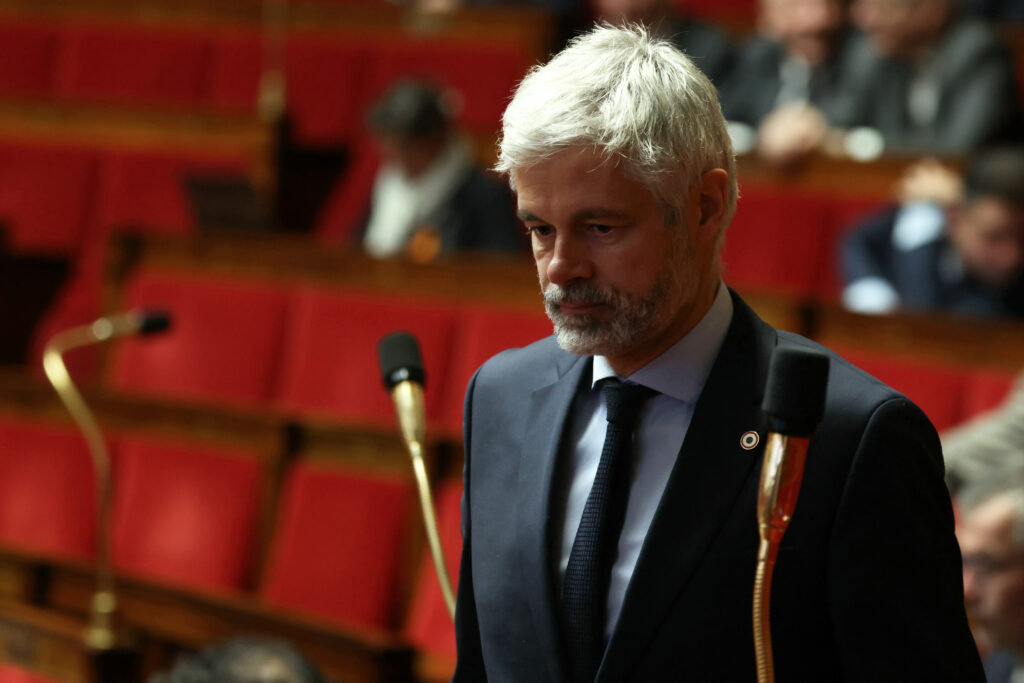
Budget: “Il ne serait pas sérieux de faire tomber le gouvernement” dans ce contexte international, affirme Wauquiez
Le patron des députés LR Laurent Wauquiez a affirmé mercredi qu’il “ne serait pas sérieux de faire tomber le gouvernement” dans le contexte international actuel, écartant une censure de l’exécutif de Sébastien Lecornu de la part de la cinquantaine de députés LR.”Dans le contexte international de danger qui est celui de la France et de menace d’une guerre commerciale, il ne serait pas sérieux de faire tomber le gouvernement et de laisser la France sans budget”, a déclaré Laurent Wauquiez devant l’Association des journalistes parlementaires (AJP).Le patron des députés LR a nié que ce budget soit “socialiste” comme l’a affirmé le patron de son parti Bruno Retailleau. “Ce n’est pas un budget socialiste, ce n’est pas un budget de droite. C’est un budget qui est le fruit d’une situation politique pleine de tempêtes dans laquelle il n’y a pas de majorité dans notre Assemblée nationale”, a-t-il expliqué.Laurent Wauquiez a estimé que le travail parlementaire de la droite a permis d’éviter “l’hérésie fiscale” du projet de budget initial, tout en reconnaissant que la version adoptée par 49.3 est “imparfaite”. A ses yeux, le “gros point de noir de ce budget” est le manque d’économies sur les dépenses et le “poids mis sur les grandes entreprises”.Laurent Wauquiez a sévèrement taclé David Lisnard, le maire libéral de Cannes, qui a appelé mardi les élus de droite à faire tomber le gouvernement et dont la députée Alexandra Martin, qui porte les couleurs de son parti Nouvelle Energie au sein du groupe LR, a promis de voter la censure. “Ceux qui veulent censurer ou ne pas censurer, la meilleure façon c’est d’avoir le courage de se présenter aux élections législatives”, a affirmé le député de Haute-Loire, en allusion au patron de l’Association des maires de France (AMF). David Lisnard est candidat à sa réélection à Cannes en mars et il a annoncé qu’il se présenterait à la présidentielle l’an prochain, si la primaire à droite qu’il souhaite n’est pas organisée.A ce propos, Laurent Wauquiez a reitéré son appel à une “primaire de la droite élargie” du macroniste Gérald Darmanin à Sarah Knafo (Reconquête), avouant rencontrer à ce propos beaucoup de “personnalités de droite” en ce moment et citant parmi les “jeunes talents” la porte-parole du gouvernement Maud Bregeon (Renaissance) et les ministres Vincent Jeanbrun et Sébastien Martin, tous deux LR. Citant nommément Edouard Philippe, il a affirmé que s’il était à sa place, il se ferait “le premier champion du rassemblement de la droite”. “Parce que là, je pense que les Français comprendraient ce qu’il veut faire”. Revenant sur la situation internationale et aux menaces de Donald Trump sur le Groenland, il a apporté son soutien “à ce que fait en ce moment la diplomatie française”, estimant que le pays “a besoin d’unité” dans ce contexte.”Il ne peut pas y avoir de soumission européenne à Donald Trump”, a-t-il affirmé, tout en appelant l’UE à “cesser d’offrir un ticket d’entrée gratuit” aux Etats-Unis et à la Chine sur le marché européen.
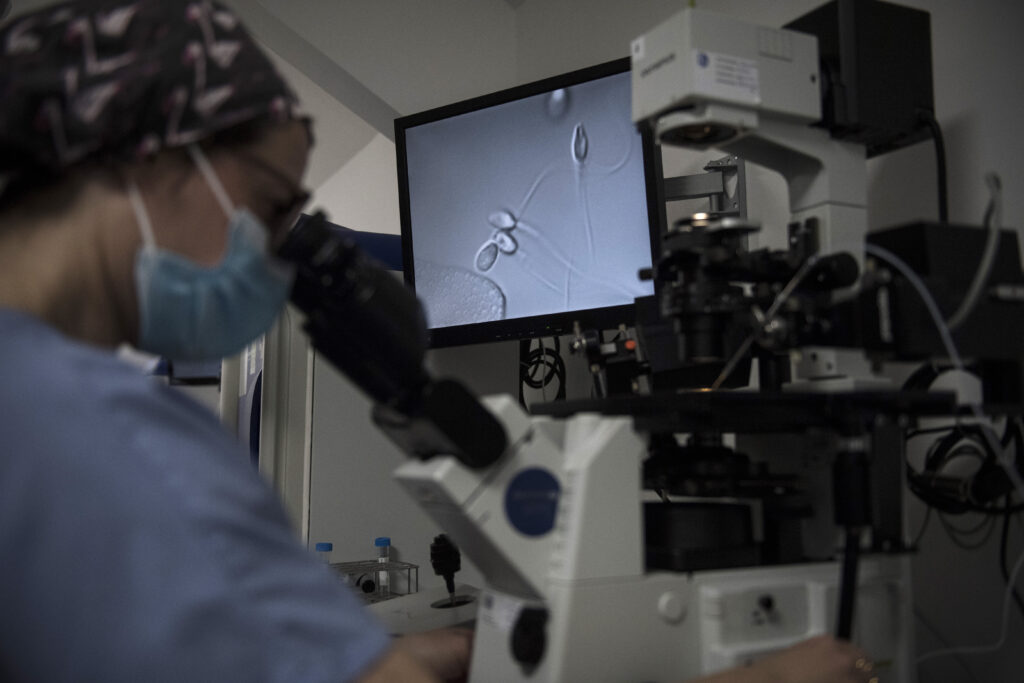
PMA, IA et autres questions sensibles: lancement des Etats généraux de la bioéthique
Comment concilier “science, santé, solidarités” ? La résolution de cette équation sera au cœur de multiples débats ces prochains mois sur des sujets sensibles comme l’extension de la PMA, l’impact de l’intelligence artificielle ou de l’environnement lors des Etats généraux de la bioéthique, lancés mercredi.Cet exercice de démocratie sanitaire, piloté par le Comité consultatif national d’éthique (CCNE) et d’une durée de six mois, doit éclairer les enjeux de la future loi bioéthique, attendue après la présidentielle de 2027 pour réviser le texte de 2021. “La science a encore énormément progressé, le modèle de solidarité intergénérationnelle est questionné dans une France qui vieillit, les solidarités constituent un enjeu majeur”, déclare à l’AFP Jean-François Delfraissy, président du CCNE. Et “la bioéthique n’est pas figée”: son champ s’élargit progressivement face aux transformations multiples.Examens génétiques et médecine génomique, neurosciences, cellules souches et organoïdes, transplantations d’organes et xénogreffes, procréation, numérique, IA et santé, santé, environnement et climat: les états généraux vont revisiter de grandes thématiques présentes lors de l’édition précédente.Trois autres font leur apparition: nouveaux enjeux de la prévention, sobriété en médecine – jusqu’où traiter ? -, enjeux sanitaires spécifiques à l’Outremer.Car la bonne santé ne se résume pas à la maladie et son traitement, “80% se joue ailleurs, dans les déterminants sociaux, la malbouffe, le changement climatique…”, note le Pr Delfraissy.Sur tous les sujets, “les Etats généraux vont mettre en tension deux grandes valeurs éthiques. D’un côté, l’autonomie, dans un sens de liberté individuelle et dans une vision un peu anglo-saxonne, et de l’autre, la solidarité à l’égard des plus fragiles”, souligne-t-il.Citoyens, experts, associations, institutions, religions: la consultation sera large. Une place accrue sera accordée aux jeunes (journée des lycéens pour 300-400 classes de terminale, débats avec des étudiants en médecine et en droit, formats dédiés sur Instagram et TikTok, etc.), et aux territoires.- “Sujets sensibles” -Les échanges et contributions, qui nourriront un rapport de synthèse en juin, emprunteront plusieurs canaux: environ 200 auditions nationales, quelque 400 débats citoyens en régions, un “comité citoyen”, une plateforme de contributions en ligne…”Dans un contexte national et international que nous n’aurions pas imaginé il y a quelques années” et dans une atmosphère plus défiante envers la science et plus polarisée dans la société, les États généraux ouvrent “un temps d’écoute bienveillante de positions différentes sur des sujets difficiles, pour tenter de sortir le meilleur dans une vision collective”, insiste le président du CCNE.Face à la chute de la natalité, les questions sensibles autour d’une extension de la procréation médicalement assistée promettent, entre autres, de susciter des prises de positions divergentes.”Quatre sujets vont revenir souvent”, a anticipé le Dr Joëlle Belaïsch-Allart lors d’une conférence de presse: PMA post mortem – si le conjoint d’une femme décède en cours de processus -, réception des ovocytes de la partenaire dans un couple de femmes, gestation pour autrui, diagnostic préimplantatoire. Plusieurs de ces pratiques sont autorisées dans d’autres pays, et certains Français et Françaises y recourent ainsi.L’ouverture de la PMA aux femmes célibataires et aux couples de femmes avait ainsi été l’un des sujets polémiques lors des précédents Etats généraux, en 2018. La Manif pour tous était alors remontée au créneau, cinq ans après les manifestations contre l’ouverture du mariage et de l’adoption aux couples homosexuels.En génétique/génomique, l’une des questions sera de voir “si la législation française doit évoluer pour autoriser les tests génétiques en accès libre” pour rechercher une prédisposition à des maladies ou des origines, a indiqué la Pr Sylvie Odent. Plus largement, l’évolution vers “une médecine génétique préventive” se pose, selon cette généticienne. Outre son rapport de synthèse des Etats généraux, qui se veut neutre, le CCNE publiera mi-novembre un avis sur les priorités de la révision législative.Il reviendra ensuite aux politiques de construire la future loi de bioéthique, attendue seulement après la prochaine élection présidentielle.Les premières lois de bioéthique datent de 1994, suivies d’autres évolutions par paliers: une première révision en 2004, avant celles de 2011, puis 2021. La prochaine ne devrait pas voir le jour avant 2028. “Ce sont des sujets sensibles”, a noté mercredi le Pr Delfraissy, et “en fonction du vote démocratique des Français, s’il y a des extrêmes (au pouvoir ndlr), ce ne sera pas forcément une priorité”.