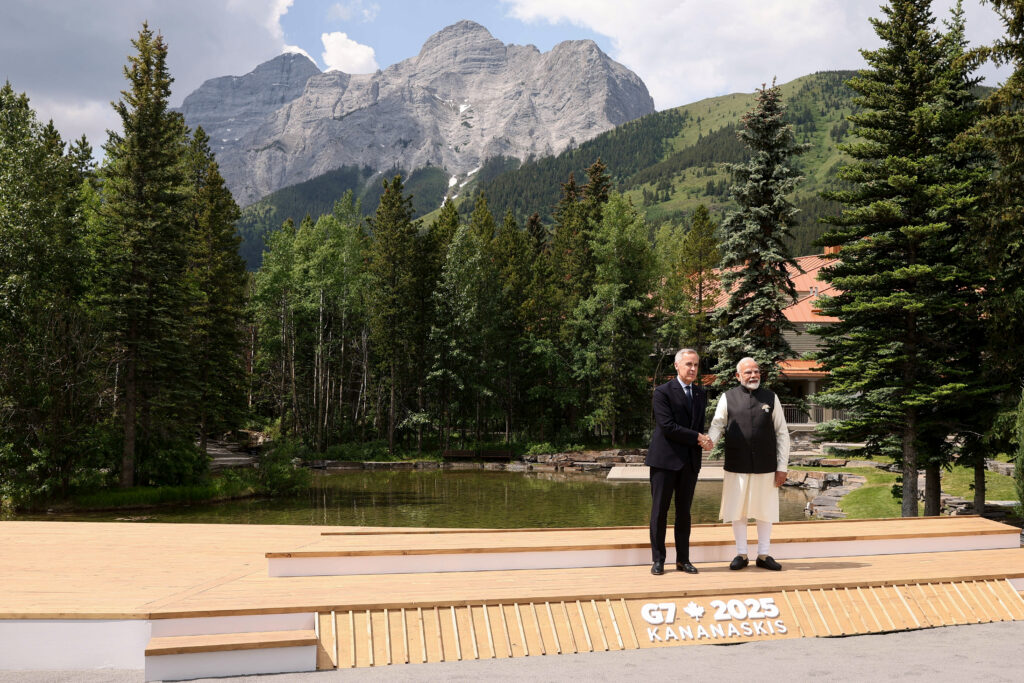
India, Canada return ambassadors as Carney, Modi look past spat

India and Canada agreed Tuesday to return ambassadors to each other’s capitals, turning a page on a bitter spat over an assassination as Canada’s new leader welcomed counterpart Narendra Modi.Prime Minister Mark Carney, who took office in March, invited Modi to the Canadian Rockies as a guest at the summit of the Group of Seven major economies.Carney’s predecessor Justin Trudeau last year publicly accused India of involvement in the assassination of a Sikh separatist on Canadian soil and expelled the Indian ambassador, triggering a furious reciprocal response from India.Carney and Modi agreed that the two countries would name new high commissioners, as ambassadors are known between Commonwealth nations, in hopes of restoring normal operations for citizens and businesses.Carney said he hoped the meeting would “provide the necessary foundations to begin to rebuild the relationship, based on mutual respect, sovereignty, trust.””I would describe it as foundational — as a necessary first step, a frank, open exchange of views around law enforcement, transnational repression,” he told a news conference.He noted that India is invited each year to G7 summits of major industrial democracies, pointing to the size of its economy.The row had severely impeded diplomatic services between the two countries, which traded $9 billion in 2023 and have close cultural ties due to the vast Indian diaspora in Canada.Canada had to suspend in-person services at all missions in India outside its embassy in New Delhi.- Politically sensitive -Modi took a conciliatory tone as he met Carney at the mountain resort, saying that both Canada and India were “dedicated to democratic values.””The relationship between India and Canada is very important in many ways,” Modi said.He congratulated Carney on guiding his Liberal Party to an election victory and voiced confidence that going forward, “India and Canada will work together to make progress in many areas.”Sikh protesters rallied on the streets of Calgary, the closest large city to the summit, as many criticized Carney’s inclusion of Modi, who is accustomed to invitations to major international gatherings despite criticism of his Hindu nationalist government’s human rights record.The left-wing New Democratic Party, the fourth largest party in parliament which is not formally part of Carney’s government, denounced the invitation to Modi and pointed to allegations of Indian surveillance against its former leader Jagmeet Singh, who is Sikh.”Continuing to engage Modi’s government without accountability undermines all efforts to defend human rights, transparency, and the rule of law,” it said in a statement before the visit.Canada is home to the largest Sikh population outside India. With some two percent of Canadian population and clustered in suburban swing areas, the community has exerted growing political influence.Hardeep Singh Nijjar, a naturalized Canadian citizen who advocated for an independent Sikh state called Khalistan, was shot dead in the parking lot of a Sikh temple in British Columbia in 2023.Trudeau accused India of direct involvement. Canada has accused India of directing a broad campaign of intimidation against Sikh activists in the country.India denied involvement in the killing and said Canada should take more action against violent advocates for Khalistan, which has been reduced to a fringe movement inside India.Carney declined to say if he specifically mentioned Nijjar’s case in his talks with Modi, noting that it was the subject of ongoing litigation.The United States, which has a warm relationship with India, also accused an Indian agent of involvement in an unsuccessful plot against a Sikh separatist on US soil but addressed concerns more quietly than Trudeau.

US judge orders Trump admin to resume issuing passports for trans Americans

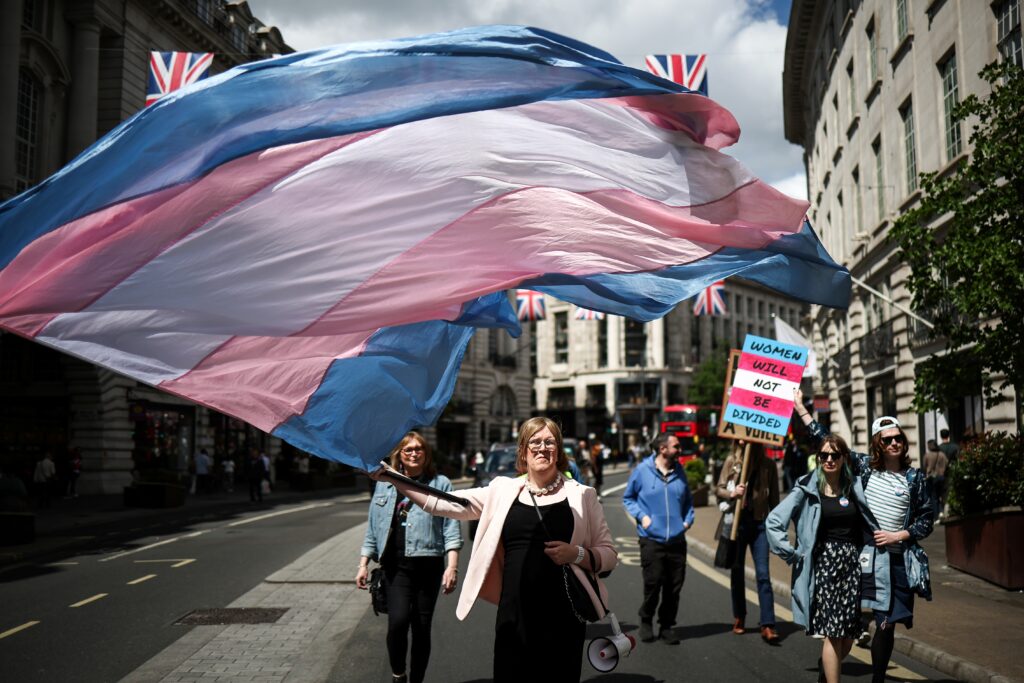
A federal US judge on Tuesday ordered the Trump administration to resume issuing passports to transgender Americans with “X” as their gender designation, a practice suspended since Donald Trump’s return to the White House.Following Trump’s executive order in January, the State Department said it would only recognize two genders — male and female — ending official policies that recognized a third gender, denoted by an “X” on US passports.In April, US District Judge Julia Kobick in Boston issued a preliminary injunction against that policy, but that ruling applied only to six transgender and non-binary people who had sued the government over the passport policy. The State Department appealed that move Friday.On Tuesday, Kobick went further in her ruling by extending it to all transgender and non-binary Americans affected by the policy change and ordered the State Department to resume issuing these passports pending a judgment on the merits of the case or a decision by a higher court.The State Department first issued such a passport in October 2021 under President Joe Biden, with the X gender marker reserved for non-binary, intersex, and gender non-conforming individuals.In his inauguration speech at the US Capitol, Trump said “as of today, it will henceforth be the official policy of the United States government that there are only two genders, male and female.”

‘What are these wars for?’: Arab town in Israel shattered by Iran strike

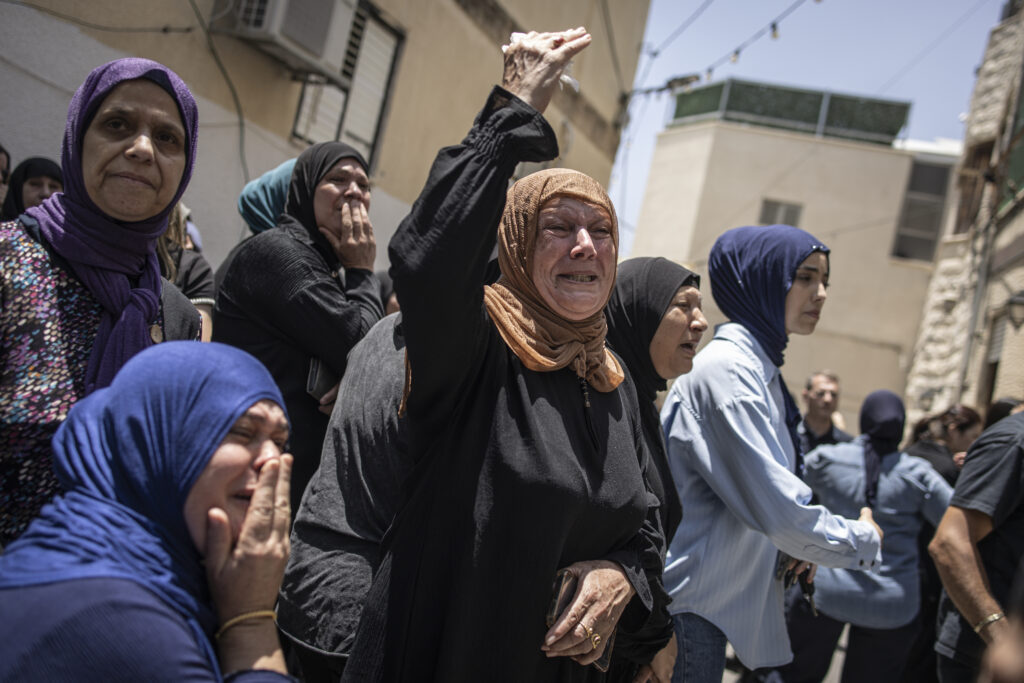
An Arab town in northern Israel paid a heavy price for the ongoing air war between Iran and Israel when a ballistic missile slammed into a home there, killing four people and upending life in the small community. Hundreds of sobbing residents crowded the narrow streets of Tamra on Tuesday to watch as the wooden coffins adorned with colourful wreaths were carried to the town’s cemetery.To some, the Iranian strike highlighted the unequal protections afforded Israel’s Arab minority, while to others, it merely underscored the cruel indifference of war.Raja Khatib has been left to pick up the pieces from an attack that killed his wife, two of his daughters and a sister in law.  “I wish to myself, if only the missile would have hit me as well. And I would be with them, and I wouldn’t be suffering anymore,” Khatib told AFP. “Learn from me: no more victims. Stop the war.”After five days of fighting, at least 24 people have been killed in Israel and hundreds more wounded by the repeated barrages launched from Iran. Israel’s sophisticated air defence systems have managed to intercept a majority of the missiles and drones targeting the country. But some have managed to slip through. With some projectiles roughly the size of a train carriage and carrying a payload that can weigh hundreds of kilograms, Iran’s ballistic missiles can be devastating upon impact. A single strike can destroy large swaths of a city block and rip gaping holes in an apartment building, while the shockwave can shatter windows and wreak havoc on the surrounding area.The level of destruction from the missiles has been unprecedented in Israel, even after 20 months of continuous war in the wake of the October 7, 2023 Hamas attacks.  Along with Tamra, barrages have also hit residential areas in Tel Aviv, Bnei Brak, Petah Tikva and Haifa.- Discrimination – As the coffins made their way through Tamra on Tuesday, a group of women tended to a relative of the victims who had become faint with grief, dabbing cold water on her cheeks and forehead.At the cemetery, men embraced and young girls cried at the foot of the freshly dug graves.Iran has continued to fire daily salvos since Israel launched a surprise air campaign that it says is aimed at preventing the Islamic republic from acquiring nuclear weapons — an ambition Tehran denies.In Iran, Israel’s wide-ranging air strikes have killed at least 224 people, including military commanders, nuclear scientists and civilians.Despite mounting calls to de-escalate, neither side has backed off from the fighting.In Israel, frequent air raid alerts have kept residents close to bomb shelters, while streets across the country have largely emptied and shops shuttered. But some in the country’s Arab minority have said the government has done too little to protect them, pointing to unequal access to public shelters used to weather the barrages. Most of Israel’s Arab minority identify as Palestinians who remained in what is now Israel after its creation in 1948. They represent about 20 percent of the country’s population.The community frequently professes to face discrimination from Israel’s Jewish majority.”The state, unfortunately, still distinguishes between blood and blood,” Ayman Odeh, an Israeli parliamentarian of Palestinian descent, wrote on social media after touring Tamra earlier this week.”Tamra is not a village. It is a city without public shelters,” Odeh added, saying that this was the case for 60 percent of “local authorities” — the Israeli term for communities not officially registered as cities, many of which are majority Arab.But for residents like Khatib, the damage has already been done. “What are these wars for? Let’s make peace, for the sake of the two people,” he said.”I am a Muslim. This missile killed Muslims. Did it differentiate between Jews and Muslims? No, when it hits, it doesn’t distinguish between people.”

Trump extends TikTok deadline for third time

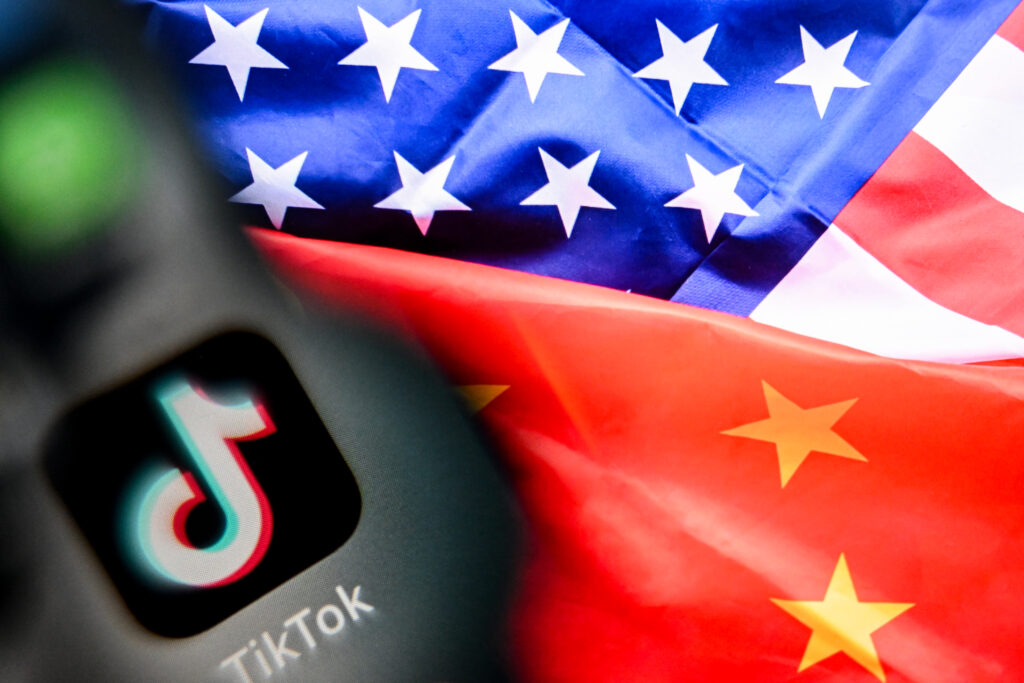
US President Donald Trump will this week give TikTok a fresh 90-day extension to find a non-Chinese buyer, the White House said Tuesday, the third time he has put off a threatened ban on the popular app.A federal law requiring TikTok’s sale or ban on national security grounds was due to take effect the day before Trump’s January inauguration.”President Trump will sign an additional Executive Order this week to keep TikTok up and running. As he has said many times, President Trump does not want TikTok to go dark,” Press Secretary Karoline Leavitt said in a statement.”This extension will last 90 days, which the administration will spend working to ensure this deal is closed so that the American people can continue to use TikTok with the assurance that their data is safe and secure.”Trump, whose 2024 election campaign relied heavily on social media, has previously said he is fond of the video sharing app.”I have a little warm spot in my heart for TikTok,” Trump said in an NBC News interview in early May. “If it needs an extension, I would be willing to give it an extension.”- Digital Cold War? -Trump said at the time that a group of purchasers was ready to pay TikTok owner ByteDance “a lot of money” for the video-clip-sharing sensation’s US operations.Trump has repeatedly downplayed risks that TikTok is in danger, saying he remains confident of finding a buyer for the app’s US business.The president is “just not motivated to do anything about TikTok,” said independent analyst Rob Enderle. “Unless they get on his bad side, TikTok is probably going to be in pretty good shape.”Trump had long supported a ban or divestment, but reversed his position and vowed to defend the platform after coming to believe it helped him win young voters’ support in the November election.Motivated by national security fears and belief in Washington that TikTok is controlled by the Chinese government, the ban took effect on January 19, one day before Trump’s inauguration, with ByteDance having made no attempt to find a suitor.TikTok “has become a symbol of the US-China tech rivalry; a flashpoint in the new Cold War for digital control,” said Shweta Singh, an assistant professor of information systems at Warwick Business School in Britain.The Republican president announced an initial 75-day delay of the ban upon taking office. A second extension pushed the deadline to June 19.- Tariff turmoil -Trump said in April that China would have agreed to a deal on the sale of TikTok if it were not for a dispute over his tariffs on Beijing.ByteDance has confirmed talks with the US government, saying key matters needed to be resolved and that any deal would be “subject to approval under Chinese law”.Possible solutions reportedly include seeing existing US investors in ByteDance roll over their stakes into a new independent global TikTok company.Additional US investors, including Oracle and private equity firm Blackstone, would be brought on to reduce ByteDance’s share in the new TikTok.Much of TikTok’s US activity is already housed on Oracle servers, and the company’s chairman, Larry Ellison, is a longtime Trump ally.Uncertainty remains, particularly over what would happen to TikTok’s valuable algorithm.”TikTok without its algorithm is like Harry Potter without his wand — it’s simply not as powerful,” said Forrester Principal Analyst Kelsey Chickering.Meanwhile, it appears TikTok is continuing with business as usual.TikTok on Monday introduced a new “Symphony” suite of generative artificial intelligence tools for advertisers to turn words or photos into video snippets for the platform.

Curfew lifted in LA as Trump battles for control of California troops

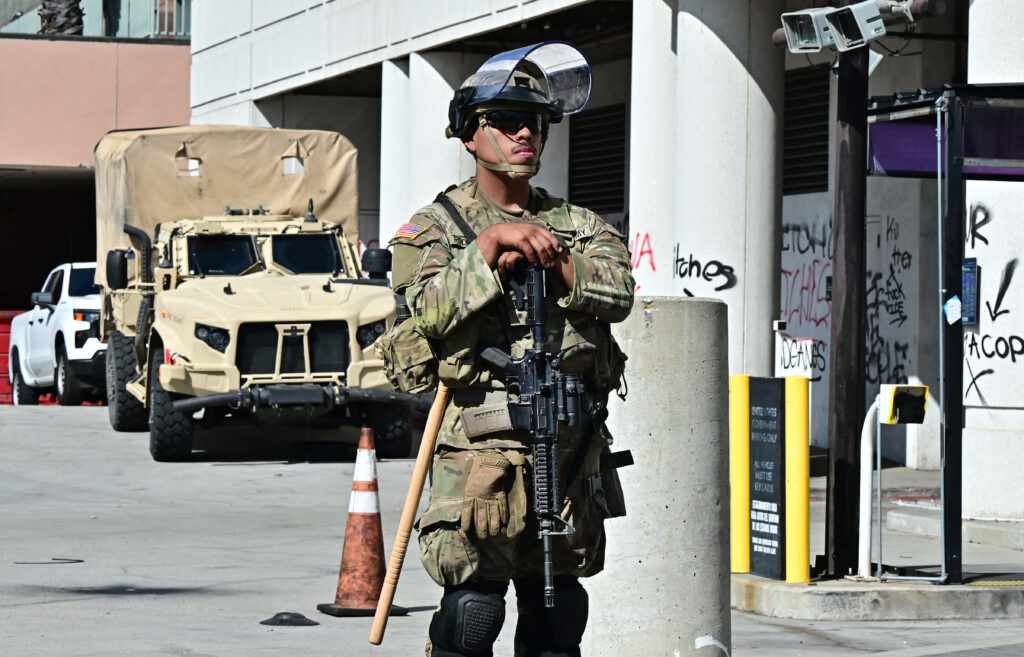
Calm appeared to be returning to protest-hit Los Angeles on Tuesday as the mayor lifted a nighttime curfew, while President Donald Trump battled to keep control of California troops he deployed to the city.A fraction of the sprawling US city had been off-limits from 8pm to 6am to most people for a week after instances of looting and vandalism during demonstrations against Trump’s immigration raids.Los Angeles Mayor Karen Bass said the curfew had been “largely successful in protecting stores, restaurants, businesses and residential communities from bad actors who do not care about the immigrant community.”However, she added that, “as we continue quickly adapting to chaos coming from Washington,” she was prepared to reissue a curfew if needed.Bass and other California officials have accused Trump of inflaming tensions by sending 4,000 of the state’s National Guard troops — as well as 700 Marines — to the second-largest US city. In a show of political muscle, Trump ignored the objections of Democratic Governor Gavin Newsom, who would usually oversee the Guard.A judge said Thursday that the Republican president’s actions were “illegal” and ordered that he return control of the force to Newsom.But a higher court paused that ruling after the Trump administration lodged an appeal and slammed the judge’s order as an “extraordinary intrusion on the President’s constitutional authority as Commander in Chief.”- ‘Extreme measure’ -At an appeals hearing Tuesday, the Justice Department argued that Trump needed to keep control of California’s troops to ensure federal immigration officers could carry out arrests without threats from the public.”Unfortunately, local authorities are either unable or unwilling to protect federal personnel and property from the mob violence ongoing in Los Angeles today,” said Brett Shumate, representing the Trump administration.California officials have rejected that charge, insisting that Trump’s use of the military has escalated demonstrations that Los Angeles that law enforcement could have handled.Samuel Harbourt, representing Newsom and California, pointed out that local authorities in Los Angeles have made around 1,000 arrests during the disorder.”Are we in a world that’s so different from normal conditions as to justify an extreme measure like militarizing the situation and bringing in the National Guard?” he said. Harbourt urged the San Francisco court to lift the pause on the original order, meaning Trump would have to concede control of the Guard. “Every day that this order remains in effect it is causing harm for our nation’s broader democratic tradition of separation of the military from civilian affairs,” he said. That, he added, “sets a precedent for this president, and future presidents, to take similar actions going forward.”- ‘Totally lost control’ -The fatigue-wearing guardsmen have been tasked with protecting federal property in Los Angeles, stationed outside buildings with helmets and large shields.US law restricts them from arresting citizens, though some guardsmen have fired tear gas and non-lethal rounds towards protesters, according to local media.It is the first time since 1965 that a US president has deployed the National Guard without the express wishes of a state’s governor.Trump has been unrepentant, taking credit for making Los Angeles “safe” and declaring that Newsom — a contender for the Democratic presidential nomination in 2028 — had “totally lost control.”The dispute mirrors multiple other tussles over Trump’s attempts to expand the limits of presidential power, but is the first to involve troops.Like other cases, it could go all the way to the Supreme Court, where conservative judges hold a 6-3 majority. Many in Los Angeles are angry about immigration raids carried out as part of Trump’s ambition to deport vast numbers of undocumented migrants around the country.Outrage at the use of masked, armed immigration agents has also sparked protests in other cities, including San Francisco, New York, Chicago and San Antonio, Texas.

Le dossier TikTok s’éternise, Trump va encore reporter l’échéance

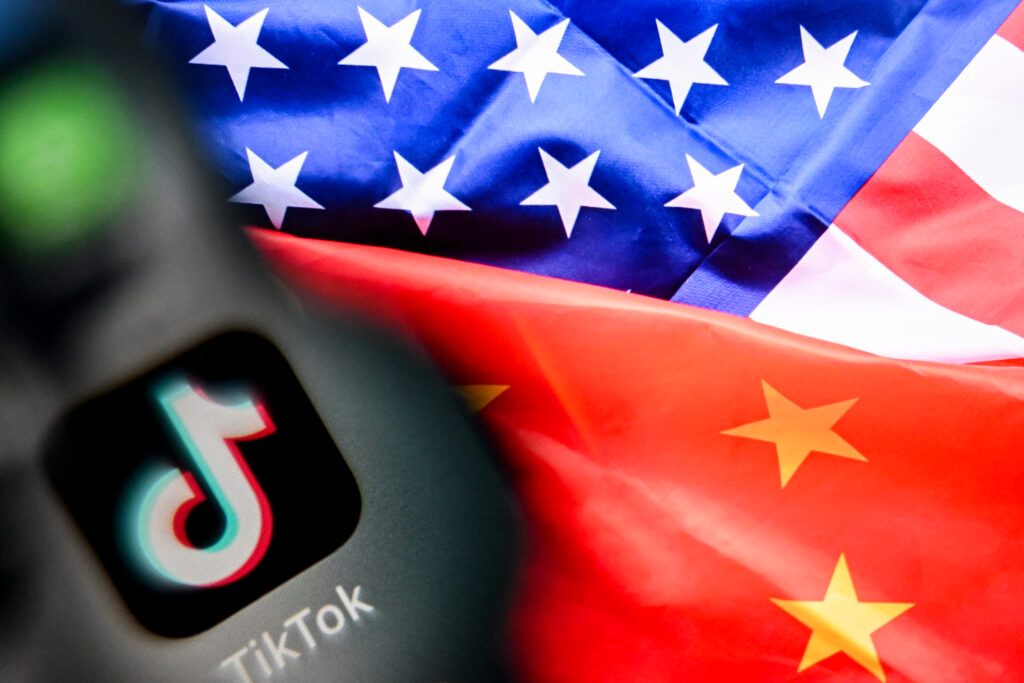
La vente de TikTok, imposée par le Congrès américain, tarde à se matérialiser, au point que Donald Trump va, une nouvelle fois, renvoyer la date butoir, fixée jeudi, faute de feu vert de la Chine.Après avoir déjà reporté l’échéance à deux reprises de 75 jours, le président américain va prendre un nouveau décret pour surseoir de 90 jours, cette fois, a annoncé mardi la porte-parole de la Maison Blanche, Karoline Leavitt.Le président américain “ne veut pas voir TikTok disparaître”, a-t-elle déclaré.Le réseau social reste, en effet, sous le coup d’une interdiction aux Etats-Unis, en vertu d’une loi votée au Congrès en 2024, si sa maison mère ByteDance n’en abandonne pas le contrôle.Selon plusieurs médias américains, un protocole avait bien été trouvé début avril. Il prévoyait la séparation de TikTok US du groupe ByteDance, avec une recomposition du capital.Les parts détenues par des investisseurs non chinois passaient de 60 à 80%, ByteDance conservant les 20% qu’elle possède actuellement.Le groupe informatique Oracle, qui héberge déjà les données de TikTok US sur ses serveurs américains, devait être à la manoeuvre, accompagné, notamment, par le gestionnaire d’actifs Blackstone ou l’entrepreneur Michael Dell.Mais l’annonce de droits de douane imposés par Donald Trump à ses partenaires commerciaux, avec une note particulièrement salée pour la Chine, à 54% (plus tard relevés jusqu’à 145%), a bloqué la transaction côté chinois.”Il nous faudra probablement l’accord de la Chine” d’ici mi-septembre, nouvelle date limite, a reconnu, mardi, Donald Trump. “Je pense que le président Xi finira par donner son feu vert.””TikTok n’est plus simplement un réseau social”, estime Shweta Singh, professeure à l’université britannique de Warwick. “C’est devenu un symbole de la rivalité technologique entre les Etats-Unis et la Chine.”- Toujours populaire -Si les deux pays se sont entendus, début juin, sur un “cadre général” pour normaliser leurs relations commerciales, le dossier TikTok reste en souffrance. La plateforme n’a pas répondu aux sollicitations de l’AFP.Mais loin de pâtir de cette crise géopolitique, le réseau revendique toujours 170 millions d’utilisateurs aux Etats-Unis, dont 7,5 millions de comptes d’entreprises, des grands groupes aux PME.”A moins de prendre Trump à rebrousse-poil, ils vont probablement continuer à bien se porter”, anticipe Rob Enderle, analyste du cabinet Enderle Group. “Je ne vois pas de raison pour (le président) de s’en prendre à TikTok maintenant.”Selon le site spécialisé Appfigures, le réseau social est la deuxième application la plus téléchargée aux Etats-Unis derrière ChatGPT sur les téléphones Android.La mansuétude affichée par le milliardaire, qui a redit à la chaîne NBC avoir “un petit faible pour TikTok”, a sensiblement dilué l’urgence de la situation. Sur la plateforme, seuls quelques messages évoquent, sans passion, la date du 19 juin, leurs auteurs convaincus d’un nouveau délai à venir.Le contraste est marqué avec le début d’année, qui avait vu beaucoup d’influenceurs préparer leur migration vers d’autres cieux, en particulier Instagram ou YouTube.Début mai, sur NBC, Donald Trump affirmait encore pouvoir intégrer le volet TikTok aux négociations plus larges avec la Chine sur le commerce, pour en faire une sorte de bonus, mais les deux sujets semblent aujourd’hui bien dissociés.D’autres candidats à un rachat de la plateforme s’étaient positionnés en début d’année, en particulier le “Project Liberty” de l’entrepreneur Frank McCourt et la start-up d’intelligence artificielle (IA) générative Perplexity AI, chacun voulant intégrer l’application à un modèle plus large.Le premier n’a pas répondu à une demande de l’AFP, tandis que le second s’est refusé à tout commentaire.Le mystère demeure sur le fameux algorithme de recommandation de TikTok, dont la sophistication explique, en grande partie, le succès de la plateforme.Pour l’instant, ByteDance n’a encore jamais accepté le principe d’une cession de ce bijou technologique, réclamée par le Congrès, qui s’inquiète de l’utilisation de données par la Chine ou d’une tentative d’influence de l’opinion américaine.Mais à l’approche de la limite de jeudi, les élus du Congrès, pourtant très remontés il y a quelques mois, ont semblé se désintéresser désormais du dossier.