

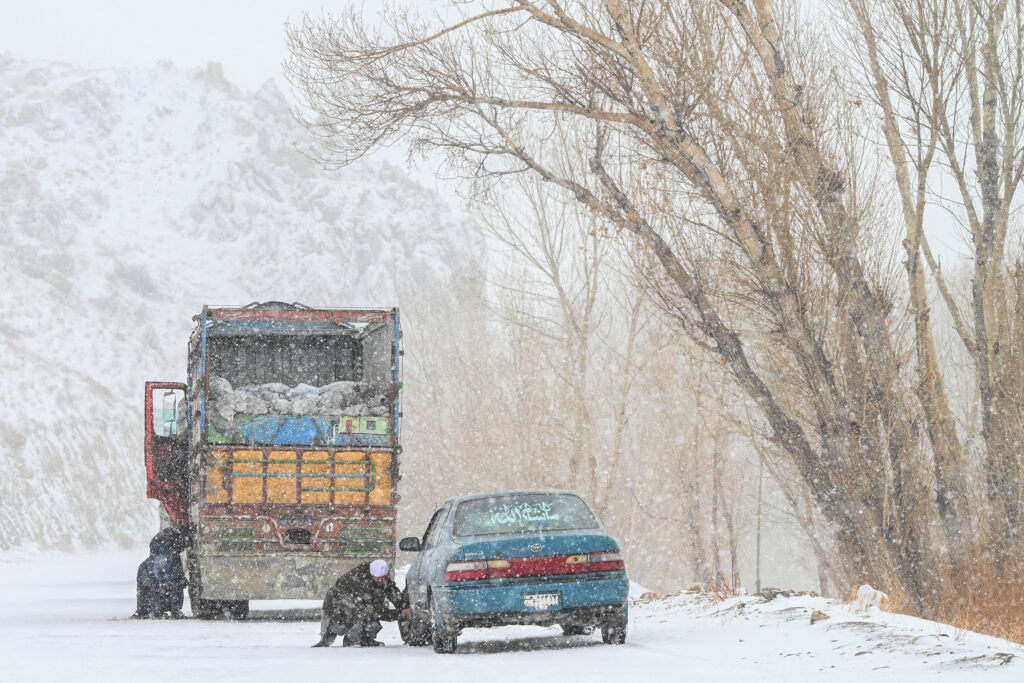
Storms, heavy rain kill 9 children across Afghanistan
Severe storms and a rain-triggered landslide have killed at least nine children across southern and eastern Afghanistan, officials said, with residents facing further risks on Thursday as heavy snow hit the country.Strong wind and heavy rain in Kandahar killed six children on Wednesday, and caused significant financial losses in several districts, the emergency department in the southern province said.The storms also damaged homes, it said.In a separate incident in eastern Nuristan province, a landslide triggered by heavy rain struck a house in Quraish village on Wednesday, killing three members of the same family and injuring two others.”Two 10-year-old girls and a teenage boy were killed,” Nuristan provincial government spokesman Fraidoon Samim told AFP.In central Ghazni province, an AFP correspondent said that around 80 centimetres (31 inches) of snow fell over the past 24 hours, forcing the closure of markets and blocking roads.Heavy snow in many provinces of Afghanistan and the capital Kabul has also caused traffic accidents.Afghanistan frequently experiences deadly floods, landslides and storms, particularly in remote areas with fragile infrastructure, leaving communities vulnerable to extreme weather.strs/iw/rsc/pbt

Trump to showcase ‘Board of Peace’ at Davos after Greenland U-turn
US President Donald Trump will show off his new “Board of Peace” at Davos on Thursday — burnishing his claim to be a peacemaker a day after backing off his own threats against Greenland.Trump will host a signing ceremony for the founding charter of his body for resolving international conflicts, which has a $1 billion price tag for permanent membership.That membership has however proved controversial, with the inclusion of leaders like Russian President Vladimir Putin, who invaded Ukraine four years ago. Trump said Putin had agreed to join, while the Russian leader said he was still studying the invite.Other members include Israeli Prime Minister Benjamin Netanyahu and Hungary’s Viktor Orban, while Pope Leo XVI has also been sent an invitation. “This is the greatest board ever assembled,” Trump, who is the chairman of the board, told reporters including AFP on Wednesday at the World Economic Forum in the Swiss ski resort.”Yeah, I have some controversial people on it but these are people who get the job done, these are people who have tremendous influence.”Originally meant to oversee the rebuilding of Gaza after the war between Hamas and Israel, the board’s charter does not limit its role to the Strip, and has sparked concerns that Trump wants it to rival the United Nations.”It’s going to get a lot of work done that the United Nations should have done,” added Trump.Key US allies including France and Britain have expressed skepticism, with the UK saying Thursday it would not attend the ceremony.But others have signed up, particularly in the Middle East where Trump-friendly Saudi Arabia, Qatar and Egypt have agreed to join.About 35 world leaders have committed so far out of the 50 or so invitations that went out, a senior Trump administration official told reporters on Wednesday.The launch of the board comes against the backdrop of Trump’s frustration at having failed to win the Nobel Peace Prize, despite his disputed claim to have ended eight conflicts.- Trump to meet Zelensky -The inclusion of Putin has caused particular concern among US allies, but especially in Ukraine as it seeks an end to Moscow’s nearly four-year-old invasion.Trump said he would meet Ukrainian President Volodymyr Zelensky in Davos after the “Board of Peace” ceremony to discuss a ceasefire in Ukraine — the major peace deal that continues to elude him. The two leaders will meet at 1:00 pm (1200 GMT), the Ukrainian presidency said, with Zelensky due to address the Davos forum some 90 minutes later.Trump’s special envoy Steve Witkoff, who is due to travel to Moscow to meet Putin later Thursday, said in Davos that talks to end the war had made a “lot of progress” and were down to one issue.”I think we’ve got it down to one issue, and we have discussed iterations of that issue, and that means it’s solvable,” said Witkoff, without saying what the issue was.Witkoff added that he and the US leader’s son-in-law Jared Kushner would not stay in Moscow overnight but fly straight to Abu Dhabi for “military to military” talks.At Davos on Wednesday, Trump repeated his oft-stated belief that Putin and Zelensky were close to a deal, although he has veered between blaming one or the other for the lack of a ceasefire so far.Trump has long been a skeptic of US support for Ukraine and says that it is now up to NATO and Europe to back Kyiv. But his belief that he has a personal connection with Putin has not brought an end to the war so far.Zelensky has meanwhile voiced fears that Trump’s push to seize Greenland — which has dominated Davos so far and threatened to unravel the transatlantic alliance — could divert focus away from Russia’s invasion of his country.Trump however said late Wednesday he had reached a “framework of a future deal” after meeting NATO chief Mark Rutte, and that he would therefore waive tariffs scheduled to hit European allies on February 1.He gave no further details, leaving Europeans drawing only cautious sighs of relief. A source close to the talks told AFP that a 1951 Greenland defence pact would be renegotiated as part of the deal.Rutte told AFP in Davos that the meeting had been “very good” but that there was “still a lot of work to be done” on Greenland. Trump insists the mineral-rich Arctic island is vital for US and NATO security against Russia and China.
De braconnier à ranger: au Nigeria, le nouveau souffle de la forêt d’Okomu
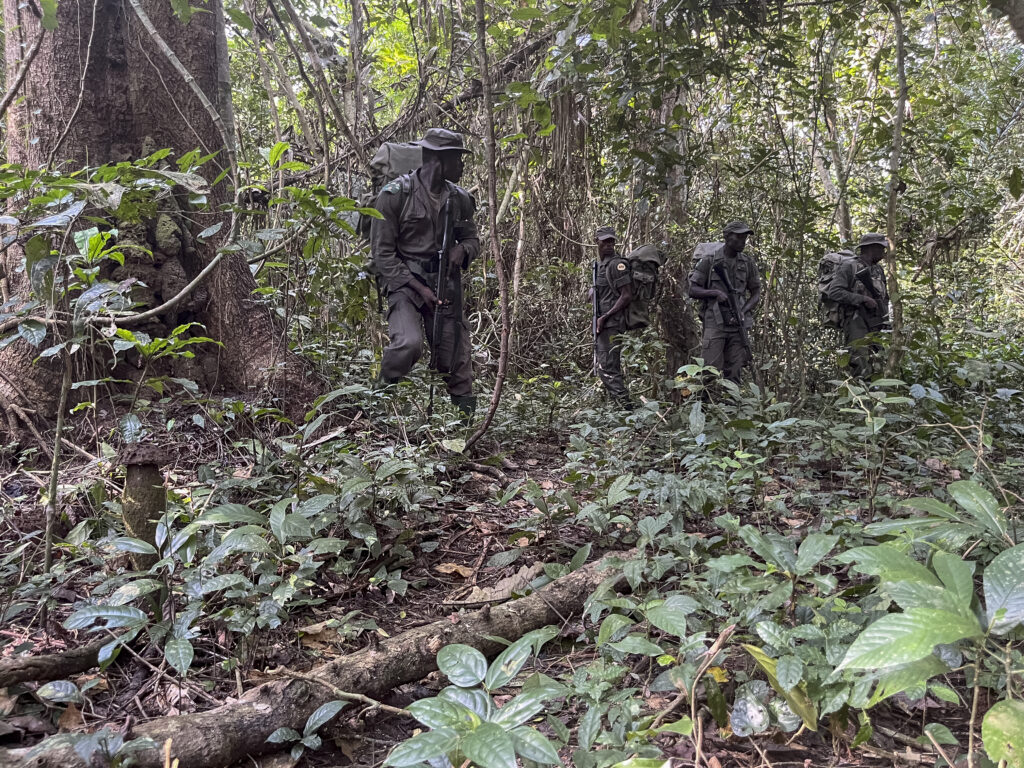
Avant, James Leleghale Bekewei coupait illégalement des arbres dans la forêt d’Okomu, dans le sud-ouest du Nigeria, contribuant à la déforestation de cette réserve naturelle où vivent des espèces en danger comme l’éléphant de forêt, le pangolin à ventre blanc, la guenon à gorge blanche et le perroquet gris d’Afrique.Mais depuis deux ans, à la tête d’une équipe de rangers dédiés à la protection des lieux, il traque chasseurs et bûcherons qui menacent la biodiversité de cette forêt tropicale, l’une des dernières de la région.”Je suis très bon pour arrêter les gens, je cours très vite”, explique le nouveau converti à la préservation de la nature de 26 ans.Il a été recruté en 2023 par la fondation Africa Nature Investors (ANI), chargée par l’agence nationale des parcs nationaux de gérer cette réserve d’environ 24.000 hectares d’où des dizaines camions chargés de troncs d’arbres illégalement coupés sortaient chaque jour.Le Nigeria, pays le plus peuplé d’Afrique, compte une dizaine de parcs nationaux, tous confrontés à des défis entravant leur mission de conservation: la pression démographique et la pauvreté favorisent le braconnage, la déforestation et l’insécurité, tandis que le manque de moyens et la faible mise en œuvre des régulations peinent à y mettre un terme.Selon la Nigerian Conservation Foundation (NCF), le pays a perdu 96% de sa couverture forestière. Dans l’État d’Edo, où est située Okomu, la déforestation est liée au bûcheronnage illégal ainsi qu’à la culture du palmier à huile, l’État étant le premier producteur d’huile de palme du pays.- “Gardiens du parc” -“La première chose que nous avons faite a été d’embaucher des rangers au sein des communautés locales”, où le taux de chômage est élevé, explique Tunde Morakinyo, fondateur et directeur d’ANI, convaincu que la mission des rangers ne pourra être remplie qu’avec le concours des habitants.”Plus de 300 jeunes des villages autour du parc se sont présentés pour être recrutés”, sourit-il. A l’issue d’épreuves visant à tester la résistance physique et l’intégrité morale des candidats, les futurs rangers ont suivi plusieurs semaines de formation en droits humains et de l’environnement.Et même s’ils sont équipés d’armes, contrairement aux précédents rangers employés par les services nationaux, “ils sont les gardiens du parc, pas des soldats ou des policiers”, assure M. Morakinyo, dont la fondation gère également le parc national de Gashaka Gumti, dans l’est du pays.Ils sont désormais une trentaine à vivre sur place dans une caserne aménagée au cœur de la forêt et à patrouiller chaque jour à travers les sentiers étroits et humides pour débusquer les contrevenants, grâce aux renseignements glanés auprès des habitants.Depuis qu’il est devenu ranger, James Leleghale Bekewei, le bûcheron repenti, a abandonné sa “vie chaotique” et appris à “économiser de l’argent et mener une vie agréable”.Son salaire fixe est de 90.000 nairas par mois (environ 65 dollars), son logement et sa nourriture sont fournis: il gagne “plus d’argent” que lorsqu’il était bûcheron, même si “ce n’est pas facile d’être ranger”.Son collègue, Festus Benjamin, 31 ans, a lui aussi changé de vie: ancien braconnier habitué à pister singes, oiseaux et buffles, il répand désormais la bonne parole de la préservation environnementale et tente de convaincre les habitants des environs “de ne pas chasser les animaux” d’Okomu.En deux ans, les rangers d’ANI ont procédé à environ 200 arrestations – les interpellés sont ensuite livrés à la police – et ce chiffre est en décroissance, affirme Peter Abanyam, le directeur du parc pour ANI.”Ce qui est bon signe” car cela montre que la criminalité a baissé, argumente-t-il.Pour preuve, selon lui, le bruit continu des tronçonneuses a laissé place au pépiement des oiseaux et aux conversations des singes perchés dans la canopée.- “Communautés prospères” -En plus des rangers, ANI a mis en place un programme de microfinancement, en partenariat avec la société de microcrédit Roshan Renewables, auprès de plusieurs villages à l’orée du parc afin de lutter contre le chômage et la pauvreté qui poussent les habitants des environs à se tourner vers des activités prohibées.Le principe: les habitants épargnent chaque mois une somme convenue et au bout de quelques mois, le pot commun leur permet d’obtenir un prêt sans intérêt pour investir dans un projet commun qui leur assurera des revenus.Dans le village d’environ 300 habitants d’Iguowan, qui borde le parc, l’objectif est d’acheter grâce au prêt une nouvelle machine à concasser le manioc pour en faire de la farine, localement appelée garri, à vendre au marché.”Nous avons besoin d’une nouvelle machine, celle-ci nous fait trop souffrir”, implore Felix Isebeni, agriculteur de 35 ans, en désignant de la main l’antique broyeuse manuelle avec laquelle ils opèrent actuellement.”On pourrait produire 10 ou 20 sacs (de farine) par jour, au lieu de deux actuellement”, abonde Titus Okepuk, agriculteur de 53 ans.”Notre ambition est d’avoir un parc vraiment bien protégé, entouré d’un cercle de communautés économiquement prospères, qui travaillent activement avec nous”, décrit Tunde Morakinyo. Prochaine étape pour le fondateur d’ANI: développer l’écotourisme et pourquoi pas générer des crédits carbone, afin que “le parc soit financièrement autonome, si possible pour toujours”.
Le Livret A boudé par les épargnants l’an dernier
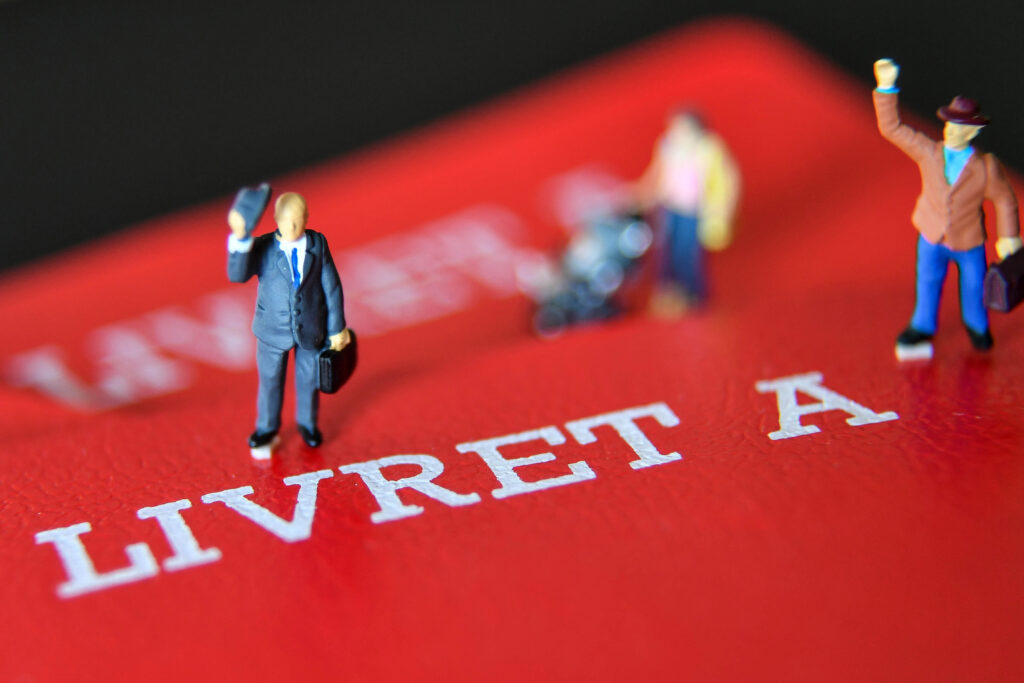
Le Livret A n’a plus la cote: les épargnants ont retiré plus d’argent qu’ils n’en ont déposé sur leurs Livrets A l’an dernier, une première depuis 2015 liée à des taux en berne et une concurrence féroce de l’assurance vie.”C’est un retour de balancier qui est tout à fait logique”, a estimé lors d’un échange avec des journalistes le directeur financier du fonds d’épargne de la Caisse des dépôts et consignations CDC) Stéphane Magnan, après plusieurs années de dépôts importants.Dans le détail, les retraits ont dépassé les dépôts de 2,12 milliards d’euros en 2025, selon les données de la CDC publiées jeudi, malgré un mois de décembre honorable.Cette situation dite de “décollecte nette” est rare en année pleine pour le produit financier le plus populaire en France, détenu par 57 millions d’épargnants qui y ont placé près de 450 milliards d’euros.Elle arrive après plusieurs années fastes pour le Livret A: l’encours avait fortement augmenté ces dernières années, notamment depuis le début de la pandémie de Covid-19.La capacité d’épargne élevée des Français, motivée par le fort degré d’incertitude, voire d’inquiétude, concernant leur avenir et celui du pays, est toujours intacte.Mais elle ne profite plus au Livret A, dont l’attrait a été plombé l’an dernier par les deux baisses successives de son taux de rémunération: de 3% à 2,4% au mois de février, puis de 2,4% à 1,7% en août.”Cette baisse a amené les ménages à réaliser des arbitrages” en sa défaveur, constate dans une note le président du Cercle de l’épargne Philippe Crevel.- Perspectives moroses -Le taux de rendement des produits concurrents, les fonds euros de l’assurance vie, commercialisés par les réseaux bancaires et les compagnies d’assurance, apparaissait dans le même temps comme plus compétitif, à 2,65% en moyenne, selon les estimations de plusieurs experts de l’épargne.Le montant de collecte nette de l’assurance vie pour 2025 sera connu de source officielle la semaine prochaine, mais le Magistère Banque-Finance de l’université Panthéon-Assas table déjà sur 50 milliards d’euros.La nouvelle baisse à venir du taux du Livret A, à 1,5% le 1er février, ne devrait pas permettre d’inverser la tendance, a expliqué à l’AFP Marc Campi, associé au sein du cabinet Square Management.Ce dernier taux s’entend toutefois net d’impôts, contrairement à ceux des fonds euros qui sont soumis à des prélèvements sociaux et fiscaux pouvant aller jusqu’à 30%.Le petit livret rouge n’a également pas bénéficié d’un soutien massif des établissements bancaires, à qui il coûte cher. Peu promeuvent les produits d’épargne réglementée sur leurs étagères.Beaucoup d’agents économiques, dont le ministère de l’Economie et la Banque de France, ont par ailleurs volontiers mis en avant des placements financiers concurrents et plus risqués, destinés au financement du capital des entreprises.Le Livret A et son cousin le Livret de développement durable et solidaire (LDDS) pâtissent du manque de transparence de la “Caisse” sur l’utilisation des fonds, dont une partie est investie au capital d’entreprises dont la liste n’est pas publique.- Le LEP à la peine -Le LDDS s’en cependant est un peu mieux sorti l’an dernier que le Livret A, avec une collecte nette positive de 1,65 milliard d’euros. Les deux produits, gérés par les banques et par la Caisse des dépôts, totalisaient fin décembre 615,2 milliards d’euros. Ils ont rapporté 12,64 milliards d’euros d’intérêts à leurs possesseurs, précise jeudi la CDC.La CDC a également partagé jeudi les données concernant le Livret d’épargne populaire (LEP), affichant un taux avantageux (2,5% à partir du 1er février) mais réservé aux ménages modestes.Malgré les efforts déclarés de la Banque de France et de Bercy, les LEP ont connu eux aussi l’an dernier une situation de décollecte nette, de 840 millions d’euros, essentiellement due à la radiation des titulaires n’étant plus éligibles du fait d’une augmentation de leurs revenus.Seules 12 millions de personnes détiennent un LEP, un nombre très loin des quelque 31 millions éligibles en France.”Les chiffres d’ouvertures de LEP sont un peu décevant”, a déploré M. Magnan, “il y a clairement une question d’information de l’ensemble des gens qui pourraient avoir un LEP et qui ne l’ont pas encore ouvert”.

Société Générale annonce prévoir 1.800 suppressions de postes en France d’ici 2027, sans plan de départs
La Société Générale annonce qu’elle va présenter jeudi un projet de réorganisation qui prévoit la suppression de 1.800 postes en France d’ici à fin 2027, sans procéder à un plan de départs.Le groupe, qui compte 40.000 collaborateurs en France, ajoute dans un communiqué que ce projet s’appuiera sur des “départs naturels” et de la “mobilité interne”.Ces suppressions, qui seront annoncées officiellement jeudi aux représentants du personnel, concernent “plusieurs activités et fonctions centrales au siège, ainsi que l’organisation régionale de la Banque de détail”, détaille la Société Générale.”Le réseau d’agences n’est pas concerné”, précise la banque.La CGT, qui avait dévoilé ce plan dès mercredi dans un tract, a dénoncé une “politique du fait accompli”. “Pour la direction, le taux d’attrition naturel de 5% (départs volontaires ou en retraite, NDLR) et la faiblesse d’ouvertures de postes au recrutement font qu’il n’y aurait pas besoin de dispositifs d’accompagnement que nous connaissions jusqu’à présent (départs seniors, plan de départs volontaires, reclassements volontaires, …)”, a déploré l’organisation syndicale.En février 2024, la banque avait déjà annoncé la suppression d’environ 900 postes à son siège, “sans départs contraints”, soit 5% des effectifs du siège, dans le cadre d’un vaste plan de réduction des coûts lancé par son directeur général Slawomir Krupa. Ce plan devrait être validé lors d’une plénière exceptionnelle des représentants du personnel fin avril, selon la CGT.”Ce n’est pas une surprise. Toutes ces banques avaient énormément recruté (…) avant la digitalisation”, a relevé le directeur général de la banque publique d’investissement Bpifrance, Nicolas Dufourcq, sur BFMTV/RMC.”Maintenant, la digitalisation a pris une telle ampleur que je peux comprendre qu’il y ait moins besoin de personnes physiques, honnêtement”, a-t-il ajouté.
‘Too dangerous to go to hospital’: a glimpse into Iran’s protest crackdown
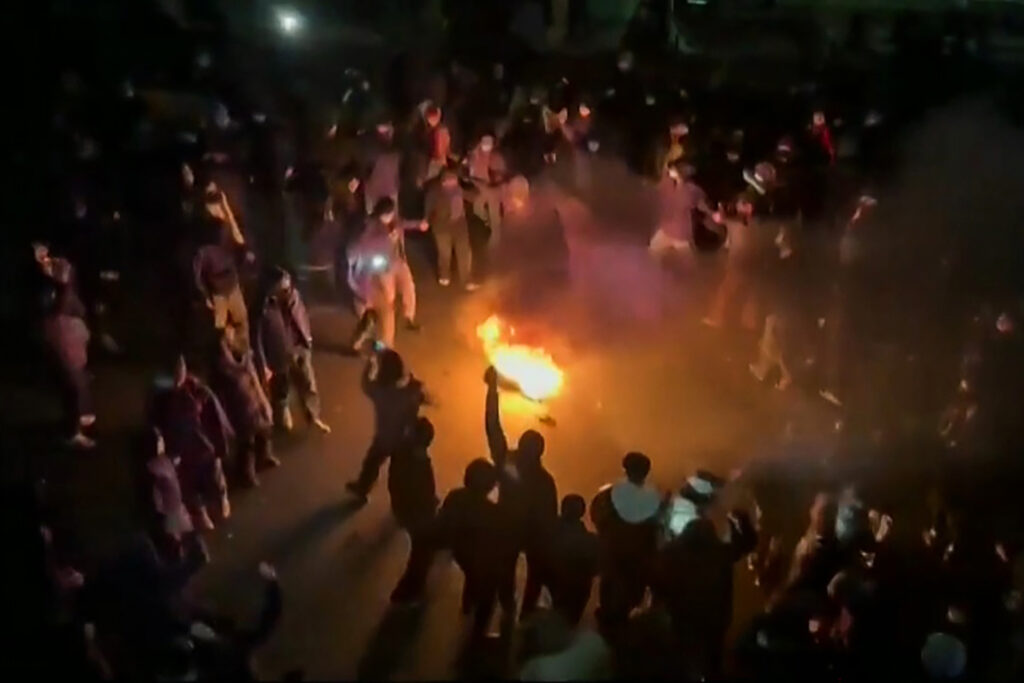
Young protesters shot in the back, shotgun pellets fired in a doctor’s face, wounded people afraid to go to hospital: “Every family has been affected” by the deadly crackdown on Iran’s recent wave of demonstrations, said one protester.Speaking to AFP in Istanbul, this 45-year-old engineer who asked to be identified as Farhad — not his real name — was caught up in the mass protests that swept his home city of one million people just outside Tehran.With Iran still largely under an internet blackout after weeks of unrest, eyewitness testimony is key for understanding how the events unfolded.Angry demonstrations over economic hardship began late last year and exploded into the biggest anti-government protests since the 1979 Islamic revolution.”On the first day, there were so many people in the streets that the security forces just kept their distance,” he told AFP.”But on the second day, they understood that without shooting, the people were not going to disperse.”As the protests grew, the security forces began a major crackdown under the cover of a communications blackout that began on January 8.In an interview on the European side of Istanbul, this quietly-spoken oil industry worker said he was in his car with his sister on the night when the shooting began.”We saw about 20 military people jumping from cars and start shooting at young people about 100 metres away. I saw people running but they were shooting at their backs” with rifles and shotguns, he told AFP.”In front of my eyes, I saw a friend of ours, a doctor, being hit in the face by shotgun pellets,” Farhad said. He does not know what happened to him.Both Amnesty International and Human Rights Watch have accused the security forces of firing rifles and shotguns loaded with metal pellets directly at protesters’ heads and torsos.”I saw two people being carried, they were very badly injured, maybe dead,” Farhad said.A lot of people also died “in their cars because the bullets were coming out of nowhere”. – ‘Afraid to go to hospital’ -The scale of the crackdown is only slowly emerging. Despite great difficulty accessing information, the Norway-based NGO Iran Human Rights says it has verified the deaths of 3,428 protesters killed by the security forces, but warned the true figure could be much higher, citing estimates of “between 5,000 and 20,000”.Those who were injured were often too afraid to go to hospital, Farhad said. “People can’t go to the hospital because the authorities and the police are there. Anyone with injuries from bullets or shotgun (pellets) they detain and interrogate,” he said. “Doctors have been going to people’s houses to give them medical assistance.”He himself was beaten with a baton by two people on a motorbike and thought his arm was broken, but did not go to hospital because it was “too dangerous”.Many “opened their homes to let the demonstrators inside and give them first aid”, including his sister and her friend who took in “around 50 boys, and gave them tea and cake”. There were a lot of very young people on the streets and “a lot of girls and women”, he told AFP, saying he had seen children of “six or seven” shouting slogans against Iran’s supreme leader Ayatollah Ali Khamenei. The security forces were also staging spot checks for anyone with protest-related injuries or footage on their phones, he said. “It’s so dangerous because they randomly check phones. If they see anything related to this revolution, you are finished. They are also making people lift their shirts to look for signs of bullet or shotgun injuries. “If they see that, they are taken for interrogation.”Speaking just before he flew back to Iran — “because I have a job to go to” — he insisted he was “absolutely not afraid”.Despite everything, people were still ready to protest “because they are so angry”, he explained. He is convinced US President Donald Trump will soon make good on his pledge to intervene, pointing to recent reports of US warships arriving in the region. “The system cannot survive — in Iran everybody is just overwhelmed with this dictatorship. We have had enough of them.”