German court rejects Yemenis’ claim over US strikes

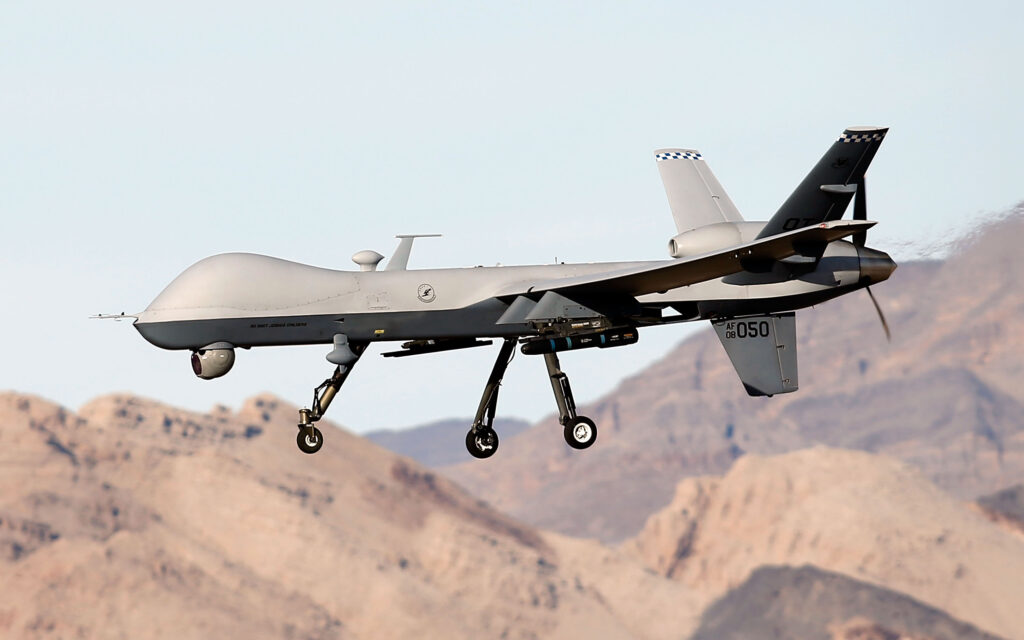
Germany’s highest court on Tuesday threw out a case brought by two Yemenis seeking to sue Berlin over the role of the US Ramstein airbase in a 2012 drone attack, ending a years-long legal saga.Plaintiffs Ahmed and Khalid bin Ali Jaber first brought their case to court in 2014 after losing members of their family in the strike on the village of Khashamir.The case has since been through several German courts. But the Constitutional Court on Tuesday ultimately ruled that Berlin is not required to take action against such attacks, which were not judged to be in breach of international law.Washington has for years launched drone strikes targeting suspected Al-Qaeda militants in Yemen, an impoverished country that has been torn by fierce fighting between its beleaguered Saudi-backed government and Iran-backed rebels.The two Yemeni men, supported by the Berlin-based European Center for Constitutional and Human Rights (ECCHR), had argued that Germany was partly responsible for the attack because the strike was aided by signals relayed via the Ramstein base in western Germany.”Without the data that flows through Ramstein, the US cannot fly its combat drones in Yemen,” the group said.The ECCHR’s Andreas Schueller argued that “the German government must put an end to the use of this base — otherwise the government is making itself complicit in the deaths of innocent civilians”. – ‘Complaint unfounded’ -The court found that Germany “does have a general duty to protect fundamental human rights and the core norms of international humanitarian law, even in cases involving foreign countries”. However, in order for this duty to be binding, there must be “a serious risk of systematic violation of applicable international law”.”Measured against these standards, the constitutional complaint is unfounded,” the court said.The ECCHR said the ruling had “failed to send a strong signal” and meant that “instead, individual legal protection remains a theoretical possibility without practical consequences”.However, Schueller said the verdict “leaves the door open for future cases”. “Violations of international law can be subject to judicial review, even if the court imposes high hurdles. This is an important statement by the Constitutional Court in these times,” he said.- ‘Margin of discretion’ -According to the ECCHR, the two Yemeni men were having dinner ahead of the wedding of a male family member in 2012 when they heard the buzz of a drone and then the boom of missile attacks that claimed multiple lives.Their case against Germany was initially thrown out, before the higher administrative court in Muenster ruled in their favour in 2019.However, the government appealed and a higher court overturned the decision in 2020, arguing that German diplomatic efforts were enough to ensure Washington was adhering to international law.In a statement shared by the ECCHR, the two men called the ruling “dangerous and disturbing”.”(It) suggests countries that provide assistance to the US assassination programme bear no responsibility when civilians are killed. Our hearts are broken, and our faith in international law is shaken,” they said.The German government welcomed the ruling, which it said showed that Berlin had “a wide margin of discretion in assessing whether the actions of third states comply with international law”.”According to the ruling, the government has no fundamental duty to protect foreigners abroad who are affected by military action by third states if, in the government’s assessment, these attacks are within the bounds of what is permissible under international law,” the defence and foreign ministries said in a statement.
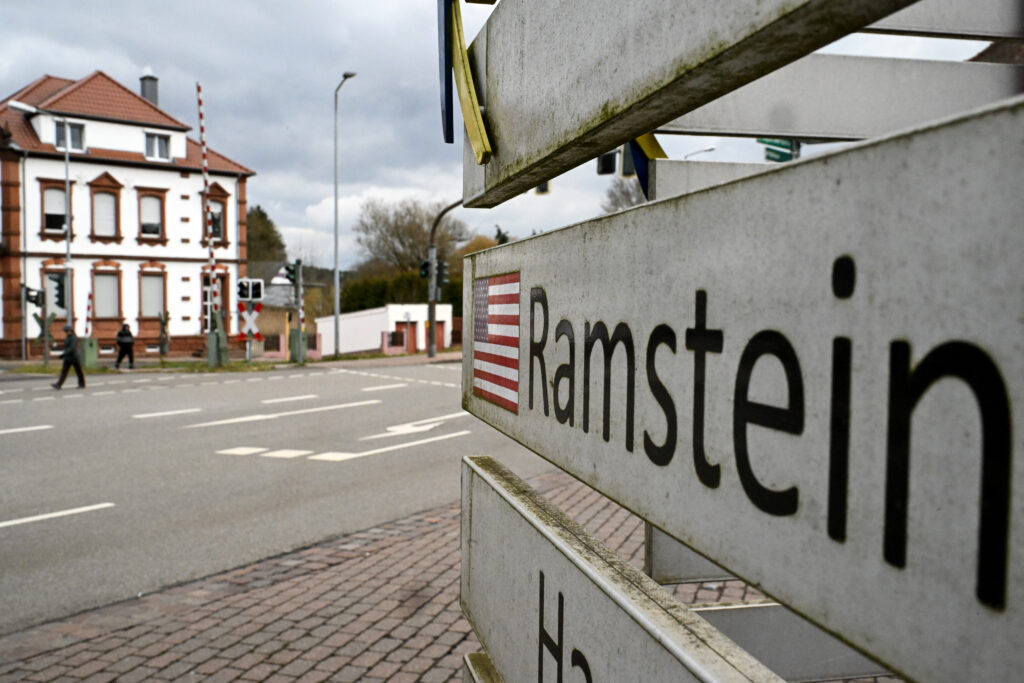
Drones américains au Yémen: la justice allemande dédouane Berlin

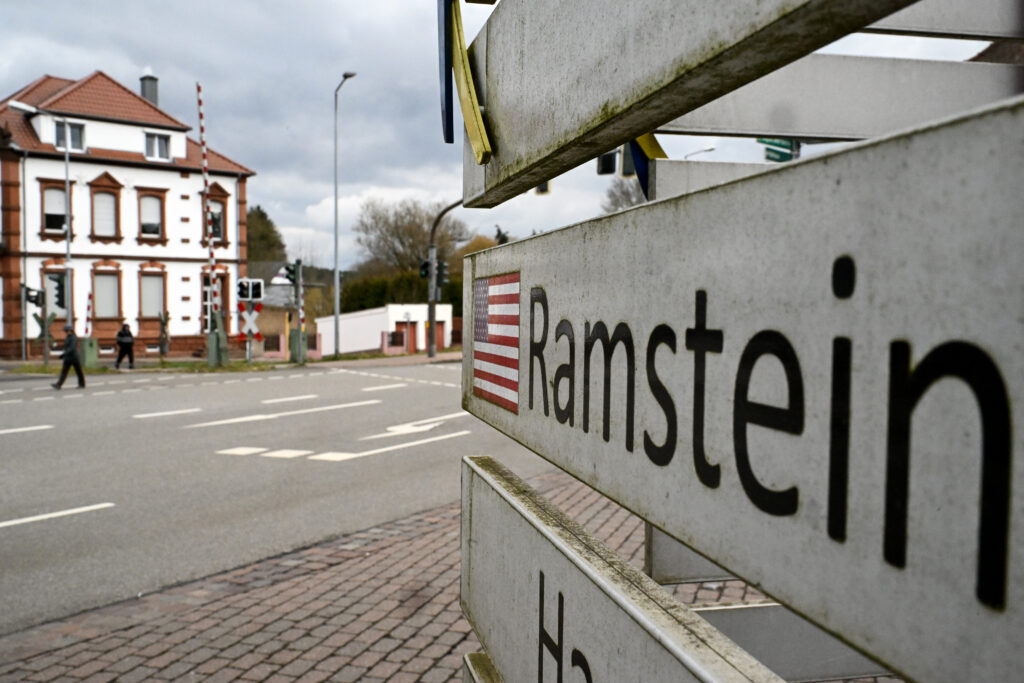
Le gouvernement allemand n’est pas tenu d’intervenir pour contrôler les missions de drones armés américains au Yémen pour lesquels les Etats-Unis utilisent une de leurs bases militaires en Allemagne, a tranché mardi la justice.C’est la fin d’une saga judiciaire de plus d’une décennie. La Cour constitutionnelle allemande a rejeté, comme l’instance précédente, la plainte de deux Yéménites de la région d’Hadramout (est) qui ont perdu des proches lors d’une de ces attaques de drones à l’été 2012.La plus haute juridiction du pays a considéré que “le recours des deux plaignants yéménites était infondé”, a déclaré la vice-présidente Doris König.”Notre foi dans le droit international est ébranlée”, ont réagi Ahmed et Khalid bin Ali Jaber dans un communiqué de l’organisation de défense des droits humains ECCHR, qui les soutient.A l’inverse, le gouvernement allemand salue une décision qui “envoie un message important pour notre politique extérieure et de sécurité”, ont déclaré les ministères des Affaires étrangères et de la Défense dans un communiqué commun.Les plaignants avaient perdu deux membres de leur famille qui s’apprêtaient à célébrer un mariage.Les drones ne décollent certes pas de la base américaine de Ramstein, dans l’ouest de l’Allemagne, et ne sont pas non plus pilotés depuis ce lieu. Mais les signaux sont transmis par câble depuis les Etats-Unis jusqu’à Ramstein, d’où ils sont retransmis via une station relais satellite.La question d’une éventuelle responsabilité de Berlin concernant les frappes “a pu rester ouverte”, estime la Cour dans sa décision. Car l’Allemagne a bien “une obligation générale de protéger les droits fondamentaux de l’homme et les normes majeures du droit international humanitaire”, y compris pour les étrangers à l’étranger, explique-t-elle. Mais “deux conditions doivent être remplies pour l’instauration d’un tel devoir de protection “, soulignent les juges suprêmes.La première est “un lien suffisant avec l’autorité” de l’Allemagne qui permet d’établir “une relation de responsabilité”.La deuxième condition est “l’existence d’un danger sérieux de violation systématique du droit international applicable”.Cette hypothèse “a été écartée”, a dit Doris König, car “il n’a pas été établi que les États-Unis appliquent des critères indéfendables pour différencier les cibles militaires légitimes des civils protégés” au Yémen.A partir du moment où “ces attaques, de l’avis du gouvernement, restent dans les limites acceptables du droit international”, Berlin n’a “aucune obligation de protection fondamentale envers des étrangers à l’étranger, affectés par les actions militaires d’Etats tiers”, retiennent les deux ministères concernés.L’Allemagne dispose au contraire d’une “grande marge de manœuvre dans l’évaluation de la conformité au droit international” de ces actions, soulignent-ils encore.Le chaos provoqué par la guerre civile qui ravage le Yémen depuis une décennie a profité aux groupes jihadistes, et notamment aux rebelles houthis, contre lesquels les Etats-Unis ont intensifié leurs frappes ces derniers mois.Fin avril, Washington avait indiqué avoir perdu sept drones en l’espace d’un mois et demi.- “Mesures appropriées” -La plainte initiale remonte à 2014 lorsqu’Angela Merkel était chancelière. Washington menait alors régulièrement des attaques de drones au Yémen, notamment pour combattre Al-Qaïda.Si le tribunal de Münster (ouest) n’avait alors pas donné raison aux plaignants, il avait toutefois enjoint Berlin à prendre des “mesures appropriées” pour s’assurer que les Etats-Unis respectaient le droit international en menant ces missions, qui doivent en particulier épargner les civils.Les autorités allemandes avaient fait appel auprès du tribunal administratif fédéral de Leipzig (est) qui avait rejeté la demande des plaignants en 2020.Ce tribunal estimait les efforts diplomatiques de Berlin suffisants pour garantir que Washington respecte le droit international.Les plaignants se sont alors tournés vers la Cour constitutionnelle.Mardi, Ahmed et Khalid bin Ali Jaber ont souligné s’être battus “pour la justice depuis 13 ans maintenant, depuis que Salem et Waleed nous ont été violemment arrachés par un missile américain”.”Entendre le tribunal dire que l’Allemagne n’avait pas le devoir de les protéger, malgré le fait qu’elle ait facilité la frappe qui les a tués, ajoute à cette douleur”, ont-ils estimé.

Drones américains au Yémen: la justice allemande dédouane Berlin

Le gouvernement allemand n’est pas tenu d’intervenir pour contrôler les missions de drones armés américains au Yémen pour lesquels les Etats-Unis utilisent une de leurs bases militaires en Allemagne, a tranché mardi la justice.C’est la fin d’une saga judiciaire de plus d’une décennie. La Cour constitutionnelle allemande a rejeté, comme l’instance précédente, la plainte de deux Yéménites de la région d’Hadramout (est) qui ont perdu des proches lors d’une de ces attaques de drones à l’été 2012.La plus haute juridiction du pays a considéré que “le recours des deux plaignants yéménites était infondé”, a déclaré la vice-présidente Doris König.”Notre foi dans le droit international est ébranlée”, ont réagi Ahmed et Khalid bin Ali Jaber dans un communiqué de l’organisation de défense des droits humains ECCHR, qui les soutient.A l’inverse, le gouvernement allemand salue une décision qui “envoie un message important pour notre politique extérieure et de sécurité”, ont déclaré les ministères des Affaires étrangères et de la Défense dans un communiqué commun.Les plaignants avaient perdu deux membres de leur famille qui s’apprêtaient à célébrer un mariage.Les drones ne décollent certes pas de la base américaine de Ramstein, dans l’ouest de l’Allemagne, et ne sont pas non plus pilotés depuis ce lieu. Mais les signaux sont transmis par câble depuis les Etats-Unis jusqu’à Ramstein, d’où ils sont retransmis via une station relais satellite.La question d’une éventuelle responsabilité de Berlin concernant les frappes “a pu rester ouverte”, estime la Cour dans sa décision. Car l’Allemagne a bien “une obligation générale de protéger les droits fondamentaux de l’homme et les normes majeures du droit international humanitaire”, y compris pour les étrangers à l’étranger, explique-t-elle. Mais “deux conditions doivent être remplies pour l’instauration d’un tel devoir de protection “, soulignent les juges suprêmes.La première est “un lien suffisant avec l’autorité” de l’Allemagne qui permet d’établir “une relation de responsabilité”.La deuxième condition est “l’existence d’un danger sérieux de violation systématique du droit international applicable”.Cette hypothèse “a été écartée”, a dit Doris König, car “il n’a pas été établi que les États-Unis appliquent des critères indéfendables pour différencier les cibles militaires légitimes des civils protégés” au Yémen.A partir du moment où “ces attaques, de l’avis du gouvernement, restent dans les limites acceptables du droit international”, Berlin n’a “aucune obligation de protection fondamentale envers des étrangers à l’étranger, affectés par les actions militaires d’Etats tiers”, retiennent les deux ministères concernés.L’Allemagne dispose au contraire d’une “grande marge de manœuvre dans l’évaluation de la conformité au droit international” de ces actions, soulignent-ils encore.Le chaos provoqué par la guerre civile qui ravage le Yémen depuis une décennie a profité aux groupes jihadistes, et notamment aux rebelles houthis, contre lesquels les Etats-Unis ont intensifié leurs frappes ces derniers mois.Fin avril, Washington avait indiqué avoir perdu sept drones en l’espace d’un mois et demi.- “Mesures appropriées” -La plainte initiale remonte à 2014 lorsqu’Angela Merkel était chancelière. Washington menait alors régulièrement des attaques de drones au Yémen, notamment pour combattre Al-Qaïda.Si le tribunal de Münster (ouest) n’avait alors pas donné raison aux plaignants, il avait toutefois enjoint Berlin à prendre des “mesures appropriées” pour s’assurer que les Etats-Unis respectaient le droit international en menant ces missions, qui doivent en particulier épargner les civils.Les autorités allemandes avaient fait appel auprès du tribunal administratif fédéral de Leipzig (est) qui avait rejeté la demande des plaignants en 2020.Ce tribunal estimait les efforts diplomatiques de Berlin suffisants pour garantir que Washington respecte le droit international.Les plaignants se sont alors tournés vers la Cour constitutionnelle.Mardi, Ahmed et Khalid bin Ali Jaber ont souligné s’être battus “pour la justice depuis 13 ans maintenant, depuis que Salem et Waleed nous ont été violemment arrachés par un missile américain”.”Entendre le tribunal dire que l’Allemagne n’avait pas le devoir de les protéger, malgré le fait qu’elle ait facilité la frappe qui les a tués, ajoute à cette douleur”, ont-ils estimé.

Gaza: l’UE a des cartes en main pour sanctionner Israël mais hésite à les jouer

Les chefs de la diplomatie des pays de l’UE examinent mardi un ensemble de mesures à prendre éventuellement contre Israël pour sanctionner la violation des droits humains à Gaza, mais avec peu de chances de passer aux actes, selon des diplomates à Bruxelles.”Je ne peux pas prédire comment la discussion se déroulera”, a prudemment reconnu la cheffe de la diplomatie de l’Union européenne, Kaja Kallas, avant le début de cette réunion à Bruxelles.Un rapport de la Commission européenne, présenté fin juin aux Vingt-Sept, estime qu’Israël a violé l’article 2 de l’accord d’association qui l’unit à l’UE, en matière de respect des droits de l’homme.En conséquence, Kaja Kallas a préparé une liste d’options possibles: suspension de l’accord tout entier, interdiction des exportations en provenance des territoires palestiniens occupés, révision de la politique de visas ou encore suspension de la partie commerciale de l’accord d’association.Le ministre français des Affaires étrangères Jean-Noël Barrot a plaidé de son côté pour des sanctions contre les colons extrémistes en Cisjordanie, souhaitant que l’UE “cesse toute forme de soutien financier direct et indirect à la colonisation”.Le gouvernement israélien doit mettre “fin à la colonisation de la Cisjordanie et en particulier au projet funeste du projet E1 qui, avec 3.400 logements, menace de couper en deux la Cisjordanie et de porter un coup fatal à la solution à deux Etats”, a affirmé M. Barrot.Mais, selon plusieurs diplomates européens, il est peu probable que les ministres prennent une décision, et même qu’ils discutent le détail des mesures proposées par Bruxelles.Et cela d’autant plus depuis l’annonce la semaine dernière par Mme Kallas d’un accord avec Israël censé permettre la livraison de davantage d’aide humanitaire à Gaza.Pour certains pays, cette supposée amélioration sur le terrain, qui reste toutefois à vérifier, éloigne toute perspective de sanctions à l’encontre d’Israël, au moins dans l’immédiat.- “Progrès important” -“Je suis sûr qu’aucune (mesure) ne sera adoptée par les Etats membres”, a assuré lundi à Bruxelles le ministre israélien des Affaires étrangères Gideon Saar, venu participer à l’invitation de Mme Kallas à une réunion avec des responsables de la région, égyptien, palestinien et syrien.Cet accord sur l’extension de l’aide humanitaire représente un “progrès important”, a souligné un diplomate européen, et ce n’est “pas le moment” de discuter d’une éventuelle suspension de l’accord d’association.Les 27 se sont montrés particulièrement divisés sur l’attitude à adopter vis-à-vis d’Israël depuis le début de sa guerre à Gaza contre le Hamas, en réplique à l’attaque sans précédent menée le 7 octobre 2023 sur le sol israélien par ce mouvement islamiste palestinien.Plusieurs Etats membres, dont l’Allemagne, insistent sur le droit d’Israël à se défendre, dans le respect du droit international, tandis que d’autres, comme l’Espagne, dénoncent un “génocide” à l’encontre des Palestiniens de Gaza.Les 27 devraient toutefois trouver mardi un terrain commun pour réaffirmer la nécessité d’appliquer pleinement sur le terrain l’accord négocié par l’Union européenne afin d’accroître l’aide humanitaire à Gaza, selon ces diplomates.Cet accord prévoit entre autres une “augmentation substantielle du nombre de camions transportant quotidiennement des produits alimentaires et non alimentaires entrant à Gaza”, ainsi que l’ouverture de “nouveaux points de passage” au nord et au sud de la bande de Gaza, selon un communiqué rendu public par Mme Kallas.Les livraisons de carburant au bénéfice des organisations humanitaires seront également reprises, “jusqu’à un niveau opérationnel”, selon cet accord.”Nous voyons des signes encourageants: davantage de camions acheminent plus de fournitures à la population de Gaza. Mais bien sûr, nous savons que ce n’est pas suffisant”, a reconnu lundi soir la cheffe de la diplomatie européenne.

Gaza: l’UE a des cartes en main pour sanctionner Israël mais hésite à les jouer

Les chefs de la diplomatie des pays de l’UE examinent mardi un ensemble de mesures à prendre éventuellement contre Israël pour sanctionner la violation des droits humains à Gaza, mais avec peu de chances de passer aux actes, selon des diplomates à Bruxelles.”Je ne peux pas prédire comment la discussion se déroulera”, a prudemment reconnu la cheffe de la diplomatie de l’Union européenne, Kaja Kallas, avant le début de cette réunion à Bruxelles.Un rapport de la Commission européenne, présenté fin juin aux Vingt-Sept, estime qu’Israël a violé l’article 2 de l’accord d’association qui l’unit à l’UE, en matière de respect des droits de l’homme.En conséquence, Kaja Kallas a préparé une liste d’options possibles: suspension de l’accord tout entier, interdiction des exportations en provenance des territoires palestiniens occupés, révision de la politique de visas ou encore suspension de la partie commerciale de l’accord d’association.Le ministre français des Affaires étrangères Jean-Noël Barrot a plaidé de son côté pour des sanctions contre les colons extrémistes en Cisjordanie, souhaitant que l’UE “cesse toute forme de soutien financier direct et indirect à la colonisation”.Le gouvernement israélien doit mettre “fin à la colonisation de la Cisjordanie et en particulier au projet funeste du projet E1 qui, avec 3.400 logements, menace de couper en deux la Cisjordanie et de porter un coup fatal à la solution à deux Etats”, a affirmé M. Barrot.Mais, selon plusieurs diplomates européens, il est peu probable que les ministres prennent une décision, et même qu’ils discutent le détail des mesures proposées par Bruxelles.Et cela d’autant plus depuis l’annonce la semaine dernière par Mme Kallas d’un accord avec Israël censé permettre la livraison de davantage d’aide humanitaire à Gaza.Pour certains pays, cette supposée amélioration sur le terrain, qui reste toutefois à vérifier, éloigne toute perspective de sanctions à l’encontre d’Israël, au moins dans l’immédiat.- “Progrès important” -“Je suis sûr qu’aucune (mesure) ne sera adoptée par les Etats membres”, a assuré lundi à Bruxelles le ministre israélien des Affaires étrangères Gideon Saar, venu participer à l’invitation de Mme Kallas à une réunion avec des responsables de la région, égyptien, palestinien et syrien.Cet accord sur l’extension de l’aide humanitaire représente un “progrès important”, a souligné un diplomate européen, et ce n’est “pas le moment” de discuter d’une éventuelle suspension de l’accord d’association.Les 27 se sont montrés particulièrement divisés sur l’attitude à adopter vis-à-vis d’Israël depuis le début de sa guerre à Gaza contre le Hamas, en réplique à l’attaque sans précédent menée le 7 octobre 2023 sur le sol israélien par ce mouvement islamiste palestinien.Plusieurs Etats membres, dont l’Allemagne, insistent sur le droit d’Israël à se défendre, dans le respect du droit international, tandis que d’autres, comme l’Espagne, dénoncent un “génocide” à l’encontre des Palestiniens de Gaza.Les 27 devraient toutefois trouver mardi un terrain commun pour réaffirmer la nécessité d’appliquer pleinement sur le terrain l’accord négocié par l’Union européenne afin d’accroître l’aide humanitaire à Gaza, selon ces diplomates.Cet accord prévoit entre autres une “augmentation substantielle du nombre de camions transportant quotidiennement des produits alimentaires et non alimentaires entrant à Gaza”, ainsi que l’ouverture de “nouveaux points de passage” au nord et au sud de la bande de Gaza, selon un communiqué rendu public par Mme Kallas.Les livraisons de carburant au bénéfice des organisations humanitaires seront également reprises, “jusqu’à un niveau opérationnel”, selon cet accord.”Nous voyons des signes encourageants: davantage de camions acheminent plus de fournitures à la population de Gaza. Mais bien sûr, nous savons que ce n’est pas suffisant”, a reconnu lundi soir la cheffe de la diplomatie européenne.

Stock markets gain, dollar dips before US inflation

Stock markets mostly gained and the dollar eased Tuesday ahead of key US inflation data, and after Chinese economic growth data met expectations.London’s benchmark FTSE 100 index briefly traded above 9,000 points for the first time. Indices generally were benefiting from optimism that governments will hammer out deals to avoid the worst of US President Donald Trump’s tariff threats.Oil prices dropped despite Trump telling major crude producer Russia to end its war in Ukraine within 50 days or face massive new economic sanctions.”Markets are particularly attuned to the evolving landscape of trade negotiations,” noted Samer Hasn, senior analyst at traders XS.com.”Moreover, the market is awaiting key releases today, including the (US) Consumer Price Index.”Traders are also keeping a watch over the start of the earnings season.US investment banking giant JPMorgan Chase on Tuesday reported second-quarter profits that topped analyst estimates.Chief executive Jamie Dimon described the US economy as “resilient” while facing “signifiant risks”, including over tariffs uncertainty.Ahead of Wall Street reopening, US futures rallied following news that tech titan Nvidia will resume sales of its H20 artificial intelligence chips to China, after Washington pledged to remove licensing curbs that halted exports.The Nasdaq hit another record high on Monday.Trump meanwhile said he would impose antidumping duties on most imports of fresh tomatoes from Mexico, with the US Commerce Department accusing its neighbour of engaging in unfair trade.That came after the president said he would hit Mexico and European Union with 30 percent levies, following a slew of announced measures against key partners last week if deals are not struck by August 1.Analysts said investors viewed the warnings as negotiating ploys rather than a genuine move, citing previous threats that were later rowed back.Bitcoin retreated, having hit a record high above $123,200 Monday thanks to optimism over possible regulatory changes for crypto assets in the United States.- Key figures at around 1100 GMT -London – FTSE 100: FLAT at 8,995.58 pointsParis – CAC 40: UP 0.1 percent at 7,815.63 Frankfurt – DAX: UP 0.2 percent at 24,192.33Tokyo – Nikkei 225: UP 0.6 percent at 39,678.02 (close)Hong Kong – Hang Seng Index: UP 1.6 percent at 24,590.12 (close)Shanghai – Composite: DOWN 0.4 percent at 3,505.00 (close)New York – Dow: UP 0.2 percent at 44,459.65 (close)Euro/dollar: UP at $1.1682 from $1.1670Pound/dollar: UP at $1.3454 from $1.3428Dollar/yen: DOWN at 147.76 yen from 147.77 yenEuro/pound: DOWN at 86.83 pence from 86.88 penceWest Texas Intermediate: DOWN 0.7 percent at $66.51 per barrelBrent North Sea Crude: DOWN 0.5 percent at $68.88 per barrelburs-bcp/rmb

Divided EU weighs action against Israel over Gaza war

EU foreign ministers on Tuesday discussed options for action against Israel over the war in Gaza — but looked unlikely to agree on any.The bloc’s foreign policy chief Kaja Kallas has put forward 10 potential steps after Israel was found to have breached a cooperation deal between the two sides on human rights grounds.The measures range from suspending the entire accord or curbing trade ties to sanctioning Israeli ministers, imposing an arms embargo and halting visa-free travel.Despite growing anger over the devastation in Gaza, EU states remain divided over how to tackle Israel and diplomats say there appears to be no critical mass for any move.”I can’t predict how the discussion will go,” Kallas said, ahead of the foreign ministers’ talks in Brussels. She said the main focus would likely be on how the EU could leverage improvements to the humanitarian crisis in Gaza.That comes after Kallas on Thursday announced a deal with Israel’s Foreign Minister Gideon Saar, to open more entry points and allow in more food.Gaza’s two million residents face dire humanitarian conditions as Israel has severely limited aid during its war with Palestinian militant group Hamas.”We see some positive signs when it comes to border crossings open, we see some positive signs of them reconstructing the electricity lines, providing water, also more trucks of humanitarian aid coming in,” Kallas said Monday.But she said the situation in Gaza remained “catastrophic”. “Of course, we need to see more in order to see real improvement for the people on the ground,” she said. – ‘No justification’ -Saar, speaking at a meeting in Brussels on Monday, was confident Israel would avoid further EU action.”I’m sure not any of them will be adopted by the EU member states,” said the foreign minister. “There’s no justification whatsoever.”While the EU appears unable to take further moves against Israel, just getting to this stage has been a considerable step.The bloc only agreed to review the cooperation deal after Israel relaunched military operations in Gaza following the collapse of a ceasefire in March.Until then deep divisions between countries backing Israel and those more favourable to the Palestinians had hamstrung any move.In a sign of that, Hungary looked likely to maintain a block on more sanctions on Israeli settlers in the West Bank despite French minister Jean-Noel Barrot making a fresh plea for action. The war was sparked by Hamas’s October 7, 2023 attack on Israel, which led to 1,219 deaths, most of them civilians, according to an AFP tally based on official figures.Of 251 people taken hostage by Hamas, 49 are still held in Gaza, including 27 the Israeli military says are dead.Hamas-run Gaza’s health ministry says that at least 58,386 Palestinians, most of them civilians, have been killed in Israel’s retaliatory campaign. The UN considers those figures reliable.

Who are the Middle East’s Druze minority?

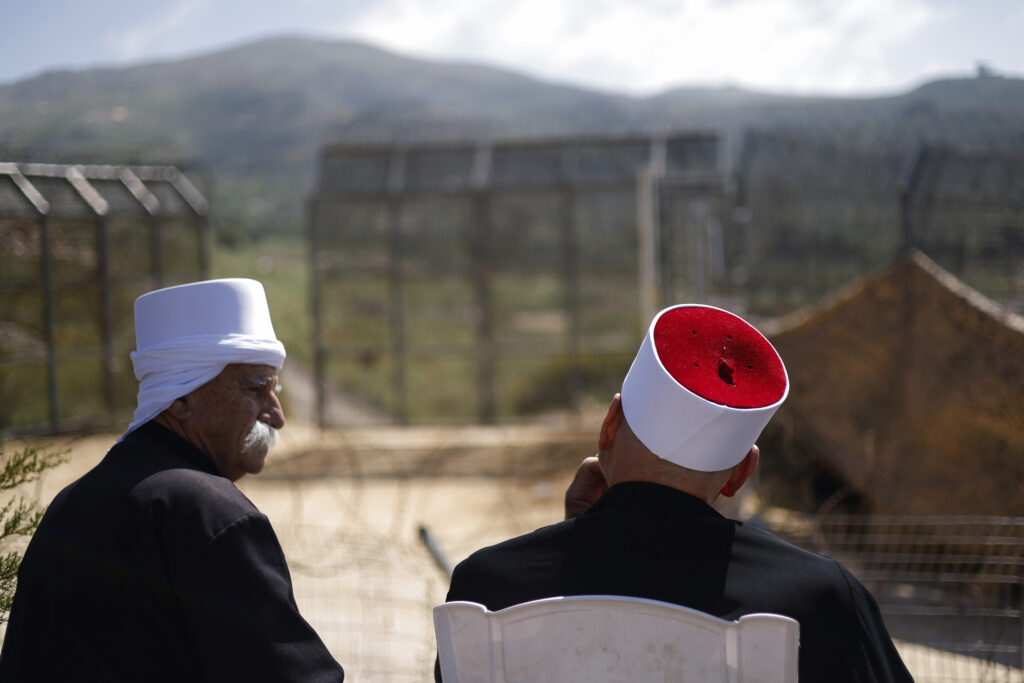
The Druze are a prominent religious community of more than a million people spread across Syria, Lebanon and Israel, who for centuries have sought to preserve a distinct identity.In Syria, Druze fighters have clashed both with neighbouring Bedouin tribes and with forces loyal to the Islamist government, as they have struggled to find their place in the new order ushered in by the December overthrow of longtime president Bashar al-Assad.Israel’s bombardment of government forces deployed to the community’s Sweida province following the latest unrest has further complicated Druze relations with the ruling Islamists.Israel says it is acting to protect the minority community, a claim challenged by most Druze outside Israel as well as the Damascus authorities.Here is a brief look at Druze beliefs and history:- Religion and customs -The Druze emerged in Egypt in the early 11th century as a branch of the Ismaili sect of Shiite Islam.They are monotheistic and call themselves “muwahhidun”, or unitarians.The sect is highly secretive and includes mystical elements like a belief in reincarnation.It does not allow new converts and marriage outside the community is strongly discouraged.A source familiar with Druze rituals, requesting anonymity to discuss matters considered sensitive, said the faith’s emergence was influenced by other religious and philosophical teachings, including those of Greek philosopher Plato.Some Druze religious occasions align with those of other Islamic sects.Traditional Druze garb is black, with men wearing white caps or turbans and women covering their heads and part of their faces with a flowing white scarf.- Where are they? -“The Druze don’t really recognise borders,” said Makram Rabah, assistant professor of history at the American University of Beirut.”You have marriages and you have standing relationships between the Druze across the region,” he said, adding that “clerics play a very important role in keeping this relationship alive.”Before civil war erupted in Syria in 2011, the community was estimated to number around 700,000.According to “The Druze Faith” by historian Sami Makarem, Druze have been migrating to southern Syria since the 16th century, to an area now known as Jabal al-Druze, meaning Druze Mountain, in Sweida province.Syria’s Druze are now mainly concentrated in their Sweida heartland, as well as nearby Quneitra province, with smaller pockets in the Damascus suburbs, notably Jaramana and Sahnaya, which saw sectarian violence earlier this year.In Lebanon, an estimated 200,000 Druze are concentrated in the mountainous centre as well as in the south near Israel and Syria.In Israel, some 153,000 Druze are Israeli citizens, living mainly in the north. Unlike other Arab Israelis, Druze serve in the Israeli army.In the Israeli-occupied Golan Heights, seized from Syria in 1967, more than 22,000 Druze hold permanent resident status. Only around 1,600 have taken up the offer of Israeli citizenship. The rest maintain their Syrian identity.Some Druze from southern Syria have settled in neighbouring Jordan, where the community is estimated to number between 15,000 and 20,000.Two delegations of Syrian Druze clerics have made pilgrimages to a holy site in Israel this year.Outside the Middle East, there is a Druze diaspora, particularly in North America and Australia.Well-known Druze include prominent human rights lawyer Amal Alamuddin Clooney and Jordanian Foreign Minister Ayman Safadi.- Leading role -Despite their minority status, Druze “have filled an important and sometimes a leading role in the political and social life” of the Middle East, according to historian Makarem.In Syria, Druze Sultan Pasha al-Atrash led a nationalist revolt against the French mandatory power which had established a Druze statelet in southern Syria during the 1920s and 1930s.In Lebanon, Druze leader Kamal Jumblatt played a key role in politics from the 1950s until his assassination in 1977, and his son Walid is a powerful politician.In April, Jumblatt urged Syria’s Druze to reject “Israeli interference”, after Israel warned the Islamists who ousted Assad against harming the minority.Druze leaders have declared their loyalty to a united Syria, though some have called for international protection.Israeli Druze spiritual leader Sheikh Mowafaq Tarif has urged Israel to protect Syria’s Druze.Rabah said there was a Druze “power struggle across three states”, adding that he believes Syria’s community does not aspire to statehood.The Druze largely stayed on the sidelines of the Syrian civil war, focusing on defending their heartland.Most Druze armed groups have yet to reach a settlement with the new authorities.

Israel strikes Syrian forces sent into Druze-majority Sweida

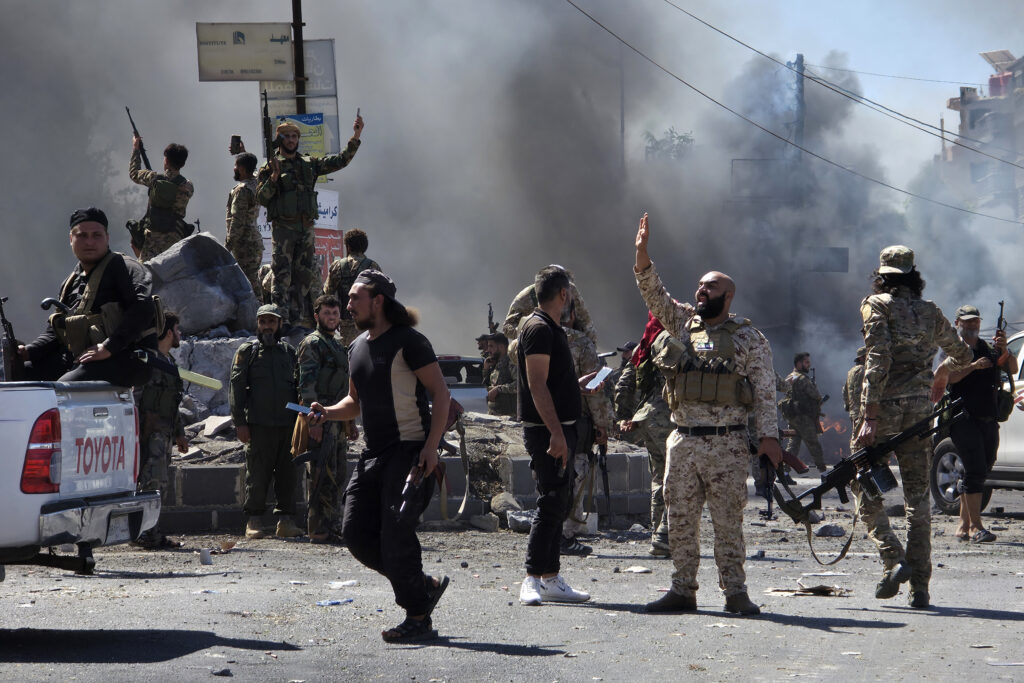
Israel launched strikes Tuesday against Syrian government forces in the Druze-majority region of Sweida, saying it was acting to protect the religious minority.Damascus had deployed troops to Sweida after clashes between Druze fighters and Bedouin tribes killed more than 100 people.Israel announced its strikes shortly after Syria’s defence minister declared a ceasefire in Sweida city, with government forces having entered the city in the morning.While most Druze religious leaders supported the deployment, at least one senior figure called for armed resistance.”Prime Minister Benjamin Netanyahu and Defence Minister Israel Katz have instructed the Israeli military to immediately strike regime forces and weaponry that were brought into the Sweida region… in order to carry out operations against the Druze,” a joint statement said.”We are acting to prevent the Syrian regime from harming them and to ensure the demilitarisation of the area adjacent to our border with Syria,” it added.In a statement shortly after, the Israeli military said it had begun hitting military vehicles in the area. Syrian state media also reported strikes.Israel, which has its own Druze population, has sought to portray itself as a defender of the minority group since the overthrow of longtime president Bashar al-Assad in December.It also says it will not allow a Syrian military presence south of Damascus. Analysts, however, say Israel is using the Druze as a pretext for intervention.Damascus, which recently entered diplomatic talks with Israel, did not immediately comment on the strikes.- ‘Complete ceasefire’ -“To all units operating within the city of Sweida, we declare a complete ceasefire after an agreement with the city’s notables and dignitaries,” Defence Minister Murhaf Abu Qasra posted on X shortly before midday (0900 GMT).”We will respond only to sources of fire and deal with any targeting by outlaw groups,” he added.Druze representatives gathered at the residence of key leader Sheikh Youssef Jarbouh to discuss implementing the ceasefire, a source close to the participants said.An AFP correspondent at a city entrance said gunfire subsided after the ceasefire announcement. A photographer saw government troops waving the Syrian flag atop a roundabout.They had earlier reported clashes as government forces entered the city, with Druze spiritual leaders having sent conflicting messages before their arrival.Most had welcomed the deployment, but the influential Sheikh Hikmat al-Hijri changed his stance and called in a statement for “resisting this brutal campaign by all available means”. A curfew was to be imposed on the southern city in a bid to halt the violence, which erupted at the weekend and has since spread across Sweida governorate.The defence ministry urged people to “stay home and report any movements of outlaw groups”.Abu Qasra said defence ministry units were undertaking “combing operations” in Sweida city and would hand the areas over to the forces of the interior ministry once they were completed.Government forces said they intervened to separate the two sides but ended up taking control of several Druze areas around Sweida, an AFP correspondent reported.Troops had begun heading towards the city on Monday, taking control of at least one Druze village, with one Druze faction saying talks were underway with the Damascus government.The Syrian Observatory for Human Rights war monitor earlier reported 116 people killed since the fighting erupted on Sunday — 64 Druze, including four civilians, as well as 52 members of the government forces and Bedouin tribes.The defence ministry reported 18 deaths among the ranks of the armed forces.- Druze-Bedouin feud -The fighting underscores the challenges facing interim leader Ahmad al-Sharaa, whose Islamist forces ousted Assad after nearly 14 years of civil war.Syria’s pre-war Druze population was estimated at around 700,000, mostly concentrated in Sweida province. Followers of an esoteric offshoot of Shiite Islam, the Druze are primarily found in Syria, Lebanon and Israel.Following deadly clashes with government forces in April and May, local and religious leaders reached an agreement with Damascus under which Druze fighters had been providing security in the province.Amal, a 46-year-old woman, said: “We fear a repeat of the coastal scenario”, referring to massacres in March of more than 1,700 mostly Alawite civilians in northwest Syria, where groups affiliated with the government were blamed for most of the killings.”We are not against the state, but we are against surrendering our weapons without a state that treats everyone the same,” she added.The violence began on Sunday when Bedouin gunmen abducted a Druze vegetable vendor on the highway to Damascus, prompting retaliatory kidnappings.The Observatory said members of Bedouin tribes, who are Sunni Muslims, had sided with security forces during earlier confrontations with the Druze.Bedouin and Druze factions have a longstanding feud in Sweida, and violence occasionally erupts between the two sides.