Most Asian stocks rise as investors eye US trade talks

Equities mostly rose Monday following a record-breaking day on Wall Street as investors kept tabs on countries’ efforts to strike trade deals with the United States before a key deadline next week.And the dollar weakened on growing expectations for more interest rate cuts, while eyes were on US Presiident Donald Trump’s signature tax-cutting bill — now inching towards a Senate vote — that some experts warn could add trillions of dollars to the national debt.The S&P 500 and Nasdaq finished at all-time peaks Friday amid optimism governments will be able to avoid swingeing tariffs imposed by the US president in April and paused until July 9 to allow for negotiations.Officials from Japan and India have extended their stays in Washington to continue talks, raising hopes for agreements with two of the world’s biggest economies.Hopes that the deadline could be extended were boosted Friday by Treasury Secretary Scott Bessent, who told Fox Business “we have countries approaching us with very good deals” but they might not all be finalised by next week. But he added: “If we can ink 10 or 12 of the important 18 — there are another important 20 relationships — then I think we could have trade wrapped up by Labor Day,” which falls on September 1.Trump said at the weekend that he did not expect to extend the deadline, telling the “Sunday Morning Futures with Maria Bartiromo” show: “I don’t think I’ll need to”.”I could, no big deal,” he added in the interview that was taped Friday.Meanwhile, Canadian Finance Minister Francois-Philippe Champagne said Sunday that Ottawa would rescind taxes impacting US tech firms in hopes of reaching a trade agreement with Washington after Trump called off talks in retaliation for the levy.Negotiations would resume with the aim of getting a deal by July 21, Ottawa added.After Wall Street’s record day, most markets mostly followed suit Monday.Tokyo extended its recent rally fuelled by tech firms, while there were also gains in Shanghai, Sydney, Seoul, Singapore, Wellington, Manila, Bangkok and Jakarta.US futures also rose but Hong Kong, Mumbai and Taipei fell.London and Paris was flat while Paris edged down in early trade.There was little major reaction to data showing the contraction in Chinese factory activity eased further in June after a China-US trade truce.The dollar extended losses against its peers as traders increased bets on at least two rate cuts this year following Trump’s indication he could choose a successor to Federal Reserve boss Jerome Powell within months.”Markets… are already pricing not just two Fed cuts this year, but a full-blown easing cycle stretching deep into 2026,” said SPI Asset Management’s Stephen Innes.”Powell may still hold the gavel, but traders are betting the next Fed chair walks, talks, and cuts like a dove in MAGA red.”However, Ronald Temple, chief market strategist at Lazard, warned: “Were President Trump to announce his nominee to succeed Jay Powell much earlier than usual, it could create a situation where the candidate’s commentary could undermine market confidence in the future direction of Fed policy if he or she were to diverge publicly from Fed communications.”Senators were also debating Trump’s “One Big Beautiful Bill”, which extends his expiring first-term tax cuts at a cost of $4.5 trillion and beefs up border security.The Republican president has ramped up pressure to get the package to his desk by July 4, and called out wavering lawmakers from his party.However, there are worries about the impact on the economy, with the nonpartisan Congressional Budget Office estimating the measure would add nearly $3.3 trillion to US deficits over a decade.- Key figures at around 0810 GMT -Tokyo – Nikkei 225: UP 0.8 percent at 40,487.39 (close)Hong Kong – Hang Seng Index: DOWN 0.9 percent at 24,072.28 (close)Shanghai – Composite: UP 0.6 percent at 3,444.43 (close)London – FTSE 100: FLAT at 8,796.66 Euro/dollar: UP at $1.1733 from $1.1718 on FridayPound/dollar: UP at $1.3723 from $1.3715Dollar/yen: DOWN at 144.07 yen from 144.68 yenEuro/pound: UP at 85.58 pence from 85.43 penceWest Texas Intermediate: DOWN 0.2 percent at $65.40 per barrelBrent North Sea Crude: DOWN 0.1 percent at $67.72 per barrelNew York – Dow: UP 1.0 percent at 43,819.27 (close)

China to resume some Japanese seafood imports after Fukushima ban

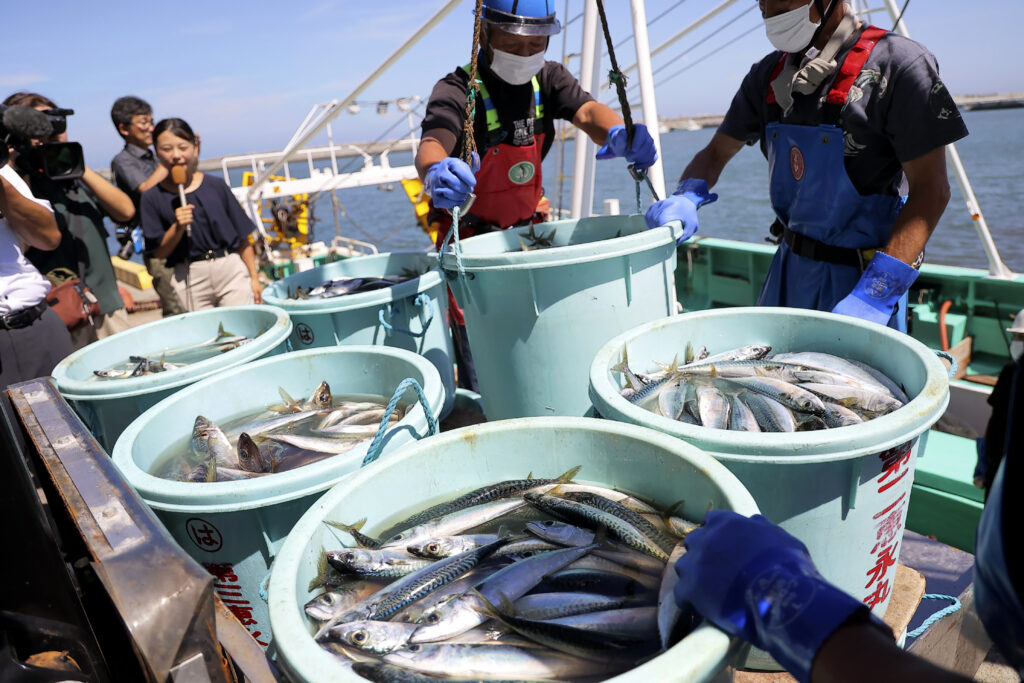
China has lifted a ban on seafood imports from most regions of Japan, partially mending a years-long dispute over Tokyo’s handling of nuclear wastewater.China and Japan are key trading partners, but increased friction over territorial rivalries and military spending has frayed ties in recent years.Japan’s brutal occupation of parts of China before and during World War II remains a sore point, with Beijing accusing Tokyo of failing to atone for its past.Japan began gradually releasing treated wastewater from the stricken Fukushima nuclear plant into the Pacific Ocean in 2023.The move was backed by the International Atomic Energy Agency and the plant operator TEPCO says all radioactive elements have been filtered out except for tritium, levels of which are within safe limits.But it drew sharp criticism from Beijing, which banned imports of Japanese seafood as a result. Russia later followed suit.Samples from long-term monitoring of nuclear-contaminated water from Fukushima had “not shown abnormalities”, China’s General Administration of Customs said in a statement Sunday.As a result, China “decided to conditionally resume” seafood imports from Japan, except imports from 10 of the country’s 47 prefectures, including Fukushima and Tokyo, which remain banned.The Japanese government received the decision “positively”, Kazuhiko Aoki, deputy chief cabinet secretary, told reporters in Tokyo.But Japan “will strongly demand the Chinese side lift remaining import regulations on seafood from 10 prefectures”, he added.Foreign Ministry spokeswoman Mao Ning confirmed Monday that Beijing was resuming seafood imports from regions “that meet China’s standards”.But she warned that China would take measures to restrict imports “should any risks be identified”.In 2011, a huge earthquake triggered a deadly tsunami that swamped the Fukushima nuclear facility and pushed three of its six reactors into meltdown.China vociferously opposed the release of the treated wastewater, casting it as environmentally irresponsible. But in September last year, it said it would “gradually resume” importing the seafood.Production companies that had suspended trade must reapply for registration in China and would be “strictly” supervised, Beijing’s customs administration said Sunday.burs-mya/oho/dhw

Le coeur artificiel de Carmat placé sous assistance judiciaire

Ex-symbole de l’innovation médicale française, le fabricant français d’un coeur artificiel, Carmat, a annoncé lundi être en cessation des paiements, à court d’argent faute de n’avoir pu rassembler des fonds pour payer ses créanciers.L’entreprise, qui avait alerté  il y a dix jours avoir un besoin urgent de se refinancer d’ici au 30 juin, va “solliciter l’ouverture d’une procédure de redressement judiciaire auprès du Tribunal des Affaires Economiques de Versailles”, selon un communiqué.Dans l’attente de la décision du tribunal, qui devrait intervenir “dans les tout prochains jours”, Carmat, cotée en Bourse depuis 2010, a demandé la suspension de sa cotation “à partir du lundi 30 juin 2025”, avant l’ouverture des marchés.Son cours de Bourse évolue autour de 30 cents, alors qu’il dépassait 100 euros voici une dizaine d’années.Créée en 2008, la société avait expliqué devoir rassembler au moins 3,5 millions d’euros d’ici au 30 juin, ainsi qu’environ 20 millions d’euros d’ici la fin de l’année. Elle avait lancé le 20 juin une campagne de dons pour assurer la poursuite de ses activités.Son directeur général Stéphane Piat avait tenté dans un dernier élan la semaine dernière de mobiliser les investisseurs et même l’Elysée, pointant la difficulté d’accès aux capitaux pour financer l’innovation en France et évoquant le “crève-coeur” de voir possiblement disparaître une technologie française “iconique”.Il estimait que Carmat était sur “une rampe de lancement” après 42 implantations  réalisées en 2024, un chiffre d’affaires de 7 millions l’an dernier et des besoins de l’entreprise, évalués à 35 millions d’euros à douze mois, qui allaient “se réduire tous les ans jusqu’à la rentabilité”, prévue d’ici “4 à 5 ans”.Mais après 30 ans de recherche, 550 millions d’investissements et 122 patients traités avec son coeur artificiel temporaire, inventé par le professeur Alain Carpentier, Carmat “n’est pas parvenue à ce stade à sécuriser un tel complément de trésorerie ni de nouveaux financements”.L’entreprise qui compte 180 collaborateurs entre son siège de Vélizy-Villacoublay et son site de production à Bois-d’Arcy, dans les Yvelines, “continue d’explorer toutes les options qui permettraient la poursuite de ses activités”.L’ouverture d’une procédure de redressement judiciaire constituerait, selon elle, “le cadre le plus approprié pour faciliter cette poursuite”.- “Coeur définitif” -Le coeur artificiel Aeson de Carmat est destiné aux patients qui souffrent d’insuffisance cardiaque terminale dans l’attente d’un coeur humain disponible pour une transplantation. Il comprend une prothèse reproduisant la forme et la fonction d’un cœur naturel et d’une tablette pour régler les paramètres.Depuis sa première implantation sur un patient en 2014, l’appareil a évolué et subi des améliorations, Carmat rêvant d’un “coeur définitif”, qui remplacerait le coeur malade.La société avait notamment suspendu volontairement les implantations entre fin 2021 et octobre 2022 pour apporter des améliorations au dispositif à la suite de dysfonctionnements qui avaient coûté la vie à deux patients.”L’insuffisance cardiaque, c’est une maladie qui tue plus que le cancer” et qui ne touche pas seulement des personnes âgées mais des adultes “autour de 54 ans”, avait souligné il y a quelques jours Anne-Céline Martin, de l’unité médico-chirurgicale d’insuffisance cardiaque sévère à l’Hôpital Européen Georges Pompidou qui a soutenu le projet Carmat dès le début.”Le seul vrai traitement de l’insuffisance cardiaque terminale, c’est la transplantation. Sauf que l’accès à la transplantation est limitée: on a toujours deux receveurs pour un donneur”, a illustré le professeur André Vincentelli, chirurgien cardio-vasculaire et thoracique au CHU de Lille.”Ne plus avoir le Carmat, c’est revenir à d’autres dispositifs d’une autre époque”, avait-il indiqué.Le concepteur du coeur artificiel total Aeson assure qu’il ne laissera pas tomber ses patients sous prothèses Aeson, et ce, “quelle que soit la décision du tribunal”.

Le coeur artificiel de Carmat placé sous assistance judiciaire

Ex-symbole de l’innovation médicale française, le fabricant français d’un coeur artificiel, Carmat, a annoncé lundi être en cessation des paiements, à court d’argent faute de n’avoir pu rassembler des fonds pour payer ses créanciers.L’entreprise, qui avait alerté  il y a dix jours avoir un besoin urgent de se refinancer d’ici au 30 juin, va “solliciter l’ouverture d’une procédure de redressement judiciaire auprès du Tribunal des Affaires Economiques de Versailles”, selon un communiqué.Dans l’attente de la décision du tribunal, qui devrait intervenir “dans les tout prochains jours”, Carmat, cotée en Bourse depuis 2010, a demandé la suspension de sa cotation “à partir du lundi 30 juin 2025”, avant l’ouverture des marchés.Son cours de Bourse évolue autour de 30 cents, alors qu’il dépassait 100 euros voici une dizaine d’années.Créée en 2008, la société avait expliqué devoir rassembler au moins 3,5 millions d’euros d’ici au 30 juin, ainsi qu’environ 20 millions d’euros d’ici la fin de l’année. Elle avait lancé le 20 juin une campagne de dons pour assurer la poursuite de ses activités.Son directeur général Stéphane Piat avait tenté dans un dernier élan la semaine dernière de mobiliser les investisseurs et même l’Elysée, pointant la difficulté d’accès aux capitaux pour financer l’innovation en France et évoquant le “crève-coeur” de voir possiblement disparaître une technologie française “iconique”.Il estimait que Carmat était sur “une rampe de lancement” après 42 implantations  réalisées en 2024, un chiffre d’affaires de 7 millions l’an dernier et des besoins de l’entreprise, évalués à 35 millions d’euros à douze mois, qui allaient “se réduire tous les ans jusqu’à la rentabilité”, prévue d’ici “4 à 5 ans”.Mais après 30 ans de recherche, 550 millions d’investissements et 122 patients traités avec son coeur artificiel temporaire, inventé par le professeur Alain Carpentier, Carmat “n’est pas parvenue à ce stade à sécuriser un tel complément de trésorerie ni de nouveaux financements”.L’entreprise qui compte 180 collaborateurs entre son siège de Vélizy-Villacoublay et son site de production à Bois-d’Arcy, dans les Yvelines, “continue d’explorer toutes les options qui permettraient la poursuite de ses activités”.L’ouverture d’une procédure de redressement judiciaire constituerait, selon elle, “le cadre le plus approprié pour faciliter cette poursuite”.- “Coeur définitif” -Le coeur artificiel Aeson de Carmat est destiné aux patients qui souffrent d’insuffisance cardiaque terminale dans l’attente d’un coeur humain disponible pour une transplantation. Il comprend une prothèse reproduisant la forme et la fonction d’un cœur naturel et d’une tablette pour régler les paramètres.Depuis sa première implantation sur un patient en 2014, l’appareil a évolué et subi des améliorations, Carmat rêvant d’un “coeur définitif”, qui remplacerait le coeur malade.La société avait notamment suspendu volontairement les implantations entre fin 2021 et octobre 2022 pour apporter des améliorations au dispositif à la suite de dysfonctionnements qui avaient coûté la vie à deux patients.”L’insuffisance cardiaque, c’est une maladie qui tue plus que le cancer” et qui ne touche pas seulement des personnes âgées mais des adultes “autour de 54 ans”, avait souligné il y a quelques jours Anne-Céline Martin, de l’unité médico-chirurgicale d’insuffisance cardiaque sévère à l’Hôpital Européen Georges Pompidou qui a soutenu le projet Carmat dès le début.”Le seul vrai traitement de l’insuffisance cardiaque terminale, c’est la transplantation. Sauf que l’accès à la transplantation est limitée: on a toujours deux receveurs pour un donneur”, a illustré le professeur André Vincentelli, chirurgien cardio-vasculaire et thoracique au CHU de Lille.”Ne plus avoir le Carmat, c’est revenir à d’autres dispositifs d’une autre époque”, avait-il indiqué.Le concepteur du coeur artificiel total Aeson assure qu’il ne laissera pas tomber ses patients sous prothèses Aeson, et ce, “quelle que soit la décision du tribunal”.

‘We have nothing’: Afghans driven out of Iran return to uncertain future

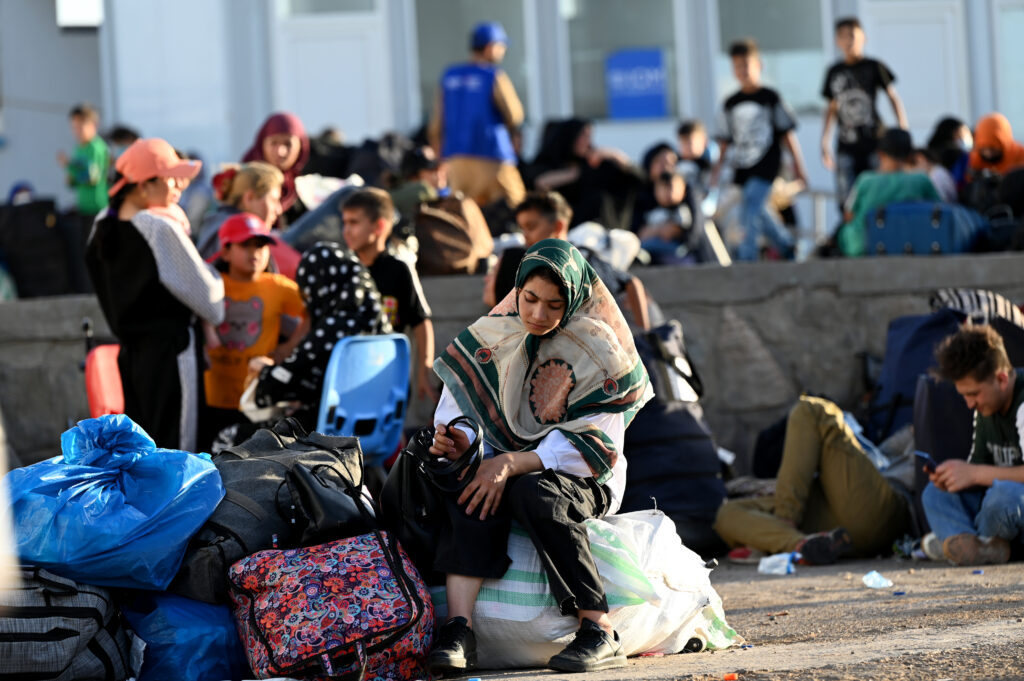
Hajjar Shademani’s family waited for hours in the heat and dust after crossing the border into Afghanistan, their neat pile of suitcases all that remained of a lifetime in Iran after being deported to their homeland. The 19-year-old and her three siblings are among tens of thousands of Afghans who have crossed the Islam Qala border point in recent days, the majority forced to leave, according to the United Nations and Taliban authorities. Despite being born in Iran after her parents fled war 40 years ago, Shademani said the country “never accepted us”. When police came to her family’s home in Shiraz city and ordered them to leave, they had no choice. But Afghanistan is also alien to her. “We don’t have anything here,” she told AFP in English. Between Iranian universities that would not accept her and the Taliban government, which has banned education for women, Shademani’s studies are indefinitely on hold. “I really love studying… I wanted to continue but in Afghanistan, I think I cannot.” At Herat province’s Islam Qala crossing, the checkpoint is usually busy handling the cycle of smuggling to deportation as young men seek work in Iran. But since Tehran ordered Afghans without the right to remain to leave by July 6, the number of returnees — especially families — has surged. More than 230,000 departed in June alone, the United Nations International Organization for Migration (IOM) said. Since January, more than 690,000 Afghans have left Iran, “70 percent of whom were forcibly sent back”, IOM spokesperson Avand Azeez Agha told AFP. Of the more than a dozen returnees AFP spoke to on Saturday, none said they had fled the recent Iran-Israel conflict, though it may have ramped up pressure. Arrests, however, had helped spur their departures. – Few prospects -Yadullah Alizada had only the clothes on his back and a cracked phone to call his family when he stepped off one of the many buses unloading people at the IOM-run reception centre. The 37-year-old said he was arrested while working as a day labourer and held at a detention camp before being deported to Afghanistan. Forced to leave without his family or belongings, he slept on a bit of cardboard at the border, determined to stay until his family could join him. “My three kids are back there, they’re all sick right now, and they don’t know how to get here.”He hopes to find work in his home province of Daikundi, but in a country wracked by entrenched poverty and unemployment, he faces an uphill climb. The UN mission for Afghanistan, UNAMA, has warned that the influx of deportees — many arriving with “no assets, limited access to services, and no job prospects” — risks further destabilising the crisis-wracked country. Long lines snaked into tents encircling the reception centre where returnees accessed UN, NGO and government services. Gusty wind whipped women’s Iranian-style hijabs and young men’s trendy outfits, clothing that stood out against the shalwar kameez that has become ubiquitous in Afghanistan since the Taliban swept to power in 2021, imposing their strict interpretation of Islamic law. Deputy Prime Minister Abdul Salam Hanafi inspected the site on Saturday, striding through the crowd surrounded by a heavily armed entourage and pledging to ensure “that no Afghan citizen is denied their rights in Iran” and that seized or abandoned assets would be returned. Taliban authorities have consistently called for “dignified” treatment of the migrants and refugees hosted in Iran and Pakistan, the latter having also ousted hundreds of thousands of Afghans since the latest decades-long war ended.- ‘Have nothing’ -Over one million Afghans have already returned to Afghanistan this year from both neighbouring countries. The numbers are only expected to rise, even as foreign aid is slashed and the Taliban government struggles for cash and international recognition. The IOM says it can only serve a fraction of the returnees, with four million Afghans potentially impacted by Iran’s deadline. Some of the most vulnerable pass through the agency’s transit centre in Herat city, where they can get a hot meal, a night’s rest and assistance on their way.  But at the clean and shaded compound, Bahara Rashidi was still worried about what would become of her and her eight sisters back in Afghanistan. They had smuggled themselves into Iran to make a living after their father died.  “There is no man in our family who can work here, and we don’t have a home or money,” the 19-year-old told AFP. “We have nothing.” 

‘We have nothing’: Afghans driven out of Iran return to uncertain future

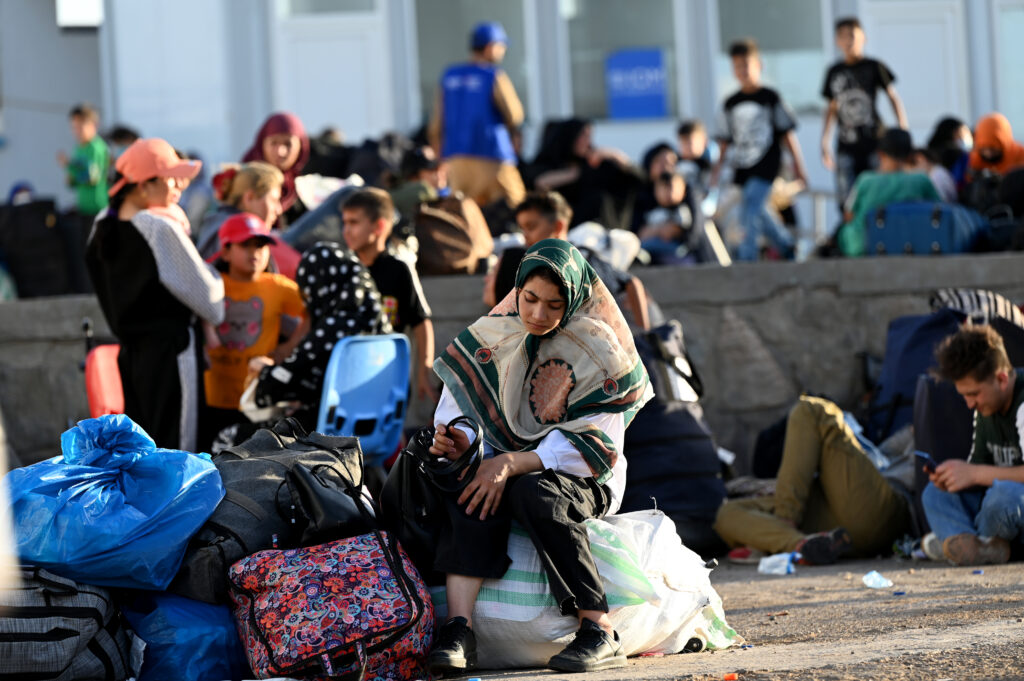
Hajjar Shademani’s family waited for hours in the heat and dust after crossing the border into Afghanistan, their neat pile of suitcases all that remained of a lifetime in Iran after being deported to their homeland. The 19-year-old and her three siblings are among tens of thousands of Afghans who have crossed the Islam Qala border point in recent days, the majority forced to leave, according to the United Nations and Taliban authorities. Despite being born in Iran after her parents fled war 40 years ago, Shademani said the country “never accepted us”. When police came to her family’s home in Shiraz city and ordered them to leave, they had no choice. But Afghanistan is also alien to her. “We don’t have anything here,” she told AFP in English. Between Iranian universities that would not accept her and the Taliban government, which has banned education for women, Shademani’s studies are indefinitely on hold. “I really love studying… I wanted to continue but in Afghanistan, I think I cannot.” At Herat province’s Islam Qala crossing, the checkpoint is usually busy handling the cycle of smuggling to deportation as young men seek work in Iran. But since Tehran ordered Afghans without the right to remain to leave by July 6, the number of returnees — especially families — has surged. More than 230,000 departed in June alone, the United Nations International Organization for Migration (IOM) said. Since January, more than 690,000 Afghans have left Iran, “70 percent of whom were forcibly sent back”, IOM spokesperson Avand Azeez Agha told AFP. Of the more than a dozen returnees AFP spoke to on Saturday, none said they had fled the recent Iran-Israel conflict, though it may have ramped up pressure. Arrests, however, had helped spur their departures. – Few prospects -Yadullah Alizada had only the clothes on his back and a cracked phone to call his family when he stepped off one of the many buses unloading people at the IOM-run reception centre. The 37-year-old said he was arrested while working as a day labourer and held at a detention camp before being deported to Afghanistan. Forced to leave without his family or belongings, he slept on a bit of cardboard at the border, determined to stay until his family could join him. “My three kids are back there, they’re all sick right now, and they don’t know how to get here.”He hopes to find work in his home province of Daikundi, but in a country wracked by entrenched poverty and unemployment, he faces an uphill climb. The UN mission for Afghanistan, UNAMA, has warned that the influx of deportees — many arriving with “no assets, limited access to services, and no job prospects” — risks further destabilising the crisis-wracked country. Long lines snaked into tents encircling the reception centre where returnees accessed UN, NGO and government services. Gusty wind whipped women’s Iranian-style hijabs and young men’s trendy outfits, clothing that stood out against the shalwar kameez that has become ubiquitous in Afghanistan since the Taliban swept to power in 2021, imposing their strict interpretation of Islamic law. Deputy Prime Minister Abdul Salam Hanafi inspected the site on Saturday, striding through the crowd surrounded by a heavily armed entourage and pledging to ensure “that no Afghan citizen is denied their rights in Iran” and that seized or abandoned assets would be returned. Taliban authorities have consistently called for “dignified” treatment of the migrants and refugees hosted in Iran and Pakistan, the latter having also ousted hundreds of thousands of Afghans since the latest decades-long war ended.- ‘Have nothing’ -Over one million Afghans have already returned to Afghanistan this year from both neighbouring countries. The numbers are only expected to rise, even as foreign aid is slashed and the Taliban government struggles for cash and international recognition. The IOM says it can only serve a fraction of the returnees, with four million Afghans potentially impacted by Iran’s deadline. Some of the most vulnerable pass through the agency’s transit centre in Herat city, where they can get a hot meal, a night’s rest and assistance on their way.  But at the clean and shaded compound, Bahara Rashidi was still worried about what would become of her and her eight sisters back in Afghanistan. They had smuggled themselves into Iran to make a living after their father died.  “There is no man in our family who can work here, and we don’t have a home or money,” the 19-year-old told AFP. “We have nothing.” 

“Cachés, mais toujours là”: dans l’ancien fief d’un gang au Salvador, la peur reste palpable

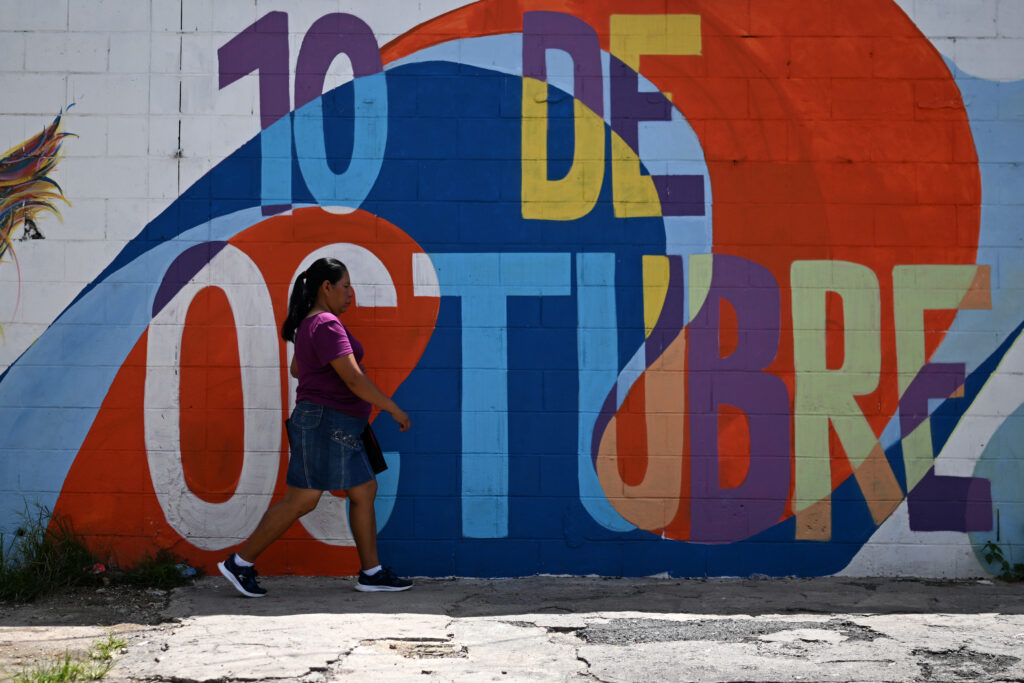
Esperanza Martinez a vu trois membres de sa famille assassinés et de nombreux cadavres dans son quartier, un ancien bastion de la Mara Salvatrucha (MS-13) près de San Salvador. Si depuis quelque temps, elle vit plus sereinement, elle reste en alerte: les membres de gangs sont “cachés, mais toujours là”, murmure-t-elle.Au pied d’une colline à quelques kilomètres au sud de la capitale salvadorienne, le quartier 10 de Octubre, dans la ville de San Marcos, s’est transformé depuis le lancement il y a trois ans par le président Nayib Bukele de sa “guerre” contre les gangs qui semaient la terreur dans le pays depuis trois décennies, en faisant l’un des plus violents au monde. A l’heure du déjeuner, l’agitation règne devant les stands de légumes, un motard livre des repas et une femme assise à l’arrière d’un pick-up délabré vend des granités. Une scène banale mais impensable il y a encore quelques années, quand aucun intrus n’était toléré dans les vastes territoires contrôlés au Salvador par la mara MS-13 et son rival, le Barrio 18.”Beaucoup sont entrés ici et n’en sont jamais ressortis. J’ai vu des morts allongés là, abattus ou poignardés. Il y a un cimetière clandestin sur la colline”, raconte Esperanza Martinez, qui a passé 34 de ses 65 ans dans ce quartier, en pointant du doigt une butte.Il fallait s’enfermer chez soi et ne pas sortir la nuit, se souvient-elle. Peu importe à quoi on assistait, “l’ordre était (…) de se taire”, raconte-t-elle en refusant d’apparaître devant la caméra.Sa nièce de 12 ans a été assassinée pour avoir refusé d’entrer dans le gang, la mère de celle-ci a connu le même sort pour avoir tenté de la défendre, et le mari de sa sœur a été tué parce qu’il refusait l’extorsion. L’une de ses trois filles a émigré aux États-Unis à 17 ans pour échapper aux menaces de mort. – “Jusqu’au dernier” – Le quartier 10 de Octubre a vécu sous le joug d’Élmer Canales Rivera, surnommé “le Crook d’Hollywood”, l’un des chefs du MS-13, désormais aux États-Unis en attente de son procès. Sur les murs, les graffitis “MS” ou “Hollywood” ont été remplacés par des fresques de ballons, de papillons et de fleurs multicolores. Un “N” géant sur fond bleu ciel fait référence à la fois à Nayib Bukele et à son parti Nuevas Ideas.Le 10 de Octubre est l’une des 11 zones mises sous protection militaire par le président Bukele après l’instauration, en mars 2022, d’un état d’urgence qui a conduit à l’arrestation de 87.000 personnes sans mandat judiciaire. “Nous allons débusquer jusqu’au dernier terroriste caché”, a récemment promis le président en encerclant Ilopango, dans la périphérie est de San Salvador, avec 2.000 soldats et policiers, là où des membres de gangs tentent de “se réorganiser”. Même si les gangs, actuellement “contenus”, pourraient “se réactiver”, cette démonstration de force répond aussi à l’envie du président de continuer à jouer “un rôle public important”, estime José Miguel Cruz, professeur salvadorien à l’Université internationale de Floride et spécialiste du phénomène des maras. M. Bukele a entamé en juin 2024 son deuxième mandat présidentiel, porté par sa “guerre” sans merci contre les groupes criminels qui a conduit à une baisse drastique du taux d’homicides. Il rejette les accusations d’autoritarisme et affirme avoir fait du Salvador “le pays le plus sûr au monde”. Les organisations de défense des droits humains critiquent durement son régime d’exception. Amnesty International et les ONG locales telles que Cristosal et Socorro Juridico dénoncent des arrestations arbitraires, des actes de torture, la mort d’environ 400 prisonniers et l’incarcération de milliers d’innocents. Un sujet dont personne ne souhaite parler dans le quartier 10 de Octubre. – “Ne pas baisser la garde” – Sur un rond-point d’où partent les bus, Carlos Sanchez, un laveur de véhicules âgé de 48 ans, prévient : “Il ne faut pas baisser la garde”. “Aujourd’hui on a un peu de paix, mais il reste des résidus (de gangs) cachés dans les collines”, assure-t-il.Le MS-13, déclaré organisation terroriste par les États-Unis, et le Barrio 18 contrôlaient 85% du territoire national, vivaient de l’extorsion et du trafic de drogue et ont tué quelque 200.000 personnes en trois décennies, selon M. Bukele.”Un jour, ils ont tué un jeune à coups de couteau dans un minibus. Mes deux filles, ils ont voulu les tuer aussi parce qu’elles refusaient de collaborer. Beaucoup obtempéraient par peur de représailles. Ils utilisaient des enfants comme guetteurs”, énumère M. Sanchez. Sous la menace d’une arme, ils expulsaient aussi les familles de leurs maisons. “Ils ont voulu me prendre la mienne, mais j’ai réussi à les convaincre de ne pas le faire. Certains rôdent encore par ici, mais je n’ai nulle part où aller”, confie Antonia Alfaro, 67 ans, depuis son petit logement.Le Salvador a connu une guerre civile sanglante dans les années 1980.