Trump a boon for deep-sea mining: industry boss

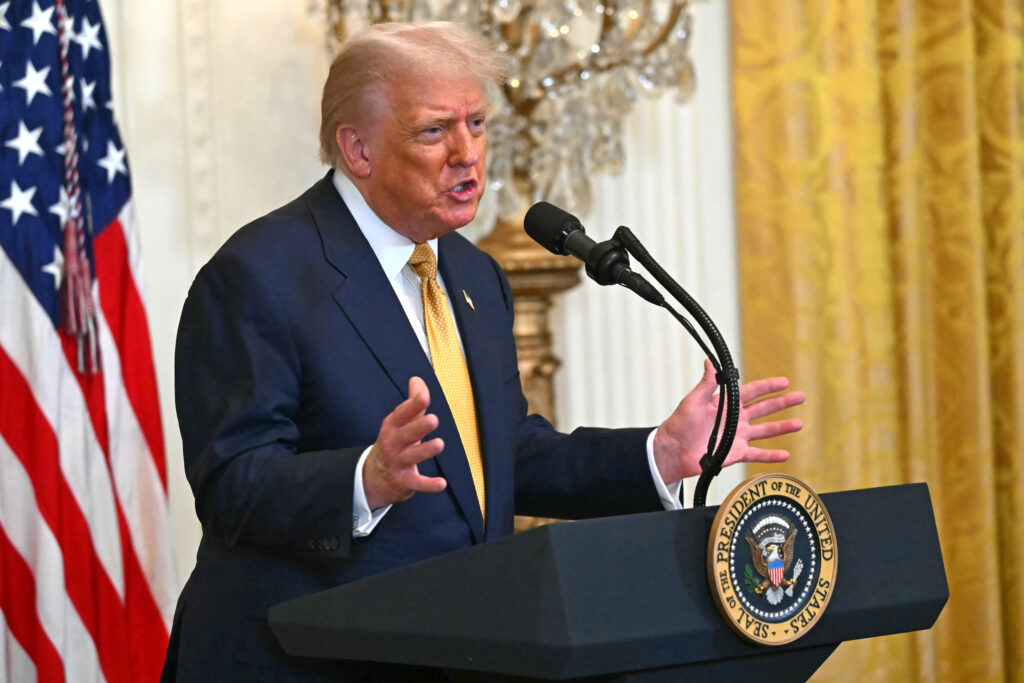
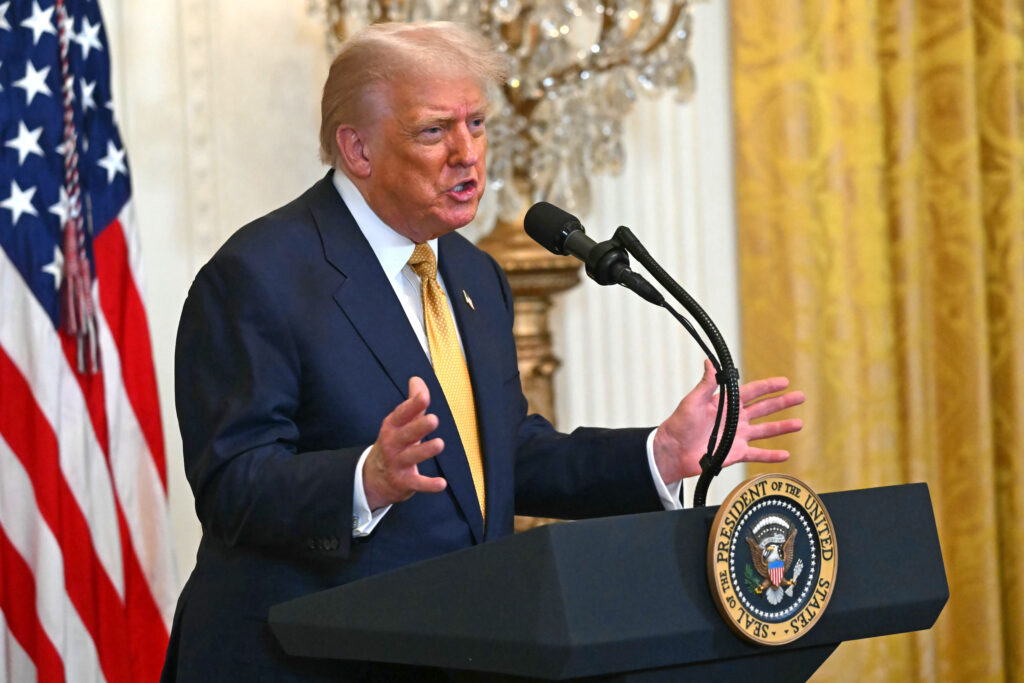
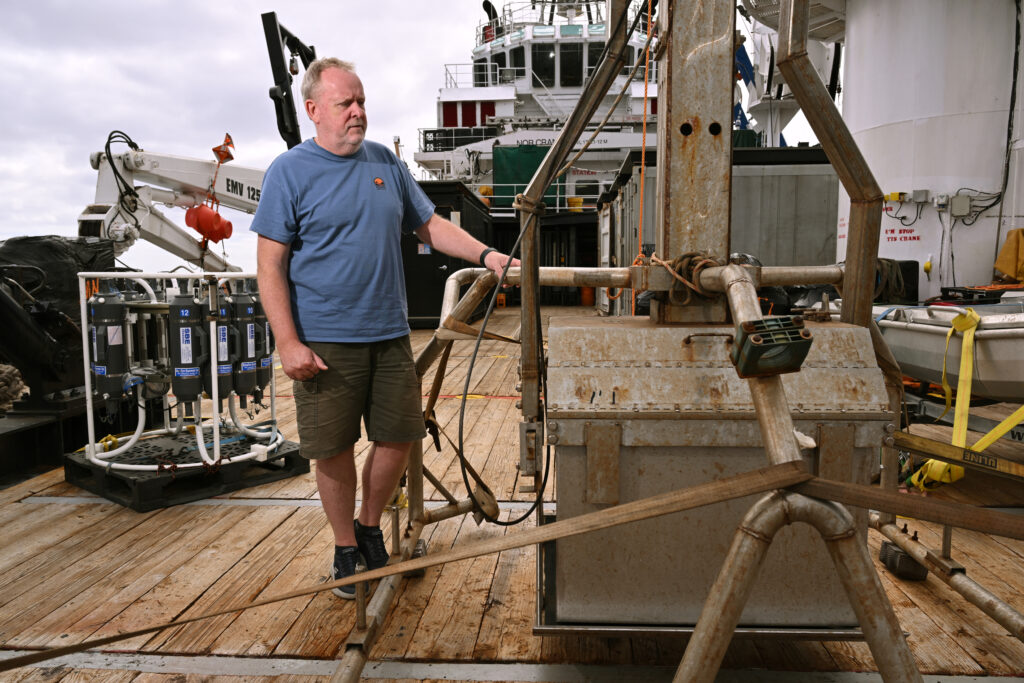
A leading deep-sea mining company in the paradisal Cook Islands is aiming to start commercial production by 2030, spurred on by Donald Trump’s recent backing for the much-maligned industry.Moana Minerals wants to mine a swathe of deep ocean in the South Pacific nation for polymetallic nodules, golf-ball sized lumps studded with metals like cobalt, nickel and manganese. Efforts to start commercial-scale production have been dogged by growing calls to ban the industry until its environmental impact is clear.But Moana Minerals boss Hans Smit said fresh momentum was building, citing the support of US President Trump. Trump earlier this year signed an executive order targeted at “unleashing” mineral resources found in the deep ocean. “What he’s done is tasked his people to go and look at it seriously,” Smit said.  “It certainly is helpful that we are engaging with a lot of people that in the past would not give us the time of day. But they are listening.”Both the United States and China have signalled renewed interest in deep-sea mining, which could offer a pipeline of critical minerals that helps insulate them from future trade ructions. Trump is eager to weaken China’s stranglehold on the coveted metals, which are used in everything from rechargeable batteries to military technology. Cook Islands — which lays claim to one of the world’s biggest deposits of polymetallic nodules — signed a contentious deep-sea mining cooperation deal with China earlier this year. US-based Smit had a simple message for those worried about China’s foray into the industry. “The people yelling at the Cook Islands for talking to the Chinese, I have a very simple statement for them: If you want to counter the Chinese, get off your arse and do something proactive.” Cook Islands’ Pacific neighbour Kiribati is also exploring a deep-sea mining deal with China. China already holds some of the world’s largest deposits of critical minerals and is fiercely protective of its position. Smit said he hoped to start industrial-scale deep-sea mining by the end of the decade. “I want to be mining before 2030. Yeah, absolutely, I think that we can.”- Frustration -The International Seabed Authority — which oversees deep-sea mining in international waters — has yet to adopt long-awaited rules governing the industry. Canada-based The Metals Company has indicated it could forge ahead and start mining international waters without the authority’s approval, applying instead for a mining permit under obscure and untested US laws. Those laws say US citizens can mine the ocean, as long as their activities lie outside the nation’s maritime territory. “I can understand why The Metals Company have done it,” Smit said. “I can understand their frustration and empathise with it. “But I still think there’s a lot to be unpacked before we’re going to have any clarity as to which way it’s going to go.” The Cook Islands government, which is supportive of deep-sea mining, said it would not set a time frame on when it hoped to have the industry under way. But the government said it remained “aligned” with the International Seabed Authority’s approach. “Cook Islands will remain steadfast in our precautionary approach,” government spokesman Edward Herman told AFP. “We believe that the Cook Islands government and the people can make an informed decision.”
Pacific nation ponders taking asylum seekers from US

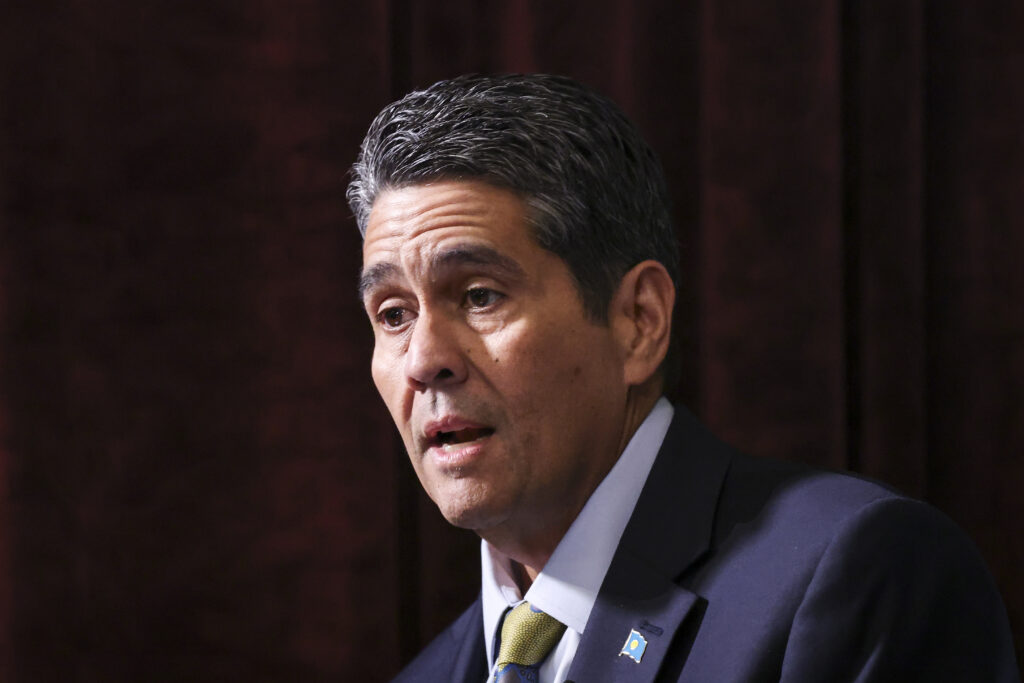
The United States is looking to send asylum seekers to the sparsely populated volcanic isles of Palau, the small South Pacific nation said Wednesday. Scattered about 800 kilometres (500 miles) east of the Philippines, tropical Palau has long been one of the United States’ closest allies in the Pacific. Palau President Surangel Whipps Jr last week received a request from Washington to accept “third-country nationals seeking asylum in the United States”, his office said in a statement. Whipps’ office told AFP on Wednesday the proposal was still under consideration by the nation’s powerful Council of Chiefs, an advisory body of traditional leaders. “A meeting was held last week. So far no decision has come out of that meeting,” a spokesman said. US President Donald Trump campaigned on a promise to expel millions of undocumented migrants, saying the country had been “inundated” by unwanted arrivals. He signed an executive order in January — titled “Protecting the American People Against Invasion” — that suspended admissions for countless refugees seeking haven in the United States. Key details of the proposed deal between Palau and the United States were not immediately clear, such as how many asylum seekers it would cover, or what Palau may get in return. “Based on the most recent draft agreement, Palau would have full discretion to decide whether or not to accept any individuals, and all actions would be consistent with our constitution and laws,” the Palau president’s office said in a statement.US Ambassador Joel Ehrendreich was present at a meeting of senior officials to discuss the request, according to photos published last week by the Palau president’s office. The United States has reportedly considered dispatching asylum seekers to the likes of El Salvador, Libya and Rwanda.With some 20,000 people spread across hundreds of volcanic isles and coral atolls, Palau is by population one of the smallest countries in the world. – A tricky ask -The Pacific microstate could find it difficult to deny Washington’s request. Palau gained independence in 1994 but allows the US military to use its territory under a longstanding “Compact of Free Association” agreement. In return, the United States gives Palau hundreds of millions of dollars in budgetary support and assumes responsibility for its national defence. The United States Embassy in Palau did not respond to an AFP request for comment. Since coming to power in 2021, Whipps has overseen the expansion of US military interests in Palau. This has included the ongoing construction of a long-range US radar outpost, a crucial early warning system as China ramps up military manuevers in the Taiwan Strait.Palau is one of the few remaining countries to recognise Taiwan’s claim to statehood. 

Une centaine d’ONG alertent sur le début d’une “famine de masse” à Gaza

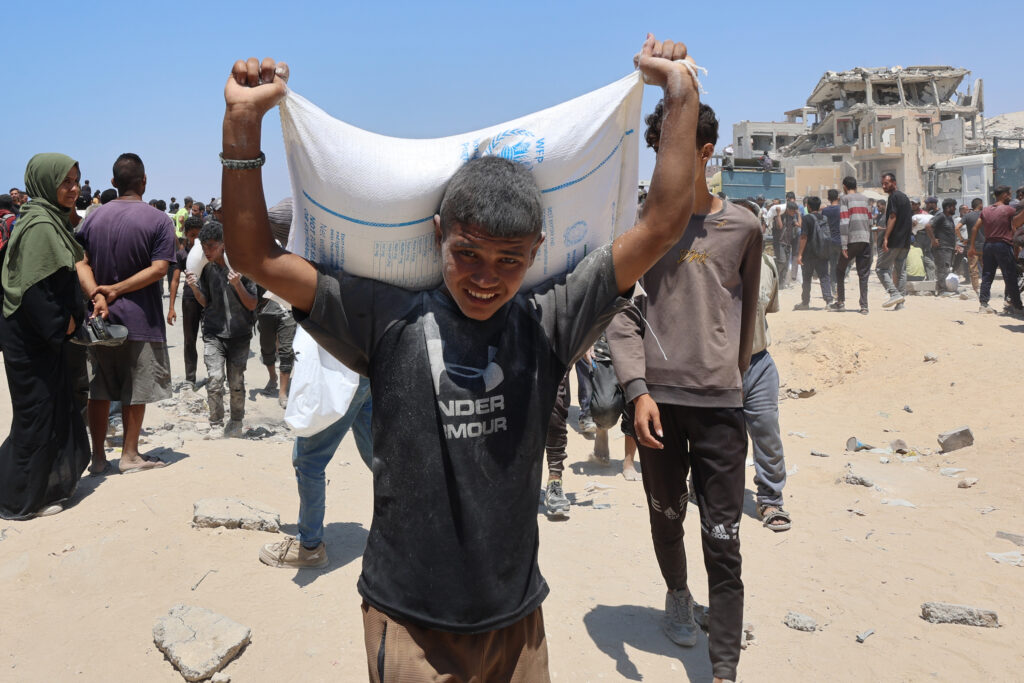
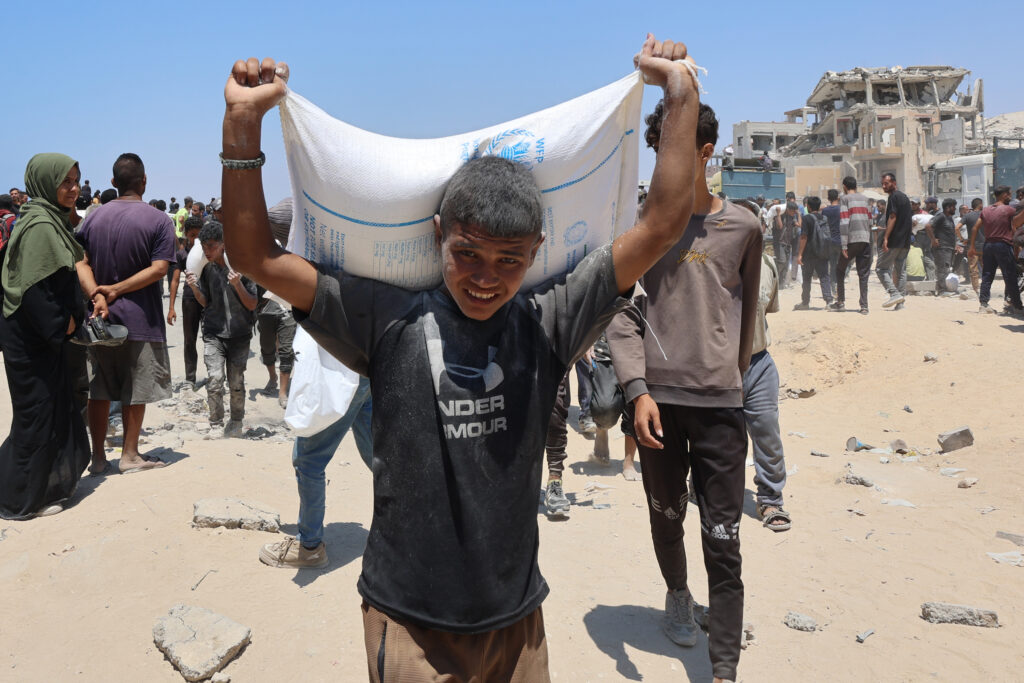
Plus d’une centaine d’organisations humanitaires ont averti mercredi qu’une “famine de masse” se propageait dans la bande de Gaza dévastée par la guerre, les Etats-Unis annonçant que l’émissaire Steve Witkoff se rendrait cette semaine en Europe afin de finaliser un “corridor” pour l’aide humanitaire.Israël fait face à une pression internationale croissante concernant la situation humanitaire dramatique de Gaza. Il a très partiellement assoupli fin mai un blocus total imposé début mars à l’enclave palestinienne, qui a entraîné de très graves pénuries de nourriture, médicaments et autres biens de première nécessité.Mardi, un hôpital de Gaza avait affirmé que 21 enfants étaient morts de malnutrition ou de faim en 72 heures dans le territoire assiégé, ravagé par plus de 21 mois de guerre, déclenchée par une attaque du Hamas le 7 octobre 2023 en Israël.”Alors qu’une famine de masse se propage dans la bande de Gaza, nos collègues et les personnes que nous aidons dépérissent”, indiquent dans un communiqué des ONG, dont Médecins sans frontières, plusieurs branches de Médecins du monde et Caritas, Amnesty international, ou encore Oxfam international.Elles appellent à un cessez-le-feu immédiat, à l’ouverture de tous les points de passage terrestres et à la libre circulation de l’aide humanitaire.Le Haut-Commissariat aux droits de l’homme de l’ONU a accusé l’armée israélienne d’avoir tué à Gaza depuis fin mai plus de 1.000 personnes qui cherchaient à obtenir de l’aide humanitaire, dont la grande majorité près de centres de la Fondation humanitaire de Gaza (GHF), une organisation soutenue par les Etats-Unis et Israël au financement opaque.Israël accuse de son côté le mouvement islamiste Hamas d’exploiter la souffrance des civils, notamment en volant la nourriture distribuée pour la revendre à des prix exorbitants ou en tirant sur les personnes qui attendent l’aide. La GHF fait elle aussi porter la responsabilité de la situation humanitaire sur le Hamas.Les autorités israéliennes affirment régulièrement laisser passer des quantités importantes d’aide, mais les ONG dénoncent de nombreuses restrictions.”Juste à l’extérieur de Gaza, dans des entrepôts – et même à l’intérieur – des tonnes de nourriture, d’eau potable, de fournitures médicales, de matériel d’hébergement et de carburant restent inutilisées, les organisations humanitaires étant empêchées d’y accéder ou de les livrer”, indiquent les organisations humanitaires.- “La malnutrition explose” -“Il suffit de regarder l’horreur qui se déroule à Gaza, avec un niveau de mort et de destruction sans équivalent dans l’histoire récente. La malnutrition explose. La famine frappe à toutes les portes”, a déclaré mardi le patron de l’ONU Antonio Guterres.A Gaza-ville (nord), le directeur de l’hôpital al-Chifa, Mohammed Abou Salmiya, a ainsi annoncé mardi que “21 enfants (étaient) morts de malnutrition ou de faim” en 72 heures dans plusieurs hôpitaux, y compris le sien. “A chaque moment, de nouveaux cas arrivent aux hôpitaux.”A l’hôpital Nasser (sud), des images de l’AFP ont montré des parents pleurant sur la dépouille de leur fils de 14 ans, Abdel Jawad al-Ghalban, mort de faim, dont le corps squelettique venait d’être enveloppé dans un sac mortuaire blanc.Dans ce contexte, l’émissaire américain Steve Witkoff se rend cette semaine pour une destination européenne non dévoilée, selon des responsables américains sous couvert d’anonymat, qui ont précisé qu’il pourrait se rendre ensuite au Moyen-Orient.Selon la porte-parole du département d’Etat Tammy Bruce, son objectif est de parvenir à “un nouveau cessez-le-feu, ainsi qu’à un corridor humanitaire pour l’acheminement de l’aide”.- Aucun progrès dans les négociations -Après plus de 21 mois de guerre, Israël continue de bombarder au quotidien le territoire situé à sa frontière sud et où le Hamas, considéré comme une organisation terroriste par les Etats-Unis, l’UE et Israël, a pris le pouvoir en 2007.”J’ai perdu mon mari, mon fils est blessé, j’ai faim et ma maison a disparu”, s’exclame Oum Rami Abou Karsh, une déplacée dans le camp d’Al-Chati (nord), qui abrite des milliers de déplacés.Les dernières négociations indirectes entre Israël et le Hamas en vue d’une trêve n’ont pas enregistré de progrès.Israël dit vouloir libérer les otages retenus à Gaza, chasser le Hamas de Gaza et prendre le contrôle du territoire. Le Hamas réclame le retrait israélien de Gaza, l’entrée d’importantes aides et l’arrêt définitif de la guerre.L’attaque du 7-Octobre a entraîné côté israélien la mort de 1.219 personnes, en majorité des civils, selon un décompte de l’AFP réalisé à partir de données officielles. Sur les 251 personnes enlevées ce jour-là, 49 sont toujours otages à Gaza, dont 27 ont été déclarées mortes par l’armée.En riposte, Israël a juré de détruire le Hamas et lancé une campagne militaire d’envergure à Gaza qui a coûté la vie à 59.106 personnes, majoritairement des civils, selon des données du ministère de la Santé à Gaza, jugées fiables par l’ONU. L’offensive israélienne a également provoqué des destructions colossales.

Une centaine d’ONG alertent sur le début d’une “famine de masse” à Gaza

Plus d’une centaine d’organisations humanitaires ont averti mercredi qu’une “famine de masse” se propageait dans la bande de Gaza dévastée par la guerre, les Etats-Unis annonçant que l’émissaire Steve Witkoff se rendrait cette semaine en Europe afin de finaliser un “corridor” pour l’aide humanitaire.Israël fait face à une pression internationale croissante concernant la situation humanitaire dramatique de Gaza. Il a très partiellement assoupli fin mai un blocus total imposé début mars à l’enclave palestinienne, qui a entraîné de très graves pénuries de nourriture, médicaments et autres biens de première nécessité.Mardi, un hôpital de Gaza avait affirmé que 21 enfants étaient morts de malnutrition ou de faim en 72 heures dans le territoire assiégé, ravagé par plus de 21 mois de guerre, déclenchée par une attaque du Hamas le 7 octobre 2023 en Israël.”Alors qu’une famine de masse se propage dans la bande de Gaza, nos collègues et les personnes que nous aidons dépérissent”, indiquent dans un communiqué des ONG, dont Médecins sans frontières, plusieurs branches de Médecins du monde et Caritas, Amnesty international, ou encore Oxfam international.Elles appellent à un cessez-le-feu immédiat, à l’ouverture de tous les points de passage terrestres et à la libre circulation de l’aide humanitaire.Le Haut-Commissariat aux droits de l’homme de l’ONU a accusé l’armée israélienne d’avoir tué à Gaza depuis fin mai plus de 1.000 personnes qui cherchaient à obtenir de l’aide humanitaire, dont la grande majorité près de centres de la Fondation humanitaire de Gaza (GHF), une organisation soutenue par les Etats-Unis et Israël au financement opaque.Israël accuse de son côté le mouvement islamiste Hamas d’exploiter la souffrance des civils, notamment en volant la nourriture distribuée pour la revendre à des prix exorbitants ou en tirant sur les personnes qui attendent l’aide. La GHF fait elle aussi porter la responsabilité de la situation humanitaire sur le Hamas.Les autorités israéliennes affirment régulièrement laisser passer des quantités importantes d’aide, mais les ONG dénoncent de nombreuses restrictions.”Juste à l’extérieur de Gaza, dans des entrepôts – et même à l’intérieur – des tonnes de nourriture, d’eau potable, de fournitures médicales, de matériel d’hébergement et de carburant restent inutilisées, les organisations humanitaires étant empêchées d’y accéder ou de les livrer”, indiquent les organisations humanitaires.- “La malnutrition explose” -“Il suffit de regarder l’horreur qui se déroule à Gaza, avec un niveau de mort et de destruction sans équivalent dans l’histoire récente. La malnutrition explose. La famine frappe à toutes les portes”, a déclaré mardi le patron de l’ONU Antonio Guterres.A Gaza-ville (nord), le directeur de l’hôpital al-Chifa, Mohammed Abou Salmiya, a ainsi annoncé mardi que “21 enfants (étaient) morts de malnutrition ou de faim” en 72 heures dans plusieurs hôpitaux, y compris le sien. “A chaque moment, de nouveaux cas arrivent aux hôpitaux.”A l’hôpital Nasser (sud), des images de l’AFP ont montré des parents pleurant sur la dépouille de leur fils de 14 ans, Abdel Jawad al-Ghalban, mort de faim, dont le corps squelettique venait d’être enveloppé dans un sac mortuaire blanc.Dans ce contexte, l’émissaire américain Steve Witkoff se rend cette semaine pour une destination européenne non dévoilée, selon des responsables américains sous couvert d’anonymat, qui ont précisé qu’il pourrait se rendre ensuite au Moyen-Orient.Selon la porte-parole du département d’Etat Tammy Bruce, son objectif est de parvenir à “un nouveau cessez-le-feu, ainsi qu’à un corridor humanitaire pour l’acheminement de l’aide”.- Aucun progrès dans les négociations -Après plus de 21 mois de guerre, Israël continue de bombarder au quotidien le territoire situé à sa frontière sud et où le Hamas, considéré comme une organisation terroriste par les Etats-Unis, l’UE et Israël, a pris le pouvoir en 2007.”J’ai perdu mon mari, mon fils est blessé, j’ai faim et ma maison a disparu”, s’exclame Oum Rami Abou Karsh, une déplacée dans le camp d’Al-Chati (nord), qui abrite des milliers de déplacés.Les dernières négociations indirectes entre Israël et le Hamas en vue d’une trêve n’ont pas enregistré de progrès.Israël dit vouloir libérer les otages retenus à Gaza, chasser le Hamas de Gaza et prendre le contrôle du territoire. Le Hamas réclame le retrait israélien de Gaza, l’entrée d’importantes aides et l’arrêt définitif de la guerre.L’attaque du 7-Octobre a entraîné côté israélien la mort de 1.219 personnes, en majorité des civils, selon un décompte de l’AFP réalisé à partir de données officielles. Sur les 251 personnes enlevées ce jour-là, 49 sont toujours otages à Gaza, dont 27 ont été déclarées mortes par l’armée.En riposte, Israël a juré de détruire le Hamas et lancé une campagne militaire d’envergure à Gaza qui a coûté la vie à 59.106 personnes, majoritairement des civils, selon des données du ministère de la Santé à Gaza, jugées fiables par l’ONU. L’offensive israélienne a également provoqué des destructions colossales.

The Pacific island nation that wants to mine the ocean floor

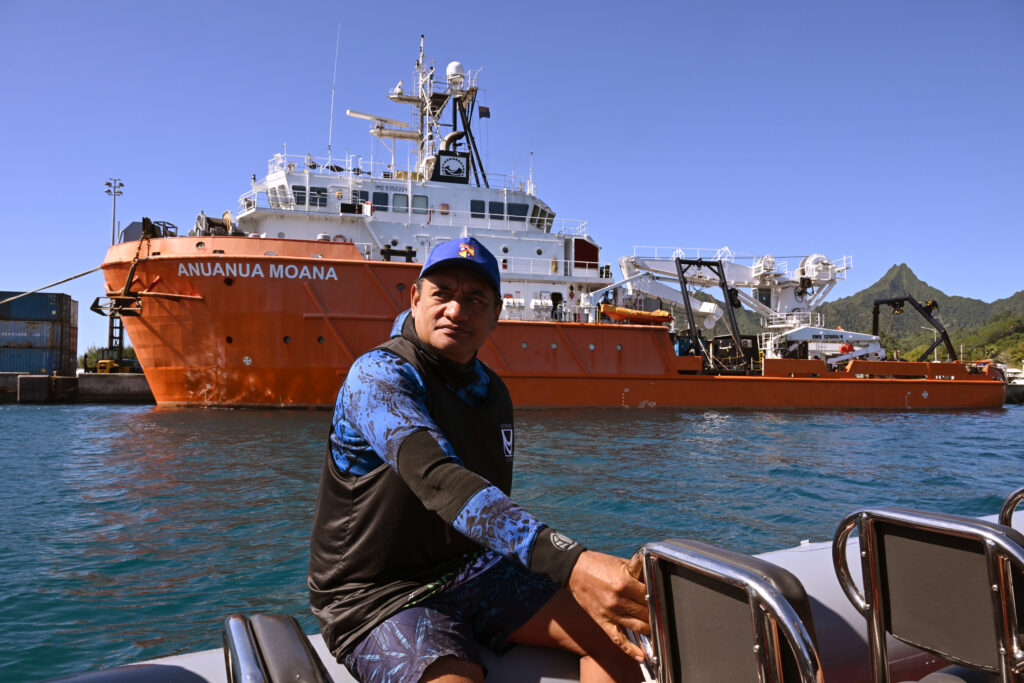
A 1,000-tonne ship is exploring the far-flung South Pacific for riches buried beneath the waves, spearheading efforts to dredge the tropical waters for industrial deep-sea mining.Fringed by sparkling lagoons and palm-shaded beaches, Pacific nation the Cook Islands has opened its vast ocean territory for mining exploration.Research vessels roam the seas searching for deposits of battery metals, rare earths and critical minerals that litter the deep ocean’s abyssal plains.The frontier industry is likened by some to a modern-day gold rush, and decried by others as environmental “madness”.AFP visited the sunburst-orange MV Anuanua Moana at the Cook Islands’ sleepy port of Avatiu, where it loaded supplies before setting sail for the archipelago’s outer reaches.”The resource in our field is probably in the order of about US$4 billion in potential value,” said chief executive Hans Smit from Moana Minerals, which converted the former supply ship into a deepwater research vessel. It is fitted with chemistry labs, sonar arrays and sensors used to probe the seabed for coveted metals.For two years it has sailed the Cook Islands, halfway between New Zealand and Hawaii, gathering data to convince regulators that deep-sea mining is safe. While exploration is far advanced, no company has started mining on a commercial scale. – Big business -“I want to be mining before 2030,” Smit said from the ship’s tower, as whirring cranes loaded wooden crates of heavy gear below. “Absolutely, I think that we can.”Large tracts of seabed around the Cook Islands are carpeted in polymetallic nodules, misshapen black globes encrusted with cobalt, nickel, manganese and other coveted metals.   Demand has been driven by the rise of electric vehicles, rechargeable batteries and durable alloys used in everything from construction to medicine.The Cook Islands lay claim to one of just four major nodule deposits globally.It is “the world’s largest and richest resource of polymetallic nodules within a sovereign territory”, according to Australia’s University of Queensland.Moana Minerals — a subsidiary of a Texas-based company — owns the rights to explore 20,000 square kilometres (7,500 square miles) within the Cook Islands’ exclusive economic zone. “If we put one mining ship on there, and we started producing metals, we will be one of the largest mines around,” said Smit.- ‘Belongs to us’ -Few countries are as reliant on the ocean as the Cook Islands, a seafaring nation of some 17,000 people scattered across a chain of volcanic isles and coral atolls. Pristine lagoons lure wealthy tourists that prop-up the economy, fridges are stocked with fish plucked from vibrant reefs, and local myths teach children to revere the sea. Many Cook Islanders fear deep-sea mining could taint their precious “moana”, or ocean, forever. “I have seen the ship in the harbour,” said tour guide Ngametua Mamanu, 55.”Why do we need the mining stuff to destroy the oceans?” Retiree Ana Walker, 74, feared foreign interests had come to plunder her island home. “We think that these people are coming over to make money and to leave the mess with us.”Deep-sea mining companies tout the need for critical minerals to make electric vehicles, solar panels and other “green” technologies. The idea holds some allure in a place like the Cook Islands, where climate change is linked to droughts, destructive cyclones and rising seas. “If all goes well, there is good that can come out of it. Financially,” said third-generation pearl farmer James Kora, 31. “But it relies on how well we manage all those minerals. If the science says it’s safe.”- ‘Guinea pigs’ -Marine biologist Teina Rongo squinted into the sunlight as his small boat motored past the Anuanua Moana, an emblem of an industry he views with deep distrust. “We were never about exploring the bottom of the ocean, because our ancestors believed it is a place of the gods,” said Rongo.”We don’t belong there.” Deep-sea mining companies are still figuring the best way to retrieve nodules that can lie five kilometres (three miles) or more beneath the waves. Most focus on robotic harvesting machines, which scrape up nodules as they crawl the ocean floor. Critics fear mining will smother marine life with plumes of waste, and that the alien noise of heavy machinery will disrupt oceanic migrations. Environmentalist Alanna Smith said researchers knew very little about the deep ocean.”We’d really be the guinea pigs of this industry, going first in.”It’s a risky, risky move.”- Powerful friends -A US-backed research expedition in the 1950s was the first to discover the “enormous fields” of polymetallic nodules in the South Pacific. Waves of Japanese, French, American and Russian ships sailed the Cook Islands in the following decades to map this trove. But deep-sea mining was largely a fringe idea until around 2018, when the burgeoning electric vehicle industry sent metal prices soaring. Mining companies are now vying to exploit the world’s four major nodule fields — three in international waters, and the fourth in the Cook Islands.The International Seabed Authority meets this month to mull rules that could pave the way for mining in international waters.Although the Cook Islands can mine its territory without the authority’s approval, it still has a stake in the decision. The Cook Islands also own one of 17 contracts to hunt for nodules in the international waters of the Clarion-Clipperton Zone, halfway between Mexico and Hawaii.So far, the Cook Islands has said its approach — even in its own waters — would be closely “aligned” with the authority’s rules.But it remains unclear if it will proceed without those regulations.”We’re not setting time frames in terms of when we want to get this started,” said Edward Herman, from the Cook Islands’ Seabed Minerals Authority. “I think the time frames will be determined based on what the research and the science and the data tells us.”Many of the Cook Islands’ South Pacific neighbours want to see deep-sea mining banned. French President Emmanuel Macron delivered a scathing indictment in June, saying the “predatory” industry was environmental “madness”. But the Cook Islands has powerful friends. It signed an agreement with China earlier this year for the “exploration and research of seabed mineral resources”.”There was a lot of noise,” said Herman, referencing the backlash over the China deal. “And obviously there’s a lot of interest… whenever China engages with anyone in the Pacific. “And we understand, we accept it, and we will continue.” 

Trump announces ‘massive’ Japan trade deal including 15% tariff

US President Donald Trump announced Tuesday a “massive” trade deal with Japan, cutting a threatened 25-percent tariff to 15 percent ahead of an August 1 deadline.Trump has vowed to hit dozens of countries with punitive tariffs if they don’t strike a deal with the United States by next month.So far, Trump has only announced pacts with Japan, Britain, Vietnam, the Philippines and Indonesia, while talks continue with other trade partners. “We just completed a massive Deal with Japan, perhaps the largest Deal ever made,” Trump said on his Truth Social platform. Trump said that under the deal, “Japan will invest, at my direction, $550 Billion Dollars into the United States, which will receive 90% of the Profits.”He did not provide further details on the unusual investment plan, but said the deal “will create Hundreds of Thousands of Jobs.”Japanese imports into the United States were already subject to a 10-percent tariff, which would have risen to 25 percent on August 1 without a deal.Duties of 25 percent on Japanese autos — an industry accounting for eight percent of Japanese jobs — were also already in place, as well as 50 percent on steel and aluminum.Japanese Prime Minister Shigeru Ishiba said on Wednesday in Tokyo that the autos levy was cut to 15 percent.”We are the first (country) in the world to reduce tariffs on automobiles and auto parts, with no limits on volume,” he told reporters.”We think it is a great achievement that we were able to get the largest cut (in tariffs) among countries which have trade surpluses with the US,” he said.This sent Japanese auto stocks soaring on Wednesday, including Toyota which rocketed more than 12 percent.US-bound shipments of Japanese cars tumbled 26.7 percent in June, stoking fears that Japan could fall into a technical recession.Last year vehicles accounted for around 28 percent of Japan’s 21.3 trillion yen ($142 billion) of exports to the world’s biggest economy.To Trump’s annoyance, US-made cars sell poorly in Japan, with only hundreds sold annually for the likes of General Motors, compared to millions of Toyotas bought by US motorists.The US president also wanted Japan to increase imports of rice, the price of which has soared in recent months in the Asian giant, and of US oil and gas.- Rice imports? -But Trump said Tuesday that Japan has agreed to “open their Country to Trade including Cars and Trucks, Rice and certain other Agricultural Products, and other things.”Rice imports are a sensitive issue in Japan, and Ishiba’s government — which lost its upper house majority in elections on Sunday — had previously ruled out any concessions.Ishiba, whose future is uncertain following the election, said on Wednesday that the deal does not sacrifice Japan’s agricultural sector.Trump has been under pressure to wrap up trade pacts after promising a flurry of deals ahead of his August 1 tariff deadline.Earlier on Tuesday, he announced a deal had been reached with the Philippines which would see the country face 19 percent tariffs on its exports.The White House also laid out details of a deal with Indonesia, which would see it ease critical mineral export restrictions and also face a 19 percent tariff, down from a threatened 32 percent.Indonesian goods deemed to have been transshipped to avoid higher duties elsewhere, however, will be tariffed at 40 percent, a US official told reporters Tuesday.After an escalatory tit-for-tat with China, the two major economies agreed to a temporary lowering of tariffs, with another round of negotiations expected next week in Stockholm.Since returning to the White House in January, Trump has imposed a sweeping 10 percent tariff on allies and competitors alike, alongside steeper levels on steel, aluminum and autos.Legal challenges to Trump’s non-sectoral tariffs are ongoing.

Trump announces ‘massive’ Japan trade deal including 15% tariff

US President Donald Trump announced Tuesday a “massive” trade deal with Japan, cutting a threatened 25-percent tariff to 15 percent ahead of an August 1 deadline.Trump has vowed to hit dozens of countries with punitive tariffs if they don’t strike a deal with the United States by next month.So far, Trump has only announced pacts with Japan, Britain, Vietnam, the Philippines and Indonesia, while talks continue with other trade partners. “We just completed a massive Deal with Japan, perhaps the largest Deal ever made,” Trump said on his Truth Social platform. Trump said that under the deal, “Japan will invest, at my direction, $550 Billion Dollars into the United States, which will receive 90% of the Profits.”He did not provide further details on the unusual investment plan, but said the deal “will create Hundreds of Thousands of Jobs.”Japanese imports into the United States were already subject to a 10-percent tariff, which would have risen to 25 percent on August 1 without a deal.Duties of 25 percent on Japanese autos — an industry accounting for eight percent of Japanese jobs — were also already in place, as well as 50 percent on steel and aluminum.Japanese Prime Minister Shigeru Ishiba said on Wednesday in Tokyo that the autos levy was cut to 15 percent.”We are the first (country) in the world to reduce tariffs on automobiles and auto parts, with no limits on volume,” he told reporters.”We think it is a great achievement that we were able to get the largest cut (in tariffs) among countries which have trade surpluses with the US,” he said.This sent Japanese auto stocks soaring on Wednesday, including Toyota which rocketed more than 12 percent.US-bound shipments of Japanese cars tumbled 26.7 percent in June, stoking fears that Japan could fall into a technical recession.Last year vehicles accounted for around 28 percent of Japan’s 21.3 trillion yen ($142 billion) of exports to the world’s biggest economy.To Trump’s annoyance, US-made cars sell poorly in Japan, with only hundreds sold annually for the likes of General Motors, compared to millions of Toyotas bought by US motorists.The US president also wanted Japan to increase imports of rice, the price of which has soared in recent months in the Asian giant, and of US oil and gas.- Rice imports? -But Trump said Tuesday that Japan has agreed to “open their Country to Trade including Cars and Trucks, Rice and certain other Agricultural Products, and other things.”Rice imports are a sensitive issue in Japan, and Ishiba’s government — which lost its upper house majority in elections on Sunday — had previously ruled out any concessions.Ishiba, whose future is uncertain following the election, said on Wednesday that the deal does not sacrifice Japan’s agricultural sector.Trump has been under pressure to wrap up trade pacts after promising a flurry of deals ahead of his August 1 tariff deadline.Earlier on Tuesday, he announced a deal had been reached with the Philippines which would see the country face 19 percent tariffs on its exports.The White House also laid out details of a deal with Indonesia, which would see it ease critical mineral export restrictions and also face a 19 percent tariff, down from a threatened 32 percent.Indonesian goods deemed to have been transshipped to avoid higher duties elsewhere, however, will be tariffed at 40 percent, a US official told reporters Tuesday.After an escalatory tit-for-tat with China, the two major economies agreed to a temporary lowering of tariffs, with another round of negotiations expected next week in Stockholm.Since returning to the White House in January, Trump has imposed a sweeping 10 percent tariff on allies and competitors alike, alongside steeper levels on steel, aluminum and autos.Legal challenges to Trump’s non-sectoral tariffs are ongoing.