


La Thaïlande se prépare pour un troisième Premier ministre en trois jours
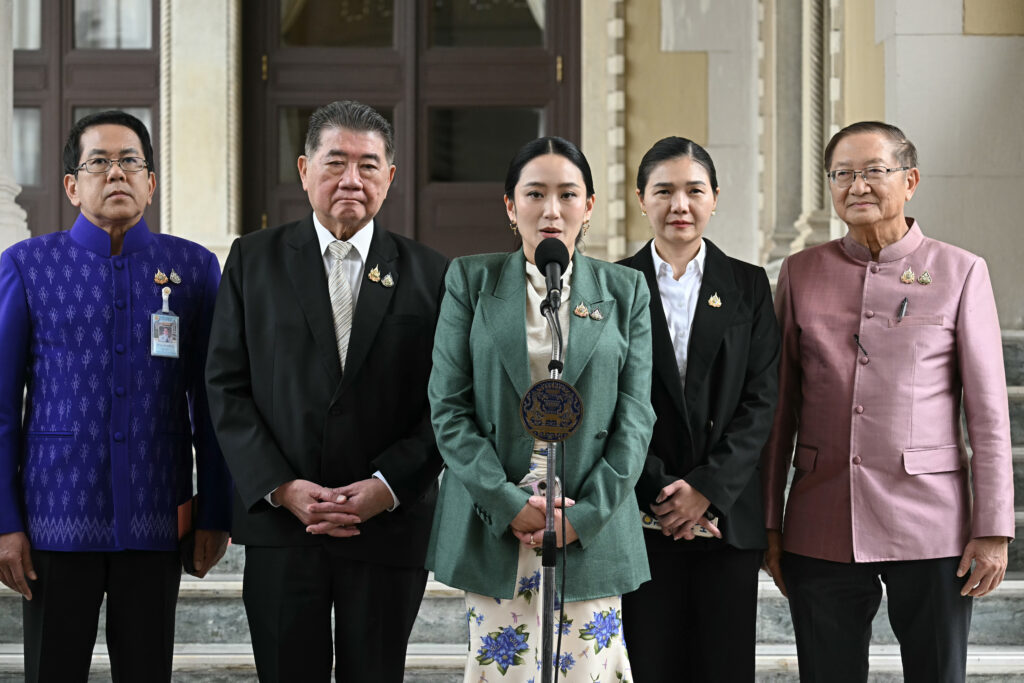
Un gouvernement remanié va prêter serment devant le roi jeudi, avec un nouveau Premier ministre intérimaire à sa tête, le troisième en trois jours, alors que la Thaïlande traverse une énième crise politique, centrée autour de la dynastie Shinawatra.Phumtham Wechayachai, 71 ans, futur ministre de l’Intérieur, est appelé à relever Suriya Jungrungreangkit, qui a pris les commandes provisoires du cabinet après la suspension par la justice de la Première ministre Paetongtarn Shinawatra, mardi.Bien qu’au cœur d’une procédure devant la Cour constitutionnelle qui risque de conduire à sa destitution, Paetongtarn doit occuper la fonction de ministre de la Culture, ce qui lui permettra de garder un œil à l’intérieur des affaires de l’Etat.La crise en cours est appelée à durer des semaines, voire des mois, le temps que les juges délibèrent sur le cas de la dirigeante, accusée de manquements à l’éthique lors d’un appel avec l’ex-Premier ministre cambodgien Hun Sen qui a fuité.Plus jeune Première ministre qu’ait connue le royaume (38 ans), Paetongtarn est l’héritière de la dynastie initiée par son père Thaksin, qui a longtemps incarné l’alternative au statu quo défendu par l’establishment militaro-royaliste.- Lieutenant loyal -Depuis les années 2000, leurs querelles tenaces ont nourri la réputation d’instabilité du royaume, de quoi dissuader les investisseurs et laisser flotter en permanence le scénario d’un coup d’Etat.Aujourd’hui, le gouvernement se trouve au devant de décisions cruciales, liées à la menace de se voir imposer une surtaxe de 36% sur ses exportations vers les Etats-Unis. Des émissaires de Bangkok doivent rencontrer des représentants de la Maison Blanche jeudi.Phumtham Wechayachai est considéré comme un loyal lieutenant de Thaksin, le charismatique milliardaire qui a dynamité les codes de la politique thaïlandaise dans les années 2000, avec un style à mi-chemin entre libéralisme et autoritarisme, qui lui a valu autant l’adulation des milieux ruraux que la haine des élites de Bangkok.Le clivant magnat des télécoms, qui a dirigé le pays de 2001 à 2006 jusqu’à un coup d’Etat, est aussi dans le collimateur de la justice: son procès pour lèse-majesté, pour lequel il risque jusqu’à 15 ans de prison, a débuté mardi et les auditions doivent durer jusqu’à la fin du mois de juillet.Avant son intronisation, Phumtham a assuré que Paetongtarn allait “survivre à l’enquête”.Ce vieux routier de la politique locale, qui a participé au mouvement étudiant communiste dans les années 1970, a occupé le poste de ministre de la Défense dans le précédent gouvernement, sans avoir réussi à endiguer la montée des tensions à la frontière avec le Cambodge, après la mort d’un soldat khmer à la suite d’un échange de tirs nocturnes fin mai.Bien que le climat soit toujours miné avec le voisin cambodgien, le poste de ministre de la Défense a été laissé vacant dans le nouveau cabinet.Par le passé, l’instabilité gouvernementale a aussi servi de justification à l’armée pour prendre le pouvoir. La Thaïlande a connu une douzaine de coups d’Etat réussis depuis la fin de la monarchie absolue en 1932, et le dernier putsch remonte à 2014, contre la sœur de Thaksin, Yingluck.
La Thaïlande se prépare pour un troisième Premier ministre en trois jours
Un gouvernement remanié va prêter serment devant le roi jeudi, avec un nouveau Premier ministre intérimaire à sa tête, le troisième en trois jours, alors que la Thaïlande traverse une énième crise politique, centrée autour de la dynastie Shinawatra.Phumtham Wechayachai, 71 ans, futur ministre de l’Intérieur, est appelé à relever Suriya Jungrungreangkit, qui a pris les commandes provisoires du cabinet après la suspension par la justice de la Première ministre Paetongtarn Shinawatra, mardi.Bien qu’au cœur d’une procédure devant la Cour constitutionnelle qui risque de conduire à sa destitution, Paetongtarn doit occuper la fonction de ministre de la Culture, ce qui lui permettra de garder un œil à l’intérieur des affaires de l’Etat.La crise en cours est appelée à durer des semaines, voire des mois, le temps que les juges délibèrent sur le cas de la dirigeante, accusée de manquements à l’éthique lors d’un appel avec l’ex-Premier ministre cambodgien Hun Sen qui a fuité.Plus jeune Première ministre qu’ait connue le royaume (38 ans), Paetongtarn est l’héritière de la dynastie initiée par son père Thaksin, qui a longtemps incarné l’alternative au statu quo défendu par l’establishment militaro-royaliste.- Lieutenant loyal -Depuis les années 2000, leurs querelles tenaces ont nourri la réputation d’instabilité du royaume, de quoi dissuader les investisseurs et laisser flotter en permanence le scénario d’un coup d’Etat.Aujourd’hui, le gouvernement se trouve au devant de décisions cruciales, liées à la menace de se voir imposer une surtaxe de 36% sur ses exportations vers les Etats-Unis. Des émissaires de Bangkok doivent rencontrer des représentants de la Maison Blanche jeudi.Phumtham Wechayachai est considéré comme un loyal lieutenant de Thaksin, le charismatique milliardaire qui a dynamité les codes de la politique thaïlandaise dans les années 2000, avec un style à mi-chemin entre libéralisme et autoritarisme, qui lui a valu autant l’adulation des milieux ruraux que la haine des élites de Bangkok.Le clivant magnat des télécoms, qui a dirigé le pays de 2001 à 2006 jusqu’à un coup d’Etat, est aussi dans le collimateur de la justice: son procès pour lèse-majesté, pour lequel il risque jusqu’à 15 ans de prison, a débuté mardi et les auditions doivent durer jusqu’à la fin du mois de juillet.Avant son intronisation, Phumtham a assuré que Paetongtarn allait “survivre à l’enquête”.Ce vieux routier de la politique locale, qui a participé au mouvement étudiant communiste dans les années 1970, a occupé le poste de ministre de la Défense dans le précédent gouvernement, sans avoir réussi à endiguer la montée des tensions à la frontière avec le Cambodge, après la mort d’un soldat khmer à la suite d’un échange de tirs nocturnes fin mai.Bien que le climat soit toujours miné avec le voisin cambodgien, le poste de ministre de la Défense a été laissé vacant dans le nouveau cabinet.Par le passé, l’instabilité gouvernementale a aussi servi de justification à l’armée pour prendre le pouvoir. La Thaïlande a connu une douzaine de coups d’Etat réussis depuis la fin de la monarchie absolue en 1932, et le dernier putsch remonte à 2014, contre la sœur de Thaksin, Yingluck.
Drought-hit Morocco turns to desalination to save vegetable bountyThu, 03 Jul 2025 03:14:34 GMT
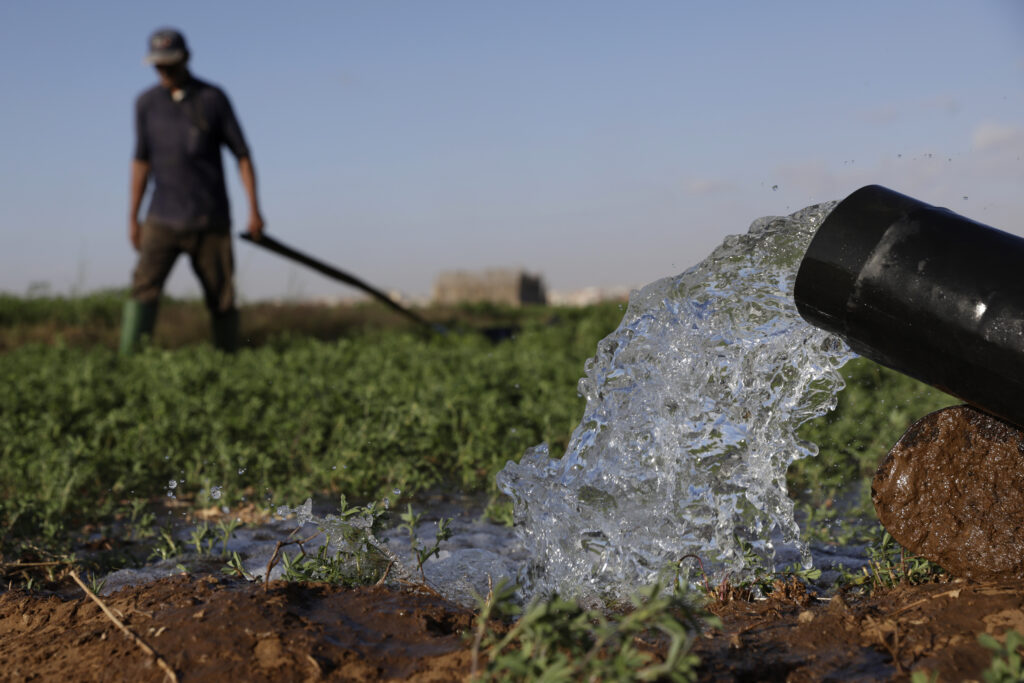
On the drought-stricken plains of Morocco’s Chtouka region, cherry tomato farms stretch as far as the eye can see, clinging to life through a single, environmentally contentious lifeline: desalination.”We wouldn’t be here without it,” said Abir Lemseffer, who manages production for the tomato giant Azura.Severe drought driven by climate change has gripped the North African …
Drought-hit Morocco turns to desalination to save vegetable bounty
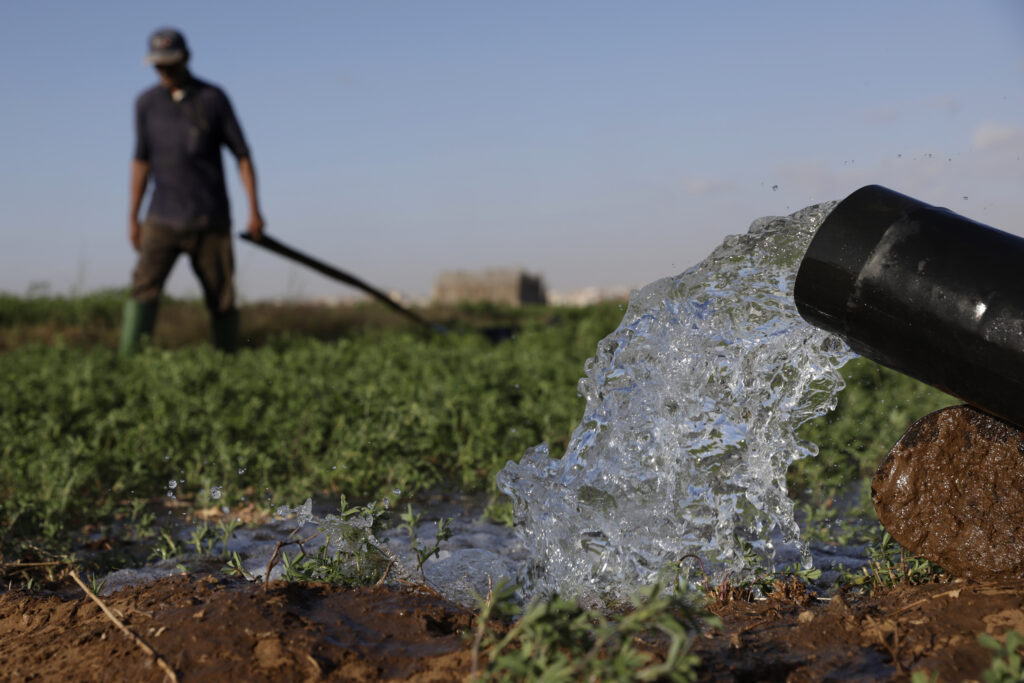
On the drought-stricken plains of Morocco’s Chtouka region, cherry tomato farms stretch as far as the eye can see, clinging to life through a single, environmentally contentious lifeline: desalination.”We wouldn’t be here without it,” said Abir Lemseffer, who manages production for the tomato giant Azura.Severe drought driven by climate change has gripped the North African country since 2018, leaving Azura’s 800 hectares (2,000 acres) of farms entirely dependent on desalinated water.But the technology comes at a high cost — both financially and environmentally.It is energy-intensive, and in a country where more than half of the electricity still comes from coal, it carries a heavy carbon footprint.Since 2022, Morocco’s largest desalination plant, located nearby, has been producing 125,000 cubic metres (4.4 million cubic feet) of water a day.The supply irrigates 12,000 hectares of farmland and provides drinking water for 1.6 million people in Agadir and surrounding areas, said Ayoub Ramdi of the regional agricultural development office.By the end of 2026, officials hope to boost production to 400,000 cubic metres of water, half of which would be designated for agriculture.Without that water, “a catastrophic scenario would loom over Morocco”, said Rqia Bourziza, an agronomist.Agriculture, which contributes about 12 percent to Morocco’s overall economy, has been badly hit by six consecutive years of drought — prompting the country to go all-in on desalination.Across Morocco, there are 16 plants capable of producing 270 million cubic metres of water per year, with a target of reaching 1.7 billion cubic metres by 2030.- Pricey water -While around 1,500 farmers in the Agadir region make use of the water provided by the plant, others don’t because it’s simply too expensive.Among them is Hassan, who grows courgettes and peppers on half a hectare of land and uses water from a well shared with 60 other farmers.”I can’t afford to use that water,” he said, declining to give his full name.Desalinated water is sold at $0.56 per cubic metre, excluding taxes, compared with $0.11 per cubic metre for conventional water.That hefty price tag comes despite a 40 percent subsidy from public coffers.Ali Hatimy, another agronomist, said “the cost of desalinated water significantly reduces the range of potential crops because only very high-value-added crops can offset it”.Bourziza insisted that desalination was “a very good alternative” but only for high-value crops such as tomatoes and orchard fruits.Beyond the financial cost, desalination also exerts an environmental cost, said Hatimy.”The production of desalinated water requires tremendous amounts of electrical energy and brine discharges impact marine ecosystems,” he said.Highly concentrated brine is a byproduct of the desalination process.Ramdi, from the agricultural development office, said that “no impact” had been observed in the waters around Agadir, adding that the brine was diluted before its release.While Morocco has a growing share of renewable energy, 62 percent of its electricity came from coal in 2023 and 14 percent from oil and gas, according to the International Energy Agency.- Insufficient groundwater -The stakes in the wider region of Souss-Massa, which accounts for 85 percent of Morocco’s fruit and vegetable exports, are high.Nearly two million tonnes are produced each year, with a turnover of $1.1 billion.Ramdi said the desalination plant had thus helped to protect $1 billion of revenue a year and more than a million jobs.”Desalination has saved agriculture in Chtouka,” said Mohamed Boumarg, walking through one of his tomato greenhouses.”Before, I only cultivated five hectares because I was constrained by the amount of water I had. Groundwater was not sufficient,” said the 38-year-old farmer who now grows 20 hectares of tomatoes, with 60 percent of his crop marked for export.”Our survival depends on it,” said Lemseffer of Azura. “Either we accept sacrificing some of our margin by using desalinated water, or we close up shop.”
Asian stocks mixed as traders shrug at US-Vietnam trade deal
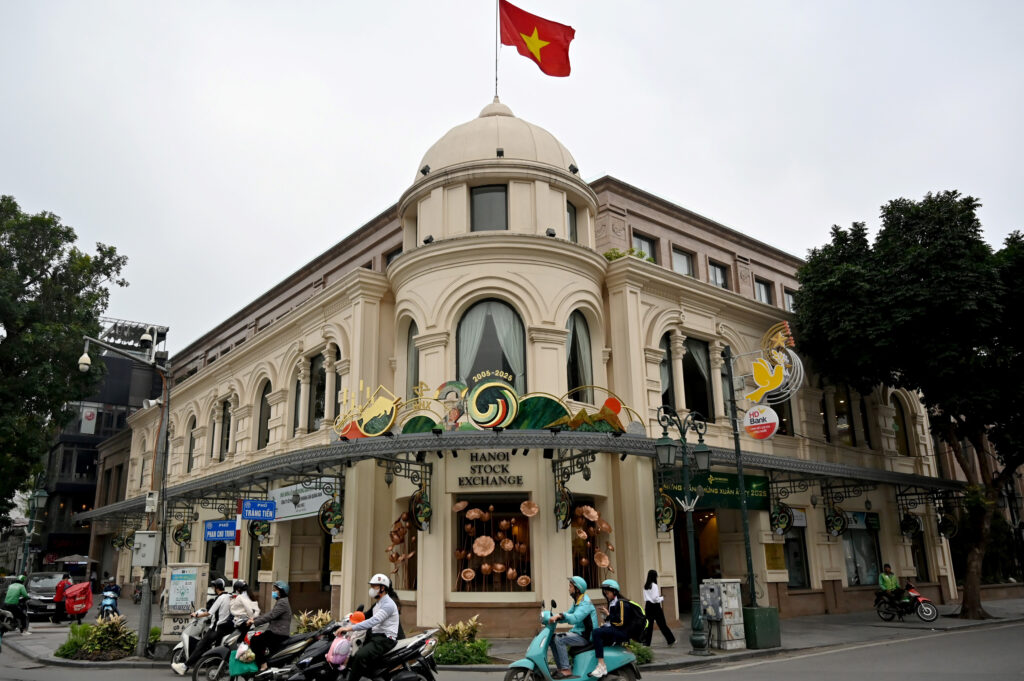
Stocks struggled in Asia on Thursday as investors gave a lukewarm reception to the US-Vietnam trade deal, while the dollar eased ahead of key US jobs data that could impact Federal Reserve interest rates plans.Attention was also on Washington as Republicans struggled to push Donald Trump’s tax-slashing budget bill through the House of Representatives amid warnings it will inflate an already ballooning national debt.While the Vietnam agreement provided hope that other governments can reach agreements with Washington, dealers were cautious as it emerged that the country must still pay tolls of as much as 40 percent for certain exports.With less than a week left until the US president’s July 9 deadline to hammer out pacts to avoid his “reciprocal” levies, just three countries have done so — stoking worries his “Liberation Day” measures will kick in and spark fresh market turmoil.In a post on his Truth Social platform, Trump wrote: “It is my Great Honor to announce that I have just made a Trade Deal with the Socialist Republic of Vietnam after speaking with To Lam, the Highly Respected General Secretary of the Communist Party of Vietnam.”He said that under the “Great Deal of Cooperation”, imports of Vietnamese goods will face a 20 percent US tariff, while goods that pass through Vietnam to circumvent steeper trade barriers — so-called “transshipping” — will see a 40 percent tariff.The news means Hanoi will avoid paying the 46 percent tolls initially applied on the April 2 tariff blitz, though the cost of goods going into America will still surge.Hanoi traders were unimpressed, with the Vietnamese capital’s stock market down in early trade.A third record close in four days for Wall Street’s S&P 500 and Nasdaq also did little to lift buying sentiment elsewhere in Asia, with Hong Kong, Shanghai, Tokyo, Sydney and Wellington all falling.Singapore, Seoul, Taipei, Manila and Jakarta edged up.Trump said this week he will not push back his deadline to make more deals though he and some of his officials have said a number were in the pipeline.South Korean President Lee Jae Myung said Thursday his administration was doing its “utmost” to secure an agreement. However, he warned that “it’s certainly not easy, that much is clear. And to be honest, I can’t say with confidence that we’ll be able to wrap everything up” by the deadline. The dollar continued to struggle as traders boosted rate cut bets after data showed the private sector unexpectedly shed jobs last month for the first time since March 2023, suggesting the labour market was slackening.The reading came a day before the much-anticipated non-farm payrolls report that is used by the Fed to guide policy.Traders widely expect the bank to cut rates twice this year but there is growing speculation that it could make three, with one possibly at the July meeting.”Payrolls is the focus (Thursday), where consensus is for a 110,000 payrolls gain and a slight lift in the unemployment rate to 4.3 percent,” said National Australia Bank’s Taylor Nugent.”It would take more than that to dent (policy board) members’ comfort (that) the labour market is resilient enough to wait beyond July for more clarity on inflation and the outlook.”Meanwhile, US Treasury yields rose amid fresh worries in the bond market over Trump’s “Big, Beautiful Bill” that cuts taxes as well as spending on programmes such as Medicaid.Independent analysis suggests it will add $3 trillion to the already-colossal US debt mountain, which observers warn could deal a fresh blow to the world’s top economy.- Key figures at around 0230 GMT -Tokyo – Nikkei 225: DOWN 0.1 percent at 39,732.63 (break)Hong Kong – Hang Seng Index: DOWN 1.1 percent at 23,948.73Shanghai – Composite: DOWN 0.1 percent at 3,450.80Euro/dollar: UP at $1.1808 from $1.1801 on WednesdayPound/dollar: UP at $1.3650 from $1.3634Dollar/yen: DOWN at 143.58 yen from 143.65 yenEuro/pound: DOWN at 86.50 pence from 86.52 penceWest Texas Intermediate: DOWN 0.9 percent at $66.85 per barrelBrent North Sea Crude: DOWN 0.9 percent at $68.48 per barrelNew York – Dow: FLAT at 44,484.42 (close)London – FTSE 100: DOWN 0.1 percent at 8,774.69 (close)