Près de 70 morts dans les inondations au Texas, les recherches de plus en plus désespérées

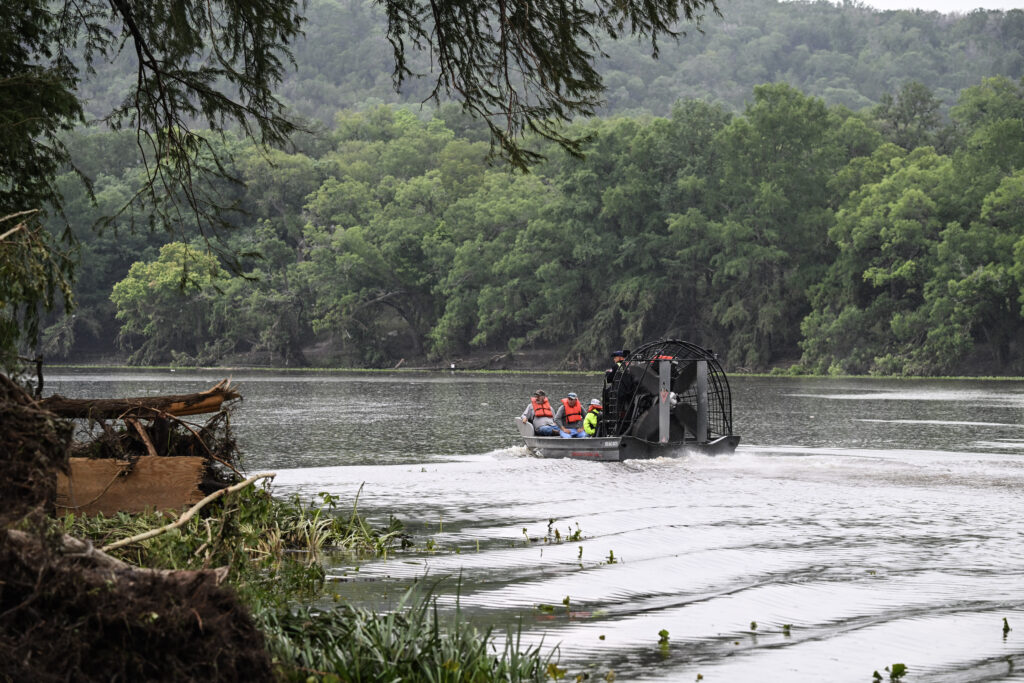
Le bilan des inondations au Texas, dans le sud des Etats-Unis, avoisine désormais les 70 morts et va encore s’alourdir, ont annoncé dimanche les autorités locales, engagées dans la recherche de plus en plus désespérée d’enfants portées disparues dans la catastrophe.Pour le seul comté de Kerr, le plus touché, “nous avons recensé 59 décès”, 38 adultes et 21 enfants, a déclaré le shérif, Larry Lethia, lors d’une conférence de presse, soulignant que ce bilan devrait encore monter dans les prochaines heures.Parmi les quelque 750 enfants participant à un camp d’été chrétien pour filles sur les rives du fleuve Guadalupe, le nombre de personnes portées disparues est désormais de 11 enfants et d’un moniteur, a précisé le shérif.”Nous assistons à la découverte de corps un peu partout”, a affirmé de son côté le responsable administratif de la ville de Kerrville, Dalton Rice.Aux 59 morts dans le comté de Kerr s’ajoutent neuf décès dénombrés dans des comtés voisins.Ces crues subites ont été provoquées par des pluies diluviennes dans le centre de l’Etat très tôt vendredi, jour de la fête nationale américaine, qui ont fait monter les eaux du Guadalupe de huit mètres en seulement 45 minutes. Il est soudain tombé près de 300 millimètres/heure de pluie, soit un tiers des précipitations annuelles moyennes.A Hunt, la localité où se trouve le camp d’été, 50 bénévoles sont venus de plusieurs villes du Texas pour participer aux recherches, par petits groupes de deux ou trois.Adam Durda, 45 ans, a fait trois heures de route avec sa femme, Amber, pour tenter de retrouver quatre jeunes d’une vingtaine d’années qui logeaient dans une maison “emportée par les flots”, à la demande de la famille de l’une d’entre elles, explique-t-il à l’AFP.- “Les aider à faire leur deuil” -Un autre bénévole, Justin Morales, 36 ans, confie avoir découvert avec ses compagnons samedi les corps de “deux petites filles”, puis dimanche matin celui d’une autre “coincée dans un arbre”, soulignant qu’il s’agissait d’une des pensionnaires du camp d’été portées disparues.”Nous sommes contents de pouvoir aider les familles à faire leur deuil”, dit-il. “C’est pour cela que nous sommes ici”, ajoute-t-il.Le président Donald Trump, qui a dépêché sur place samedi sa ministre de la Sécurité intérieure, Kristi Noem, a signé une déclaration de catastrophe afin de fournir au Texas les moyens du gouvernement fédéral. “Il y a actuellement plus de 400 secouristes de plus de 20 agences déployées dans le comté”, a indiqué le shérif Lethia.Des hélicoptères et des drones sont engagés dans les recherches et la Garde nationale du Texas ainsi que les garde-côtes des Etats-Unis ont envoyé des renforts.Le pape américain Léon XIV a exprimé dimanche ses “sincères condoléances à toutes les familles qui ont perdu des êtres chers, en particulier leurs filles qui se trouvaient dans un camp d’été lors de la tragédie”, dans une déclaration en anglais au terme de la prière de l’Angélus.Les services météorologiques maintenaient dimanche leur alerte aux inondations subites jusqu’à 19H00 locales (lundi minuit GMT).”Des précipitations supplémentaires de 50 à 100 millimètres sont possibles, avec des poches isolées dans la zone approchant les 250 millimètres. Il est très difficile de prévoir exactement où se produiront les grosses pluies dans ce cas de figure”, selon le plus récent bulletin météorologique.Les crues soudaines, provoquées par des pluies torrentielles que le sol asséché ne peut pas absorber, ne sont pas rares. Mais selon la communauté scientifique, le changement climatique provoqué par l’activité humaine a rendu plus fréquents et plus intenses les événements météorologiques comme les crues, les sécheresses et les canicules.Mi-juin, 13 personnes avaient péri en raison d’inondations à San Antonio, non loin de la zone touchée vendredi, à la suite de pluies diluviennes.

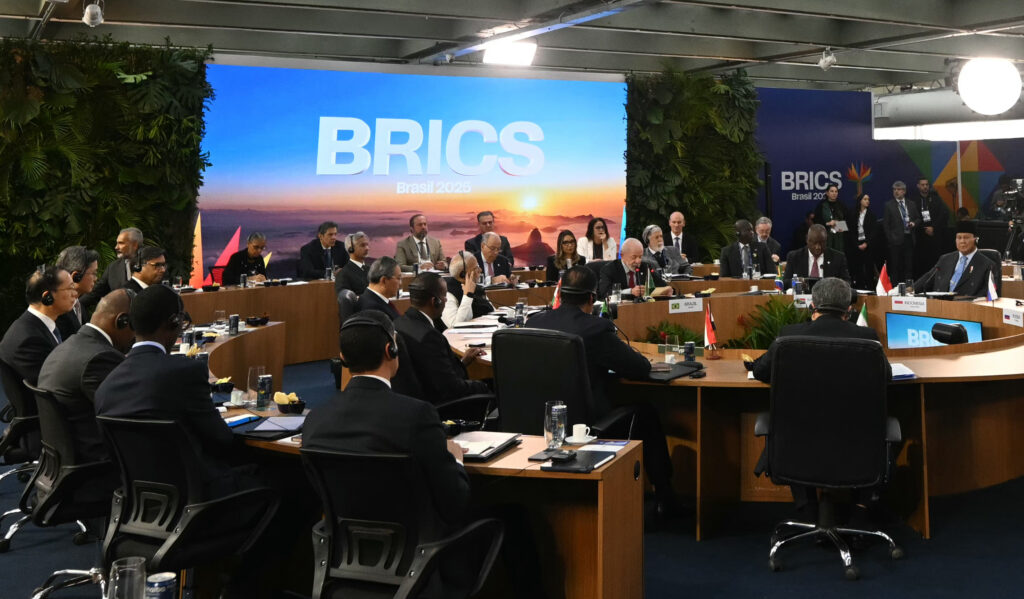
BRICS nations hit out at Trump tariffs

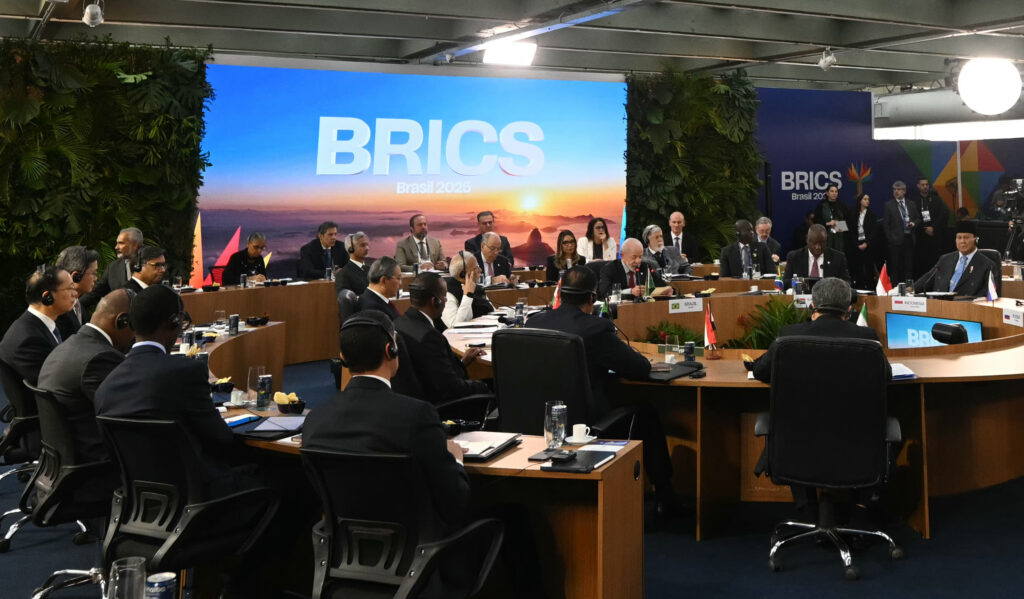
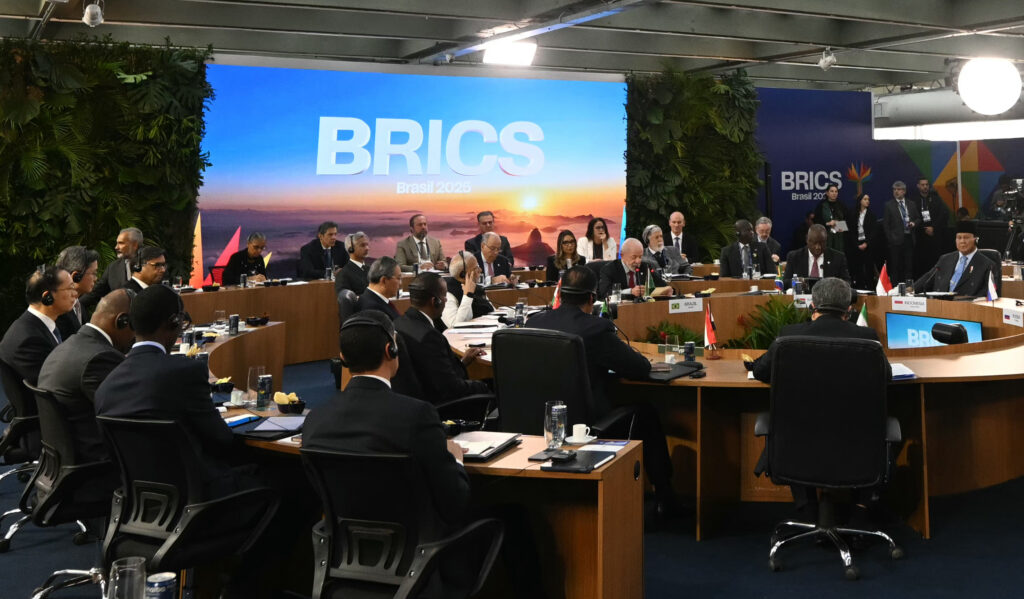
BRICS leaders descended on sunny Rio de Janeiro Sunday, but issued a dark warning that US President Donald Trump’s “indiscriminate” import tariffs risk hurting the global economy.The 11 emerging nations — including Brazil, Russia, India, China and South Africa — represent about half the world’s population and 40 percent of global economic output.The bloc is divided about much, but found common cause when it comes to the mercurial US leader and his stop-start tariff wars.The BRICS leaders voiced “serious concerns about the rise of unilateral tariff and non-tariff measures,” warning they are illegal and arbitrary, according to a final summit statement.In April, Trump threatened allies and rivals alike with a slew of punitive duties, but abruptly offered a reprieve in the face of a fierce market sell-off.Trump has warned they will again impose unilateral levies on partners unless they reach “deals” by August 1.The BRICS said such moves break world trade rules, threaten to further reduce global trade and were “affecting prospects for global economic development.”The summit declaration did not mention the United States or its president by name, but it is a clear political volley directed at the occupant of 1600 Pennsylvania Avenue.The Peterson Institute for International Economics, a Washington think tank, estimates Trump’s tariffs could trim about two points off US GDP and hit economies from Mexico to the oil-rich Arabian Gulf. – No show -Conceived two decades ago as a forum for fast-growing economies, the BRICS have come to be seen as a Chinese-driven counterbalance to Western power. But as the group has expanded to include Iran, Indonesia and others, it has struggled to reach meaningful consensus on issues ranging from the Gaza war to reforming international institutions.  The political punch of this year’s summit has been depleted by the absence of China’s Xi Jinping, who is skipping the meeting for the first time in his 12 years as president.The Chinese leader is not be the only notable absentee. Russian President Vladimir Putin, charged with war crimes in Ukraine, is also opting to stay away, but participated via video link.He told counterparts that the influence of BRICS “continues to grow” and said the bloc had become a key player in global governance.Still, Xi’s no-show is a blow to BRICS and to host President Luiz Inacio Lula da Silva, who wants Brazil to play a bigger role on the world stage.- War and peace -On Sunday he welcomed leaders to Rio’s stunning Guanabara Bay, telling them that multilateralism was under attack, while hitting out at NATO and Israel, among others.He accused the trans-Atlantic defense organization of fueling an international arms race through a pledge by members to spend five percent of GDP on defense.”It is always easier to invest in war than in peace,” he said, while accusing Israel of carrying out “genocide” in Gaza.Iran’s President Masoud Pezeshkian, whose nation is still reeling from a 12-day conflict with Israel, is also skipping the meeting, but he was represented by Foreign Minister Abbas Araghchi.Still, Iran won the diplomatic backing of its allies over Israel and the United States’ recent bombing of Iranian military, nuclear and other sites.Tehran’s allies condemned the strikes, and voiced “serious concern over deliberate attacks on civilian infrastructure and peaceful nuclear facilities.”The United States, Israel and European nations accuse Iran of using a civilian nuclear program as cover to create a nuclear bomb. The BRICS bloc did not explicitly mention Israel or the United States in the condemnation of the recent attacks, in a concession to members such as hosts Brazil who also enjoy close ties with Western nations.The 2026 BRICS summit is set to be hosted by India, Prime Minister Narendra Modi told the gathering.

BRICS nations hit out at Trump tariffs

BRICS leaders descended on sunny Rio de Janeiro Sunday, but issued a dark warning that US President Donald Trump’s “indiscriminate” import tariffs risk hurting the global economy.The 11 emerging nations — including Brazil, Russia, India, China and South Africa — represent about half the world’s population and 40 percent of global economic output.The bloc is divided about much, but found common cause when it comes to the mercurial US leader and his stop-start tariff wars.The BRICS leaders voiced “serious concerns about the rise of unilateral tariff and non-tariff measures,” warning they are illegal and arbitrary, according to a final summit statement.In April, Trump threatened allies and rivals alike with a slew of punitive duties, but abruptly offered a reprieve in the face of a fierce market sell-off.Trump has warned they will again impose unilateral levies on partners unless they reach “deals” by August 1.The BRICS said such moves break world trade rules, threaten to further reduce global trade and were “affecting prospects for global economic development.”The summit declaration did not mention the United States or its president by name, but it is a clear political volley directed at the occupant of 1600 Pennsylvania Avenue.The Peterson Institute for International Economics, a Washington think tank, estimates Trump’s tariffs could trim about two points off US GDP and hit economies from Mexico to the oil-rich Arabian Gulf. – No show -Conceived two decades ago as a forum for fast-growing economies, the BRICS have come to be seen as a Chinese-driven counterbalance to Western power. But as the group has expanded to include Iran, Indonesia and others, it has struggled to reach meaningful consensus on issues ranging from the Gaza war to reforming international institutions.  The political punch of this year’s summit has been depleted by the absence of China’s Xi Jinping, who is skipping the meeting for the first time in his 12 years as president.The Chinese leader is not be the only notable absentee. Russian President Vladimir Putin, charged with war crimes in Ukraine, is also opting to stay away, but participated via video link.He told counterparts that the influence of BRICS “continues to grow” and said the bloc had become a key player in global governance.Still, Xi’s no-show is a blow to BRICS and to host President Luiz Inacio Lula da Silva, who wants Brazil to play a bigger role on the world stage.- War and peace -On Sunday he welcomed leaders to Rio’s stunning Guanabara Bay, telling them that multilateralism was under attack, while hitting out at NATO and Israel, among others.He accused the trans-Atlantic defense organization of fueling an international arms race through a pledge by members to spend five percent of GDP on defense.”It is always easier to invest in war than in peace,” he said, while accusing Israel of carrying out “genocide” in Gaza.Iran’s President Masoud Pezeshkian, whose nation is still reeling from a 12-day conflict with Israel, is also skipping the meeting, but he was represented by Foreign Minister Abbas Araghchi.Still, Iran won the diplomatic backing of its allies over Israel and the United States’ recent bombing of Iranian military, nuclear and other sites.Tehran’s allies condemned the strikes, and voiced “serious concern over deliberate attacks on civilian infrastructure and peaceful nuclear facilities.”The United States, Israel and European nations accuse Iran of using a civilian nuclear program as cover to create a nuclear bomb. The BRICS bloc did not explicitly mention Israel or the United States in the condemnation of the recent attacks, in a concession to members such as hosts Brazil who also enjoy close ties with Western nations.The 2026 BRICS summit is set to be hosted by India, Prime Minister Narendra Modi told the gathering.

BRICS nations hit out at Trump tariffs

BRICS leaders descended on sunny Rio de Janeiro Sunday, but issued a dark warning that US President Donald Trump’s “indiscriminate” import tariffs risk hurting the global economy.The 11 emerging nations — including Brazil, Russia, India, China and South Africa — represent about half the world’s population and 40 percent of global economic output.The bloc is divided about much, but found common cause when it comes to the mercurial US leader and his stop-start tariff wars.The BRICS leaders voiced “serious concerns about the rise of unilateral tariff and non-tariff measures,” warning they are illegal and arbitrary, according to a final summit statement.In April, Trump threatened allies and rivals alike with a slew of punitive duties, but abruptly offered a reprieve in the face of a fierce market sell-off.Trump has warned they will again impose unilateral levies on partners unless they reach “deals” by August 1.The BRICS said such moves break world trade rules, threaten to further reduce global trade and were “affecting prospects for global economic development.”The summit declaration did not mention the United States or its president by name, but it is a clear political volley directed at the occupant of 1600 Pennsylvania Avenue.The Peterson Institute for International Economics, a Washington think tank, estimates Trump’s tariffs could trim about two points off US GDP and hit economies from Mexico to the oil-rich Arabian Gulf. – No show -Conceived two decades ago as a forum for fast-growing economies, the BRICS have come to be seen as a Chinese-driven counterbalance to Western power. But as the group has expanded to include Iran, Indonesia and others, it has struggled to reach meaningful consensus on issues ranging from the Gaza war to reforming international institutions.  The political punch of this year’s summit has been depleted by the absence of China’s Xi Jinping, who is skipping the meeting for the first time in his 12 years as president.The Chinese leader is not be the only notable absentee. Russian President Vladimir Putin, charged with war crimes in Ukraine, is also opting to stay away, but participated via video link.He told counterparts that the influence of BRICS “continues to grow” and said the bloc had become a key player in global governance.Still, Xi’s no-show is a blow to BRICS and to host President Luiz Inacio Lula da Silva, who wants Brazil to play a bigger role on the world stage.- War and peace -On Sunday he welcomed leaders to Rio’s stunning Guanabara Bay, telling them that multilateralism was under attack, while hitting out at NATO and Israel, among others.He accused the trans-Atlantic defense organization of fueling an international arms race through a pledge by members to spend five percent of GDP on defense.”It is always easier to invest in war than in peace,” he said, while accusing Israel of carrying out “genocide” in Gaza.Iran’s President Masoud Pezeshkian, whose nation is still reeling from a 12-day conflict with Israel, is also skipping the meeting, but he was represented by Foreign Minister Abbas Araghchi.Still, Iran won the diplomatic backing of its allies over Israel and the United States’ recent bombing of Iranian military, nuclear and other sites.Tehran’s allies condemned the strikes, and voiced “serious concern over deliberate attacks on civilian infrastructure and peaceful nuclear facilities.”The United States, Israel and European nations accuse Iran of using a civilian nuclear program as cover to create a nuclear bomb. The BRICS bloc did not explicitly mention Israel or the United States in the condemnation of the recent attacks, in a concession to members such as hosts Brazil who also enjoy close ties with Western nations.The 2026 BRICS summit is set to be hosted by India, Prime Minister Narendra Modi told the gathering.

US tariffs to kick in Aug 1 barring trade deals: Treasury Secretary

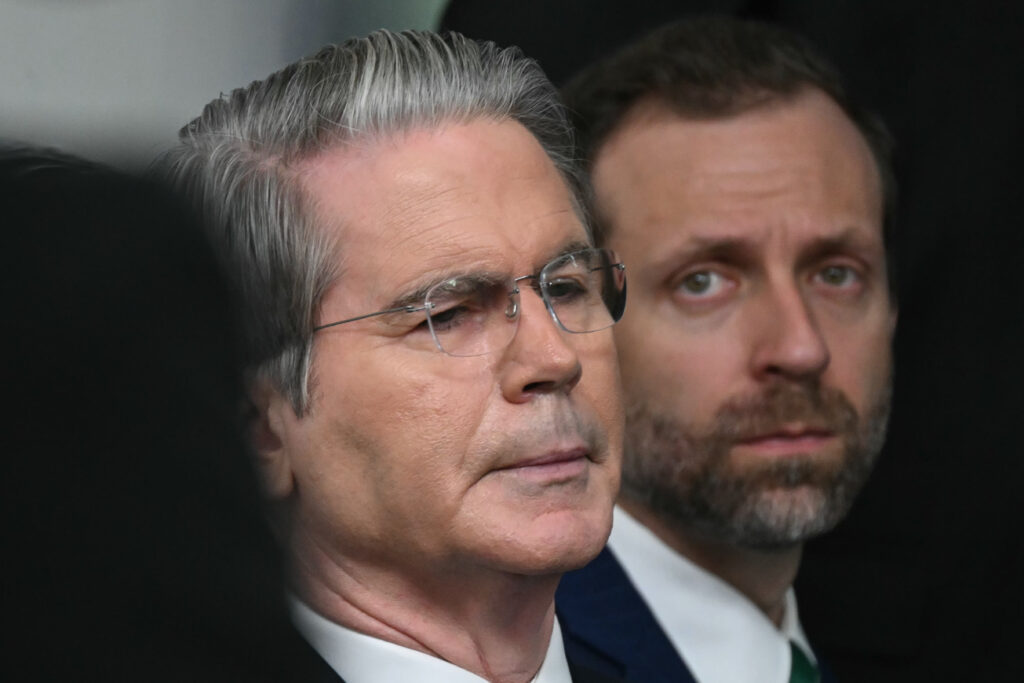
US tariffs will kick in on August 1 if trading partners from Taiwan to the European Union do not strike deals with Washington, Treasury Secretary Scott Bessent said Sunday. The rates will “boomerang back” to the sometimes very high levels which President Donald Trump had announced on April 2 — before he suspended the levies to allow for trade talks and set a July 9 deadline for agreement, Bessent told CNN.Bessent confirmed comments by Trump to reporters aboard Air Force One on Friday in which he also cited a new deadline: “Well, I’ll probably start them on August 1. Well, that’s pretty early. Right?” The president said he had signed 12 letters to be sent out, likely on Monday. The tariffs were part of a broader announcement in April where Trump imposed a 10 percent duty on goods from almost all trading partners, with a plan to step up these rates for a select group within days.But he swiftly paused the hikes until July 9, allowing for trade talks to take place.Countries have been pushing to strike deals that would help them avoid these elevated duties.So far, the Trump administration has unveiled deals with the United Kingdom and Vietnam, while Washington and Beijing agreed to temporarily lower staggeringly high levies on each other’s products.Bessent said the administration was “close to several deals.””I would expect to see several big announcements over the next couple of days,” he said.But he would not say which countries he was referring to, adding: “I don’t want to let them off the hook.”As his July 9 deadline approaches, Trump has repeatedly said he plans to inform countries of US tariff rates by sending them letters.Aboard Air Force One on Friday, Trump said sending notices would be much easier than “sitting down and working 15 different things… this is what you have to pay, if you want to do business (with) the United States.”Bessent pushed back at CNN host Dana Bash’s assertion the administration was using threats rather than negotiations, and denied that Trump was setting a new deadline with the August 1 date.”It’s not a new deadline. We are saying, this is when it’s happening. If you want to speed things up, have at it. If you want to go back to the old rate, that’s your choice,” he said.He said the playbook was to apply “maximum pressure” and cited the European Union as an example, saying they are “making very good progress” after a slow start.EU and US negotiators are holding talks over the weekend, and France’s finance minister said Saturday he hoped they could strike a deal this weekend.Other countries were still expressing unease, however.Japan’s Prime Minister Shigeru Ishiba said Sunday he “won’t easily compromise” in trade talks with Washington.And BRICS leaders meeting in Rio de Janeiro are expected to decry the tariffs Sunday, saying they are illegal and risk hurting the global economy.