

Rushdie warns of political violence as he recounts his attack
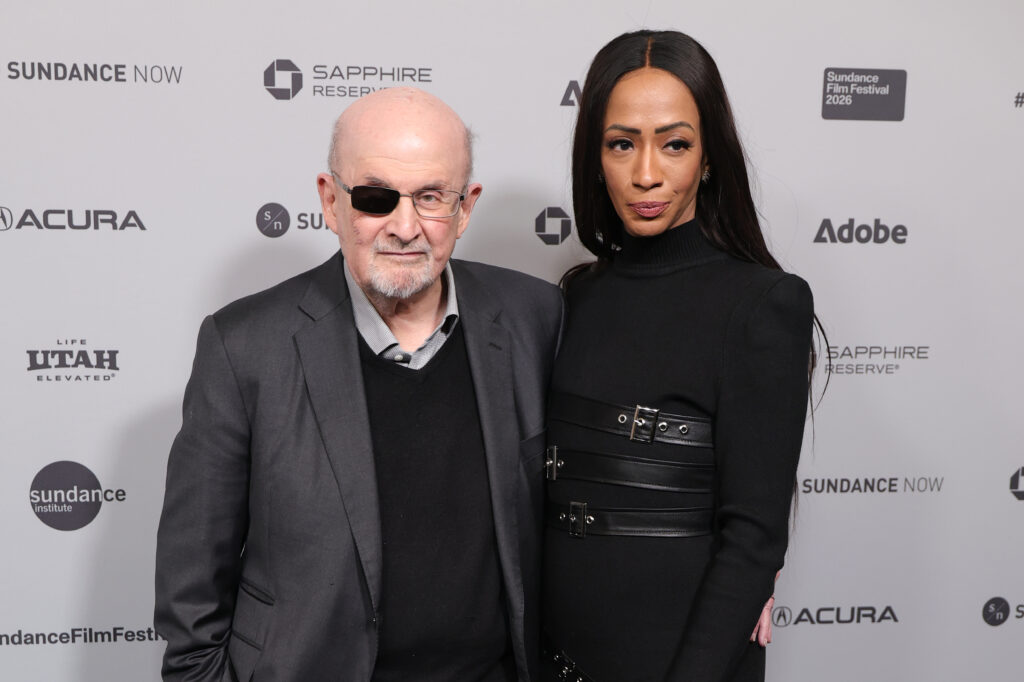
The horrific knife attack that almost killed Salman Rushdie was an example of violence unleashed by unscrupulous political leaders, the author said Sunday, warning that “everybody’s in danger now” in the increasingly febrile United States. Speaking at the premiere of the documentary “Knife: The Attempted Murder of Salman Rushdie,” the writer pointed to events unfolding across the country, where a second protester was shot dead by federal agents 24 hours earlier.”The idea of danger and violence is close to everyone now in this country,” he told AFP at the Sundance Film Festival in Park City, Utah.”I think everybody’s in danger now.” The film, directed by documentarian Alex Gibney, is the companion piece to Rushdie’s “Knife,” a memoir recounting the harrowing 2022 attack and its aftermath.The British-American author was at an event in Chautauqua, New York when 24-year-old Hadi Matar leapt onto the stage and stabbed him 15 times.The brutal assault left Rushdie with life-changing injuries, including the loss of his right eye.The comments on political violence come as President Donald Trump has surged militarized immigration raids into American cities, notably Minneapolis where federal agents have shot dead two US citizens this month. A man was arrested at Sundance on Saturday after allegedly punching Congressman Maxwell Frost in the face and screaming that Trump was going to deport him, the Florida lawmaker said on X.- Fatwa -Gibney’s film uses graphic video of the assault on Rushdie, shot by event organizers and attendees, as well as intimate footage filmed by his wife, Rachel Eliza Griffiths, over six weeks as the author lay in hospital grievously wounded.It also mixes in archival news reports and interviews with Rushdie detailing the furor in the Islamic world that greeted the publication of his 1988 novel “The Satanic Verses.”The following year, Iran’s supreme leader Ayatollah Ruhollah Khomeini issued a fatwa, telling Muslims worldwide it was their religious duty to kill Rushdie.For over a decade the author lived in hiding, protected by the British government, until a deal was reached in which the fatwa was officially rescinded in exchange for Britain’s granting diplomatic recognition to Tehran.As the immediate risk appeared to recede, Rushdie re-emerged, becoming something of a celebrity and continuing to create successful literary fiction.But the threat against him never vanished, and the animosity some bore him remained. – ‘Authoritarian’ -Hadi, who was sentenced last year to 25 years for attempted murder and assault, told a reporter before his trial that he believed Rushdie had “attacked Islam.” He admitted he had only read two pages of “The Satanic Verses.”Rushdie said the brutal attack on him was an example of a “larger thing.””Violence is that thing, violence unleashed by the unscrupulous using the ignorant to attack… culture.”For the authoritarian, culture is the enemy. Whether that’s journalism or universities or music or writing… the uncultured and ignorant, and the radical don’t like it, and they take steps against it, which we see every day.”Rushdie’s comments come in the wake of a crackdown Trump has launched on higher education, in an effort to stamp out what he claims is a “liberal bias” in university teaching.Trump also routinely derides journalism and journalists, blasting any report he disagrees with as “fake news,” while conservative US states increasingly ban books from school libraries.The Booker-Prize winning author said the film as conceived was not intended as a commentary on the here and now.”When you’re making the film, you’re making the film, and then the world does what it does, and sometimes the two things run into each other,” he said.”I’m now beginning to think that maybe the film is here at a kind of apposite moment, that maybe all of us now are feeling the risk of violence.”The Sundance Film Festival runs until February 1.
Iran broadcasting forced ‘confessions’ to deter dissent: activists
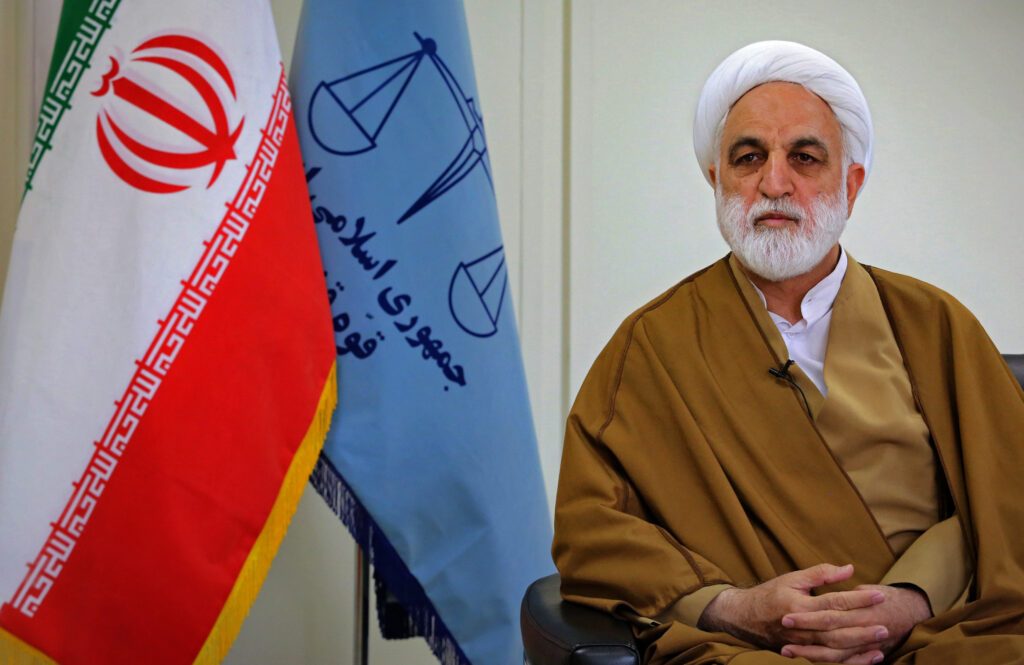
The man faces the camera with his face blurred as dramatic music pounds in the background.”I made a mistake,” he says, his voice trembling as an unseen interrogator presses him about the deaths of members of Iran’s security forces. “If I’d known, I would not have done it.”According to one rights group, at least 240 such “forced confessions” have been broadcast by Iranian state television in recent weeks — an “unprecedented” quantity — after authorities arrested thousands of people in the wake of protests that shook the country’s clerical leadership.Questioned by an interviewer, detainees are shown confessing to a variety of alleged offences ranging from committing violence against members of the security forces, to accepting money from monarchists or Iran’s foes, or sharing images with banned groups or media outlets.In some cases, people are accused of merely following accounts of opponents of the Islamic republic on social media.Activists say the so-called confessions are extracted by psychological and physical torture, and are a familiar tactic used in the past by Iranian authorities against detainees who in some cases have subsequently been executed.Amnesty International termed the scenes “propaganda videos”, saying it had received reports “authorities are forcing detainees to sign statements they have not been allowed to read and to give forced ‘confessions’ to crimes they did not commit as well as to peaceful acts of dissent”.The UN special rapporteur on human rights in Iran, Mai Sato, told the UN Human Rights Council that such “false confessions” seek to “reinforce the state’s narrative that protesters are dangerous criminals”.- ‘Deterring dissent’ -Iran’s feared judiciary chief Gholamhossein Mohseni Ejei appeared to take the lead earlier this month by personally interrogating detainees in sessions broadcast by state TV.”Coerced televised confessions in totalitarian regimes such as Iran have multiple key functions, including that of manufacturing political legitimacy, creating a false, official narrative such as framing peaceful protesters as violent agents of foreign influence, and deterring dissent,” Roya Boroumand, director of the US-based Abdorrahman Boroumand Center for Human Rights in Iran, told AFP. The demonstrations started in late December sparked by economic grievances but grew into a mass movement against the Islamic republic, with huge street protests from January 8, when authorities imposed an internet blackout.Thousands were killed in an ensuing crackdown on the protests, which have for now abated, with the authorities blaming the unrest on Iran’s enemies, including Israel and the United States.More than 41,000 people have been arrested in the crackdown, according to the US-based Human Rights Activists News Agency (HRANA), which has recorded 240 instances of “forced confessions”.One video widely circulating on social media Monday showed a teen, identified by users as 18-year-old Shervin Bagherian, being questioned over the killing of a member of the security forces and then told he would face charges that could see him executed.In another widely shared case, a man was shown admitting to having sent footage of the protests to US President Donald Trump via social media accounts.Such broadcasts have in the past been used ahead of executions. In one notorious case, the formerly Paris-based dissident Ruhollah Zam, who according to supporters was abducted from Iraq by Iranian security forces, was subjected to an interrogation on Iranian TV before his execution in December 2020.Foreigners have also been subjected to the same treatment. French citizen Cecile Kohler was shown in October 2022 on Iranian television making what activists described as a “forced confession” before being sentenced on espionage charges her family vehemently rejects.She and fellow French citizen Jacques Paris were released late last year but are still unable to leave Iran.- ‘Humiliating’ dissidents -The US-based Center for Human Rights in Iran (CHRI) said that in the wake of the protests, the forced confessions were being broadcast by Iranian state television on an “unprecedented scale”.”These false confessions are routinely used as the sole evidence to convict, including in capital cases where the death penalty may be imposed,” it added.”By forcing dissidents to publicly ‘confess’ to actions such as ‘colluding with foreign powers’, the state legitimises its repression as necessary to protect national security and, bypassing the presumption of innocence, uses the televised confessions as proof of guilt to justify severe punishment such as executions,” said Boroumand.”These broadcasts also aim at humiliating and destroying dissidents’ credibility while reminding the public of the high cost of challenging the state,” she added.
Israel military says remains of last Gaza hostage Ran Gvili returned
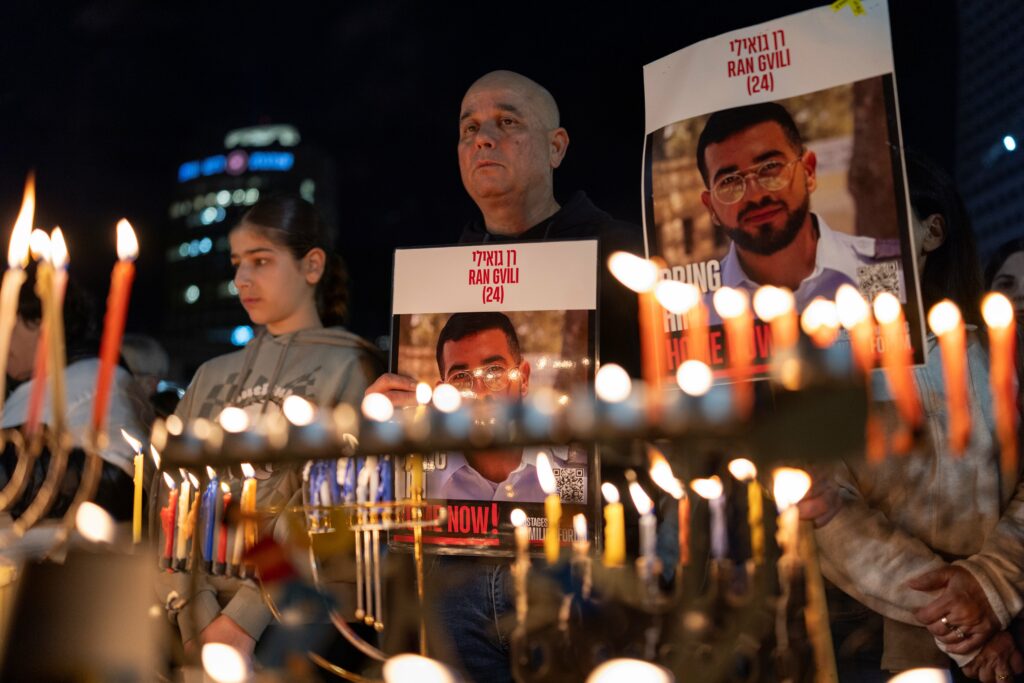
The Israeli military said on Monday that the remains of the last hostage held in Gaza, Ran Gvili, had been identified and were being repatriated to Israel for burial.The announcement put an end to a lengthy process to locate and return the last of the 251 hostages taken by Hamas militants during their October 2023 attack on Israel.Israeli Prime Minister Benjamin Netanyahu on Monday hailed the return of all those held captive “down to the very last”.The latest set of hostage handovers were part of the first phase of the US-backed ceasefire deal, which began on October 10 and aimed to stop the fighting in the Palestinian territory.Hamas said the return of Gvili’s body showed the militant group’s “commitment” to the ceasefire, which entered its second phase earlier this month.Gvili’s family had expressed strong opposition to launching the second phase of the plan before they had received his remains.The Israeli military said in a statement on Monday that its representatives “informed the family of hostage Ran Gvili… that their loved one has been identified and will be returned for burial”.”With this, all hostages have been returned from the Gaza Strip to the State of Israel”, it added.Footage released by the Israeli military showed Gvili’s coffin draped in an Israeli flag and surrounded by soldiers singing the national anthem.The young Israeli police officer in the elite Yassam unit was on medical leave ahead of shoulder surgery when Hamas launched its deadly attack on Israel on October 7, 2023.Instead of staying home, the 24-year-old motorcycle enthusiast grabbed his personal gun and raced toward the area of the attack in southern Israel to fight the Palestinian militants.- ‘Many difficult years’ -The gradual return of the hostages over several stages had been a complicated and arduous process for both sides.”This is an extraordinary achievement for the State of Israel,” Prime Minister Benjamin Netanyahu told journalists in parliament on Monday. “We promised — and I promised — to bring everyone back. We brought them all back, down to the very last captive,” he added.Israeli President Isaac Herzog celebrated Gvili’s return saying: “After many difficult years, for the first time since 2014, there are no Israeli citizens held hostage in Gaza. An entire nation prayed and waited for this moment.”Prior to October 2023, two civilian hostages and the bodies of two Israeli soldiers killed in earlier wars were being held in Gaza.Hamas spokesman Hazem Qassem said in a statement that “the discovery of the body of the last Israeli prisoner in Gaza confirms Hamas’s commitment to all the requirements of the ceasefire agreement on the Gaza Strip”.Officials said on Sunday that Israeli forces were searching for Gvili’s remains in a cemetery in northern Gaza.The announcement of the search came after visiting US envoys reportedly pushed Israeli officials to reopen Gaza’s Rafah crossing, a vital entry point for aid.Israeli officials said on Monday that though they would open the crossing, only pedestrians would be allowed to travel through the crossing to Egypt.Reopening Rafah, a vital entry point for aid into Gaza, forms part of the US-brokered truce.- ‘True friend’ -Nicknamed the “Defender of Alumim” by his family and the kibbutz of that name, Gvili was killed in combat near the community and his body taken to Gaza by Hamas militants.Israeli authorities confirmed to his parents in January 2024 that the young officer had been killed on that day and that his body had been taken to Gaza.”He ran to help, to save people… even though he was already injured before October 7,” his father told AFP in December, referring to Gvili’s shoulder injury.”But that was Rani — always running forward, the first to help and the first to jump in.”In a statement, the Israeli group representing the families of hostages held in Gaza described Gvili as “a true friend, loved by everyone”.”He loved life, was a young man of deep values, always spoke at eye level, and carried a powerful yet calm presence,” the Hostages and Missing Families Forum added.The Gaza war was sparked by Hamas’s attack on Israel, which resulted in the deaths of 1,221 people, according to an AFP tally based on official Israeli figures.The Israeli retaliation flattened much of Gaza, a territory that was already suffering severely from previous rounds of fighting and from an Israeli blockade imposed since 2007.The two-year war between Israel and Hamas has left at least 71,660 people dead in Gaza, according to the territory’s health ministry which operates under Hamas authority, figures considered reliable by the United Nations.
Carney links Trump’s new tariff threat to N. America trade deal review
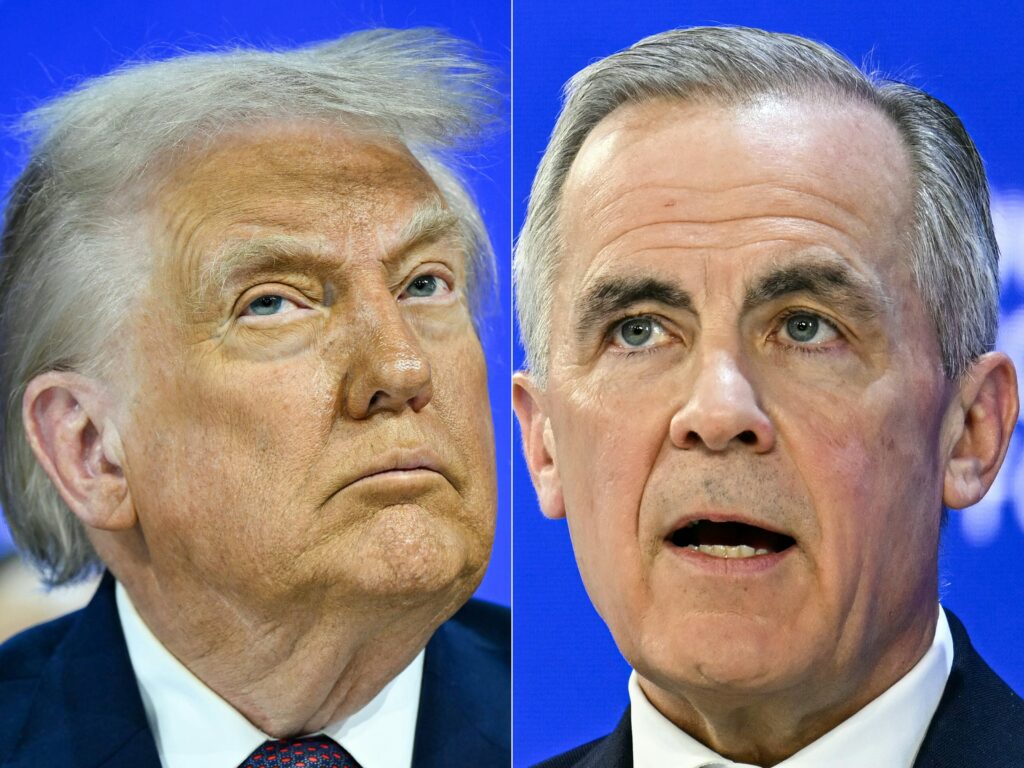
Prime Minister Mark Carney on Monday downplayed US President Donald Trump’s latest tariff threat against Canada, saying the comments should be viewed with an eye toward an upcoming trade deal review.Asked about Trump’s threat to impose 100-percent tariffs on Canadian imports should Ottawa finalize a new trade deal with China, Carney told reporters that the North American free trade deal is up for review this year and “the president is a strong negotiator.””I think some of these comments and positioning should be viewed in the broader context of that,” Carney said. Trump has so far adhered to most of the existing United States-Canada-Mexico Agreement (USMCA), which the president negotiated and praised during his first term.Canada has been hit hard by Trump’s sectoral tariffs — especially in the auto, steel and aluminum sectors — but more than 85 percent of bilateral US-Canada trade has remained tariff free through the ongoing trade war.Substantial changes to the USMCA could upend the Canadian economy. The USMCA review set for the first half of this year comes as Trump has escalated his rhetorical attacks on Carney.The Canadian prime minister delivered a blistering denunciation of US global leadership at last week’s World Economic Forum in Davos, earning a rare standing ovation and capturing global headlines. Trump shot back in his own Davos address, telling Carney to watch his words, as “Canada lives because of the United States.” Carney slapped down that claim but has broadly sought caution when replying to Trump’s inflammatory remarks.Trump called Carney “governor” in a social media post over the weekend, reviving an insult he directed at former prime minister Justin Trudeau — who Trump said was leading the 51st US state, rather than an independent country.Carney was asked Monday if he was offended by being called governor.”In this role, you get called a lot of things,” Carney said. “I’m not going to comment on every tweet…I can handle it.”
Glucksmann propose au PS une alternative à la primaire unitaire
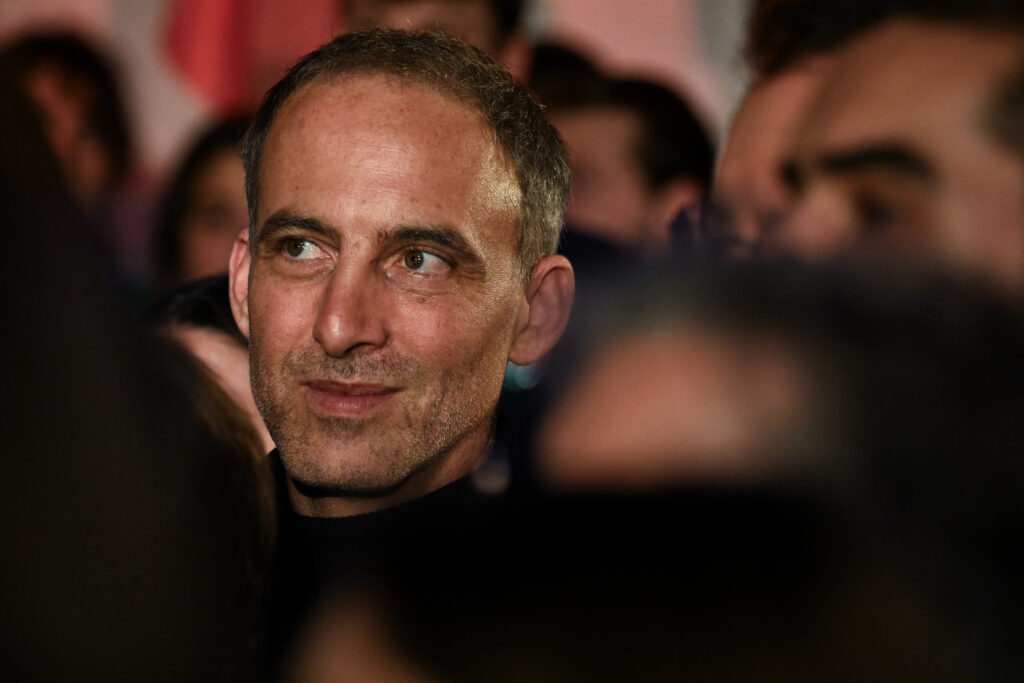
La primaire, c’est sans lui. Mais le dernier score du PS à une élection nationale, c’était avec lui. Conscient de ce dilemme chez les socialistes, Raphaël Glucksmann veut les convaincre d’abandonner la primaire des unitaires pour une “plateforme” résolument sociale-démocrate.Ce week-end, le projet de primaire des “unitaires”, réunis autour d’Olivier Faure (PS), de Marine Tondelier (Ecologistes) et des anciens Insoumis Clémentine Autain (Après) et François Ruffin (Debout) sous le nom “Front populaire 2027”, a pris forme avec un scrutin annoncé pour le 11 octobre.Et les organisateurs continuent de tendre la main aux deux candidats de gauche en tête dans les sondages, qui refusent catégoriquement de participer à ce processus de désignation: Jean-Luc Mélenchon et Raphaël Glucksmann.En vain.Lundi sur BFMTV, le fondateur de Place publique, crédité d’environ 13% des intentions de vote, a redit son refus de participer à un processus qui, selon lui, “est une volonté de ne pas choisir entre les deux pôles qui existent à gauche”: la social-démocratie et la gauche radicale.En retour, il a appelé ses “partenaires socialistes”, avec qui il a fait campagne aux européennes de 2024 pour obtenir 13,8%, à construire une “plateforme commune”.Pas suffisant pour convaincre la direction du parti à la rose.Lors d’une conférence de presse lundi matin, le secrétaire général du PS, Pierre Jouvet, a appelé à construire “un fil de cohérence pour les Français” et estimé qu’en 2027, le PS devait se présenter devant les électeurs avec les mêmes partenaires de gauche – notamment les Ecologistes – que pour les municipales de mars.”A la fin, on a une obligation, c’est d’y aller tous ensemble, sinon nous serons spectateurs de cette élection présidentielle”, a martelé le bras droit d’Olivier Faure alors que les soutiens de la primaire espèrent qu’elle créera une dynamique permettant à son vainqueur de bénéficier du “vote utile” à gauche.”Pour Glucksmann, l’intuition de se passer de la primaire, je peux la comprendre mais il faut qu’il instaure un truc avec les Français”, note de son côté un proche du patron des députés PS, Boris Vallaud, dont l’aile est charnière pour faire ou défaire une majorité au PS.Car le Parti socialiste – et Raphaël Glucksmann en est bien conscient – est divisé sur la question de la participation à la primaire.- “Faure a rien le droit de dire” -Ce week-end, Olivier Faure a rappelé que conformément à ses règles internes, le PS, seul à gauche à avoir dirigé le pays, ne s’engagerait formellement dans le processus de primaire qu’après un vote des militants.”Faure a rien le droit de dire. Il est en plein congrès de l’Unef là”, ironise un ténor Insoumis alors que LFI défend le même raisonnement que Glucksmann sur une opposition claire au premier tour de la présidentielle entre gauche radicale et social-démocratie.Les opposants internes au premier secrétaire, dont le maire de Rouen Nicolas Mayer-Rossignol et la présidente de la région Occitanie Carole Delga, ne sont pas favorables à cette primaire, craignant que le vote des militants unitaires de gauche ne profite pas à un socialiste.Carole Delga, qui a récemment jugé dans Le Point que Raphaël Glucksmann était “prêt pour 2027”, a ainsi réagi samedi en appelant à mettre fin aux “petites tractations d’appareils”.”Le projet est le préalable à toute union crédible, solide et sérieuse. Après viendra le temps de savoir qui le portera dans un large rassemblement”, a-t-elle rappelé.”La primaire n’est pas faite pour que Faure la gagne mais il ne l’a pas compris encore”, tacle, plus direct, un élu socialiste. L’ancien président François Hollande, à qui ses adversaires prêtent des ambitions élyséennes pour 2027, penche également pour une fédération de la gauche réformiste allant du PS à Raphaël Glucksmann, Bernard Cazeneuve et Yannick Jadot.”Ça ressemble beaucoup à ce que François Hollande appelle de ses voeux”, saluait lundi, après la déclaration de Raphaël Glucksmann, un proche du député de Corrèze auprès de l’AFP.
Glucksmann propose au PS une alternative à la primaire unitaire
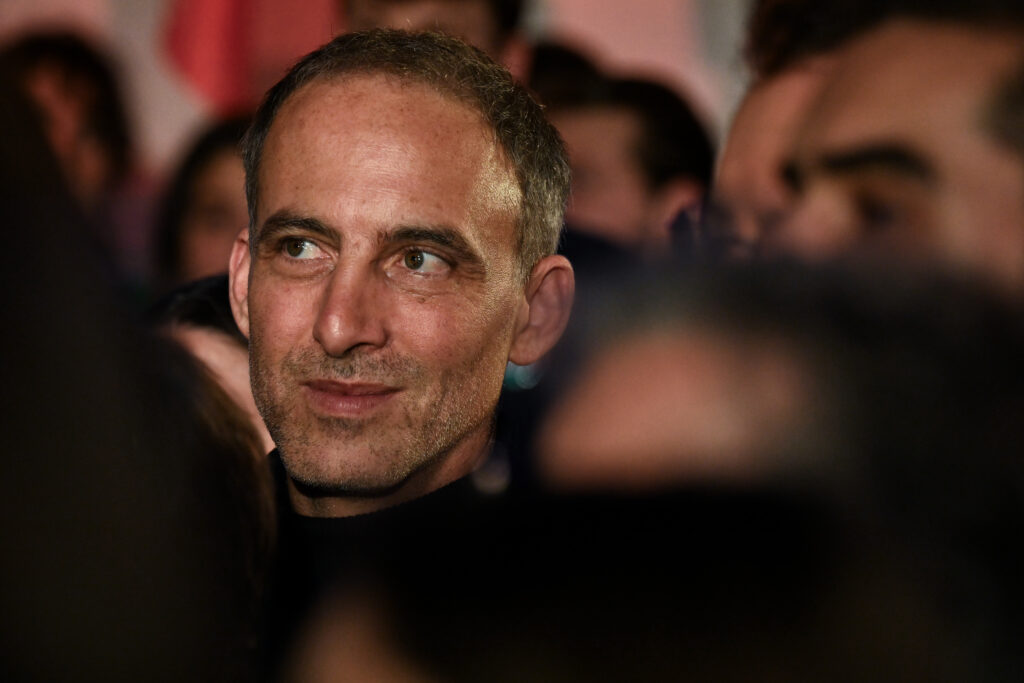
La primaire, c’est sans lui. Mais le dernier score du PS à une élection nationale, c’était avec lui. Conscient de ce dilemme chez les socialistes, Raphaël Glucksmann veut les convaincre d’abandonner la primaire des unitaires pour une “plateforme” résolument sociale-démocrate.Ce week-end, le projet de primaire des “unitaires”, réunis autour d’Olivier Faure (PS), de Marine Tondelier (Ecologistes) et des anciens Insoumis Clémentine Autain (Après) et François Ruffin (Debout) sous le nom “Front populaire 2027”, a pris forme avec un scrutin annoncé pour le 11 octobre.Et les organisateurs continuent de tendre la main aux deux candidats de gauche en tête dans les sondages, qui refusent catégoriquement de participer à ce processus de désignation: Jean-Luc Mélenchon et Raphaël Glucksmann.En vain.Lundi sur BFMTV, le fondateur de Place publique, crédité d’environ 13% des intentions de vote, a redit son refus de participer à un processus qui, selon lui, “est une volonté de ne pas choisir entre les deux pôles qui existent à gauche”: la social-démocratie et la gauche radicale.En retour, il a appelé ses “partenaires socialistes”, avec qui il a fait campagne aux européennes de 2024 pour obtenir 13,8%, à construire une “plateforme commune”.Pas suffisant pour convaincre la direction du parti à la rose.Lors d’une conférence de presse lundi matin, le secrétaire général du PS, Pierre Jouvet, a appelé à construire “un fil de cohérence pour les Français” et estimé qu’en 2027, le PS devait se présenter devant les électeurs avec les mêmes partenaires de gauche – notamment les Ecologistes – que pour les municipales de mars.”A la fin, on a une obligation, c’est d’y aller tous ensemble, sinon nous serons spectateurs de cette élection présidentielle”, a martelé le bras droit d’Olivier Faure alors que les soutiens de la primaire espèrent qu’elle créera une dynamique permettant à son vainqueur de bénéficier du “vote utile” à gauche.”Pour Glucksmann, l’intuition de se passer de la primaire, je peux la comprendre mais il faut qu’il instaure un truc avec les Français”, note de son côté un proche du patron des députés PS, Boris Vallaud, dont l’aile est charnière pour faire ou défaire une majorité au PS.Car le Parti socialiste – et Raphaël Glucksmann en est bien conscient – est divisé sur la question de la participation à la primaire.- “Faure a rien le droit de dire” -Ce week-end, Olivier Faure a rappelé que conformément à ses règles internes, le PS, seul à gauche à avoir dirigé le pays, ne s’engagerait formellement dans le processus de primaire qu’après un vote des militants.”Faure a rien le droit de dire. Il est en plein congrès de l’Unef là”, ironise un ténor Insoumis alors que LFI défend le même raisonnement que Glucksmann sur une opposition claire au premier tour de la présidentielle entre gauche radicale et social-démocratie.Les opposants internes au premier secrétaire, dont le maire de Rouen Nicolas Mayer-Rossignol et la présidente de la région Occitanie Carole Delga, ne sont pas favorables à cette primaire, craignant que le vote des militants unitaires de gauche ne profite pas à un socialiste.Carole Delga, qui a récemment jugé dans Le Point que Raphaël Glucksmann était “prêt pour 2027”, a ainsi réagi samedi en appelant à mettre fin aux “petites tractations d’appareils”.”Le projet est le préalable à toute union crédible, solide et sérieuse. Après viendra le temps de savoir qui le portera dans un large rassemblement”, a-t-elle rappelé.”La primaire n’est pas faite pour que Faure la gagne mais il ne l’a pas compris encore”, tacle, plus direct, un élu socialiste. L’ancien président François Hollande, à qui ses adversaires prêtent des ambitions élyséennes pour 2027, penche également pour une fédération de la gauche réformiste allant du PS à Raphaël Glucksmann, Bernard Cazeneuve et Yannick Jadot.”Ça ressemble beaucoup à ce que François Hollande appelle de ses voeux”, saluait lundi, après la déclaration de Raphaël Glucksmann, un proche du député de Corrèze auprès de l’AFP.
JO-2026: triple médaillé olympique en ski, Pinturault grand absent de la sélection
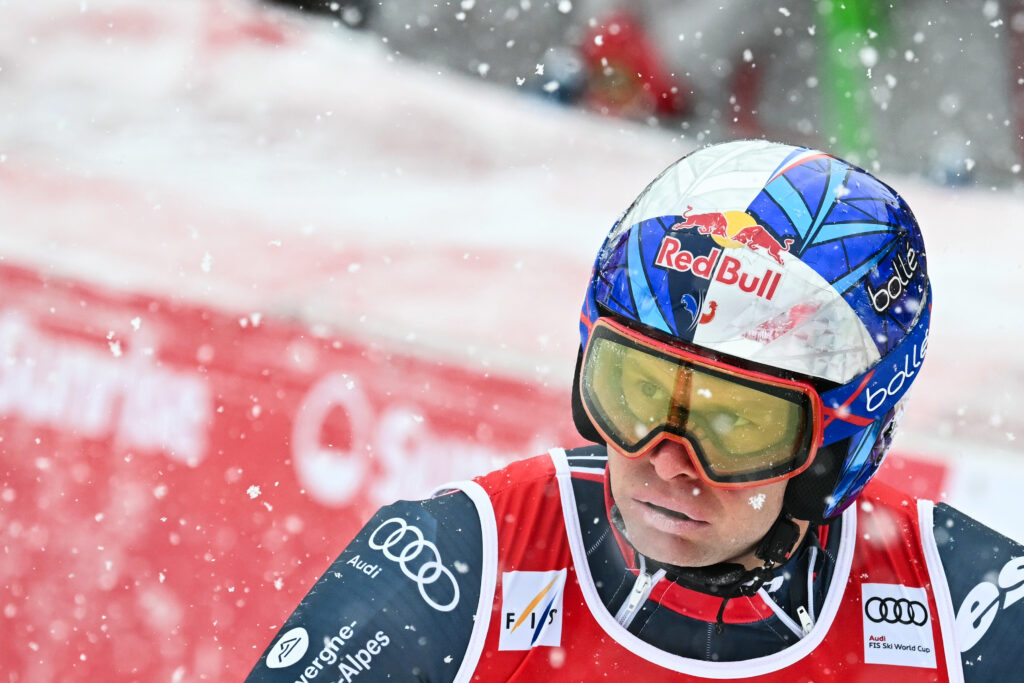
Plus grand palmarès du ski alpin français, Alexis Pinturault doit faire le deuil d’une ultime participation aux JO: de retour après deux hivers plombés par les blessures, le triple médaillé olympique n’a pas été sélectionné pour les Jeux de Milan Cortina qui débutent dans 11 jours.Le skieur de Courchevel aux 34 victoires en Coupe du monde, trois podiums olympiques et trois titres mondiaux, en manque de gros résultats cet hiver, n’a pas été retenu parmi les sept hommes sélectionnés en ski alpin, dont le champion olympique du slalom Clément Noël et la révélation de l’hiver Paco Rassat.En raison d’une règle complexe d’allocation des quotas olympiques entre les pays par la Fédération internationale de ski, le clan français avait déchanté il y a dix jours en comprenant qu’au lieu des 11 places escomptées pour les hommes, il n’en obtiendrait que sept (huit pour les femmes).”Ça va être assez difficile”, anticipait mi-janvier Xavier Fournier-Bidoz, entraîneur du groupe vitesse de l’équipe de France.Pour quelques skieurs (Noël et Rassat en slalom, Nils Allègre en vitesse), la sélection ne faisait aucun doute mais pour d’autres cas les sélectionneurs avaient de quoi s’arracher les cheveux.En slalom, qui de Steven Amiez ou de Victor Muffat-Jeandet, tous les deux dans le top 15 mondial? En vitesse, Maxence Muzaton a redistribué toutes les cartes samedi en arrachant à 35 ans et à la surprise générale la 3e place de la mythique descente de Kitzbühel. Et en géant, comment décider de se priver d’Alexis Pinturault, immense nom du ski français, quand bien même il n’est pas le plus performant cet hiver?Face à ce casse-tête, les sélectionneurs ont tranché. Ce sera Nils Alphand et Maxence Muzaton en vitesse, Steven Amiez en slalom et Léo Anguenot en géant. En renonçant donc à Pinturault, cadre des Bleus depuis plus de douze ans.”Alexis a accepté la décision comme le grand champion qu’il est”, a affirmé en conférence de presse David Chastan, responsable du ski alpin au sein de la Fédération française de ski. “Il a tout fait pour essayer de faire les Jeux mais c’est aussi quelqu’un qui respecte le choix de cette sélection (…). Il y des athlètes qui ont fait des meilleurs résultats que lui.”- “Je n’estime pas avoir un passe-droit” -A 34 ans, le skieur de Courchevel avait fait des JO de Milan Cortina une des ses principales sources de motivation pour ne pas arrêter sa carrière après deux graves blessures aux genoux (janvier 2024, janvier 2025).Triple médaillé olympique, la première fois en 2014, il avait décidé cette saison d’abandonner les épreuves de vitesse auxquelles il s’était consacré depuis deux ans pour se concentrer uniquement sur le géant. Mais les résultats cet hiver (trois top 15, cinq top 20 en six courses de Coupe du monde) n’auront pas été suffisants.”J’avais utilisé les mots +course contre la montre+, je n’ai pas parlé de +préparation+ dans l’objectif des Jeux olympiques. J’étais lucide sur le fait qu’il y a énormément de choses à reconstruire dans un temps très court”, affirmait-il début janvier.”Je n’estime pas avoir un passe-droit, je pense que, comme tout le monde, je dois montrer des résultats”, ajoutait alors le vainqueur du classement général de la Coupe du monde en 2021.Le skieur doit s’aligner mardi au géant de Coupe du monde à Schladming (Autriche). Il a plusieurs fois répété qu’il voulait se laisser le temps de la réflexion avant de décider de prendre sa retraite, évoquant la possibilité de continuer jusqu’aux Mondiaux-2027.Chez les femmes, la France disposait de huit quotas en ski alpin, pour à peine plus d’athlètes évoluant sur le circuit de la Coupe du monde. Cheffe de file des Bleues, Romane Miradoli a été sélectionnée avec Camille Cerutti et Laura Gauché, Marie Lamure, Marion Chevrier, Clara Direz, Caitlin McFarlane et Doriane Escané.Au total 160 athlètes français (158 + 2 remplaçants pour le bobsleigh) ont été sélectionnés pour Milan Cortina, un record pour des Jeux d’hiver. La France vise “un top 5 olympique”, avec l’ambition de faire “un peu plus de 50% de médailles par rapport aux Jeux de Pékin” en 2022 (14 médailles, dont 5 en or), avait indiqué en octobre Yann Cucherat, manager de la haute performance à l’Agence nationale du sport.