


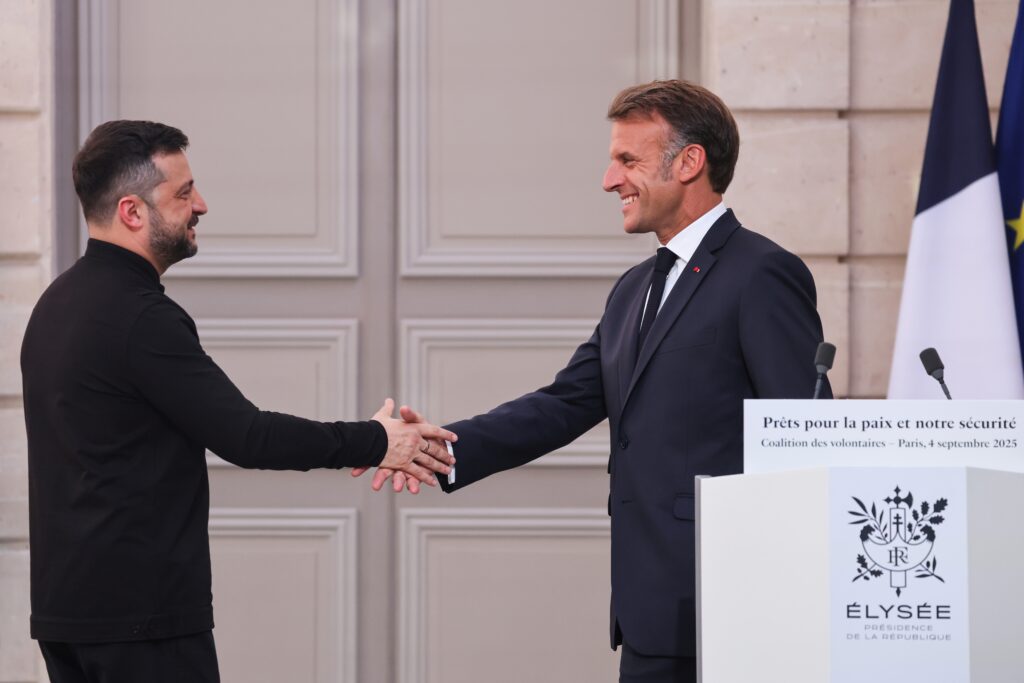
Garanties de sécurité à l’Ukraine : 26 pays se sont engagés à être présents “sur le sol, en mer ou dans les airs” (Macron)
Vingt-six pays, essentiellement européens, se sont “engagés” à participer à une “force de réassurance” dans le cadre d’un futur cessez-le-feu russo-ukrainien, en déployant des troupes en Ukraine ou en étant “présents sur le sol, en mer ou dans les airs”, a annoncé jeudi Emmanuel Macron.”Cette force n’a pas pour volonté ou pour objectif de mener quelque guerre contre la Russie”, a dit le président français devant la presse à Paris après une réunion de la “Coalition des volontaires”, ces Etats essentiellement européens soutenant l’Ukraine et après un contact téléphonique entre les principaux alliés européens et Donald Trump.Il a assuré que le “soutien américain” à ces “garanties de sécurité” pour Kiev serait finalisé “dans les prochains jours” et que les Américains avaient “été très clairs” sur leur participation. “Il n’y a pas de doute sur ce sujet”, a-t-il martelé. Le président ukrainien Volodymyr Zelensky a à ce propos insisté : “Nous comptons sur le +backstop+ (+filet de sécurité+) des Etats-Unis”. Après que vingt-six pays ont donc désormais “formalisé très précisément leur contribution”, M. Macron a refusé de “révéler le détail de notre organisation à la Russie”.L’Allemagne, l’Italie et la Pologne “font partie des 26 contributeurs qui ont défini des soutiens”, a-t-il toutefois dit, “soit pour la régénération de l’armée ukrainienne, soit pour la sécurité sur son sol, dans ses airs, en mer”. Le chef de l’Etat français a rappelé qu'”en février 2024, dans cette même salle, (…) nous étions deux à dire que peut-être on serait prêts un jour à mettre des troupes sur le terrain. Il y avait la Lituanie et la France. Deux. Et je rappelle que l’atmosphère était assez négative”.Les garanties de sécurité “visent d’abord à ce que, dans la négociation, il n’y ait aucune limitation de format ou de capacité pour l’armée ukrainienne”, a-t-il rappelé. “C’est ce que nous défendons, ce que nous défendrons jusqu’au bout.”Emmanuel Macron a aussi assuré que les Européens prendraient de nouvelles sanctions “en lien avec les Etats-Unis” si Moscou continuait de refuser la paix. Il a précisé qu’il y aurait “des contacts à nouveau entre Américains et Russes”.
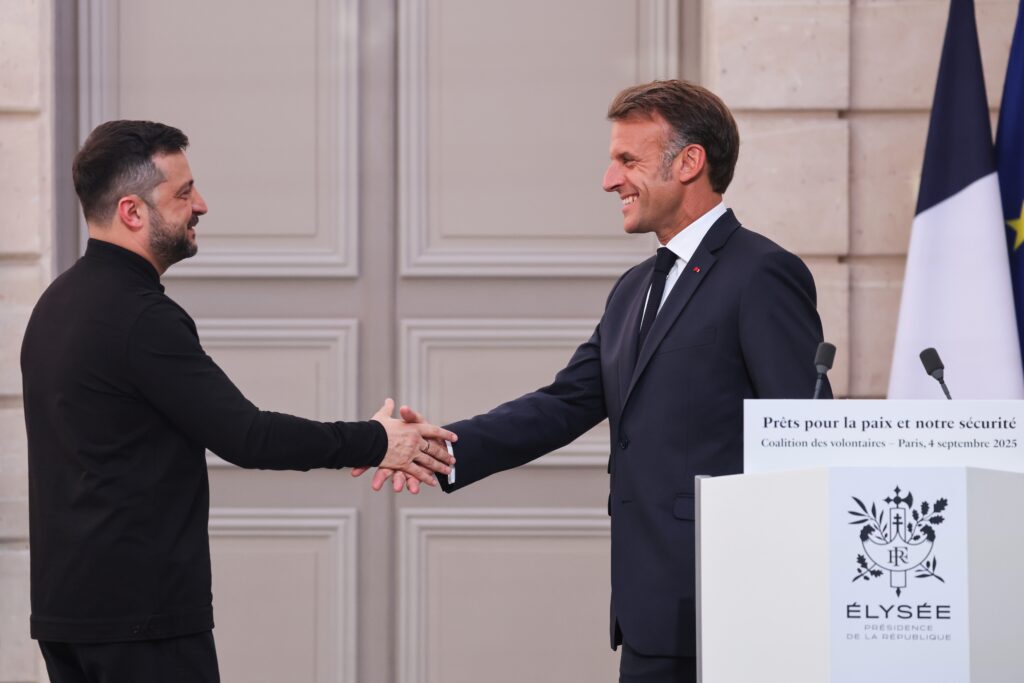
Garanties de sécurité à l’Ukraine : 26 pays se sont engagés à être présents “sur le sol, en mer ou dans les airs” (Macron)
Vingt-six pays, essentiellement européens, se sont “engagés” à participer à une “force de réassurance” dans le cadre d’un futur cessez-le-feu russo-ukrainien, en déployant des troupes en Ukraine ou en étant “présents sur le sol, en mer ou dans les airs”, a annoncé jeudi Emmanuel Macron.”Cette force n’a pas pour volonté ou pour objectif de mener quelque guerre contre la Russie”, a dit le président français devant la presse à Paris après une réunion de la “Coalition des volontaires”, ces Etats essentiellement européens soutenant l’Ukraine et après un contact téléphonique entre les principaux alliés européens et Donald Trump.Il a assuré que le “soutien américain” à ces “garanties de sécurité” pour Kiev serait finalisé “dans les prochains jours” et que les Américains avaient “été très clairs” sur leur participation. “Il n’y a pas de doute sur ce sujet”, a-t-il martelé. Le président ukrainien Volodymyr Zelensky a à ce propos insisté : “Nous comptons sur le +backstop+ (+filet de sécurité+) des Etats-Unis”. Après que vingt-six pays ont donc désormais “formalisé très précisément leur contribution”, M. Macron a refusé de “révéler le détail de notre organisation à la Russie”.L’Allemagne, l’Italie et la Pologne “font partie des 26 contributeurs qui ont défini des soutiens”, a-t-il toutefois dit, “soit pour la régénération de l’armée ukrainienne, soit pour la sécurité sur son sol, dans ses airs, en mer”. Le chef de l’Etat français a rappelé qu'”en février 2024, dans cette même salle, (…) nous étions deux à dire que peut-être on serait prêts un jour à mettre des troupes sur le terrain. Il y avait la Lituanie et la France. Deux. Et je rappelle que l’atmosphère était assez négative”.Les garanties de sécurité “visent d’abord à ce que, dans la négociation, il n’y ait aucune limitation de format ou de capacité pour l’armée ukrainienne”, a-t-il rappelé. “C’est ce que nous défendons, ce que nous défendrons jusqu’au bout.”Emmanuel Macron a aussi assuré que les Européens prendraient de nouvelles sanctions “en lien avec les Etats-Unis” si Moscou continuait de refuser la paix. Il a précisé qu’il y aurait “des contacts à nouveau entre Américains et Russes”.
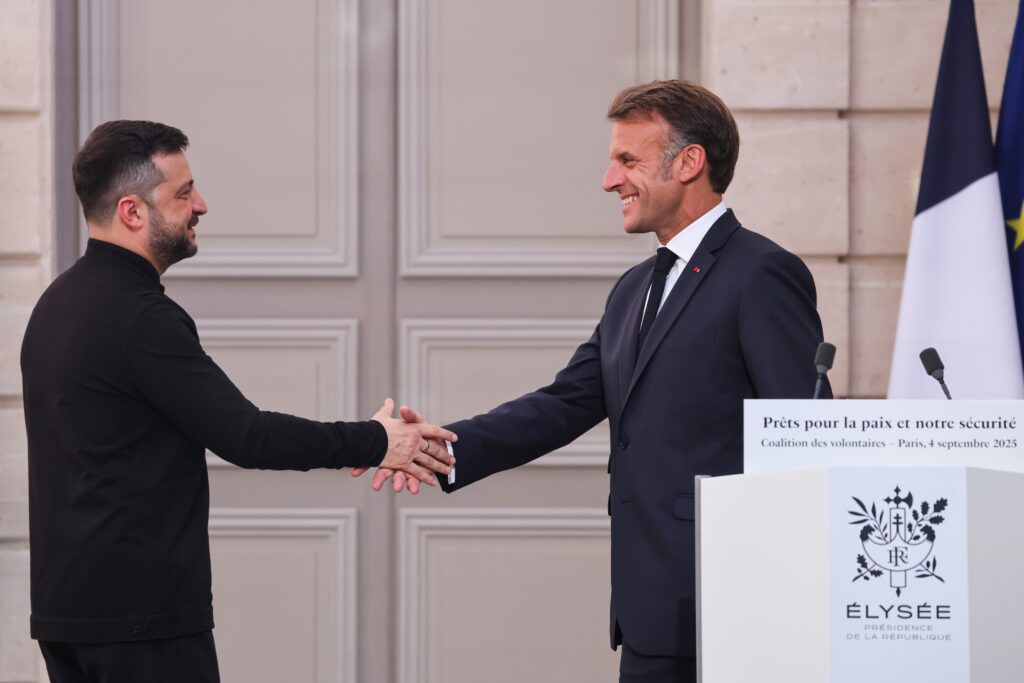
Garanties de sécurité à l’Ukraine : 26 pays se sont engagés à être présents “sur le sol, en mer ou dans les airs” (Macron)
Vingt-six pays, essentiellement européens, se sont “engagés” à participer à une “force de réassurance” dans le cadre d’un futur cessez-le-feu russo-ukrainien, en déployant des troupes en Ukraine ou en étant “présents sur le sol, en mer ou dans les airs”, a annoncé jeudi Emmanuel Macron.”Cette force n’a pas pour volonté ou pour objectif de mener quelque guerre contre la Russie”, a dit le président français devant la presse à Paris après une réunion de la “Coalition des volontaires”, ces Etats essentiellement européens soutenant l’Ukraine et après un contact téléphonique entre les principaux alliés européens et Donald Trump.Il a assuré que le “soutien américain” à ces “garanties de sécurité” pour Kiev serait finalisé “dans les prochains jours” et que les Américains avaient “été très clairs” sur leur participation. “Il n’y a pas de doute sur ce sujet”, a-t-il martelé. Le président ukrainien Volodymyr Zelensky a à ce propos insisté : “Nous comptons sur le +backstop+ (+filet de sécurité+) des Etats-Unis”. Après que vingt-six pays ont donc désormais “formalisé très précisément leur contribution”, M. Macron a refusé de “révéler le détail de notre organisation à la Russie”.L’Allemagne, l’Italie et la Pologne “font partie des 26 contributeurs qui ont défini des soutiens”, a-t-il toutefois dit, “soit pour la régénération de l’armée ukrainienne, soit pour la sécurité sur son sol, dans ses airs, en mer”. Le chef de l’Etat français a rappelé qu'”en février 2024, dans cette même salle, (…) nous étions deux à dire que peut-être on serait prêts un jour à mettre des troupes sur le terrain. Il y avait la Lituanie et la France. Deux. Et je rappelle que l’atmosphère était assez négative”.Les garanties de sécurité “visent d’abord à ce que, dans la négociation, il n’y ait aucune limitation de format ou de capacité pour l’armée ukrainienne”, a-t-il rappelé. “C’est ce que nous défendons, ce que nous défendrons jusqu’au bout.”Emmanuel Macron a aussi assuré que les Européens prendraient de nouvelles sanctions “en lien avec les Etats-Unis” si Moscou continuait de refuser la paix. Il a précisé qu’il y aurait “des contacts à nouveau entre Américains et Russes”.
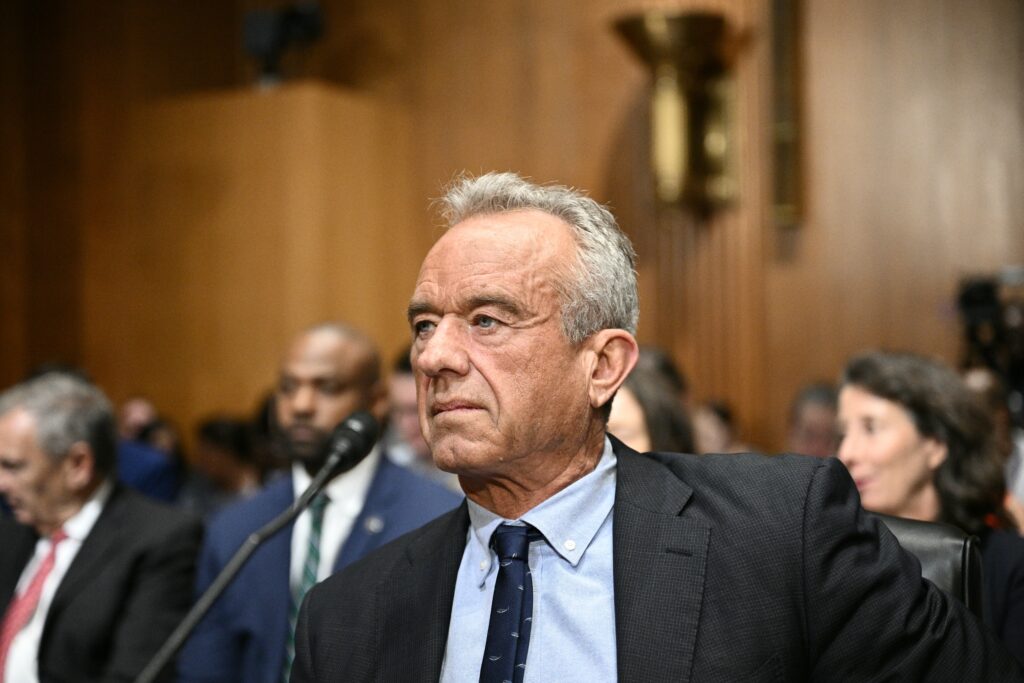
RFK Jr defends health agency shake up, Democrats call for his ouster
US Health Secretary Robert F. Kennedy said Thursday that firing the director of the Centers for Disease Control and Prevention (CDC) was “absolutely necessary” to restore high standards, as he faced blistering criticism from Democrats urging him to resign.”We need bold, competent and creative new leadership at CDC, people able and willing to chart a new course,” he told a Senate hearing marked by sharp exchanges that at times erupted into shouting matches.His remarks came days after the ouster of Sue Monarez, which, along with several high-level resignations, has plunged the nation’s top public health agency into turmoil.Ron Wyden, the top Democrat on the Senate Finance Committee leading the hearing, opened by demanding Kennedy be sworn in under oath, accusing him of lying in previous written testimony.”It is in the country’s best interest that Robert Kennedy step down, and if he doesn’t, Donald Trump should fire him before more people are hurt,” Wyden thundered.The request was rejected by the Republican chairman, Senator Mike Crapo, who praised Kennedy for his focus on chronic disease, including the obesity crisis.
Gaza civil defence says Israeli fire kills 44
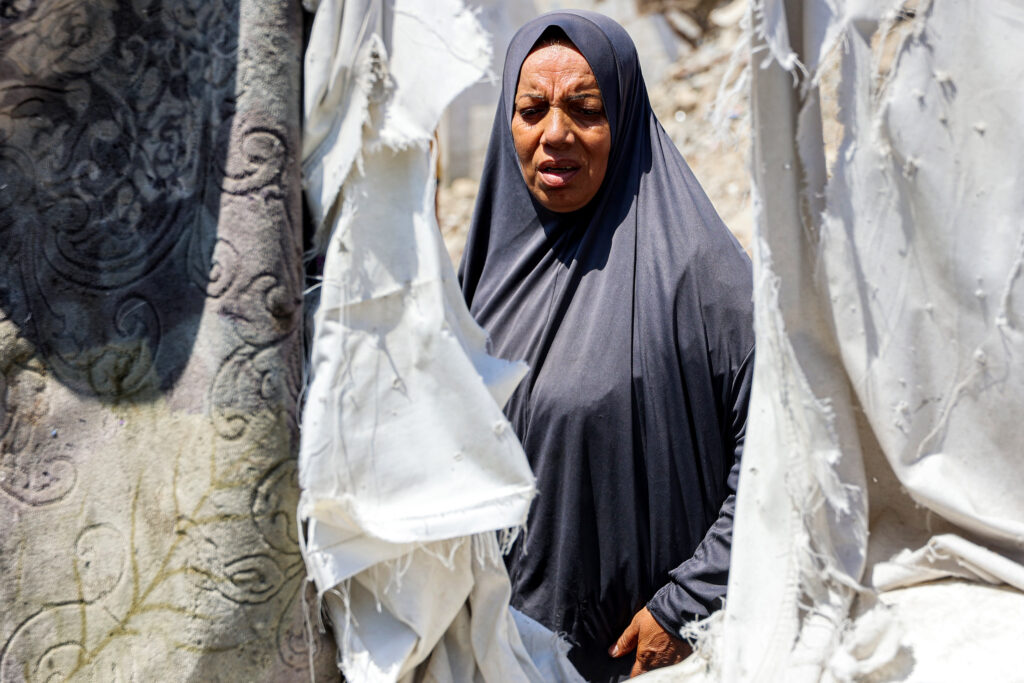
Gaza’s civil defence agency said Israeli forces killed at least 44 people on Thursday, including 25 in Gaza City where the military has increased bombardments ahead of a planned offensive.Nearly two years into the devastating conflict, Israel has built up its forces in recent days, with troops operating on the outskirts of Gaza City, the Palestinian territory’s largest urban centre.The United Nations estimates that nearly one million people live in and around Gaza City in the territory’s north, where it has declared famine.A senior Israeli military official told journalists on Wednesday that authorities expected the new offensive to capture Gaza City to lead to mass displacement, estimating that a million Palestinians would flee south.Civil defence spokesman Mahmud Bassal said that an Israeli air strike on Thursday hit a tent sheltering a a displaced Palestinian family in Gaza City, killing five people including three children.Contacted by AFP, the Israeli military requested timeframes and coordinates to comment on specific incidents.In Tel al-Hawa, the neighbourhood in Gaza City’s west where the strike reported by the civil defence took place, AFP footage showed Palestinians outside damaged tents, clearing up scattered belongings.A pair of blood-stained pink slippers lay amongst the debris.Israa al-Basous, who lives there, recounted seeing the tent next to hers on fire.”My children and I were sleeping in the tent when we heard the sound of bombing. Shrapnel fell on us, and my four children started screaming,” she told AFP.At Gaza City’s Al-Shifa Hospital, where the dead and wounded were being received, bodies wrapped in white shrouds lay on the floor of the hospital’s morgue.One woman stroked the head of her dead son as his body lay outside on a stretcher.”Who are you leaving me to, son? Why? Why?” she wept.Further south, in the Nuseirat refugee camp, the civil defence said an Israeli air strike killed seven people including three children.AFP footage from Nuseirat showed Palestinian man Yousef Suleiman with his granddaughter, walking through a bombed-out shelter where tattered scraps of material hung from tent poles.Suleiman said the pre-dawn strike killed his nephew, the nephew’s wife and their two children.”The entire tent was destroyed, along with everyone inside,” he said.Media restrictions in Gaza and difficulties in accessing many areas mean AFP is unable to independently verify the tolls and details provided by the civil defence agency or the Israeli military.The war in Gaza was sparked by Hamas’s October 2023 attack on Israel, which resulted in the deaths of 1,219 people, mostly civilians, according to an AFP tally based on Israeli figures.Israel’s retaliatory offensive has killed at least 64,231 Palestinians, most of them civilians, according to figures from the health ministry in Hamas-run Gaza that the United Nations considers reliable.

Giorgio Armani, un style au-delà de la mode
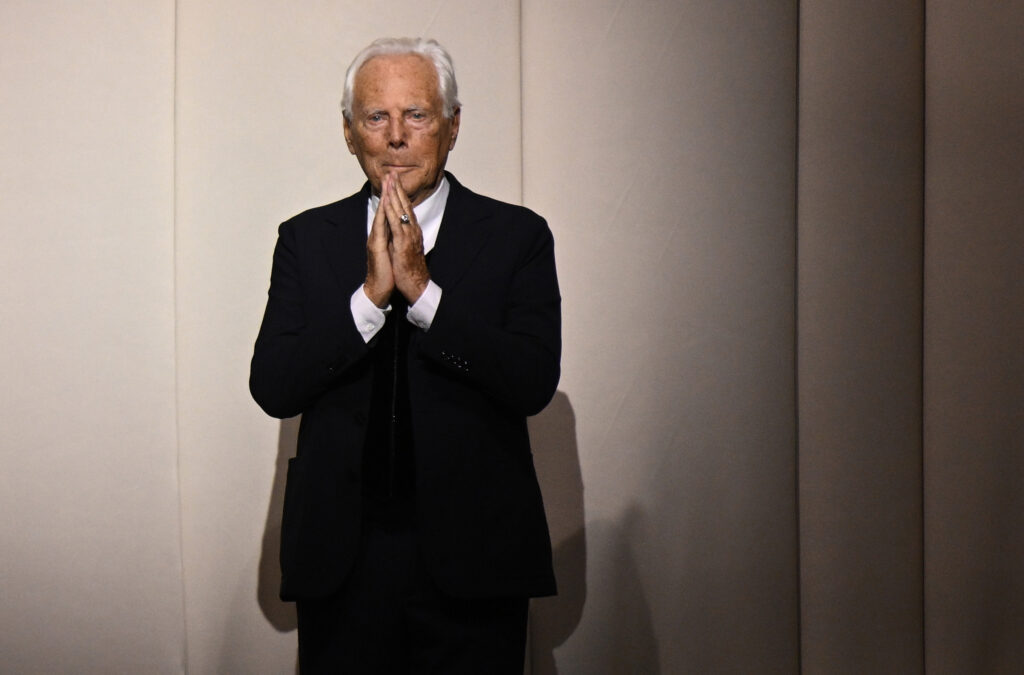
Bâtisseur d’un empire dans l’industrie du luxe, le couturier italien Giorgio Armani, décédé à l’âge de 91 ans, a marqué de son style épuré la mode, mais aussi le design et l’architecture d’intérieur.”Les robes, on les prend, on les jette. Je voulais faire quelque chose dont on se souvienne. Les gens verront ce que j’étais, ce que j’aimais”, a-t-il résumé en 2010 dans une formule-testament après un grave problème de santé. Ce chantre de l’élégance, amoureux depuis les années 1980 du grège (la couleur de la soie brute, un gris teinté de beige), se targue d’une marque “style de vie” allant au-delà de la mode au sens strict. Créateur visionnaire, Armani se distingue dans la haute-couture, le prêt-à-porter, les accessoires, les parfums, les bijoux, mais aussi l’architecture d’intérieur et l’hôtellerie de luxe dans des villes comme Milan, Paris, New York, Tokyo, Séoul et Shanghai. En 2000, le Musée Guggenheim à New York le fait entrer au Panthéon des créateurs en lui consacrant une rétrospective.Né le 11 juillet 1934 à Piacenza (nord de l’Italie) dans une famille modeste d’origine arménienne, Giorgio Armani étudie deux ans la médecine avant de travailler comme étalagiste-décorateur à Milan pour les grands magasins La Rinascente, où il reste jusqu’à ses 31 ans.Passionné de photographie et de dessin, il voit sa vie bouleversée par sa rencontre avec Nino Cerruti, l’inventeur du “casual chic”. “Nino avait un regard perçant, une vraie curiosité, la capacité d’oser”, avait observé Armani après le décès de son mentor en janvier 2022.Cerruti lui confie sa nouvelle ligne de vêtements masculins, Hitman, et lui permet de dessiner ses propres collections, pendant sept ans.Le style souple, minimaliste et toujours élégant d’Armani fait florès chez les hommes comme chez les femmes et, en 1974, il créé la ligne de vêtements en peaux Armani by Sicons. En 2016, il renoncera à l’utilisation de toute forme de fourrure animale dans ses collections.Il s’établit à son compte en 1975 en créant à Milan la maison Giorgio Armani avec son compagnon Sergio Galeotti qui, lorsqu’il meurt du sida dix ans plus tard, le laisse seul maître à bord. Armani a depuis lors toujours voulu rester indépendant, refusant d’être coté en bourse.- “American Gigolo” -Armani habille rapidement les stars, de John Travolta à Lauren Bacall en passant par Diana Ross et Jack Nicholson. Avec la création de la garde-robe de Richard Gere dans le film “American Gigolo” (1980), il devient “Il Re Giorgio” (“Le roi Georgio”). La populaire série américaine “Deux flics à Miami”, symbole des années 80, transforme en classique le port d’un T-shirt sous une veste siglée Armani. En 2004, il s’associe avec Emaar, un géant immobilier de Dubaï, pour lancer la chaîne hôtelière de luxe Armani Hotels. Toujours méticuleux, après six ans de supervision à distance des moindres détails, il y inaugure son premier hôtel, dans la tour Khalifa, l’une des plus hautes du monde à 828 mètres. Après plusieurs réalisations aux quatre coins du monde, Armani se lance à la conquête de la Chine avec la conception de résidences de luxe à Chengdu (sud-est) et Pékin, avec l’institution culturelle Mind Group. Le “prince de la mode”, au teint toujours hâlé faisant ressortir ses cheveux blancs et ses yeux bleus, a construit au fil des ans un empire comptant plus de 600 boutiques sur le globe et plus de 10.000 employés.Toujours indépendante, la société Giorgio Armani SpA (Giorgio Armani, Emporio Armani, A|X Armani Exchange) a enregistré un chiffre d’affaires de 2,3 milliards d’euros en 2024.Selon le classement annuel de la revue américaine Forbes, le couturier était en 2025 à la tête d’une fortune personnelle de 10,38 milliards d’euros, ce qui en faisait le 208ème plus riche homme du monde.Le Maestro, qui n’a jamais quitté la barre, n’avait pas d’enfant mais travaillait étroitement depuis longtemps avec des proches, notamment sa nièce Roberta.
Giorgio Armani, un style au-delà de la mode
Bâtisseur d’un empire dans l’industrie du luxe, le couturier italien Giorgio Armani, décédé à l’âge de 91 ans, a marqué de son style épuré la mode, mais aussi le design et l’architecture d’intérieur.”Les robes, on les prend, on les jette. Je voulais faire quelque chose dont on se souvienne. Les gens verront ce que j’étais, ce que j’aimais”, a-t-il résumé en 2010 dans une formule-testament après un grave problème de santé. Ce chantre de l’élégance, amoureux depuis les années 1980 du grège (la couleur de la soie brute, un gris teinté de beige), se targue d’une marque “style de vie” allant au-delà de la mode au sens strict. Créateur visionnaire, Armani se distingue dans la haute-couture, le prêt-à-porter, les accessoires, les parfums, les bijoux, mais aussi l’architecture d’intérieur et l’hôtellerie de luxe dans des villes comme Milan, Paris, New York, Tokyo, Séoul et Shanghai. En 2000, le Musée Guggenheim à New York le fait entrer au Panthéon des créateurs en lui consacrant une rétrospective.Né le 11 juillet 1934 à Piacenza (nord de l’Italie) dans une famille modeste d’origine arménienne, Giorgio Armani étudie deux ans la médecine avant de travailler comme étalagiste-décorateur à Milan pour les grands magasins La Rinascente, où il reste jusqu’à ses 31 ans.Passionné de photographie et de dessin, il voit sa vie bouleversée par sa rencontre avec Nino Cerruti, l’inventeur du “casual chic”. “Nino avait un regard perçant, une vraie curiosité, la capacité d’oser”, avait observé Armani après le décès de son mentor en janvier 2022.Cerruti lui confie sa nouvelle ligne de vêtements masculins, Hitman, et lui permet de dessiner ses propres collections, pendant sept ans.Le style souple, minimaliste et toujours élégant d’Armani fait florès chez les hommes comme chez les femmes et, en 1974, il créé la ligne de vêtements en peaux Armani by Sicons. En 2016, il renoncera à l’utilisation de toute forme de fourrure animale dans ses collections.Il s’établit à son compte en 1975 en créant à Milan la maison Giorgio Armani avec son compagnon Sergio Galeotti qui, lorsqu’il meurt du sida dix ans plus tard, le laisse seul maître à bord. Armani a depuis lors toujours voulu rester indépendant, refusant d’être coté en bourse.- “American Gigolo” -Armani habille rapidement les stars, de John Travolta à Lauren Bacall en passant par Diana Ross et Jack Nicholson. Avec la création de la garde-robe de Richard Gere dans le film “American Gigolo” (1980), il devient “Il Re Giorgio” (“Le roi Georgio”). La populaire série américaine “Deux flics à Miami”, symbole des années 80, transforme en classique le port d’un T-shirt sous une veste siglée Armani. En 2004, il s’associe avec Emaar, un géant immobilier de Dubaï, pour lancer la chaîne hôtelière de luxe Armani Hotels. Toujours méticuleux, après six ans de supervision à distance des moindres détails, il y inaugure son premier hôtel, dans la tour Khalifa, l’une des plus hautes du monde à 828 mètres. Après plusieurs réalisations aux quatre coins du monde, Armani se lance à la conquête de la Chine avec la conception de résidences de luxe à Chengdu (sud-est) et Pékin, avec l’institution culturelle Mind Group. Le “prince de la mode”, au teint toujours hâlé faisant ressortir ses cheveux blancs et ses yeux bleus, a construit au fil des ans un empire comptant plus de 600 boutiques sur le globe et plus de 10.000 employés.Toujours indépendante, la société Giorgio Armani SpA (Giorgio Armani, Emporio Armani, A|X Armani Exchange) a enregistré un chiffre d’affaires de 2,3 milliards d’euros en 2024.Selon le classement annuel de la revue américaine Forbes, le couturier était en 2025 à la tête d’une fortune personnelle de 10,38 milliards d’euros, ce qui en faisait le 208ème plus riche homme du monde.Le Maestro, qui n’a jamais quitté la barre, n’avait pas d’enfant mais travaillait étroitement depuis longtemps avec des proches, notamment sa nièce Roberta.
Giorgio Armani, un style au-delà de la mode
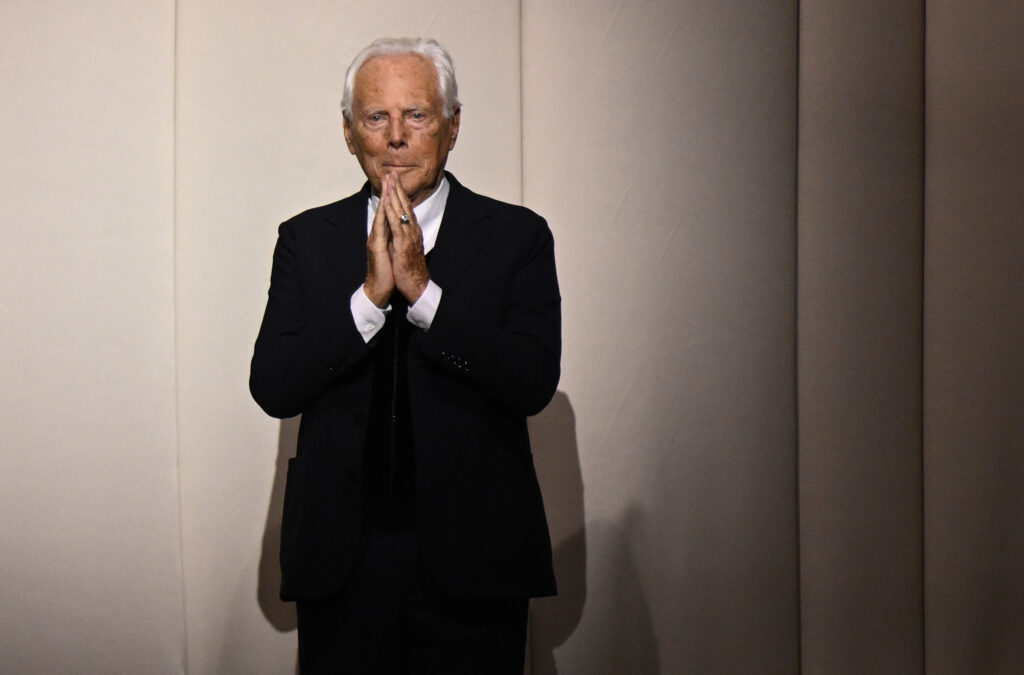
Bâtisseur d’un empire dans l’industrie du luxe, le couturier italien Giorgio Armani, décédé à l’âge de 91 ans, a marqué de son style épuré la mode, mais aussi le design et l’architecture d’intérieur.”Les robes, on les prend, on les jette. Je voulais faire quelque chose dont on se souvienne. Les gens verront ce que j’étais, ce que j’aimais”, a-t-il résumé en 2010 dans une formule-testament après un grave problème de santé. Ce chantre de l’élégance, amoureux depuis les années 1980 du grège (la couleur de la soie brute, un gris teinté de beige), se targue d’une marque “style de vie” allant au-delà de la mode au sens strict. Créateur visionnaire, Armani se distingue dans la haute-couture, le prêt-à-porter, les accessoires, les parfums, les bijoux, mais aussi l’architecture d’intérieur et l’hôtellerie de luxe dans des villes comme Milan, Paris, New York, Tokyo, Séoul et Shanghai. En 2000, le Musée Guggenheim à New York le fait entrer au Panthéon des créateurs en lui consacrant une rétrospective.Né le 11 juillet 1934 à Piacenza (nord de l’Italie) dans une famille modeste d’origine arménienne, Giorgio Armani étudie deux ans la médecine avant de travailler comme étalagiste-décorateur à Milan pour les grands magasins La Rinascente, où il reste jusqu’à ses 31 ans.Passionné de photographie et de dessin, il voit sa vie bouleversée par sa rencontre avec Nino Cerruti, l’inventeur du “casual chic”. “Nino avait un regard perçant, une vraie curiosité, la capacité d’oser”, avait observé Armani après le décès de son mentor en janvier 2022.Cerruti lui confie sa nouvelle ligne de vêtements masculins, Hitman, et lui permet de dessiner ses propres collections, pendant sept ans.Le style souple, minimaliste et toujours élégant d’Armani fait florès chez les hommes comme chez les femmes et, en 1974, il créé la ligne de vêtements en peaux Armani by Sicons. En 2016, il renoncera à l’utilisation de toute forme de fourrure animale dans ses collections.Il s’établit à son compte en 1975 en créant à Milan la maison Giorgio Armani avec son compagnon Sergio Galeotti qui, lorsqu’il meurt du sida dix ans plus tard, le laisse seul maître à bord. Armani a depuis lors toujours voulu rester indépendant, refusant d’être coté en bourse.- “American Gigolo” -Armani habille rapidement les stars, de John Travolta à Lauren Bacall en passant par Diana Ross et Jack Nicholson. Avec la création de la garde-robe de Richard Gere dans le film “American Gigolo” (1980), il devient “Il Re Giorgio” (“Le roi Georgio”). La populaire série américaine “Deux flics à Miami”, symbole des années 80, transforme en classique le port d’un T-shirt sous une veste siglée Armani. En 2004, il s’associe avec Emaar, un géant immobilier de Dubaï, pour lancer la chaîne hôtelière de luxe Armani Hotels. Toujours méticuleux, après six ans de supervision à distance des moindres détails, il y inaugure son premier hôtel, dans la tour Khalifa, l’une des plus hautes du monde à 828 mètres. Après plusieurs réalisations aux quatre coins du monde, Armani se lance à la conquête de la Chine avec la conception de résidences de luxe à Chengdu (sud-est) et Pékin, avec l’institution culturelle Mind Group. Le “prince de la mode”, au teint toujours hâlé faisant ressortir ses cheveux blancs et ses yeux bleus, a construit au fil des ans un empire comptant plus de 600 boutiques sur le globe et plus de 10.000 employés.Toujours indépendante, la société Giorgio Armani SpA (Giorgio Armani, Emporio Armani, A|X Armani Exchange) a enregistré un chiffre d’affaires de 2,3 milliards d’euros en 2024.Selon le classement annuel de la revue américaine Forbes, le couturier était en 2025 à la tête d’une fortune personnelle de 10,38 milliards d’euros, ce qui en faisait le 208ème plus riche homme du monde.Le Maestro, qui n’a jamais quitté la barre, n’avait pas d’enfant mais travaillait étroitement depuis longtemps avec des proches, notamment sa nièce Roberta.
L’ex-patron de l’OL, Jean-Michel Aulas, prêt à briguer la mairie de Lyon
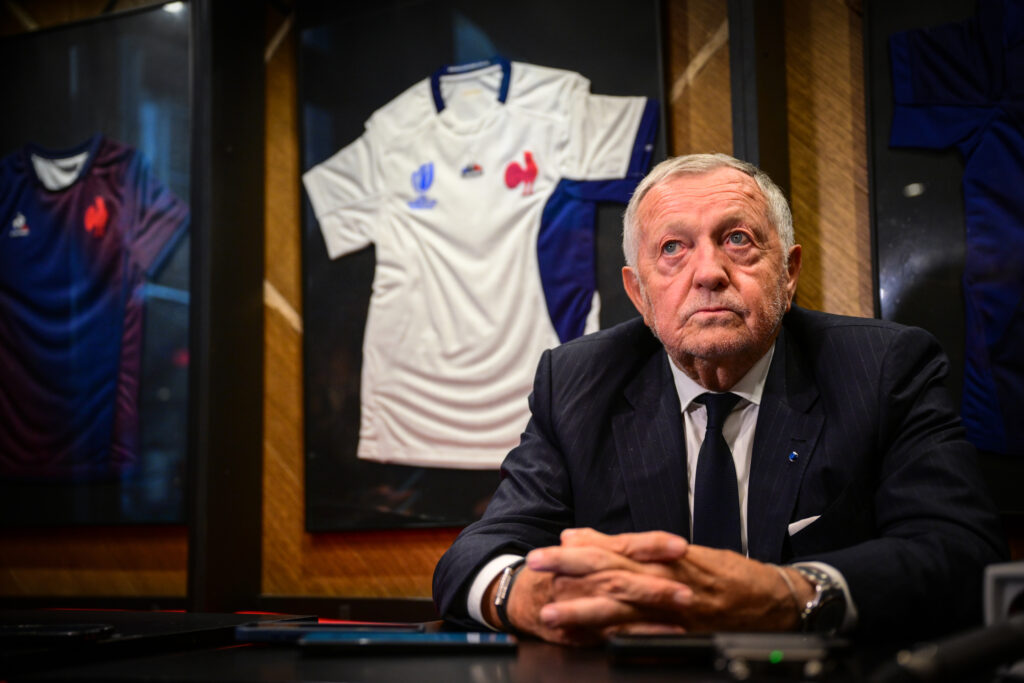
Après des mois de faux suspens l’ancien patron de l’OL Jean-Michel Aulas a fait savoir jeudi qu’il officialiserait “dans quelques jours” sa candidature à la mairie de Lyon “sans étiquette” mais avec le soutien des LR.”Je prends la responsabilité d’ici quelques jours de me lancer dans l’aventure, sans étiquette, mais avec le soutien des gens les plus dynamiques”, a déclaré le chef d’entreprise de 76 ans lors d’un point-presse à Lyon.”On est dans les starting blocks”, a-t-il poursuivi aux côtés du patron des députés républicains Laurent Wauquiez et du maire LR du 2e arrondissement de Lyon Pierre Oliver, qui retire sa propre candidature pour le soutenir.Celui qui a présidé l’Olympique lyonnais pendant 36 ans incarne “la fierté lyonnaise” et “on est convaincus que c’est celui qui peut porter cette bataille pour remettre notre ville de Lyon dans la bonne direction”, a dit Laurent Wauquiez pour justifier ce ralliement.Très critique des élus verts sur les réseaux sociaux, Jean-Michel Aulas avait fait savoir en février, dans les pages du Figaro, qu’il “réfléchissait” à se présenter aux élections municipales de mars 2026 face au maire écologiste sortant Gregory Doucet qui brigue un second mandat.Faute de candidat faisant l’unanimité dans leur camp, un grand nombre de responsables LR et macronistes locaux l’ont immédiatement rallié, misant sur sa notoriété pour reprendre la ville.L’entrepreneur, qui a fait fortune en vendant des logiciels de gestion, a aussi consulté de nombreux responsables nationaux comme l’ancien président Nicolas Sarkozy qui l’a adoubé en juin, ou l’ex-Premier ministre Gabriel Attal.- “Marre” -“Je me suis rendu compte que pour essayer de transformer les choses, de gagner sur le terrain (…) il fallait être unis”, a-t-il dit jeudi pour expliquer son tempo, disant vouloir réunir des personnalités allant “du centre gauche à la droite”.”Mon propos est de réunir tous les gens de bonne volonté qui en ont marre de la situation actuelle”, a-t-il poursuivi. Après avoir décrit Lyon comme une ville “sale, taguée”, il a déclaré vouloir “refaire ce que l’on a connu avant, c’est-à-dire un Lyon qui soit un modèle exemplaire en matière de cité”.S’il n’a pour l’heure pas révélé son programme ni les noms de ceux qui figureront sur sa liste, JMA a égrené ces derniers mois de premières promesses. Sur le plan symbolique, il s’est engagé à renoncer à ses indemnités de maire. Ses détracteurs n’ont pas tardé à accuser la 310e fortune de France (selon le magazine Challenge) de démagogie.- “Patience” -Soucieux de se donner une coloration plus sociale dans une ville qui a donné ses quatre sièges de députés à la gauche en juillet, il a ensuite attaqué sur le terrain de prédilection des écologistes: les transports, en promettant notamment d’étendre la gratuité des bus, métro et trams pour les Lyonnais. Et pour satisfaire la droite, il a promis de mettre plus de caméras de vidéosurveillance et une police municipale des transports, accusant les écologistes d’avoir laissé la violence croître depuis leur élection à la ville et à la métropole en 2020.Même s’il glissait toujours un “si je suis candidat”, Jean-Michel Aulas semblait à chaque fois plus près de se lancer. “Je ne vous ferai pas attendre très longtemps”, déclarait-il ainsi le 19 juin. Début juillet, il avait finalement demandé “un petit peu de patience”, disant vouloir d’abord aider l’OL à repousser la menace de rétrogradation administrative. Mais “aujourd’hui, j’ai envie de rendre à Lyon ce que Lyon m’a apporté”, ajoutait-il immédiatement.Maintenant qu’il s’est lancé, il lui reste à convertir sa popularité en bulletin de vote. S’il jouit d’une meilleure image que Grégory Doucet, il ne le devancerait au premier tour (24% contre 22%), que dans le cas d’une gauche divisée, selon un sondage Elabe BFM publié en mai.