Japan aims to dig deep-sea rare earths to reduce China dependence

A Japanese research vessel on Monday began a historic voyage to attempt to dig deep-sea rare earths at a depth of 6,000 metres to curb dependence on China.Scientific drilling boat called the Chikyu left Shimizu Port in Shizuoka around 9:00 am (0000 GMT) for the remote island of Minami Torishima in the Pacific, where surrounding waters are believed to contain a rich trove of valuable minerals.The test cruise comes as China — by far the world’s biggest supplier of rare earths — ramps up pressure on its neighbour after Prime Minister Sanae Takaichi suggested in November that Tokyo could react militarily to an attack on Taiwan.Beijing claims self-ruled Taiwan as part of its territory and has vowed to seize it by force if necessary.China has long used its dominance in rare earths for geopolitical leverage, including in its trade war with US President Donald Trump’s administration.Chikyu’s voyage, delayed by one day due to bad weather, could lead to domestic production of rare earths, said Shoichi Ishii, programme director at the Cabinet Office.”We are considering diversifying our procurement sources and avoiding excessive reliance on specific countries,” he told reporters at the port as the ship prepared to leave.”One approach I believe could be pursued is establishing a process to achieve domestic production of rare earths,” he said.Rare earths — 17 metals difficult to extract from the Earth’s crust — are used in everything from electric vehicles to hard drives, wind turbines and missiles.The Japan Agency for Marine-Earth Science and Technology (JAMSTEC) has touted the test as the world’s first at such depths.The area around Minami Torishima, which is in Japan’s economic waters, is estimated to contain more than 16 million tons of rare earths, which the Nikkei business daily says is the third-largest reserve globally.These rich deposits contain an estimated 730 years’ worth of dysprosium, used in high-strength magnets in phones and electric cars, and 780 years’ worth of yttrium, used in lasers, Nikkei said.”If Japan could successfully extract rare earths around Minami Torishima constantly, it will secure domestic supply chain for key industries,” Takahiro Kamisuna, research associate at The International Institute for Strategic Studies (IISS), told AFP.”Likewise, it will be a key strategic asset for Takaichi’s government to significantly reduce the supply chain dependence on China.”The cruise is scheduled to last until February 14. Recent media reports said Beijing was delaying Japanese imports as well as rare-earth exports to Tokyo, as their two-month-old spat escalates. China this month blocked exports to Japan of “dual-use” items with potential military uses, fuelling worries in Japan that Beijing could choke supplies of rare earths, some of which are included in China’s list of dual-use goods.

Trump affirme que l’Iran veut “négocier” alors que le bilan des morts de la contestation s’alourdit

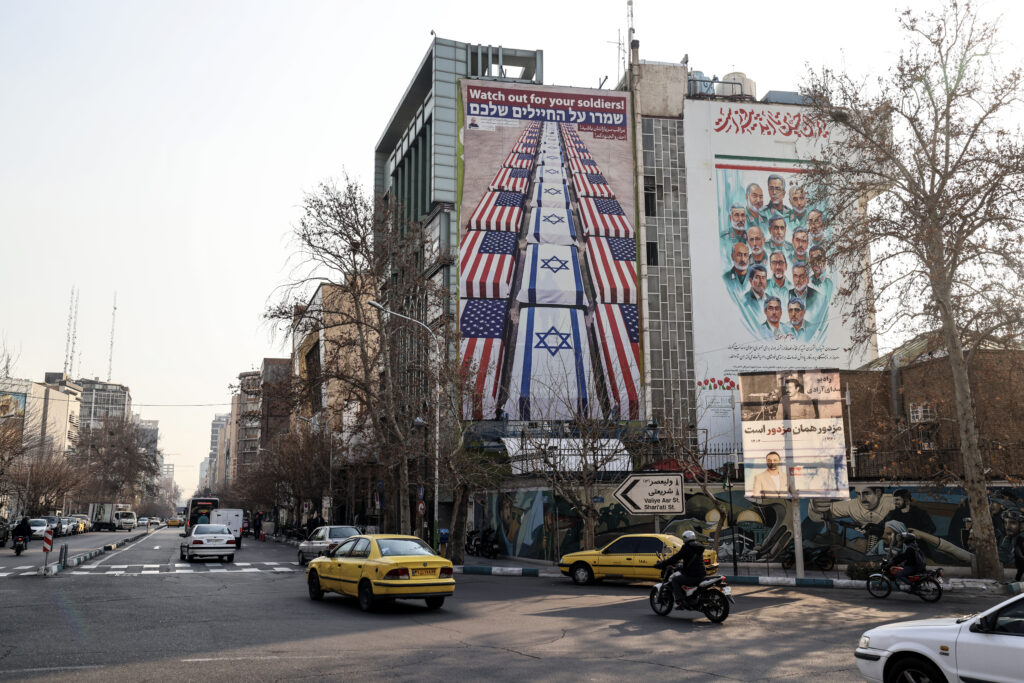
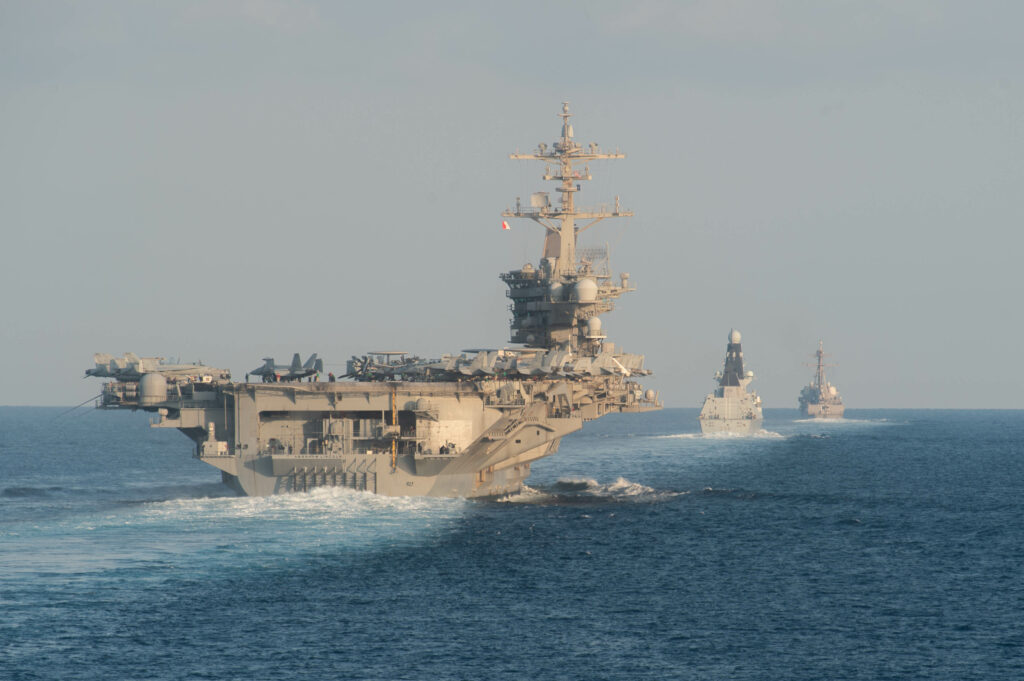
Donald Trump a affirmé dimanche que l’Iran “veut négocier” et qu’une réunion est en préparation avec les dirigeants de la République islamique aux prises avec une vaste contestation, sans écarter des options militaires.A bord de son avion Air Force One, le président américain a estimé que Téhéran commençait à dépasser la ligne rouge qu’il avait fixée concernant les morts de protestataires lors de ce mouvement d’une ampleur inédite depuis trois ans, précisant que l’armée étudiait des “options très fortes”.L’ONG Iran Human Rights (IHR), basée en Norvège, a déclaré dimanche avoir confirmé la mort d’au moins 192 manifestants, mais averti que le nombre réel de victimes pourrait être beaucoup plus lourd, dénonçant un “massacre” et un “crime (…) majeur contre le peuple iranien”.Peu après son nouveau coup de pression, Donald Trump a ajouté que Téhéran avait appelé samedi pour “négocier”, et qu’une rencontre était “en cours de préparation”. Il a cependant laissé planer la menace d’une action avant toute entrevue.Le président du Parlement iranien, Mohammad Bagher Ghalibaf, avait auparavant affirmé que l’Iran riposterait à toute frappe américaine en ciblant des sites militaires et le transport maritime des Etats-Unis.Déclenchée à Téhéran le 28 décembre par des commerçants furieux contre la cherté de la vie, la contestation s’est largement étendue et représente pour la République islamique l’un de ses plus grands défis depuis sa proclamation en 1979.Les autorités ont imposé une coupure d’internet, en vigueur depuis plus de 72 heures, selon l’ONG de surveillance de la cybersécurité Netblocks.L’IHR a aussi estimé à plus de 2.600 les manifestants arrêtés. Le fils de l’ancien chah et figure de l’opposition iranienne en exil aux Etats-Unis, Reza Pahlavi, a exhorté sur les réseaux sociaux les forces armées et de sécurité à “se tenir aux côtés du peuple”.- “Deuil national” -En fin de journée, le gouvernement a décrété trois jours de deuil national pour les “martyrs de la résistance”, en référence notamment aux membres des forces de sécurité tués. Si les autorités disent comprendre les revendications économiques des manifestants, elles fustigent de plus en plus des “émeutiers” instrumentalisés selon elles par l’étranger, les Etats-Unis et Israël en tête.Le président Massoud Pezeshkian a exhorté la population à participer lundi à une “marche de résistance” dans tout le pays, pour dénoncer les violences commises, selon lui, par des “criminels terroristes urbains”. La télévision d’Etat a diffusé des images de bâtiments en feu, dont une mosquée, ainsi que de cortèges funéraires d’agents des forces de l’ordre.Dimanche, une vidéo largement partagée montrait de nouveau des manifestants se rassemblant dans le quartier de Pounak, à Téhéran, en scandant des slogans en faveur de la monarchie déchue.La télévision d’Etat s’est efforcée de montrer une forme de retour au calme, diffusant des images d’une circulation fluide. Le gouverneur de Téhéran, Mohammad-Sadegh Motamedian, a affirmé à la télévision que “le nombre de manifestations (était) en baisse”.Des images publiées sur les réseaux sociaux – probablement par des moyens satellitaires – avaient montré de grandes foules défilant dans la nuit de samedi à dimanche dans plusieurs villes iraniennes, notamment la capitale Téhéran et Machhad, dans l’est du pays.Dans une autre vidéo authentifiée par l’AFP, on voit des dizaines de corps enveloppés dans des sacs noirs devant une morgue de la capitale, et ce qui semble être des Iraniens à la recherche de leurs proches disparus.Le Centre pour les droits de l’homme en Iran (CHRI), dont le siège est à New York, a affirmé que les hôpitaux étaient “débordés” par l’afflux de manifestants blessés, et que les réserves de sang diminuent.A Téhéran, un journaliste de l’AFP décrit une quasi-paralysie de la vie quotidienne.Des manifestations de solidarité ont rassemblé des milliers de personnes dimanche à Paris, Londres ou Vienne, tandis qu’à Istanbul, la police turque a bloqué les manifestants devant le consulat iranien.La mobilisation en Iran survient dans un pays affaibli par une guerre avec Israël en juin et les coups portés à plusieurs de ses alliés régionaux, ainsi que par les sanctions liées à son programme nucléaire rétablies en septembre par l’ONU.

List of key Golden Globe winners

Here are the winners in key categories for the 83rd Golden Globe Awards, which were handed out on Sunday.”One Battle After Another” was the big winner of the night, taking home four awards including best comedy film and best director.- FILM -Best film, drama: “Hamnet”Best film, musical or comedy: “One Battle After Another”Best male actor, drama: Wagner Moura, “The Secret Agent”Best female actor, drama: Jessie Buckley, “Hamnet”Best male actor, musical or comedy: Timothee Chalamet, “Marty Supreme”Best female actor, musical or comedy: Rose Byrne, “If I Had Legs I’d Kick You”Best supporting actor: Stellan Skarsgard, “Sentimental Value”Best supporting actress: Teyana Taylor, “One Battle After Another”Best director: Paul Thomas Anderson, “One Battle After Another”Best screenplay: Paul Thomas Anderson, “One Battle After Another”Best non-English language film: “The Secret Agent” (Brazil)Best cinematic and box office achievement: “Sinners”Best animated feature: “KPop Demon Hunters”- TELEVISION -Best drama series: “The Pitt”Best male actor, drama: Noah Wyle, “The Pitt”Best female actor, drama: Rhea Seehorn, “Pluribus”Best musical or comedy series: “The Studio”Best male actor, musical or comedy: Seth Rogen, “The Studio”Best female actor, musical or comedy: Jean Smart, “Hacks”Best limited series or TV movie: “Adolescence”Best male actor, limited series or TV movie : Stephen Graham, “Adolescence”Best female actor, limited series or TV movie : Michelle Williams, “Dying for Sex”

Bangladesh’s political crossroads: an election guide

Bangladesh has been in political turmoil since a student-led revolt overthrew former prime minister Sheikh Hasina in August 2024, ending her 15-year autocratic rule.The Muslim-majority nation of 170 million people will hold its first elections since the uprising on February 12.Here are the key players in a vote that European Union election observers say will be the “biggest democratic process of 2026, anywhere”.- Interim government -Nobel Peace Prize winner Muhammad Yunus, 85, returned from exile in August 2024 at the behest of protesters to lead a caretaker government as “chief advisor”. He will step down after the polls.Yunus said he inherited a “completely broken” political system, and championed a reform charter he argues is vital to prevent a return to authoritarian rule.A referendum on the proposed changes will be held on the same day. He says the reforms will strengthen checks and balances between the executive, judicial and legislative branches. – Bangladesh Nationalist Party (BNP) -The BNP, led by Tarique Rahman, 60, is widely tipped to win the election, after he returned from 17 years of self-imposed exile in December 2025.His mother, the BNP’s veteran leader and former prime minister Khaleda Zia, died aged 80, days after his return.A BNP-led alliance includes both leftist and centrist parties, as well as small Islamist groups.- Islamist-led alliance -Jamaat-e-Islami, the country’s largest and best-organised Islamist party, ideologically aligned with the Muslim Brotherhood, is seeking a return to formal politics after years of bans and crackdowns under Hasina’s 15-year rule.Jamaat is leading an alliance of more than 10 smaller parties, including the National Citizen Party (NCP), formed by student leaders who spearheaded the uprising.It also includes the small Liberal Democratic Party, as well as fringe Islamist parties, most of which held only a handful of seats in previous parliaments.Bangladesh — one of the world’s mostpopulous Muslim-majority countries after Indonesia and Pakistan– is home to diverse strands of Islamic practice, including a significant Sufi community often condemned by hardline Islamists.Bangladesh also has a small Shia community. Around 10 percent of Bangladeshis are not Muslim — the majority of those are Hindu and the country is also home to a small number of Christians. – Awami League – Hasina, 78, a fugitive in India, was sentenced to death in absentia for crimes against humanity in November.Her former ruling Awami League, once the country’s most popular party, has been outlawed.Loyalists may run as independent candidates, but it is unclear who the party’s once sizable membership will back.Human Rights Watch condemned the ban as “draconian”, while Hasina has warned that holding elections without her party would be “sowing the seeds” of further division.- Army – In a country with a long history of military coups, the army remains a pivotal force.It played a decisive factor in Hasina’s downfall, choosing not to intervene against the protests.The military continues to patrol the streets, maintaining a visible presence alongside the police.- International players -Regional powers have taken a keen interest.Bangladesh’s relations with India — once Hasina’s strongest ally — have cooled.Yunus’ first state visit was to China, signalling a strategic shift, while Dhaka has also deepened engagement with Pakistan, India’s arch-rival.