



La Bourse de Paris tente un rebond malgré les tensions sur les taux d’emprunt
La Bourse de Paris tente un rebond mercredi, dans un marché toutefois freiné par la hausse des taux d’emprunt souverain, en raison de l’incertitude politique et budgétaire de la France.L’indice vedette CAC 40 prenait 0,45% vers 09H55, soit 34,35 points à 7.688,60 points. La veille, le CAC 40 a reculé de 53,65 points (-0,70%) et s’est établi à 7.654,25 points.”Le marché obligataire mène le mouvement, avec une grosse vague de ventes qui a propulsé la veille le rendement des emprunts britanniques à 30 ans (gilts) à leur plus haut niveau depuis mai 1998, tandis que les obligations françaises à 30 ans atteignaient des niveaux inédits depuis 2009″, commente Jim Reid, économiste de Deutsche Bank.Cette hausse du rendement de l’emprunt français à long terme est alimentée par “les craintes croissantes d’une nouvelle chute du gouvernement la semaine prochaine”, a-t-il poursuivi.Le Premier ministre François Bayrou se soumettra lundi à un vote de confiance devant les députés, qui semble toutefois perdu d’avance car les oppositions de gauche et d’extrême droite ont fait savoir qu’elles ne voteraient pas la confiance.La dette publique française représente près de 114% de son PIB, la troisième plus importante de la zone euro derrière la Grèce et l’Italie.Les économistes de Deutsche Bank “estiment que le déficit français atteindra entre 5,6 et 5,8% du PIB en 2025, au-dessus de l’objectif officiel de 5,4%, ce qui alimente encore les doutes sur la soutenabilité de la dette”, souligne Jim Reid.Dans le même temps, l’or a dépassé la veille pour la première fois les 3.500 dollars, “confirmant son rôle de couverture face aux craintes inflationnistes et budgétaires”, note M. Reid. L’once d’or, soit 31,1 grammes, valait 3.535 dollars (+0,06%) vers 09H50, près de son nouveau sommet à 3.536 dollars.Derichebourg dévisseLe spécialiste du recyclage des métaux a révisé en baisse ses objectifs annuels de rentabilité opérationnelle en raison notamment de la hausse des droits de douane aux Etats-Unis, et dit prévoir une chute de son chiffre d’affaires sur un an, selon un communiqué publié mardi après la clôture de la Bourse.A la cote, le titre Derichebourg chutait de 12,63% à 4,75 euros.Valneva saluéLe laboratoire franco-autrichien Valneva a annoncé mardi de nouvelles données positives d’un essai clinique de Phase 2 concernant son candidat vaccin contre la maladie de Lyme. L’action du groupe gagnait 4,60% à 3,61 euros.
En Afghanistan, l’espoir de trouver des rescapés du séisme s’amenuise
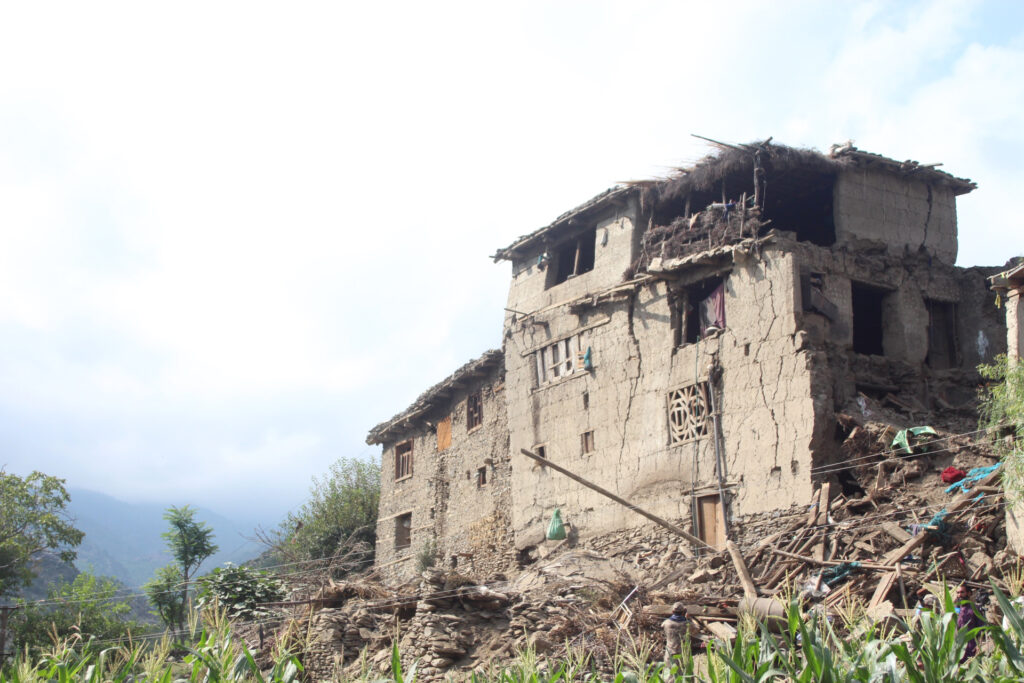
Au troisième jour de difficiles opérations de secours, l’espoir de trouver des rescapés d’un des séismes les plus meurtriers en Afghanistan s’amenuise mercredi, les survivants se demandant de quoi demain sera fait.Après un tremblement de terre de magnitude 6 dans la nuit de dimanche à lundi, la terre a de nouveau tremblé mardi soir dans les provinces orientales frontalières du Pakistan, replongeant des milliers de familles dans l’horreur.La quasi-totalité des victimes (1.411 morts, 3.124 blessés) de ce séisme, l’un des plus meurtriers de l’histoire du pays, ont été recensées dans la province de Kounar, mais celles voisines de Laghman et de Nangarhar ont également été frappées.Dans le district de Nourgal, dans la province de Kounar, des habitants encore pris sous les décombres sont difficiles à secourir, rapporte à l’AFP Ijaz Ulhaq Yaad, un haut fonctionnaire local.Les glissements de terrain rendent très difficile l’accès aux hameaux de montagne et “certains villages n’ont toujours pas reçu d’aide”, ajoute-t-il.L’ONG Save The Children a rapporté qu’une de ses équipes avait marché 20 km pour “atteindre un village coupé du monde par des éboulements, transportant de l’équipement médical sur leurs dos”.- “Course contre la montre” -L’ONG ActionAid, elle, se dit “engagée dans une course contre la montre”.”Les services publics sont déjà à bout” dans le pays, l’un des plus pauvres au monde qui subit de plein fouet les récentes coupes drastiques de l’aide internationale, explique Srikanta Misra, son directeur national. Et le séisme a frappé des villages reculés “où les gens souffraient déjà de pénuries alimentaires, avec un habitant sur cinq souffrant de la faim”.En deux jours, le ministère de la Défense a organisé 155 vols d’hélicoptères pour évacuer quelque 2.000 blessés et leurs proches vers des hôpitaux de la région.A Mazar Dara, un village de la province de Kounar, une petite clinique mobile a été déployée pour apporter des soins d’urgences à des blessés, mais aucune tente n’a été montée pour abriter les rescapés, a constaté un correspondant de l’AFP.Depuis dimanche, les autorités talibanes n’ont pas fait état de plan pour l’après-séisme, que ce soit en termes d’aide financière aux sinistrés, de stratégie de relogement et, à plus long terme, de reconstruction. Elles se contentent d’affirmer qu’elles ne pourront pas faire face seules.Hamdullah Fitrat, porte-parole adjoint du gouvernement, a indiqué qu’un camp avait été établi dans le district de Khas Kounar pour stocker les fournitures d’urgence, tandis que deux autres centres ont été ouverts près de l’épicentre pour “gérer le transfert des blessés, l’enterrement des martyrs et les opérations de secours pour les rescapés”.- Risque d’épidémies -L’ONU, qui estime que des centaines de milliers de personnes pourraient être touchées, a déjà débloqué cinq millions de dollars de son fonds mondial d’intervention d’urgence.Mais l’Organisation mondiale de la santé (OMS) a déjà dit manquer de trois millions de dollars pour mettre en œuvre sa réponse d’urgence.”Sans fonds d’urgence pour combler ce déficit, la capacité à déployer des opérations pour sauver des vies au lendemain du séisme sera gravement compromise”, prévient l’agence onusienne, soulignant notamment le risque d’apparition d’épidémies “au sein de populations déplacées déjà vulnérables”.Après leur retour au pouvoir en 2021, les talibans avaient déjà été confrontés au séisme le plus meurtrier en 25 ans: en 2023, dans la région d’Hérat (ouest), à l’autre extrémité de l’Afghanistan, plus de 1.500 personnes avaient été tuées et plus de 63.000 habitations détruites.L’Afghanistan est fréquemment frappé par des tremblements de terre, en particulier dans la chaîne montagneuse de l’Hindou Kouch, près de la jonction des plaques tectoniques eurasienne et indienne.Depuis 1900, le nord-est de ce pays a connu 12 séismes d’une magnitude supérieure à 7, selon Brian Baptie, sismologue au British Geological Survey.
En Afghanistan, l’espoir de trouver des rescapés du séisme s’amenuise
Au troisième jour de difficiles opérations de secours, l’espoir de trouver des rescapés d’un des séismes les plus meurtriers en Afghanistan s’amenuise mercredi, les survivants se demandant de quoi demain sera fait.Après un tremblement de terre de magnitude 6 dans la nuit de dimanche à lundi, la terre a de nouveau tremblé mardi soir dans les provinces orientales frontalières du Pakistan, replongeant des milliers de familles dans l’horreur.La quasi-totalité des victimes (1.411 morts, 3.124 blessés) de ce séisme, l’un des plus meurtriers de l’histoire du pays, ont été recensées dans la province de Kounar, mais celles voisines de Laghman et de Nangarhar ont également été frappées.Dans le district de Nourgal, dans la province de Kounar, des habitants encore pris sous les décombres sont difficiles à secourir, rapporte à l’AFP Ijaz Ulhaq Yaad, un haut fonctionnaire local.Les glissements de terrain rendent très difficile l’accès aux hameaux de montagne et “certains villages n’ont toujours pas reçu d’aide”, ajoute-t-il.L’ONG Save The Children a rapporté qu’une de ses équipes avait marché 20 km pour “atteindre un village coupé du monde par des éboulements, transportant de l’équipement médical sur leurs dos”.- “Course contre la montre” -L’ONG ActionAid, elle, se dit “engagée dans une course contre la montre”.”Les services publics sont déjà à bout” dans le pays, l’un des plus pauvres au monde qui subit de plein fouet les récentes coupes drastiques de l’aide internationale, explique Srikanta Misra, son directeur national. Et le séisme a frappé des villages reculés “où les gens souffraient déjà de pénuries alimentaires, avec un habitant sur cinq souffrant de la faim”.En deux jours, le ministère de la Défense a organisé 155 vols d’hélicoptères pour évacuer quelque 2.000 blessés et leurs proches vers des hôpitaux de la région.A Mazar Dara, un village de la province de Kounar, une petite clinique mobile a été déployée pour apporter des soins d’urgences à des blessés, mais aucune tente n’a été montée pour abriter les rescapés, a constaté un correspondant de l’AFP.Depuis dimanche, les autorités talibanes n’ont pas fait état de plan pour l’après-séisme, que ce soit en termes d’aide financière aux sinistrés, de stratégie de relogement et, à plus long terme, de reconstruction. Elles se contentent d’affirmer qu’elles ne pourront pas faire face seules.Hamdullah Fitrat, porte-parole adjoint du gouvernement, a indiqué qu’un camp avait été établi dans le district de Khas Kounar pour stocker les fournitures d’urgence, tandis que deux autres centres ont été ouverts près de l’épicentre pour “gérer le transfert des blessés, l’enterrement des martyrs et les opérations de secours pour les rescapés”.- Risque d’épidémies -L’ONU, qui estime que des centaines de milliers de personnes pourraient être touchées, a déjà débloqué cinq millions de dollars de son fonds mondial d’intervention d’urgence.Mais l’Organisation mondiale de la santé (OMS) a déjà dit manquer de trois millions de dollars pour mettre en œuvre sa réponse d’urgence.”Sans fonds d’urgence pour combler ce déficit, la capacité à déployer des opérations pour sauver des vies au lendemain du séisme sera gravement compromise”, prévient l’agence onusienne, soulignant notamment le risque d’apparition d’épidémies “au sein de populations déplacées déjà vulnérables”.Après leur retour au pouvoir en 2021, les talibans avaient déjà été confrontés au séisme le plus meurtrier en 25 ans: en 2023, dans la région d’Hérat (ouest), à l’autre extrémité de l’Afghanistan, plus de 1.500 personnes avaient été tuées et plus de 63.000 habitations détruites.L’Afghanistan est fréquemment frappé par des tremblements de terre, en particulier dans la chaîne montagneuse de l’Hindou Kouch, près de la jonction des plaques tectoniques eurasienne et indienne.Depuis 1900, le nord-est de ce pays a connu 12 séismes d’une magnitude supérieure à 7, selon Brian Baptie, sismologue au British Geological Survey.
En Afghanistan, l’espoir de trouver des rescapés du séisme s’amenuise
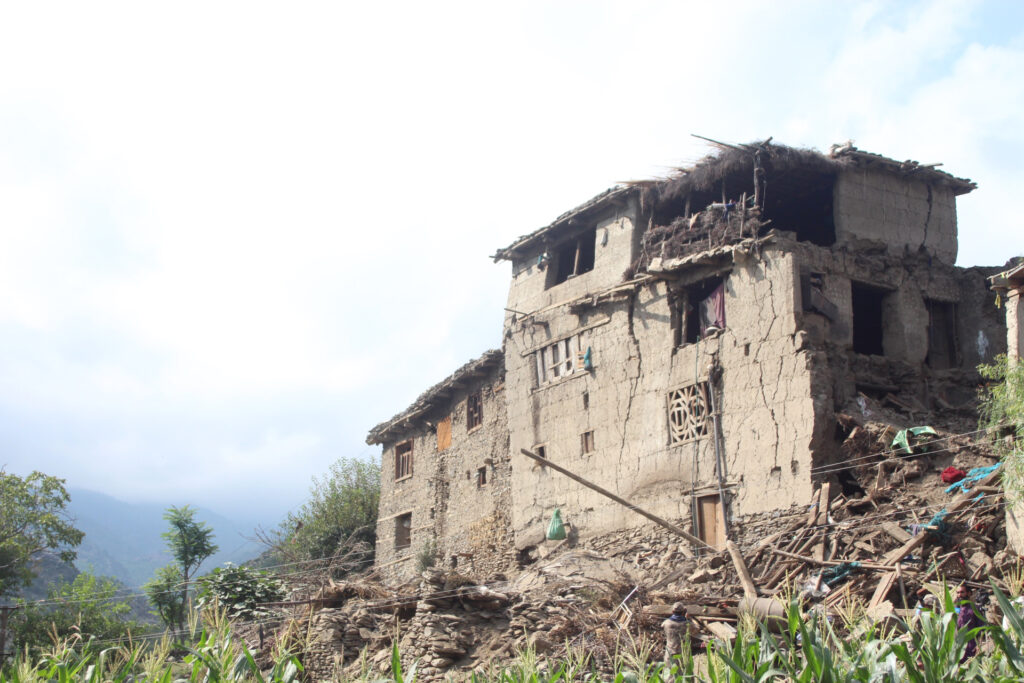
Au troisième jour de difficiles opérations de secours, l’espoir de trouver des rescapés d’un des séismes les plus meurtriers en Afghanistan s’amenuise mercredi, les survivants se demandant de quoi demain sera fait.Après un tremblement de terre de magnitude 6 dans la nuit de dimanche à lundi, la terre a de nouveau tremblé mardi soir dans les provinces orientales frontalières du Pakistan, replongeant des milliers de familles dans l’horreur.La quasi-totalité des victimes (1.411 morts, 3.124 blessés) de ce séisme, l’un des plus meurtriers de l’histoire du pays, ont été recensées dans la province de Kounar, mais celles voisines de Laghman et de Nangarhar ont également été frappées.Dans le district de Nourgal, dans la province de Kounar, des habitants encore pris sous les décombres sont difficiles à secourir, rapporte à l’AFP Ijaz Ulhaq Yaad, un haut fonctionnaire local.Les glissements de terrain rendent très difficile l’accès aux hameaux de montagne et “certains villages n’ont toujours pas reçu d’aide”, ajoute-t-il.L’ONG Save The Children a rapporté qu’une de ses équipes avait marché 20 km pour “atteindre un village coupé du monde par des éboulements, transportant de l’équipement médical sur leurs dos”.- “Course contre la montre” -L’ONG ActionAid, elle, se dit “engagée dans une course contre la montre”.”Les services publics sont déjà à bout” dans le pays, l’un des plus pauvres au monde qui subit de plein fouet les récentes coupes drastiques de l’aide internationale, explique Srikanta Misra, son directeur national. Et le séisme a frappé des villages reculés “où les gens souffraient déjà de pénuries alimentaires, avec un habitant sur cinq souffrant de la faim”.En deux jours, le ministère de la Défense a organisé 155 vols d’hélicoptères pour évacuer quelque 2.000 blessés et leurs proches vers des hôpitaux de la région.A Mazar Dara, un village de la province de Kounar, une petite clinique mobile a été déployée pour apporter des soins d’urgences à des blessés, mais aucune tente n’a été montée pour abriter les rescapés, a constaté un correspondant de l’AFP.Depuis dimanche, les autorités talibanes n’ont pas fait état de plan pour l’après-séisme, que ce soit en termes d’aide financière aux sinistrés, de stratégie de relogement et, à plus long terme, de reconstruction. Elles se contentent d’affirmer qu’elles ne pourront pas faire face seules.Hamdullah Fitrat, porte-parole adjoint du gouvernement, a indiqué qu’un camp avait été établi dans le district de Khas Kounar pour stocker les fournitures d’urgence, tandis que deux autres centres ont été ouverts près de l’épicentre pour “gérer le transfert des blessés, l’enterrement des martyrs et les opérations de secours pour les rescapés”.- Risque d’épidémies -L’ONU, qui estime que des centaines de milliers de personnes pourraient être touchées, a déjà débloqué cinq millions de dollars de son fonds mondial d’intervention d’urgence.Mais l’Organisation mondiale de la santé (OMS) a déjà dit manquer de trois millions de dollars pour mettre en œuvre sa réponse d’urgence.”Sans fonds d’urgence pour combler ce déficit, la capacité à déployer des opérations pour sauver des vies au lendemain du séisme sera gravement compromise”, prévient l’agence onusienne, soulignant notamment le risque d’apparition d’épidémies “au sein de populations déplacées déjà vulnérables”.Après leur retour au pouvoir en 2021, les talibans avaient déjà été confrontés au séisme le plus meurtrier en 25 ans: en 2023, dans la région d’Hérat (ouest), à l’autre extrémité de l’Afghanistan, plus de 1.500 personnes avaient été tuées et plus de 63.000 habitations détruites.L’Afghanistan est fréquemment frappé par des tremblements de terre, en particulier dans la chaîne montagneuse de l’Hindou Kouch, près de la jonction des plaques tectoniques eurasienne et indienne.Depuis 1900, le nord-est de ce pays a connu 12 séismes d’une magnitude supérieure à 7, selon Brian Baptie, sismologue au British Geological Survey.
Singulières, les dernières “maisons-bulles” de Dakar résistent à l’urbanisation galopante
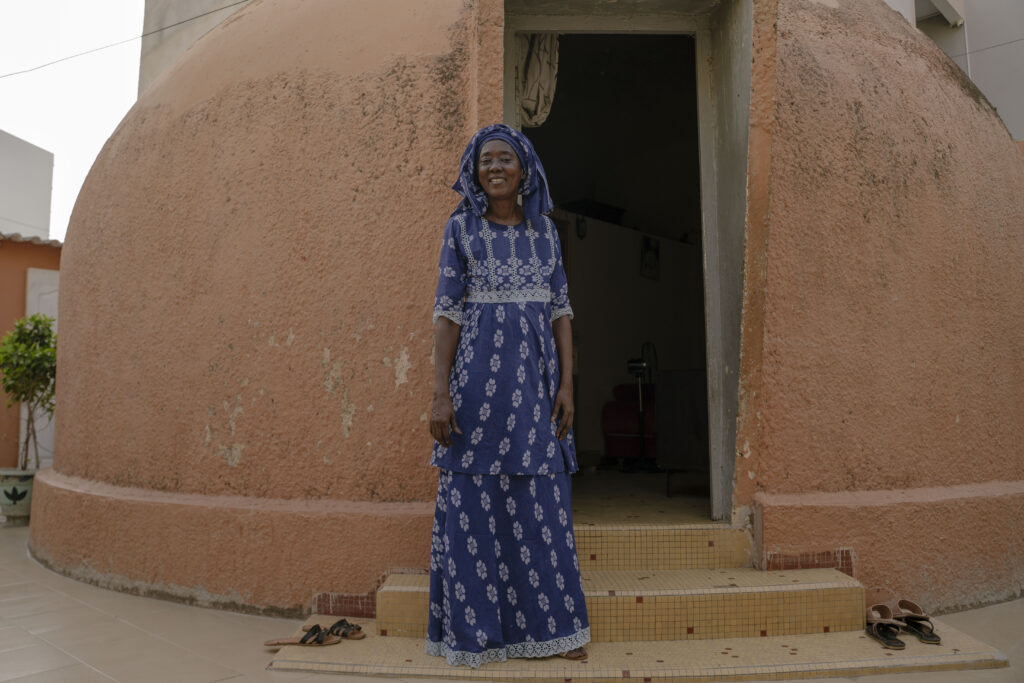
Marième Ndiaye émerge de sa maison à Dakar, un bâtiment en forme d’igloo à l’esthétique rétrofuturiste des années 1950. Dans ce quartier central de la capitale sénégalaise, la singularité de l’édifice contraste avec les immeubles rectangulaires voisins en construction.La petite “maison-bulle” – ou “maison-ballon” – en béton captive les regards et semble sortie d’un film de science-fiction.Dans les années 1950, quelque 1.200 de ces petites habitations ont été construites dans plusieurs quartiers de Dakar pour contrer une pénurie de logements après la Seconde Guerre mondiale. Elles ont été bâties en aspergeant de béton projeté un ballon géant, ensuite dégonflé.Rangée après rangée, ces dômes de couleur claire qui pouvaient être construits en 48 heures, ont rapidement émergé du sol sahélien brunâtre.Imaginées par un architecte américain, puis lancées par les autorités coloniales françaises, ces constructions destinées aux populations sénégalaises de Dakar ont reçu un accueil mitigé: les familles sénégalaises, traditionnellement nombreuses et multigénérationnelles, s’y sont rapidement senties à l’étroit.Mais les terrains sur lesquelles elles ont été construites ont rapidement pris de la valeur, suscitant une grande convoitise. Aujourd’hui, seule une centaine de ces habitations a survécu, les autres ayant succombé à l’urbanisation galopante de Dakar.- “c’est sentimental” -Sans sociétés historiques ou architecturales pour les préserver, les petits igloos n’ont pour principaux protecteurs que leurs derniers habitants.”Quand j’étais petite, nous n’avions que les (maisons-)ballons” dans ce quartier Zone B, raconte Marième Ndiaye, qui y a grandi et y vit toujours.”Nous sommes en train de détruire les ballons, de les transformer”, déplore cette retraitée de 65 ans, dont la maison-bulle est restée intacte, alors que ses jeunes frères voulaient la raser et construire autre chose. “Pour moi, c’est sentimental”, confie-t-elle.Les raisons poussant leur habitants à préserver les maisons-bulles sont variées, explique l’architecte dakaroise Carole Diop à l’AFP. Mais “malheureusement, de nombreuses familles qui en avaient les moyens ont fini par démolir leur ballon pour construire un immeuble”.Beaucoup des maisons-ballons survivantes ont été modifiées afin de mieux correspondre aux besoins des foyers sénégalais.Avec un diamètre moyen de seulement six mètres, une maison-bulle standard comme celle de Mme Ndiaye comprenait une chambre, un salon et une salle de bain, selon Carole Diop.En les construisant, les autorités coloniales françaises n’ont pas tenu compte de la taille d’une famille sénégalaise traditionnelle, souligne l’architecte, et “de nombreuses familles se sont adaptées et ont trouvé des moyens de répondre à leur besoin d’espace”, notamment en bâtissant des extensions.La maison-bulle de Marième Ndiaye, achetée par son père dans les années 1950, est aujourd’hui incorporée dans un grand complexe familial où elle vit avec une demi-douzaines de proches couvrant plusieurs générations. La maison-bulle se trouve au milieu de la cour carrée du complexe, où d’autres pièces ont été aménagées le long des murs d’enceinte.- “quelque chose d’extraordinaire” -Même si les maisons-ballons peuvent devenir chaudes lorsqu’elles sont exposées directement au soleil, malgré la présence d’un évent sur le toit pour évacuer l’air chaud, Mme Ndiaye assure, elle, que la sienne est confortable.A 10 minutes de marche de là, Sekouna Yansane a récemment construit une grande maison à côté de la maison-bulle achetée par son père dans les années 1950. Il a incorporé le dôme au vaste bâtiment, en faisant une pièce qui forme une protubérance sur un côté.En tant qu’artiste, il répugnait à laisser la petite construction aux mains des promoteurs immobiliers.”Je trouve ça très atypique, je l’adore”, s’exclame l’homme de 65 ans, “ça me rappelle quand je suis allé en Mongolie, les yourtes”.Ses voisins immédiats, par contre, ont rasé leur ballon. “Pourquoi les détruire? Ce sont des choses que nous devrions garder”, estime M. Yansane, pour qui une bonne maison a toujours “du caractère”.L’architecte américain Wallace Neff, qui a inventé les maisons-bulles, est surtout connu pour ses constructions de style colonial espagnol et les résidences qu’il a conçues pour des stars hollywoodiennes comme Judy Garland et Groucho Marx. Mais il estimait que la maison-bulle était sa plus grande contribution à l’architecture.”Au rythme auquel la ville se densifie et évolue, je pense que malheureusement dans 100 ans, il n’y aura plus de ballons”, estime Carole Diop lorsqu’on l’interroge à ce sujet. Sekouna Yansane, lui, espère qu’elles survivront: auquel cas, “ce sera quelque chose d’extraordinaire”.
Être parent en prison, la peur de l’oubli
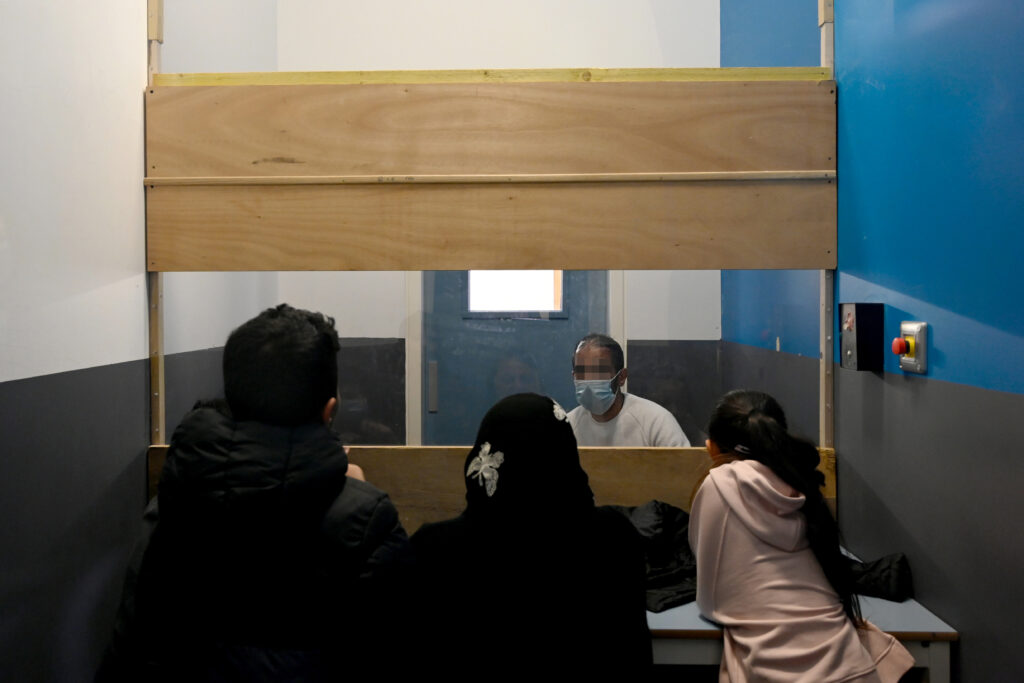
“Papa, je croyais que tu étais mort”, a soufflé la fillette de 7 ans en revoyant son père lors de leur premier parloir, un an après le début de son incarcération. Comme près d’un détenu sur deux en France, Yacine a vu ses enfants grandir loin de lui.”J’ai préféré mentir, dire que j’étais en voyage, mais je me suis rendu compte que ce n’était pas la bonne solution. Ma fille commençait à faire de l’eczéma, du stress, puis elle ne travaillait plus à l’école”, raconte cet homme de 56 ans, incarcéré en 2006 pour trois ans.Selon l’Observatoire international des prisons (OIP), citant des chiffres du ministère de la Justice, en France 44 % des hommes détenus déclaraient avoir au moins un enfant au 1er septembre 2023. Plus de 95.000 enfants avaient un père incarcéré et plus de 3.300 une mère détenue, d’après l’OIP.Pour Pascal Roman, professeur de psychologie clinique et auteur de “Comment être parent en prison”, cette situation illustre la “parentalité empêchée”, quand la honte et la culpabilité conduisent les détenus à s’éloigner de leur rôle parental.Une personne détenue est souvent perçue comme ayant “perdu sa légitimité à exercer son rôle de parent, du fait de ses actes transgressifs”, relève l’expert, pour qui le risque de rupture du lien est encore accru par l’éloignement, la rareté des visites et le “manque de connaissance de ses droits”.Or “ce n’est pas parce qu’on est privé de liberté qu’on est privé de droits”, souligne sa coautrice Marie Douris. Mais il y a des obstacles au maintien de la relation avec les enfants, le “principal” étant l’attitude de l’autre parent, ajoute cette experte en droit de la famille. Pour le détenu, préserver ce lien avec le parent à l’extérieur est crucial pour conserver une relation stable avec ses enfants.”Je ne mettais jamais de photo de mes enfants sur les murs de la cellule. Les voir mais se rendre compte qu’ils ne sont pas là, c’est trop violent”, explique Yacine, qui veut éviter de se remémorer ces “terribles moments” en prison.A sa sortie en 2015, à l’issue d’une seconde incarcération de cinq ans, Yacine a décidé d’aider à sa manière les ex-détenus. Depuis trois ans, il est formateur à Wake Up Café, une association fondée en 2014 qui accompagne d’anciens détenus et les aide dans leur réinsertion professionnelle.- “Comme un étranger” -En sortant de prison, renouer le lien avec ses enfants exige du temps. Le parent a changé, l’enfant a grandi, et chacun doit trouver sa nouvelle place. Cette reconstruction nécessite patience, échanges et soutien de la part des familles, des proches ou des associations pour restaurer un lien parfois fragile.”Il commençait à m’oublier, j’étais comme un étranger pour mon fils”, se remémore Christian, 46 ans, qui a lui aussi purgé plusieurs peines de prison. Il “regrette énormément” de n’avoir pas vécu “certains moments”, d’avoir “raté les premiers mots, les premiers pas, parce qu’il y a des choses, une fois qu’elles sont passées, il n’y a pas de retour en arrière”.Comme pour Yacine, Christian avait peur que son garçonnet “comprenne que son père (était) en détention”. “C’est pour ça que, via le téléphone, j’essayais de lui montrer mon visage, j’essayais de lui parler”, ajoute Christian. “Ca m’a sauvé, parce que les visites au parloir, ce n’était pas suffisant”.Pour Dominique Simonnot, contrôleuse générale des lieux de privation de liberté, ce choix est compréhensible. “C’est désagréable de recevoir ses enfants dans ces conditions, c’est mal aménagé, trop lugubre”, fait-elle valoir.Chez les femmes détenues, la situation est souvent plus difficile. Comme le souligne Mme Simonnot, il y a cette “injustice totale car chez les femmes, il y a très peu de visites”, les pères de famille se rendant généralement moins volontiers au parloir que les mères. Ce qui provoque souvent une rupture du lien avec leurs enfants.La possession – illégale – de téléphones portables est donc une alternative “logique”, estime l’ancienne chroniqueuse judiciaire, compte tenu du coût des appels passé depuis les lignes fixes en prison, “11 fois plus chers” qu’à l’extérieur.

Les Bourses européennes ouvrent en hausse
Les Bourses européennes ont ouvert en hausse mercredi, tentant un rebond, dans un marché surtout marqué par la hausse des taux d’emprunt souverains, qui renchérit le coût de la dette, en raison des incertitudes politiques et budgétaires.Dans les premiers échanges, la Bourse de Francfort prenait 0,47% après de lourdes pertes la veille, Paris avançait de 0,48% et Londres de 0,13%.