

Ligue 1: l’OM, surpris à Lens (2-1), perd la tête
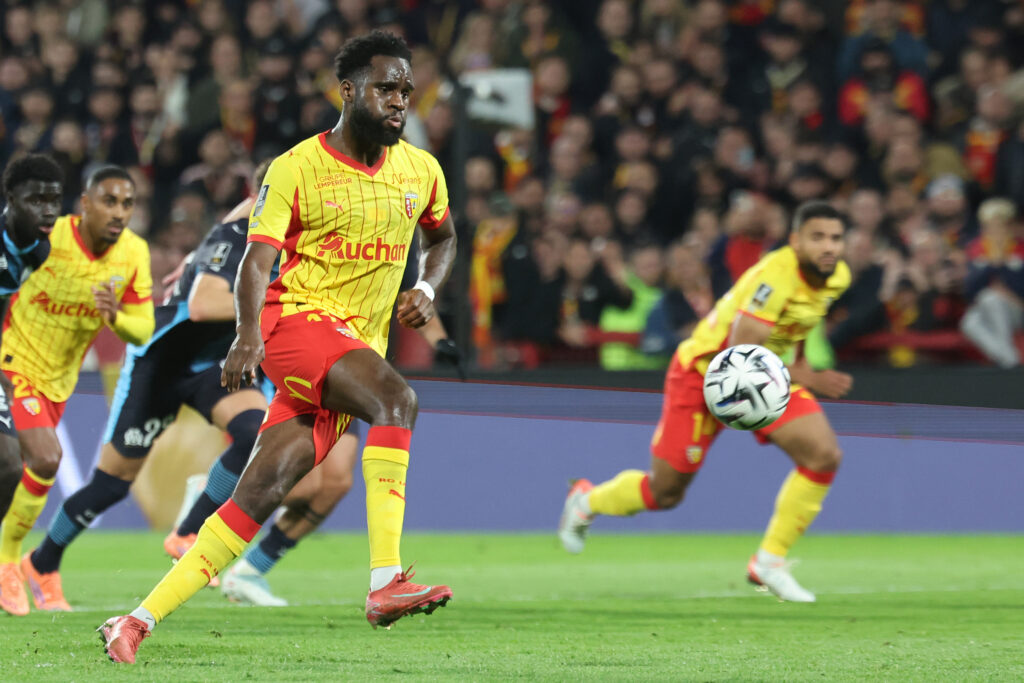
Sale semaine pour l’OM: battu par le Sporting en Ligue des champions, le club phocéen a enchaîné une deuxième défaite à Lens (2-1) en Ligue 1, samedi soir au Stade Bollaert, et abandonne la première place.Cette défaite fait descendre Marseille au troisième rang (18 points), au profit du Paris Saint-Germain, qui récupère la première place (20 pts) grâce à son net succès, dans l’après-midi à Brest (3-0), juste devant les Lensois, désormais deuxièmes (19 pts).Plus rien n’arrête les Sang et Or, qui, depuis leur succès fondateur lors du derby du Nord (3-0), ont remporté trois rencontres et concédé un match nul à Rennes, en évoluant quasiment toute la rencontre en infériorité numérique, en quatre matches.À l’inverse, Marseille connaît un coup d’arrêt après une première défaite mercredi à Lisbonne contre le Sporting (2-1). Cette fois, les joueurs de Roberto De Zerbi ont manqué d’imagination à Bollaert, bien contenus par le bloc lensois, et n’ont pas pu être sauvés par les inspirations d’Igor Paixao, soliste génial ces dernières semaines, plus discret et maladroit samedi soir.L’autre détonateur habituel des Olympiens, Mason Greenwood, a lui réussi à mettre son équipe sur la bonne voie en ouvrant le score d’une reprise limpide à l’entrée de la surface de réparation lensoise (17e), bien servi par Timothy Weah. L’Anglais est revenu à hauteur de Joaquin Panichelli en tête du classement des meilleurs buteurs du championnat (sept buts), une semaine après son quadruplé contre Le Havre.- Le cauchemar de Pavard -Mais son équipe a connu une toute autre soirée cette fois, qui a commencé après vingt minutes de jeu, quand Benjamin Pavard, formé chez le rival honni, le Losc, a fait faute dans sa surface sur Odsonne Édouard. L’attaquant a transformé le penalty d’une délicieuse panenka (23e), après que Florian Thauvin lui a donné la possibilité de le tirer.Placé en défense centrale à la place du capitaine Leonardo Balerdi, que De Zerbi avait choisi de faire débuter sur le banc, Pavard a vécu une soirée cauchemardesque. C’est le champion du monde (2018) qui a offert la victoire aux Artésiens en marquant un but contre son camp après un corner (53e).Les joueurs de Pierre Sage ont encore démontré qu’ils avaient fait des coups de pied arrêtés leur spécialité cette saison en marquant leur troisième penalty et leur sixième but après un corner.C’est sous les huées de Bollaert que Pavard a ensuite été remplacé, dès la 61e minute.Marseille a ensuite mis la pression sur les Lensois, dominant, comme durant tout le match, le ballon (68% de possession), sans parvenir à porter véritablement le danger sur les cages gardées par Robin Risser. Un chiffre témoigne de la maladresse marseillaise: seules trois de leurs 17 frappes ont été cadrées.Au contraire, c’est Lens qui a été tout proche du K.O., mais Géronimo Rulli a été impressionnant pour repousser une tête de Florian Thauvin sur sa ligne (62e), un centre transformé en tir de Matthieu Udol (71e) et une frappe à bout portant de Mamadou Sangaré (90e+1).Pierre-Émile Hojbjerg s’est procuré une dernière occasion, mais sa reprise du pied gauche a fui le cadre (90+5).Et Bollaert a laissé éclaté sa joie, celle de voir les siens surprendre la Ligue 1 en s’installant au deuxième rang, alors qu’on leur prédisait une saison de transition avec un effectif renouvelé, un nouvel entraîneur et des moyens financiers encore réduits. En face, Marseille sort sonné de ses deux déplacements de la semaine, mais aura l’occasion de se relancer mercredi contre Angers dans son Vélodrome.
Angleterre: battu à Brentford, Liverpool n’en finit pas de sombrer
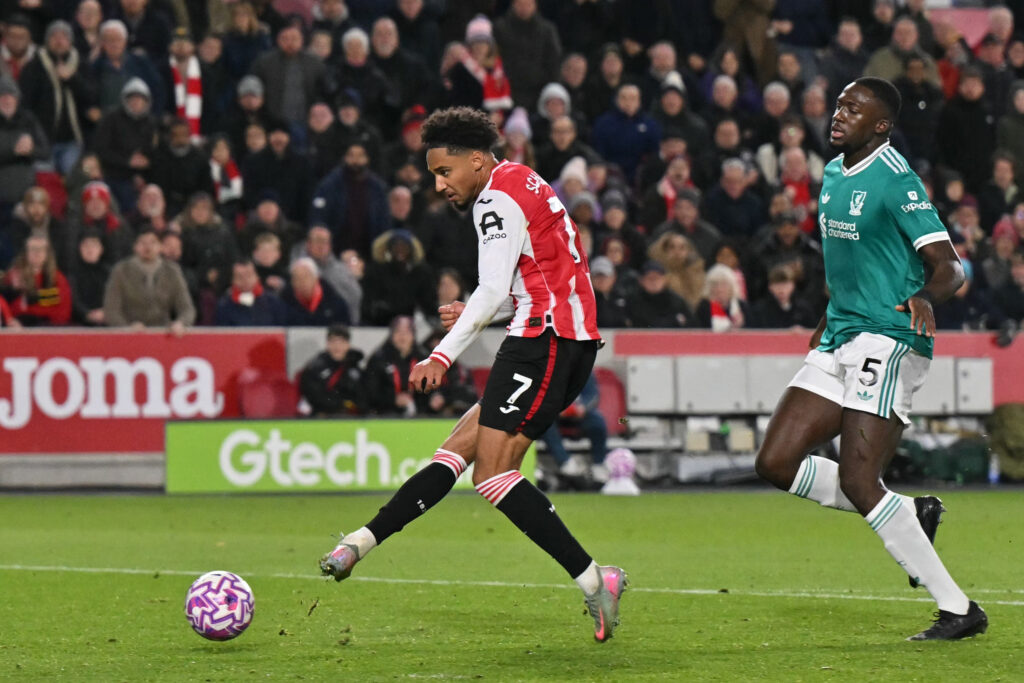
Le champion d’Angleterre en titre Liverpool a concédé samedi à Brentford (3-2) sa quatrième défaite consécutive en championnat, la cinquième en six matches toutes compétitions confondues.Le large succès 5-1 mercredi à Francfort en Ligue des champions n’a été qu’une petite éclaircie dans la série cauchemardesque des Reds, sixièmes de Premier League (15 points) avant le reste de la 9e journée.Le leader Arsenal (1er, 19 pts) pourrait compter sept points d’avance s’il venait à s’imposer dimanche contre Crystal Palace (9e, 13 pts), le club qui devance Brentford (10e, 13 pts).Le parfum de crise, déjà bien prononcé, pourrait s’accentuer encore dans la quinzaine à venir. Liverpool affronte en effet Crystal Palace en coupe de la Ligue, Aston Villa et Manchester City en Premier League, le Real Madrid en Ligue des champions.En attendant, l’équipe d’Arne Slot n’est plus que l’ombre d’elle-même, à l’image de Mohamed Salah, son buteur inarrêtable de la saison dernière, très longtemps transparent avant son but lumineux, mais vain, samedi à l’approche du coup de sifflet final.L’ailier égyptien n’a quasiment rien réussi jusqu’à un magnifique enchaînement contrôle du gauche en extension, reprise du droit sous la barre transversale (89e, 3-2).Maladroits et peu inspirés devant, les Reds ont affiché de nouvelles failles inquiétantes derrière, notamment dans l’axe avec le capitaine Virgil van Dijk et son comparse Ibrahima Konaté.Le premier a concédé un pénalty en commettant une faute à l’entrée de la surface de réparation, transformé par Igor Thiago (60e, 3-1). Le second s’est fait déposer à la course par Kevin Schade (45e, 2-0), magnifiquement lancé en contre-attaque par Mikkel Damsgaard.Dango Ouattara avait été le premier à faire vaciller l’arrière-garde des visiteurs sur une reprise de volée après une longue touche prolongée par un coéquipier (5e, 1-0).Le gardien Giorgi Mamardashvili, titulaire en l’absence d’Alisson, a limité la casse sur des tentatives de Damsgaard (39e, 55e).Entre temps, Milos Kerkez a réduit l’écart juste avant la mi-temps sur un centre fort de Conor Bradley (45e+5, 2-1).
Ligue 1: l’OM, surpris à Lens (2-1), perd la tête
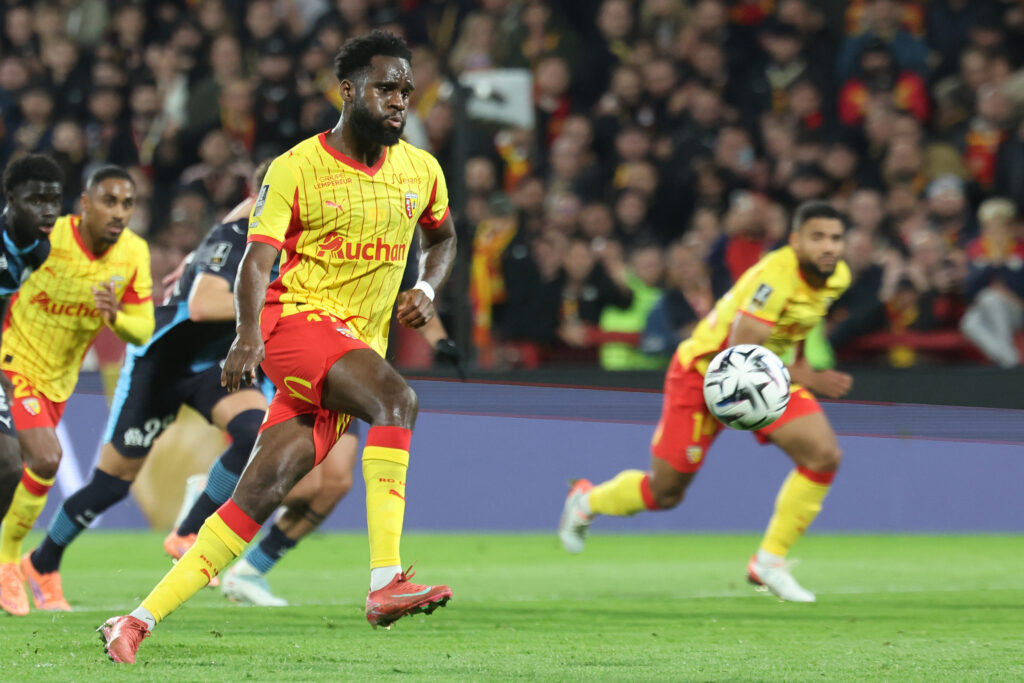
Sale semaine pour l’OM: battu par le Sporting en Ligue des champions, le club phocéen a enchaîné une deuxième défaite à Lens (2-1) en Ligue 1, samedi soir au Stade Bollaert, et abandonne la première place.Cette défaite fait descendre Marseille au troisième rang (18 points), au profit du Paris Saint-Germain, qui récupère la première place (20 pts) grâce à son net succès, dans l’après-midi à Brest (3-0), juste devant les Lensois, désormais deuxièmes (19 pts).Plus rien n’arrête les Sang et Or, qui, depuis leur succès fondateur lors du derby du Nord (3-0), ont remporté trois rencontres et concédé un match nul à Rennes, en évoluant quasiment toute la rencontre en infériorité numérique, en quatre matches.À l’inverse, Marseille connaît un coup d’arrêt après une première défaite mercredi à Lisbonne contre le Sporting (2-1). Cette fois, les joueurs de Roberto De Zerbi ont manqué d’imagination à Bollaert, bien contenus par le bloc lensois, et n’ont pas pu être sauvés par les inspirations d’Igor Paixao, soliste génial ces dernières semaines, plus discret et maladroit samedi soir.L’autre détonateur habituel des Olympiens, Mason Greenwood, a lui réussi à mettre son équipe sur la bonne voie en ouvrant le score d’une reprise limpide à l’entrée de la surface de réparation lensoise (17e), bien servi par Timothy Weah. L’Anglais est revenu à hauteur de Joaquin Panichelli en tête du classement des meilleurs buteurs du championnat (sept buts), une semaine après son quadruplé contre Le Havre.- Le cauchemar de Pavard -Mais son équipe a connu une toute autre soirée cette fois, qui a commencé après vingt minutes de jeu, quand Benjamin Pavard, formé chez le rival honni, le Losc, a fait faute dans sa surface sur Odsonne Édouard. L’attaquant a transformé le penalty d’une délicieuse panenka (23e), après que Florian Thauvin lui a donné la possibilité de le tirer.Placé en défense centrale à la place du capitaine Leonardo Balerdi, que De Zerbi avait choisi de faire débuter sur le banc, Pavard a vécu une soirée cauchemardesque. C’est le champion du monde (2018) qui a offert la victoire aux Artésiens en marquant un but contre son camp après un corner (53e).Les joueurs de Pierre Sage ont encore démontré qu’ils avaient fait des coups de pied arrêtés leur spécialité cette saison en marquant leur troisième penalty et leur sixième but après un corner.C’est sous les huées de Bollaert que Pavard a ensuite été remplacé, dès la 61e minute.Marseille a ensuite mis la pression sur les Lensois, dominant, comme durant tout le match, le ballon (68% de possession), sans parvenir à porter véritablement le danger sur les cages gardées par Robin Risser. Un chiffre témoigne de la maladresse marseillaise: seules trois de leurs 17 frappes ont été cadrées.Au contraire, c’est Lens qui a été tout proche du K.O., mais Géronimo Rulli a été impressionnant pour repousser une tête de Florian Thauvin sur sa ligne (62e), un centre transformé en tir de Matthieu Udol (71e) et une frappe à bout portant de Mamadou Sangaré (90e+1).Pierre-Émile Hojbjerg s’est procuré une dernière occasion, mais sa reprise du pied gauche a fui le cadre (90+5).Et Bollaert a laissé éclaté sa joie, celle de voir les siens surprendre la Ligue 1 en s’installant au deuxième rang, alors qu’on leur prédisait une saison de transition avec un effectif renouvelé, un nouvel entraîneur et des moyens financiers encore réduits. En face, Marseille sort sonné de ses deux déplacements de la semaine, mais aura l’occasion de se relancer mercredi contre Angers dans son Vélodrome.
Ligue 1: Paris s’impose sans forcer à Brest et reprend la tête
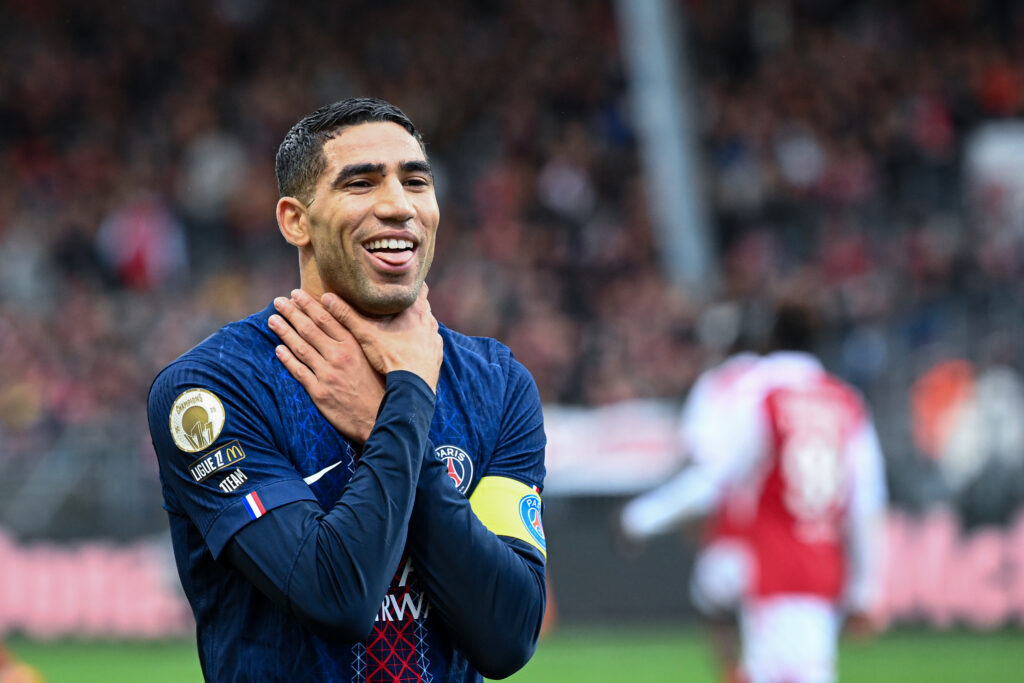
Grâce notamment à un doublé d’Achraf Hakimi, le Paris SG a battu Brest (3-0) sans forcer samedi pour reprendre la tête de la Ligue 1 devant Lens et Marseille, lors de la 9e journée.Avec 20 points, le PSG compte une longueur d’avance sur Lens (2e, 19 points) tombeur samedi à Bollaert de l’OM (3e, 18 points), et termine idéalement une semaine marquée par son carton à Leverkusen en Ligue des champions (7-2), mardi.Brest pointe au 12e rang avec 9 points.Avec Ousmane Dembélé, buteur en C1 pour son retour à la compétition, sur le banc au coup d’envoi, tout comme Désiré Doué et Marquinhos, Luis Enrique n’avait pas sorti “la grosse équipe” à Francis-Le-Blé, même si le trio a fait son entrée à la 70e.Pour Marquinhos, c’était d’ailleurs son premier match depuis sa blessure à une cuisse lors du Classique perdu contre l’OM (0-1), le 22 septembre.Cela n’a pas empêché le club de la capitale d’enchaîner un 33e match d’affilée sans défaite face aux Bretons, dont 25 succès.Moins flamboyant peut-être que les 5-2 et 3-0 infligés à domicile aux Brestois en championnat et en barrage d’accession aux huitièmes de finales de la C1 la saison passée, mais paradoxalement peut-être avec un sentiment de contrôle encore plus fort.Moins armé que lors de son aventure continentale et affaibli par plusieurs blessures, Brest n’a que très rarement fait ne serait-ce que frissonner les champions de France et d’Europe qui ont même semblé avoir le destin avec eux.Sur un penalty accordé au bout d’un interminable intermède par l’arbitre central Jérémy Pignard, en déjugeant les arbitres de la VAR, Romain Del Castillo, qui n’avait raté qu’une seule tentative sur 16 en L1 jusqu’ici dans cet exercice, a glissé et envoyé le ballon dans les tribunes (59e).- Le réalisme de Hakimi -Hormis cette péripétie, et un face-à-face gagné par Lucas Chevalier devant Mama Baldé (87e), les actions ont entièrement été en faveur du club de la capitale patient et appliqué pour percer la double muraille de neuf joueurs positionnés à 30 mètres de la cage brestoise.Sans se créer non plus des dizaines d’occasions, Paris a su faire le break par son capitaine Hakimi, toujours aussi adroit devant le but, dans le dernier quart d’heure du premier acte.Le latéral droit a d’abord été à la réception d’une louche astucieuse de Vitinha pour reprendre de volée du plat du pied et ouvrir le score (1-0, 29e).Dix minutes plus tard, alors que Radoslaw Majecki venait de réussir une belle parade devant Khvicha Kvaratskhelia, le Géorgien et le Marocain ont combiné avec une facilité désarmante dans la surface, permettant à Hakimi de catapulter le ballon dans la lucarne gauche brestoise, comme à l’entraînement (2-0, 39e).Avant une nouvelle semaine à deux matches qui les verra se déplacer à Lorient et recevoir Nice, les Parisiens auraient été bien inspirés de se mettre à l’abri plus tôt.Kvaratskhelia puis Warren Zaïre-Emery (65e) ont eu le troisième but au bout du pied, tout comme Doué, servi idéalement par une passe tranchante de Dembélé avant de trop croiser sa frappe (89e), puis de trouver le poteau sur un centre-tir rentrant dans le temps additionnel.L’ex-Rennais a fini par trouver le chemin des filets, lancé en contre avant de conclure tranquillement du gauche (3-0, 90+6) pour sceller un succès plus qu’incontestable.
Italie: Naples, trop fort pour l’Inter, reprend des couleurs et les commandes
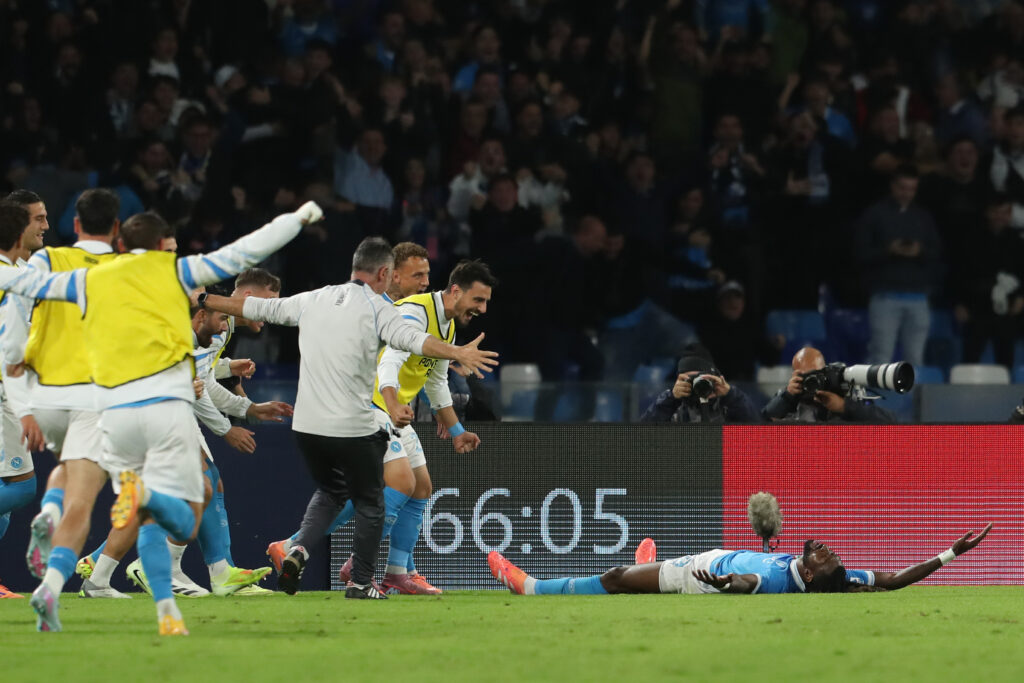
Quatre jours après son cauchemardesque mardi de Ligue des champions, Naples a rebondi samedi en dominant le choc de la 8e journée du Championnat d’Italie contre l’Inter Milan (3-1) pour reprendre les commandes de la Serie A.Le Napoli, comme son entraîneur Antonio Conte, prêt à en venir aux mains avec le capitaine de l’Inter et son ancien joueur Lautaro Martinez, a du caractère.Éparpillé par le PSV Eindhoven mardi (6-2) et en plein doute après deux défaites sur ses trois derniers matches de championnat, le champion en titre est sorti de cette mauvaise passe avec brio.Il n’a laissé aucune chance à l’Inter, son dauphin pour un point de la saison dernière, inhabituellement fébrile en défense.Kevin de Bruyne sur pénalty (33e), Scott McTominay d’une superbe demi volée (54e), et André-Frank Anguissa au terme d’un exploit personnel (66e), ont coulé l’Inter qui restait pourtant sur sept victoires consécutives toutes compétitions confondues.Les vice-champions d’Italie et d’Europe 2025, toujours privés de Marcus Thuram, sont revenus à 2-1 grâce à un pénalty de Hakan Calhanoglu (59e).Mais les Nerazzurri ont manqué de réussite, notamment en fin de première période où ils ont frappé les poteaux napolitains à deux reprises, et se sont faits surprendre à plusieurs reprises en contre.- De Bruyne blessé en marquant -Le Napoli a repris les commandes de la Serie A avec ses 18 points, soit un de plus que l’AC Milan (2e), tenu la veille en échec à domicile par Pise (2-2). L’Inter a de son côté rétrogradé à la 4e place (15 pts).”On a affronté l’équipe, à mon avis, la plus forte d’Italie et on a réussi un très bon match malgré les absences de joueurs importants”, s’est réjoui Conte sur la plateforme DAZN.Mais la belle soirée de Naples a été assombrie par la sortie prématurée de De Bruyne. L’international belge s’est blessé à la cuisse droite en marquant son penalty et incapable de marcher a dû être soutenu par deux soigneurs pour regagner les vestiaires.Il est revenu ensuite au bord du terrain en s’aidant de béquilles. Ni la nature de sa blessure, ni la durée de son indisponibilité ne sont encore connues.”Quand on perd 3-1, il n’y a pas grand-chose à dire, mais le penalty injustifié comme le montrent les images a complètement changé la dynamique de la rencontre”, a regretté le président de l’Inter, Beppe Marotta.La Cremonese, avec le premier but en Serie A de l’Anglais Jamie Vardy et l’Atalanta, toujours invaincue mais abonnée aux nuls (6 en 8 matches), sont restés dos à dos 1-1.Dimanche, l’AS Rome (3e, 15 pts) peut rejoindre Naples en tête en s’imposant à Sassuolo (10e), tandis que l’entraîneur de la Juventus Turin Igor Tudor, dont l’équipe (7e, 12 pts) n’a plus gagné depuis le 23 septembre, joue gros face à la Lazio Rome (12e).