

Mamdani élu maire de New York, revers pour Trump
Le socialiste Zohran Mamdani a remporté mardi la mairie de New York et deux gouverneurs démocrates ont été élus dans des Etats importants, un message de défiance à l’égard de Donald Trump à un an des élections de mi-mandat.A New York, l’élu local de 34 ans a devancé l’ancien gouverneur de l’Etat, le centriste Andrew Cuomo, et le républicain Curtis Sliwa, selon les projections de plusieurs médias américains. Zohran Mamdani deviendra le 1er janvier le premier maire musulman de la plus grande ville des Etats-Unis.Le président américain, qui a fait de Zohran Mamdani l’une de ses nouvelles bêtes noires, a rapidement réagi.”Trump n’était pas sur les bulletins de vote, et la paralysie budgétaire, (sont) les deux raisons pour lesquelles les républicains ont perdu les élections ce soir, selon les sondeurs”, a écrit Donald Trump sur son réseau Truth Social.Il avait plus tôt appelé les électeurs juifs à faire barrage au jeune candidat.”Toute personne juive qui vote pour Zohran Mamdani (…) est une personne stupide!!!”, avait écrit le milliardaire républicain, accusant ce dernier, militant de la cause palestinienne, de les “haïr”.Tout au long de la campagne, l’élu du Queens à l’Assemblée de l’Etat de New York a été attaqué pour son opposition très vive à la politique israélienne. Il est toutefois resté ferme sur ses positions, multipliant dans le même temps les manifestations de soutien à la communauté juive.- “Changer la ville” -Vainqueur surprise de la primaire démocrate en juin, Zohran Mamdani n’a jamais, depuis, quitté la tête des sondages, même après le retrait de la course du maire sortant Eric Adams, qui a également appelé à le battre en ralliant Andrew Cuomo.Né en Ouganda dans une famille d’intellectuels d’origine indienne, arrivé aux Etats-Unis à 7 ans et naturalisé en 2018, il a fait de la lutte contre la vie chère le coeur de sa campagne.Si Donald Trump l’a qualifié de “communiste”, ses propositions — encadrement des loyers, bus et crèches gratuits — relèvent plutôt de la social-démocratie.Très populaire auprès des jeunes, Zohran Mamdani a également ramené à lui de nombreuses personnes qui s’étaient éloignées de la politique, “des électeurs frustrés par le status quo, en quête de nouvelles personnalités”, selon le politologue Costas Panagopoulos.Signe de l’engouement pour le scrutin, avant la fermeture des bureaux de vote à 21H00, plus de deux millions d’électeurs s’étaient rendus aux urnes, la plus importante participation depuis des décennies.”J’ai vraiment adhéré au message que Zohran Mamdani portait dans le cadre de sa campagne. Je pense sincèrement qu’il peut changer la ville pour le mieux,” rapporte Alan Ismaiel, ingénieur informatique de 25 ans rencontré par l’AFP après avoir voté dans le Queens.- Autres victoires démocrates -“Si Zohran Mamdani devient maire, Trump n’en fera qu’une bouchée”, a prédit Andrew Cuomo, insistant, comme il l’a fait durant toute la campagne, sur l’inexpérience de son adversaire.Plusieurs fois, le président républicain a promis de mettre des bâtons dans les roues du jeune candidat démocrate s’il était élu, en s’opposant au besoin au versement de certaines subventions fédérales à la ville.Au sein même de son parti, Zohran Mamdani ne fait pas l’unanimité. Plusieurs figures, notamment le chef des sénateurs démocrates Chuck Schumer, ne le soutiennent pas publiquement.Voisin de New York, l’Etat du New Jersey a choisi la démocrate Mikie Sherrill contre l’homme d’affaires républicain Jack Ciattarelli. L’Etat a longtemps été considéré comme un bastion démocrate. Mais à la dernière présidentielle, Donald Trump y avait considérablement réduit l’écart.Plus au sud sur la côte est, la Virginie a élu la première femme à sa tête, la démocrate Abigail Spanberger, battant la républicaine Winsome Earle-Sears.”Les démocrates fument Donald Trump et les républicains extrémistes à travers le pays”, s’est réjoui sur X le ténor démocrate Hakeem Jeffries. “Le Parti démocrate est de retour”, a ajouté le chef de la minorité à la Chambre des représentants.Les Californiens votent eux sur l’autorisation d’un redécoupage de la carte électorale de l’Etat qui favorisera le Parti démocrate, en réponse à une initiative trumpiste similaire au Texas.
Iraq’s social media mercenaries dying for Russia
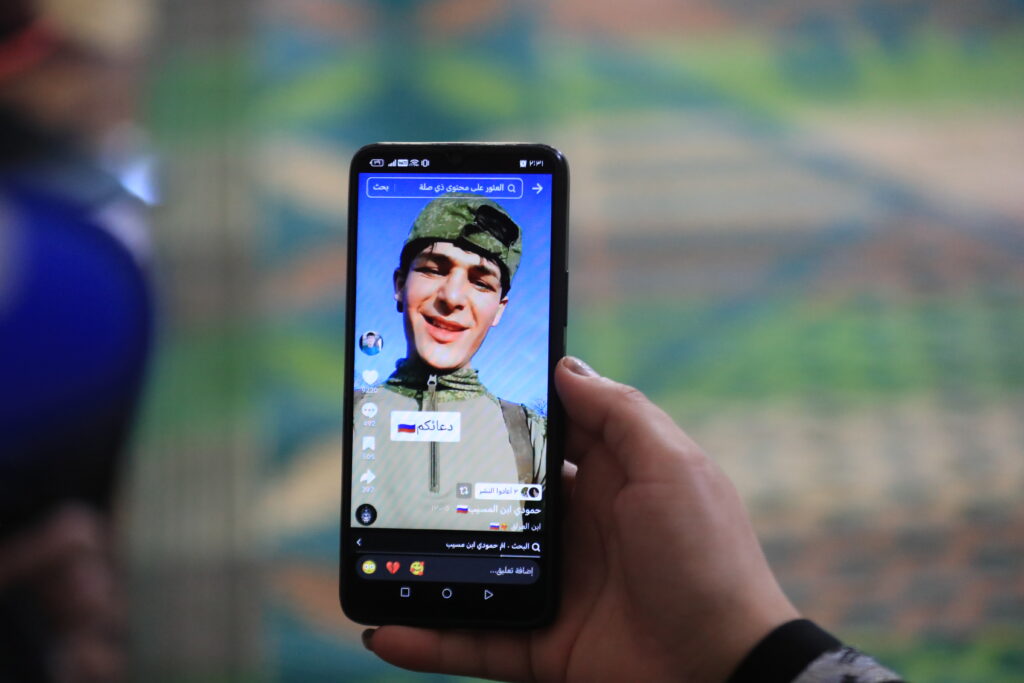
Smiling broadly and clad in military fatigues, young Iraqi Mohammed Imad’s last TikTok post was in a field carved up with heavy vehicle tracks in what appeared to be Ukraine. Smoke was rising behind him.”Pray for me,” read the caption next to a Russian flag.That was in May. Months went by without a word, only rumours. Mohammed had been taken hostage, was injured, had the flu or had been killed in a Ukrainian drone strike.Like many Iraqis now fighting in Ukraine, the 24-year-old travelled to Russia without his family’s knowledge to enlist in Russia’s armed forces, his mother Zeinab Jabbar, 54, told AFP.Like them, he was drawn by promises of money and a Russian passport.”He went and never came back,” Jabbar said, tears streaming down her face as she clutched a picture of Mohammed in their modest home in Musayab, south of Baghdad.”We Iraqis have seen so many wars… we have had enough,” she added. “What do we have to do with Russia” and Ukraine, “two countries fighting each other?”Mohammed was a baby when the US-led invasion of Iraq spawned decades of bloody sectarian violence, and the brutal but short-lived jihadist “caliphate”. Many young people were called up into the army or joined Shiite paramilitary groups to fight the Islamic State group, with others pulled into Syria’s long civil war.With one in three young people now jobless and the country mired in corruption and mismanagement, AFP found many Iraqis are being lured to fight for Russia by seemingly irresistible offers pushed by influencers on social media.They include a monthly salary of $2,800 — four times what they could earn in the military at home — and a sign-up fee of up to $20,000 to set them up in life.A Russian passport, insurance and pension also come as part of the package, they are told, as well as compensation in case of injury.- TikTok recruiters -AFP spoke to relatives of four men from impoverished families who travelled to Russia to join its army, three of whom are officially missing. A fourth was returned to his family in a body bag.We also talked to another who has also donned the Russian uniform and doubles as an online cheerleader and recruiting sergeant.”Give me an Iraqi soldier and a Russian weapon, and we will liberate the world from Western colonialism,” he declared in one post.Social media apps like TikTok and Telegram are brimming with people offering help to Iraqis to join Russia’s ranks.Early in the war, when Moscow was propping upformer president Bashar al-Assad’s rule in Syria, Russian President Vladimir Putin said he wanted to recruit 16,000 fighters from the Middle East, with around 2,000 regular Syrian troops later reportedly sent to Russia.The Telegram channels sharing the tempting deals are now targeting a different, younger demographic.Their administrators offer assistance to other potential Arab recruits from Syria, Egypt, Algeria and beyond. Similar methods have been used to recruit young men from Central Asia, India, Bangladesh and Nepal, AFP reporters have found, as well as from Cuba.They even provide a list of important military terms to learn in Russian, including “ammunition is depleted”, “mission accomplished”, “we have casualties” and “suicide drone attack”.One channel said it also provided assistance to Iraqis transferring money back home. AFP contacted the phone number shared by the channel. A man responded saying all that was needed was a copy of a passport, an address and phone number.He would then send an invitation for a visa, and later cover the ticket cost.- ‘I want my son’ -But among the enquiries about how to enlist are posts from families searching for missing sons.Mohammed’s family believes that propaganda on social media persuaded him to travel to Russia to sign up earlier this year.For weeks Mohammed posted videos on TikTok. In one, AFP geolocated him to the Oryol region, close to the border with Ukraine.His family thought he was working in the southern Iraqi province of Basra.But by the time Mohammed posted his last TikTok selfie video on May 12, they knew the truth. His mother Jabbar called him, begging him to return home.”He told me he is going to war… and asked me to pray for him.” It was the last time she talked to him.”I want my son… I want to know if he is dead or alive,” Jabbar said. Mohammed’s sister Faten spends countless hours on social media tracking Iraqis who claim to have joined the Russian army, desperate to find some clue about her brother.She has been given various accounts of his fate, including one that he just had the flu. But the worst account came from Abbas Hamadullah, a user who goes by the pseudonym Abbas al-Munaser.Munaser, 27, is among many Iraqis who share their experiences in the Russian army on TikTok and Telegram and offer help to those who want to enlist.His posts made him a reference for Mohammed. Munaser told AFP that Mohammed had sought his guidance and was determined to follow his footsteps.Munaser finally delivered the devastating news to Faten: Mohammed had been killed by a Ukrainian drone near Bakhmut. He stood up and fired at the drone when others were taking cover.His body was lying in a morgue.”If he is dead, we want his body,” Faten told AFP, also furious that they have not been officially told what happened to him. “It is not only my brother, but many others,” she said. “It is a shame that young men are going to die in Russia.”- ‘There is death here’ -Abdul Hussein Motlak’s son, Alawi, travelled to Russia with Mohammed in April. Both of them went missing in May.Before he disappeared, the 30-year-old called his family almost every day and sent them pictures of himself sitting in a bunker with Mohammed in military fatigues, or training together near Bakhmut.”I told him to come back,” his father told AFP, but Alawi was determined to complete his contract.In one video, he thanked Munaser for helping them get to Russia.Munaser said he travelled to Moscow with his heart set on continuing further to Europe, like thousands of other Iraqi migrants. But the streets of Russia offered him a more enticing prospect: billboards to join the army.”There is no future in Iraq. I tried my best there, but I couldn’t make it,” he said. “It is not about Russia or Ukraine. My priority is my family.”Munaser said he joined the Russian army in 2024 and now has a Russian passport.Despite the risks, he said he is happy he can send his family “around $2,500 a month”, an amount unimaginable for many Iraqis.On his Telegram channel, Munaser offers visa invitations for people hoping to enlist, which he said cost up to $1,000, most of which goes to travel agencies.The website of the Russian embassy in Iraq said a single-entry visa costs up to $140.Munaser said he did not charge recruits for his service but warned that “brokers” on social media exploit young Iraqis and take a percentage of their army sign-up fee.AFP was not able to verify his claims.But Munaser warned that whatever the financial rewards of fighting for Russia, “there is death here”.”We lived through many wars in Iraq, but this one is different. It is a war of advanced technology, a war of drones.”Still, he said he had no regrets about enlisting, and was fighting under a Muslim Chechen commander. He has even signed a new army contract for another year. – ‘Shame’ -Thousands of foreign fighters have joined the Russians in Ukraine, with the biggest acknowledged contingent sent from North Korea, and with Chinese volunteers now also reportedly serving alongside Russian troops.Ukraine has around 3,500 foreign fighters, according to its embassy in Iraq, but they receive standard army pay.Estimates vary on how many Iraqis are fighting for Russia, but they are certainly hundreds.Ukraine’s ambassador to Iraq, Ivan Dovhanych, said they “are not fighting for an idea. They are looking for a job.” Russia’s embassy in Baghdad did not respond to AFP requests for comment. Iraqis have long fought abroad, with many joining local pro-Iran factions to fight alongside Russia to support Syria’s former president Assad.But that intervention was a political decision and, for many, a religious duty to protect Shiite shrines in Syria.Although Russia has good relations with Iraq and long supplied Saddam Hussein with weapons and military training, it has few religious and historical ties with the country’s Shiite majority.Baghdad has been at pains to remain “neutral” in the Ukraine war and does not welcome its young men going to fight for Russia. Indeed some believe they are shaming Iraq.In September a court in the south of the country jailed a man for life for human trafficking, accusing him of sending people to fight “in foreign countries”.A security source told AFP he was “recruiting” for Russia.The same month Iraq’s embassy in Moscow warned of “attempts to lure or coerce some Iraqis residing in Russia or abroad into joining the war under various pretexts”. The uncle of an Iraqi missing in Russia for over two months told AFP he hoped the government cracks down on those luring young men to Russia.”Mercenary” is a particularly pejorative word in Arabic. Such is the taboo that a family of a Russian recruit left their village in the south when he joined up, a relative told AFP.In September he came home in a body bag and was laid to rest under the cover of darkness with no loved ones to mourn him, such was the heavy feeling of “shame”.The relative said that the family — who received more than $10,000 with the body — faced disapproval from their community. Many believed he had dishonoured them.”It is heartbreaking. A boy died abroad and was buried in secret,” he said.rh-strs/ser/fg/js/ceg/mjw
Sri Lanka targets big fish in anti-corruption push
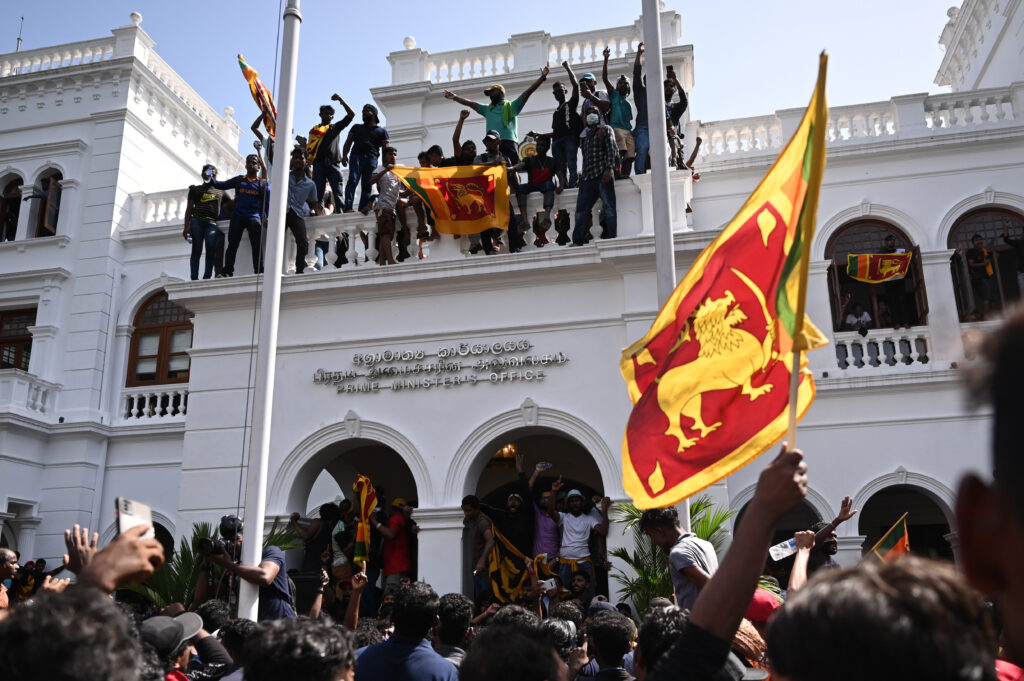
When Sri Lanka’s economy collapsed in 2022, politicians and officials were accused of brazenly stealing the island’s assets.Three years later, the tide appears to be turning against the once-untouchable elite, with several members of the former ruling Rajapaksa family and other powerful figures jailed or appearing in court.The government is pursuing some of the country’s most powerful individuals — with a former president, several ex-ministers and the heads of the police, prisons and immigration all appearing in court.Ranga Dissanayake, director-general of the Commission to Investigate Allegations of Bribery or Corruption (CIABOC), was granted sweeping powers in May to recover stolen assets — even without criminal convictions.There is no official data of state corruption losses, but activists estimate it to be billions of dollars over several decades. Sri Lanka’s GDP per capita income stood at $4,515 in 2024.”Corruption is the main reason for this economic crisis,” Dissanayake, who took up the post in January, told AFP.The International Monetary Fund calls for the “prioritising” of anti-graft measures, and says recruitment to CIABOC “should be accelerated”.- ‘Crossing the Rubicon’ -Tackling entrenched corruption was a key pledge of leftist President Anura Kumara Dissanayake, who is not related to the CIABOC chief.”How can a file in the Criminal Investigation Department move up and down, or remain stuck for seven or eight years in a cupboard?” he asked during a speech marking anti-corruption day.CIABOC faces a backlog of tens of thousands of cases.”Power is meant to uphold justice,” the president added. “But instead, it is often used for injustice, personal gain and the accumulation of wealth.”Public anger over crippling shortages of food, fuel, and medicine sparked months of protests in 2022, toppling then-president Gotabaya Rajapaksa.Gotabaya denies corruption allegations, but the Supreme Court in 2023 said he and his politician brothers “demonstrably contributed to the economic crisis”, and “violated the public trust reposed in them”.Gotabaya was replaced by Ranil Wickremesinghe, who secured a $2.9 billion IMF bailout to steady the economy.But Wickremesinghe was arrested in August on charges of using state funds for personal travel.”There are certain moments in politics or governance which are the moments of ‘crossing the Rubicon’ — that point of no return,” Saliya Pieris, former head of the Bar Association, wrote on Facebook.Sri Lanka ranked 121 out of 180 countries in Transparency International’s 2024 Global Corruption Index — a stark reminder of the scale of the problem.”The politicians robbed the country,” said businessman Tissa Gamini, 68, adding there had been some change but not enough.”Ministers, members of parliament, they’re all the same — and government servants too.”Ishani Menaka, 37, said she struggled to feed and educate their five children during the crisis, while her husband quit the state railways after 20 years, and left for Romania, joining an exodus of Sri Lankans.”We could not manage,” Menaka said. “So he gave up his job and went abroad.”- ‘Economy collapsed’ -Sri Lanka’s police chief, accused of running a criminal network, was arrested and sacked earlier this year, while the prison commissioner was jailed for releasing convicts in exchange for cash.The immigration controller was sentenced to two years for contempt of court, and faces trial for an alleged multimillion-dollar visa fraud.The Rajapaksa clan is under pressure too.Former ministers Mahindananda Aluthgamage and Nalin Fernando received 20- and 25-year prison sentences respectively for misusing government funds to support ex-president Mahinda Rajapaksa’s failed election bid.In August, Mahinda’s nephew Shashindra Rajapaksa was arrested for fraudulently claiming riot damage compensation.Money laundering investigations have also been revived against Mahinda’s sons, lawmaker Namal and ex-navy officer Yoshitha — who claims he was given a bag of gems by an aunt. Both deny wrongdoing.Television executive Weerasinghe Jayasundara, 57, recalled how “lives went back a few years” in 2022, when inflation hit nearly 70 percent.”We’re unable to get anything done — there was no transport, gas prices went up sharply, the economy collapsed,” Jayasundara said. “The main cause is corruption.”
Sri Lanka targets big fish in anti-corruption push
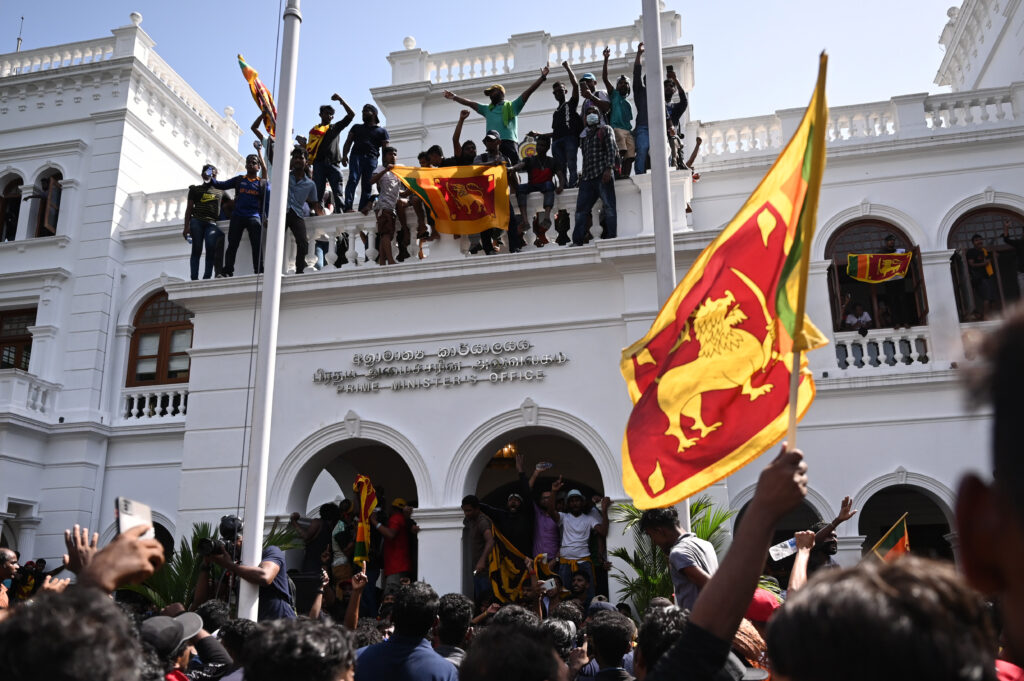
When Sri Lanka’s economy collapsed in 2022, politicians and officials were accused of brazenly stealing the island’s assets.Three years later, the tide appears to be turning against the once-untouchable elite, with several members of the former ruling Rajapaksa family and other powerful figures jailed or appearing in court.The government is pursuing some of the country’s most powerful individuals — with a former president, several ex-ministers and the heads of the police, prisons and immigration all appearing in court.Ranga Dissanayake, director-general of the Commission to Investigate Allegations of Bribery or Corruption (CIABOC), was granted sweeping powers in May to recover stolen assets — even without criminal convictions.There is no official data of state corruption losses, but activists estimate it to be billions of dollars over several decades. Sri Lanka’s GDP per capita income stood at $4,515 in 2024.”Corruption is the main reason for this economic crisis,” Dissanayake, who took up the post in January, told AFP.The International Monetary Fund calls for the “prioritising” of anti-graft measures, and says recruitment to CIABOC “should be accelerated”.- ‘Crossing the Rubicon’ -Tackling entrenched corruption was a key pledge of leftist President Anura Kumara Dissanayake, who is not related to the CIABOC chief.”How can a file in the Criminal Investigation Department move up and down, or remain stuck for seven or eight years in a cupboard?” he asked during a speech marking anti-corruption day.CIABOC faces a backlog of tens of thousands of cases.”Power is meant to uphold justice,” the president added. “But instead, it is often used for injustice, personal gain and the accumulation of wealth.”Public anger over crippling shortages of food, fuel, and medicine sparked months of protests in 2022, toppling then-president Gotabaya Rajapaksa.Gotabaya denies corruption allegations, but the Supreme Court in 2023 said he and his politician brothers “demonstrably contributed to the economic crisis”, and “violated the public trust reposed in them”.Gotabaya was replaced by Ranil Wickremesinghe, who secured a $2.9 billion IMF bailout to steady the economy.But Wickremesinghe was arrested in August on charges of using state funds for personal travel.”There are certain moments in politics or governance which are the moments of ‘crossing the Rubicon’ — that point of no return,” Saliya Pieris, former head of the Bar Association, wrote on Facebook.Sri Lanka ranked 121 out of 180 countries in Transparency International’s 2024 Global Corruption Index — a stark reminder of the scale of the problem.”The politicians robbed the country,” said businessman Tissa Gamini, 68, adding there had been some change but not enough.”Ministers, members of parliament, they’re all the same — and government servants too.”Ishani Menaka, 37, said she struggled to feed and educate their five children during the crisis, while her husband quit the state railways after 20 years, and left for Romania, joining an exodus of Sri Lankans.”We could not manage,” Menaka said. “So he gave up his job and went abroad.”- ‘Economy collapsed’ -Sri Lanka’s police chief, accused of running a criminal network, was arrested and sacked earlier this year, while the prison commissioner was jailed for releasing convicts in exchange for cash.The immigration controller was sentenced to two years for contempt of court, and faces trial for an alleged multimillion-dollar visa fraud.The Rajapaksa clan is under pressure too.Former ministers Mahindananda Aluthgamage and Nalin Fernando received 20- and 25-year prison sentences respectively for misusing government funds to support ex-president Mahinda Rajapaksa’s failed election bid.In August, Mahinda’s nephew Shashindra Rajapaksa was arrested for fraudulently claiming riot damage compensation.Money laundering investigations have also been revived against Mahinda’s sons, lawmaker Namal and ex-navy officer Yoshitha — who claims he was given a bag of gems by an aunt. Both deny wrongdoing.Television executive Weerasinghe Jayasundara, 57, recalled how “lives went back a few years” in 2022, when inflation hit nearly 70 percent.”We’re unable to get anything done — there was no transport, gas prices went up sharply, the economy collapsed,” Jayasundara said. “The main cause is corruption.”

Australie: Reddit et Kick ajoutés à la liste des réseaux sociaux interdits aux moins de 16 ans
Le forum en ligne Reddit et la plateforme de streaming en direct Kick seront ajoutés à la liste des réseaux sociaux interdits aux moins de 16 ans en Australie à partir du mois prochain, a annoncé Canberra mercredi.Cette loi doit entrer en vigueur le 10 décembre en Australie. Les plateformes telles que Facebook, Instagram ou …
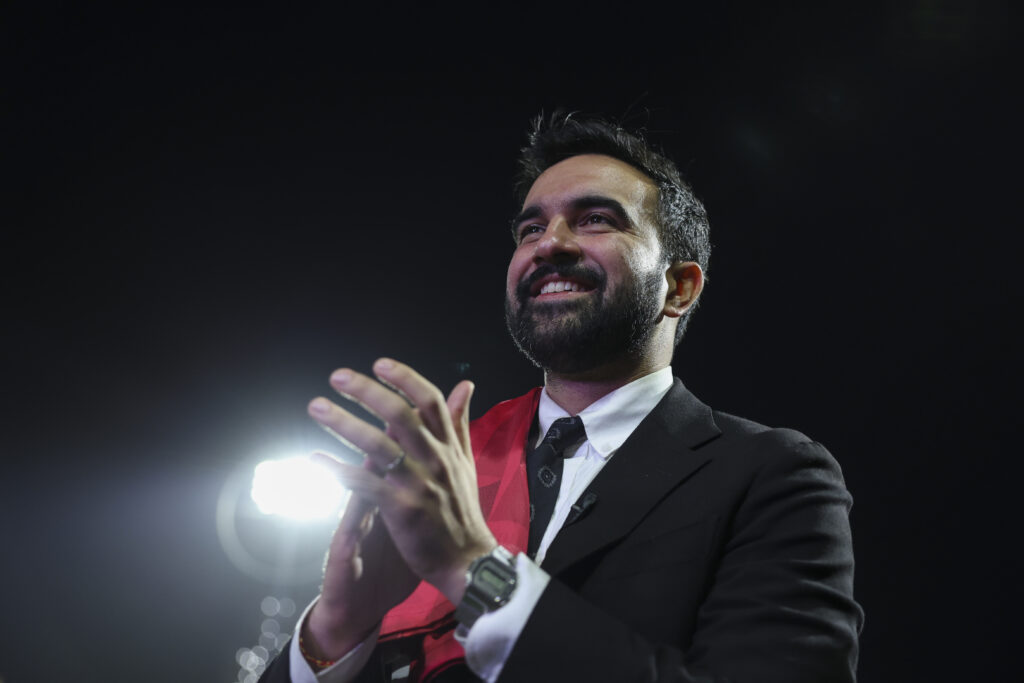
Long-shot socialist and Trump foe Mamdani becomes next NY mayor
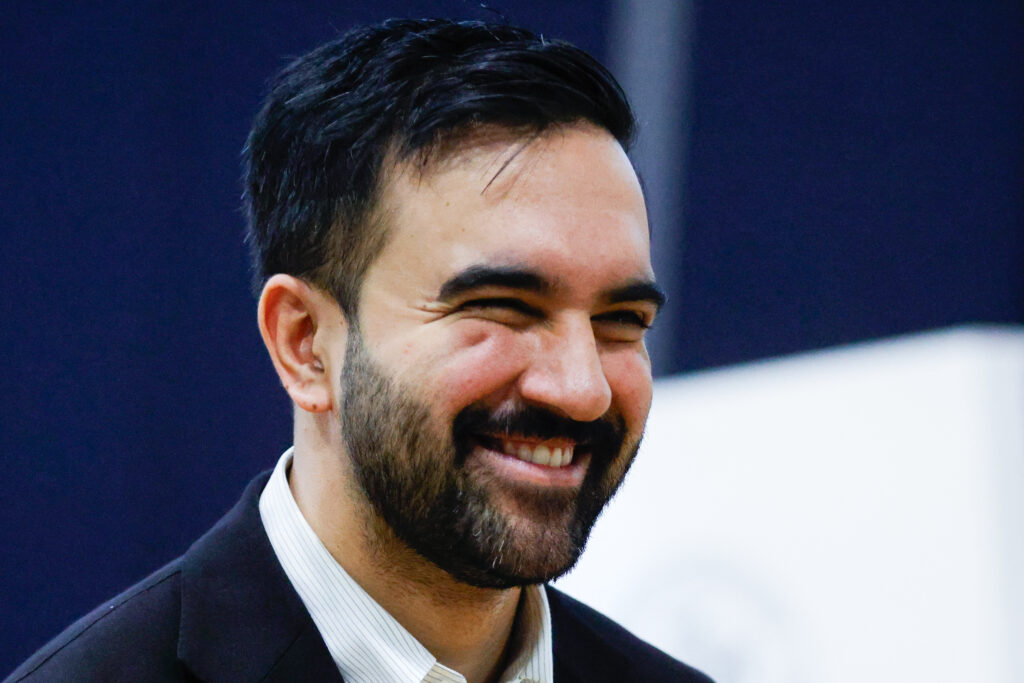
Zohran Mamdani’s election as New York mayor caps an extraordinary rise for the leftist local lawmaker who emerged from relative obscurity to lead a supercharged campaign for the US megacity’s top job.Since his surprise victory in the Democratic Party primary in June, New Yorkers have become used to seeing his bearded, smiling face on television — and on badges proudly worn by his supporters. The 34-year-old election winner was born in Uganda to a family of Indian origin and has lived in the United States since he was seven, becoming a naturalized US citizen in 2018. He is the son of filmmaker Mira Nair (“Monsoon Wedding,” “Mississippi Masala”) and Mahmood Mamdani, a professor and respected Africa expert — leading some of his detractors to call him a “nepo baby.” He followed a path paved by other youngsters from elite liberal families, attending the elite Bronx High School of Science followed by Bowdoin College in Maine, a university seen as a bastion of progressive thought.Under the alias “Young Cardamom,” he ventured into the world of rap in 2015, influenced by hip-hop group “Das Racist,” which had two members of Indian origin who played with references and tropes from the subcontinent.Mamdani’s attempt to break into the competitive world of professional music did not last, with the performer-turned-politician calling himself a second-rate artist. He took an interest into politics when he learned that rapper Himanshu Suri, who performed under the alias Heems, was supporting a candidate for city council — and joined that campaign as an activist.Mamdani went on to become a foreclosure prevention counselor, helping financially struggling homeowners avoid losing their homes. He was elected in 2018 as a lawmaker from Queens, a melting pot of predominantly poor and migrant communities, representing the area in the New York State Assembly. – ‘Disaffected voters’ -The self-proclaimed socialist, who has been re-elected three times, forged an image that has become his trademark — a progressive Muslim just as comfortable at a Pride march as he is at an Eid banquet.He put the goal of making the city affordable for everyone who are not wealthy, the majority of its approximately 8.5 million residents, at the heart of his campaign. He has promised more rent control, free day care and buses, and city-run neighborhood grocery stores. Mamdani is also a long-standing supporter of the Palestinian cause, although his positions on Israel — which he has called an “apartheid regime” while branding the war in Gaza a “genocide” — have drawn the ire of some in the Jewish community. In recent months he has made a point of vocally denouncing antisemitism — as well as the Islamophobia he has suffered. Playing the race card, President Donald Trump, who calls Mamdani a “little communist,” denounced him as a “a proven and self professed JEW HATER” Tuesday as New Yorkers were heading to the polls. Mamdani is something of an establishment “outsider,” according to Costas Panagopoulos, a political science professor at Northeastern University. “He has managed to galvanize support from disaffected voters and others in New York City who are dissatisfied with the status quo and with an establishment that they perceive to be overlooking their needs and policy preferences,” he said.Mamdani, a keen soccer and cricket fan, recently married US illustrator Rama Duwaji, and put his experience of activism to work in a strategically coordinated canvassing and leaflet campaign that he has paired with an extensive and often humorous use of social media. “He really is a kind of an hybrid of a great 1970s campaign and a great 2025 campaign,” said Lincoln Mitchell, a Columbia University professor.
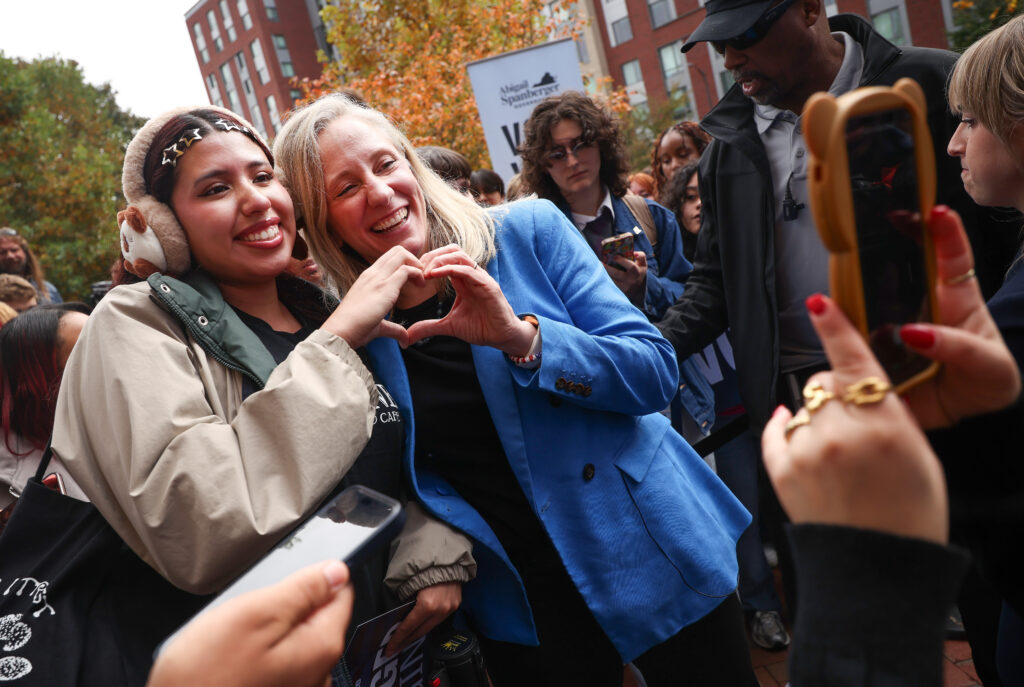
Democrats win New Jersey, Virginia in early test of Trump’s second term
Moderate Democrats Abigail Spanberger and Mikie Sherrill cruised to comfortable victories in the Virginia and New Jersey governors’ elections on Tuesday, on an election night seen as a referendum on Donald Trump’s second presidential term.Pitting centrist Democrats against Trump-aligned Republicans, both elections were seen as signaling whether middle-of-the-road voters had made peace with the president’s radical cost-slashing agenda — or plan to give his party a bloody nose in 2026.Trump has driven a steamroller through the federal bureaucracy since returning to office in January, shuttering entire agencies and cutting an estimated 200,000 jobs even before the government shutdown.Spanberger’s win in Virginia — which is second only to California in the size of its federal workforce — was no surprise, as polls had shown her holding a steady lead of seven to 12 points throughout the campaign.The former CIA officer and three-term congresswoman was projected to beat Republican Lieutenant Governor Winsome Earle-Sears, a Marine veteran and staunch Trump ally, by a comfortable margin that makes her Virginia’s first-ever female governor. “You all chose leadership that will focus relentlessly on what matters most — lowering costs, keeping our communities safe and strengthening our economy for every Virginian,” Spanberger said in her victory speech.- Pledge to stand against Trump -Casting herself as a bulwark against Trump’s aggressive federal downsizing, Spanberger vowed to be “a governor who will stand up” for the thousands of federal workers laid off by Trump’s Department of Government Efficiency.Earle-Sears ran a campaign aimed at firing up conservatives, mirroring the playbook of outgoing, term-limited Republican Governor Glenn Youngkin to focus on culture war issues such as transgender athletes and abortion.In New Jersey, Democratic former Navy pilot Mikie Sherrill was also seen as the favorite, although she was locked in a closer battle with Republican businessman Jack Ciattarelli.The race became increasingly tight in the home stretch, with some polling showing it as a margin-of-error tussle that could go either way.But Trump’s decision to freeze funding for the Hudson Tunnel project — a vital link between New Jersey and New York — was seen as an important boost for Sherrill, who had built up a double-digit lead by the time her race was called. On a pivotal day in US democracy, with elections at various levels of government taking place across the country, Pennsylvanians were picking new state supreme court justices while California was delivering its verdict on redistricting measure Proposition 50.California Governor Gavin Newsom spearheaded the plan to redraw congressional districts in response to Trump pressuring Texas into a rare and contentious mid-decade redistricting.The Texas move, aimed at yielding five more Republican seats in the closely divided US Congress, would likely be canceled out by approval for Proposition 50 in left-leaning California.