

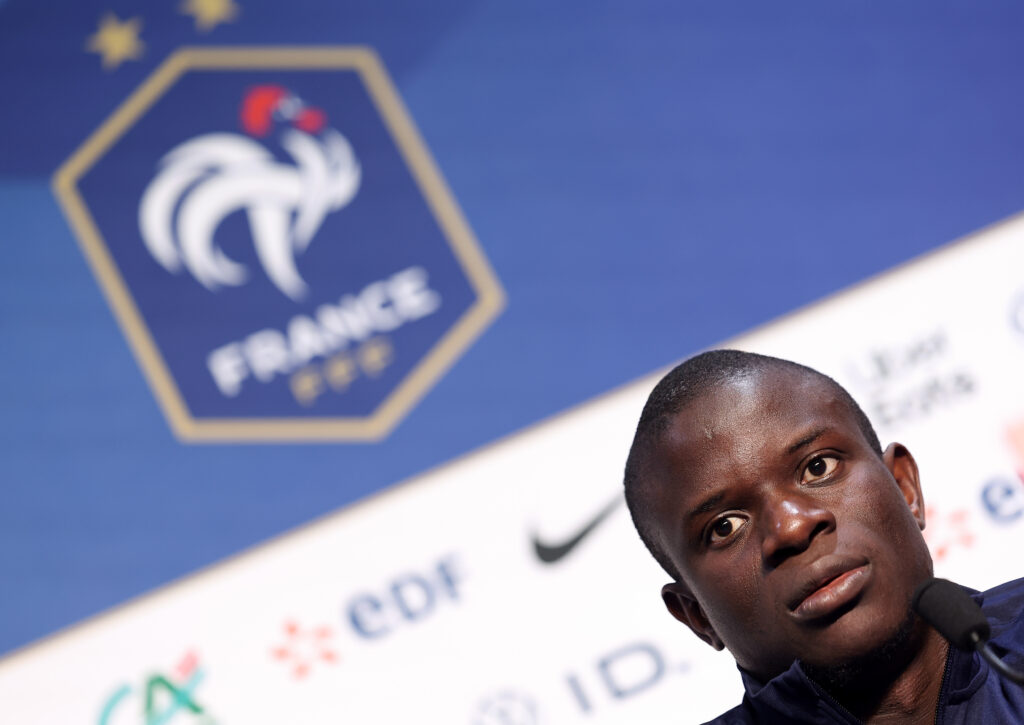
Equipe de France: N’Golo Kanté à la rescousse
Face aux forfaits d’Aurélien Tchouameni et d’Adrien Rabiot, Didier Deschamps a une nouvelle fois sorti jeudi le vétéran N’Golo Kanté de son exil saoudien pour le match contre l’Ukraine, qui peut envoyer l’équipe de France au Mondial-2026.De retour après un an d’absence, “NG” est la surprise de la liste de 24 joueurs, dévoilée jeudi, dans un secteur où réapparaît également Warren Zaïre-Emery, après un passage revivifiant chez les Espoirs.En attaque, où les Bleus sont encore privés d’Ousmane Dembélé, Désiré Doué et Marcus Thuram, le sélectionneur a rappelé Rayan Cherki et Randal Kolo Muani, indisponibles en septembre et octobre.En manque de cadres, Deschamps a voulu remettre un peu d’expérience. “Quand j’appelle NG, ce n’est pas pour faire le nombre, c’est pour qu’il ait un rôle, dans l’optique de ce match qui peut nous assurer notre place aux Etats-Unis”, a-t-il expliqué.Le milieu d’Al-Ittihad (Arabie Saoudite) “est toujours dans ma tête, dans ma réflexion. En cours de saison, je peux avoir d’autres objectifs, comme donner du temps de jeu à des plus jeunes pour s’améliorer, mais je sais qu’il est toujours là, avec sa technique, et je sais que c’est toujours un plaisir pour lui de venir”, a encore souligné le technicien.- “Il est à son meilleur niveau” -La France n’est pas en danger, une victoire contre l’Ukraine le 13 novembre (20h45) au Parc des Princes lui suffit pour rejoindre la Coupe du monde aux Etats-Unis, Canada et Mexique (11 juin-19 juillet), et en cas de mauvaise surprise il reste un match contre l’Azerbaïdjan le 16 novembre à Bakou.Mais Kanté, du haut de ses 34 ans et de ses 64 sélections (2 buts), va apporter un peu de bouteille au groupe.Deschamps avait déjà rappelé Kanté pour l’Euro-2024, après deux ans loin des Bleus. Epatant en début de tournoi, l’ancien joueur de Chelsea avait cependant vu ses performances décliner en Allemagne. “Il est à son meilleur niveau”, a assuré Deschamps qui observe ses matches en Saudi League et en Ligue des champions d’Asie.Face au forfait de Tchouameni, acté jeudi, et à la blessure de Rabiot, le sélectionneur a aussi rappelé Warren Zaïre Emery, huit mois après sa dernière sélection.Dans un passage difficile avec le Paris Saint-Germain, il a accepté de bonne grâce de retourner avec les Espoirs en octobre et monte en puissance avec les champions d’Europe.”A partir du moment où lui voyait ça d’une bonne chose, ça lui a fait du bien. Il jouait moins dans son club, et depuis il joue beaucoup plus et a retrouvé un bon niveau, a jugé Deschamps. Avec Warren, sur l’état d’esprit, il n’y a aucun souci.”En attaque aussi le sélectionneur a dû composer avec les absences, notamment celle du Ballon d’Or, à nouveau blessé avec le PSG contre le Bayern (défaite 2-1).- Mateta pour “son profil” -“Ne comptez pas sur moi pour remettre une pièce” dans la machine, “je ne suis pas dans la polémique”, a prévenu Deschamps, questionné sur les éventuels risques pris par le club en faisant jouer Dembélé, exactement ce que le PSG avait reproché aux Bleus en septembre.”Nous avons un point commun avec le PSG, Ousmane va nous manquer”, a conclu sur le sujet Deschamps, qui a rappelé Cherki et Kolo Muani.Le premier, buteur avec Manchester City contre Dortmund (4-1) mercredi, est en train de retrouver ses meilleures sensations après deux mois de convalescence. RKM, un des chouchous du coach, a retrouvé du temps de jeu à Tottenham après un transfert long à se concrétiser et une blessure.”A partir du moment où Randal est rétabli et a pu avoir plus de temps de jeu, il fait partie depuis un bon moment de ce groupe France”, a dit le technicien.Toujours en attaque, si Florian Thauvin ne revient pas, malgré son but contre l’Azerbaïdjan en octobre pour son retour plus de six ans après, Jean-Philippe Mateta figure à nouveau dans la liste de 24, un mois après ses premiers matches et son premier but contre l’Islande (2-2).Deschamps apprécie son “profil un peu différent des autres attaquants, qui nous offre des options différentes”, et a jugé que l’avant-centre avait continué à faire “des choses intéressantes” avec Crystal Palace.Enfin aucune surprise en défense, où Deschamps a rappelé les mêmes et mis en avant les qualités du patron de l’arrière-garde Dayot Upamecano, qui “fait partie des meilleurs défenseurs du monde”.
Equipe de France: N’Golo Kanté à la rescousse
Face aux forfaits d’Aurélien Tchouameni et d’Adrien Rabiot, Didier Deschamps a une nouvelle fois sorti jeudi le vétéran N’Golo Kanté de son exil saoudien pour le match contre l’Ukraine, qui peut envoyer l’équipe de France au Mondial-2026.De retour après un an d’absence, “NG” est la surprise de la liste de 24 joueurs, dévoilée jeudi, dans un secteur où réapparaît également Warren Zaïre-Emery, après un passage revivifiant chez les Espoirs.En attaque, où les Bleus sont encore privés d’Ousmane Dembélé, Désiré Doué et Marcus Thuram, le sélectionneur a rappelé Rayan Cherki et Randal Kolo Muani, indisponibles en septembre et octobre.En manque de cadres, Deschamps a voulu remettre un peu d’expérience. “Quand j’appelle NG, ce n’est pas pour faire le nombre, c’est pour qu’il ait un rôle, dans l’optique de ce match qui peut nous assurer notre place aux Etats-Unis”, a-t-il expliqué.Le milieu d’Al-Ittihad (Arabie Saoudite) “est toujours dans ma tête, dans ma réflexion. En cours de saison, je peux avoir d’autres objectifs, comme donner du temps de jeu à des plus jeunes pour s’améliorer, mais je sais qu’il est toujours là, avec sa technique, et je sais que c’est toujours un plaisir pour lui de venir”, a encore souligné le technicien.- “Il est à son meilleur niveau” -La France n’est pas en danger, une victoire contre l’Ukraine le 13 novembre (20h45) au Parc des Princes lui suffit pour rejoindre la Coupe du monde aux Etats-Unis, Canada et Mexique (11 juin-19 juillet), et en cas de mauvaise surprise il reste un match contre l’Azerbaïdjan le 16 novembre à Bakou.Mais Kanté, du haut de ses 34 ans et de ses 64 sélections (2 buts), va apporter un peu de bouteille au groupe.Deschamps avait déjà rappelé Kanté pour l’Euro-2024, après deux ans loin des Bleus. Epatant en début de tournoi, l’ancien joueur de Chelsea avait cependant vu ses performances décliner en Allemagne. “Il est à son meilleur niveau”, a assuré Deschamps qui observe ses matches en Saudi League et en Ligue des champions d’Asie.Face au forfait de Tchouameni, acté jeudi, et à la blessure de Rabiot, le sélectionneur a aussi rappelé Warren Zaïre Emery, huit mois après sa dernière sélection.Dans un passage difficile avec le Paris Saint-Germain, il a accepté de bonne grâce de retourner avec les Espoirs en octobre et monte en puissance avec les champions d’Europe.”A partir du moment où lui voyait ça d’une bonne chose, ça lui a fait du bien. Il jouait moins dans son club, et depuis il joue beaucoup plus et a retrouvé un bon niveau, a jugé Deschamps. Avec Warren, sur l’état d’esprit, il n’y a aucun souci.”En attaque aussi le sélectionneur a dû composer avec les absences, notamment celle du Ballon d’Or, à nouveau blessé avec le PSG contre le Bayern (défaite 2-1).- Mateta pour “son profil” -“Ne comptez pas sur moi pour remettre une pièce” dans la machine, “je ne suis pas dans la polémique”, a prévenu Deschamps, questionné sur les éventuels risques pris par le club en faisant jouer Dembélé, exactement ce que le PSG avait reproché aux Bleus en septembre.”Nous avons un point commun avec le PSG, Ousmane va nous manquer”, a conclu sur le sujet Deschamps, qui a rappelé Cherki et Kolo Muani.Le premier, buteur avec Manchester City contre Dortmund (4-1) mercredi, est en train de retrouver ses meilleures sensations après deux mois de convalescence. RKM, un des chouchous du coach, a retrouvé du temps de jeu à Tottenham après un transfert long à se concrétiser et une blessure.”A partir du moment où Randal est rétabli et a pu avoir plus de temps de jeu, il fait partie depuis un bon moment de ce groupe France”, a dit le technicien.Toujours en attaque, si Florian Thauvin ne revient pas, malgré son but contre l’Azerbaïdjan en octobre pour son retour plus de six ans après, Jean-Philippe Mateta figure à nouveau dans la liste de 24, un mois après ses premiers matches et son premier but contre l’Islande (2-2).Deschamps apprécie son “profil un peu différent des autres attaquants, qui nous offre des options différentes”, et a jugé que l’avant-centre avait continué à faire “des choses intéressantes” avec Crystal Palace.Enfin aucune surprise en défense, où Deschamps a rappelé les mêmes et mis en avant les qualités du patron de l’arrière-garde Dayot Upamecano, qui “fait partie des meilleurs défenseurs du monde”.
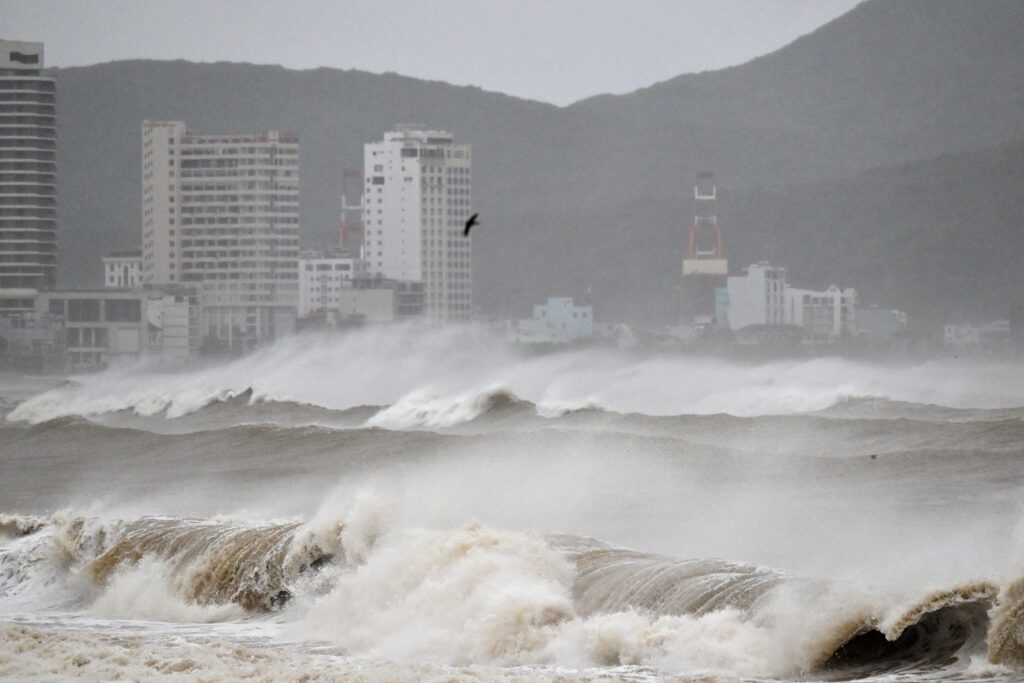
Le typhon Kalmaegi touche terre dans le centre du Vietnam, des milliers de personnes évacuées
Le typhon Kalmaegi, l’un des plus meurtriers de l’année, a touché terre jeudi soir dans le centre du Vietnam où des milliers de personnes ont été évacuées de la zone côtière. “La tempête se trouve actuellement sur les terres des provinces de Dak Lak et Gia Lai”, a annoncé le ministère dans un communiqué à l’arrivée du typhon qui a déjà ravagé les Philippines.”Le vent est tellement fort que rien ne résiste”, a déclaré à l’AFP Vu Van Hao, 48 ans, en examinant les fenêtres brisées du hall d’un hôtel brisées par la tempête, dans la province de Gia Lai. “Nous n’avons jamais vu de vent aussi violent ici. C’est une catastrophe naturelle, que pouvons-nous faire ?”Les vents soufflent à 149 kilomètres heure sur le centre du pays, encore sous le choc d’une semaine d’inondations et de pluies record qui ont fait au moins 47 morts et submergé des sites historiques classés au patrimoine mondial de l’Unesco.”Il s’agit d’un typhon gigantesque doté d’une terrible capacité de destruction”, a déclaré Pham Anh Tuan, haut responsable de la province de Gia Lai, où, selon les médias d’État, plus de 7.000 personnes ont été évacuées mercredi soir.Dans la zone côtière de Quy Nhon Nam, dans la province de Gia Lai, près de l’endroit où Kalmaegi a touché terre, un journaliste de l’AFP a vu des fonctionnaires frapper aux portes pour intimer aux habitants de fuir avant l’arrivée du typhon.Des dizaines de personnes, principalement des femmes âgées et des enfants, se sont réfugiées jeudi dans une école. Le Vietnam se trouve dans l’une des régions les plus actives de la planète en matière de cyclones tropicaux et est généralement touché par dix typhons ou tempêtes par an, mais Kalmaegi est le 13ème de 2025.Selon les scientifiques, le réchauffement climatique provoqué par l’activité humaine rend les phénomènes météorologiques extrêmes plus fréquents, plus meurtriers et plus destructeurs.- “Catastrophe nationale” -Le typhon Kalmaegi est déjà le plus meurtrier de l’année aux Philippines, selon EM-DAT, une base de données mondiale sur les catastrophes naturelles. Il a fait au moins 142 morts et 127 disparus à la suite de violentes inondations, ont indiqué jeudi les autorités de l’archipel.Dans la province centrale de Cebu, la plus durement frappée, des villes entières ont été inondées. Quelque 500.000 personnes sont toujours déplacées dans le pays jeudi. A Liloan, une ville proche de Cebu City où 35 corps ont été retrouvés dans des zones inondées, des journalistes de l’AFP ont vu des voitures empilées les unes sur les autres par les crues et des toits arrachés, tandis que les habitants tentaient de dégager la boue. Le président philippin Ferdinand Marcos a décrété “l’état de catastrophe nationale”, autorisant notamment le gouvernement à débloquer des fonds pour l’aide humanitaire. “Malheureusement, un autre (typhon) arrive avec le potentiel de devenir encore plus puissant,” a-t-il déclaré lors d’une conférence de presse l’après-midi. Fung-Wong sera le 21ème à frapper l’archipel cette année. – Risque d’inondations -Au Vietnam, le chef d’Etat To Lam a écourté une session du Comité central du Parti communiste au pouvoir afin que les fonctionnaires puissent rentrer chez eux.Des habitants sur la trajectoire du typhon serrés en nombre sur leurs motos fuyaient leurs modestes maisons de tôle. “Je crains seulement les fortes pluies qui pourraient provoquer d’importantes inondations”, a dit un homme de 53 ans qui s’est présenté sous le nom de Thanh.Les écoles ont fermé jeudi et vendredi dans les provinces de Gia Lai et Quang Ngai et au moins cinq aéroports ont été fermés, ont indiqué les autorités, tandis que des dizaines de vols ont été déroutés. Les fortes pluies qui ont commencé fin octobre ont inondé l’ancienne capitale impériale Hué et la vieille ville de Hoi An, classées au patrimoine mondial de l’UNESCO, transformant les rues en canaux. “Avec les pluies torrentielles qui tombent depuis ce matin et qui devraient se poursuivre aujourd’hui et demain, nous pensons que le niveau de l’eau va monter à Hué et à Danang, mais peut-être pas autant que lors des dernières inondations”, a déclaré Mai Van Khiem, directeur du Centre national de prévisions hydro-météorologiques, après le passage de Kalmaegi.Avec 3.200 kilomètres de côtes et un réseau de 2.300 rivières, le Vietnam est exposé à un risque élevé d’inondations. Selon l’office national des statistiques du pays, les catastrophes naturelles ont déjà fait 279 morts ou disparus cette année et causé plus de deux milliards de dollars de dégâts.
Le typhon Kalmaegi touche terre dans le centre du Vietnam, des milliers de personnes évacuées
Le typhon Kalmaegi, l’un des plus meurtriers de l’année, a touché terre jeudi soir dans le centre du Vietnam où des milliers de personnes ont été évacuées de la zone côtière. “La tempête se trouve actuellement sur les terres des provinces de Dak Lak et Gia Lai”, a annoncé le ministère dans un communiqué à l’arrivée du typhon qui a déjà ravagé les Philippines.”Le vent est tellement fort que rien ne résiste”, a déclaré à l’AFP Vu Van Hao, 48 ans, en examinant les fenêtres brisées du hall d’un hôtel brisées par la tempête, dans la province de Gia Lai. “Nous n’avons jamais vu de vent aussi violent ici. C’est une catastrophe naturelle, que pouvons-nous faire ?”Les vents soufflent à 149 kilomètres heure sur le centre du pays, encore sous le choc d’une semaine d’inondations et de pluies record qui ont fait au moins 47 morts et submergé des sites historiques classés au patrimoine mondial de l’Unesco.”Il s’agit d’un typhon gigantesque doté d’une terrible capacité de destruction”, a déclaré Pham Anh Tuan, haut responsable de la province de Gia Lai, où, selon les médias d’État, plus de 7.000 personnes ont été évacuées mercredi soir.Dans la zone côtière de Quy Nhon Nam, dans la province de Gia Lai, près de l’endroit où Kalmaegi a touché terre, un journaliste de l’AFP a vu des fonctionnaires frapper aux portes pour intimer aux habitants de fuir avant l’arrivée du typhon.Des dizaines de personnes, principalement des femmes âgées et des enfants, se sont réfugiées jeudi dans une école. Le Vietnam se trouve dans l’une des régions les plus actives de la planète en matière de cyclones tropicaux et est généralement touché par dix typhons ou tempêtes par an, mais Kalmaegi est le 13ème de 2025.Selon les scientifiques, le réchauffement climatique provoqué par l’activité humaine rend les phénomènes météorologiques extrêmes plus fréquents, plus meurtriers et plus destructeurs.- “Catastrophe nationale” -Le typhon Kalmaegi est déjà le plus meurtrier de l’année aux Philippines, selon EM-DAT, une base de données mondiale sur les catastrophes naturelles. Il a fait au moins 142 morts et 127 disparus à la suite de violentes inondations, ont indiqué jeudi les autorités de l’archipel.Dans la province centrale de Cebu, la plus durement frappée, des villes entières ont été inondées. Quelque 500.000 personnes sont toujours déplacées dans le pays jeudi. A Liloan, une ville proche de Cebu City où 35 corps ont été retrouvés dans des zones inondées, des journalistes de l’AFP ont vu des voitures empilées les unes sur les autres par les crues et des toits arrachés, tandis que les habitants tentaient de dégager la boue. Le président philippin Ferdinand Marcos a décrété “l’état de catastrophe nationale”, autorisant notamment le gouvernement à débloquer des fonds pour l’aide humanitaire. “Malheureusement, un autre (typhon) arrive avec le potentiel de devenir encore plus puissant,” a-t-il déclaré lors d’une conférence de presse l’après-midi. Fung-Wong sera le 21ème à frapper l’archipel cette année. – Risque d’inondations -Au Vietnam, le chef d’Etat To Lam a écourté une session du Comité central du Parti communiste au pouvoir afin que les fonctionnaires puissent rentrer chez eux.Des habitants sur la trajectoire du typhon serrés en nombre sur leurs motos fuyaient leurs modestes maisons de tôle. “Je crains seulement les fortes pluies qui pourraient provoquer d’importantes inondations”, a dit un homme de 53 ans qui s’est présenté sous le nom de Thanh.Les écoles ont fermé jeudi et vendredi dans les provinces de Gia Lai et Quang Ngai et au moins cinq aéroports ont été fermés, ont indiqué les autorités, tandis que des dizaines de vols ont été déroutés. Les fortes pluies qui ont commencé fin octobre ont inondé l’ancienne capitale impériale Hué et la vieille ville de Hoi An, classées au patrimoine mondial de l’UNESCO, transformant les rues en canaux. “Avec les pluies torrentielles qui tombent depuis ce matin et qui devraient se poursuivre aujourd’hui et demain, nous pensons que le niveau de l’eau va monter à Hué et à Danang, mais peut-être pas autant que lors des dernières inondations”, a déclaré Mai Van Khiem, directeur du Centre national de prévisions hydro-météorologiques, après le passage de Kalmaegi.Avec 3.200 kilomètres de côtes et un réseau de 2.300 rivières, le Vietnam est exposé à un risque élevé d’inondations. Selon l’office national des statistiques du pays, les catastrophes naturelles ont déjà fait 279 morts ou disparus cette année et causé plus de deux milliards de dollars de dégâts.
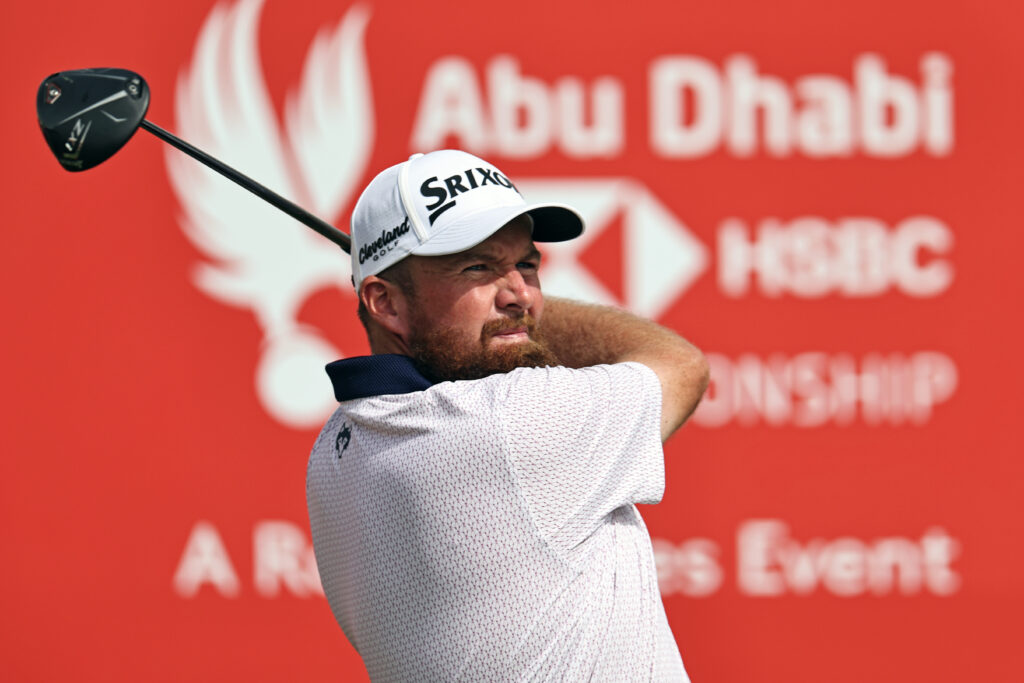
Fleetwod and Lowry lift each other into Abu Dhabi lead
Friends Tommy Fleetwood and Shane Lowry shared the lead in the Abu Dhabi Championship after they were paired together on Thursday and both shot eight-under-par opening rounds of 64.The pair shared the lead with New Zealander Kazuma Kobori, South African Richard Sterne and Frenchman Adrien Saddier at the start of the last event of the DP Tour before the season-ending World Championship in Dubai.Lowry and Fleetwood, both previous winners of the event, were drawn in a group that also included a third Ryder Cup player Rasmus Hojgaard.”It was nice,” said Lowry. “I was pretty excited when I saw the group, my pairing today, and it was nice to go out there with the boys.”Fleetwood carded eight birdies and no bogeys, while Lowry fired nine birdies and dropped a single shot.”Something about me and Tommy,” the Irishman added. “I just like playing with him, your friend, and really good player too.”And you kind of feed off each other. It was nice.”Fleetwood agreed.”I’m so close to both the guys, Ryder Cup team-mates, played with Rasmus, who I’m close with last week. It was great,” the Englishman said.”You focus on your own game,” he added. “It shouldn’t make that much difference but definitely when you’re in a comfortable pairing or group it’s nice. It’s helpful.”Dane Hojgaard ended the round in a chasing pack of seven one shot off the lead.Another Ryder Cup player Ludvig Aberg made a hole-in-one on the par-three eighth and finished the day two shots back.

A la COP30 de Belem, les dirigeants constatent l’échec sur l’accord de Paris et appellent au sursaut
Un constat d’échec, mais aussi un peu d’espoir: des dirigeants internationaux ont admis à Belem jeudi que le monde n’avait pas réussi à limiter le réchauffement climatique comme l’envisageait l’accord de Paris il y a dix ans, mais cherché à donner une nouvelle impulsion face aux reculs de nombreux pays.”Nous avons échoué” à limiter le réchauffement climatique à 1,5°C par rapport à la période préindustrielle, qui était l’objectif le plus ambitieux de l’accord de 2015, a déploré le secrétaire général de l’ONU António Guterres dès l’ouverture du sommet, évoquant une “faillite morale”.Le président brésilien Luiz Inacio Lula da Silva a affirmé dans son sillage que “la fenêtre d’opportunité” pour agir “se ferme rapidement”, et fustigé les “mensonges” de “forces extrémistes” qui favorisent “la dégradation de l’environnement”.En prélude, l’ONU a confirmé que l’année 2025 serait la 2e ou 3e année la plus chaude jamais enregistrée.Mais “nous n’avons jamais été mieux équipés pour contre-attaquer”, a aussi dit le chef de l’ONU. Et d’autres vantent les progrès phénoménaux des énergies renouvelables qui font entrevoir un avenir sans pétrole.Des représentants de dizaines de pays, mais seulement une trentaine de chefs d’Etats et de gouvernements, ont répondu à l’invitation dans cette ville fluviale de l’Amazonie en prélude à la 30e conférence sur le climat de l’ONU (10-21 novembre).Le président français de la COP21 de Paris, Laurent Fabius, est intervenu avant eux, accompagné de son marteau vert resté célèbre pour avoir entériné l’accord emblématique.- “Avenir sans combustibles fossiles” -Le choix de la capitale de l’Etat du Para pour la COP a fait polémique en raison de ses infrastructures limitées qui ont renchéri la venue des petites délégations et des ONG. Au point que le Brésil a dû trouver des fonds pour loger gratuitement des délégués des pays les plus pauvres dans deux navires de croisière affrétés.Jamais la ville de quelque 1,4 million d’habitants, dont la moitié vivent dans des favelas, n’avait accueilli un tel événement international, et les autorités fédérales et du Para ont investi pour rénover ou construire des infrastructures.”La COP apporte à Belem la notoriété qu’elle mérite. C’est important que les regards soient tournés sur notre région, sur l’Amazonie”, dit à l’AFP Karol Farias, 34 ans, maquilleuse venue faire ses achats au marché Ver-o-Peso, l’un des lieux emblématiques, entièrement rénové.- Chantier -Environ 10.000 agents des forces de l’ordre ont été mobilisés, auxquels s’ajoutent 7.500 militaires déployés spécialement.Le Brésil ne cherchera pas de nouvelles décisions emblématiques, mais veut que la COP30 inscrive dans le marbre des engagements concrets et organise un suivi des promesses du passé, par exemple sur le développement des renouvelables.Le Brésil lancera jeudi un fonds dédié à la protection des forêts (TFFF) auquel Londres ne contribuera pas tout de suite, mais que Berlin envisage de financer. Plusieurs pays veulent aussi élargir les engagements à baisser les émissions de méthane, un gaz très réchauffant.- Prince William -Cent soixante-dix pays participent à la COP30, mais les Etats-Unis, deuxième pollueur mondial, n’enverront pas de délégation, au soulagement de ceux qui craignaient que l’administration Trump vienne faire de l’obstruction.Côté européen, le président français Emmanuel Macron, le chancelier allemand Friedrich Merz, le Premier ministre britannique Keir Starmer et le prince William sont attendus jeudi et vendredi.Mais le président autrichien a renoncé à cause du prix des hôtels. La plupart des dirigeants du G20, dont Chine et Inde, seront absents.Une partie du monde en développement reste sur sa faim après l’accord arraché dans la douleur l’an dernier à Bakou sur la finance climatique et veut remettre le sujet sur la table.”Ce n’est pas de la charité mais une nécessité”, déclare à l’AFP Evans Njewa, le diplomate du Malawi qui préside le groupe des pays les moins développés.L’Union européenne ou les petits Etats insulaires (Aosis) veulent surtout aller plus loin dans la réduction des émissions de gaz à effet de serre, en s’attaquant aux énergies fossiles.”Nombreux parmi nos pays n’arriveront pas à s’adapter à un réchauffement qui dépasserait les 2°C”, a confié à l’AFP Ilana Seid, diplomate de l’archipel pacifique des Palaos et présidente d’Aosis.Le Brésil, qui se veut un pont entre Nord et Sud, n’est pas exempt de paradoxes, après un feu vert donné à l’exploration pétrolière au large de l’Amazonie, une situation “très contradictoire”, assène à Belem Angela Kaxuyana, de la Coordination des organisations indigènes d’Amazonie brésilienne.
A la COP30 de Belem, les dirigeants constatent l’échec sur l’accord de Paris et appellent au sursaut
Un constat d’échec, mais aussi un peu d’espoir: des dirigeants internationaux ont admis à Belem jeudi que le monde n’avait pas réussi à limiter le réchauffement climatique comme l’envisageait l’accord de Paris il y a dix ans, mais cherché à donner une nouvelle impulsion face aux reculs de nombreux pays.”Nous avons échoué” à limiter le réchauffement climatique à 1,5°C par rapport à la période préindustrielle, qui était l’objectif le plus ambitieux de l’accord de 2015, a déploré le secrétaire général de l’ONU António Guterres dès l’ouverture du sommet, évoquant une “faillite morale”.Le président brésilien Luiz Inacio Lula da Silva a affirmé dans son sillage que “la fenêtre d’opportunité” pour agir “se ferme rapidement”, et fustigé les “mensonges” de “forces extrémistes” qui favorisent “la dégradation de l’environnement”.En prélude, l’ONU a confirmé que l’année 2025 serait la 2e ou 3e année la plus chaude jamais enregistrée.Mais “nous n’avons jamais été mieux équipés pour contre-attaquer”, a aussi dit le chef de l’ONU. Et d’autres vantent les progrès phénoménaux des énergies renouvelables qui font entrevoir un avenir sans pétrole.Des représentants de dizaines de pays, mais seulement une trentaine de chefs d’Etats et de gouvernements, ont répondu à l’invitation dans cette ville fluviale de l’Amazonie en prélude à la 30e conférence sur le climat de l’ONU (10-21 novembre).Le président français de la COP21 de Paris, Laurent Fabius, est intervenu avant eux, accompagné de son marteau vert resté célèbre pour avoir entériné l’accord emblématique.- “Avenir sans combustibles fossiles” -Le choix de la capitale de l’Etat du Para pour la COP a fait polémique en raison de ses infrastructures limitées qui ont renchéri la venue des petites délégations et des ONG. Au point que le Brésil a dû trouver des fonds pour loger gratuitement des délégués des pays les plus pauvres dans deux navires de croisière affrétés.Jamais la ville de quelque 1,4 million d’habitants, dont la moitié vivent dans des favelas, n’avait accueilli un tel événement international, et les autorités fédérales et du Para ont investi pour rénover ou construire des infrastructures.”La COP apporte à Belem la notoriété qu’elle mérite. C’est important que les regards soient tournés sur notre région, sur l’Amazonie”, dit à l’AFP Karol Farias, 34 ans, maquilleuse venue faire ses achats au marché Ver-o-Peso, l’un des lieux emblématiques, entièrement rénové.- Chantier -Environ 10.000 agents des forces de l’ordre ont été mobilisés, auxquels s’ajoutent 7.500 militaires déployés spécialement.Le Brésil ne cherchera pas de nouvelles décisions emblématiques, mais veut que la COP30 inscrive dans le marbre des engagements concrets et organise un suivi des promesses du passé, par exemple sur le développement des renouvelables.Le Brésil lancera jeudi un fonds dédié à la protection des forêts (TFFF) auquel Londres ne contribuera pas tout de suite, mais que Berlin envisage de financer. Plusieurs pays veulent aussi élargir les engagements à baisser les émissions de méthane, un gaz très réchauffant.- Prince William -Cent soixante-dix pays participent à la COP30, mais les Etats-Unis, deuxième pollueur mondial, n’enverront pas de délégation, au soulagement de ceux qui craignaient que l’administration Trump vienne faire de l’obstruction.Côté européen, le président français Emmanuel Macron, le chancelier allemand Friedrich Merz, le Premier ministre britannique Keir Starmer et le prince William sont attendus jeudi et vendredi.Mais le président autrichien a renoncé à cause du prix des hôtels. La plupart des dirigeants du G20, dont Chine et Inde, seront absents.Une partie du monde en développement reste sur sa faim après l’accord arraché dans la douleur l’an dernier à Bakou sur la finance climatique et veut remettre le sujet sur la table.”Ce n’est pas de la charité mais une nécessité”, déclare à l’AFP Evans Njewa, le diplomate du Malawi qui préside le groupe des pays les moins développés.L’Union européenne ou les petits Etats insulaires (Aosis) veulent surtout aller plus loin dans la réduction des émissions de gaz à effet de serre, en s’attaquant aux énergies fossiles.”Nombreux parmi nos pays n’arriveront pas à s’adapter à un réchauffement qui dépasserait les 2°C”, a confié à l’AFP Ilana Seid, diplomate de l’archipel pacifique des Palaos et présidente d’Aosis.Le Brésil, qui se veut un pont entre Nord et Sud, n’est pas exempt de paradoxes, après un feu vert donné à l’exploration pétrolière au large de l’Amazonie, une situation “très contradictoire”, assène à Belem Angela Kaxuyana, de la Coordination des organisations indigènes d’Amazonie brésilienne.