

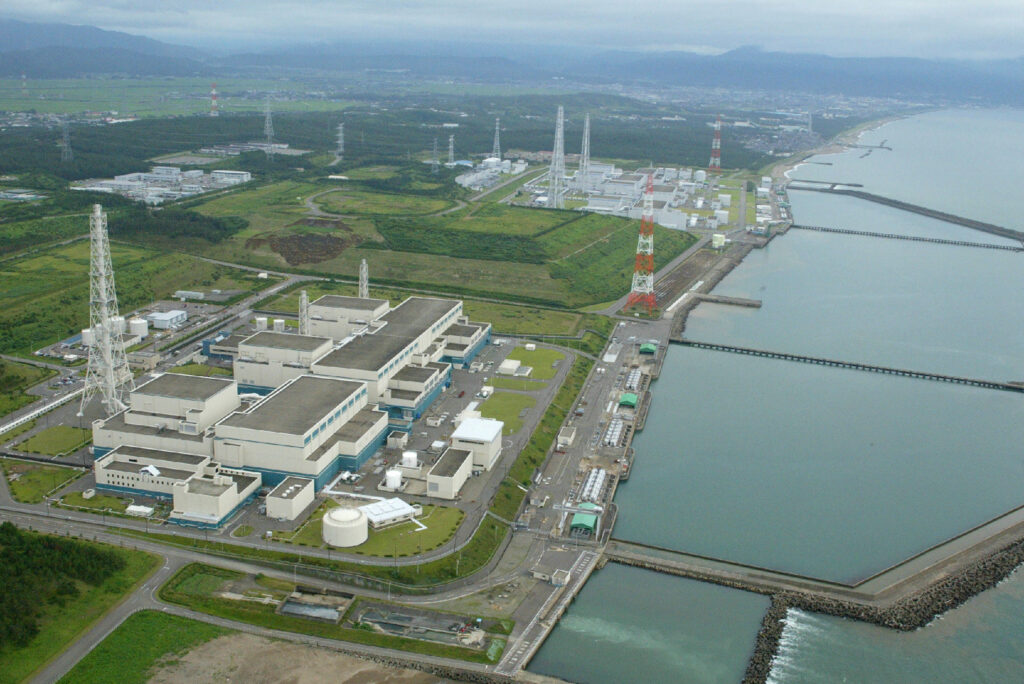
World’s biggest nuclear plant edges closer to restart
Japanese local authorities approved the restart of the world’s biggest nuclear plant on Friday for the first time since the 2011 Fukushima disaster.Hideyo Hanazumi, governor of Niigata province where the Kashiwazaki-Kariwa plant is located, told a news conference he “would approve” the resumption, which will need final permission by Japan’s nuclear regulator.The plant was taken offline when Japan pulled the plug on nuclear power after a colossal earthquake and tsunami sent three reactors at the Fukushima atomic plant into meltdown in 2011.However, the resource-poor nation now wants to revive atomic energy to reduce its heavy dependence on fossil fuels, achieve carbon neutrality by 2050 and meet growing energy needs from artificial intelligence.Fourteen reactors, mostly in western and southern regions, have resumed operation since the post-Fukushima shutdown under strict safety standards.The 400-hectare (1,000-acre) Kashiwazaki-Kariwa plant on the Sea of Japan coast facing the Korean peninsula would be the first restart for Fukushima operator Tepco since the disaster.The huge facility in central Japan has been fitted out with a 15-metre (50-foot) wall in case of tsunamis, new power backup systems on higher ground and other measures.Before the 2011 quake and tsunami, which killed around 18,000 people, nuclear power generated about a third of Japan’s electricity, with fossil fuels contributing most of the rest.Yoko Mulholland of climate think-tank E3G said that Prime Minister Sanae Takaichi, who came to power last month, is more focused than previous leaders on restarting nuclear power.”Takaichi places nuclear power capacity build-out and energy self-sufficiency more centrally in energy policy, without much emphasis on renewables expansion,” she said.Power company Kansai Electric said in July it was taking an initial step towards building the nation’s first new nuclear reactor since the Fukushima disaster.- Rising wind costs -Japan is the world’s fifth-largest single-country emitter of carbon dioxide, after China, the United States, India and Russia, and is heavily dependent on imported fossil fuels.Nearly 70 percent of Japan’s power needs in 2023 were met by power plants burning coal, gas and oil — a figure Tokyo wants to slash to 30-40 percent over the next 15 years.Almost all these fossil fuels must be imported, at a cost of around $500 million per day.Tokyo aims to make renewables its top power source by 2040.Under a plan approved by the government in February, nuclear power will account for around 20 percent of Japan’s energy supply by fiscal year starting in April 2040 — up from 8.5 percent in 2023/24.The country has also laid out ambitious new targets that should see wind’s contribution to the energy mix rise to between four and eight percent by the 2040 fiscal year — up from around one percent today.But costs for wind power are rising sharply; at the end of August Japanese conglomerate Mitsubishi pulled out of three key wind power projects deemed no longer profitable.Japan still faces the daunting task of decommissioning the Fukushima plant, a project that is expected to take decades.In August, Japanese technicians sent in remote-controlled robots to one of the damaged reactor buildings as part of preparations to remove radioactive debris.Dangerously high radiation levels make removing melted fuel and other debris a particularly tough challenge.
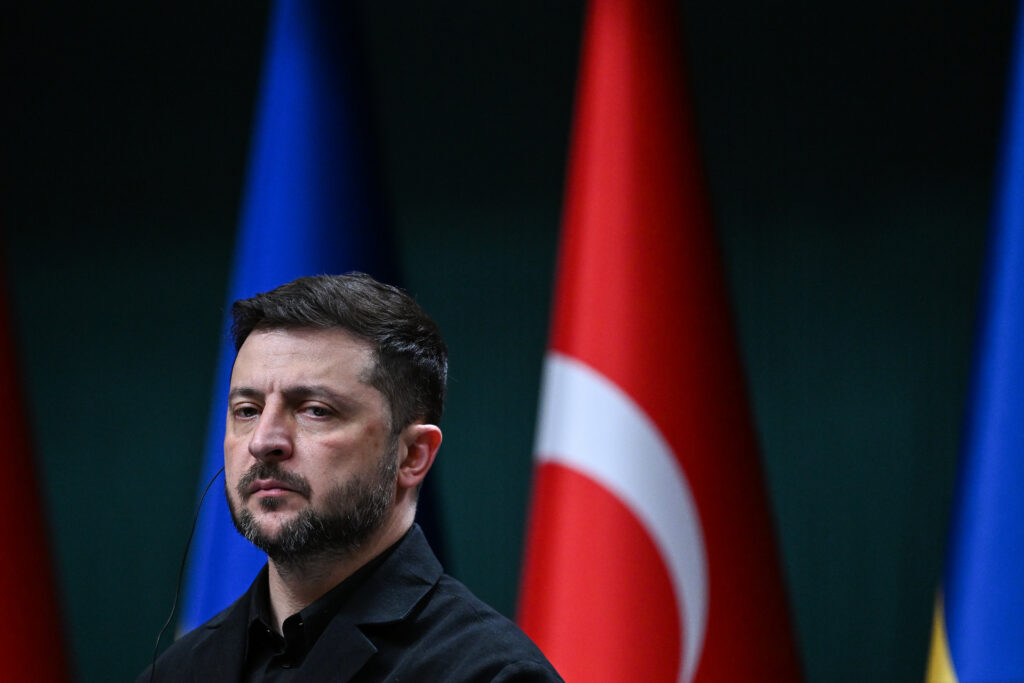
Le plan américain pour l’Ukraine prévoit de fortes concessions à la Russie
Le président ukrainien Volodymyr Zelensky a plaidé jeudi en faveur d’une “paix digne” alors que les Etats-Unis ont présenté un plan, vu par l’AFP, qui prévoit en particulier que Kiev cède à la Russie les régions de Donetsk et Lougansk dans l’est.Ces deux régions que Moscou réclame, et la Crimée annexée par la Russie en 2014, seraient “reconnues de facto comme russes, y compris par les Etats-Unis”, selon ce projet de règlement du conflit. Kiev devrait également s’engager à ne jamais rejoindre l’Otan et n’obtiendrait pas de forces de maintien de la paix, même si le plan prévoit des avions de combat européens en Pologne pour protéger le pays.Un responsable américain a déclaré jeudi que le plan américain pour l’Ukraine comprenait des garanties de sécurité de la part de Washington et de ses alliés européens équivalentes à celles de l’Otan en cas de future attaque, confirmant des informations de presse.La Maison Blanche a souligné que la discussion était encore en cours sur ce plan, présenté alors que l’armée ukrainienne, moins nombreuse et moins équipée, peine à contenir la poussée russe sur le front. – Otan -Selon le projet en 28 points, deux autres régions dans le sud seraient partagées selon le tracé de l’actuelle ligne de front. Il s’agit de celle de Kherson et de celle de Zaporijjia, où une frappe russe a fait au moins cinq morts et plusieurs blessés jeudi soir, selon les secours.Toujours selon ce texte, l’armée ukrainienne se retirerait de la partie de la région de Donetsk qu’elle contrôle et qui deviendrait une zone tampon démilitarisée appartenant à la Russie.Si le projet était accepté en l’état, Kiev renoncerait à adhérer à l’Organisation du traité de l’Atlantique nord (Otan) et inscrirait cet engagement dans sa Constitution. L’alliance de défense exclurait de son côté dans ses statuts toute adhésion future du pays.Il s’agit là aussi d’une revendication majeure de la Russie.Le projet prévoit que l’armée ukrainienne serait limitée à 600.000 militaires, que l’Otan s’engagerait à ne pas stationner de troupes en Ukraine et que des avions de combat européens seraient basés en Pologne.- “Paix digne” -L’Ukraine veut “une paix digne, afin que les conditions soient respectueuses de notre indépendance, de notre souveraineté et de la dignité du peuple ukrainien”, avait dit plus tôt Volodymyr Zelensky dans son adresse quotidienne diffusée sur les réseaux sociaux.Il prévoit de discuter “dans les prochains jours” avec son homologue américain Donald Trump.”Le président (Trump) soutient ce plan. C’est un bon plan à la fois pour la Russie et pour l’Ukraine et nous pensons qu’il est acceptable pour les deux parties”, a soutenu jeudi la porte-parole de la Maison Blanche, Karoline Leavitt. Elle a martelé que Washington avait autant discuté avec les Ukrainiens que les Russes, après que des voix se sont élevées côté ukrainien pour déplorer des propositions alignées sur les revendications de Moscou.Un haut responsable américain a souligné auprès de l’AFP que Kiev avait demandé à modifier un point du plan, qui prévoyait un “audit” sur l’aide reçue par le pays et des sanctions en cas de détournement, cela alors que l’Ukraine est secouée par un grave scandale de corruption.Dans la version vue par l’AFP, cette notion d’audit a disparu, remplacée par la promesse que “toutes les parties impliquées dans ce conflit recevront une amnistie complète pour leurs actions durant la guerre.”- Reconstruction et élections -Le plan soutenu par les Américains prévoit la signature d’un “accord de non agression” entre la Russie, l’Ukraine et l’Europe.Kiev serait “éligible” à l’adhésion à l’Union européenne.Si la Russie envahissait à nouveau l’Ukraine, elle ferait face, toujours selon ce projet de plan, à une réponse militaire “coordonnée” et se verrait à nouveau imposer des sanctions internationales. La proposition en 28 points vue par l’AFP prévoit un plan de reconstruction et la tenue d’élections dans le pays sous 100 jours.Le projet prévoit entre autres que les efforts de reconstruction engagés par les Etats-Unis soient financés à hauteur de 100 milliards de dollars par des avoirs russes aujourd’hui gelés.La centrale nucléaire de Zaporijjia serait elle relancée sous la supervision de l’Agence internationale de l’énergie atomique (AIEA) et sa production d’électricité irait pour 50% à l’Ukraine et pour 50% à la Russie.La mise en œuvre de ces 28 points serait surveillée par un “conseil de paix” présidé par Donald Trump.
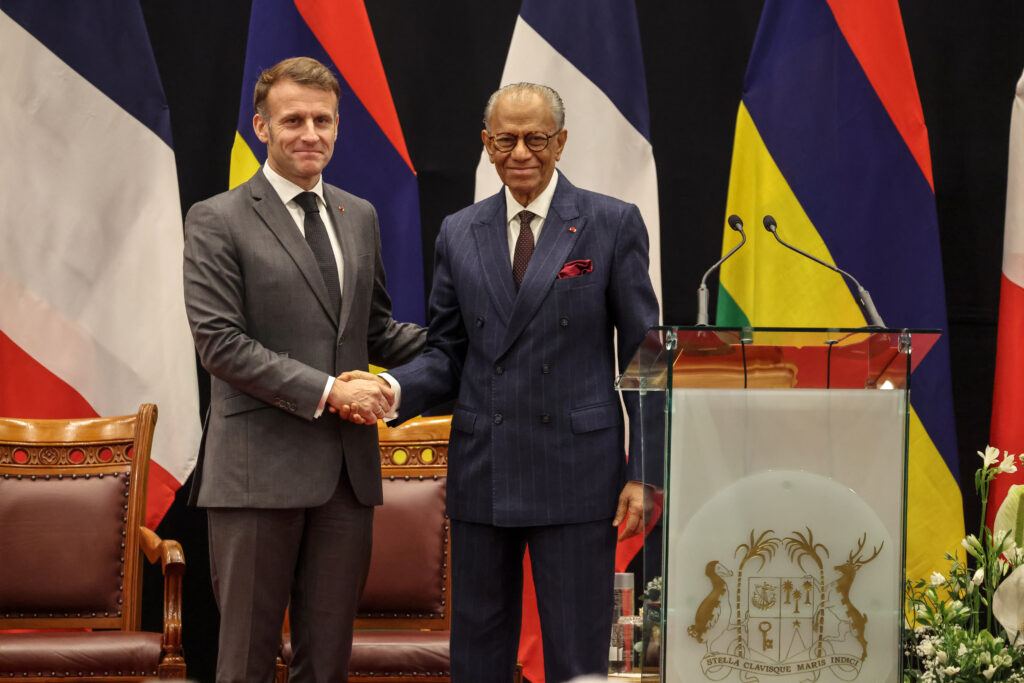
Après l’île Maurice, Macron met le cap sur l’Afrique du Sud
“La France n’entend pas dominer”, “elle veut coopérer” : Emmanuel Macron a plaidé vendredi à Port-Louis pour un renforcement de la coopération régionale au sein de l’océan Indien, avant de mettre le cap sur l’Afrique du Sud, deuxième étape de sa tournée africaine.”La France n’entend pas dominer, elle n’entend en rien imposer, elle veut coopérer face à toutes les tentations parfois hégémoniques dans un monde de désordres où vous voyez comme moi le retour des impéralismes. La région n’y échappe pas”, a déclaré le président sur le site de la future ambassade de France à l’issue d’une visite d’Etat de 24 heures à l’île Maurice.Au premier jour de sa visite jeudi, il a convenu avec le Premier ministre mauricien Navin Ramgoolam d’accroître la coopération en matière de sécurité maritime pour lutter contre les narcotrafics et la pêche illégale dans la zone.”La France est par sa géographie à La Réunion, Mayotte, par ses ressortissants établis à Maurice, aux Seychelles, à Madagascar, aux Comores, par ces familles mêlées et ses liens humains une des puissances dans l’océan Indien”, a-t-il dit.”Mais nous l’abordons aussi avec aussi humilité et une volonté de travailler en partenariat”, a-t-il insisté. La France concentre 1.600 militaires entre ses deux territoires ultramarins dans la zone.Emmanuel Maceron entend aussi réaffirmer la présence française dans le sud-ouest de l’océan Indien face aux ambitions croissantes de la Chine, la Russie et l’Inde.L’île Maurice, ex-colonie française puis britannique de 1,2 million d’habitants, occupe une position stratégique dans ce carrefour maritime riche en ressources qui attise les convoitises. Le chef de l’Etat a évoqué les “menaces qui pèsent sur la stabilité de l’océan Indien, traversé par des roues maritimes clés pour l’économie mondiale et maintenant le trafic qui descend depuis l’Asie”.La France et Maurice vont “organiser davantage de patrouilles et d’exercices” communs et procéder à un “échange de bonnes pratiques” en matière de sécurité, a-t-il pointé. Le président s’est auparavant rendu sur un bâtiment de la Marine nationale, Le Champlain, mouillant à Port-Louis et qui participe avec les garde-côtes mauriciens à la surveillance des côtes et la lutte contre les trafics, notamment de drogue venant de la zone Inde/Parkistan.Le Premier ministre mauricien, en poste depuis 2024, avait relevé la veille que les relations bilatérales avaient été “quelque peu négligées” ces dix dernières années mais souligné une volonté de les “redynamiser”.- “Amitié” -Le président français s’est envolé vers 13H30 (9H30 GMT) pour Pretoria où il rencontrera dans l’après-midi son homologue sud-africain Cyril Ramaphosa, avec lequel il a noué selon son entourage “une relation d’amitié, d’estime très proche”, à la veille du sommet du G20.Il doit se rendre dans un centre de formation de la compagnie nationale d’électricité Eskom, qui a bénéficié d’un soutien financier français en matière de transition énergétique, l’un des sujets du G20.Il effectuera aussi une visite hautement symbolique au mémorial de la lutte contre l’apartheid à Pretoria. Quinze noms de Français seront dévoilés à cette occasion sur le mur des héros du monument.Parmi eux les écrivains Jean-Paul Sartre et Aimé Césaire, Frantz Fanon, figure de l’anticolonialisme, l’avocat Paul Vergès, le philosophe Paul Ricoeur et le rugbyman international François Moncla, marqué à vie par l’apartheid lors d’une tournée du XV de France en Afrique du Sud en 1958.”La France était à travers ses artistes, ses figures culturelles, intellectuelles, politiques, en soutien de la lutte contre l’apartheid. Et c’est ça que l’on aura à coeur de démontrer lors de la visite”, relève l’Elysée.Le chef de l’Etat français, déterminé à accroître les liens économiques avec l’Afrique anglophone, assistera par ailleurs au lancement d’un conseil d’affaires franco-sud-africain sur le modèle de celui qui existe déjà au Nigeria, avant de rejoindre Johannesburg pour le sommet du G20 samedi et dimanche. Il poursuivra ensuite sa tournée africaine au Gabon et en Angola.Le président algérien Abdelmadjid Tebboune ne se rendra finalement pas au G20, a annoncé jeudi la télévision algérienne, coupant court à toute possibilité de rencontre avec Emmanuel Macron pour tenter d’apaiser une relation des plus tendues entre France et Algérie, après le signal positif envoyé par Alger, qui a récemment libéré l’écrivain franco-algérien Boualem Sansal.
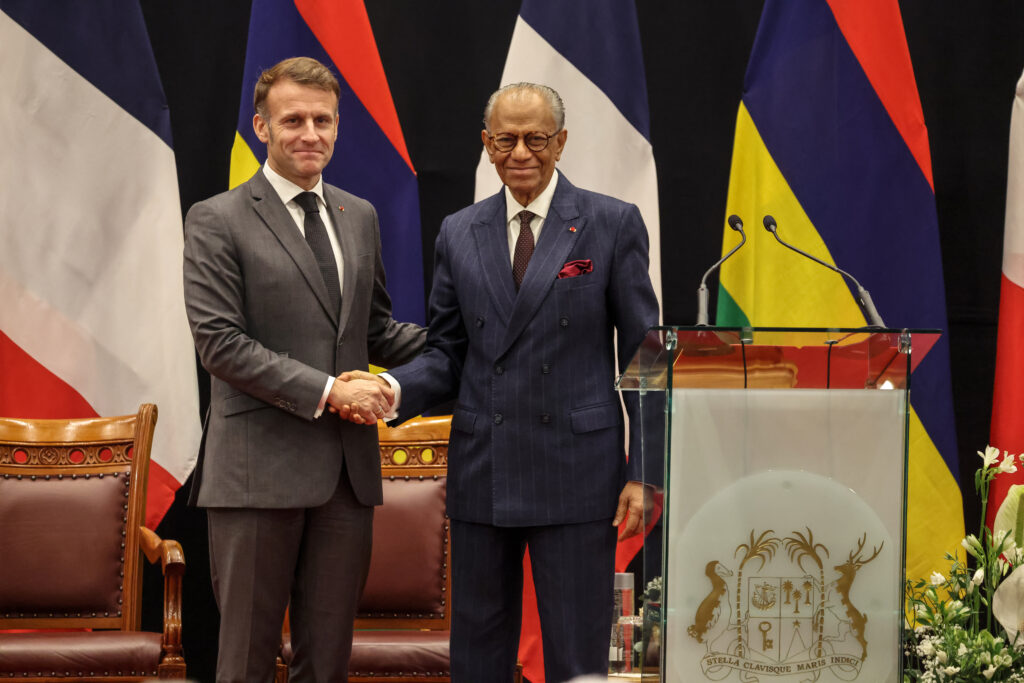
Après l’île Maurice, Macron met le cap sur l’Afrique du Sud
“La France n’entend pas dominer”, “elle veut coopérer” : Emmanuel Macron a plaidé vendredi à Port-Louis pour un renforcement de la coopération régionale au sein de l’océan Indien, avant de mettre le cap sur l’Afrique du Sud, deuxième étape de sa tournée africaine.”La France n’entend pas dominer, elle n’entend en rien imposer, elle veut coopérer face à toutes les tentations parfois hégémoniques dans un monde de désordres où vous voyez comme moi le retour des impéralismes. La région n’y échappe pas”, a déclaré le président sur le site de la future ambassade de France à l’issue d’une visite d’Etat de 24 heures à l’île Maurice.Au premier jour de sa visite jeudi, il a convenu avec le Premier ministre mauricien Navin Ramgoolam d’accroître la coopération en matière de sécurité maritime pour lutter contre les narcotrafics et la pêche illégale dans la zone.”La France est par sa géographie à La Réunion, Mayotte, par ses ressortissants établis à Maurice, aux Seychelles, à Madagascar, aux Comores, par ces familles mêlées et ses liens humains une des puissances dans l’océan Indien”, a-t-il dit.”Mais nous l’abordons aussi avec aussi humilité et une volonté de travailler en partenariat”, a-t-il insisté. La France concentre 1.600 militaires entre ses deux territoires ultramarins dans la zone.Emmanuel Maceron entend aussi réaffirmer la présence française dans le sud-ouest de l’océan Indien face aux ambitions croissantes de la Chine, la Russie et l’Inde.L’île Maurice, ex-colonie française puis britannique de 1,2 million d’habitants, occupe une position stratégique dans ce carrefour maritime riche en ressources qui attise les convoitises. Le chef de l’Etat a évoqué les “menaces qui pèsent sur la stabilité de l’océan Indien, traversé par des roues maritimes clés pour l’économie mondiale et maintenant le trafic qui descend depuis l’Asie”.La France et Maurice vont “organiser davantage de patrouilles et d’exercices” communs et procéder à un “échange de bonnes pratiques” en matière de sécurité, a-t-il pointé. Le président s’est auparavant rendu sur un bâtiment de la Marine nationale, Le Champlain, mouillant à Port-Louis et qui participe avec les garde-côtes mauriciens à la surveillance des côtes et la lutte contre les trafics, notamment de drogue venant de la zone Inde/Parkistan.Le Premier ministre mauricien, en poste depuis 2024, avait relevé la veille que les relations bilatérales avaient été “quelque peu négligées” ces dix dernières années mais souligné une volonté de les “redynamiser”.- “Amitié” -Le président français s’est envolé vers 13H30 (9H30 GMT) pour Pretoria où il rencontrera dans l’après-midi son homologue sud-africain Cyril Ramaphosa, avec lequel il a noué selon son entourage “une relation d’amitié, d’estime très proche”, à la veille du sommet du G20.Il doit se rendre dans un centre de formation de la compagnie nationale d’électricité Eskom, qui a bénéficié d’un soutien financier français en matière de transition énergétique, l’un des sujets du G20.Il effectuera aussi une visite hautement symbolique au mémorial de la lutte contre l’apartheid à Pretoria. Quinze noms de Français seront dévoilés à cette occasion sur le mur des héros du monument.Parmi eux les écrivains Jean-Paul Sartre et Aimé Césaire, Frantz Fanon, figure de l’anticolonialisme, l’avocat Paul Vergès, le philosophe Paul Ricoeur et le rugbyman international François Moncla, marqué à vie par l’apartheid lors d’une tournée du XV de France en Afrique du Sud en 1958.”La France était à travers ses artistes, ses figures culturelles, intellectuelles, politiques, en soutien de la lutte contre l’apartheid. Et c’est ça que l’on aura à coeur de démontrer lors de la visite”, relève l’Elysée.Le chef de l’Etat français, déterminé à accroître les liens économiques avec l’Afrique anglophone, assistera par ailleurs au lancement d’un conseil d’affaires franco-sud-africain sur le modèle de celui qui existe déjà au Nigeria, avant de rejoindre Johannesburg pour le sommet du G20 samedi et dimanche. Il poursuivra ensuite sa tournée africaine au Gabon et en Angola.Le président algérien Abdelmadjid Tebboune ne se rendra finalement pas au G20, a annoncé jeudi la télévision algérienne, coupant court à toute possibilité de rencontre avec Emmanuel Macron pour tenter d’apaiser une relation des plus tendues entre France et Algérie, après le signal positif envoyé par Alger, qui a récemment libéré l’écrivain franco-algérien Boualem Sansal.
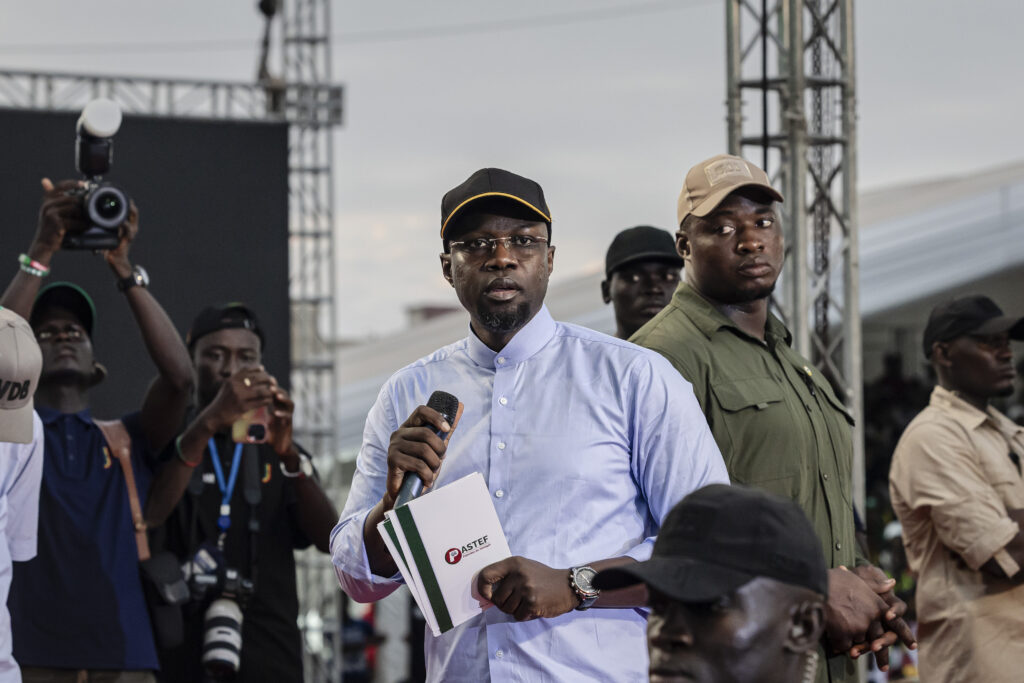
Face au mur de sa dette, le Sénégal en quête d’un accord avec le FMI
Comment se dépêtrer d’une dette colossale? Alors que l’Afrique accueille son premier G20 samedi à Johannesburg, en Afrique du Sud, avec la dette parmi les sujets prioritaires, le Sénégal surendetté bataille pour obtenir du FMI un nouveau programme d’aide pour soulager ses finances et rétablir la confiance de ses partenaires économiques.- Dette cachée -Avec une …
Face au mur de sa dette, le Sénégal en quête d’un accord avec le FMI Read More »
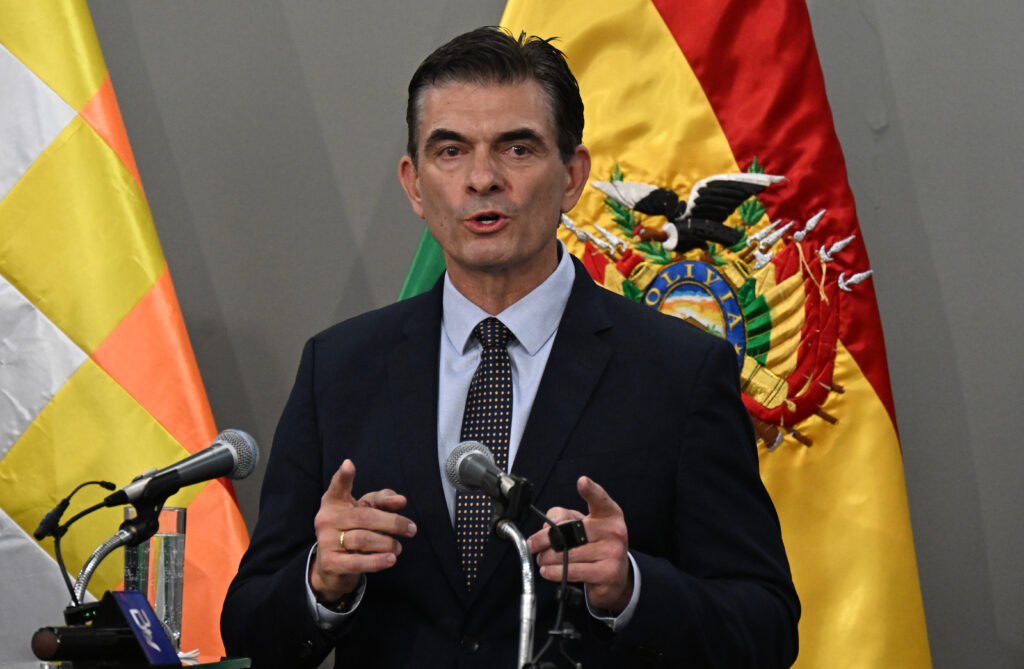
Bolivie : le président Rodrigo Paz supprime le ministère de la Justice
Le président bolivien Rodrigo Paz a supprimé jeudi le ministère de la Justice, après avoir annoncé dans un premier temps le remplacement de son titulaire, mis en cause par la révélation d’une condamnation pénale qu’il avait dissimulée.Dans une déclaration à la presse depuis le siège du gouvernement, Rodrigo Paz a rappelé sa promesse de campagne …
Bolivie : le président Rodrigo Paz supprime le ministère de la Justice Read More »
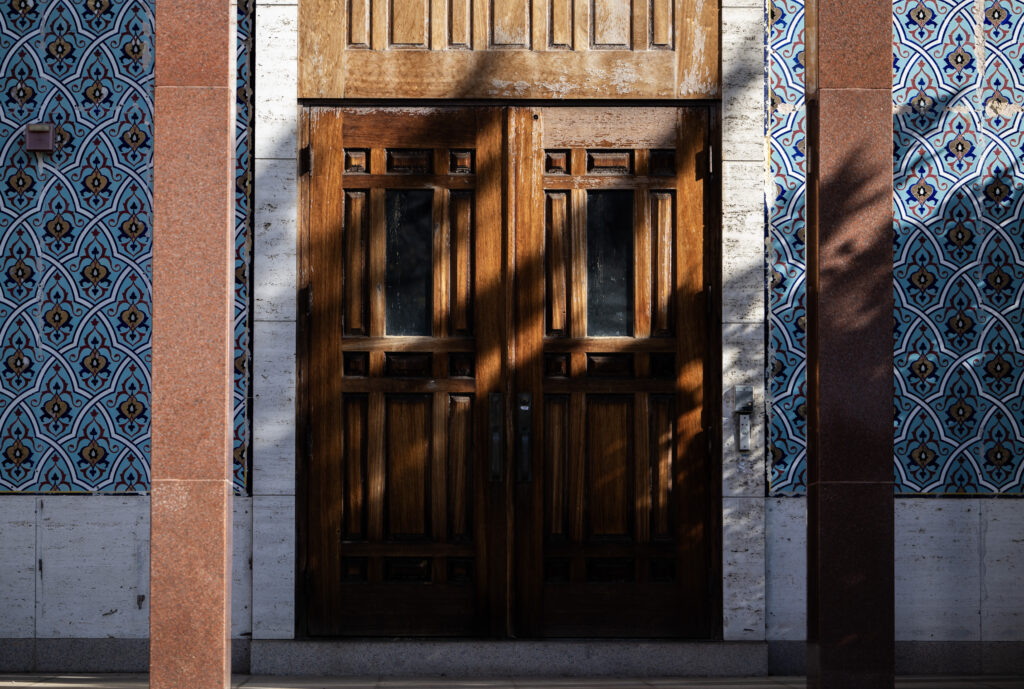
A Washington, la valse diplomatique des ambassades fantômes
Les murs décatis de cette vaste demeure de Washington étaient depuis longtemps cachés par une végétation envahissante quand, en septembre, la haie a été enfin taillée et le drapeau syrien hissé.La réouverture symbolique de l’ambassade de Syrie aux Etats-Unis, après onze ans de fermeture, rappelle qu’une poignée de bâtiments diplomatiques d’un quartier cossu de la …
A Washington, la valse diplomatique des ambassades fantômes Read More »

Gueule de bois sur les marchés: les craintes d’une “bulle” de l’IA resurgissent malgré les performances de Nvidia
La fête a été de courte durée sur les marchés boursiers: après un bref soulagement face aux performances du géant américain des puces Nvidia, les valeurs technologiques s’effondrent, craignant que l’engouement suscité par l’intelligence artificielle ne soit finalement qu’une bulle spéculative.A Tokyo, le géant des investissements technologiques SoftBank Group a dévissé de 10,9%, et le …