Democrats bet on centrism in rebuttal to Trump speech

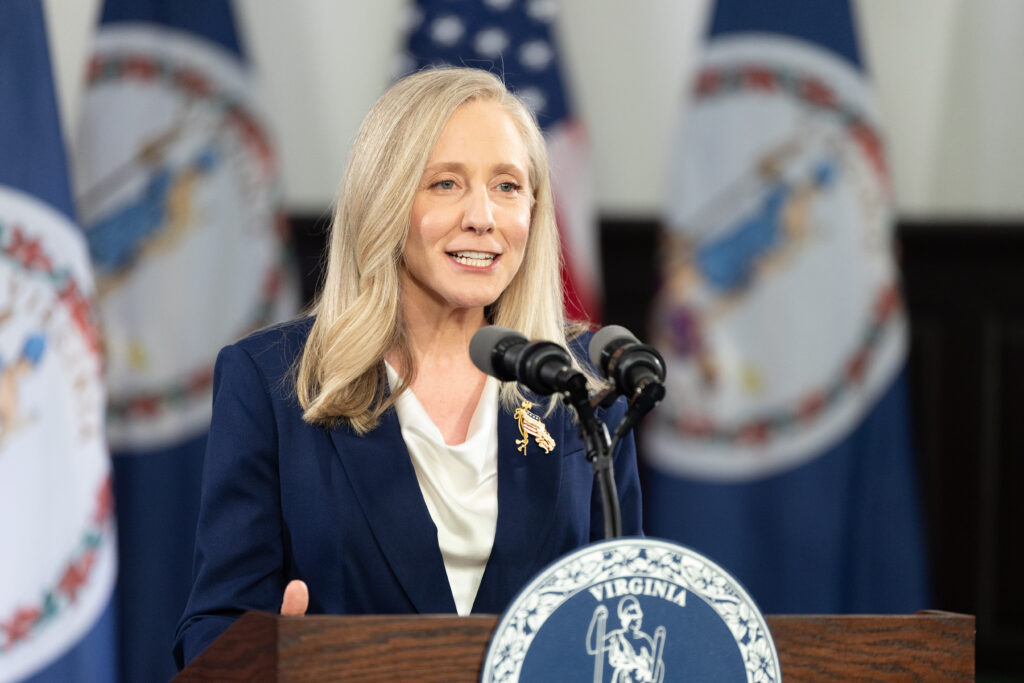
The rebuttal to Donald Trump’s State of the Union was delivered Tuesday by a stalwart of the Democrats’ moderate wing — seen as a model for the centrism some bet is key to winning November’s midterm elections.Virginia Governor Abigail Spanberger criticized the US president for his handling of the Jeffrey Epstein affair as well as alleged corruption, but mostly focused on cost-of-living issues centrists believe will have cross-party appeal.”Costs are too high in housing, health care, energy and child care,” Spanberger said in a staid, measured speech.”Americans deserve to know that their leaders are focused on addressing the problems that keep them up at night.”Spanberger, a former CIA officer and three-term Congresswoman, successfully won back the Virginia governor’s mansion from Republicans last year with an affordability-focused platform.Her selection to deliver the party’s formal rebuttal to Trump’s address to Congress was clearly aimed at putting forward an example for the rest of the party to follow.The Democratic Party remains split over turning out centrist and even moderate Republican voters or firing up the base on progressive promises of sweeping reform.While left-wing stalwarts like New York Mayor Zohran Mamdani have also run campaigns on affordability, Spanberger also emphasized more traditional centrist ideals like bipartisanship, patriotism and her law enforcement bonafides.Spanberger also hit Trump on issues like the immigration crackdown, saying federal agents have “ripped nursing mothers away from their babies,” while saying the immigration system was “broken.”The primaries ahead of the midterms are likely to see some combative races between moderate and Democratic progressives.With Spanberger, the Democratic leadership was signaling a preference for persuasion and disciplined messaging over ideological confrontation.Party leaders view her as a communicator capable of reaching beyond the Democratic base at a time when cost‑of‑living pressures dominate public debate.”Those who are stepping up now to run will win in November, because Americans — you at home — know you can demand more,” she said.Spanberger first gained national prominence in 2018 when she captured a Republican-held suburban district in Virginia, part of a Democratic wave driven by moderate candidates and disaffected swing voters.She later secured reelection in the competitive seat before securing the governorship last year, solidifying her reputation as an election winner focused on economic and national security concerns.Her campaigns have consistently emphasized healthcare, economic stability and bipartisan problem‑solving — priorities Democrats hope will resonate with suburban and independent voters this November.
Trump claims Iran working on missiles that could hit US

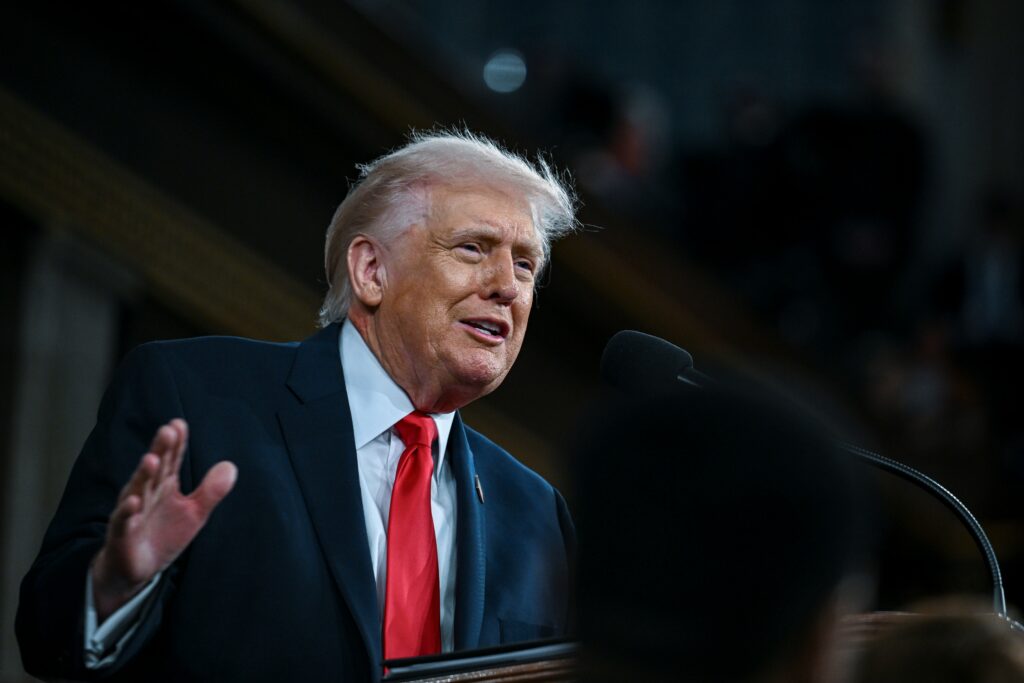
US President Donald Trump on Tuesday claimed Iran is seeking to develop missiles that can strike the United States and accused Tehran of working to rebuild a nuclear program that was targeted by American strikes last year.The United States and Iran are engaged in high-stakes negotiations over Iran’s atomic program and other issues including missiles, with Trump saying he prefers diplomacy but is willing to use force if talks fail.”They’ve already developed missiles that can threaten Europe and our bases overseas, and they’re working to build missiles that will soon reach the United States of America,” Trump said during his State of the Union address.In 2025, the US Defense Intelligence Agency said Iran could potentially develop a militarily viable intercontinental ballistic missile by 2035 “should Tehran decide to pursue the capability,” but did not say if it had made such a decision.Tehran currently possesses short- and medium-range ballistic missiles with ranges that top out at about 1,850 miles (3,000 kilometers), according to the US Congressional Research Service.The continental United States is more than 6,000 miles from Iran’s western tip.Washington and Tehran have concluded two rounds of talks aimed at reaching a deal on Iran’s nuclear program to replace the agreement that Trump tore up during his first term in office.- ‘Preference’ is diplomacy -The United States has repeatedly called for zero uranium enrichment by Iran but has also sought to address its ballistic missile program and support for armed groups in the region — demands Iran has rejected.Iran has also repeatedly rejected that it is pursuing nuclear weapons.Trump ordered strikes on three Iranian nuclear sites last year, claiming afterward that Tehran’s atomic program was obliterated.On Tuesday, he said Iran wants “to start all over again,” and that it is “at this moment again pursuing their sinister nuclear ambitions.”Trump has sent a massive US military force to the Middle East, deploying two aircraft carriers as well as more than a dozen other ships, a large number of warplanes and other assets to the region.He has repeatedly threatened to strike Iran if negotiations fail to reach a new agreement. Talks with Tehran are currently set to continue on Thursday.”My preference is to solve this problem through diplomacy but one thing is certain: I will never allow the world’s number one sponsor of terror, which they are by far, to have a nuclear weapon,” Trump said.The US president’s speech primarily focused on domestic issues, making no mention at all of China — Washington’s primary military and economic rival — and only briefly referring to Russia.Trump said he was working to end the bloody conflict between Russia and Ukraine, and repeated his inaccurate claim that he had brought eight other wars to an end since returning to office in January 2025.He also hailed NATO’s decision to spend five percent of gross domestic product on defense — a move made under heavy pressure from Trump and his administration.

Trump claims Iran working on missiles that could hit US

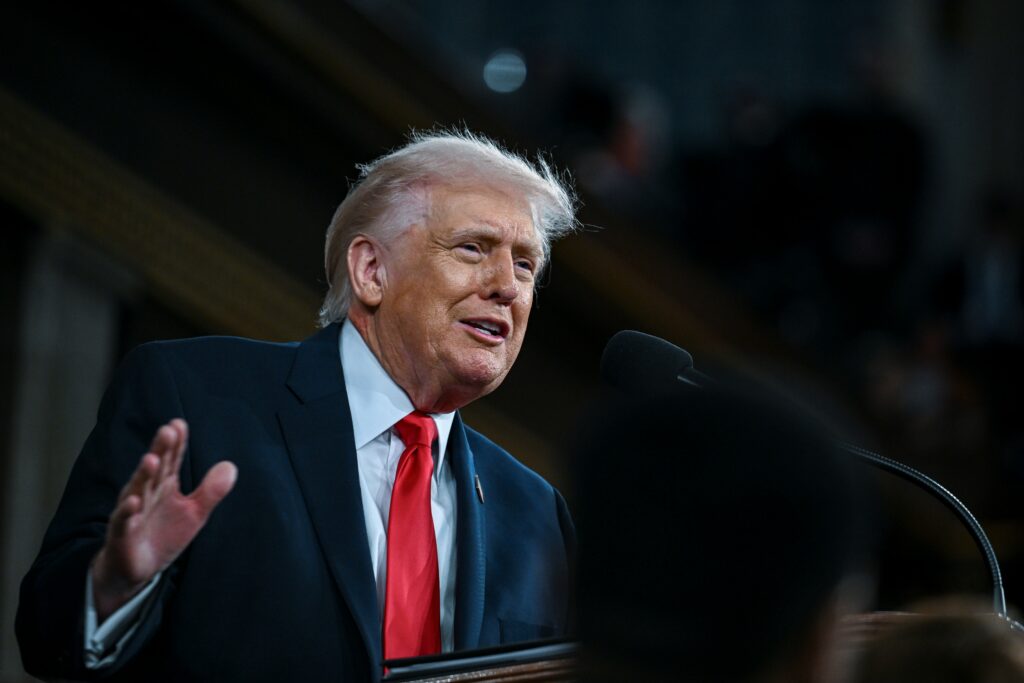
US President Donald Trump on Tuesday claimed Iran is seeking to develop missiles that can strike the United States and accused Tehran of working to rebuild a nuclear program that was targeted by American strikes last year.The United States and Iran are engaged in high-stakes negotiations over Iran’s atomic program and other issues including missiles, with Trump saying he prefers diplomacy but is willing to use force if talks fail.”They’ve already developed missiles that can threaten Europe and our bases overseas, and they’re working to build missiles that will soon reach the United States of America,” Trump said during his State of the Union address.In 2025, the US Defense Intelligence Agency said Iran could potentially develop a militarily viable intercontinental ballistic missile by 2035 “should Tehran decide to pursue the capability,” but did not say if it had made such a decision.Tehran currently possesses short- and medium-range ballistic missiles with ranges that top out at about 1,850 miles (3,000 kilometers), according to the US Congressional Research Service.The continental United States is more than 6,000 miles from Iran’s western tip.Washington and Tehran have concluded two rounds of talks aimed at reaching a deal on Iran’s nuclear program to replace the agreement that Trump tore up during his first term in office.- ‘Preference’ is diplomacy -The United States has repeatedly called for zero uranium enrichment by Iran but has also sought to address its ballistic missile program and support for armed groups in the region — demands Iran has rejected.Iran has also repeatedly rejected that it is pursuing nuclear weapons.Trump ordered strikes on three Iranian nuclear sites last year, claiming afterward that Tehran’s atomic program was obliterated.On Tuesday, he said Iran wants “to start all over again,” and that it is “at this moment again pursuing their sinister nuclear ambitions.”Trump has sent a massive US military force to the Middle East, deploying two aircraft carriers as well as more than a dozen other ships, a large number of warplanes and other assets to the region.He has repeatedly threatened to strike Iran if negotiations fail to reach a new agreement. Talks with Tehran are currently set to continue on Thursday.”My preference is to solve this problem through diplomacy but one thing is certain: I will never allow the world’s number one sponsor of terror, which they are by far, to have a nuclear weapon,” Trump said.The US president’s speech primarily focused on domestic issues, making no mention at all of China — Washington’s primary military and economic rival — and only briefly referring to Russia.Trump said he was working to end the bloody conflict between Russia and Ukraine, and repeated his inaccurate claim that he had brought eight other wars to an end since returning to office in January 2025.He also hailed NATO’s decision to spend five percent of gross domestic product on defense — a move made under heavy pressure from Trump and his administration.

Nepal’s leader says post-uprising polls on track

Nepal’s interim government has said preparations are on track for parliamentary elections next week, the first since a deadly 2025 uprising, urging voters to exercise their right “without fear”.The Himalayan republic of 30 million people holds elections on March 5, less than six months after youth-led anti-corruption protests toppled the previous government.The unrest killed at least 77 people and left parliament in flames.”The government will leave no stone unturned to conduct the election in a clean, fair, fearless, and peaceful manner,” Sushila Karki, the interim prime minister, said late Tuesday.”I urge all citizens to exercise their voting rights with confidence and without any fear.”The September 2025 violence was the worst since a decade-long civil war ended in a 2006 peace deal that abolished the monarchy and brought Maoist insurgents into government.Protests were triggered by a brief social media ban, but were fuelled by anger at economic stagnation and an ageing elite seen as out of touch.Nearly 19 million people have registered to vote, including 800,000 taking part for the first time.They will elect members to the 275-seat House of Representatives, the lower house, with 165 via a direct vote and 110 through proportional representation.Election Commission official Suman Ghimire told AFP the body was in its “final stage of election preparation”.Ghimire said support from other nations included neighbouring China and India.China, as well as Japan, had sent “economic assistance”, Ghimire said, without giving a figure, while Indian aid included 86 pickup vans “to transport election materials”.More than 60 trucks — as well as helicopters for remote snowbound mountain regions — have been used to transport election materials, he said.More than 3,400 candidates are competing in the direct vote, 30 percent aged under 40.”An election atmosphere is taking shape,” said Kritika Mishra, 23, a prospective voter in Nepal’s southern Sarlahi district. “Candidates are actively campaigning.”

Merz arrive en Chine, entre dépendance commerciale et méfiance de Berlin

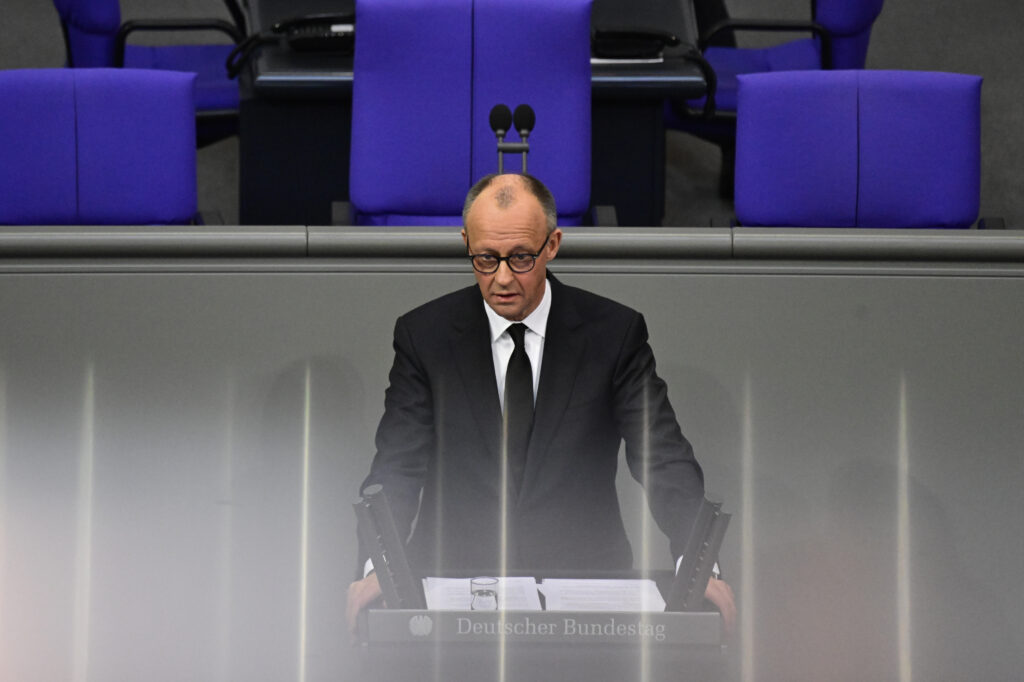
Le chancelier Friedrich Merz est arrivé mercredi en Chine, principal partenaire commercial de l’Allemagne de plus en plus perçu dans son pays comme un dangereux concurrent plutôt qu’un immense marché.Il s’agit de la première visite du chancelier en Chine depuis sa prise de fonctions en 2025. Accompagné d’une importante délégation de chefs d’entreprise, l’avion de M. Merz est arrivé peu après 11H00 locales (3H00 GMT), selon un journaliste de l’AFP.Le chancelier doit s’entretenir et dîner dans la soirée avec le président chinois Xi Jinping, lors de ce déplacement de moins de deux jours centré sur l’économie et la sécurité.Auparavant, il doit être salué avec les honneurs militaires dans le décor monumental du Palais du peuple par le Premier ministre chinois Li Qiang avant des entretiens.Sa visite intervient à un moment où le président américain Donald Trump bouscule l’ordre établi, à coups de droits de douane et de remise en question des anciennes alliances.Simultanément, l’industrie qui a fait la réputation de la place allemande est soumise à la pression de la concurrence chinoise en Chine, en Europe même, et ailleurs dans le monde. M. Merz a appelé mardi, juste avant de quitter Berlin, à une relation commerciale fondée sur “une concurrence loyale”.M. Merz est le dernier dirigeant étranger en date à effectuer le déplacement de Pékin. Les trois derniers mois ont vu se succéder dans la capitale chinoise les dirigeants britannique, finlandais, canadien, sud-coréen, irlandais ou français.Devant eux, le président Xi a invariablement présenté son pays comme un partenaire fiable et constant et un champion du multilatéralisme et du libre-échange avec lequel leur pays a tout intérêt à traiter, dans une relation “gagnant-gagnant” inspirée par le “respect mutuel”. La Chine a elle-même livré en 2025 une âpre bataille commerciale et diplomatique aux Etats-Unis sous Donald Trump. M. Trump est annoncé en Chine fin mars.M. Merz s’était rendu mi-janvier en Inde, grand rival de la Chine en Asie.Friedrich Merz a emmené avec lui en Chine les patrons de Volkswagen, BMW et Mercedes, qui subissent une compétition de plus en plus forte sur le marché chinois, alors que les constructeurs chinois, en particulier ceux de voitures électriques, tentent une percée massive en Europe.- Partenariat “équilibré” -M. Merz assistera jeudi à la présentation de véhicules autonomes par le constructeur Mercedes. Il se rendra ensuite à Hangzhou, pôle technologique, pour visiter le groupe de robotique Unitree et l’énergéticien Siemens Energy.Les Européens regardent de plus en plus la Chine avec méfiance. L’année dernière, Pékin a interdit l’exportation de puces électroniques vers l’Europe après un différend avec le gouvernement néerlandais concernant le fabricant de semi-conducteurs Nexperia. Une situation qui a mis sous pression l’industrie automobile allemande, menacée d’arrêts de production et de chômage partiel.”Nous voulons un partenariat avec la Chine qui soit équilibré, fiable, réglementé et équitable. C’est ce que nous proposons. C’est également ce que nous attendons de la part de la Chine”, a insisté mardi M. Merz.Il y a quelques années, l’UE s’était mise d’accord sur une stratégie dite de “de-risking”, ou réduction des risques vis-à-vis de la Chine. Mais la dépendance n’a guère diminué. Cela vaut particulièrement pour les terres rares, sans lesquelles de nombreux domaines technologiques ne pourraient plus fonctionner, et sur lesquelles la Chine occupe une position dominante.”La Chine exploite systématiquement les dépendances des autres”, avait fustigé M. Merz, lors de la conférence sur la sécurité à Munich mi-février.Pour la première économie européenne, très dépendante de ses exportations, et dont l’industrie a écoulé pendant des années sa production sur l’immense marché chinois, la situation s’est considérablement détériorée ces dernières années.L’an passé, le déficit commercial de l’Allemagne avec la Chine a augmenté de plus de 22 milliards d’euros pour atteindre environ 89 milliards d’euros. La situation est similaire pour le reste de l’Europe.L’Allemagne dispose cependant encore de moyens de pression, estime auprès de l’AFP Michael Laha, expert de la Société allemande de politique étrangère (DGAP).Il cite les fabricants de machine-outils, qui restent de “très importants” fournisseurs, “les Chinois n’étant pas encore si avancés dans ce domaine”.  

Division, theater and one golden moment as Trump addresses Congress

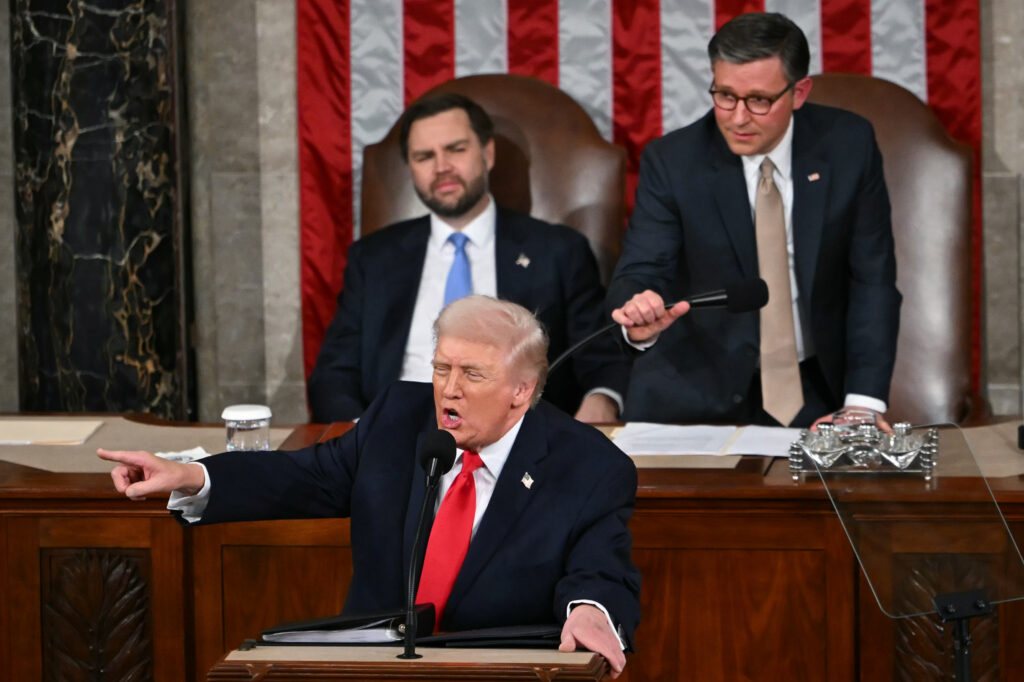
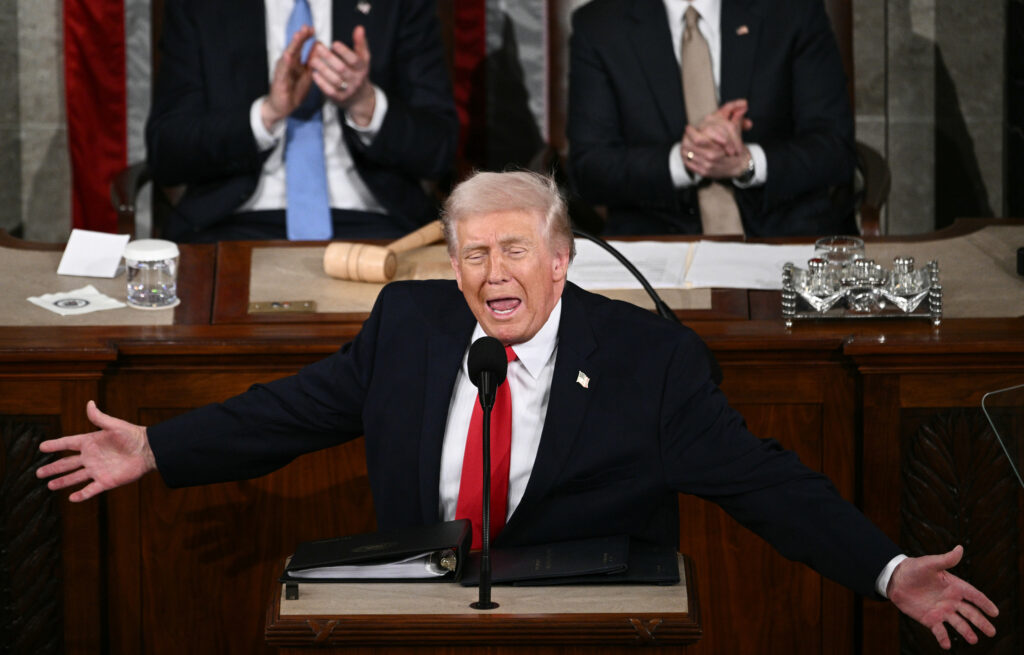
If Donald Trump was worried about a hostile reception over his breakneck remaking of presidential norms, he did not show it — striding in six minutes late, with the unhurried confidence of a man who knew the evening belonged to him.Republicans rose in successive waves, while many Democrats remained seated with fixed expressions.Only later, when the US men’s Olympic ice hockey team was introduced, would the entire chamber rise together.On nights like these, the US House of Representatives is less a legislature than a stage. The choreography is simple — one side applauds, the other scowls, and the republic survives another evening.The Supreme Court justices occupied their usual front-row spot — their black robes lending the scene the air of a quietly disapproving jury. This year, however, the proximity was unusually charged as merely days earlier, three of the justices present had struck down the global tariffs that Trump had made his signature economic policy.Attendance was thinner than usual, with dozens of Democrats boycotting, though the empty seats gave the spectacle the breathing room lost in the chaos of Trump’s protest‑hit 2025 appearance.- Hope, loss, fear -The president began as he nearly always does: with victory. The economy was thriving, America was respected and the nation had, under his guidance, become richer and more formidable.Polls suggest most Americans disagree, but the State of the Union is an exercise in imagination, not measurement.Trump lingered on inflation, which he said was falling, and jobs, which he said were rising. He praised the stock market with proprietary warmth. When he turned to tariffs, however, the chamber stiffened. The Supreme Court ruling, he said, was mistaken.The guests supplied the emotional punctuation — watching the address with expressions that carried stories into the room: pride, passion, hope, loss, fear, accusation. They included survivors of notorious sex criminal Jeffrey Epstein, as well as the hockey players, fresh from victory and somewhat bewildered by the grandeur. For a moment, when the Olympians were recognized, the chamber roared “USA! USA!” and the country remembered that it liked itself.- Crescendo -Democrats had been told by their leaders to be on their best behavior: protest, but elegantly. Several wore white in homage to the Suffragettes, or pins demanding more accountability over Epstein.Democratic Congressman Al Green, expelled over disruptions last year, held up a sign berating Trump for sharing a racist video of the Obamas — “Black people aren’t apes,” it read — and was swiftly ejected again.     There were heckles and a smattering of jeers from the wings as Trump hit the hour mark — earning a slapdown from the Republican leader — but the main protest was the weaponized silence of half the chamber withholding applause. Outside, rival versions of the republic unfolded. Activists staged their own “People’s State of the Union,” while lawmakers issued rebuttals before the speech had even finished — an innovation reflecting the modern preference for simultaneity over suspense.The address built, as they tend to, towards a crescendo of certainty: America had never been stronger. Republicans rose, Democrats remained seated, and the justices, bound by institutional restraint, tried their best to do neither.

Au Congrès, Trump vante le “redressement historique” de l’Amérique

Donald Trump a vanté mardi le “redressement historique” de l’Amérique un an après son retour au pouvoir, dans un discours devant le Congrès où il a dressé un tableau idyllique des Etats-Unis malgré le ressentiment de nombreux Américains.”Après seulement un an, je peux dire dignement et fièrement que nous avons accompli une transformation sans précédent et un redressement historique”, a déclaré le président américain dans son “discours sur l’état de l’Union”, affirmant: “Notre pays est de retour”.”L’inflation chute, les revenus augmentent vite, l’économie est florissante comme elle ne l’a jamais été”, a-t-il encore dit sous les applaudissements des élus de son Parti républicain scandant “USA, USA, USA”.Bousculé par la Cour suprême, malmené dans les sondages, menacé d’une sanction électorale à l’automne, Donald Trump joue gros avec ce discours.Car il a fort à faire pour convaincre les Américains que “l’âge d’or” promis il y a un an lors de son investiture est à portée de main.L’enjeu est majeur: habitué à gouverner sans entraves, le républicain de 79 ans verrait sa marge de manoeuvre considérablement réduite si son parti perdait le contrôle du Parlement en novembre lors des “midterms”.Dans son discours, il a énuméré son bilan en matière d’immigration, assurant que la frontière n’avait “jamais été aussi sûre”, et dit que les Etats-Unis avaient reçu plus de 80 millions de barils de pétrole de la part du Venezuela, “notre nouvel ami et partenaire”.Depuis la capture par les Etats-Unis le 3 janvier du président vénézuélien Nicolas Maduro, désormais déchu, Washington s’efforce de contrôler l’exploitation des énormes réserves d’hydrocarbures du pays d’Amérique du Sud.Les pays alliés et rivaux des Etats-Unis guettaient par ailleurs tout indice sur les intentions de l’imprévisible commandant en chef concernant l’Iran, alors qu’il a massé au Moyen-Orient d’importants moyens militaires.- Hommage à l’équipe de hockey -Le dirigeant républicain a fait une entrée en grande pompe dans l’hémicycle de la Chambre des représentants, où le clan Trump était omniprésent dont la Première dame Melania Trump.Plusieurs dizaines de parlementaires de l’opposition démocrate ont eux choisi de laisser leurs sièges vides.Un élu démocrate afro-américain a brandi une pancarte sur laquelle on pouvait lire “les Noirs ne sont pas des singes”, avant d’être expulsé, faisant référence à une vidéo raciste partagée ce mois-ci par Donald Trump dépeignant l’ancien président Barack Obama et son épouse Michelle en singes.Le républicain a salué l’équipe masculine de hockey sur glace des Etats-Unis, qui vient de remporter l’or olympique, présente dans la salle et très applaudie au point de presque lui voler la vedette.Devant des juges de la Cour suprême, il a par ailleurs jugé “très regrettable” leur décision d’invalider une bonne partie des taxes douanières dont il a assommé les partenaires commerciaux des Etats-Unis.Quatre des neuf juges de l’institution, que Donald Trump a violemment critiquée, étaient au premier rang pour son discours. Il leur a serré la main à son arrivée.Dans un sondage YouGov/Marketwatch publié mardi, près de 47% des personnes interrogées jugent que leur pouvoir d’achat s’est dégradé depuis qu’il est revenu au pouvoir en janvier 2025.Outre l’équipe de hockey, le républicain a aussi convié Erika Kirk, veuve de l’influenceur pro-Trump Charlie Kirk, assassiné en septembre et dont la Maison Blanche, au diapason de la droite chrétienne, a fait un “martyr”.Certains parlementaires démocrates ont, eux, invité des victimes de l’ancien financier Jeffrey Epstein, mort en prison en 2019 avant son procès pour crimes sexuels et dont Donald Trump a été proche.

Brésil: condamnation requise pour deux politiciens accusés du meurtre d’une défenseure des minorités

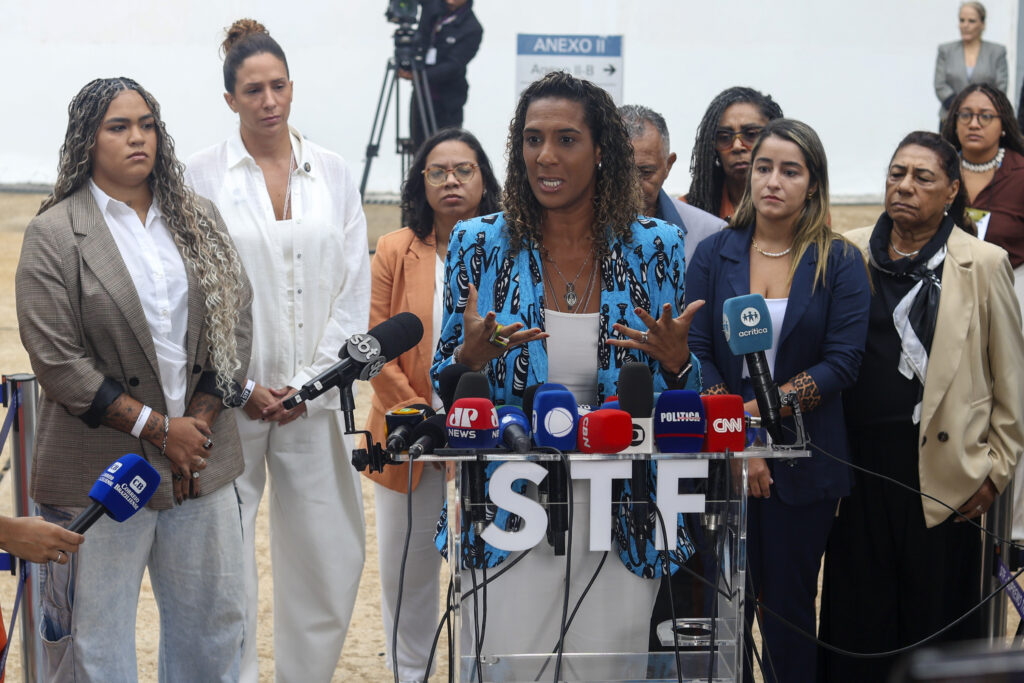
Le parquet brésilien a requis mardi la condamnation des deux responsables politiques accusés d’avoir commandité le meurtre de la conseillère municipale Marielle Franco, icône de la cause noire et LGBT+, au premier jour d’un procès ouvert huit ans après ce crime qui a bouleversé le pays.Le 14 mars 2018, cette conseillère municipale de Rio de …

Brésil: condamnation requise pour deux politiciens accusés du meurtre d’une défenseure des minorités Read More »

Energie: le gouvernement va affronter deux motions de censure

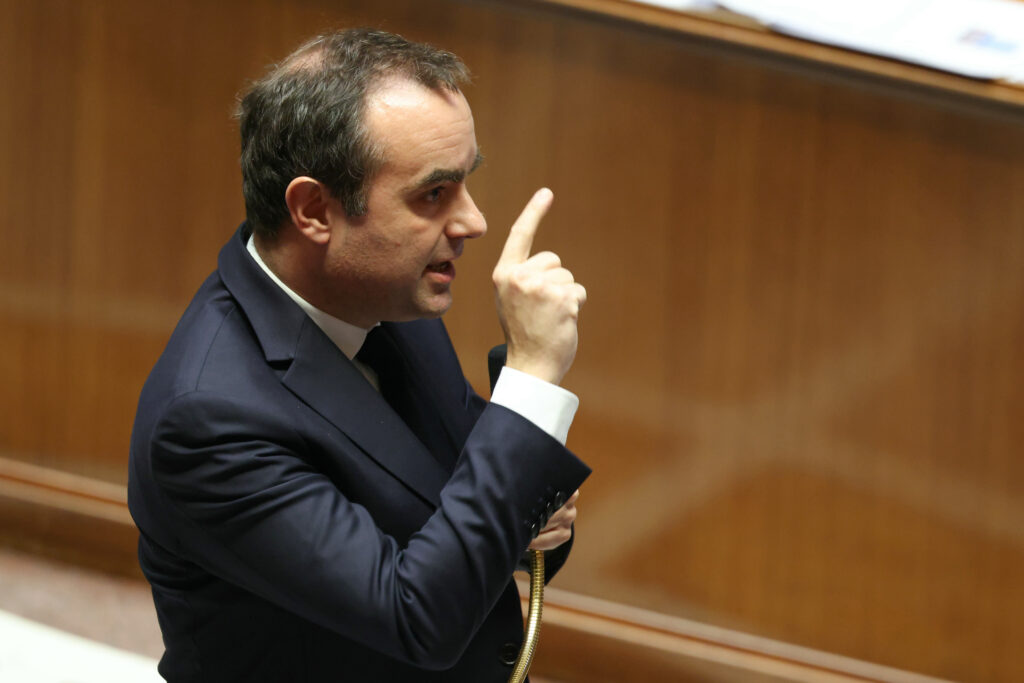
Sébastien Lecornu devrait surmonter mercredi deux motions de censure, déposées par le RN et LFI pour protester contre la publication par décret de la feuille de route énergétique du gouvernement.”Par respect du Parlement”, le Premier ministre a fait de l’examen de ces deux motions un préalable au remaniement gouvernemental, qui pourrait intervenir mercredi dans la foulée ou jeudi, et acter le départ de la ministre de la Culture Rachida Dati, candidate à la mairie de Paris.Aucune des deux motions ne devrait atteindre le nombre de voix nécessaire pour renverser le gouvernement (289), la gauche ne votant jamais les motions de l’extrême droite, et le PS ayant annoncé qu’il ne voterait pas celle de LFI.Le gouvernement a dévoilé par décret le 12 février sa nouvelle stratégie énergétique, après trois ans d’intenses débats et d’innombrables reports.Mettant l’accent sur la relance de la consommation d’une électricité décarbonée, notamment d’origine nucléaire, en remplacement des énergies fossiles coûteuses à importer, la programmation pluriannuelle de l’énergie (PPE3) a aussi acté un moindre déploiement de l’éolien terrestre et du solaire.Le RN critique dans sa motion le choix du gouvernement de passer par décret, y voyant un “acte illibéral contre le Parlement”. Il estime que le gouvernement aurait dû passer par la loi, en vertu du code de l’énergie, et pointe un “choix irrationnel” des énergies intermittentes dicté par la Commission européenne.Sur le fond, il fustige “une politique décroissante qui accélère les énergies intermittentes, ment sur le nucléaire et fait peser un risque majeur sur les finances publiques”.La motion LFI regrette elle aussi un “passage en force” du gouvernement. Mais sur le fond elle déplore à l’inverse du RN une “relance massive du nucléaire”, et un “coup de frein sans précédent sur le développement des énergies renouvelables”, “seules à pouvoir se substituer aux énergies fossiles à court terme et à nous permettre de répondre à l’urgence climatique”.Le PS a annoncé mardi qu’il ne la voterait pas. Notamment, parce qu’une censure aurait pour conséquence “de mettre un nouvel arrêt aux investisseurs et promoteurs des énergies renouvelables en France”, qui “n’en peuvent plus de ce stop and go et ont besoin d’un cap”, a expliqué un des porte-parole du groupe, Romain Eskenazi.Du côté des communistes, une majorité de leurs députés ne devrait pas voter la motion insoumise, selon le président du groupe Stéphane Peu, rappelant les divergences sur les questions énergétiques entre LFI et son groupe, pro-nucléaire.A l’inverse, les Ecologistes ont annoncé leur intention de voter pour, précisant que “le contenu du texte” leur convient.