

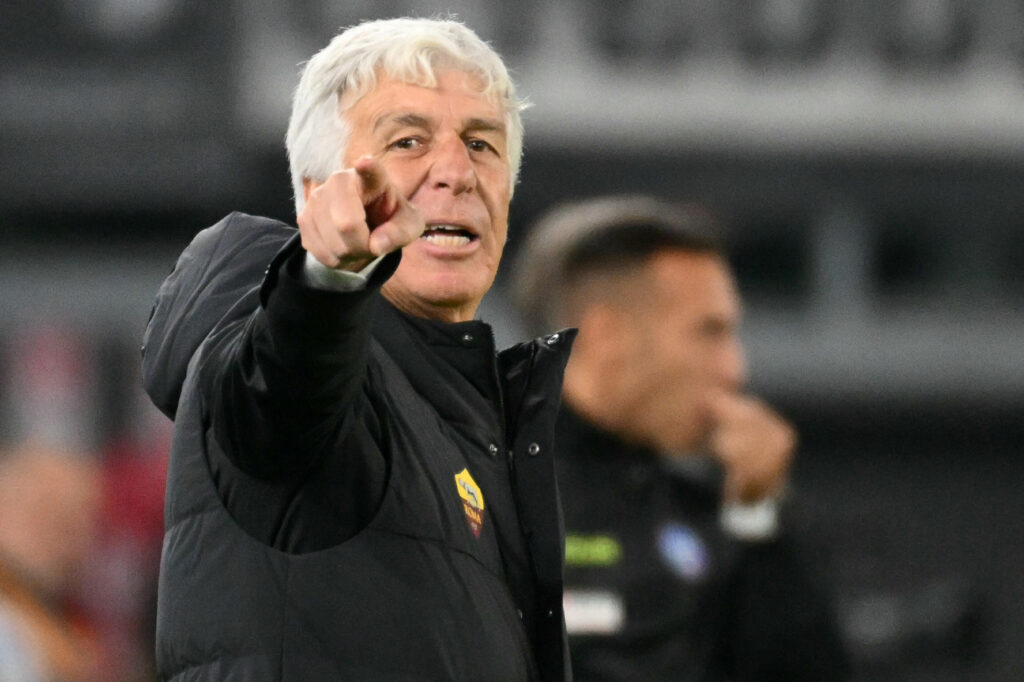
Italie: la Roma de Gasperini défie le Napoli de Conte
Inattendus leaders de la Serie A, l’AS Rome et son entraîneur Gian Piero Gasperini s’étalonnent dimanche (20h45) face au champion en titre, Naples, qui, sous la direction d’Antonio Conte, peine à retrouver son efficacité de la saison dernière.. Conte, la bête noire de GasperiniConte, passé par la Juventus Turin (2011-14), l’Inter Milan (2019-21) ou encore Chelsea (2016-18), et Gasperini, qui s’est fait un nom en Europe en neuf saisons à l’Atalanta (2016-25), se sont déjà croisés à dix reprises.Et Conte qui a brièvement entraîné l’Atalanta (13 matches de Serie A en 2009-10) mène largement au bilan de leurs confrontations avec six victoires, deux nuls et deux défaites. Mais une statistique fait espérer les ultras de la Roma: le Stade olympique ne réussit pas vraiment à Conte qui, en huit visites pour y affronter la Roma, ne s’y est imposé qu’une seule fois, le 11 mai 2014 avec la Juventus Turin, pour quatre nuls et trois défaites.. Gasperini le magicienEn moins de six mois, Gasperini, 67 ans, a fait de la Roma à la surprise générale un candidat au titre 2025-26. Grâce au “Gasp”, les tifosi rêvent ouvertement d’un quatrième “scudetto”, 24 ans après le dernier conquis en 2001, alors que leur équipe n’a plus soulevé de trophée depuis sa victoire en 2018 en Coupe d’Italie.Pour les ultras “romanistes”, c’est bien simple: leur entraîneur, arrivé dans la capitale italienne en juin dernier, est un magicien. C’est en tous cas déguisé en sorcier qu’il a été représenté par un “street-artist”, fan de la Roma, sur un mur du quartier de Garbatella.Mais aucune magie dans les résultats de la Roma selon Gasperini: “du coeur, de la grinta et de la sueur”, a-t-il énuméré après le succès sur le terrain de la Cremonese (3-1), le neuvième succès de la Roma qui l’a propulsée en tête avec deux points d’avance sur ses premiers poursuivants.”Ce sont les ingrédients qui me plaisent, il faut encore y ajouter un peu de piquant et un peu de sel”, a prévenu l’intransigeant techncien italien qui sera en tribunes dimanche après son exclusion contre la Cremonese.Pour Gasperini, ce choc contre le Napoli est un test important, après les deux défaites concédés contre l’AC Milan et l’Inter Milan (1-0 à chaque fois): “On avait réussi deux grands matches, cela nous avait donné de la confiance, mais c’était deux défaites. On va voir si on a progressé”, a-t-il prévenu. . Conte le revenantComme Gasperini, Conte, 56 ans, est un entraîneur de tempérament, coutumier des coups de gueule contre les arbitres, célébrant les buts de son équipe comme s’il était encore joueur Mais rarement l’ancien sélectionneur de l’Italie (2014-16) n’était apparu aussi abattu après une défaite que le 9 novembre après un revers à Bologne (2-0).”Il faut faire quelque chose, parce que je n’ai pas envie d’accompagner un mort”, avait-il alors déclaré, le visage fermé, remonté contre ses joueurs.Pendant la trêve internationale qui a suivi, sa décision de partir de Naples pendant une semaine, a alimenté les rumeurs de son prochain départ, moins de dix-huit mois après son arrivée.Mais Conte et le Napoli, décimé par les blessures et absences (De Bruyne, Gilmour, Anguissa, Meret, Lukaku), ont depuis rebondi, avec deux victoires, contre l’Atalanta (3-1) et Qarabag (2-0) en championnat.”Cette équipe n’est pas morte”, a-t-il insisté, comme pour refermer son coup de blues de Bologne.
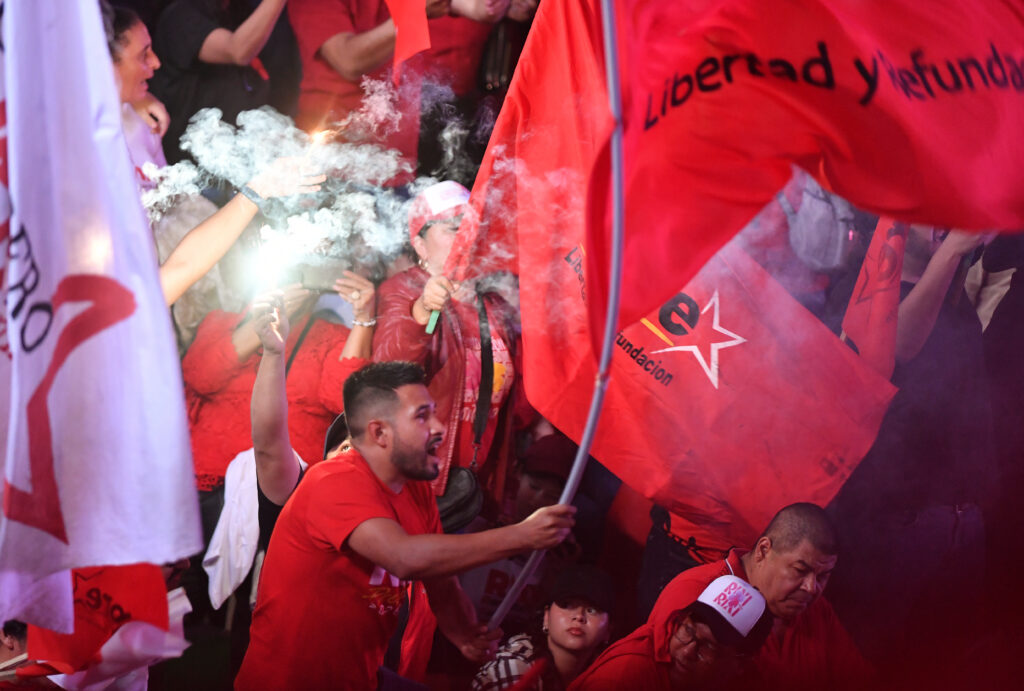
Présidentielle au Honduras: l’ombre de Trump sur un scrutin indécis entre trois prétendants
Les électeurs du Honduras sont appelés dimanche à choisir entre la continuité d’un gouvernement de gauche ou le retour de la droite, dont un candidat à la présidence est soutenu par Donald Trump, qui s’est immiscé dans le scrutin.Trois candidats sur les cinq en lice sont au coude-à-coude dans les sondages, rendant incertain le scrutin et l’acceptation des résultats en cas de score serré.Le parti Liberté et Refondation (Libre) de la gauche au pouvoir a déjà annoncé qu’il ne reconnaîtra pas les résultats préliminaires du conseil électoral, mais seulement le décompte total des procès-verbaux.Quelque 6,5 millions de Honduriens doivent élire, sur un seul tour, le successeur de la présidente Xiomara Castro, ainsi que 128 députés et des centaines de maires pour les quatre prochaines années. L’avocate Rixi Moncada, 60 ans, candidate de Libre, affronte deux candidats de droite: la star du petit écran Salvador Nasralla, 72 ans, du Parti libéral (PL), qui se présente pour la troisième fois, et l’entrepreneur Nasry Asfura, 67 ans, du Parti national (PN), qui a reçu le soutien inattendu de Donald Trump. Non content de le qualifier de “seul vrai ami de la liberté”, le président américain a assuré qu’il “ne pourrait pas travailler” avec Rixi Moncada “et les communistes” et qu’il ne faisait “pas confiance” à Salvador Nasralla.”Tito (ndlr: Nasry Asfura) et moi pouvons travailler ensemble pour lutter contre les +narcocommunistes+ et apporter au peuple du Honduras l’aide dont il a besoin”, a encore écrit M. Trump.M. Asfura, entrepreneur de BTP âgé de 67 ans et ancien maire de Tegucigalpa, concourt sous la bannière du parti de l’ancien président Juan Orlando Hernández (2014-2022), qui purge aux Etats-Unis une peine de 45 ans de prison pour trafic de drogue.Mme Moncada a dénoncé samedi l’ingérence de M. Trump: “Il n’y a aucun doute qu’il y a deux actions concrètes, à trois jours des élections, qui sont totalement interventionnistes.”- Fortes tensions politiques -“Chacun répond pour ses actes”, a balayé M. Asfura, dont le nom a été cité dans des affaires de corruption et dans des dossiers d’évasion fiscale au Panama.Là encore, Donald Trump a volé à son secours vendredi, en annonçant qu’il allait “accorder une grâce totale et absolue à l’ancien président Juan Orlando Hernandez”.Le président américain a adopté une posture résolument interventionniste en Amérique latine, n’hésitant pas à conditionner l’aide américaine à la bonne volonté des gouvernements et à ses affinités avec leurs dirigeants.Ainsi, il a assuré que “s’il (Asfura) ne remporte pas les élections, les Etats-Unis ne gaspilleront pas leur argent”.M. Asfura mène sa seconde campagne présidentielle après avoir échoué en 2021 face à Xiomara Castro. Il a également reçu le soutien du président argentin et allié de Trump, Javier Milei.Le scrutin se tient dans un contexte de fortes tensions politiques.Rixi Moncada reproche à ses rivaux de droite d’être les “marionnettes de l’oligarchie putschiste”. MM. Nasralla et Asfura, qui ont tous les deux des parents d’origine palestinienne, la qualifient de “communiste” alliée du Venezuela et de Cuba.La droite et la gauche s’accusent mutuellement de préparer une fraude, dans un pays dépourvu d’arbitre électoral indépendant, et même si l’Organisation des Etat américains (OEA) et l’UE ont dépêché des observateurs.- Pauvreté et violence -Les candidats ont à peine abordé les préoccupations des Honduriens, la pauvreté et la violence.Nasry Asfura a promis d’attirer des investissements, M. Nasralla de soutenir l’industrie et l’agriculture, et Mme Moncada de taxer les élites économiques.Près des deux tiers des 11 millions de Honduriens vivent dans la pauvreté, et 27% du PIB du pays est abondé par les envois de fonds des Honduriens vivant aux Etats-Unis, soit 10 milliards de dollars.Mais l’administration Trump a expulsé cette année environ 27.000 Honduriens et révoqué le statut de protection temporaire de 51.000 ressortissants.Le Honduras est l’un des pays les plus violents de la région, avec 26,8 homicides pour 100.000 habitants, malgré une baisse due à l’instauration d’un état d’urgence par la présidente Castro.La corruption et les liens avec le narcotrafic sont un autre défi de taille. Les trois partis favoris du scrutin ont été éclaboussés par des accusations. Les bureaux de vote ouvrent à 07H00 locales (13H00 GMT) et fermeront à 23H00 GMT. Le conseil national électoral prévoit de dévoiler des résultats préliminaires dans la soirée.
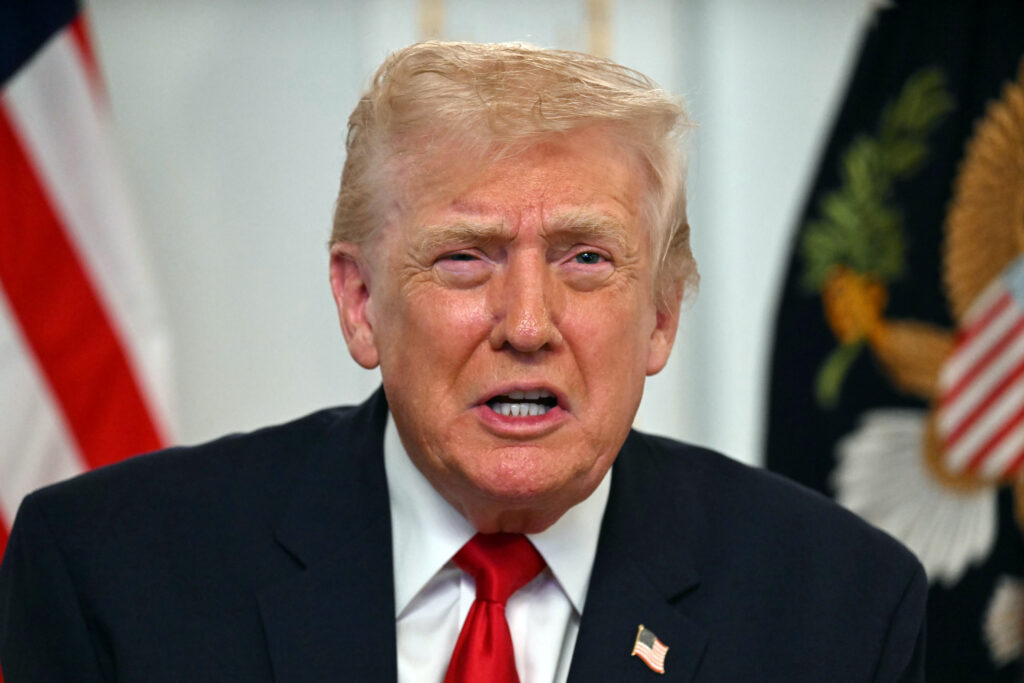
Trump ramps up Venezuela threats, warns airspace ‘closed’
US President Donald Trump sharply escalated his threats against Venezuela on Saturday with an ominous warning that the country’s airspace should be considered “closed,” raising fears of imminent military action.Caracas, which views a large US military buildup in the Caribbean as a pressure campaign to oust President Nicolas Maduro, slammed Trump’s warning as a “colonialist threat.””To all Airlines, Pilots, Drug Dealers, and Human Traffickers,” Trump wrote on social media, “please consider THE AIRSPACE ABOVE AND SURROUNDING VENEZUELA TO BE CLOSED IN ITS ENTIRETY.”He did not elaborate, but after months of deadly US strikes on alleged drug-running boats, speculation is mounting that Washington may launch some sort of military operation on Venezuelan soil.Trump’s warning comes days after US aviation regulators told airlines to use increased caution near Venezuela over the mounting tensions, prompting multiple major carriers to suspend flights.Maduro’s government then issued a ban on the airlines for “joining the actions of state terrorism promoted by the United States government.”A statement by the Venezuelan foreign ministry called the US president’s latest remarks a “new extravagant, illegal, and unjustified aggression against the people of Venezuela.”It warned that the airspace disruptions would also mean a halt to repatriation flights of Venezuelan migrants from the United States, a key Trump administration initiative.Venezuela’s military on Saturday also conducted exercises along coastal areas, with video broadcast on state TV showing antiaircraft weapons and other artillery being maneuvered.- ‘By land’ -Though Trump has not publicly threatened to use force to remove Maduro, he said this week that efforts to halt Venezuelan drug trafficking “by land” would begin “very soon.”Maduro’s re-election last year was widely rejected by the international community as fraudulent, while Washington also claims the leftist leader heads an alleged terrorist-designated drug cartel.A steady buildup of US naval and air assets in the region has seen the world’s largest aircraft carrier move to the Caribbean, while American fighter jets and bombers have repeatedly flown off the Venezuelan coast in recent days.US media reported that, despite the bellicose posturing, Trump and Maduro spoke last week.The New York Times reported on Friday that Trump and Maduro had discussed a possible meeting, while the Wall Street Journal on Saturday said the conversation also included conditions of amnesty if Maduro were to step down.Amid fears that Trump may launch a major operation in Venezuela, members of US Congress — both Democrats and the president’s own Republican Party — have expressed anger that he has not sought legislative approval.”President Trump’s reckless actions towards Venezuela are pushing America closer and closer to another costly foreign war,” top Senate Democrat Chuck Schumer said Sunday on X.”Under our Constitution, Congress has the sole power to declare war,” he added.Republican Representative Marjorie Taylor Greene, until recently a close Trump ally, said similarly: “Reminder, Congress has the sole power to declare war.”- Congress -However, Republican Senator Lindsey Graham cheered on Trump, writing on X that the president’s “strong commitment to end this madness in Venezuela will save countless American lives.”Suggesting Maduro should flee, he said: “I hear Turkey and Iran are lovely this time of year…”Trump is also facing congressional pressure over recent media reports that the US military launched a second missle at survivors of a strike on an alleged drug boat in September.Leaders of both the House and Senate Armed Services Committees have released separate statements saying they would be investigating the strike, which legal experts say could amount to a war crime.With Republicans in control of both chambers of Congress, the Trump administration has so far largely escaped probing of its controversial anti-trafficking campaign.Since the operation began in September, at least 83 people have been killed in the Caribbean Sea and eastern Pacific Ocean.Washington has yet to release evidence that the vessels it targeted were used to smuggle drugs or posed a threat to the United States, and experts say the strikes amount to extrajudicial killings even if they target known traffickers.
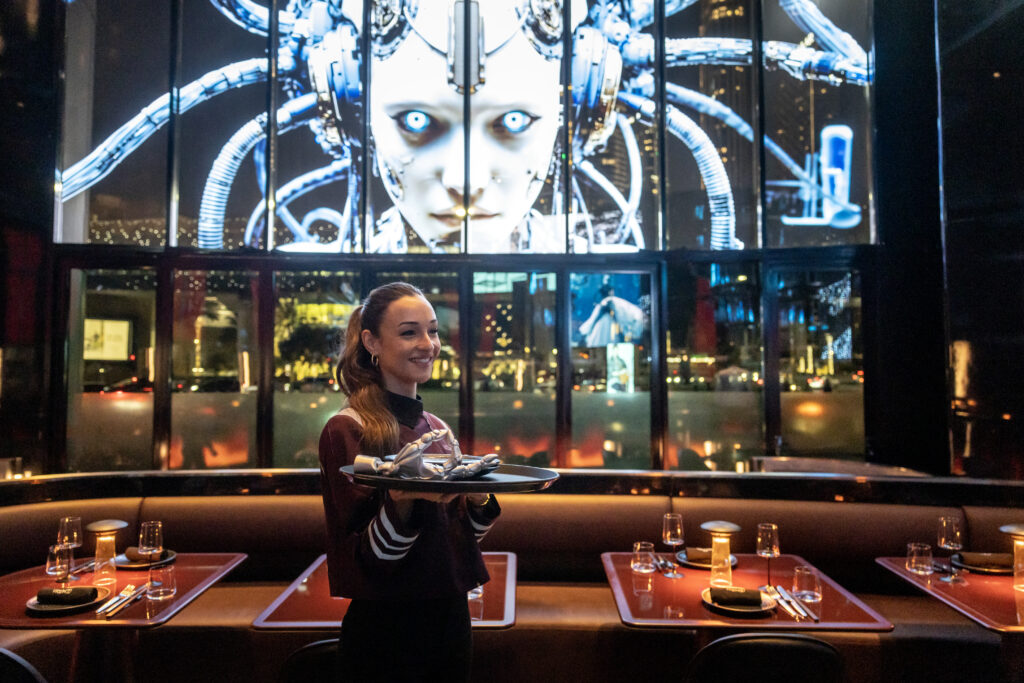
‘Dinosaur tartare’ and holograms: Dubai AI chef sparks awe and ire
A Dubai restaurant has opened that prides itself on having the world’s “first AI chef”, the latest ostentatious dive into new technology in a city obsessed with being on the cutting edge of the future.The Emirati city has become increasingly known for its growing culinary scene, with thousands of restaurants on offer from luxurious Michelin-starred eateries to greasy spoons serving up bona fide street food from across the Middle East and Asia.But at Woohoo, the brains behind the menu is not a person but an AI programme — known as chef Aiman — trained on thousands of recipes and decades of culinary research and molecular gastronomy.Chef Aiman can also optimise menus and balance flavours, according to the establishment.The real work of preparing and serving the food, however, remains in human hands, for now.”AI is going to create better dishes than humans maybe in the future,” said the restaurant’s Turkish co-founder Ahmet Oytun Cakir.While Woohoo’s menu is mostly comprised of international fusion dishes, some AI creations stand out. This includes a “dinosaur tartare” meant to recreate the taste of extinct reptiles.The restaurant did not reveal the dinosaur tartare recipe, which was created using DNA mapping.Priced at roughly 50 euros ($58), the dish tastes like a combination of raw meats and is served on a pulsating plate to appear as if it were breathing.”It was a total surprise. It was so delicious,” said customer Efe Urgunlu.Along with AI-generated holograms and sci-fi animation, the heart of the neon-lit venue features a giant cylindrical computer — presented as the digital mainframe powering the restaurant’s lights and smoke shows.- ‘I don’t believe in it’ -Woohoo’s Turkish chef Serhat Karanfiloversees the cooking and the final presentation and admits that he does not always agree with the AI chef’s choices and selections.”If I taste it, for example, and it is too spicy, I talk to chef Aiman again. After we discuss, we find the right balance,” he said.Cakir has high hopes that chef Aiman will one day become “the next Gordon Ramsay — but AI”.Not everyone in Dubai’s vibrant food scene is convinced.For Michelin-starred chef Mohamad Orfali, “there is no such thing as an AI chef”.”I don’t believe in it,” the Syrian Dubai-based chef told AFP.His Orfali Bros restaurant snatched a Michelin star last year, after Dubai became the first Middle Eastern city to join the prestigious guide in 2022.Cooking requires “nafas”, or soul, Orfali explained, using the Arabic term that describes a cook’s personal flair for food and their ability to conjure up exceptional meals.”Artificial intelligence lacks feelings and memories; in short, it has no nafas… It can’t imbue it into food.”- Dubai ideas -Orfali said he limited the use of AI in his own establishment to administrative tasks like setting the kitchen schedule and providing additional research.”We use it as a kitchen assistant, but ultimately, it won’t cook,” he said.Nonetheless, Woohoo has resonated with customers accustomed to the lavish offerings of Dubai, a tech-forward megalopolis with a proclivity for extravagance where AI has its own minister.”Everyone is supporting these ideas here in Dubai,” said Cakir.The restaurant has also created a social media buzz, with an Instagram account dedicated to the AI Chef that features chef Aiman’s avatar in videos sharing tips and recipes.Dio, a customer who didn’t give her last name, said she visited the restaurant after seeing the craze around it.”It is such a creative concept, so I thought I must experience it myself,” she said.”The dishes were extraordinary.”
Trump threats reverberate as Hondurans vote for president
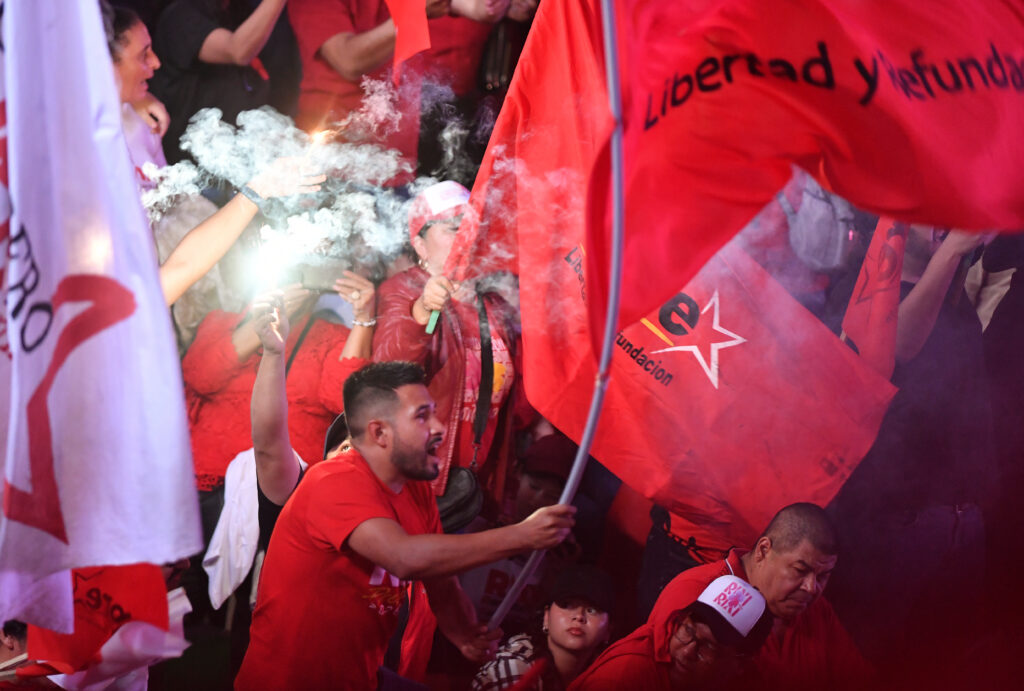
Hondurans go to the polls on Sunday in a presidential election dominated by US President Donald Trump’s threats to cut aid to the country if his right-wing champion loses.Honduras could be the next country in Latin America, after Argentina and Bolivia, to swing right after years of leftist rule.Polls show three candidates neck-and-neck in the race to succeed outgoing President Xiomara Castro: 60-year-old Rixi Moncada of the ruling leftist Libre party, 72-year-old TV host Salvador Nasralla of the Liberal Party, and 67-year-old Nasry “Tito” Asfura of the right-wing National Party.Trump has threatened to cut US support for one of Latin America’s poorest countries if Asfura loses.”If he (Asfura) doesn’t win, the United States will not be throwing good money after bad,” Truth wrote Friday on his Truth Social platform, echoing threats he made in support of Argentine President Javier Milei’s party in that country’s recent midterms.In a stunning move on Friday, Trump announced he would pardon former Honduran president Juan Orlando Hernandez, of Asfura’s National Party, who is serving a 45-year prison sentence in the United States for cocaine trafficking and other charges.Moncada accused the US leader on Saturday of interfering in the campaign.Some Hondurans welcomed Trump’s interventionism, saying they hoped that he might show clemency towards Honduran migrants in the United States if his man won.”We have Donald Trump on our side!” Erick Baca, a 20-year-old student in Tegucigalpa told AFP happily.Esmeralda Rodriguez, a 56-year-old fruit vendor, rejected Trump’s threats however, saying: “I vote for whomever I please, not because of what Trump has said.”Nearly 30,000 Honduran migrants have been deported from the United States since Trump returned to office on January.He has also revoked the temporary protected status of a further 51,000 Honduran migrants, making them vulnerable to expulsion.The clampdown has dealt a severe blow to the country of 11 million people, which received $10 billion in remittances from overseas citizens in 2024, representing 27 percent of GDP.- Fears of election fraud -Moncada has portrayed the election as a choice between a “coup-plotting oligarchy” — a reference to the right’s backing of the 2009 military ouster of then-president Manuel Zelaya — and the current government’s brand of democratic socialism.Moncada has held ministerial portfolios under both Zelaya and Castro, who are married.Nasralla also served in Castro’s government but fell out with the ruling party and has since shifted to the right. Asfura was a building entrepreneur before being elected mayor of the capital, Tegucigalpa, where he served two terms.Preemptive accusations of election fraud, made both by the ruling party and opposition, have sown mistrust in the vote and sparked fears of post-election unrest.Besides electing a president, Hondurans will on Sunday also choose members of the unicameral Congress and local mayors.- ‘Narco state’ president pardoned -Asfura has distanced himself from his party’s figurehead Hernandez, who was imprisoned in the United States last year after being convicted of turning Honduras into a “narco state” while president between 2014 and 2022.”I have no ties (with Hernandez)…the party is not responsible for his personal actions,” Asfura told AFP on Friday.Long a transit point for cocaine exported from Colombia to the United States, Honduras is now also a producer of the drug.Despite making narco-traffickers the target of a major military build-up in the Caribbean, Trump on Friday took Hernandez’s defense.Announcing his decision to pardon the former president, Trump claimed the Honduran “has been, according to many people that I greatly respect, treated very harshly and unfairly,” without elaborating.
OPEC+ likely to maintain current output levels
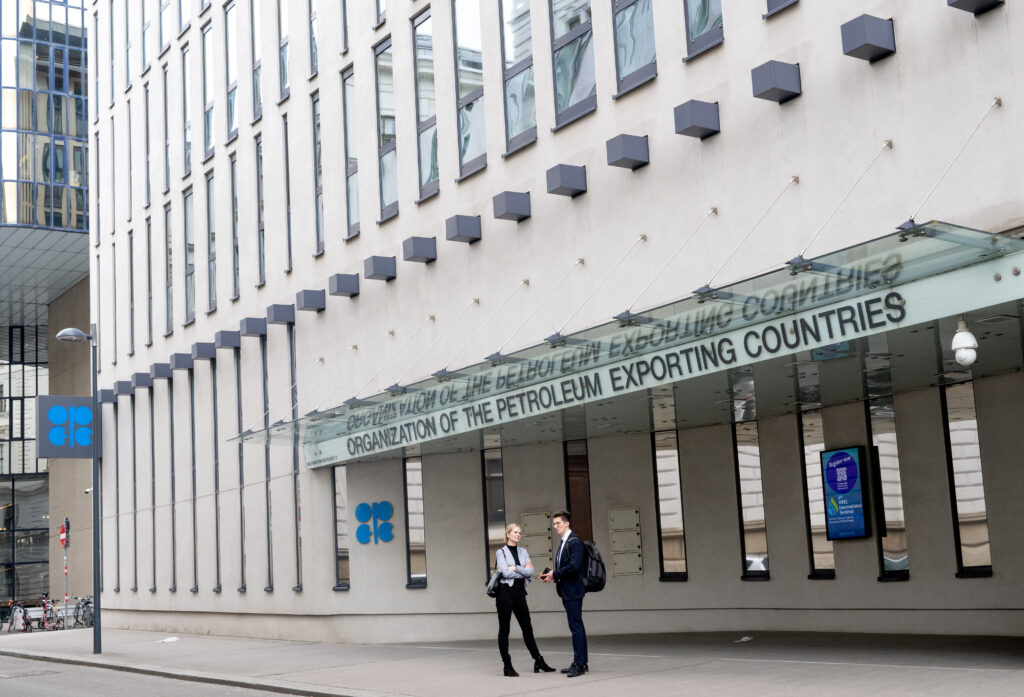
Ministers of the Organization of the Petroleum Exporting Countries and allied nations (OPEC+) are expected to keep current output levels unchanged when they meet for online meetings on Sunday, analysts told AFP.The biannual ministerial meeting comes as uncertainty remains over how oil prices will develop in the near future, with traders looking for signs that indicate progress in ongoing negotiations on resolving the conflict in Ukraine, which could lead to the return of Russian crude to markets.Since April, eight key OPEC+ members led by Saudi Arabia and Russia have boosted production in an effort to regain market share amid strong competition from producers outside the group such as the United States, Canada and Guyana.But in early November, the V8 group announced they would pause their output increases in the first quarter of 2026 due to expected lower seasonal demand, following a small increase in December.The OPEC+ ministerial meeting is thus “unlikely to deliver any major new drivers for the market”, said Commerzbank analyst Barbara Lambrecht.”A ceasefire would likely stop mutual attacks on energy infrastructure, and sanctions might be eased or even lifted,” which would reduce the risk premium that is currently driving up oil prices, she said.A deadlock in negotiations, however, “could force (US President Donald) Trump to tighten sanctions again” against Russia’s oil industry, likely pushing oil prices higher, said Arne Lohmann Rasmussen, an analyst at Global Risk Management.Uncertainty around the future of oil prices has reinforced analysts’ belief that OPEC+ will maintain group-wide current output levels as earlier predicted by the group of eight.At its previous ministerial meeting, the group said it plans to assess the maximum sustainable production capacity for each member country, which will serve as a benchmark for quotas from 2027 onwards.”There’s some noise around how there could be some discussions around baseline production levels,” said Kim Fustier, an analyst at HSBC.However, Fustier believed it was “still too soon for them to be discussing it” and that the group would wait until 2026.
Pope to wrap up Turkey trip before heading to Lebanon
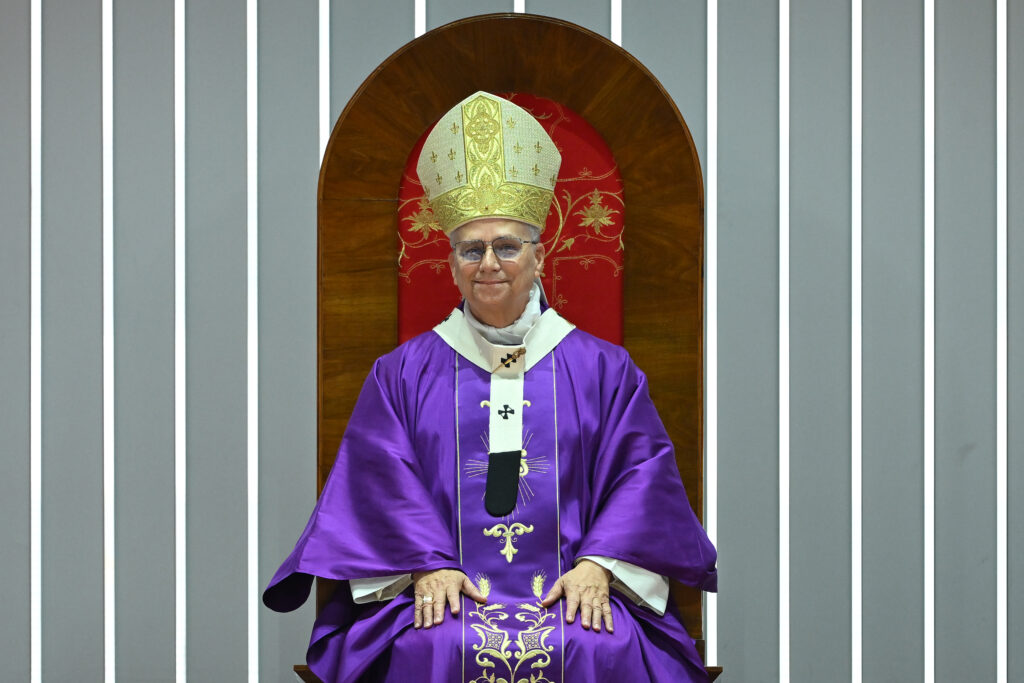
Pope Leo XIV wraps up a four-day trip to Turkey Sunday after a warm welcome by its tiny Christian community, before heading to Lebanon with a message of peace for the crisis-mired nation. On his first overseas trip since being elected leader of the world’s 1.4 billion Catholics, Leo met President Recep Tayyip Erdogan before travelling to Iznik for a celebration marking 1,700 years since the First Council of Nicaea, one of the early Church’s most important gatherings. On Saturday, the American pope hosted thousands of worshippers who battled the rain to attend a public mass in Istanbul, with many travelling from across Turkey to join the multilingual service, which left many moved by its beautiful and haunting choral interludes. On his final morning, Leo was expected to attend a prayer service at the Armenian cathedral then lead a divine liturgy — the Orthodox equivalent of mass — at the Patriarchal Church of St. George before a final blessing. He will have lunch with Patriarch Bartholomew I, the leader of the world’s Orthodox Christians, a day after they signed a joint declaration in which they pledged to take “new and courageous steps on the path towards unity”.- Next stop Lebanon -Despite doctrinal differences that led to the Great Schism of 1054, resulting in a split between the Roman Catholic Church in the West and the Eastern Orthodox Church, the two sides maintain dialogue and hold joint celebrations.They also agreed to continue their efforts to establish a common date for Easter, which is currently celebrated by Catholics and Orthodox Christians on different days.The pope’s trip comes as the Orthodox world appears more fragmented than ever, with Russia’s invasion of Ukraine accelerating the split between the Moscow and Constantinople patriarchates.Pope Leo is the fifth pontiff to visit Turkey, after Paul VI in 1967, John Paul II in 1979, Benedict XVI in 2006 and Francis in 2014.He is expected to leave Istanbul 1145 GMT and fly to Beirut for a visit lasting until Tuesday.The six-day two-nation trip is the first major international test for the first pope from the United States, who was elected head of the Catholic Church in May and whose understated style contrasts with that of his charismatic and impulsive predecessor, Francis.Although Leo’s visit drew little attention in Turkey, a Muslim-majority nation of 86 million whose Christian community numbers only around 100,000, it is eagerly awaited in Lebanon, a religiously diverse country of 5.8 million inhabitants.Since 2019 Lebanon has been ravaged by crises, including an economic collapse, a devastating port blast in Beirut in 2020 and the recent war with Israel.
Bissau: formation d’un gouvernement, le président renversé est à Brazzaville
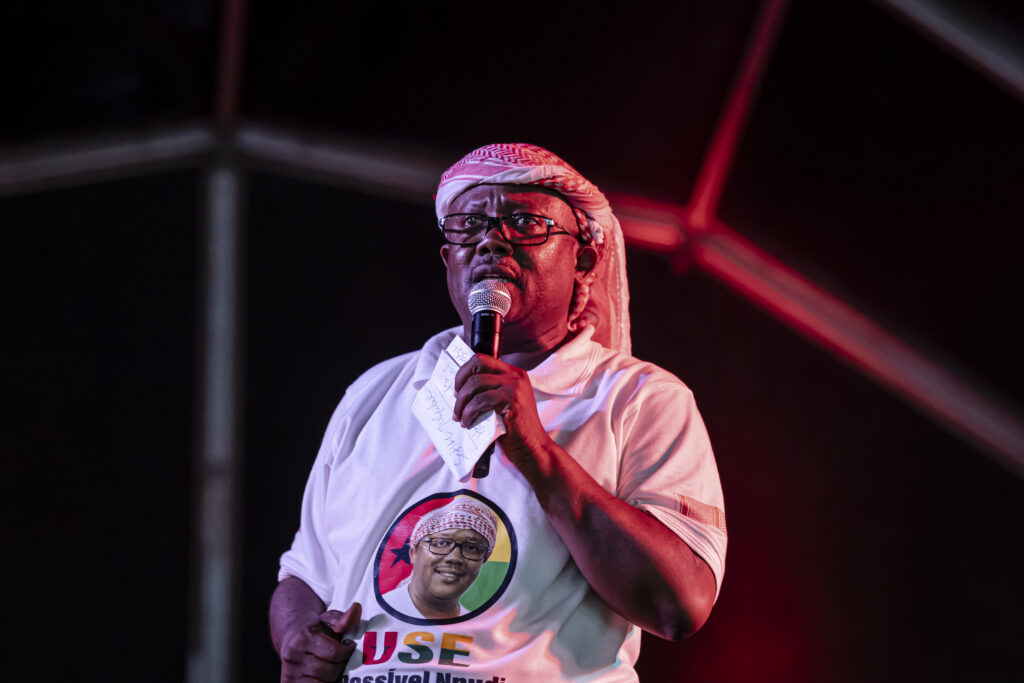
La junte au pouvoir en Guinée-Bissau a formé samedi un nouveau gouvernement composé de 28 membres, en majorité des civils, quatre jours après avoir renversé le président Umaro Sissoco Embalo, qui est arrivé à Brazzaville. Mercredi, des militaires ont annoncé avoir renversé le président Embalo et suspendu les élections présidentielle et législatives du 23 novembre, …
Bissau: formation d’un gouvernement, le président renversé est à Brazzaville Read More »