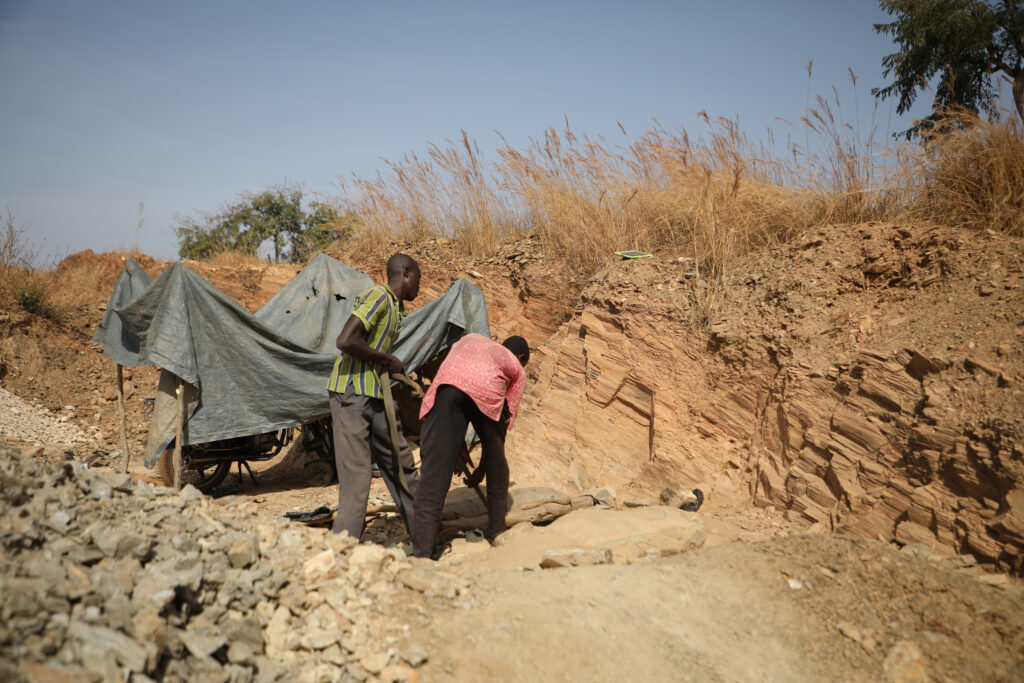
A scramble for gold reserves dug up in illegal mines is fuelling violence by criminal gangs in parts of Nigeria, officials, expert reports and local residents say, with much of it smuggled to Dubai.Northwestern and central Nigerian states have long been terrorised by criminal gangs locally called “bandits” who raid villages, abduct residents and loot and burn homes. While the decades-long violence started as clashes between herders and farmers over limited grazing land and water resources exacerbated by climate change, the conflict has since morphed into organised crime — at a time when the price of the precious metal has been soaring, topping $4,300 an ounce in recent weeks. Nigeria is well known for its oil, yet also has significant gold deposits of some 754,000 ounces (21.37 tonnes), worth $1.4 billion, accounting for 0.5 percent of global production, according to the 2023 Gold Mining Industry report.A recent wave of kidnappings, including hundreds of school children, brought the violence into fresh international focus. Local artisans extract gold for their livelihoods, attracting others from neighbouring countries, officials, including Kebbi State Governor Nasir Idris, say. The bandits tax the miners and demand a cut from the extracted ore as a levy to allow them access to the pits, villagers and experts say.”Gold has become an increasingly important revenue stream for armed bandit groups in north-west Nigeria since 2023,” said the Global Initiative Against Transnational Organized Crime in an October report.Nigeria’s political and business elite use mining companies as proxies to buy artisanal miners’ gold through middlemen. Most of the illegally-mined gold is smuggled out to the United Arab Emirates, from where it is laundered into the global supply chain in Europe, the United States, Asia and South Africa. “This gold is almost entirely smuggled out of the country and shipped to the United Arab Emirates (UAE)” said a 2024 SwissAid report.After meeting the UAE ambassador to Nigeria, Salem Al Shamsi last year, Solid Minerals Minister Dele Alake said Nigerian gold often ends up in the “UAE unlawfully”.Alake has previously said illegal miners sponsor “banditry and terrorism”.Nigeria’s counter-terrorism boss Major General Adamu Garba said recently that illegal mining “intersects with banditry, insurgency, arms trafficking and cross-border smuggling”.Against the backdrop of recent kidnappings, governors and traditional chiefs from 19 northern states recently dubbed illegal mining a “major contributory factor to the security crises”. – ‘Worsening insecurity’ -They want a six-month suspension of mining to clean up the sector.But umbrella union the Nigerian Miners Association warns a blanket mining ban would disrupt locals’ livelihoods, “deepen poverty and increase insecurity”.Miners who resist paying levies come into the bandits’ firing line. In October bandits killed 16 miners and villagers while in April 19 people were killed in different parts of the region.Supported by bandits, some miners raid gold-rich villages, pushing out residents to access deposits, said Mamman Alassan, who fled his village in Niger’s Shiroro district three years ago following raids.”People usually protest and the miners respond by launching deadly raids to take over the area,” Alassan told AFP after resettling in Minna city.The villages also sit on deposits of other minerals including tantalite, copper and lithium, in strong demand for its use in electric vehicles and clean energy tech. Intelligence sources say even licensed companies are forced to pay bandits to gain access to mining sites.Niger State governor Umar Bago recently questioned how miners can “freely access” sites in remote areas without getting attacked. Officials also blame the influx of foreigners for the worsening insecurity, with Kebbi state governor Idris singling out illegal miners from Mali, Chad and as far afield as Tanzania.The violence has been exacerbated by the increasing alliance between bandits and jihadists from the northeast who have in recent years established a strong presence in northwest and central regions, security officials and analysts say.Although they have no ideological leanings and are mainly motivated by financial gains, the bandits’ alliance with jihadists has exposed them to better arms, tactics and brutality, they say.- Ineffective bans -Around 35 percent of Nigeria’s gold deposits lie beneath impoverished northwestern villages, according to Ismail Suleiman, who owns a mining company that extracts minerals across the northwest.Some state governments have at various times banned mining to curb banditry but the violence has continued unabated. In October, Niger state’s Bago announced an indefinite ban on mining, with plans to recruit 10,000 government-sponsored militia to protect Niger’s rural communities. In 2019, the federal government imposed a five-year mining ban in Zamfara state but lifted it in January, citing “improved security” despite increased killings and kidnappings there.Artisanal mining has continued on a much larger scale since the ban was lifted and violence has raged, said the miners’ union.