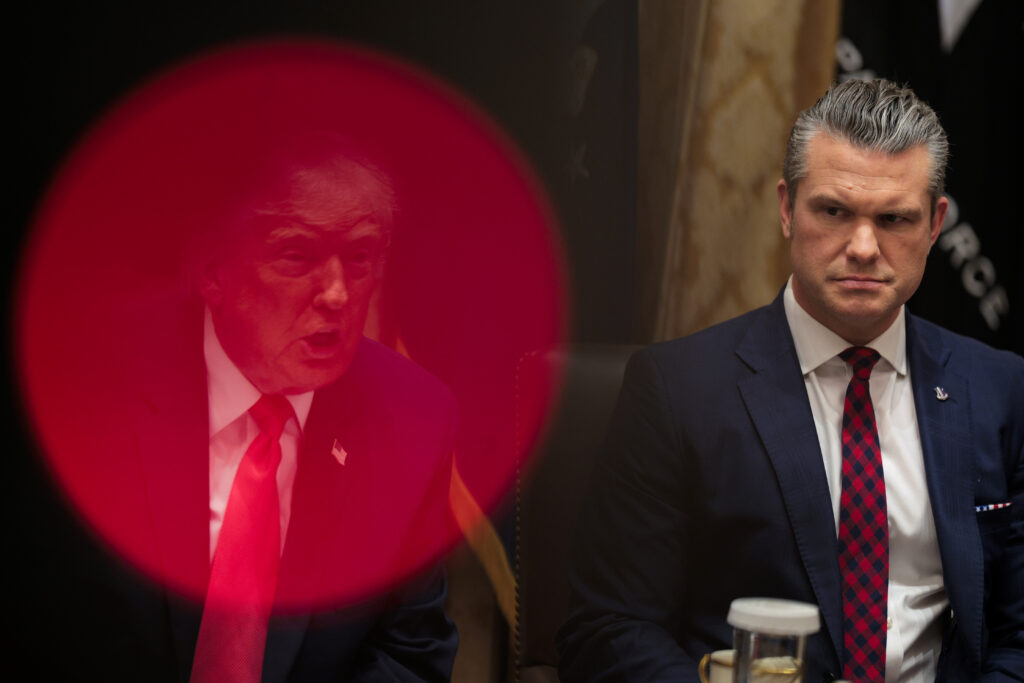
US Defense Secretary Pete Hegseth’s use of commercial messaging app Signal to discuss strikes on Yemen risked compromising sensitive information and could have put troops at risk, the Pentagon’s independent watchdog said Thursday.The report piles further pressure on Hegseth, who is already under fire over US strikes on alleged drug-trafficking boats that experts say amount to extrajudicial killings, with some lawmakers calling for him to quit or be fired.”The secretary sent nonpublic DoD information identifying the quantity and strike times of manned US aircraft over hostile territory over an unapproved, unsecure network approximately two to four hours before the execution of those strikes,” the inspector general’s office said in a report, using an abbreviation for the Department of Defense.”Using a personal cell phone to conduct official business and send nonpublic DoD information through Signal risks potential compromise of sensitive DoD information,” it said.The report noted that Hegseth is an “original classification authority” and can decide when materials no longer require protection, but said his actions “created a risk to operational security that could have resulted in failed US mission objectives and potential harm to US pilots.”Hegseth — who declined to be interviewed as part of the inspector general’s investigation — nonetheless described the report as a “total exoneration,” saying in a post on X: “Case closed.”The probe was sparked by the Atlantic magazine’s revelation in March that its editor-in-chief was inadvertently included in a Signal chat in which officials including Hegseth and then-national security advisor Mike Waltz discussed impending strikes on Yemen’s Iran-backed Huthi rebels.The magazine initially withheld the details the officials discussed, but later published them after the White House insisted that no classified information was shared and attacked the editor, Jeffrey Goldberg, as a liar.- Trump backs Hegseth -The chat included messages in which Hegseth revealed the timing of strikes hours before they happened and information on aircraft and missiles involved, while Waltz sent real-time intelligence on the aftermath of the military action.”If this information had fallen into the hands of US adversaries, Huthi forces might have been able to counter US forces or reposition personnel and assets to avoid planned US strikes,” the watchdog report said.Trump at the time rejected calls for Hegseth to be fired and largely pinned the blame on Waltz, whom he ultimately replaced as national security advisor, appointing him as US ambassador to the United Nations instead.US media then reported in April that Hegseth had created a second Signal chat in which the March Yemen strikes were discussed with people including his wife and brother, but the Pentagon chief likewise weathered that storm and remained in office.The Huthis began targeting shipping in the Red Sea and Gulf of Aden after the Gaza war began in 2023, claiming solidarity with Palestinians.The United States first started conducting strikes in response under the Biden administration, and US forces launched a renewed air campaign against the Huthis in mid-March.Trump’s strikes against the Huthis lasted until early May, when a ceasefire agreement was reached with the help of Omani mediation.Hegseth has also faced increasing recent scrutiny over a September 2 incident in which US forces launched a follow-up strike on the wreckage of a vessel that had already been hit, reportedly killing two survivors.Both the White House and Pentagon have sought to distance Hegseth from that decision — which some US lawmakers have said could be a war crime — instead pinning the blame on the admiral who directly oversaw the operation.
US Defense Secretary Pete Hegseth’s use of commercial messaging app Signal to discuss strikes on Yemen risked compromising sensitive information and could have put troops at risk, the Pentagon’s independent watchdog said Thursday.The report piles further pressure on Hegseth, who is already under fire over US strikes on alleged drug-trafficking boats that experts say amount to extrajudicial killings, with some lawmakers calling for him to quit or be fired.”The secretary sent nonpublic DoD information identifying the quantity and strike times of manned US aircraft over hostile territory over an unapproved, unsecure network approximately two to four hours before the execution of those strikes,” the inspector general’s office said in a report, using an abbreviation for the Department of Defense.”Using a personal cell phone to conduct official business and send nonpublic DoD information through Signal risks potential compromise of sensitive DoD information,” it said.The report noted that Hegseth is an “original classification authority” and can decide when materials no longer require protection, but said his actions “created a risk to operational security that could have resulted in failed US mission objectives and potential harm to US pilots.”Hegseth — who declined to be interviewed as part of the inspector general’s investigation — nonetheless described the report as a “total exoneration,” saying in a post on X: “Case closed.”The probe was sparked by the Atlantic magazine’s revelation in March that its editor-in-chief was inadvertently included in a Signal chat in which officials including Hegseth and then-national security advisor Mike Waltz discussed impending strikes on Yemen’s Iran-backed Huthi rebels.The magazine initially withheld the details the officials discussed, but later published them after the White House insisted that no classified information was shared and attacked the editor, Jeffrey Goldberg, as a liar.- Trump backs Hegseth -The chat included messages in which Hegseth revealed the timing of strikes hours before they happened and information on aircraft and missiles involved, while Waltz sent real-time intelligence on the aftermath of the military action.”If this information had fallen into the hands of US adversaries, Huthi forces might have been able to counter US forces or reposition personnel and assets to avoid planned US strikes,” the watchdog report said.Trump at the time rejected calls for Hegseth to be fired and largely pinned the blame on Waltz, whom he ultimately replaced as national security advisor, appointing him as US ambassador to the United Nations instead.US media then reported in April that Hegseth had created a second Signal chat in which the March Yemen strikes were discussed with people including his wife and brother, but the Pentagon chief likewise weathered that storm and remained in office.The Huthis began targeting shipping in the Red Sea and Gulf of Aden after the Gaza war began in 2023, claiming solidarity with Palestinians.The United States first started conducting strikes in response under the Biden administration, and US forces launched a renewed air campaign against the Huthis in mid-March.Trump’s strikes against the Huthis lasted until early May, when a ceasefire agreement was reached with the help of Omani mediation.Hegseth has also faced increasing recent scrutiny over a September 2 incident in which US forces launched a follow-up strike on the wreckage of a vessel that had already been hit, reportedly killing two survivors.Both the White House and Pentagon have sought to distance Hegseth from that decision — which some US lawmakers have said could be a war crime — instead pinning the blame on the admiral who directly oversaw the operation.