AFP USA

TikTok signs joint venture deal to end US ban threat

TikTok said Thursday it has signed a joint venture deal with investors that would allow the company to maintain operations in the United States and avoid a ban over its Chinese ownership.The move caps a lengthy tussle over the hugely successful video-sharing app in the world’s largest economy, where TikTok says it has more than 170 million users.According to an internal memo seen by AFP, TikTok CEO Shou Chew told employees that the social media company and its Chinese owner ByteDance had agreed to the new entity.Oracle, Silver Lake and Abu Dhabi-based MGX are on board as major investors, the memo said. Oracle’s executive chairman Larry Ellison is a longtime ally of US President Donald Trump.”The US joint venture will be responsible for US data protection, algorithm security, content moderation, and software assurance,” Chew said in the memo.”It will also have the exclusive right and authority to provide assurances that content, software, and data for American users is secure.”Chew told staff that half the US venture will be held by a consortium of new investors including Oracle, Silver Lake and MGX — which will have 15 percent each.Affiliates of existing ByteDance investors will own a touch over 30 percent of the venture, with Bytedance retaining just shy of 20 percent, the maximum ownership allowed for a Chinese company under the terms of the law.TikTok Global’s US entities will manage global product interoperability, and certain commercial activities, including e-commerce, advertising, and marketing, according to the memo.Chew noted that there is more work to be done ahead of the January 22 closing date for the deal.- Ellison amassing media? -The new set-up is in response to a law passed under Trump’s predecessor, Joe Biden, that forced ByteDance to sell TikTok’s US operations or face a ban in its biggest market.US policymakers, including Trump in his first presidency, warned that China could use TikTok to mine data from Americans or exert influence through its state-of-the-art algorithm.Trump has delayed enforcement through successive executive orders, most recently extending the deadline into January.The deal largely confirms a September announcement by the White House that said a new venture had been agreed with China and would meet the requirements of the 2024 law.”If I could make it 100 percent MAGA I would, but it’s not going to work out that way unfortunately,” Trump told reporters after the TikTok announcement in September.Trump in September had specifically named Oracle boss Ellison, one of the world’s richest men, as a major player in the arrangement.Ellison has returned to the spotlight through his dealings with Trump, who has brought his old friend into major AI partnerships with OpenAI.Ellison has also financed his son David’s recent takeover of Paramount and is involved in his son’s bidding war with Netflix to take over Warner Bros.- Bytedance impact -Beijing’s foreign ministry spokesman Guo Jiakun did not directly address reports of the deal, reiterating Friday that “China’s position on the TikTok issue is consistent and clear”.Bytedance did not immediately comment, but experts said it was a compromise that had averted the blow of losing access to the lucrative US market.”Keeping the US operation live is itself a victory” for Bytedance, Li Chengdong, founder of Chinese technology consultancy Dolphin, told AFP.Settling the issue allows Bytedance to focus on new ventures including artificial intelligence projects, and could help it move towards an initial public offering (IPO), Li said.Zhang Yi of technology research firm iiMedia said the US market was of “paramount importance to TikTok” but warned the deal did not guarantee smooth sailing going forward.”The US side could still leverage its regulatory power… to impose unfair demands on TikTok,” Zhang said.

Volatile Oracle shares a proxy for Wall Street’s AI jitters

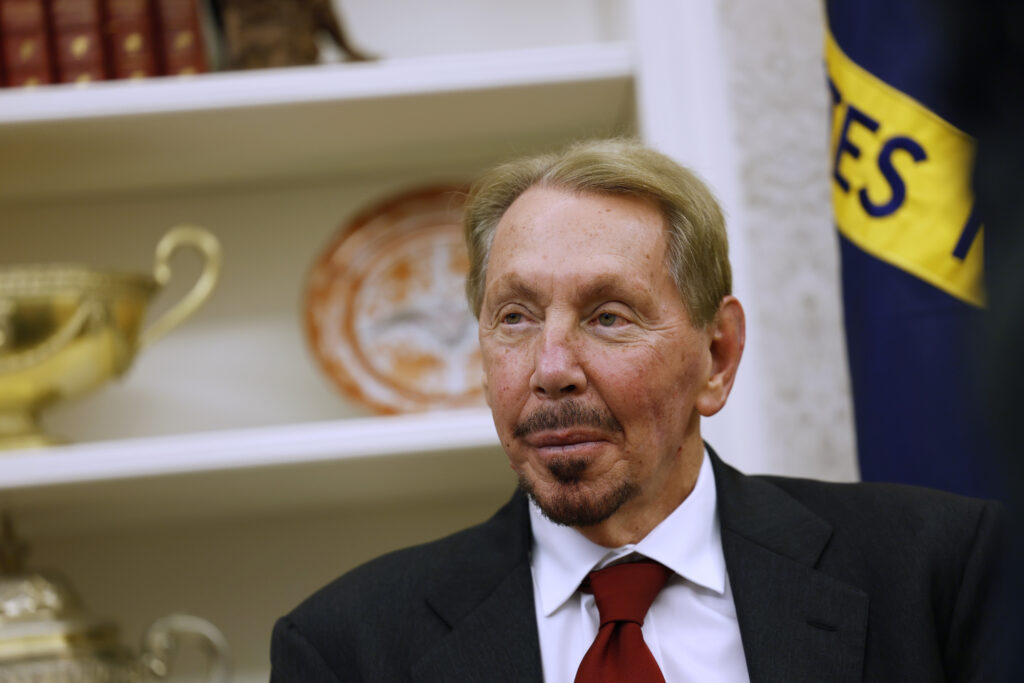
For a reading of Wall Street’s shifting mood on the artificial intelligence investment boom, take a look at the daily fluctuations of Oracle stock, analysts say.Shares of the software giant slumped more than five percent Wednesday following a news report of financing troubles with one of the company’s giant AI projects.But they recovered on Thursday and finished up around one percent at $180.03 as tech companies rallied following blowout results from Micron Technology, another big AI player.”Oracle is probably the poster child” for the AI investment boom, said B. Riley Wealth Management’s Art Hogan, who points to questions about “circular financing” arrangements that have made Oracle and OpenAI dependent on each other for billions of dollars in business.On Thursday, Oracle — along with Silver Lake and Abu Dhabi-based MGX — was also named in a new deal with TikTok, according to an internal memo seen by AFP from the social media company’s CEO Shou Chew. “The US joint venture will be responsible for US data protection, algorithm security, content moderation, and software assurance,” Chew said in the memo. The deal would allow TikTok to maintain US operations and avoid a ban threat over its Chinese ownership.Oracle stock rose more than five percent to $190.81 in after-hours trading on Thursday.The firm’s stock peaked at $345.72 in September after it unveiled a massive inventory of AI work, a surge that briefly vaulted co-founder Larry Ellison above Tesla CEO Elon Musk as the world’s wealthiest person.But its shares have since fallen more than 45 percent as investors have begun to question the risk of AI infrastructure overbuilding and scrutinized the financing of individual projects.Ellison, a close ally of President Donald Trump, is currently fifth on the Forbes real-time billionaire list with $230 billion.- Michigan project ‘limbo’ -This week’s gyrations in Oracle shares followed a Financial Times story Wednesday that described a $10 billion AI data center project in Michigan as “in limbo” after a key partner declined to join the project.The company, Blue Owl Capital, a backer of other major Oracle projects, pulled back after other lenders pushed for stricter terms “amid shifting market sentiment around enormous AI spending,” said the FT, which cited people familiar with the matter.Oracle, which is taking on billions of dollars of debt in the building spree, described the FT story as “incorrect.””Our development partner, Related Digital, selected the best equity partner from a competitive group of options, which in this instance was not Blue Owl,” said Oracle spokesperson Michael Egbert.”Final negotiations for their equity deal are moving forward on schedule and according to plan.”OpenAI CEO Sam Altman has said the Chat GPT-maker has committed to some $1.4 trillion in investments in AI computing, with some $300 billion reportedly going to Oracle. But AI stocks have been volatile in recent weeks as the market scrutinizes the profit outlook for the data centers.”Investors are starting to ask questions about the sustainability of the AI trade and the profitability,” said Steve Sosnick of Interactive Brokers.The enthusiasm for AI “makes sense” when considering that manufacturing and services companies could see profits enhanced by the technology, Sosnick said, before pointing to doubts over lofty AI equity valuations.Oracle’s price drop on Wednesday followed a selloff last week after the firm’s quarterly results sparked worry over its massive capital spending.Analysts bullish on the stock have emphasized its huge growth potential with the AI boom.On Thursday, Morningstar trimmed its price target on Oracle to $277 from $286, pointing to greater uncertainty around the projects.Oracle’s elevated debt “leaves little room for error, meaning the new data centers have to generate cash flow as soon as possible to service debt and lease obligations,”  Morningstar said in a note. “However, we view recent events, including delays in some data centers’ completion dates, as minor setbacks that should not alter Oracle’s overall capacity ramp-up.”

Brown University shooting suspect found dead

A man believed to be behind both a mass shooting at Brown University and the killing of an MIT professor has been found dead after a days-long manhunt, authorities said Thursday. The suspect, Claudio Neves Valente, was a 48-year-old Portuguese national who had once studied physics at Brown, officials announced at press conferences in Providence and Boston.There was no immediate indication of a motive in the twin shootings at two of the top universities in the United States, which rattled the elite New England campuses.The shooter’s body was found at a storage unit in New Hampshire along with two firearms. He died by suicide, Providence police chief Oscar Perez said.Neves Valente, who had been a permanent US resident since 2017, is believed to have acted alone.”Tonight, our Providence neighbors can finally breathe a little bit easier,” Mayor Brett Smiley told reporters.On December 13, the shooter burst into a building at Brown, an Ivy League school in Rhode Island, where students were taking exams, and opened fire, killing two and wounding nine.The victims were Ella Cook, vice president of Brown’s Republican Party association, and Mukhammad Aziz Umurzokov, originally from Uzbekistan, who had hoped to become a neurosurgeon.Six of the wounded were still in hospital in stable condition, and three have been released, university president Christina Paxson said in a statement late Thursday.Then on December 15, Nuno Loureiro — a physics professor at the Massachusetts Institute of Technology — was fatally shot in his home in Brookline, in the greater Boston metro area.For days, investigators appeared to have little to go on, releasing images of a person of interest and an individual who was seen standing near that person in an effort to trace them.Officials had given daily media updates at which they voiced increasing frustration with the fruitless manhunt.But then the case blew open thanks to a trail of financial data and video surveillance footage gathered at both scenes.- ‘Hiding his tracks’ -“The groundwork that started in the city of Providence…led us to that connection,” Perez said. In Boston, federal prosecutor Leah Foley, the US attorney for Massachusetts, explained how Neves Valente had been “sophisticated in hiding his tracks.”He switched the plates on his rental vehicle at one point and was using a phone that investigators had difficulty tracking, but eventually the pieces started falling into place.Authorities initially detained a different man in connection with the shooting but later released him.The university has faced questions, including from President Donald Trump, about its security arrangements after it emerged that none of its 1,200 security cameras were linked to the police’s surveillance system.There have been more than 300 mass shootings in the United States so far this year, according to the Gun Violence Archive, which defines a mass shooting as four or more people shot. Attempts to restrict access to firearms still face political deadlock.”Nothing can fully bring closure to the lives that have been shattered by last weekend’s gun violence,” said Paxson, Brown’s president.”Now, however, our community has the opportunity to move forward and begin a path of repair, recovery and healing.”

‘Took too long’: Trump supporters wait for Epstein files

In Phoenix, at a meeting of an influential conservative organization, supporters of US President Donald Trump say they are keenly awaiting the release of the Jeffrey Epstein files.As a Friday deadline looms for the Justice Department to publish the trove of documents related to the convicted sex offender, some were impatient, while others were eager to see Trump’s name cleared.”I think it took too long,” Mike Costarell, 58, told AFP at AmericaFest 2025, Turning Point USA’s first major event since the September killing of founder Charlie Kirk.”I think it’s important anybody that sexualizes children should be accountable for their acts. And I don’t care what side of the political aisle or how rich they are,” he said.Epstein, convicted in 2008 for soliciting prostitution, died in custody in 2019 awaiting trial for sex crimes against minors.For years, Trump and his acolytes stoked lurid conspiracy theories that powerful Democrats were hiding the truth about his crimes to prevent embarrassing revelations, and called for the release of all files related to the case.But since taking office in January, the Republican president — who benefitted from Kirk’s efforts to rally young voters to his camp — has repeatedly demanded the nation move on, dismissing the matter as a “hoax.”Last month, a rare bipartisan effort in Congress forced him to sign a law requiring his administration to release the case file by the end of Friday.For Georgia student Gwyn Andrews, Trump’s reluctance to release the documents was baffling, but she is hopeful the president’s name will be finally cleared.”I’m glad that it’s finally happening,” she told AFP at AmericaFest.”Kudos to Trump for finally getting it out. It scares some Republicans who voted for him to now know that he kind of changed his gears. “But we’re glad that it’s back on track, and I hope that will bring a lot of transparency to the deep state and to DC.”- New names in files? -The four-day AmericaFest — which will hear from many of the luminaries of Trump’s Make America Great Again (MAGA) movement — is an opportunity to test the waters among the faithful at a time that wider public trust in Trump is flagging, according to opinion polls.Despite a well-documented friendship with Epstein that includes multiple photos of the two men together over a number of years, many of those present expressed little doubt in Trump’s narrative that the files are a red herring.Photographs released Thursday showed Epstein with figures including former Trump advisor Steve Bannon, linguist Noam Chomsky and filmmaker Woody Allen.None of the photos had any context and none showed any criminal activity.”I don’t expect it’ll be some earth shattering,… but I believe that people will be on that list that people don’t assume” said Jacob Ellison, a 24-year-old Texan.”I wouldn’t be surprised if there are Republicans and Democrats alike on that list when it is released.”As for Trump’s involvement with Epstein, Ellison said: “They do say he’s close to people, but I don’t know. “I like to believe that he’s a family man. He holds certain values, and so that’s what I’m shooting for.”

Deportation fears spur US migrants to entrust guardianship of their children

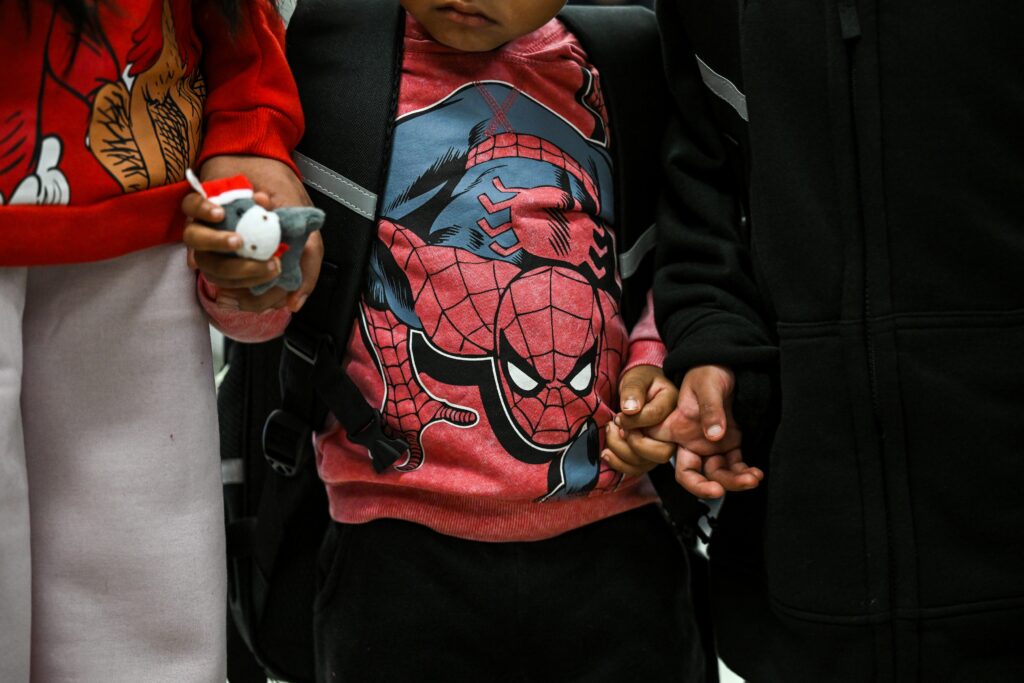
After her husband was detained by US immigration authorities in September, Rosa found herself alone with her two children, wondering what would happen should she suffer the same fate as him.”I go out to work less and less, and I’m afraid that I won’t come home to my children,” Rosa told AFP. “It’s not easy to explain this to them. My son waits for his dad to come home, and when he doesn’t, he gets sad.”To avoid the possibility of her children being abandoned, the 32-year-old Guatemalan immigrant decided to grant legal guardianship of her kids to an activist, Nora Sandigo, who runs a foundation overseeing the custody of migrant children in Miami.        A growing number of undocumented migrants are granting legal guardianship of their children to entrusted allies in the United States.The move gives the adult the power of attorney to sign documents for minors in schools, hospitals and courtrooms even if their parents are detained — without the migrants giving up custody of their children.The trend coincides with President Donald Trump’s crackdown on immigration, with official data published this month showing more than 605,000 undocumented migrants have been deported from the United States since his return to the White House in January.In Florida, host to a large undocumented population, Immigration and Customs Enforcement (ICE) agents have increased arrests, detaining immigrants who often work in agriculture, hospitality or construction.Rosa’s husband, for instance, was working at a construction site when he was detained by ICE and transported to a detention facility in Texas, where he remains.The couple hails from the northwest department of Huehuetenango in Guatemala, settling in Florida eight years ago for a chance at a better life.The pair came with a daughter, now 11 years old, and had a son four years ago.- ‘Horrifying’ -The couple now joins hundreds of other families who have entrusted Sandigo with legal guardianship.Born in Nicaragua and now a naturalized US citizen, Sandigo began taking in children from migrant families 15 years ago through her foundation, based in Miami.She is currently the legal guardian of almost 350 minors born in the US and 137 children born outside of the country, and has been the guardian of more than 2,000 kids over the course of her career.She and her two daughters have even lived with some of the children, some for months or years, after their parents were deported.The 60-year-old told AFP she receives calls every day from parents asking her to become their children’s legal guardian — and that number “has grown spectacularly” in recent months.”The new administration’s arrival with a terrifying message of persecution for immigrants, causing great distress for children, has been horrifying,” she said.The night before Thanksgiving this year, she welcomed several families to her home on the outskirts of Miami.Among them was Jessica, a 14-year-old US-born child of immigrants who has been brought under Sandigo’s wing.She told AFP that having undocumented parents and the uncertainty around it “makes me feel afraid” and sad.”My biggest worry is that they will leave, and with them my future. Because if they leave, I’m going with them,” she said with tears in her eyes.Sandigo tries to comfort her, but she knows that the immigration crackdown is causing psychological trauma to Jessica’s generation.”I love kids and I want to be useful, to be able to help them, but not under these circumstances,” she said.

Trump signs $900 bn defense policy bill into law

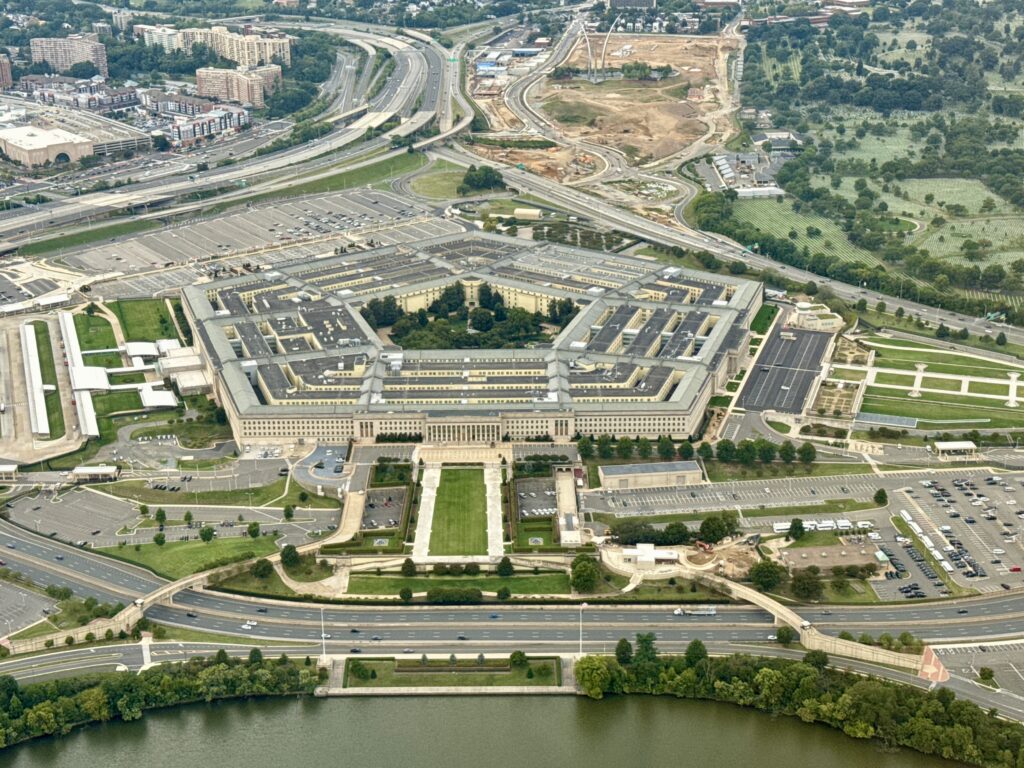
President Donald Trump signed a sweeping defense policy bill into law Thursday that signaled strong bipartisan support for Europe and defied the US leader’s increasingly hostile posture toward NATO and America’s closest allies.The annual National Defense Authorization Act (NDAA), one the few remaining rituals of cross-party cooperation in Congress even as divisions sharpen elsewhere in Washington, sets out the country’s national security and foreign policy priority areas for the coming year, according to lawmakers.White House spokesperson Anna Kelly said Trump signed into law a measure which raises pay for US troops, codifies the country’s “PEACE THROUGH STRENGTH agenda,” and “funds the Golden Dome” air and missile defense system backed by Trump. The NDAA, at some $900 billion, also “removes woke priorities” like diversity, equity and inclusion (DEI) programs opposed by many conservatives, and “requires promotions based on merit, not DEI,” Kelly added. The Senate easily passed the NDAA measure on Wednesday following the House’s green light last week. The success comes amid unease in European capitals over Trump’s rhetoric, especially after the recent White House national security strategy painted Europe as over-regulated, culturally adrift and insufficiently committed to its own defense.The strategy questioned the continent’s strategic value and openly echoed themes championed by far-right parties, fueling fears of a widening transatlantic rift.By contrast, the NDAA reflects lawmakers’ determination to anchor the United States firmly in Europe.The bill bars US troop levels on the continent from falling below 76,000 for more than 45 days and restricts the removal of major military equipment, effectively tying the administration’s hands on any rapid drawdown.It also boosts resources for frontline NATO states, particularly in the Baltic region, reinforcing the alliance’s northeastern flank.The measure authorizes roughly $8 billion more than the administration requested, a signal of congressional assertiveness on defense priorities.Beyond Europe, the NDAA locks in $400 million in security assistance for Ukraine, aiming to preserve a baseline of support even as broader funding debates grind on, and places new limits on any reduction of the 28,500 US troops stationed in South Korea.As ever, the NDAA drew fire from multiple directions — from conservative critics of Ukraine aid to safety experts warning about aviation provisions rolling back critical air-safety requirements for military aircraft operating in Washington’s restricted airspace.But none came close to derailing a package long seen as must-pass legislation.

Official named by new NY mayor resigns over past antisemitic posts: US media

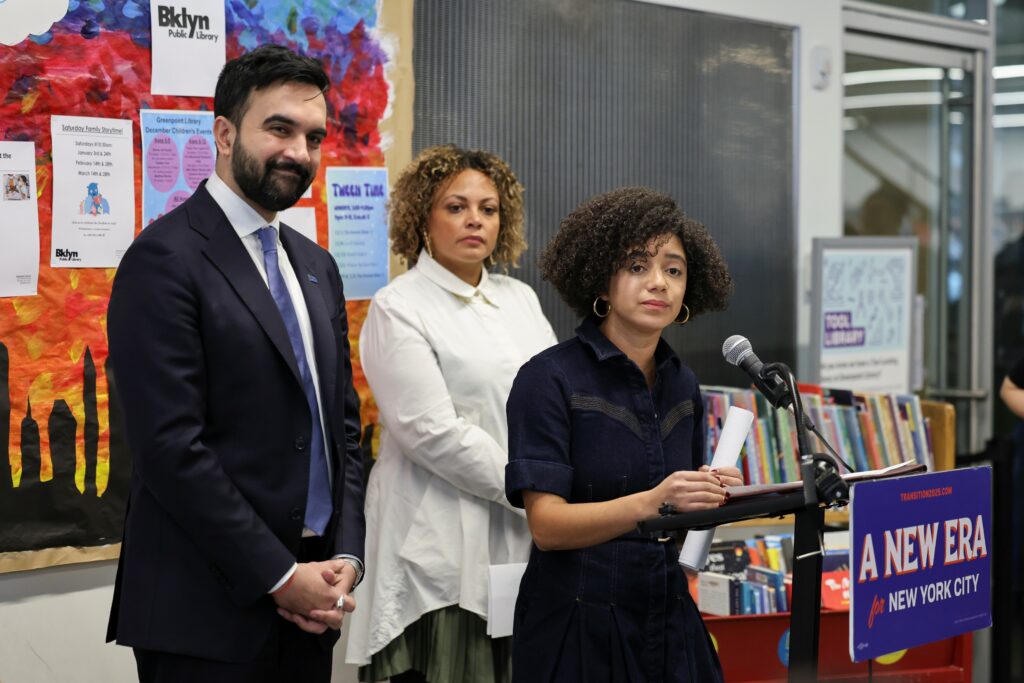
An official appointed by incoming New York mayor Zohran Mamdani to a senior role in his transition team resigned one day later on Thursday after past antisemitic posts on social media emerged, US media reported.The Muslim mayor-elect faced repeated accusations of antisemitism during the mayoral campaign over his strident support for the Palestinian cause and conservative figures have vowed to closely scrutinize his administration when he takes office on January 1.Catherine Almonte Da Costa, Mamdani’s “head of appointments” stepped down after antisemitic statements in old Twitter posts form 2011 surfaced, NBC News reported. The posts were uncovered by The Judge Street Journal newsletter.She had appeared alongside Mamdani at a press event on Wednesday following her appointment.”I spoke with the Mayor-elect this afternoon, apologized, and expressed my deep regret for my past statements. These statements are not indicative of who I am,” Da Costa told the online outlet.”As the mother of Jewish children, I feel a profound sense of sadness and remorse at the harm these words have caused. As this has become a distraction from the work at hand, I have offered my resignation.””Money hungry Jews smh (shaking my head),” Da Costa allegedly posted on X on January 4, 2011. The account, which had been used to post several other antisemitic tropes, is no longer online.Mamdani’s transition team did not comment.

Trump renames Kennedy arts center after himself

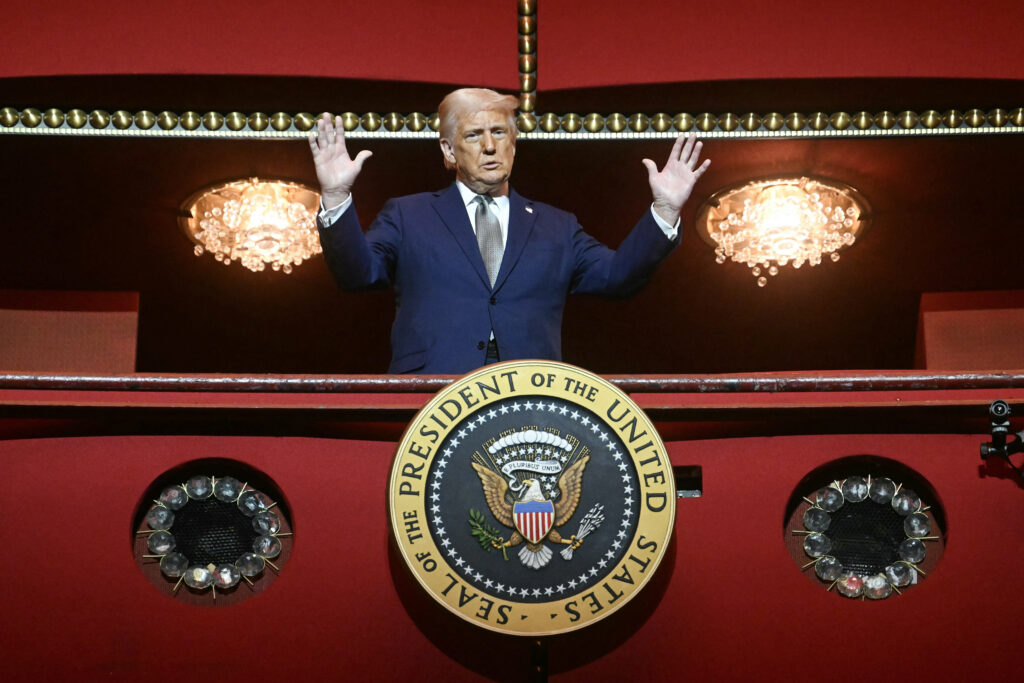
US President Donald Trump sealed his takeover of Washington’s famed Kennedy Center on Thursday after the White House said the institution’s board voted to rename it the “Trump-Kennedy Center.”Trump hand-picked new board members of the US national cultural center and installed himself as chairman earlier this year, as part of a crackdown on institutions he branded too woke.But family members of slain US president John F. Kennedy, after whom the arts venue is named, slammed the decision as “beyond wild” and said it could not be renamed without the approval of Congress.Adding his own name to the storied venue is the latest in a series of grandiose Trump schemes including the demolition of the White House East Wing to build a $400-million ballroom, and planning a large triumphal arch.”I was surprised by it, I was honored by it,” Trump told reporters after the announcement of the board decision — despite having repeatedly talked about a name change for the center in the past.White House Press Secretary Karoline Leavitt said the “highly respected” board of the Kennedy center had “voted unanimously” to take the extraordinary step of renaming it after a living president.Leavitt said it was “because of the unbelievable work President Trump has done over the last year in saving the building.””Congratulations to President Donald J. Trump, and likewise, congratulations to President Kennedy, because this will be a truly great team long into the future!” she added.Kennedy was assassinated in 1963. The imposing white-marble arts center, which sits on the banks of the Potomac River, opened in 1971.The website of the Kennedy center later had a new “Trump-Kennedy Center” logo.But the move met fierce condemnation from the Kennedy family, America’s most storied political clan. “Can we not see what is happening here? C’mon, my fellow Americans! Wake up!” JFK’s niece Maria Shriver said on X. She added that it was “beyond wild” of Trump to think it was acceptable to add his name before her uncle’s.Former congressman Joe Kennedy III said the center was a “living memorial” to his great-uncle and “can no sooner be renamed than can someone rename the Lincoln Memorial, no matter what anyone says.”The full name of the John F. Kennedy Center for the Performing Arts is set out in federal statute. Congress created the center in 1958 and later renamed it by law to honor Kennedy after his assassination.- ‘Whoops’ -Democrats meanwhile denied that the vote was unanimous.Joyce Beatty, a lawmaker from Ohio who still holds a place on the board through a congressional mandate, said she was “muted on the call.” Trump had hinted at the name change on a number of occasions in recent months. Earlier this month he referred to a “big event at the Trump-Kennedy Center, whoops, excuse me, at the Kennedy Center… Pardon me, such a terrible mistake.”Trump made the comments at a peace institute that had also been recently renamed after him. Since his return to office he has also named a new “golden” visa and bank accounts for newborns after himself.The Kennedy Center has sparked Trump’s ire since his first term.Until this year he had never attended the annual fundraising gala for recipients of the prestigious Kennedy Center Honors, as many of those artists vocally opposed his policies.But in his second term Trump moved quickly to make the center his own.He rid the board of trustees of its Democratic appointees, ousted its president and packed it with allies as part of a wider assault on federally funded cultural institutions he deemed too “woke.”The construction tycoon has also taken a personal interest in revamping the building, making a number of visits to inspect work on the center and raving about the white marble he was bringing in.Trump finally presented the honors this year himself, giving awards to “Rocky” actor Sylvester Stallone, disco legend Gloria Gaynor and rock band KISS.Days earlier, at the draw for the 2026 FIFA World Cup on December 5, Trump received a new peace prize from football’s governing body and made a speech on stage.

Nike shares slump as China struggles continue

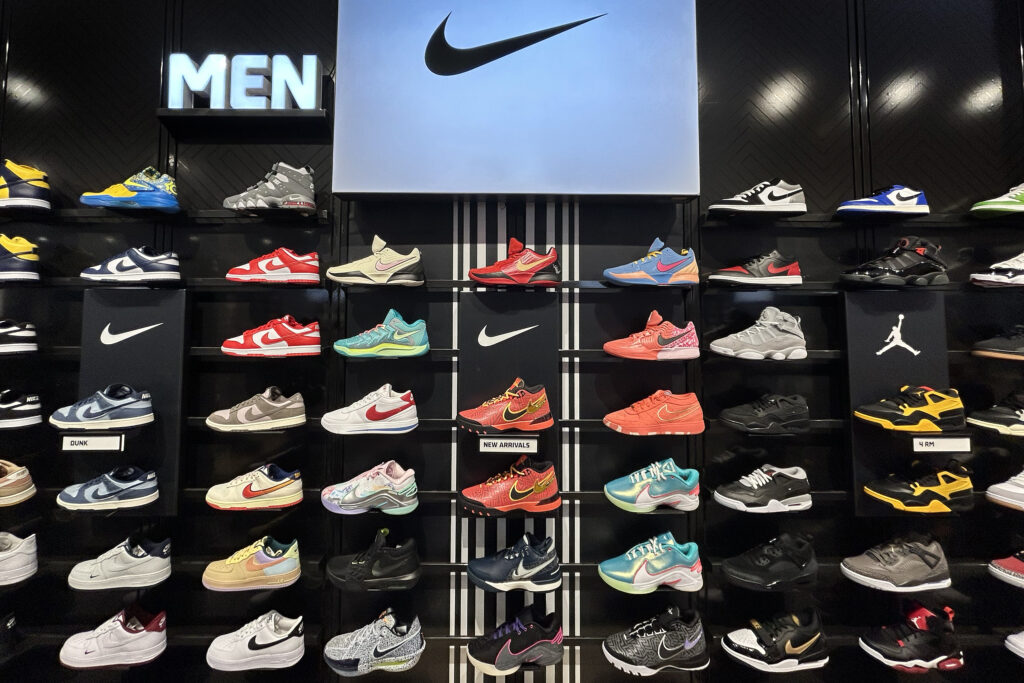
Nike reported a drop in quarterly profits Thursday, citing a drag from higher US tariffs and continued weakness in China in results that sent shares sharply lower.The sports giant — which plans product rollouts around the Olympics, World Cup and other major 2026 events — stands “in the middle innings of our comeback,” said CEO Elliott Hill, who pointed to revenue gains in North America as a strong point.But Hill cited Greater China, which saw a 17 percent drop in revenues, as in need of further overhaul, saying improvements are “not happening at the pace we like.””It’s going to take a fresh perspective, a new approach,” said Hill, who has reorganized his executive team so that the division’s chief now reports directly to him.”We will return Nike to a beloved, premium and innovative brand in China,” Hill said.Nike reported profits of $792 million, down 32 percent from the year-ago period. Revenues edged up one percent to $12.4 billion during the period, the second quarter of the company’s fiscal 2026 calendar.A robust performance in North America and the running franchise were assets during the quarter, according to Chief Financial Officer Matthew Friend, who said China had made progress that additional actions were needed to “break the cycle that we’ve been managing through,” Friend said.Friend said the company’s inventory position has improved in North America compared with earlier quarters when a glut of merchandise depressed profit margins.But tariffs remained a drag. Friend estimated a full-year tariff hit of $1.5 billion, the same as it projected in September.Neil Saunders, managing director of GlobalData, said Nike’s results show some progress but that the company must find ways to replicate its success in running across other sports.Nike remains “behind the curve” in the casual and fashion areas, while weakness in China “reflects a brand that is not connecting culturally in a way that rivals are,” Saunders said.”All in all, we think Nike is making progress,” Saunders said in the note. “However, this quarter’s results underline how much work remains to be done.”Shares fell 10.5 percent in after-hours trading.

Officials ID suspect in US college mass shooting: US media

US officials have identified a suspect in the shooting at Brown University that killed two students and injured several others, US media reported Thursday, in a major breakthrough in the case.CNN cited two unnamed law enforcement officials familiar with the case as saying investigators believe they have pinpointed a suspect. CBS News reported similar information.The shooting happened Saturday, when a man with a rifle burst into a campus building at the Ivy League college where students were taking exams. The man opened fire, killing two students and then fleeing.Investigators appeared to have little to go on, releasing images of a person of interest and an individual who was seen standing near that person in an effort to trace them.Officials have given daily media updates at which they have voiced increasing frustration with the so far fruitless manhunt.The two students killed were Ella Cook, vice president of Brown’s Republican Party association, and Mukhammad Aziz Umurzokov, originally from Uzbekistan, who had hoped to become a neurosurgeon.One survivor was in critical but stable condition, five were in stable condition, and two had been discharged from hospital, Providence Mayor Brett Smiley told the briefing.Authorities initially detained a man in connection with the shooting, but later released him.The university has faced questions, including from President Donald Trump, about its security arrangements after it emerged that none of its 1,200 security cameras were linked to the police’s surveillance system.There have been more than 300 mass shootings in the United States so far this year, according to the Gun Violence Archive, which defines a mass shooting as four or more people shot. Attempts to restrict access to firearms still face political deadlock.