AFP USA

Nigeria to use intel from US recon flights to aid strikes: govt source

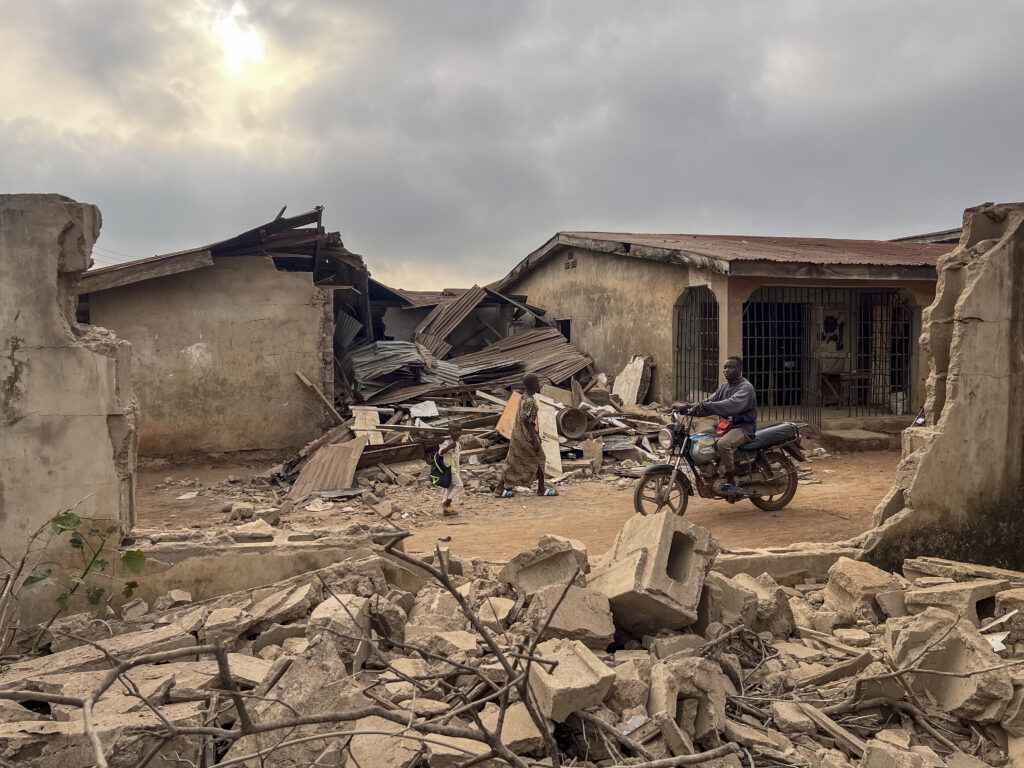
Nigeria’s air force will take the lead from the United States after Washington’s Christmas Day strikes on jihadists, making use of US reconnaissance flights to aid its own strikes, a Nigerian official told AFP Tuesday.On the evening of Christmas Day, the United States struck sites in northwest Nigeria’s Sokoto state against what it said were targets linked to the Islamic State group.Though Nigeria remains open to further American strikes, the Americans’ primary role will now be providing intel, the source familiar with the new security arrangement with Washington said, asking for anonymity because of its sensitivity.Africa’s most populous country has been battling a jihadist insurgency since 2009, mostly concentrated in its northeast, while armed “bandit” gangs have taken hold across swathes of the country’s rural northwest and north-central regions.The strikes came after a diplomatic offensive starting in October in which President Donald Trump alleged that violence from armed groups in Nigeria amounted to “persecution” and “genocide” of Christians — accusations denied by Abuja and independent analysts.Days before the strikes, Nigeria’s information minister said the “spat” had been resolved, “culminating in a strengthened partnership between America and Nigeria”.For weeks ahead of the strikes, analysts had been tracking increased US reconnaissance flights over Nigeria.The recon flights have continued since.The New York Times, citing unnamed Pentagon officials, recently reported that the US strikes were a “one time event”.Though they came after Nigeria and the United States at least partially buried the hatchet, the strikes caused headaches in Abuja when Trump took unilateral credit for them. In response, Nigerian Foreign Minister Yusuf Tuggar went on a media offensive, insisting that they were part of a joint operation.Adding to the complications, Washington officials were largely unreachable until the days leading up to the strike, before finally calling their Nigerian counterparts with their plans, the source said.According to Abuja, the strikes targeted Islamic State militants, who were in the country to work with the Lakurawa jihadist group and “bandit” gangs.All three groups were targeted, presidential spokesman Daniel Bwala said. Both countries said there were an unspecified number of militants killed.A hotel manager in Offa, Kwara state, told AFP three of his staff were hospitalised after munitions debris fell on his building.Some researchers have recently linked some members of Lakurawa — the main jihadist group located in Sokoto state — to Islamic State Sahel Province (ISSP), which is active in neighbouring Niger near the Nigerian border.Other analysts have disputed those links.
New Venezuelan leader walks tightrope with US, Maduro loyalists

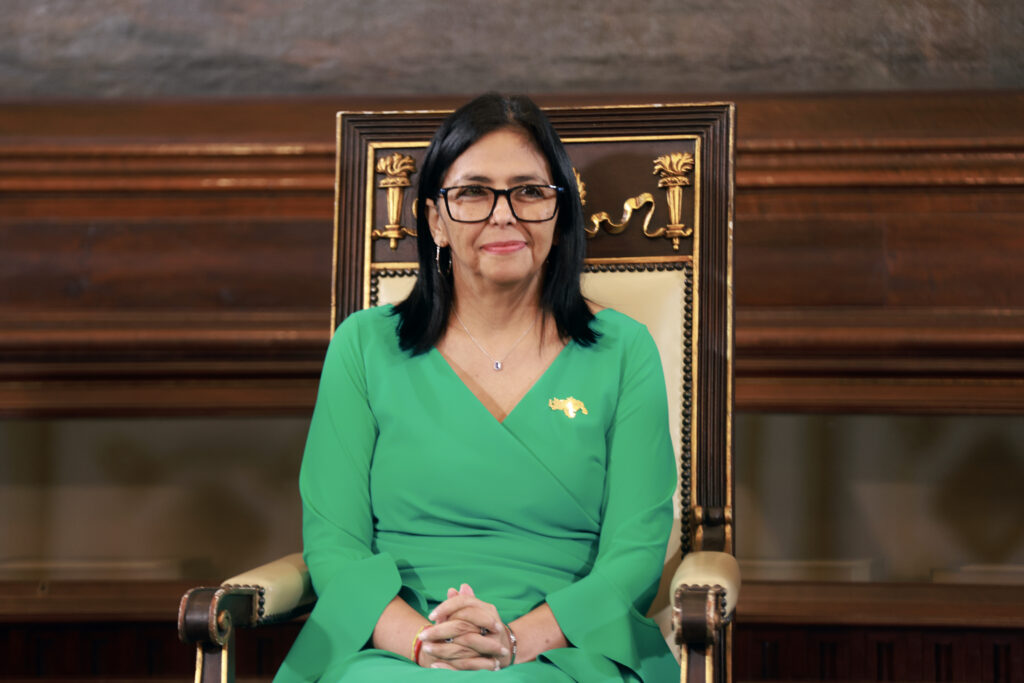
Venezuela’s interim president Delcy Rodriguez on Tuesday got down to the business of running the country, under pressure from Washington to give access to Caracas’s oil while trying to keep supporters of ousted Nicolas Maduro on her side.Former deputy president Rodriguez, 56, was sworn in as acting leader Monday, as Maduro appeared in a New York court, where he pleaded not guilty to drug trafficking and “narco-terrorism.”His wife, Cilia Flores, who was snatched with him by US special forces from a military base in Caracas on Saturday during a bombing raid, also pleaded not guilty.Rodriguez, whom US President Donald Trump has indicated he is willing to work with, faces a delicate balancing act.She has suggested that she will cooperate with Washington, which wants to tap Venezuela’s massive oil reserves.But she has also sought to project unity with the hardliners in Maduro’s administration, who control the security forces and powerful paramilitaries.Venezuela’s journalists’ union said Tuesday that 14 journalists and media workers, most of them representing foreign media, were detained while covering the presidential inauguration at parliament on Monday and later released. Two other journalists for foreign media were detained near the Colombian border and later released, it added.- Character questioned -Thousands of people marched through Caracas in support of Maduro on Monday and further demonstrations were planned on Tuesday.On Monday, Rodriguez told the opening of parliament she was “in pain over the kidnapping of our heroes, the hostages in the United States,” referring to Maduro and Flores. The session turned into an impromptu rally for “Chavismo” — the anti-US, socialist policies of late firebrand leader Hugo Chavez and his anointed heir Maduro.Opposition leader Maria Corina Machado, who has been given no role by Washington in the post-Maduro transition, warned in a Fox News interview that Rodriguez was not to be trusted.”Delcy Rodriguez as you know is one of the main architects of torture, persecution, corruption, narcotrafficking,” she said.”She’s the main ally and liaison with Russia, China, Iran, certainly not an individual that could be trusted by international investors.”The Nobel Peace Prize laureate vowed to return home “as soon as possible” from her current undisclosed location outside the country.Trump has so far backed Rodriguez, but warned she would pay “a very big price, probably bigger than Maduro” if she does not comply with Washington’s agenda. So far she has made no changes to the cabinet, with Interior Minister Diosdado Cabello and Defense Minister Vladimir Padrino Lopez, widely seen as wielding the real power in Venezuela, retaining their posts.”Delcy had better be sleeping with one eye open right now because right behind her are two men who would be more than happy to cut her throat and take control themselves,” Brian Naranjo, a former US diplomat who was previously stationed in Venezuela, told AFP.Venezuelan political analyst Mariano de Alba agreed that the new government was “unstable,” but said that Chavismo had understood that “only through apparent cohesion can they keep themselves in power.”- ‘We will win’ -A retired general who held high-ranking positions in the military predicted that Rodriguez would throw open Venezuela to US oil and mining companies and perhaps resume diplomatic ties, broken off by Maduro in 2019.He also believed she would seek to appease criticism of Venezuela’s dire rights record by releasing political prisoners. She has been sworn in for a 90-day interim term that can be extended for another three months by parliament.The constitution says that after Maduro is formally declared absent, elections must be held within 30 days.Machado told Fox News that “in free and fair elections, we will win by over 90 percent of the votes, I have no doubt about it.”She vowed to “turn Venezuela into the energy hub of the Americas” and “dismantle all these criminal structures” and “bring millions of Venezuelans that have been forced to flee our country back home.”She also offered to give her Nobel prize — an award Trump has long publicly coveted — to the US president.Machado said, however, that she had not spoken to Trump since October 10.

Ukraine’s European, US allies meet in Paris on security guarantees

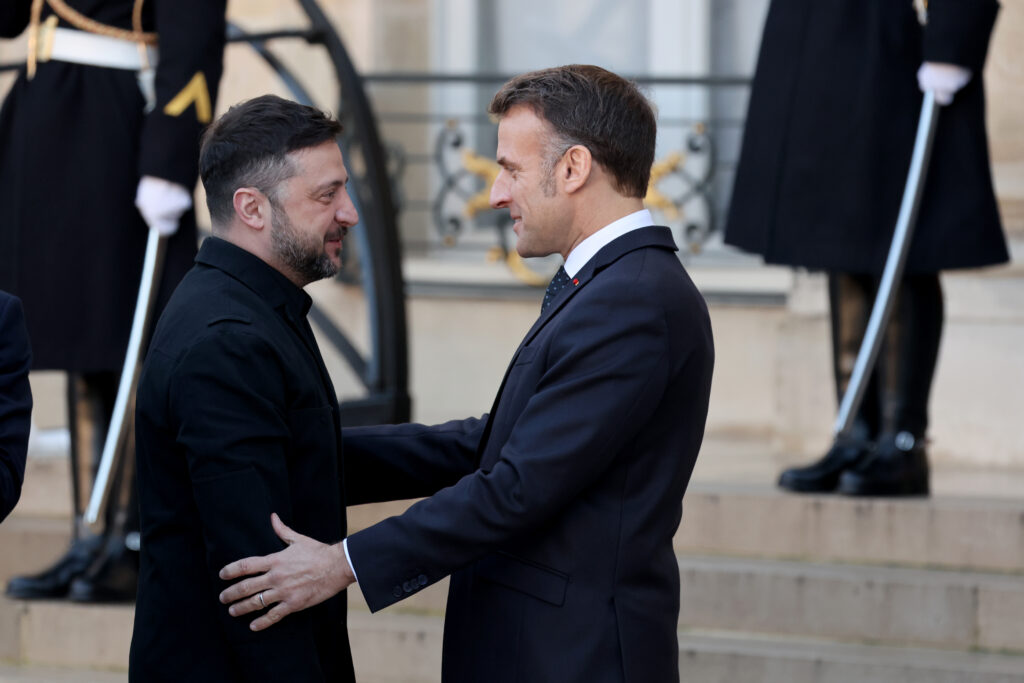
Key European allies of Ukraine and top US envoys met in Paris on Tuesday and were expected to announce Washington would lead ceasefire monitoring if a peace deal is reached to end Russia’s war against its neighbour.The summit of the so-called “Coalition of the Willing” is focused on security guarantees Ukraine requires in the event of a ceasefire to deter further Russian aggression. A draft statement seen by AFP before the talks started said the United States would lead a “ceasefire monitoring and verification mechanism” with European participation if a peace deal is agreed.Washington would commit to “support” a European-led multinational force — deployed in Ukraine after any ceasefire — “in case of” a new attack by Russia, the draft statement added. Representatives of 35 countries, including 27 heads of state or government — including the leaders of Britain, Canada, Germany and Italy — took part in the summit, which the French presidency said would demonstrate the “alignment” between Washington, Kyiv and European allies on security guarantees for Ukraine.US-led diplomatic efforts to reach a deal have ramped up in recent weeks. But this meeting is being held amid relentless fighting in Ukraine almost four years into Europe’s deadliest conflict since World War II.  The capture by US forces of Venezuelan president Nicolas Maduro, an ally of Russian leader Vladimir Putin, has unsettled some European countries and added a potential new element of transatlantic uncertainty.US President Donald Trump’s special envoy Steve Witkoff and son-in-law Jared Kushner travelled to Paris for the meeting of the coalition, launched last year by France and Britain. French President Emmanuel Macron welcomed Ukrainian President Volodymyr Zelensky at the Elysee Palace for a one-to-one meeting before the summit.- ‘Align’ European and US positions -Some members of the coalition aim to send a multinational force to Ukraine to deter any future Russian attack if the war sparked by Russia’s February 2022 invasion ends.But Ukraine and Russia remain at odds over territory in a post-war settlement.Russia has also repeatedly opposed any NATO boots on the ground in Ukraine to monitor a halt in hostilities. European leaders have been at pains to not firmly condemn the US military operation to grab Maduro, while expressing discomfort at the implications for international law.Before leaving for Paris, Polish Prime Minister Donald Tusk said the aim of the meeting was to “align the European and American positions”.He said “only that kind of pressure has a chance of forcing the Russians to take the issue of a ceasefire, and then peace, seriously”. He warned, though, against expecting final decisions to be made in Paris.An adviser to Macron on Monday said the meeting was the culmination of efforts launched after Trump’s arrival at the White House to prevent “the United States from abandoning Ukraine”.To lay the groundwork, security advisers from 15 countries, including Britain, France and Germany as well as representatives from NATO and the European Union, gathered in Kyiv over the weekend, with Witkoff joining virtually.- ‘Difficult conditions’ -Kyiv said in recent days a deal was “90 percent” ready. But Russia, which occupies around 20 percent of Ukraine, is pushing for full control of the country’s eastern Donbas region as part of a deal.Kyiv has warned ceding ground will embolden Moscow and said it will not sign a peace deal that fails to deter Russia from invading again.Germany’s Chancellor Friedrich Merz on Sunday said diplomatic efforts were being waged “under difficult conditions”. “Russia is showing little willingness to negotiate, President Zelensky is struggling to maintain unity among Ukrainians, and transatlantic cooperation has changed profoundly,” he wrote in a letter to lawmakers, a copy of which AFP obtained on Tuesday.”We want a ceasefire that preserves Ukraine’s sovereignty. We therefore want such a ceasefire… to be backed by security guarantees from the US and Europe.”burs-fff-sjw-sw/ah/tw

US Justice Dept says millions of Epstein files still not released

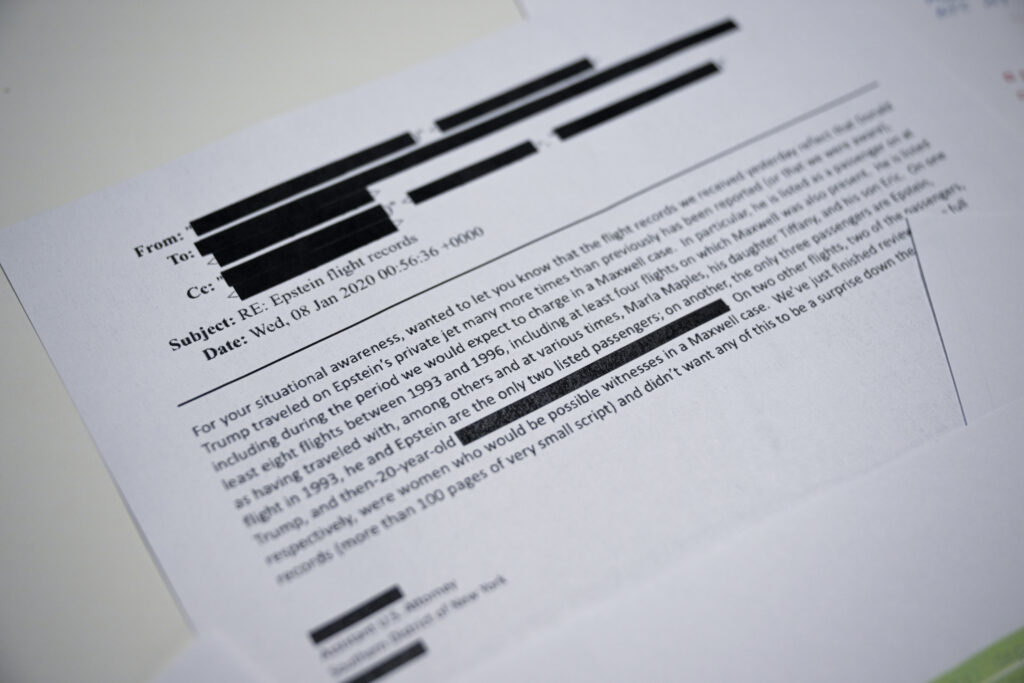
The US Department of Justice said Monday it is still reviewing more than two million documents potentially related to convicted sex offender Jeffrey Epstein as it pushed more than two weeks past a deadline to release all files connected to him.The department began releasing documents from the decades-long investigation into the late disgraced financier last month, but failed to meet the December 19 deadline mandated under the Epstein Files Transparency Act.In a letter Monday to a federal judge, DOJ officials said more than two million documents remained “in various phases of review.” About 12,285 documents comprising more than 125,000 pages, the letter said, had already been publicly released in response to the law — less than one percent of the tranche currently in review.The DOJ said it identified on December 24 more than one million files not included in its initial review. Some of those documents appeared to be duplicates but would still need “processing and deduplication,” the letter noted. “Substantial work remains to be done,” said the letter, signed by Attorney General Pam Bondi and others involved.More than 400 DOJ attorneys will spend “the next few weeks” reviewing the documents, the officials said. At least 100 FBI employees trained in handling “sensitive victim information” will assist the effort.US President Donald Trump is facing strong pushback from Democrats for failing to release all files related to Epstein in a timely manner.The Trump administration has defended its handling of the documents, noting the need to protect sensitive information about victims.In Monday’s letter, the DOJ officials said they must “manually” review the documents for “victim identifying information.”

Venezuela’s deposed Maduro pleads not guilty, insists still president

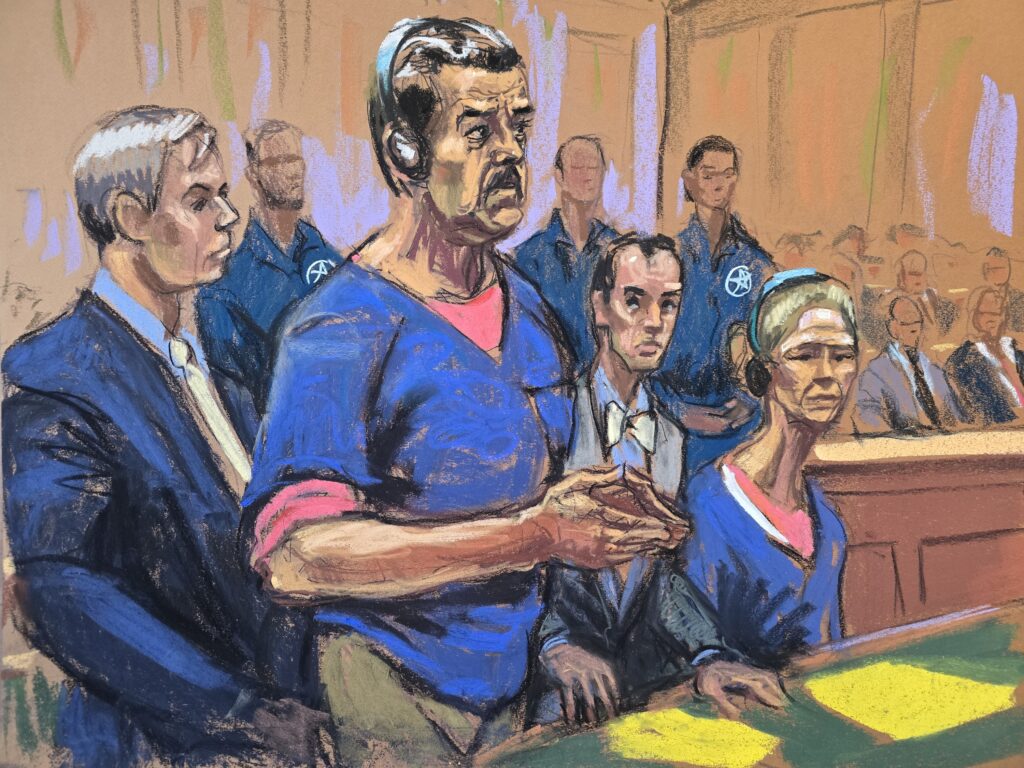
Ousted Venezuelan president Nicolas Maduro pleaded not guilty to drug trafficking and other charges at a defiant appearance in a New York court Monday, two days after being snatched by US forces in a stunning raid on his home in Caracas.Maduro, 63, told a federal judge in Manhattan “I’m innocent. I’m not guilty.”Smiling as he entered the courtroom and wearing an orange shirt with beige trousers, Maduro spoke softly.”I’m president of the Republic of Venezuela and I’m here kidnapped since January 3, Saturday,” Maduro told the court, speaking in Spanish through an interpreter. “I was captured at my home in Caracas, Venezuela.”Maduro’s wife Cilia Flores likewise pleaded not guilty. The judge ordered both to remain behind bars and set a new hearing date of March 17.The presidential couple were forcibly taken by US commandos in the early hours of Saturday in airstrikes on the Venezuelan capital backed by warplanes and a heavy naval deployment.Thousands of people marched through Caracas in support of Maduro as his former deputy, Delcy Rodriguez, was sworn in as interim president.Venezuela opposition leader Maria Corina Machado slammed Rodriguez, saying she was “rejected” by the Venezeulan people and calling her “one of the main architects of torture, persecution, corruption, narcotrafficking.”Speaking from an undisclosed location to broadcaster Sean Hannity on Fox News in her first public comments since the weekend, Machado added that she plans to return to Venezuela “as soon as possible” after leaving under cover last month to accept her Nobel Peace Prize.After the raid, Trump declared that the United States was “in charge” in Venezuela and intends to take control of the country’s huge but decrepit oil industry.The 79-year-old president also dismissed the idea of Caracas having new elections in the next month.”We have to fix the country first. You can’t have an election. There’s no way the people could even vote,” Trump told broadcaster NBC News in an interview aired Monday.However, US House Speaker and Trump ally Mike Johnson said he thinks an election “should happen in short order” in Venezuela.- ‘Access to oil’  -Maduro became president in 2013, taking over from his equally hardline socialist predecessor Hugo Chavez.The United States and European Union say he stayed in power by rigging elections — most recently in 2024 — and imprisoning opponents, while overseeing rampant corruption.The crisis after a quarter century of leftist rule now leaves Venezuela’s approximately 30 million people — and the world’s largest proven oil reserves — facing uncertainty.Trump has said he wants to work with Rodriguez and the rest of Maduro’s former team — provided that they submit to US demands on oil. And after an initially hostile response, Rodriguez said she is ready for “cooperation.”Brian Naranjo, a former US diplomat in Venezuela before he was expelled by Maduro in 2018, said that he has “not been so worried about the future of Venezuela, ever.” “There’s a very real possibility that things are going to get much, much worse in Venezuela before they get better,” he told AFP.The deputy head of the US mission to Caracas from 2014-2018 pointed at two men who could try and usurp power from Rodriguez: Interior Minister Diosdado Cabello, and her own brother, Jorge Rodriguez, president of Venezuela’s legislature.”Delcy had better be sleeping with one eye open right now because right behind her are two men who would be more than happy to cut her throat and take control themselves,” Naranjo said.- Cuba, Greenland next? -Trump, who has shocked many Americans with his unprecedented moves to accumulate domestic power, also now appears increasingly emboldened in foreign policy.On Sunday, he said communist Cuba was “ready to fall” and he repeated that Greenland, which is part of US ally Denmark, should be controlled by the United States.Brian Finucane, of the International Crisis Group, told AFP that Trump “seems to be disregarding international law altogether” in Venezuela and added that US domestic law also appeared to have been broken.Details of the US operation in Caracas were still emerging Monday, with Havana saying 32 Cubans were killed in the attack. US Defense Secretary Pete Hegseth said that nearly 200 personnel went into Caracas on the surprise raid. Some injuries and no deaths were reported by US officials.burs-sms/jgc/sla

92-year-old US judge presiding over Maduro case

Alvin Hellerstein, the 92-year-old US judge handling the case against deposed Venezuelan leader Nicolas Maduro, has presided over a number of notable trials during his decades on the bench.Maduro and his wife, Cilia Flores, made their first appearance in Hellerstein’s Manhattan courtroom on Monday, pleading not guilty to narco-terrorism and other charges.Maduro was indicted in 2020 in a sprawling drug trafficking case that has been before Hellerstein for nearly 15 years and has already seen the conviction of Venezuela’s former intelligence chief, Hugo Armando Carvajal.A graduate of Columbia University law school, Hellerstein served as a lawyer in the US Army from 1957 to 1960 before entering private practice.He was nominated by former president Bill Clinton in 1998 to be a district court judge for the Southern District of New York.During his lengthy career, Hellerstein has presided over several civil cases stemming from the September 11, 2001 Al-Qaeda attacks on New York and Washington.He has also tangled at times with Donald Trump, rejecting a request by the president to have his New York hush money case moved to federal court.Hellerstein also blocked the Trump administration last year from deporting alleged Venezuelan gang members without a court hearing.In September, he sentenced tech start-up highflier Charlie Javice to more than seven years in prison after she was convicted of defrauding JPMorgan Chase on a $175 million deal.In another high-profile fraud case, Hellerstein sentenced Bill Hwang, the founder of US investment firm Archegos Capital Management, to 18 years in prison.He also presided over the trial last year in which a jury found French banking giant BNP Paribas’s work in Sudan had helped prop up the regime of former ruler Omar al-Bashir, awarding $20.75 million in damages to three plaintiffs from Sudan.In a noteworthy 2015 ruling, Hellerstein ordered the US government to release a trove of photos depicting abuse of detainees in Iraq and Afghanistan.

US recommends fewer childhood vaccines in major shift

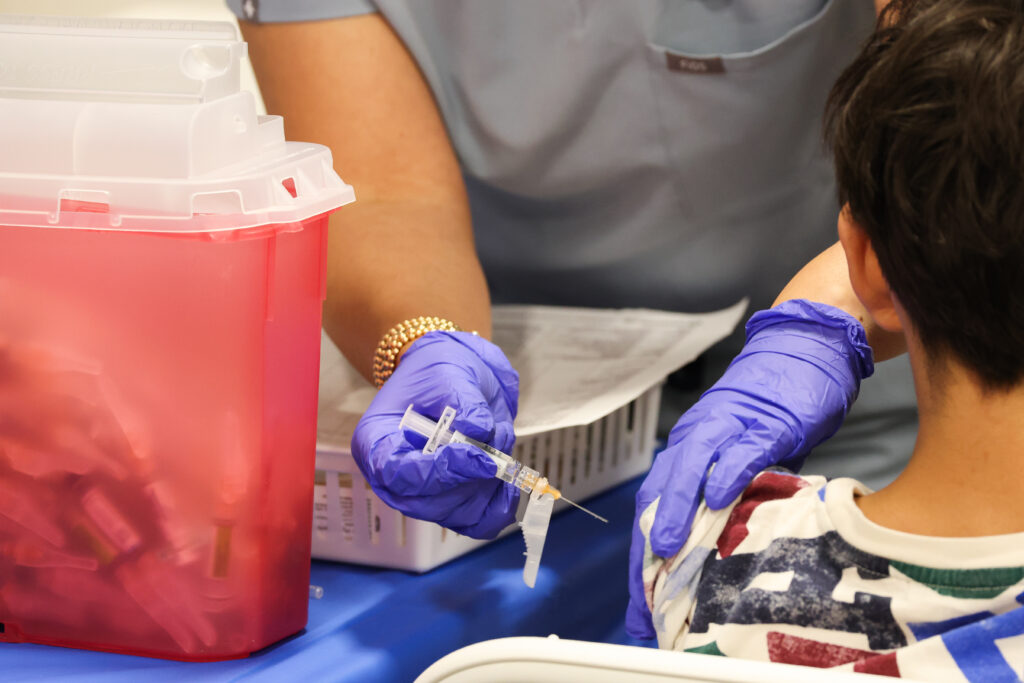
The Trump administration on Monday overhauled the United States’ pediatric vaccine schedule, upending years of scientifically backed recommendations that reduced disease with routine shots.The dramatic shift — announced by the US health department, which is led by long-time vaccine skeptic Robert F. Kennedy Jr. — means the country will no longer recommend that every child receive immunizations against several diseases including rotavirus and influenza.The Centers for Disease Control and Prevention instead will recommend that shots preventing those illnesses as well as hepatitis A, hepatitis B and meningococcal disease be administered for select groups of high-risk individuals or when parents and a child’s doctor deem them warranted, rather than as standard practice.The agency had already shifted to this recommendation model for Covid-19 shots in 2025.At the end of 2024, the CDC was recommending 17 pediatric immunizations for all individuals, the agency said. Now that number is 11.President Donald Trump praised the changes, noting that the “MAHA Moms” — a base of online influencers who ardently support Kennedy’s agenda — “have been praying for these common sense reforms for many years.”Trump’s message heralding the schedule overhaul followed a TruthSocial post rife with false statements about vaccine safety and recommendations that contradict scientific consensus.The decision follows Trump’s directive last month that health officials compare the US vaccine schedule to peer countries abroad.They were notably focused on Denmark. The new US recommendations now more closely resemble that country’s schedule.”After an exhaustive review of the evidence, we are aligning the US childhood vaccine schedule with international consensus while strengthening transparency and informed consent. This decision protects children, respects families, and rebuilds trust in public health,” Kennedy said in a statement.But medical and public health experts slammed the overhaul.Sean O’Leary, chair of the American Academy of Pediatrics Committee on Infectious Diseases, said “the US child vaccine schedule is one of the most thoroughly researched tools we have to protect children from serious, sometimes deadly diseases.””It’s so important that any decision about the US childhood vaccination schedule should be grounded in evidence, transparency and established scientific processes, not comparisons that overlook critical differences between countries or health systems,” he told journalists.Experts at the Vaccine Integrity Project, an initiative out of the University of Minnesota, recently noted that the US had already been in line with global consensus.Denmark, project researchers said, represents more of an outlier among “peer countries” than a standard.”Denmark’s schedule reflects a set of choices made in a small, highly homogeneous country with a centralized health care system that guarantees universal access to care, low baseline disease prevalence, and strong social infrastructure,” the group wrote.”Those conditions do not apply to the United States, not even close.”- ‘More confusing for parents’ -Senator Bill Cassidy, whose deciding vote confirmed Kennedy’s controversial appointment as health chief last year, said that “changing the pediatric vaccine schedule based on no scientific input on safety risks and little transparency will cause unnecessary fear for patients and doctors.”The Republican, himself a doctor, said doing so would “make America sicker.”States have the authority to mandate vaccinations, but generally CDC recommendations wield significant influence over state policies.US officials have said that access as well as insurance coverage of vaccines should remain in place, even for shots not broadly recommended by the federal government.”All vaccines currently recommended by CDC will remain covered by insurance without cost sharing,” said Mehmet Oz, the administrator of the federal health insurance programs. “No family will lose access. This framework empowers parents and physicians to make individualized decisions based on risk, while maintaining strong protection against serious disease.”But public health authorities warned that the changes would only sow doubt and confusion, especially as vaccine skepticism has mushroomed in the wake of the pandemic.O’Leary said the shift “just makes things more confusing for parents and clinicians.””Tragically, our federal government can no longer be trusted” to provide vaccine recommendations, he added.

Trial begins for Uvalde school policeman over mass shooting response

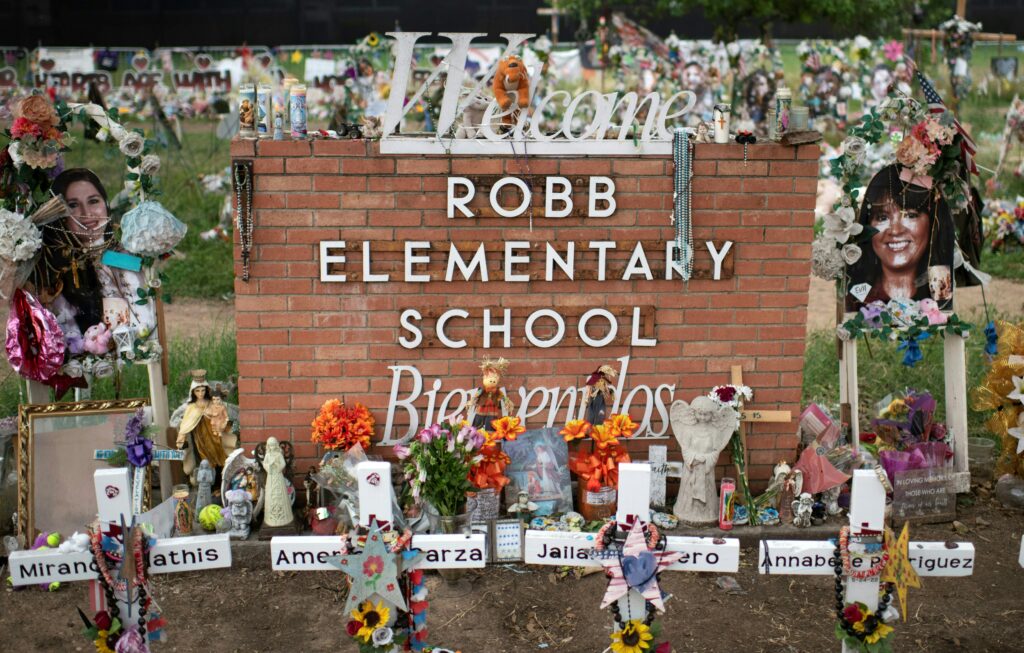
The trial began Monday of a former police officer charged with shying away from tackling the gunman who killed 21 people, including 19 children, at a Texas school in 2022, US media reported.The case against Adrian Gonzales is a rare example of an attempt to hold a law enforcement officer accountable for their actions during a mass shooting.Nineteen young children and two teachers were killed in the city of Uvalde on May 24, 2022 when a teenage gunman went on a rampage with an AR-15 style assault rifle at Robb Elementary School, in what was America’s deadliest school shooting in a decade.Former school district police chief Pete Arredondo also faces charges over the tragedy, but will be tried separately.The official response was heavily criticized after it emerged that more than a dozen officers waited for over an hour outside classrooms where the shooting was taking place and did nothing as children lay dead or dying inside.A total of 376 officers — border guards, state police, city police, local sheriff departments and elite forces — responded to the massacre, a Texas state lawmakers’ report said in July 2022.The shooter, identified as 18-year-old Salvador Ramos, was reportedly killed by law enforcement at the site of the attack.On Monday, jury selection was under way in the trial against Gonzales, who faces 29 felony counts of child endangerment — one for each of the 19 children who died and for the 10 students who survived.US media reported that the indictment charges he “failed to engage, distract or delay the shooter” after hearing shots.Arredondo faces 10 felony counts for allegedly delaying the official response.Both men have pleaded not guilty.Judge Sid Harle said he expected the trial in Corpus Christi, 200 miles (320 kilometers) from Uvalde, to last around two weeks, ABC News reported.

Toppling of Venezuela’s Maduro stirs fear in Cubans

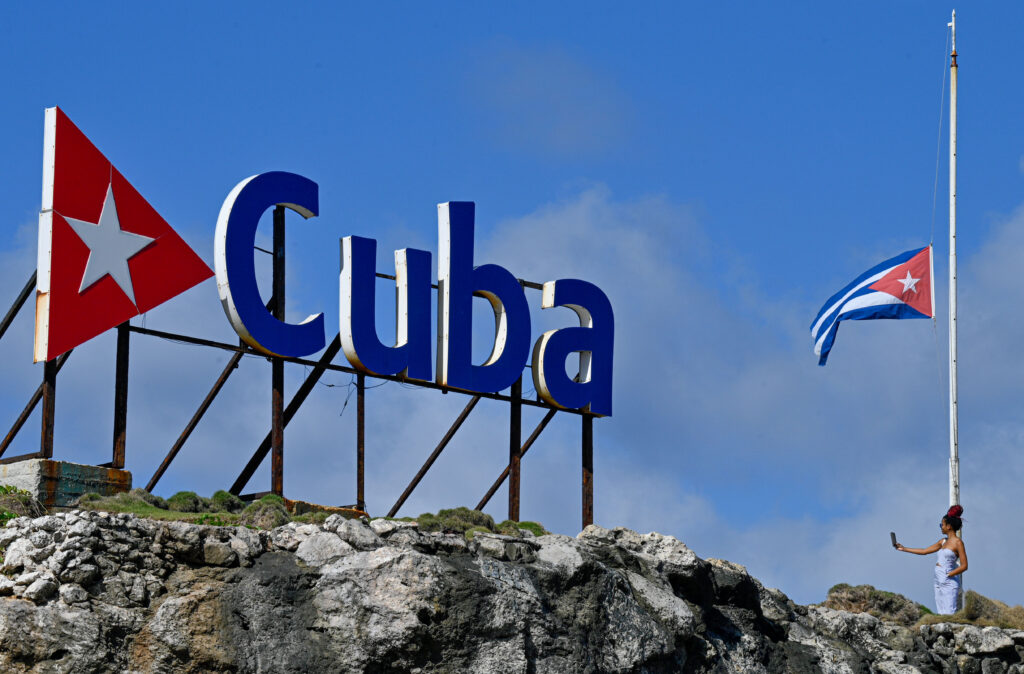
Cubans weary from years of economic crisis, shortages of basic supplies and regular power blackouts, fear the US attack on Venezuela, a leftist ideological ally and its main oil supplier, will see life get even tougher.After American forces seized Venezuela’s leader Nicolas Maduro in an early-morning raid, US President Donald Trump over the weekend issued threats to other leftist leaders in the region and said he thought Cuba was “ready to fall.”He played down the need for US military action on the island, saying it would be hard for Havana to “hold out” without Venezuelan oil, and “it looks like it’s going down.””2026 is going to be tough, very tough,” Axel Alfonso, a 53-year-old working as a driver for a state enterprise, told AFP in the capital Havana on Monday.”If Venezuela is the main supplier, at least of oil, it’s going to get a bit complicated,” said Alfonso who, like the vast majority of Cubans, has lived his whole life under a bruising US trade embargo in place since 1962.The communist-run island has seen 13 US administrations come and go, some more punishing than others.”We’ve been fighting for 60 years, and we have to keep going,” Alfonso said.- ‘Uncertainty’ -Located roughly 90 miles (about 145 kilometers) from the coast of Florida, Cuba’s last major economic test followed the implosion in 1991 of the Soviet Union, a major trade partner and source of credit.It survived by opening up to tourism and foreign investment. Since 2000, Havana has increasingly relied on Venezuelan oil under a deal struck with Maduro’s predecessor Hugo Chavez, in exchange for Cuban doctors, teachers, and sports coaches. In the last quarter of 2025, Venezuela sent Cuba an average of 30,000 – 35,000 barrels a day, “which represents 50 percent of the island’s oil deficit,” Jorge Pinon, an energy expert and researcher at the University of Texas, told AFP.The number was much higher 10 years ago, slashed by the global oil price crash that sent Venezuela’s own economy into turmoil.For the past six years, Cuba has been mired in an ever-deepening crisis caused by a toxic combination of tighter US sanctions, poor domestic management of the economy and the collapse of tourism due to the Covid-19 pandemic.GDP has fallen by 11 percent in five years and the government faces a severe shortage of currency to pay for basic social services: electricity, healthcare and supplying subsidized food and other basic goods that many Cubans have learned to rely on.Economic hardship was a trigger for the unprecedented anti-government demonstrations of July 11, 2021, when thousands of Cubans took to the streets shouting “We are hungry” and “Freedom!”Since then, ever more frequent and longer power cuts and shortages of food and medicine have deepened discontent and led to sporadic, smaller protests, quickly contained by the government. Now, many fear that the loss of Venezuelan oil will make matters even worse.”We’re living in a moment of uncertainty,” attorney Daira Perez, 30, told AFP.- No bailout  -Pinon said it was “not clear whether shipments of Venezuelan oil to Cuba will continue,” especially in the context of the recent US seizure of oil tankers in the Caribbean.And he highlighted that “Cuba doesn’t have the resources to buy that volume on international markets, nor a political partner to bail it out.”Despite concerns for the future, long-suffering Cubans put on a brave face.”He (Trump) keeps making tough threats,” said Havana resident Roberto Brown, 80, who was a young man during the 1962 Cuban Missile Crisis that brought the world to the brink of nuclear war.”We already told him once: we’re 90 miles away, and a long-range missile from over there reaches here, but the one from here reaches there too,” said Brown.

Lower demand for electric cars dents GM’s sales

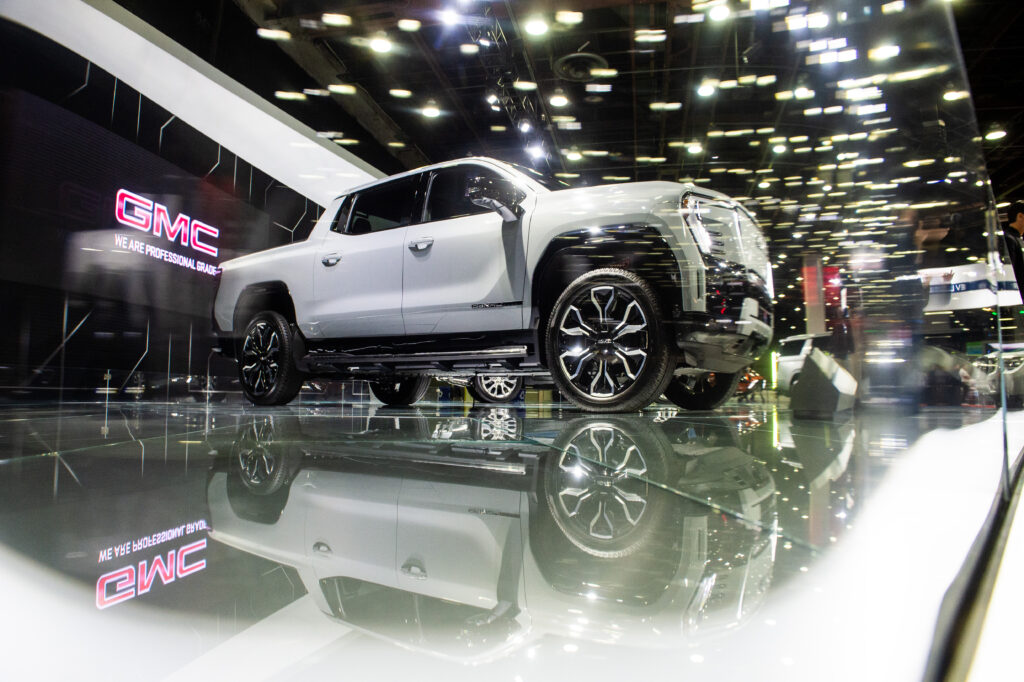
General Motors reported a dip in fourth-quarter US auto sales Monday, reflecting a sharp decline in electric vehicle transactions amid a broader slowing car market.But the US auto giant also achieved an annual sales increase, pointing to growth in pickups and crossovers sales as evidence of resonance with consumers despite offering lower incentives than the industry average.The Detroit giant reported 703,000 deliveries in the final quarter of 2025, a drop from the year prior of 6.9 percent, in a period characterized by tepid consumer confidence surveys.Other carmakers to report a drop in US sales in the fourth quarter included Honda, Nissan and Volkswagen, while Toyota and Stellantis were higher.Analysts at Cox Automotive had estimated a 4.7 percent drop in overall US car sales in the fourth quarter, with concerns about a weakening job market, high interest rates and cost-of-living pressures weighing on sentiment.A driver of GM’s decline was a pronounced fall in EV sales from the third quarter, when consumers raced to take advantage of a $7,500 tax credit that expired at the end of September, earlier than initially intended due to legislation championed by US President Donald Trump.EV sales at GM were 25,219 in the October to December period, less than half the level in the third quarter of 2025.GM’s annual sales were 2.8 million, up 5.5 percent from 2024. Among the vehicles with sizable gains were the Chevrolet Equinox, a small “crossover” sport utility vehicle and the GMC Sierra line of pickup trucks.”Demand for our brands and products is strong at every price point, and we are well-positioned to build on this momentum in the year ahead,” said GM senior vice president Duncan Aldred.At Toyota, fourth-quarter sales rose about eight percent to 652,195, in line with annual growth of comparable percentage. Total sales were 2.5 million for 2025.Toyota models with significant year-over-year sales increases included the Grand Highlander SUV and Tacoma pickup.- Tariff effect? -Stellantis, meanwhile, scored a four percent increase in the fourth-quarter to 332,321, helping to reduce the size of its annual drop after a number of weak quarters. Stellantis annual sales fell three percent to 1.3 million.”With consecutive quarterly sales increases and market share growth, it’s clear that we are taking the right steps to reset our business in the US,” said Jeff Kommor, head of US retail sales, who pointed to five new vehicle launches scheduled for 2026.Throughout 2025, automakers were faced with a fast-changing policy environment as Trump announced myriad tariff actions and moved to gut climate measures enacted under predecessor Joe Biden.Tariff costs did not lead to significant hikes in retail prices in 2025, in part because dealers were selling autos from inventory.However, analysts say consumers may see greater car price hikes in 2026 due to tariffs, potentially affecting demand.Cox estimates that US sales will come in at 15.8 million in 2026, or 2.4 percent below its projection for 2025 sales.