AFP USA

All eyes on Democrats as US barrels toward shutdown deadline

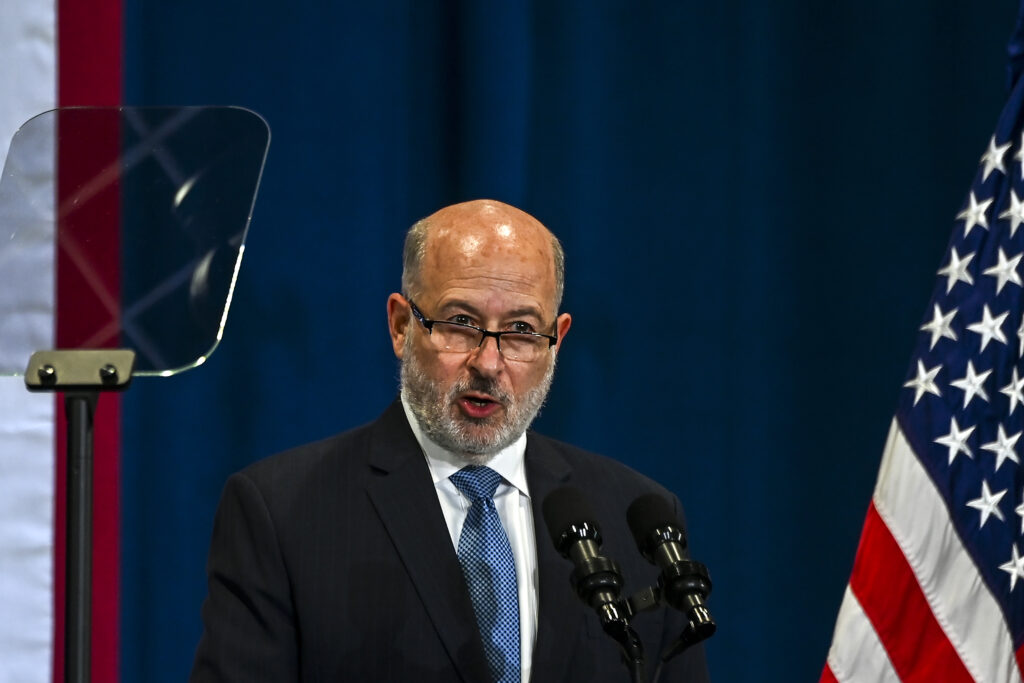
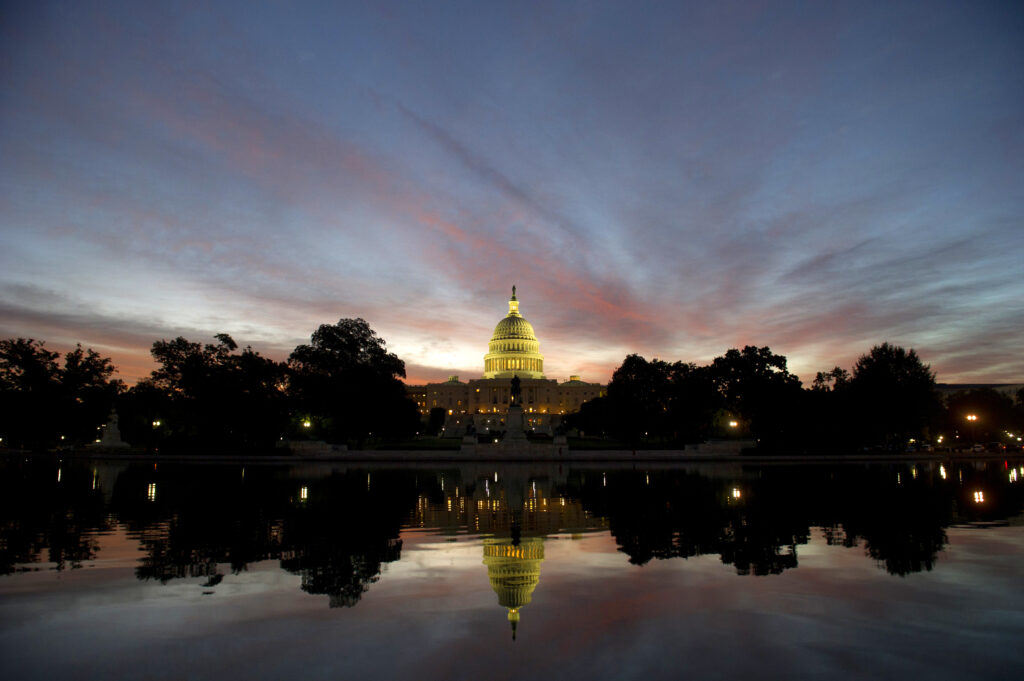
The US government, already shaken by Donald Trump’s radical reforms, could begin shutting down entirely this weekend as Democrats grapple with the politically risky option of opposing the president’s federal funding plans.With a Friday night deadline to fund the government or allow it to start winding down, the Senate is set for a crunch vote ahead of the midnight cut-off on a Trump-backed bill passed by the House of Representatives.The package would keep the lights on through September, but Democrats are under immense pressure from their own grassroots to defy Trump and reject a text they say is full of harmful spending cuts.”If there’s a shutdown, even the Democrats admit it will be their fault,” Trump told reporters on Thursday.Top Senate Democrat Chuck Schumer — who has long insisted that it is bad politics to shut down the government — indicated he would vote for the bill, raising hopes for its success.Others in the minority party — worried that they would be blamed over a stoppage with no obvious exit ramp — also appear ready to incur the wrath of their support base by backing down.But Schumer has not explicitly told his troops which way to jump, telling reporters “each is making his or her own decision” and the vote remains on a knife edge.- ‘Do the right thing’ -Republican House Speaker Mike Johnson, who voted against a bill to avert a shutdown as recently as 18 months ago, urged the minority party to “put partisan politics aside and do the right thing.” “When the government shuts down, you have government employees who are no longer paid, you have services that begin to lag. It brings great harm on the economy and the people,” he told Fox News.The funding fight is focused on opposition to Trump’s Department of Government Efficiency (DOGE), spearheaded by tech mega-billionaire Elon Musk, which is working to dramatically downsize the government.DOGE aims to cut federal spending by $1 trillion this year and claims to have made savings so far of more than $100 billion through lease terminations, contract cancellations and firing federal workers.Its online “wall of receipts” accounts for less than a fraction of that total, however, and US media outlets have found its website to be riddled with errors, misleading math and exaggerations.Grassroots Democrats, infuriated by what they see as the SpaceX and Tesla CEO’s lawless rampage through the federal bureaucracy, want their leaders to stand up to DOGE and Trump.The funding bill is likely to need support from at least eight Democrats, but Republicans ignored the opposition’s demands to protect congressional control over the government’s purse strings and rein in Musk.- ‘Carte blanche’ -Washington progressive representative Pramila Jayapal told CNN there would be a “huge backlash” against Senate Democrats supporting the bill.Several top Democrats have warned, however, that a shutdown could play into Musk’s hands, distracting from DOGE’s most unpopular actions, which just this week has included firing half the Education Department’s workforce.”It’s not really a decision, it’s a Hobson’s choice: Either proceed with the bill before us, or risk Donald Trump throwing America into the chaos of a shutdown,” Schumer said in a speech on the Senate floor.The Democratic leader claimed that Musk and Trump were hoping for the government to grind to a halt.”A shutdown would give Donald Trump and Elon Musk carte blanche to destroy vital government services at a significantly faster rate than they can right now… with nobody left at the agencies to check them,” he said.Republicans control 53 seats in the 100-member Senate.Legislation in the upper chamber requires a preliminary ballot with a 60-vote threshold — designed to encourage bipartisanship — before final passage, which only needs a simple majority.Schumer and Pennsylvania Senator Fetterman are so far the only Democrats committed to allowing the bill to move forward, as no other Democrats have indicated publicly they would be willing to cross the aisle.

Trump threatens huge tariffs on European wine, spirits

US President Donald Trump on Thursday threatened to impose 200 percent tariffs on wine, champagne and other alcoholic beverages from European Union countries, in retaliation against the bloc’s planned levies on American-made whiskey.Trump has launched trade wars against competitors and partners alike since taking office, wielding tariffs as a tool to pressure countries on commerce and other policy issues.His latest salvo was a response to the European Union’s unveiling of tariffs on $28 billion in US goods, to be imposed in stages starting in April.The EU measures — including a 50 percent tariff on American whiskey — were a tit-for-tat measure against Trump’s levies on steel and aluminum imports that took effect Wednesday.”If this Tariff is not removed immediately, the U.S. will shortly place a 200% Tariff on all WINES, CHAMPAGNES, & ALCOHOLIC PRODUCTS COMING OUT OF FRANCE AND OTHER E.U. REPRESENTED COUNTRIES,” Trump posted on his Truth Social platform.Global markets tumbled on the news, with Wall Street down sharply, and criticism of the move was swift from European spirit makers.French wine and champagne company Taittinger said a 200 percent tariff could bring the cost of some bottles from about $60 to more than $180.France’s federation of wine and spirit exporters, known by the acronym FEVS, put the blame on the European Commission for placing its members “directly into the crosshairs of the US president.””We are fed up with being systematically sacrificed for issues unrelated to our own,” said the group’s director general Nicolas Ozanam.- ‘Hostile and abusive’ -Trump called the EU’s planned levy on US whiskey “nasty” and dubbed the bloc “one of the most hostile and abusive taxing and tariffing authorities in the World.”The Republican billionaire president has also said the European Union — which for decades has been at the heart of a US-led Western alliance — was formed to take advantage of the United States.He told reporters he would not bend on his aggressive tariffs policy, while European Commission head Ursula von der Leyen said the bloc is ready to negotiate over escalating duties, though she insisted that tariffs are “bad for business.”French Foreign Trade Minister Laurent Saint-Martin said his country would “not give in to threats” and was “determined to retaliate,’ while Spain’s agriculture minister said he hopes to negotiate.US Commerce Secretary Howard Lutnick told Bloomberg Television he had plans to speak with his European counterparts, while an EU spokesperson said its trade chief has reached out to Washington.EU economy chief Valdis Dombrovskis meanwhile held an introductory call with US Treasury Secretary Scott Bessent, in which he expressed concern over US tariffs and their negative economic impact on both sides.- ‘Devastating’ -The European spirits trade group, Spirits Europe, called on both sides to stop using the sector as a “bargaining chip” in their tariffs fight.US wine merchants and restaurant owners also eyed Trump’s threats with trepidation.A 200 percent tariff would send business costs “through the roof,” said Francis Schott, a restaurant owner based in New Jersey who serves European and American wines.”It’s just business that will go away. It’s devastating,” he told AFP. “If I lose half of the profit I make on alcoholic beverages, my business is no longer viable.”Europe exported nearly $5.2 billion worth of wine and champagne to the United States in 2023, according to the World Trade Organization.- EU levy ‘disappointing’ -US distillers have called the EU’s levy on American whiskey “deeply disappointing.”A 2018 imposition of similar tariffs led to a 20 percent drop in American whiskey exports to the European Union.Trump’s tariff wars have taken aim at Canada, Mexico and China over allegations they are not doing enough to curtail fentanyl smuggling or illegal immigration into the United States — even if in the case of Canada, the border sees negligible smuggling.He has also taken aim at commodities including steel, aluminum and copper.Some countries like China and Canada have already imposed retaliatory tariffs, while uncertainty over Trump’s trade plans and worries that they could trigger a recession have roiled financial markets.After talks in Washington on Thursday with Lutnick, Canadian science and industry minister Francois-Philippe Champagne said he saw “potential for a reset” in cross-border relations when new prime minister Mark Carney takes office Friday.

Top US university says ending 2,000 positions due to Trump cuts

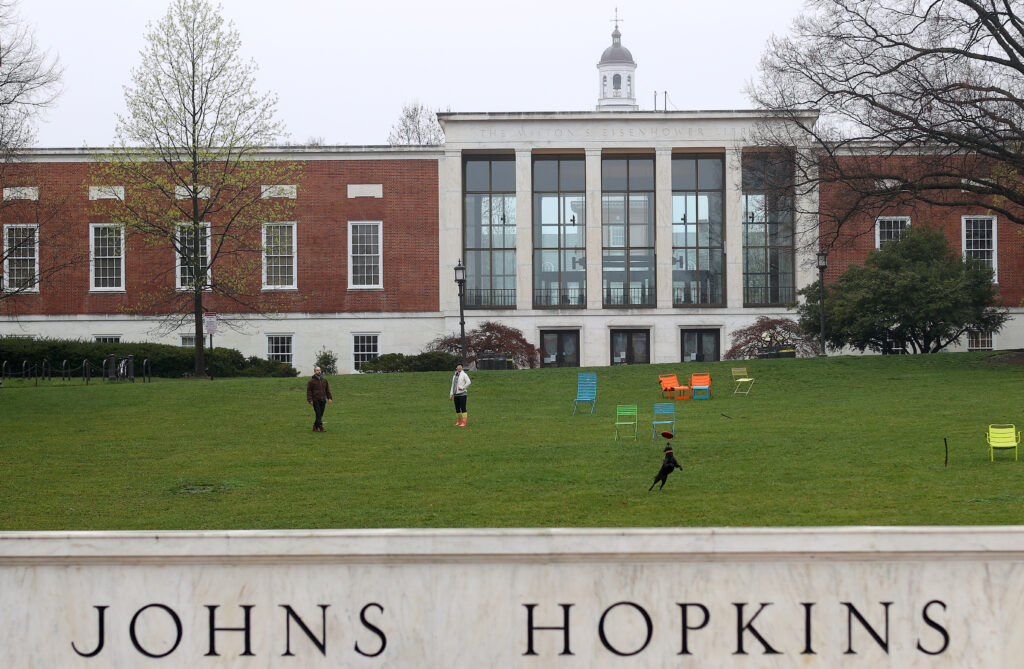
The prestigious Johns Hopkins University said Thursday it is being forced to lay off more than 2,000 employees in the aftermath of the Trump administration’s massive reduction in foreign aid funding.”This is a difficult day for our entire community. The termination of more than $800 million in USAID funding is now forcing us to wind down critical work here in Baltimore and internationally,” the school, a leading institution of scientific research, said in a statement.Hopkins, in Maryland’s largest city an hour’s drive north of the US capital, is eliminating more than 2,000 positions — 1,975 in projects across 44 countries and 247 jobs in the United States.The cuts impact several key programs, including the university’s medical school and school of public health, and Jhpiego, a global health non-profit organization founded at the university more than 50 years ago and which works to improve health in countries worldwide.”Johns Hopkins is immensely proud of the work done by our colleagues in Jhpiego, the Bloomberg School of Public Health, and the School of Medicine to care for mothers and infants, fight disease, provide clean drinking water, and advance countless other critical, life-saving efforts around the world,” the university said.The cuts make Johns Hopkins one of the universities most deeply impacted by the slash of federal funding for research. The university receives roughly $1 billion annually in funding from the National Institutes of Health (NIH) and is currently running 600 clinical trials, according to The New York Times, adding that Hopkins is one of the plaintiffs in a federal lawsuit challenging such cuts.The US Agency for International Development (USAID), the largest funding agency for Jhpiego, distributes humanitarian aid around the world, with health and emergency programs in around 120 countries.US President Donald Trump, who is dismantling the humanitarian agency, signed an executive order in January demanding a freeze on all US foreign aid to allow time to assess overseas expenses. Critics warn that slashing USAID work will affect millions of people.

Putin raises ‘serious questions’ on Ukraine truce plan

Russian President Vladimir Putin on Thursday said that he had “serious questions” about Washington’s plan for a 30-day ceasefire in Ukraine but Moscow was ready to discuss it with US President Donald Trump.Putin made his first comments on the plan, which Ukraine agreed to on Tuesday at talks with the United States, saying he was “for” the proposed ceasefire, but that “there are nuances” and he had “serious questions” about how it would work.Ukrainian President Volodymyr Zelensky condemned Putin’s comments as “very manipulative”, suggesting in his nightly address that Putin is “actually preparing a refusal” to the proposal, but “is afraid to say directly to President Trump that he wants to continue this war”.The United States has called for Russia to agree a ceasefire without any conditions but Putin raised a number of objections, saying: “I think we need to talk to our American colleagues… Maybe have a telephone call with President Trump and discuss this with him.”Putin said a ceasefire was “the right idea”, but would benefit Ukraine at a point when its troops are suffering setbacks while Russia is rapidly capturing territory. He also questioned how a ceasefire would be monitored along a front line measuring thousands of kilometres.Trump said Putin’s statement was “promising” but “not complete”.”A lot of the details of a final agreement have actually been discussed. Now we’re going to see if Russia is there and, if not, it will be a very disappointing moment for the world,” Trump said.”I’d love to meet with him or talk to him. But we have to get it over with fast.”After visiting a military headquarters in the Kursk region on Wednesday, the Russian president hailed his troops’ progress against Ukraine, saying they were “advancing in practically all areas” of the front line.He said that “based on how the situation on the ground develops, we will agree on the next steps on ending the conflict and reaching agreements acceptable to all”.As Trump pushes for a speedy end to the more than three-year-long conflict, his envoy Steve Witkoff arrived in Moscow on Thursday to discuss the plan.A top Kremlin aide, Yuri Ushakov, said Witkoff would meet Putin when the president “gives the signal”, Russian news agencies reported.Russia has been grinding forwards on the battlefield for over a year, and claimed on Thursday to have driven Ukrainian forces from the town of Sudzha in Russia’s Kursk region.Trump has expressed optimism that his team can secure a ceasefire, despite Moscow’s battlefield gains.- ‘Long-term peace’ -Putin said on Thursday: “We agree with proposals to cease hostilities, but on the basis that cessation would lead to long-term peace and address the root causes of the crisis.”Russia has already ruled out accepting foreign peacekeepers in Ukraine as part of a ceasefire or long-term security guarantee for Kyiv.That could go against a request Ukraine has made of European allies to deploy military “contingents” on its territory once the conflict ends to protect against future attacks from Russia.”It is absolutely unacceptable to us that army units of other states be stationed in Ukraine under any flag,” Russian foreign ministry spokeswoman Maria Zakharova said in a briefing.”Be it a foreign contingent or a military base… all this would mean the involvement of these countries in a direct armed conflict with our country.”- Battle for Kursk -Russia, meanwhile, claimed rapid advances in the Kursk region — where Kyiv launched a cross-border assault last August and has held territory since.The Russian defence ministry said it had “liberated” Sudzha along with two other settlements in the border region.Sudzha, home to around 5,000 people before the fighting, was the largest settlement Kyiv seized after it launched its shock assault into Russia.The Kursk region was one of Kyiv’s few bargaining chips in swapping land with Russia, which has occupied around a fifth of Ukraine since it took Crimea in 2014 and launched its full-scale assault in February 2022.Ukraine now risks losing its grip on the border region entirely, after ceding dozens of square kilometres (miles) in the past week, according to military bloggers.In Ukraine, the Sumy region’s military administration said on Facebook on Thursday that it had ordered the mandatory evacuation of eight villages near the border with Kursk, due to “the exacerbation of the operational situation in the region” and “constant shelling by Russia”.Moscow’s rapid advances in the region came after the US paused intelligence-sharing and security support for Ukraine, although analysts and officials cautioned against making a direct link.Washington said it had resumed its support for Kyiv ahead of the talks with Moscow.

Sea levels rise by ‘unexpected’ amount in 2024: NASA

Global sea levels rose more than expected in 2024, Earth’s hottest year on record, according to an analysis released Thursday by the US space agency NASA.On its website, the National Aeronautics and Space Administration explained that last year’s increase “was due to an unusual amount of ocean warming, combined with meltwater from land-based ice such as glaciers.”According to the analysis led by NASA, which monitors rising water levels using satellite imagery, the world’s seas rose by 0.23 inches (0.59 centimeters) in 2024, well above the 0.17 inches (0.43 cm) predicted by scientists.”Every year is a little bit different, but what’s clear is that the ocean continues to rise, and the rate of rise is getting faster and faster,” said researcher Josh Willis of NASA’s Jet Propulsion Laboratory. Rising sea levels are among the consequences of human-induced climate change, and oceans have risen in line with the increase in the Earth’s average surface temperature — a change which itself is caused by greenhouse gas emissions.Over a recent three-decade period, from 1993 to 2023, average sea levels around the globe have risen by some four inches (10 cm) in total, according to NASA.The phenomenon is caused primarily by two factors: the melting of glaciers and polar ice caps, which increases the flow of freshwater into oceans; and the expansion of sea water due to heat, a process known as thermal expansion.In recent years, the observed rise in sea levels has been mainly caused by the first factor and less by the second, according to NASA. “But in 2024, those contributions flipped, with two-thirds of sea level rise coming from thermal expansion,” the agency said.The year 2024 was the warmest on record since such recordkeeping began in 1850.Sea levels are expected to rise further as humanity continues to emit greenhouse gases, threatening vast populations living on islands or along coastlines.

US hunts man who decapitated California sea lion

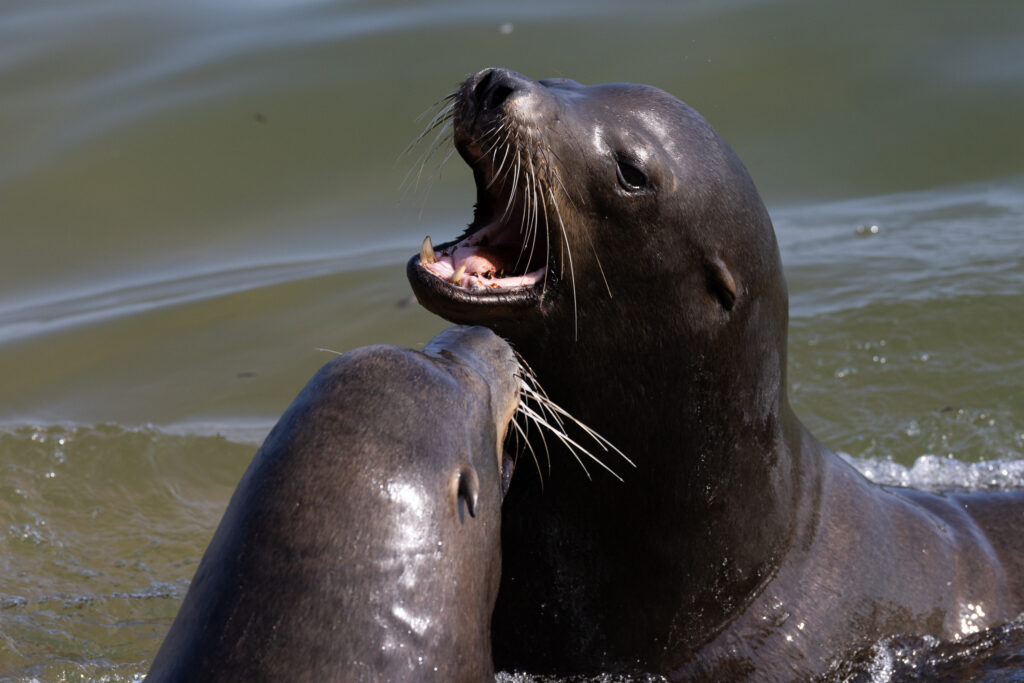
A bike rider who decapitated a dead sea lion over Christmas and rode off with the animal’s head in a clear plastic bag was being hunted in the US on Thursday.Officials were offering $20,000 for information leading to the conviction of the man who sliced the creature’s head off on a California beach.A notice from the US National Oceanic and Atmospheric Administration (NOAA) said the intact body of a dead sea lion was spotted at Doran Regional Park, about 60 miles (100 kilometers) north of San Francisco, on December 25.But a short time later the pinniped’s corpse was horrifically mutilated.”An eyewitness described the suspect as a tan-complexioned male, approximately 30–40 years old, dressed in all black and riding a black fat-tire e-bike,” NOAA said.”The suspect was seen using a black 8-inch (20-centimeter) knife to remove the sea lion’s head, placing it in a clear plastic bag, and riding away.”Under federal law it is illegal to harass, hunt, capture or kill sea lions and other marine life in the US.California sea lions are one of six known species and a common sight along the western coast of North America, including around Fisherman’s Wharf and the Golden Gate Bridge in San Francisco, where their distinctive barking can frequently be heard.Known for their intelligence, they are sometimes trained to perform tricks in circuses and aquariums, and have been used by the US Navy to carry out military operations.

Ex-NOAA chief: Trump firings put lives, jobs, and science in jeopardy

As the Trump administration prepares for its next wave of federal layoffs, the former head of a key US climate agency spoke with AFP about its role in public safety, scientific research, and protecting the American economy.Rick Spinrad, an oceanographer turned government official, capped his career as director of the National Oceanic and Atmospheric Administration (NOAA) under the Biden administration.Q: What has been the impact of so far losing more than 1,200 of the 12,000 strong workforce?A: Many of NOAA’s support functions, including those essential for deploying ships and aircraft, have been cut, preventing the agency from conducting critical stock assessments needed to manage fisheries effectively.Commercial fishing seasons must soon be established, but without data from stock assessments, setting meaningful seasons will be impossible. That’s a $320 billion industry supporting over two million jobs.- Hurricane season -We’re now entering tornado season in the central and southeastern US. As we lose technicians, maintaining and operating satellites and radars becomes more difficult. Several of the country’s 120 plus weather forecast offices can no longer conduct their regular upper-air profiles, where they launch balloons twice a day to collect essential data for accurate forecasts. I’m very concerned about hurricane season. If we can’t deploy hurricane hunter planes or sustain the observational systems that feed forecasting models, the consequences could be severe.”Q: What have you heard about the next cuts, which would slash the agency’s staffing by almost 20 percent?A: The agency is submitting to the Department of Commerce, its parent department, a list of 1,029 candidate positions for its “reduction in force.”It’s not unusual for governments to look for cuttings and cost savings, but every other exercise that I went through of that nature during my nearly 40-year experience with the government included some statement of mission priority or strategy or even an ideology. Nothing of that nature, not even a geographic priority, has been provided.When I left, NOAA had 12,000 federal employees and nearly as many contractors working alongside them. The need for that contractor support shows the agency would have been better served by a larger workforce, not a smaller one, because, quite honestly, contractors are expensive.Q: The conservative Project 2025 plan, which the administration appears to be following, calls to privatize the National Weather Service. Your thoughts?A: The costs would go up simply because the capital expenditures and the operations and maintenance. Think about the private sector having to operate 122 weather radars, 16 satellites, ten airplanes… not to mention the ships.By law, the federal agencies are indemnified. If the private sector puts out a forecast that is bad or wrong, they are liable for loss. That has happened in the past.- Government for the people? -At the end of the day, what it really means is that weather forecasts would kind of be like streaming video. If you can afford it, and you want it, you buy it. So how does this comport with the idea that the government is there for all of the people all of the time?Q: How will curbing NOAA’s climate work harm US interests?A: It will mean we won’t have a seat at the table, which will be a terrible loss. We’ve worked so hard to work collaboratively with our partners through the World Meteorological Organization. The vast majority of the American public understands climate impacts are real and they are being felt right now. Our ability to contribute to the understanding of how climate change will impact our society will be compromised. I worry a lot about our ability to build the workforce for the future.Scientists are demoralized. They are very concerned, because the paradigm that we have operated under for almost 60 years is being shattered, and we don’t know what the new paradigm will look like.

Trump threatens huge tariffs on European wine, other alcohol

US President Donald Trump on Thursday threatened to impose 200 percent tariffs on wine, champagne and other alcoholic beverages from European Union countries, in retaliation against the bloc’s planned levies on American-made whiskey.Trump has launched trade wars against competitors and partners alike since taking office, wielding tariffs as a tool to pressure countries on commerce and other policy issues.His latest salvo was a response to the European Union’s unveiling of tariffs on $28 billion in US goods, to be imposed in stages starting in April.The EU measures — including a 50 percent tariff on American whiskey — were a tit-for-tat measure against Trump’s levies on steel and aluminum imports that took effect Wednesday.”If this Tariff is not removed immediately, the U.S. will shortly place a 200% Tariff on all WINES, CHAMPAGNES, & ALCOHOLIC PRODUCTS COMING OUT OF FRANCE AND OTHER E.U. REPRESENTED COUNTRIES,” Trump posted on his Truth Social platform.Criticism of the move was swift from European spirit makers.French wine and champagne company Taittinger said that a 200 percent tariff could bring the cost of some bottles from about $60 to more than $180.France’s federation of wine and spirit exporters, known by the acronym FEVS, put the blame on the European Commission for placing its members “directly into the crosshairs of the US president.””We are fed up with being systematically sacrificed for issues unrelated to our own,” said the group’s director general Nicolas Ozanam.- ‘Hostile and abusive’ -Trump called the EU’s planned levy on US whiskey as “nasty” and dubbed the bloc “one of the most hostile and abusive taxing and tariffing authorities in the World.”The Republican billionaire president has also said the European Union — which for decades has been at the heart of a US-led Western alliance — was formed to take advantage of the United States.He told reporters he would not bend on his aggressive tariffs policy, while European Commission head Ursula von der Leyen said the bloc is ready to negotiate over escalating duties, though she insisted that tariffs are “bad for business.”French Foreign Trade Minister Laurent Saint-Martin said his country would “not give in to threats” and was “determined to retaliate,’ while Spanish agriculture minister said he hopes to negotiate.US Commerce Secretary Howard Lutnick told Bloomberg Television he had plans to speak with his European counterparts, while an EU spokesperson said its trade chief has reached out to Washington.EU economy chief Valdis Dombrovskis meanwhile held an introductory call with US Treasury Secretary Scott Bessent, in which he expressed concern over US tariffs and their negative economic impact on both sides.- ‘Devastating’ -The European spirits trade group, Spirits Europe, called on both sides to stop using the sector as a “bargaining chip” in their tariffs fight.US wine merchants and restaurant owners also eyed Trump’s threats with trepidation.A 200 percent tariff would send business costs “through the roof,” said Francis Schott, a restaurant owner based in New Jersey who serves European and American wines.”It’s just business that will go away. It’s devastating,” he told AFP. “If I lose half of the profit I make on alcoholic beverages, my business is no longer viable.”Europe exported nearly $5.2 billion worth of wine and champagne to the United States in 2023, according to the World Trade Organization.- EU levy ‘disappointing’ -US distillers have called the EU’s levy on American whiskey “deeply disappointing.”A 2018 imposition of similar tariffs led to a 20 percent drop in American whiskey exports to the European Union.Trump’s tariff wars have taken aim at Canada, Mexico and China over allegations they are not doing enough to curtail fentanyl smuggling or illegal immigration into the United States — even if in the case of Canada, the border sees negligible smuggling.He has also taken aim at commodities including steel, aluminum and copper.Some countries like China and Canada have already imposed retaliatory tariffs, while uncertainty over Trump’s trade plans and worries that they could trigger a recession have roiled financial markets.

US judge orders federal agencies to rehire fired workers

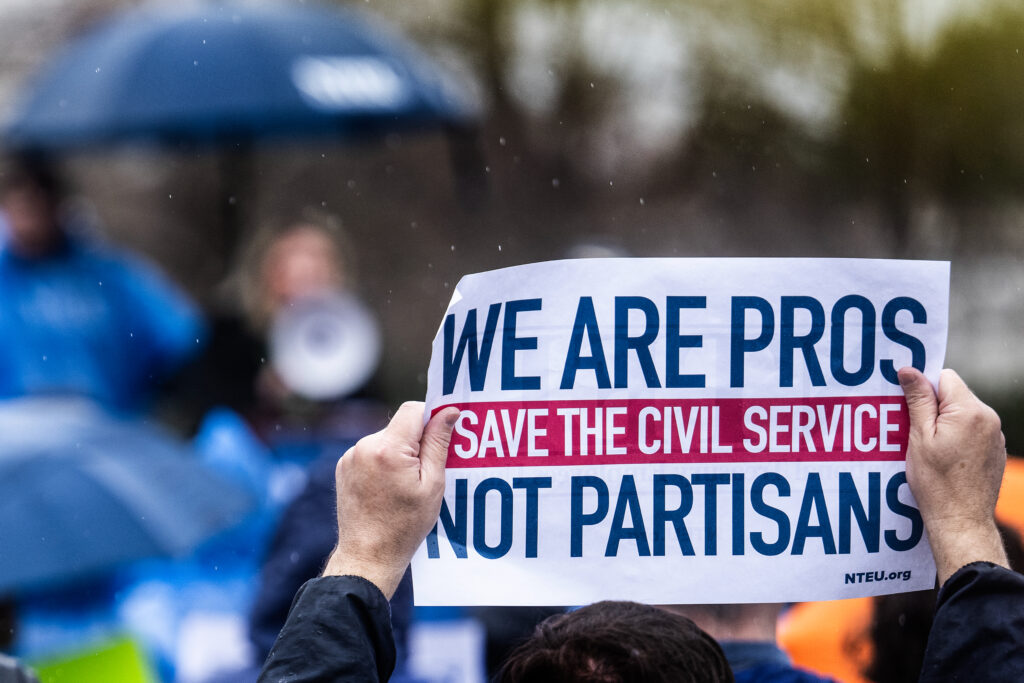
A US judge on Thursday ordered six federal agencies to rehire thousands of probationary workers fired as part of Donald Trump’s push to slash the size and scope of government.The ruling is the latest judicial setback for the administration, coming on the heels of a string of legal defeats that nevertheless seem not to have slowed the pace of change. Judge William Alsup said the justification of “poor performance” for mass lay-offs last month was “a sham in order to try to avoid statutory requirements,” the New York Times reported.Ruling on a lawsuit brought by employee unions, Alsup ordered the departments of the Treasury, Veterans Affairs, Agriculture, Defense, Energy and Interior to reinstate anyone on probation who was improperly fired.”It is a sad day when our government would fire some good employee and say it was based on performance when they know good and well that’s a lie,” said Alsup at a hearing at the US District Court in San Francisco.Since returning to the Oval Office in January, Trump has taken an ax to the US government, cutting spending programs and firing tens of thousands of the more-than 2 million employees on the federal payroll.Thursday’s ruling prompted immediate condemnation from the White House, with Press Secretary Karoline Leavitt vowing the administration would “fight back against this absurd and unconstitutional order.””The President has the authority to exercise the power of the entire executive branch –- singular district court judges cannot abuse the power of the entire judiciary to thwart the President’s agenda,” she said.”If a federal district court judge would like executive powers, they can try and run for President themselves.”The statement mirrors previous reactions to legal rulings going against the administration, which have seen the White House characterize the courts as obstacles to unbridled presidential power.- ‘Reduction in force’ -The judgement comes after the same court last month ordered the federal government to rescind directives that resulted in thousands of staff being let go.On Thursday, Alsup said the government was within its rights to reduce staffing, but that it had to be done properly and with justification — he cited “reduction in force” orders issued by several agencies as legal routes.”If it’s done right, there can be a reduction in force within an agency, that has to be true,” he said.”Congress itself has said you can have an agency do a reduction in force, if it’s done correctly under the law.”But that was not the case with the orders issued by the Office of Personnel Management (OPM) — the government’s human resources body — whose actions amounted to overreach.Attorneys from the Justice Department, representing the Trump administration, had insisted that OPM never issued any orders, only guidance, the Washington Post reported.But, the paper said, court records showed officials from agencies including the IRS, the Department of Defense, and Veterans Affairs, had disputed this, claiming the order to cut probationary workers came directly from the OPM.Trump — supported by a chainsaw-wielding Elon Musk — has set about fundamentally reshaping the US government in a way that he says will make it leaner and more efficient, but which opponents say amounts to a bid to undermine its very purpose.That effort found its latest expression this week when the Education Department moved to halve its staffing levels.Despite the high stakes, Trump faces few obstacles from the Washington political establishment.The Democratic Party is still in disarray after the electoral drubbing and his Republican Party, with control of both chambers of Congress, is racing to bolster his efforts through legislation.