AFP USA

US farmers, firms flag higher costs even as Trump touts affordability

As biting prices weigh on families heading into the US holiday season, farmers and business owners say President Donald Trump’s tariffs have driven up production costs on everything from turkeys to vegetables.Grocery prices rose 2.7 percent from a year ago in September, recent government data showed, while a Politico poll found that groceries were the most challenging category for Americans to afford.But appeals against Trump’s tariffs and households’ cost-of-living worries contrast against the administration’s messaging — as officials work to convince Americans of the strength of the world’s biggest economy.”While my great work on the Economy has not yet been fully appreciated, it will be! Things are really Rockin’,” Trump wrote on his Truth Social platform over the weekend.He stressed that prices were “coming sharply down.”The White House has pointed to cheaper Thanksgiving meals offered by retailers this year, although some observers caution this could be due to a different mix of products available.Even as the country has not seen a broad inflation surge from tariffs, economists, policymakers and business owners note that the levies have added to costs.North Carolina-based farmer Mary Carroll Dodd told reporters this week that “because of increases in our cost, mostly due to tariffs, we’ve had to raise the price of some of our vegetables” like collards and kale.Even before new tariffs, input costs like fertilizer, seed, chemicals, equipment and fuel were already at all-time highs, added Nick Levendofsky, executive director of the Kansas Farmers Union.”With tariffs, they are going up even more,” he added. “Corn and soybeans make up much of the feed for turkeys and other livestock. When those crops cost more to grow, the price per pound of turkey goes up.”Already, wholesale turkey prices are about 40 percent higher due to supply challenges fueled by avian illnesses, the American Farm Bureau Federation said recently.This signals that price pressures will likely persist, even if retail prices fell this year as stores featured Thanksgiving deals to draw in consumers.- Business challenges -The Farm Bureau’s recent survey noted that prices of fresh vegetables have jumped, with a “continued shortage of farmworkers” and fast-growing wages adding to costs.”Almost certainly some of that labor shortage is due to the crackdown on both legal and illegal immigration,” said Jeremy Horpedahl of the libertarian Cato Institute.But proponents of Trump’s trade strategy argue that tariffs are not a direct driver of price hikes in key sectors like housing, food or health care.US beef prices for example have been boosted by a drought in recent years and a shrinking cattle herd, said economist Jeff Ferry at the Coalition for a Prosperous America, a group that supports Trump’s tariffs.”The supply chain, including manufacturers and the importers, are absorbing most of the tariff while holding consumer price increases in check,” he said.But the picture ahead remains complicated.In a nod to farmers’ challenges, the government is considering aid for the sector hit by low crop prices and a trade row with Beijing this year.Levendofsky, however, said: “Farmers don’t want a bailout. They want trade, not aid.”Some small business owners say they struggle to survive, even as the year-end shopping season approaches.Jared Hendricks, who owns Village Lighting Co in Utah, told reporters that his company is “approaching a million dollars in tariffs this year” that were not originally in his forecast.His company specializes in holiday decorations and solutions, placing orders a year in advance with much of the sales tied up in agreements with customers.”We’ve sold a lot of that good to them directly at a loss,” he said. “At this point, we’ve kind of transitioned from working for profits to working for tariffs.””We are just in business to pay off our tariff debt,” Hendricks said.
Russia says talks on ending Ukraine war ‘serious’, after new US plan

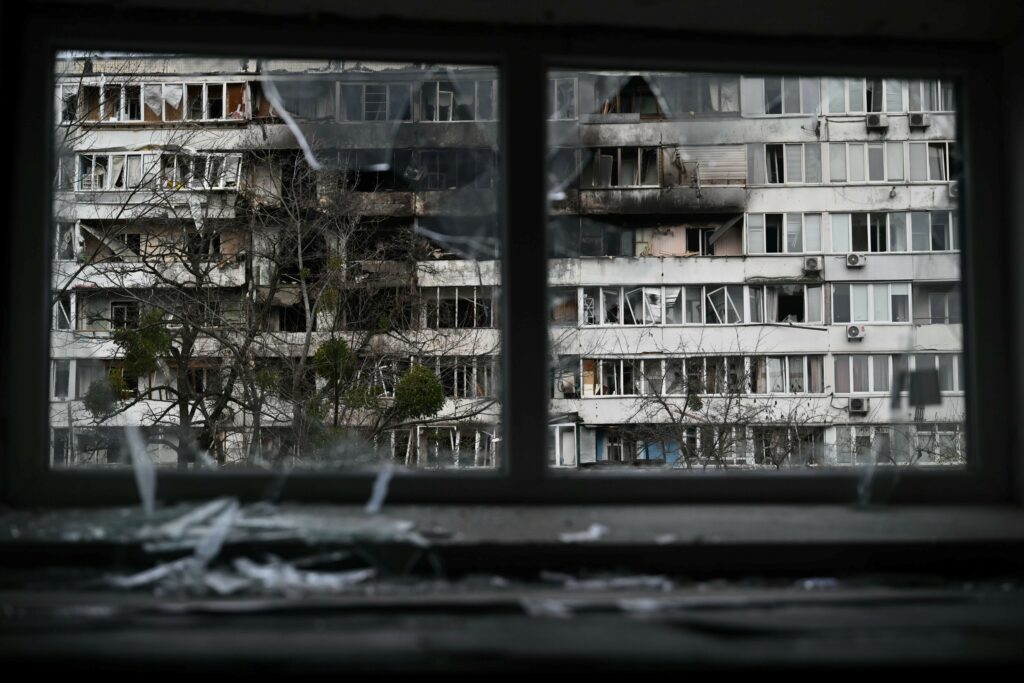
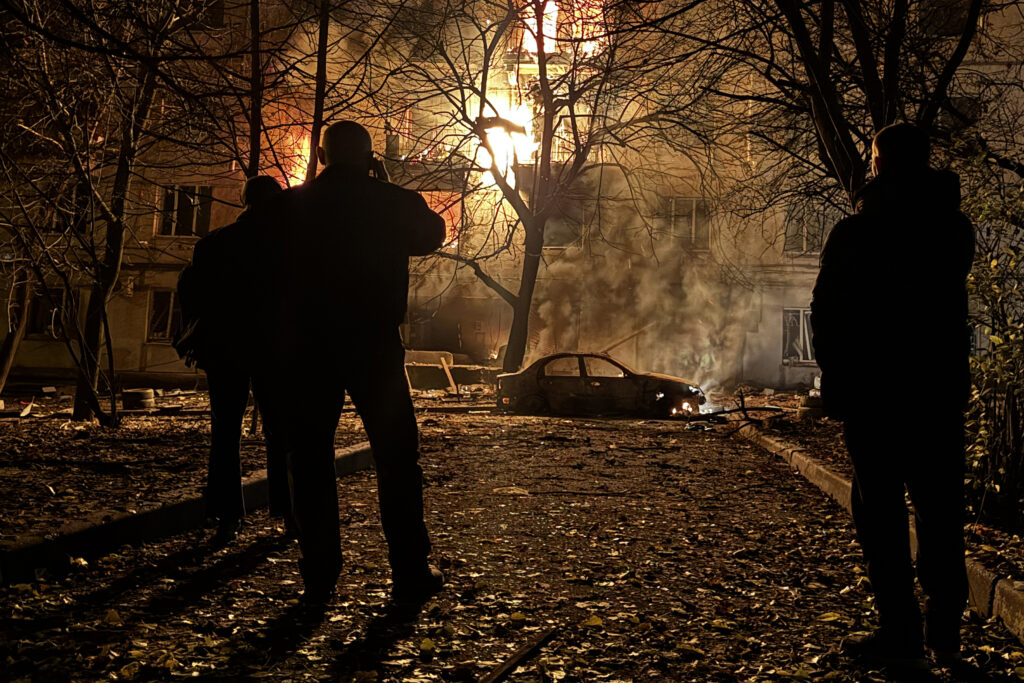
Russia said Wednesday that ongoing talks to end the war in Ukraine were “serious”, after earlier welcoming parts of a new US plan to halt the deadliest fighting in Europe since World War II.A deal was still a long way off, Russian officials warned, with US President Donald Trump’s envoy Steve Witkoff due in Moscow next week for further talks.But the negotiations were “ongoing, the process is serious,” Kremlin spokesman Dmitry Peskov said in televised comments.Washington has not published its new plan, which Trump has called a “fine-tuned” update of a previous 28-point proposal firmly rejected by an alarmed Kyiv and its European allies for being, they said, a Kremlin wish-list.Trump and US Army Secretary Dan Driscoll, who has been in talks with Russian delegates this week, have also expressed cautious optimism over the revised version.Ukrainian officials have said Driscoll is due for further talks in Kyiv this week. It is not clear how similar the new plan is to the earlier proposal, but an official familiar with the matter told AFP the new draft had fewer points and left sensitive issues concerning territory — a key point for both Russia and Ukraine — unresolved.In comments to a Russian state TV reporter, Kremlin aide Yuri Ushakov said the draft required “truly serious analysis” and that Russia had not yet discussed it with anyone.”Some aspects can be viewed positively, but many require special discussions among experts,” he said.The original plan — drafted without input from Ukraine’s European allies — would have seen Kyiv withdraw from its eastern Donetsk region and the United States de facto recognise the Donetsk, Crimea and Lugansk regions as Russian. It ignited a storm of criticism, with Washington forced to deny claims it was just a Russian “wish list”, throwing an extraordinary element of confusion into the talks. Ukrainian leader Volodymyr Zelensky framed it as one of the most difficult choices in Ukrainian history: “either the loss of dignity or the risk of losing a key partner” in Washington.The updated plan appears to please Kyiv more. Ukraine said later it had reached an “understanding” with the United States, and that the two sides had pared back some of the points Kyiv disagreed with following talks in Geneva.Russian President Vladimir Putin ordered the full-scale military assault on Ukraine in February 2022 — calling it a “special military operation”. Kyiv and its European allies say the war is an unprovoked and illegal land grab that has resulted in a tidal wave of violence and destruction.Tens of thousands of civilians and military personnel have been killed since the war began, while millions of Ukrainians have been forced to leave their homes.- Key sticking points -US officials were upbeat Tuesday about the drive to end the war, even as they acknowledged key sticking points remained over the plan.But the Kremlin cautioned Wednesday it was “too early” to say if a deal was close.Ukraine’s European allies had drafted their own counter-proposal to the original plan, which Russia immediately smacked down, accusing them of “meddling” in the peace process.EU Commission Chief Ursula von der Leyen said Wednesday that days of negotiations to refine the US plan had begun to lay the groundwork for a possible settlement.But she warned Russia showed no sign of really wanting to stop the fighting.”I want to be clear from the very outset: Europe will stand with Ukraine and support Ukraine every step of the way,” she told EU lawmakers.As diplomatic efforts to end the war rumbled on, Ukraine on Wednesday reported another night of air attacks.A Russian drone attack on the southern Ukrainian region of Zaporizhzhia overnight left more than a dozen wounded and damaged tens of homes, governor Ivan Fedorov said.

Trump rages at report that he is increasingly frail

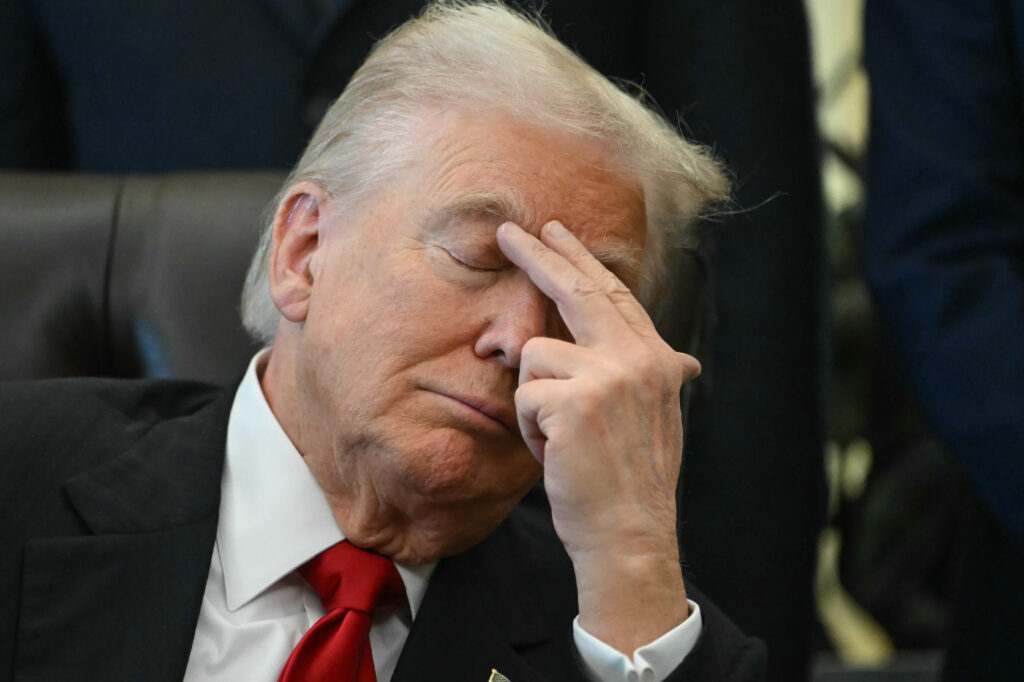
US President Donald Trump raged on Wednesday at a New York Times report that focused on his age and growing signs of fatigue, insisting that he is full of energy and calling the woman author of the article “ugly.””I have never worked so hard in my life. Yet despite all of this the Radical Left Lunatics in the soon to fold New York Times did a hit piece on me that I am perhaps losing my Energy, despite facts that show the exact opposite,” the 79-year-old Republican posted on his Truth Social platform.Trump is the oldest person ever to have assumed the US presidency and the job has clearly weighed on him since starting a second term in January.But in the lengthy post, sprinkled with words in all-caps and a misspelling, Trump said the Times article published Tuesday was ignoring his output.He listed what he said were his many accomplishments, ranging from the election victory last year to a strong US stock market and the settling of wars abroad.He also boasted that he recently underwent a “PERFECT PHYSICAL EXAM AND A COMPREHENSIVE COGNITIVE TEST (‘That was aced’) JUST RECENTLY TAKEN.”Trump does remain an omnipresent figure in the media, frequently fielding questions from journalists for marathon sessions — in sharp contrast to his predecessor Joe Biden, who left office at 81.But while the White House public relations machine continues to portray Trump as improbably virile — creating AI-generated pictures of him as muscle-bound superheroes and warriors — the Republican is visibly slowing down.The report in the influential Times noted that Trump has sharply reduced his public events and domestic travel, compared to his first term, and generally runs a public schedule between the hours of noon and 5:00 pm.During one televised event in the Oval Office earlier this month, Trump appeared to fall asleep briefly.There are unanswered questions about Trump’s health, notably why he had an MRI scan in October and what it showed. Photographs of his swollen ankles and a large bruise on his right hand have also triggered speculation.Trump called the Times “truly an ‘ENEMY OF THE PEOPLE.'”And he branded the female reporter who wrote the Times report “ugly, both inside and out.” Earlier this month, he called another woman journalist “piggy” and yet another “a terrible person.”The Times responded to Trump’s post with a statement saying its “reporting is accurate and built on first hand reporting of the facts.””Name-calling and personal insults don’t change that, nor will our journalists hesitate to cover this administration in the face of intimidation tactics like this.”

Russia welcomes ‘aspects’ of new US plan to end Ukraine war

Russia has seen the latest copy of a draft US plan to end the Ukraine war and views some of it positively, but wants a discussion about the other parts, the Kremlin said Wednesday.In comments to a Russian state TV reporter, Kremlin aide Yuri Ushakov said the new draft required “truly serious analysis” and that Russia had not yet discussed it with anyone.The plan has not yet been published.US President Donald Trump said Tuesday that it was a “fine-tuned” version of an earlier 28-point plan that Kyiv and Europe had rejected, and that he was sending officials to meet with both sides in the hopes of finalising it.Ushakov said of the plan on Wednesday: “Some aspects can be viewed positively, but many require special discussions among experts.”The original plan, widely criticised in Europe as heeding Moscow’s demands, would have seen Ukraine withdraw from its eastern Donetsk region and the US de facto recognise the Donetsk, Crimea and Lugansk regions as Russian. Ukraine said later it had reached an “understanding” with the US and that the two sides had pared back some of the points Kyiv disagreed with following talks in Geneva.It is not clear which points were removed and which remain, and deep differences remain in Russia and Ukraine’s negotiating positions.Russian President Vladimir Putin ordered a full-scale military assault on Ukraine in February 2022 — calling it a “special military operation”. Kyiv and its European allies say the war, the largest and deadliest on European soil since World War II, is an unprovoked and illegal land grab that has resulted in a tidal wave of violence and destruction.Tens of thousands of civilians and military personnel have been killed since the war began, while millions of Ukrainians have been forced to leave their homes.- Key sticking points -US special envoy Steve Witkoff will meet Russian President Vladimir Putin in Moscow next week in a bid to finalise the US administration’s plan, while US army secretary Dan Driscoll will meet the Ukrainian side, Trump said.Ushakov, a senior Russian diplomat and aide to Putin, said Wednesday that Russia needed “serious discussions” on the document.”The peace plan hasn’t been discussed in detail with anyone yet,” he told a state TV reporter.US officials were upbeat Tuesday about the drive to end the war, even as they acknowledged key sticking points remained over the plan.But Ukraine’s European allies, which regarded the original 28-point plan as a Kremlin wish list, have cautioned against conceding too much to Moscow.They drafted their own counter-proposal to the original plan, which Russia immediately smacked down.EU Commission Chief Ursula von der Leyen said Wednesday that days of negotiations to refine the US plan had begun to lay the groundwork for a possible settlement.But she warned Russia showed no sign of really wanting to stop the fighting.”I want to be clear from the very outset: Europe will stand with Ukraine and support Ukraine every step of the way,” she told EU lawmakers.As diplomatic efforts to end the war rumbled on, Ukraine reported another night of air attacks.A Russian drone attack on the southern Ukrainian region of Zaporizhzhia overnight left more than a dozen wounded and damaged tens of homes, governor Ivan Fedorov said.

Democratic lawmakers accuse Trump of using FBI to ‘intimidate’ them

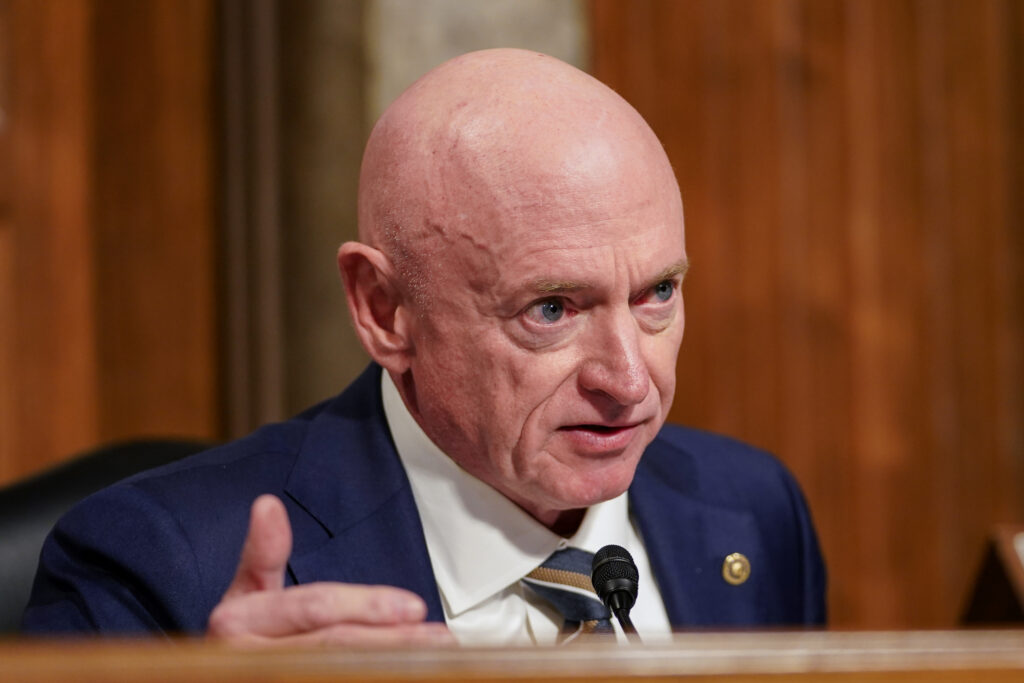
US Democratic lawmakers accused Donald Trump on Tuesday of using the FBI to “intimidate” members of Congress and said the law enforcement agency had requested interviews with them following their criticism of the president.The legislators were among six who this month called on military and intelligence personnel to refuse any “illegal orders” by Trump, who labeled them “traitors.””President Trump is using the FBI as a tool to intimidate and harass Members of Congress,” said a statement released by Jason Crow, Chris Deluzio, Maggie Goodlander and Chrissy Houlahan, who are all Democratic members of the House of Representatives.”Yesterday, the FBI contacted the House and Senate Sergeants at Arms requesting interviews,” they said. “No amount of intimidation or harassment will ever stop us from doing our jobs and honoring our Constitution.”The FBI in an email declined to comment. The White House did not immediately respond to a request for comment.The US military said on Monday it was weighing a court-martial against Democratic senator and former astronaut Mark Kelly, who had also appeared in the video released this month which urged troops to refuse unlawful orders.Kelly — a decorated Navy combat pilot and former astronaut who commanded the Space Shuttle Endeavour’s final flight — fired back that he would not be intimidated or “silenced by bullies.”Elissa Slotkin, another senator who appeared in the video, said in a post on X on Tuesday that the FBI “appeared to open an inquiry into me in response to a video President Trump did not like.””The President directing the FBI to target us is exactly why we made this video in the first place,” she said.The six Democrats who released the video did not specify which orders they meant, but Trump has ordered the National Guard into multiple US cities — often against local objections — to curb what he calls rampant unrest. Overseas, Trump has ordered strikes on alleged drug-smuggling vessels in the Caribbean and eastern Pacific Ocean that killed more than 80 people and which experts say are illegal.Trump initially accused the group of “seditious behavior, punishable by death.” Over the weekend, he wrote in an all-caps social media rant that the “traitors” who told troops to disobey him “should be in jail.”

Trump sends Witkoff to Moscow in hopes of finalizing Ukraine deal

Donald Trump said Tuesday he is sending his envoy Steve Witkoff to meet with Russian leader Vladimir Putin in Moscow next week as the US president seeks to close out a deal to end the war in Ukraine.Trump posted on his Truth Social platform that there were “only a few remaining points of disagreement” — but European leaders were skeptical, and Russian missiles continued to strike Ukraine.He also expressed hope to meet “soon” with Putin and Ukrainian President Volodymyr Zelensky, “but ONLY when the deal to end this War is FINAL or, in its final stages.”Trump later told journalists aboard Air Force One that his son-in-law Jared Kushner may join Witkoff in Moscow.Washington’s 28-point proposal to end the war may have originated in a call between Witkoff and Putin’s foreign policy advisor, according to a transcription of their conversation Bloomberg reported it had obtained. According to the transcript, Witkoff advised the creation of a 20-point peace plan for Ukraine “just like we did in Gaza,” and urged that Putin bring it up with Trump.The 28-point plan, backed by Trump and widely seen as favoring Moscow, has been replaced by another taking in more of Kyiv’s interests.An official familiar with the amended version told AFP it was “significantly better.”Witkoff will soon discuss that version with Putin in Moscow, though French President Emmanuel Macron has thrown cold water on the idea of a rapid solution.Speaking after a call between the so-called coalition of the willing, which supports Kyiv, Macron warned on Tuesday that there is “clearly no Russian willingness” for a ceasefire or the new, more Ukraine-friendly proposal.Yet US negotiator Dan Driscoll emerged upbeat from meeting with Russian counterparts, with his spokesman saying: “The talks are going well and we remain optimistic.”The White House cited “tremendous progress,” while cautioning “there are a few delicate but not insurmountable details that must be sorted out.”But the war, which began with Russia’s full-scale invasion of Ukraine in 2022, continued unabated.On Tuesday night, Russia launched a series of strikes on Zaporizhzhia that wounded 18 people and damaged 31 apartment blocks, the head of the regional military administration said.The night before, powerful explosions rocked Kyiv beginning around 1:00 am as Russian drones and missiles rained down, setting fires in apartment buildings. City officials said seven people were killed.Thick smoke, turning red and orange in the blizzard of Ukrainian air defense fire, rose over the capital as residents fled underground into metro stations, according to AFP reporters.- ‘Tough road ahead’  -Trump, who long boasted he could negotiate an end to the Ukraine war within 24 hours, announced last week that he wanted his proposal approved by Kyiv by this Thursday — the US Thanksgiving holiday.But the initial plan, pushing numerous Russian war aims, sparked alarm in Ukraine and Europe. Among its points were prohibitions on Ukraine ever joining NATO and the surrender of swaths of new territory to Russia.The updated plan clearly pleases Kyiv more. The official familiar with the text told AFP that one key improvement was raising a proposed cap on the country’s future military forces from 600,000 to 800,000 members.Ukrainian negotiator Rustem Umerov said Tuesday there was “common understanding on the core” of the deal between Ukraine and the United States.However, remaining details should be hammered out in direct talks “at the earliest suitable date,” he said.British Prime Minister Keir Starmer warned: “There’s still a long way to go and a tough road ahead.”Russia’s military occupies around a fifth of Ukraine, much of it ravaged by fighting. Tens of thousands of civilians and military personnel have been killed and millions have fled the east of the country.Ukrainian army Sergeant Ivan Zadontsev said negotiating was “healthy.””We also are getting tired of war. We need a break,” he told AFP.But the proposals by both Washington and the European Union “do not serve Ukraine’s national interests,” he said.burs-sms/lb/tc

Adapt or die: Latin America’s response to Trump

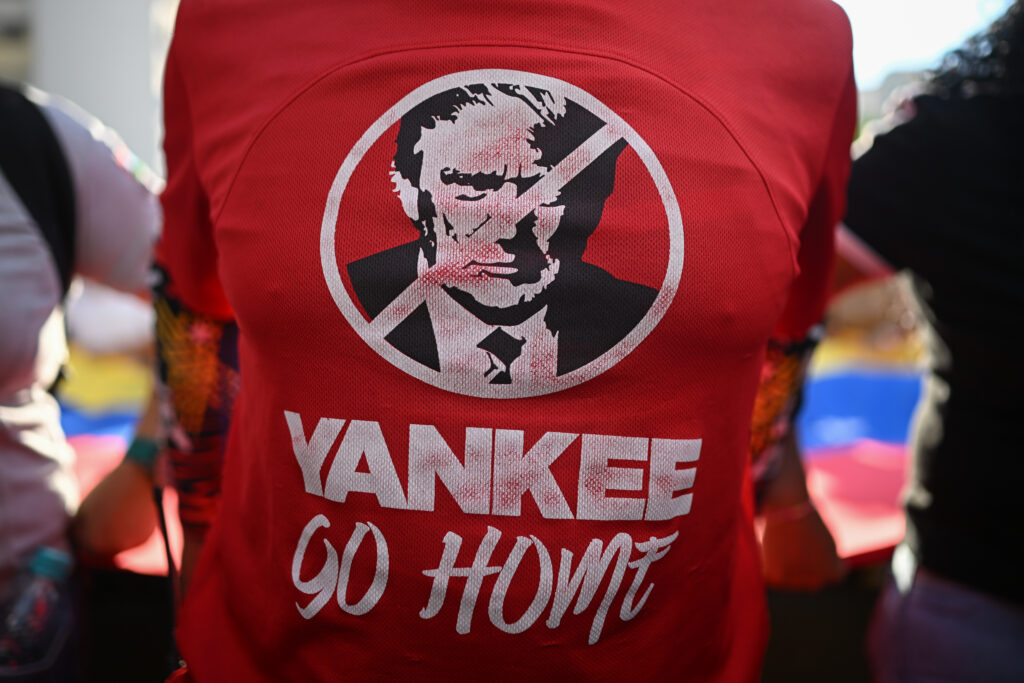
Latin America has navigated a minefield of economic and military coercion since Donald Trump’s return to the White House.Some leaders have fought back, some acquiesced. Some played possum.No country was left untouched by what many view as a return to US interventionism in what the Trump administration has taken to calling “our hemisphere.””Every Latin American country has a position of asymmetry with the United States. That is a baseline position,” said Alejandro Frenkel, international relations professor at Argentina’s San Martin University.Here is an overview of the tumult — and the varying responses:- ‘Whatever Trump wants’ -At one extreme, ideological ally Javier Milei of Argentina “does whatever Trump does and whatever Trump wants,” analyst Michael Shifter of the Inter-American Dialogue think tank in Washington told AFP.In desperate need of a powerful backer in his efforts to revive a long-ailing economy, Milei has been a vocal Trump cheerleader and has offered US manufacturers preferential access to the Argentine market.Trump lifted restrictions on Argentinian beef imports in a reciprocal deal and gave the country a multi-billion dollar lifeline.Also firmly in the Trump camp is gang-busting President Nayib Bukele of El Salvador — the first country to accept hundreds of migrants expelled under the second Trump administration.Rights groups said the men were tortured, but Bukele won concessions including a temporary reprieve for over 200,000 Salvadorans to live and work in the United States and send home much-needed dollar remittances.In Ecuador, President Daniel Noboa agreed to receive deported migrants and praised Trump’s military deployment and bombing of alleged drug-smuggling boats in the Caribbean and Pacific.Noboa won closer US cooperation in his own fight on gangs.- ‘Rude and ignorant’ -Colombia’s leftist leader Gustavo Petro has openly clashed with Trump, calling him “rude and ignorant” and comparing him to Adolf Hitler.Petro repeatedly denounced the Trump administration’s treatment of migrants and the “extrajudicial executions” of more than 80 people in strikes on alleged drug boats.He joined China’s Belt and Road infrastructure Initiative as he positioned Colombia closer to Beijing.The Trump administration has responded by accusing Petro of drug trafficking and imposing sanctions.Trump removed Bogota from a list of allies in the fight against narco trafficking, but the country escaped harsher punishment — possibly as Washington awaits the right’s likely return in 2026 elections.Fellow leftist Luiz Inacio Lula da Silva of Brazil has also tussled with Trump.But he is more “pragmatic and firm,” says Oliver Stuenkel, an international relations professor at the Getulio Vargas Foundation in Sao Paulo. Lula denounced foreign “interference” after Trump imposed punishing import tariffs on Brazil in retaliation for the coup trial against his right-wing ally Jair Bolsonaro.Twenty-five years ago, when the United States was its main trading partner, “Brazil would have had to make significant concessions,” said Stuenkel. But “Brazil now exports more to China than to the United States and Europe combined.” – ‘Silent diplomacy’ – Mexico’s President Claudia Sheinbaum has fewer options. Her country sends more than 80 percent of its exports to the United States, with which she is renegotiating a trade agreement.Sheinbaum has responded to Trump’s often harsh rhetoric about Mexican drug cartels and migration with what analysts dub “silent diplomacy” — hashing out issues behind closed doors.The president upped intelligence sharing, drug seizures and arrests of cartel leaders, and has escaped the worst of Trump’s tariff wrath.But she stood firm, insisting there can be no “subordination,” after Trump mulled military strikes on drug sites in Mexico.Also walking a tightrope is Panama’s President Jose Raul Mulino, who under US pressure withdrew his country from China’s Belt and Road Initiative.He also allowed the sale of ports owned by a Hong-Kong-based conglomerate on the Panama Canal, which Trump had threatened the United States would be “taking back.”- No provocation -In its own category is Venezuela, which fears that a large-scale US naval deployment in the Caribbean is aimed at ousting President Nicolas Maduro.The Venezuelan strongman is widely regarded as having stolen two re-elections and has few allies or economic backers.Under pressure, Caracas agreed to free American prisoners as Washington allowed Chevron to continue operations in the country with the world’s biggest known oil reserves.Venezuela has shifted to readiness mode in the face of the military buildup.But the Venezuelans are “trying hard not to provoke the US,” said Guillaume Long, a senior research fellow at the Washington-based Center for Economic and Policy Research and a former Ecuadoran foreign minister.

US lawmaker’s exit widens Republican fault lines

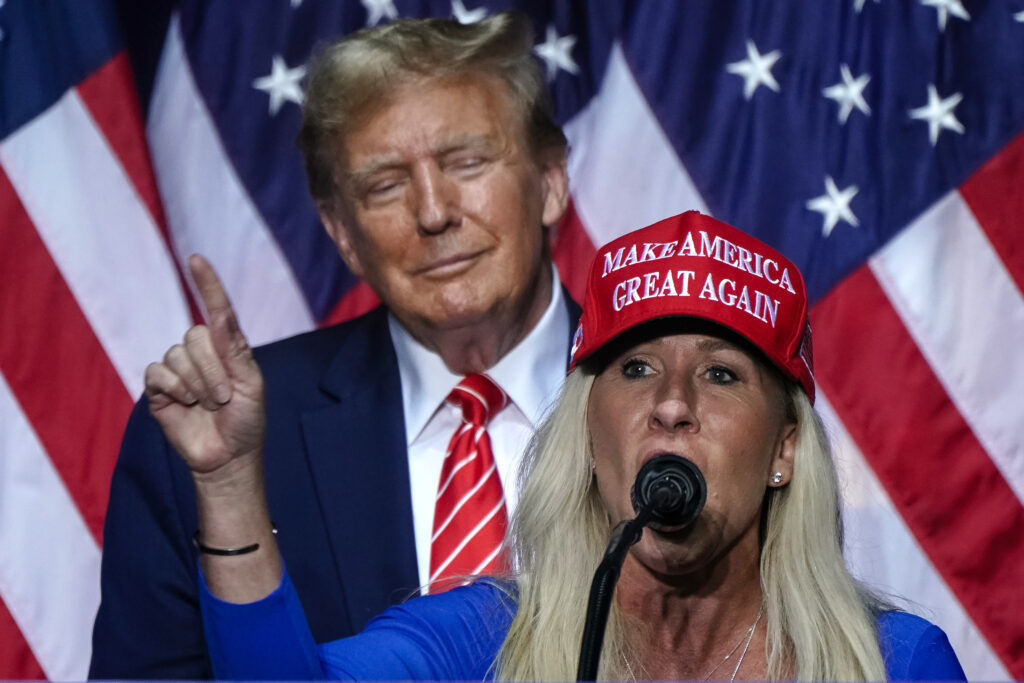
Marjorie Taylor Greene didn’t just resign from the US Congress — she detonated a political grenade on her way out, blasting open cracks in a dam that some fear could unleash a flood of Republican exits.The 51-year-old conservative provocateur stunned Washington last week with a blistering attack on President Donald Trump’s second-term agenda and the Republican leadership she accused of betraying voters. Her departure announcement immediately fueled talk that more exhausted or exasperated Republicans may follow — a dangerous prospect for a House of Representatives majority hanging by a thread.”The honeymoon’s over and some Republicans are realizing this isn’t what they signed up for,” political analyst Andrew Koneschusky, a former Senate staffer, told AFP.”The discontent is multifaceted — everything from the growing affordability crisis to the ongoing Epstein saga, the impact of trade wars, the concentration of executive power, the diminution of congressional power and the toxicity in our political discourse.”Greene’s four-page resignation read more like a manifesto than a farewell, blasting Trump, skewering Speaker Mike Johnson and denouncing a “Political Industrial Complex” serving elites while ordinary Americans struggle. Washington, she argued, isn’t gridlocked — it’s rotten: lawmakers face violent threats while serious legislation gathers dust, replaced by meaningless messaging bills and party loyalty tests.Johnson, she charged in a separate post, has “sidelined” Congress in “full obedience” to the White House, blocking votes on bills and smothering campaign promises made by Trump. – ‘Tinder box’ -Her critics have long branded her a chaos agent, but this time Greene’s fury is resonating. Indiana Republican Victoria Spartz posted that she couldn’t blame Greene for fleeing “an institution that has betrayed the American people.” Already, 41 House members plan to retire this term — unusually high halfway through — and Punchbowl News reported that more could follow as Republican lawmakers complain behind closed doors of being treated like “garbage.””More explosive early resignations are coming. It’s a tinder box,” said one, according to the politics news outlet. “Morale has never been lower.”The math is brutal: House Republicans hold a slim 219–213 majority even before Greene’s departure, and Democrats are eyeing an upset in next month’s special election in Tennessee. They should also pick up seats in Texas and New Jersey.Rank-and-file lawmakers have worked only a handful of days since July despite a $174,000 salary, and say they spend more time when they are in Washington on punitive resolutions and theatrics than governing. Frustration is now erupting in a surprising place: “discharge petitions,” an obscure tool allowing lawmakers to circumvent the leadership and force votes with 218 signatures. Once rare, they’ve become the rebellion weapon of choice. Last week, four Republicans defied Trump and Johnson to demand the release of documents on convicted sex offender Jeffrey Epstein. Five discharge petitions have succeeded under Johnson — more than in the previous 30 years combined.- ‘Go along or get out’ -Meanwhile, the temperature in Congress is rising in more ways than one. Threats against lawmakers have surged, a situation that some say has worsened since the recent assassination of conservative activist Charlie Kirk. Greene and Democrat Jared Golden both cited rising political violence as reasons for stepping aside.Zoom out, and the picture looks even bleaker. Public trust is cratering: Pew reported in 2023 that only 26 percent of Americans view Congress favorably. The last Congress passed the fewest bills in decades. Oversight has also weakened, according to the Bipartisan Policy Center, with fewer hearings, thinner witness testimony and implementation of watchdog recommendations increasingly spotty.”This is one of the toughest environments to be a lawmaker. If you’re a Democrat, you’re out of power and there’s only so much you can do,” said Koneschusky.”If you’re a Republican, you can’t exercise independent policy or political judgment without risking retribution from the administration. Many Republicans seem to feel there are only two choices: go along or get out of the game.”

US to slap big surcharge on foreign visitors to national parks

Foreign tourists visiting US national parks including the Grand Canyon and Yellowstone will now pay a hefty surcharge, the Trump administration announced Tuesday.The Department of the Interior, which operates the renowned US national parks, said that starting in 2026 visitors from abroad will have to pay $100 on top of the individual park fee to enter 11 of the most popular destinations in the system. The cost of an annual pass to all the parks will meanwhile more than triple to $250 for non-residents.”President Trump’s leadership always puts American families first,” said Secretary of the Interior Doug Burgum in a statement. “These policies ensure that US taxpayers, who already support the National Park System, continue to enjoy affordable access, while international visitors contribute their fair share to maintaining and improving our parks for future generations.”Long considered a jewel of American tourism, the 63 officially designated national parks receive hundreds of millions of visitors a year — nearly 332 million in 2024, according to the National Park Service.The standard cost of an “America the Beautiful” pass that offers unlimited annual access is currently a flat $80 for any purchaser.For day use, some parks charge fees by the vehicle, and others by the person — the annual pass covers all passengers plus the passholder, or up to four adults.Non-US residents who buy an annual pass will not be subject to the $100 surcharge on entry to the most visited parks, including Florida’s Everglades, Maine’s Acadia and California’s Yosemite, but that fee will apply to all other foreign visitors.The significant extra costs for most foreigners — US citizens and permanent residents won’t be impacted — follow President Donald Trump’s July executive order intended to “preserve” the parks for “American families.””Nonresidents will pay a higher rate to help support the care and maintenance of America’s parks,” read the Interior Department’s statement.The department also emphasized “patriotic fee-free days” for residents that would include President’s Day, Veteran’s Day and Trump’s birthday, which happens to fall on the annual observance of Flag Day.

US seeks retrial of main suspect in 1979 murder of six-year-old

US prosecutors asked a judge on Tuesday to re-try the main suspect in the infamous New York kidnap and murder of a six-year-old boy 46 years ago.In a case that still haunts US parents and forever changed the handling of child abductions, Etan Patz vanished on May 25, 1979 after leaving his parents’ home in Manhattan to walk alone for the first time to the school bus stop.Pedro Hernandez, then 18 years old and working in a convenience store near the bus stop, was convicted at a second trial. But a federal appeals court ruled in July that Hernandez must be released or re-tried because of errors in the second trial’s conduct.”The state trial court contradicted clearly established federal law,” the appeals court found, after defense attorneys complained about instructions given to jurors.Hernandez was arrested in 2012 following a tip to detectives. He had told family members he killed a child in New York, CNN reported at the time.The first trial ended in 2015 with the jury failing to reach a unanimous verdict.At trial, Hernandez was accused of luring Patz into the basement of the convenience store with the promise of a soda, choking him and putting his body out with the trash.While there was no material evidence against him, Hernandez confessed to the killing in 2012. He later retracted his confession and pleaded not guilty.A defense lawyer previously said Hernandez is innocent and has an IQ of 70, which puts him in the bottom two percent of the population.”The District Attorney has determined that the available, admissible evidence supports prosecuting defendant on the charges of Murder in the Second Degree and Kidnapping in the First Degree in this matter, and the People are prepared to proceed,” said the letter seen by AFP.In the letter to judge Ellen Biben, Manhattan prosecutors said they were ready to discuss a retrial during a hearing scheduled for December 1.Etan’s disappearance shocked Americans and fueled a generation of hyper-vigilant parenting.His parents only discovered he was missing after he failed to come home from school at the end of the day. His body was never found, and the case was one of the city’s great unsolved crimes for decades.Photographer Stan Patz’s pictures of his son were the first of a missing child to be featured on milk cartons as part of a nationwide search.