AFP Asia

Strings of identity: Kashmir’s fading music endures

In a modest workshop filled with the fragrance of seasoned wood, 78-year-old Ghulam Mohammad Zaz continues a craft his family has preserved for eight generations — the making of the Kashmiri santoor.Surrounded by tools that have outlived artisans, he works slowly, each strike and polish echoing centuries of tradition crafting the musical instrument.”Seven generations have worked and I am the eighth; I have no guarantee anyone after me will do this work,” Zaz said softly, speaking in Kashmiri.Once, several of his family members shared this craft in the heart of Kashmir’s main city Srinagar, in the Indian-administered part of the Himalayan territory.Today, he is the last in the city to make the instruments by hand.”If I tell anyone to make something, they won’t know what to do or how to make it,” said Zaz, who produces around eight to 10 instruments every year, selling for around 50,000 rupees ($565) each.”It is not as simple as just picking some wood — one needs to find the right kind of wood.”The santoor, a hundred-stringed zither-like instrument played with hammers, has long been central to Kashmir’s musical identity, giving the Muslim-majority region its cultural distinctiveness.The contested Himalayan territory has been divided between India and Pakistan since independence from Britain in 1947.Militants have fought Indian rule, demanding independence or a merger with Pakistan.Tensions remain high between New Delhi and Islamabad.In May, clashes between the nuclear-armed rivals sparked the worst fighting since 1999, killing more than 70 people in missile, drone and artillery exchanges.- Mystical music -Historically, the santoor formed the backbone of “sufiana musiqi”, Kashmir’s mystical music tradition, with its hypnotic and reverberating sound bringing tranquillity.”Musicians used to come from Iran to Kashmir, they used to play santoor and other instruments,” said Muzaffar Bhat, a music professor at a government college in Anantnag.”They used to sing in Persian… we adapted the santoor from them and assimilated it into our music.”The instrument received a new life in the 20th century.In the 1950s, celebrated Indian musician Shivkumar Sharma — born in Jammu and Kashmir in 1938 — used the santoor to play classical music.”Due to that, this became popularised in the classical circles throughout India,” Bhat said.Suddenly, the santoor was no longer confined to Kashmiri sufiana gatherings -— it had become a celebrated voice in Indian classical music.Yet tradition faced challenges as Western instruments and global music trends began to overshadow local sounds.”A lot of our traditional Kashmiri instruments became sidelined,” said Bhat.For craftsmen like Zaz, this meant fewer patrons, fewer students, and the slow decline of a centuries-old family profession.Zaz sells his instruments in Kashmir, but also receives orders from Europe and the Middle East.But there is hope. A revival, however modest, is taking root.”Since the last few years, a new trend has started,” Bhat said. “Our youngsters have started to learn our traditional instruments.”

‘Clog the toilet’ trolls hit Indian visa holders rushing to US

Vacationing in India, engineer Amrutha Tamanam rushed to return to the United States after Donald Trump abruptly announced a $100,000 fee for the visa she holds.As she scrambled to get back to the country she’s called home for a decade, racially motivated far-right trolls launched coordinated efforts to disrupt flight bookings from India, calling their campaign “clog the toilet.”The White House would later clarify that the new H-1B fee was a one-time payment not applicable to current holders. But leading US companies had already advised their employees abroad to swiftly return to avoid the fee or risk being stranded overseas.Tamanam, an Austin-based software engineer, began searching for a flight from the city of Vijayawada, as users on the far-right message board 4chan moved to overwhelm  reservation systems, in a bid to block Indian visa holders from booking tickets.One 4chan thread encouraged users to find India-US flights, “initiate the checkout process” but “don’t checkout,” thereby clogging the system and preventing the visa holders from reaching the United States before the announcement took effect.The campaign may have had a direct impact on Tamanam, who encountered repeated crashes on airline websites. The checkout page, which typically allows users a window of a few minutes, timed out much faster.After multiple attempts, she eventually managed to rebook a one-way ticket to Dallas on Qatar Airways, spending around $2,000 — more than double the cost of her original round-trip fare.”It was hard for me to book a ticket and I paid a huge fare for the panic travel,” Tamanam told AFP.- ‘Keep them in India’ -The 4chan thread –- which also circulated among far-right Trump supporters on Telegram and other fringe forums — read: “Indians are just waking up after the H1B news. Want to keep them in India? Clog the flight reservation system!”Responding posts, many riddled with racist slurs, advised users to hold seats for popular India-US routes on airline websites and booking platforms — without completing the purchase.The stated goal was to block availability on high-demand flights, making it harder to find available seats and inflating prices.Illustrating the scale of the operation, one 4chan user posted a screenshot of their browser and claimed: “I got 100 seats locked.””Currently clogging the last available seat on this Delhi to Newark flight,” another wrote.Several 4chan users also posted about holding up seats on Air India and slowing the airline’s website. However, an Air India spokesperson told AFP the site experienced no disruptions, with systems operating normally.- ‘Shared antipathy’ –Though difficult to measure the campaign’s overall effectiveness, the trolling was an attempt to “cause panic among H-1B visa holders,” Heidi Beirich, co-founder of the Global Project Against Hate and Extremism, told AFP.”The real scary thing about 4chan is its ability to radicalize people into extremist beliefs,” Beirich said, adding that several US mass shooters had published manifestos to the site.H-1B visas allow companies to sponsor foreign workers with specialized skills — such as scientists and computer programmers — to work in the United States, initially for three years but extendable to six.The United States awards 85,000 H-1B visas per year on a lottery system, with India accounting for around three-quarters of the recipients.In an age of information warfare, the troll operation illustrates how bad actors can launch disruptive attacks “with the stroke of a keyboard,” said Brian Levin, founder of the Center for the Study of Hate and Extremism.”As nationalistic politics takes hold across the world, an informal international association of opponents will use an array of aggressive tools, including the internet,” Levin told AFP.”What I think is so relevant is how rapidly it spread, how diverse the nations represented were, and how shared antipathy across international borders can be mobilized online.”

India warns not to condone ‘terrorist epicenter’ Pakistan

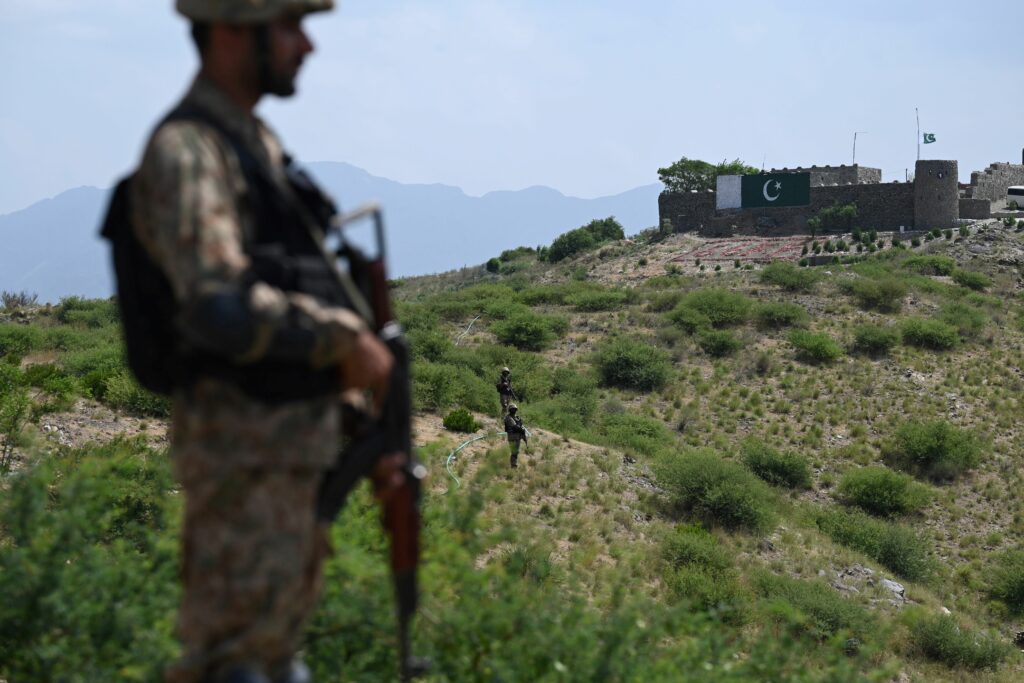
India on Saturday warned countries against turning a blind eye to what it called support for terrorism from Pakistan, which has basked in closer relations with US President Donald Trump.Addressing the UN General Assembly a day after Pakistan used the forum to appeal for talks, Indian Foreign Minister Subrahmanyam Jaishankar demanded “much deeper global cooperation” against terrorism.”India has confronted this challenge since independence, having a neighbor that is an epicenter of global terrorism,” Jaishankar said, without saying Pakistan’s name.”For decades now, major international terrorist attacks are traced back to that one country,” he said.”Those who condone nations that sponsor terror will find that it comes back to bite them,” he said, also without naming countries.India in May launched attacks on military sites in Pakistan after suspected Islamist gunmen massacred tourists, nearly all Hindus, on the Indian side of divided Kashmir.Jaishankar said that India “exercised its right to defend its people against terrorism.”Pakistan denied responsibility. In his own UN address on Friday, Pakistani Prime Minister Shehbaz Sharif said India showed “arrogance” and received a “bloody nose” with counterattacks.Sharif before the UN summit traveled to Washington to meet alongside Pakistan’s military chief with Trump, who has voiced hope of mediating between India and Pakistan.Indian Prime Minister Narendra Modi has played down Trump’s role in reaching a ceasefire in May and stuck to New Delhi’s refusal of outside mediation on Kashmir.Pakistan by contrast has heaped praise on Trump and said he deserves the Nobel Peace Prize, rekindling Islamabad’s relationship with Washington that had grown tense during the two-decade Afghanistan war.Trump has ramped up tariffs on India, pointing to its purchases of oil from sanctioned Russia.Jaishankar in his speech said that India will need to correct “overdependence on a particular market.””We now see tariff volatility and uncertain market access. As a result, de-risking is a growing compulsion,” he said.

Nissanka ton in vain as India edge Sri Lanka in Super Over

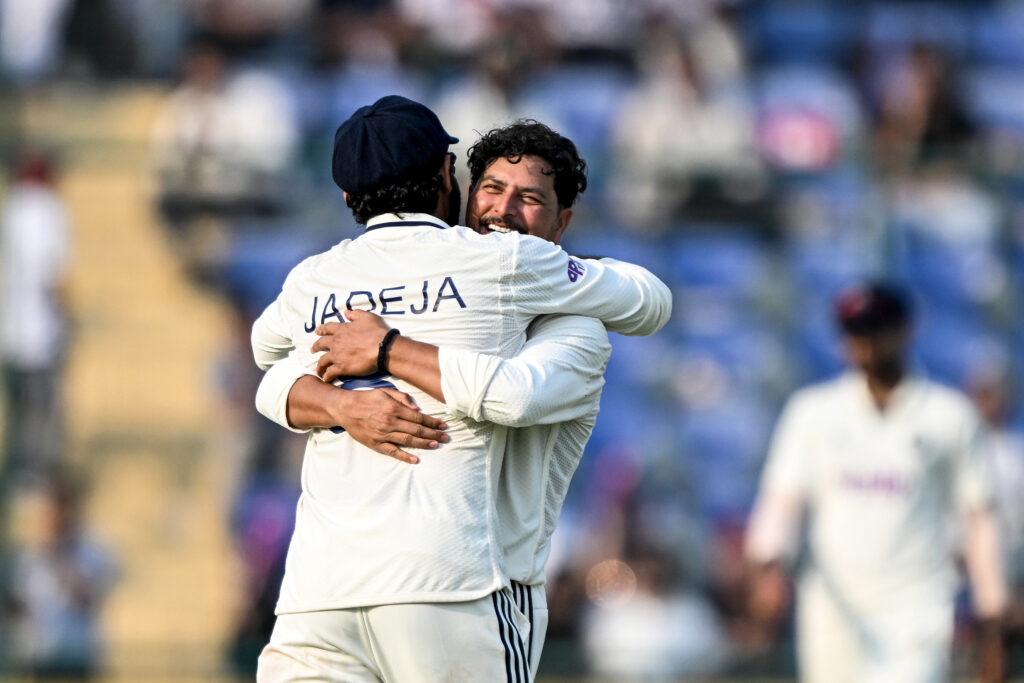
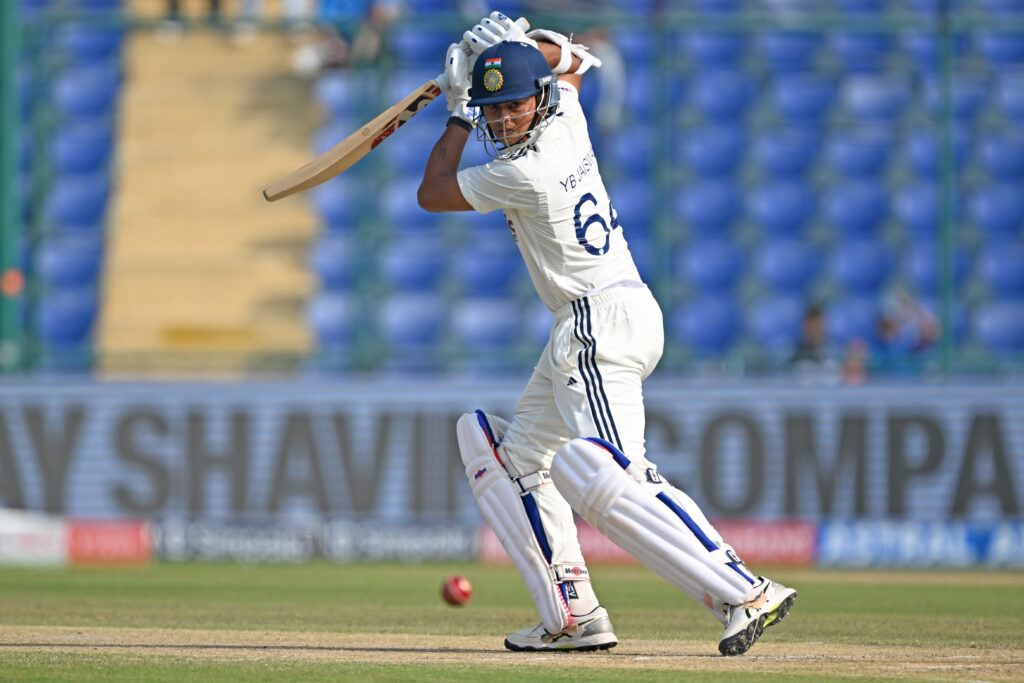
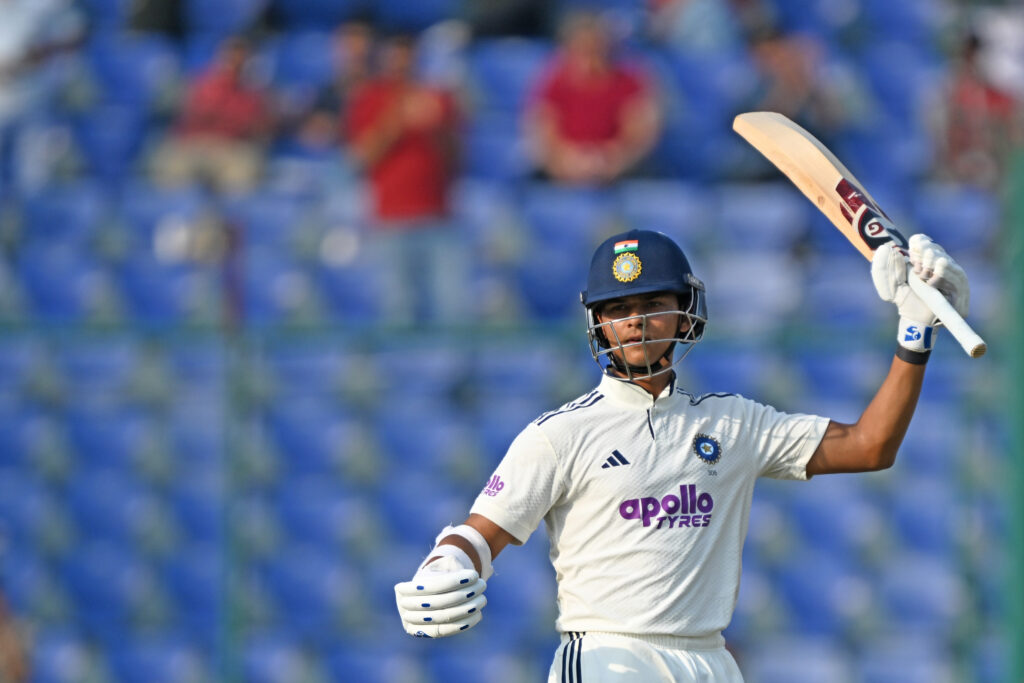
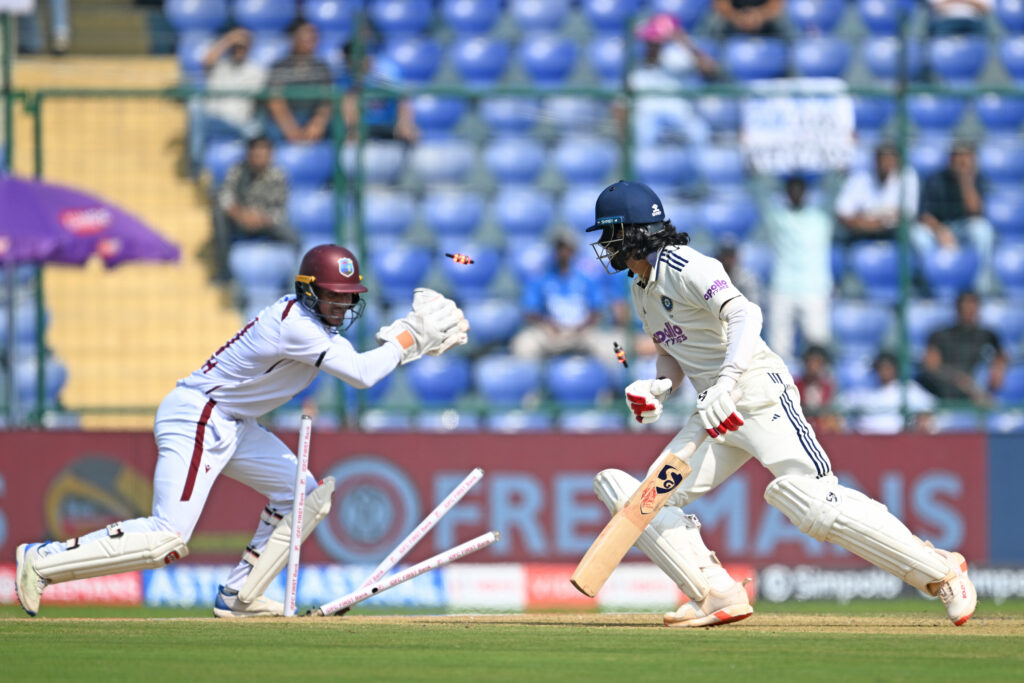
Defending champions India survived a scintillating century by Pathum Nissanka to edge out Sri Lanka in a Super Over after their Asia Cup match ended in a tie on Friday.India, who had already booked their place in the final against Pakistan, posted an impressive 202-5.In reply, however, Nissanka hammered 107 off 58 balls to lead Sri Lanka’s chase which also ended on 202-5 in the last Super Four contest of the regional tournament in Dubai.Sri Lanka managed just two runs from their Super Over which was bowled by Arshdeep Singh. Kusal Perera sliced the first ball to deep point and Dasun Shanaka’s dismissal from the fifth ball marked the end of the innings.It took India skipper Suryakumar Yadav just one ball to settle the match which meant his side remain unbeaten in six matches ahead of the final against arch-rivals Pakistan on Sunday at the same venue.Nissanka stood out with his first T20 century laced with seven fours and six sixes and his 127-run second-wicket partnership with left-hander Perera, who made 58.Mystery spinner Varun Chakravarthy broke the stand with the wicket of Perera as slow bowlers got India back into the game.With 12 to get off the last over, Harshit Rana dismissed Nissanka on the first ball and restricted Sri Lanka to 11, sending the match into a Super Over. Put in to bat, India posted a challenging total after opener Abhishek Sharma hit 61 off 31 balls.The left-handed Abhishek set the tone with a 59-run second-wicket stand with Suryakumar, who fell after a scratchy 12.Abhishek, who has a strike-rate of over 200 in the regional tournament, reached his third successive fifty with two straight boundaries to take the attack to the opposition.Skipper Charith Asalanka cut short Abhishek’s blitz before Tilak Varma and wicketkeeper-batsman Sanju Samson put on 66 for the fourth wicket.India lost two more wickets including Samson for 39 but Varma, who hit 49, and fellow left-hander Axar Patel with 21, steered the team past 200.Tournament favourites India and Pakistan will clash for the third time in the tournament with relations strained between the teams.The showdown comes months after deadly fighting between the nuclear-armed neighbours, who have not played a bilateral series in over a decade.Their most recent meetings in the group stage and Super Four round of this Asia Cup saw India skipper Suryakumar refusing to shake hands with counterpart Salman Agha.Players from both sides also skipped post-match handshakes after the first and second encounters.

UN identifies 158 firms linked to Israeli settlements

The United Nations on Friday released a long-awaited update of its database of companies with activities in Israeli settlements in Palestinian territories, listing 158 firms from 11 countries.UN rights chief Volker Turk has condemned as a war crime Israel’s policy of settlements on Palestinian territory in the occupied West Bank.While several companies including Alstom and Opodo had been removed from the non-exhaustive database, major firms such as Airbnb, Booking.com, Motorola Solutions and TripAdvisor remained on the list. Contacted by AFP for their reaction, the companies have not so far responded.While most of the companies were based in Israel, others were based in Canada, China, France, Germany, Luxembourg, the Netherlands, Portugal, Spain, Britain and the United States.The report, from the Office of the High Commissioner for Human Rights (OHCHR), urged companies to “take appropriate action to address the adverse human rights impacts” of their activities.Turk said in a statement: “This report underscores the due diligence responsibility of businesses working in contexts of conflict to ensure their activities do not contribute to human rights abuses.”Israel denounced the report as “a document with no legal ground and far beyond the scope of the OHCHR”.The country’s UN office in Geneva added: “The OHCHR continues to misuse UN resources to tarnish Israel, proving that it is not able to execute its mandate in any adequate way.”We call on friends not to yield to this ugly attempt to blacklist Israeli firms.”- Mostly Israeli firms -The list was first produced in 2020 after a UN Human Rights Council resolution called for a database of firms that profited from business in illegally occupied Palestinian territory. The UN rights office was asked to list companies found to be taking part in any of 10 activities, including construction, surveillance, demolitions and destruction of agricultural land in Israeli settlements in the West Bank, including East Jerusalem.Listing companies in the database was “not, and does not purport to be, a judicial or quasi-judicial process”, it stressed.Despite a requirement for the database to be updated annually, it has been revised just once before, in 2023, when some companies named in the original list were removed.Friday’s release marks the first update that includes fresh names.”A total of 68 new companies were added to the list published in 2023, while seven of those… were removed as they were no longer involved in any of the activities concerned,” the rights office said.- Contentious -The list is not exhaustive, the rights office said, acknowledging that it had only had time to review 215 of the 596 companies about which it received submissions.For this latest update it said it had prioritised companies with a direct physical link in the settlements, in the fields of construction, real estate, mining and quarries.The remainder will be assessed in future updates, it said.The exercise has been contentious from the start.In 2020, Israel and the United States  condemned the creation of the database.The then Israeli foreign minister Israel Katz slammed it as “a shameful surrender to pressure from countries and organisations who want to harm Israel”.Today, nearly two years into the war raging in Gaza, where Israel faces growing accusations of committing genocide, the issue has become even more contentious.Israel has controlled the West Bank since 1967 in an occupation considered illegal under international law.Violence in the West Bank has also soared since the October 7, 2023, Hamas attack on Israel at the start of the Gaza war, even as Israeli government ministers have ramped up their calls to annex the West Bank.

Nepal’s new PM faces uphill battle after deadly unrest

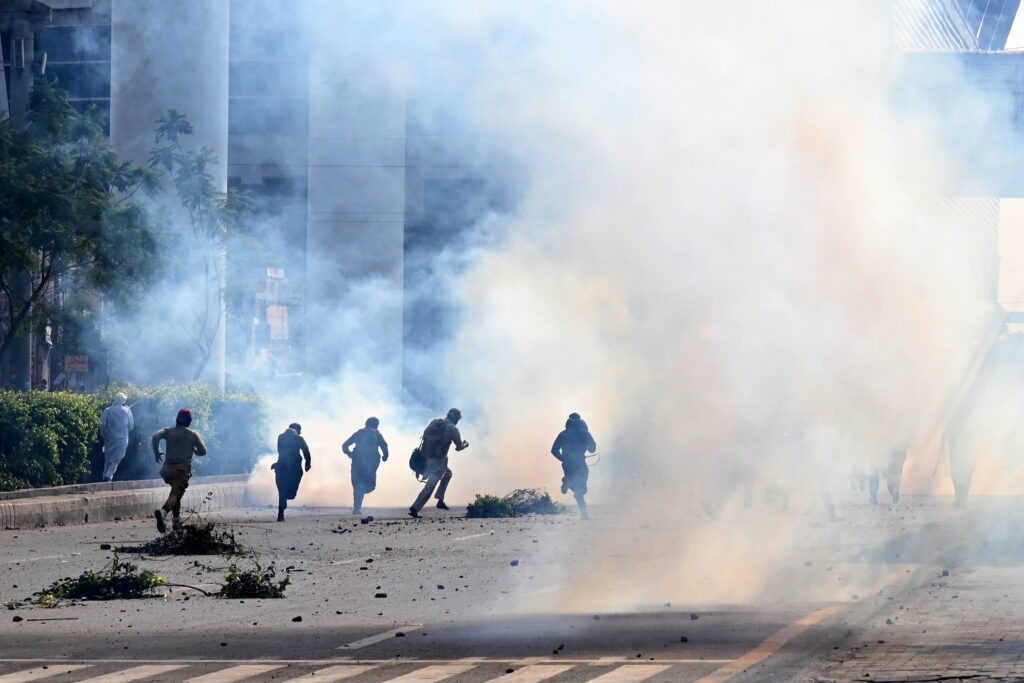
After Nepal’s deadliest unrest in decades, caretaker Prime Minister Sushila Karki is working to forge her cabinet, restore order and prepare for elections within six months.Karki, a 73-year-old former chief justice, faces the challenge of balancing her limited mandate with public pressure for reforms, especially on corruption and accountability.Youth-led protests that began on September 8 over a brief social media ban, economic hardship and corruption quickly morphed into nationwide fury after a deadly crackdown.Two days of violence left at least 73 people dead, with parliament and government buildings set ablaze — ultimately toppling the previous government.Parliament was dissolved shortly after, and elections are set to be held in March next year.Karki, who has named seven ministers so far, faces multiple challenges ahead.- Elections – The interim government’s core task is to hold credible polls on March 5, 2026. Narayan Prasad Bhattarai, spokesman for the Election Commission told AFP there “might be challenges”, but insisted “six months is enough time”.Deep public distrust in Nepal’s established parties and a changed political landscape will complicate the task.”The 2026 elections will have huge stakes and bring with them the threat of political violence,” wrote Ashish Pradhan of the International Crisis Group.Pradhan told AFP that if the election timetable slips, people could feel “they have no recourse but to take to the streets again”.- Corruption – Youth anger over corruption fuelled the protests, with viral videos contrasting their hardship with the wealth of the ruling elite.Nepal ranks 107 out of 180 on Transparency International’s corruption perceptions index.Karki has said she is “determined” to tackle corruption, and has launched a hotline to report government bribery.The World Bank says a “staggering” 82 percent of Nepal’s workforce is in informal employment, with GDP per capita at just $1,447 in 2024.Every day, over 2,000 Nepalis leave the country to seek employment abroad, according to the International Labour Organization.More than 56 percent of the 30 million people are aged under 30, and jobs for the young are hard to find.- Accountability -The government has formed a panel to probe protest violence.Nirajan Thapaliya, from Amnesty International Nepal, said it must be an “impartial investigation”.Some protesters were seen brandishing rifles on the second day of the unrest, with weapons allegedly seized from the police.KP Sharma Oli, the ousted prime minster, has blamed “infiltrators” for inciting bloodshed and alleges the rifles came from another source.- Economy -The unrest battered Nepal’s fragile economy.”Averting financial collapse — the state was  already facing troubling economic headwinds prior to the protests — is sure to consume much of the interim government’s attention,” Pradhan says.The Federation of Nepalese Chambers of Commerce and Industry (FNCCI) estimates the private sector, including automobile, hotel and retail industries, endured losses worth $600 million. The Hotel Association said more than 20 properties were damaged — including by arson and looting — estimating losses at $177 million, with more than 2,000 workers affected.The country’s biggest supermarket chain, Bhat Bhateni, had more than 20 outlets attacked. Some were burned to the ground.”If the government takes strong steps against corruption and shows commitment to good governance, it will help rebuild investment confidence,” said Sujeev Shakya of the Nepal Economic Forum.That would ease worries in the tourist industry, the country’s fourth largest employer.- Security -More than 13,500 prisoners escaped jail during the violence, and only half have returned.Around 1,000 guns and ammunition were looted, The Kathamandu Post newspaper reported, citing police documents.Re-establishing security while rebuilding trust in institutions will be among the most urgent tests for Karki’s government.

India retires Soviet fighter jet after six decades

India’s Russian-built MiG-21s flew for the final time Friday, marking the end of an era for the country’s first supersonic fighter jet — lauded for its valour but tarnished by a legacy of some 400 crashes.Crowds cheered as officials staged a grand farewell for the final two MiG-21 squadrons, totalling around 36 aircraft, at an air force base in the northern city of Chandigarh.The send-off came a day after New Delhi signed a $7-billion deal to acquire 97 domestically designed and built Tejas jets as it seeks to modernise its Soviet-era fleet.The farewell ceremony included a mock dogfight between Russian MiGs and a colourful display by the Surya Kiran aerobatic team.The retired jets will likely be put up for public display, though the government has yet to announce any plans.Defence minister Rajnath Singh, senior air force officials, including veterans who piloted the MiG-21, watched as the storied aircraft made their last pass.First inducted in the 1960s, India operated a staggering 874 MiG-21s.Plans to retire them in the 1990s were repeatedly delayed amid local production setbacks, bureaucratic obstacles and corruption scandals.”MiG-21’s legacy is undeniable. It was a capable — if flawed — fighter that formed the Indian Air Force’s backbone for decades,” former Air Marshal Raghunath Nambiar told AFP on the sidelines of the event.He credited a key MiG-21 bombing campaign for hastening India’s victory over Pakistan in the 1971 war that led to the creation of Bangladesh.Rajnath said MiG-21’s contribution to India would be remembered in “golden letters”.”It has played all kinds of roles in these years and it isn’t without reason that it was known as a bird of all seasons,” the minister said. “It has made us proud in every historic mission, so this is also a farewell to our collective memories,” he added.Age caught up with the Soviet-era jet, once renowned for its simplicity and ruggedness.- ‘Flying coffin’ -Engine flameouts, hydraulic failures, and electrical faults were frequent and with no backup systems, emergency landings and ejections became all too common, he added.The MiG-21’s grim reputation earned it the infamous “flying coffin” moniker in its later years.Over roughly 40 years, 482 MiG crashes were recorded, claiming the lives of 171  pilots in India as of 2012, according to defence ministry figures.The causes of the accidents were attributed to “both human error and technical defects”, defence ministry data said.”It’s time to let it go — not as a flawless icon, but as a sobering reminder of the sacrifices made by those who flew it,” Nambiar said.Indian air force spokesman Wing Commander Jaideep Singh said the MiG-21 had served for almost 62 years, completing its full service. “If the jet was a human being I am sure it’d have emotions right now for going out of service,” Singh, who is also an MiG-21 pilot, told AFP.”It is third generation aircraft and now the generation of aircrafts has changed,” he said, adding that India  would have to “move to new tactics with changing times”.With the MiG-21’s retirement, India, the world’s fifth-largest economy, is set to intensify its push for domestic arms production and new international partnerships.In April, India signed a multi-billion-dollar deal to purchase 26 Rafale fighter jets from France’s Dassault Aviation. They will join 36 Rafale fighters already acquired.India is also working with a French company to develop and manufacture fighter jet engines at home.Angad Singh, co-author of a book on the MiGs, told AFP the country faced an “unenviable position” given its current fighter shortfall.He, however, added that India was putting its full weight behind the improved Tejas aircraft and was in talks to buy another 114 Rafales.Regional security concerns loom large for India, especially after an intense four-day clash with arch-rival Pakistan in May, their worst standoff since 1999.Both sides claimed victory, each boasting of downing the other’s fighter jets.

India retires ‘flying coffin’ Soviet fighter jet after six decades

India’s Russian-built MiG-21s flew for the final time Friday, marking the end of an era for the country’s first supersonic fighter jet — lauded for its valour but tarnished by a legacy of some 400 crashes.Crowds cheered as officials staged a grand farewell for the final two MiG-21 squadrons, totalling around 36 aircraft, at an air force base in the northern city of Chandigarh.The send-off came a day after New Delhi signed a $7-billion deal to acquire 97 domestically designed and built Tejas jets as it seeks to modernise its Soviet-era fleet.The farewell ceremony included a mock dogfight between Russian MiGs and a colourful display by the Surya Kiran aerobatic team.The retired jets will likely be put up for public display, though the government has yet to announce any plans.Defence minister Rajnath Singh, senior air force officials, including veterans who piloted the MiG-21, watched as the storied aircraft made their last pass.First inducted in the 1960s, India operated a staggering 874 MiG-21s.Plans to retire them in the 1990s were repeatedly delayed amid local production setbacks, bureaucratic obstacles and corruption scandals.”MiG-21’s legacy is undeniable. It was a capable — if flawed — fighter that formed the Indian Air Force’s backbone for decades,” former Air Marshal Raghunath Nambiar told AFP on the sidelines of the event.He credited a key MiG-21 bombing campaign for hastening India’s victory over Pakistan in the 1971 war that led to the creation of Bangladesh.But age caught up with the Soviet-era jet.- ‘Flying coffin’ -“Designed for simplicity, the MiG-21 was meant to be rugged but faltered as it aged,” Nambiar said. Engine flameouts, hydraulic failures, and electrical faults were frequent and with no backup systems, emergency landings and ejections became all too common, he added.The MiG-21’s grim reputation earned it the infamous “flying coffin” moniker in its later years.Over roughly 40 years, 482 MiG crashes were recorded, claiming the lives of 171  pilots in India as of 2012, according to defence ministry figures.”It’s time to let it go — not as a flawless icon, but as a sobering reminder of the sacrifices made by those who flew it,” Nambiar said.With the MiG-21’s retirement, India, the world’s fifth-largest economy, is set to intensify its push for domestic arms production and new international partnerships. In April, India signed a multi-billion-dollar deal to purchase 26 Rafale fighter jets from France’s Dassault Aviation. They will join 36 Rafale fighters already acquired.India is also working with a French company to develop and manufacture fighter jet engines at home.Angad Singh, co-author of a book on the MiGs, told AFP the country faced an “unenviable position” given its current fighter shortfall.He, however, added that India was putting its full weight behind the improved Tejas aircraft and was in talks to buy another 114 Rafales.Regional security concerns loom large for India, especially after an intense four-day clash with arch-rival Pakistan in May, their worst standoff since 1999.Both sides claimed victory, each boasting of downing the other’s fighter jets.

South Asia monsoon: climate change’s dangerous impact on lifeline rains

South Asia’s annual monsoon rains sustain more than a billion people, but climate change is making them increasingly erratic and deadly, with poor infrastructure only exacerbating the impact.Farming, water supplies and hydropower across much of South Asia rely on the seasonal rains, but research shows climate change is causing longer dry spells punctuated by bursts of extreme rain.- What is the monsoon? -Derived from the Arabic “mausim”, or season, the monsoon is a reversal of winds driven by differences in land and sea heating. These patterns are observed in several places on Earth.In South Asia, the Southwest Monsoon brings rains that start in southern India in late May and sweep north until September.By October, the Northeast Monsoon begins. As the land cools, winds blow seaward, picking up moisture from the Bay of Bengal before raining over southern India and Sri Lanka.- What changes are happening? -“Climate change is beginning to reshape the behaviour of the Indian monsoon”, India’s government said this year, warning of “more frequent” long, dry stretches and “more intense” wet spells.Extreme daily rainfall events rose about 75 percent between 1950 and 2015, according to the India Meteorological Department.Nearly half the season’s rain now falls within “just 20 to 30 hours,” a government briefing note said.In Pakistan, the monsoon arrived earlier than usual this year, and “excessive” rain fell in the last week of June, meteorological office spokesman Irfan Virk told AFP.By mid-August, the country had received 50 percent more rain than last year, according to disaster authorities.- What role does climate change play? -The full impact of climate change on monsoon patterns is not entirely clear because of the complexities involved in the seasonal rains.But “there is a tendency and expectation for more intense and perhaps prolonged monsoons,” said Agus Santoso at University of New South Wales’ Climate Change Research Centre.Warmer seas evaporate more moisture into the air, and a warmer atmosphere can hold more moisture, he explained.”So when it rains, it pours.”But there are other considerations, including the impact of El Nino and La Nina weather patterns, which are themselves more variable, “likely due to climate change,” added Santoso.And predicting future changes is complicated, said climate scientist Shakil Romshoo of the Islamic University of Science and Technology.”In most of the Indian subcontinent and mountainous regions in the world, we don’t have a very dense network of observation,” he told AFP.This makes it “difficult to discern patterns and predict.”- What is the impact? -The monsoon has long brought floods and landslides to South Asia, but the annual toll has risen over the last decade, experts in India said.This year, heavy rains also devastated India’s breadbasket Punjab region, where rain surged nearly two-thirds above average.Erratic rains impact soil health and irrigation timing.”A delay or failure in this season can affect food supply, livelihoods, and the wider economy”, India’s government says.In Pakistan, over 1,000 people have been killed in this year’s monsoon, nearly triple the figure last year, and rains have prompted massive evacuations in the country’s Punjab region.Standing water can carry disease or encourage reproduction of vectors like mosquitos. Flood damage and evacuations also threaten livelihoods and education across the region.- What else contributes? -“Accelerated glacier melt” and deforestation weaken rain-soaked slopes and raise the risk of deadly landslides, according to the Nepal-based International Centre for Integrated Mountain Development.And vast highways, tunnels, dams and railways carved into mountains without adequate environmental checks only worsen the problem, experts say. “Rapid, unplanned development, deforestation, river-channel modifications, and poorly sited infrastructure destabilise slopes and block natural drainage,” said Anjal Prakash, climate scientist at India’s Bharti Institute of Public Policy.

In India’s Mumbai, the largest slum in Asia is for sale

Stencilled just above the stairs, the red mark in Mumbai’s Dharavi slum is tantamount to an eviction notice for residents like Bipinkumar Padaya.”I was born here, my father was born here, my grandfather was born here,” sighed the 58-year-old government employee.”But we don’t have any choice, we have to vacate.”Soon, bulldozers are expected to rumble into Asia’s largest slum, in the heart of the Indian megalopolis of Mumbai, flattening its labyrinth of filthy alleyways for a brand-new neighbourhood.The redevelopment scheme, led by Mumbai authorities and billionaire tycoon Gautam Adani, reflects modern India — excessive, ambitious, and brutal.If it goes ahead, many of Dharavi’s million residents and workers will be uprooted.”They told us they will give us houses and then they will develop this area,” Padaya said.”But now they are building their own planned areas and trying to push us out. They are cheating us.”On the fringes of Dharavi, Padaya’s one-storey home is crammed into a tangle of alleys so narrow that sunlight barely filters through.- Engine room and underbelly -Padaya says his ancestors settled in the fishing village of Dharavi in the 19th century, fleeing hunger and floods in Gujarat, 600 kilometres (370 miles) to the north.Waves of migrants have since swelled the district until it was absorbed into Mumbai, now home to 22 million people.Today, the sprawl covers 240 hectares and has one of the highest population densities in the world — nearly 350,000 people per square kilometre.Homes, workshops and small factories adjoin each other, crammed between two railway lines and a rubbish-choked river.Over the decades, Dharavi has become both the engine room and the underbelly of India’s financial capital.Potters, tanners and recyclers labour to fire clay, treat hides or dismantle scrap, informal industries that generate an estimated $1 billion annually.British director Danny Boyle set his 2008 Oscar-winning film “Slumdog Millionaire” in Dharavi — a portrayal that residents call a caricature.For them, the district is unsanitary and poor — but full of life.”We live in a slum, but we’re very happy here. And we don’t want to leave,” said Padaya.- ‘City within a city’ -A five-minute walk from Padaya’s home, cranes tower above corrugated sheets shielding construction. The redevelopment of Dharavi is underway — and in his spacious city-centre office, SVR Srinivas insists the project will be exemplary.”This is the world’s largest urban renewal project,” said the chief executive of the Dharavi Redevelopment Project (DRP). “We are building a city within a city. It is not just a slum development project.” Brochures show new buildings, paved streets, green spaces, and shopping centres.”Each single family will get a house,” Srinivas promised. “The idea is to resettle hundreds of thousands of people, as far as possible, in situ inside Dharavi itself.”Businesses will also remain, he added — though under strict conditions.Families who lived in Dharavi before 2000 will receive free housing; those who arrived between 2000 and 2011 will be able to buy at a “low” rate.Newer arrivals will have to rent homes elsewhere.- ‘A house for a house’ -But there is another crucial condition: only ground-floor owners qualify.Half of Dharavi’s people live or work in illegally built upper floors.Manda Sunil Bhave meets all requirements and beams at the prospect of leaving her cramped two-room flat, where there is not even space to unfold a bed.”My house is small, if any guest comes, it is embarrassing for us,” said the 50-year-old, immaculate in a blue sari.”We have been told that we will get a house in Dharavi, with a toilet… it has been my dream for many years.”But many of her neighbours will be forced to leave.Ullesh Gajakosh, leading the “Save Dharavi” campaign, demands “a house for a house, a shop for a shop”. “We want to get out of the slums… But we do not want them to push us out of Dharavi in the name of development. This is our land.”Gajakosh counts on the support of local businesses, among them 78-year-old leatherworker Wahaj Khan.”We employ 30 to 40 people,” he said, glancing around his workshop. “We are ready for development. But if they do not give us space in Dharavi, our business will be finished.”- ‘A new Dharavi’ – Abbas Zakaria Galwani, 46, shares the same concern.He and the 4,000 other potters in Dharavi even refused to take part in the census of their properties.”If Adani doesn’t give us as much space, or moves us somewhere from here, we will lose,” Galwani said.More than local authorities, it is Adani — the billionaire tycoon behind the conglomerate — who has become the lightning rod for criticism.His fortune has soared since Prime Minister Narendra Modi took office in 2014. So it was little surprise when his group won the Dharavi contract, pledging to invest around $5 billion.Adani holds an 80 percent stake in the project, with the state government controlling the rest. He estimates the overall cost at $7–8 billion and hopes to complete it within seven years.He has publicly vowed his “good intent” and promised to create “a new Dharavi of dignity, safety and inclusiveness”.Sceptics suspect he’s after lucrative real estate.Dharavi sits on prime land next to the Bandra-Kurla business district — home to luxury hotels, limousine showrooms and high-tech firms.”This project has nothing to do with the betterment of people’s lives,” said Shweta Damle, of the Habitat and Livelihood Welfare Association.”It has only to do with the betterment of the business of a few people.”She believes that “at best” three-quarters of Dharavi residents will be forced to leave.”An entire ecosystem will disappear,” she warned. “It’s going to be a disaster.”