Israeli security cabinet meets on ceasefire deal
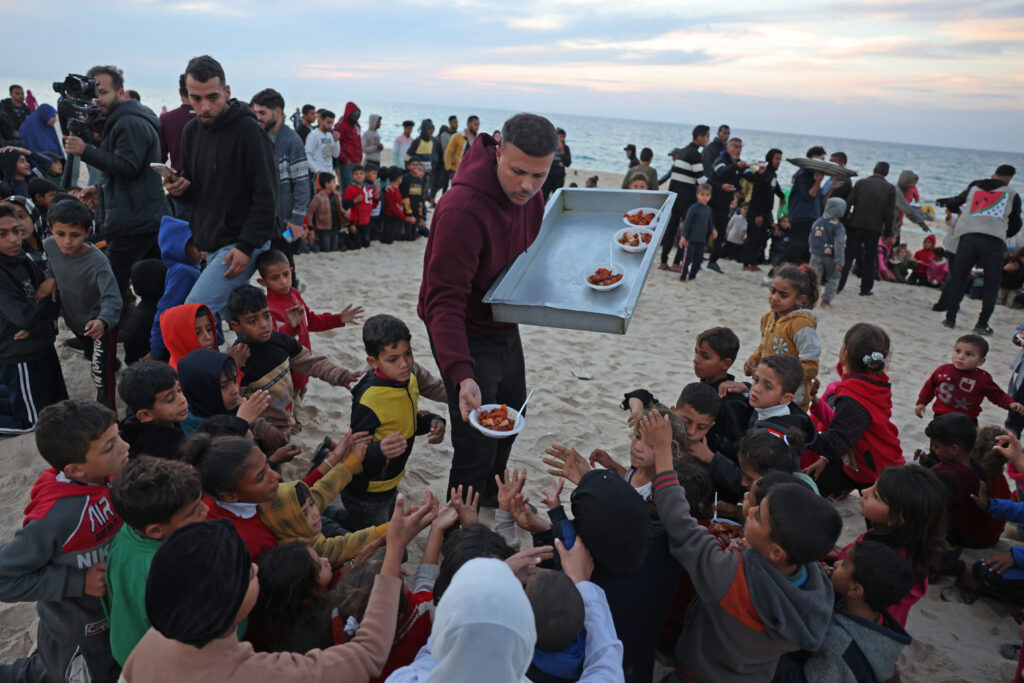
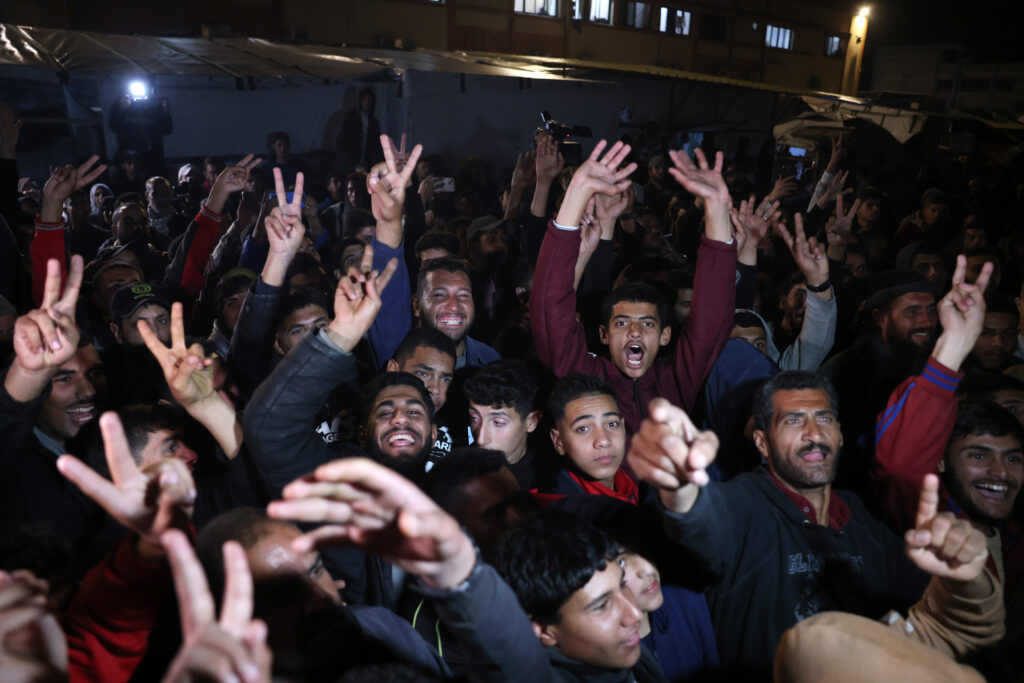
Israel’s security cabinet met Friday to vote on a Gaza ceasefire and hostage release deal that should take effect this weekend.If approved, the agreement would halt fighting and bombardment in Gaza’s deadliest-ever war and initiate on Sunday the release of dozens of hostages held in the territory since Hamas’s October 7, 2023 attack on Israel.Under the deal struck by Qatar, the United States and Egypt, the ensuing weeks should also see the release of hundreds of Palestinian prisoners held in Israeli jails.Israeli strikes have killed dozens of people since the deal was announced, while Israel’s military said Thursday it had hit about 50 targets across Gaza over the past day.The ceasefire would take effect on the eve of Donald Trump’s inauguration as president of the United States.”The security cabinet meeting to discuss and vote on the deal has started,” an Israeli official told AFP.Should the plan be approved, “the release of the hostages can proceed according to the planned framework, with the hostages expected to be released as early as Sunday”, the office of Prime Minister Benjamin Netanyahu said.Even before the start of the truce, Gazans displaced by the war to other parts of the territory were preparing to return home.”I am waiting for Sunday morning when they will announce the ceasefire,” said Nasr al-Gharabli, who fled his home in Gaza City for a camp further south in the territory.”I will go to kiss my land, and I already regret leaving Gaza and my land. If I die on my land, it would be better than being here as a displaced person.”In Israel, there was joy but also pain over the fate of hostages who have died or been killed since their capture.In Tel Aviv, pensioner Simon Patya said he felt “great joy” that some hostages would return alive, but also “great sorrow for those who are returning in bags, and that will be a very strong blow, morally”.- ‘Confident’ -The lead-up to Friday’s meeting has been fraught with uncertainty, with Netanyahu’s office accusing Hamas of reneging on key parts of the deal to extort last-minute concessions — an allegation Hamas denied.Once the security cabinet votes on the agreement, it will go to the government for final approval.At least two far-right cabinet members had voiced opposition to the deal, but US Secretary of State Antony Blinken, whose government is Israel’s close ally, said he believed the ceasefire would go ahead on schedule.”I am confident, and I fully expect that implementation will begin, as we said, on Sunday,” he said.- Dozens killed – Gaza’s civil defence agency said Israel pounded several areas of the territory after the deal was announced on Wednesday, killing more than 100 people and wounding hundreds since then.Hamas’s armed wing, the Ezzedine al-Qassam Brigades, warned that Israeli strikes were risking the lives of hostages due to be freed under the deal, and could turn their “freedom… into a tragedy”.The war began with the October 7 Hamas attack on Israel, which resulted in the deaths of 1,210 people, mostly civilians, according to an AFP tally of official Israeli figures.During the attack, the deadliest in Israeli history, Palestinian militants also took 251 people hostage, 94 of whom are still being held in Gaza, including 34 the Israeli military says are dead.Israel’s ensuing campaign has destroyed much of Gaza, killing 46,788 people, most of them civilians, according to figures from the Hamas-run territory’s health ministry that the UN considers reliable.- Trump and Biden -The ceasefire agreement followed intensified efforts from mediators after months of fruitless negotiations, and with Trump’s team taking credit for working with US President Joe Biden’s administration to seal the deal.”If we weren’t involved in this deal, the deal would’ve never happened,” Trump said in an interview Thursday.A senior Biden official said the unlikely pairing had been a decisive factor in reaching the deal.Qatari Prime Minister Sheikh Mohammed bin Abdulrahman bin Jassim Al-Thani, announcing the agreement on Wednesday, said an initial 42-day ceasefire would see 33 hostages released, including women, “children, elderly people, as well as civilian ill people and wounded”.Also in the first phase, Israeli forces would withdraw from Gaza’s densely populated areas and allow displaced Palestinians to return “to their residences”, he said.Two sources close to Hamas told AFP three Israeli women soldiers would be the first to be released on Sunday evening.They would be received by Red Cross aid workers as well as Egyptian and Qatari teams, one source said on condition of anonymity.”They will then be transported to Egypt, where they will be handed over to the Israeli side present there to complete the handover and conduct necessary medical examinations,” the source said.”Afterward, they will be transported directly to Israel. (Israel) is then expected to release the first group of Palestinian prisoners, including several with high sentences,” the source added.Biden said the second phase of the agreement could bring a “permanent end to the war”.He added the deal would “surge much needed humanitarian assistance to Palestinian civilians, and reunite the hostages with their families”.burs-ser/ysm