

AFP Asia Business
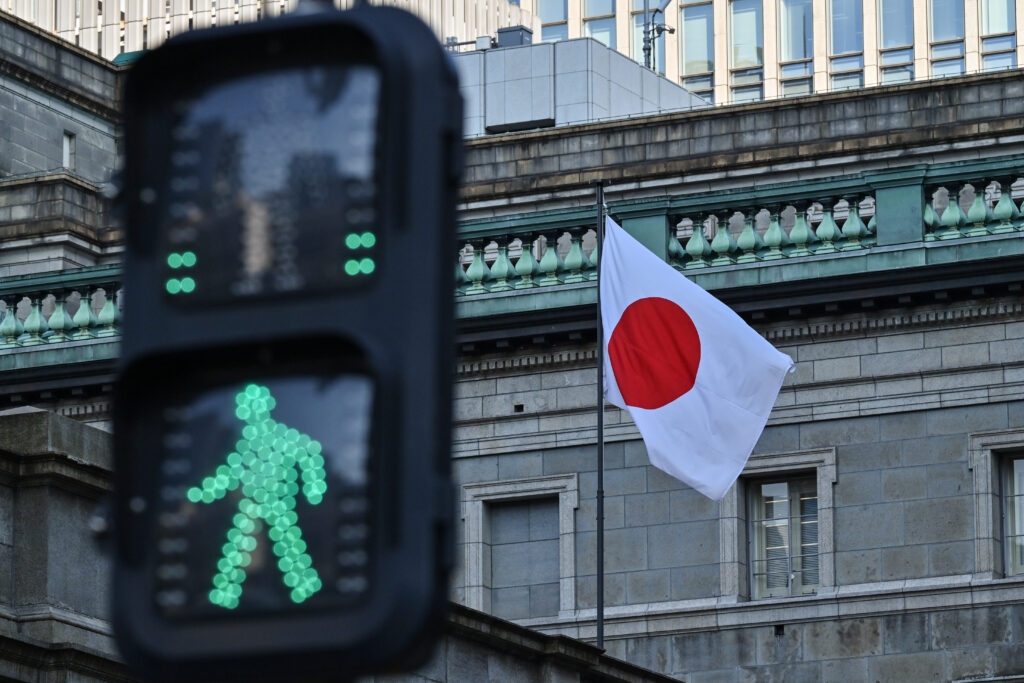
Asian markets build on Trump rally, yen steady ahead of BoJ
Asian markets rose Friday after a record day on Wall Street in response to Donald Trump’s tax-cut pledge, while the yen weakened slightly ahead of an expected interest rate hike by the Bank of Japan later in the day.In a much-anticipated speech via video link at the Davos World Forum in Switzerland, the new president …
Asian markets build on Trump rally, yen steady ahead of BoJ Read More »
Climate change cooks up Japanese ‘cabbage shock’
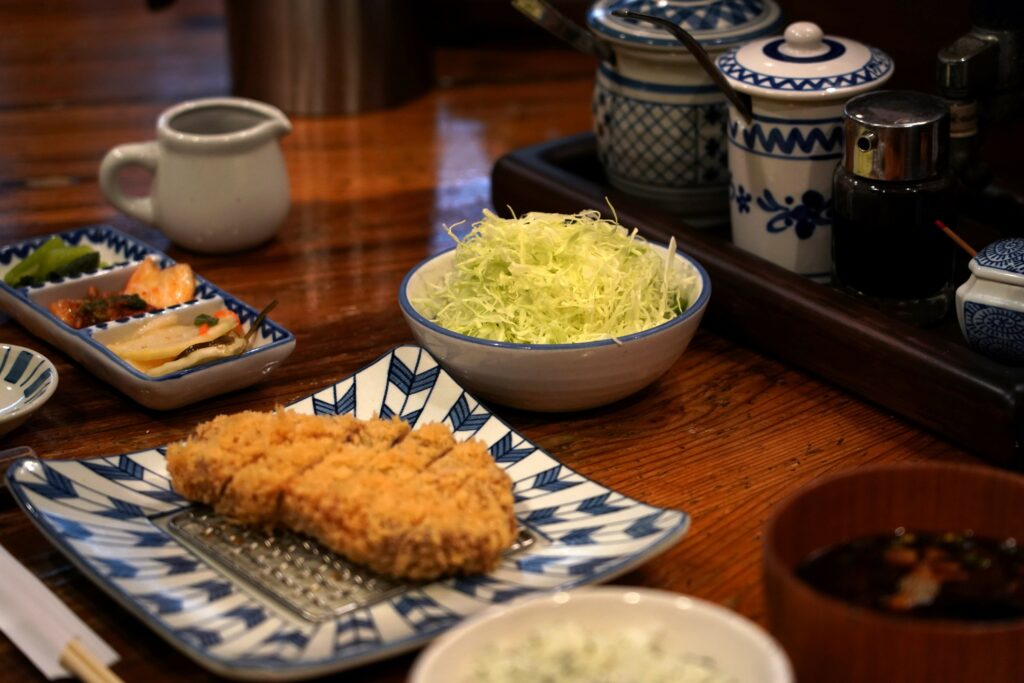
Japan’s much-loved “tonkatsu” pork cutlets come with a mound of freshly shredded cabbage, but a surge in the price of the humble vegetable has prompted chef Katsumi Shinagawa to skimp on servings.The culprit is a changing climate. Last year’s record summer heat and heavy rain ruined crops, driving up the cost of the leafy green …
Climate change cooks up Japanese ‘cabbage shock’ Read More »
Smog chokes Baghdad as oil-fired factories belch out smoke
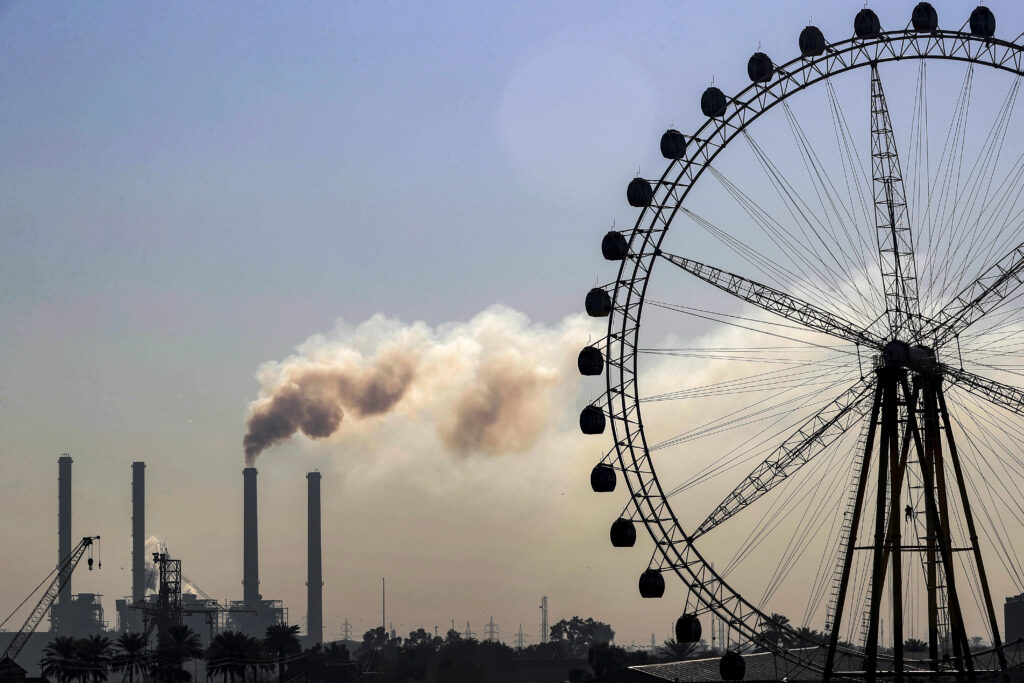
Iraqi grocery store owner Abu Amjad al-Zubaidi is grappling with asthma, a condition his doctor blames on emissions from a nearby power plant that fills his Baghdad neighbourhood with noxious smoke.In winter, a thick smog frequently envelops the city of nine million people as the fumes belched out by its many oil-fired factories are trapped by a layer of cold air.The stench of sulphur permeates some districts, where brick and asphalt factories run on heavy fuel oil, taking advantage of generous state subsidies in the world’s sixth biggest oil producer.In a bid to tackle the worsening air quality, authorities recently shut down dozens of oil-fired factories and instructed others to phase out their use of heavy fuel oil.”Every time I went to the doctor he told me to stop smoking. But I don’t smoke,” Zubaidi told AFP.When his doctor finally realised that Zubaidi lived just metres from the Dora power plant in south Baghdad, he told him its emissions were the likely cause of his asthma.Power plants and refineries spew thick grey smoke over several areas of Baghdad.”We can’t go up to our roofs because of the fumes,” Zubaidi said.”We appealed to the prime minister, the government and parliament. Lawmakers have come to see us but to no avail,” the 53-year-old complained. He is not the only victim of air pollution. Many of his neighbours suffer from chronic asthma or allergies, he said.Waste incineration and the proliferation of private generators in the face of patchy mains supply also contribute significantly to Baghdad’s air pollution.- Sixth most polluted -In 2023, the air monitoring site IQAir ranked Iraq as the sixth most polluted country in terms of air quality.Levels of the cancer-causing PM2.5 pollutants, microparticles small enough to enter the bloodstream through the lungs, are seven to 10 times the World Health Organization (WHO) guideline values. IQAir warned that exposure to PM2.5 “leads to and exacerbates numerous health conditions, including but not limited to asthma, cancer, stroke and lung disease”.It found that air pollution levels in Baghdad were “unhealthy for sensitive groups”.According to the US embassy, air quality in the capital frequently enters the red zone, leading to “health effects”, particularly for vulnerable groups.In October, Prime Minister Mohammed Shia al-Sudani ordered a committee to investigate the causes of the “odorous sulphur emissions” so that they can be stopped.Environment ministry spokesperson Amir Ali attributed the pollution to “industrial activities near the capital” — particularly the brickworks and asphalt plants in the Nahrawan industrial zone in southeast Baghdad.There lie “the largest number of factories responsible for the emissions”, he said.Ali also blamed private generators and refineries, including in Dora.The pollution was exacerbated by “weather conditions, shifts in temperature, the direction of the wind, and increased humidity”, his ministry said.- Green belt –In December, authorities announced the closure of 111 brickworks “due to emissions” that breach environmental standards, along with 57 asphalt plants in the Nahrawan industrial zone.The industry ministry has also instructed brickworks to phase out their use of heavy fuel oil within 18 months and replace it with liquefied natural gas.The government has banned waste incineration inside and outside landfills and has said it will improve “fuel quality at Dora refinery and address gas emissions and wastewater discharges”.Iraq is one of the world’s largest oil producers, and sales of crude oil account for 90 percent of state revenues, so its transition to renewable fuels remains a distant goal.Environmental activist Husam Sobhi urged authorities to keep up their efforts to phase out heavy fuel oil.”It is difficult for a country like Iraq to let go of oil but we can use better quality oil than heavy fuel oil,” Sobhi said.He also called on planning authorities to put a stop to the city’s sprawl into the surrounding countryside.”Baghdad is in dire need of a green belt which would serve as a lung for the city to breathe,” he said.
Trump Davos address lifts S&P 500 to record, dents oil prices
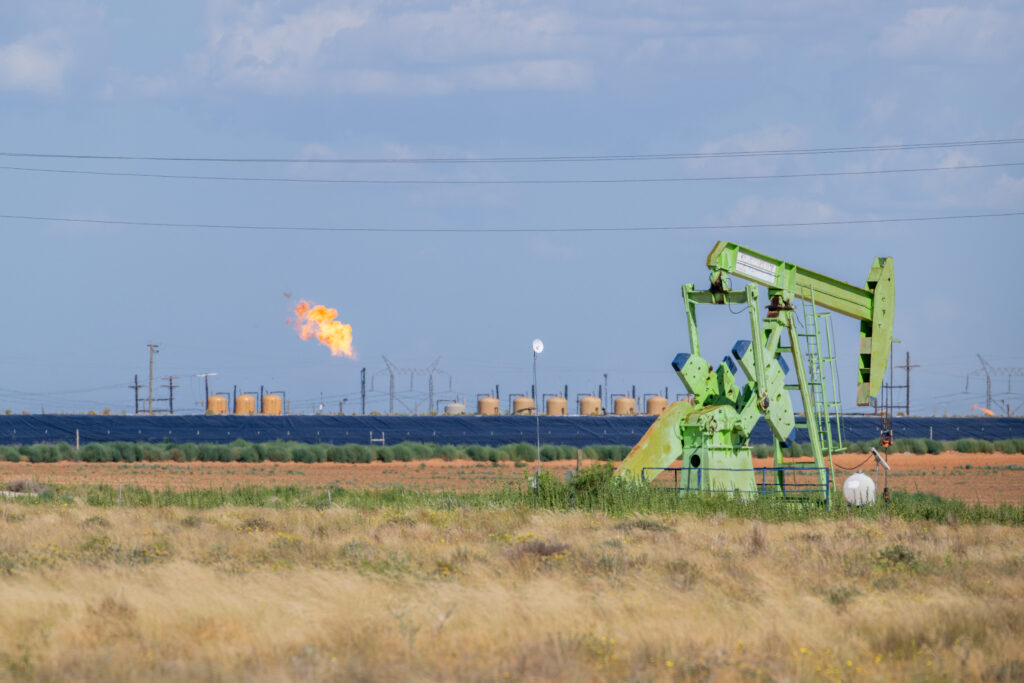
The S&P 500 finished at a fresh all-time record Thursday as US stocks shrugged off early weakness, welcoming President Donald Trump’s pledge to cut corporate taxes.In a much-anticipated video appearance at the World Economic Forum in Davos, Trump pushed for lower interest rates and said he would cut taxes for companies investing in the United …
Trump Davos address lifts S&P 500 to record, dents oil prices Read More »
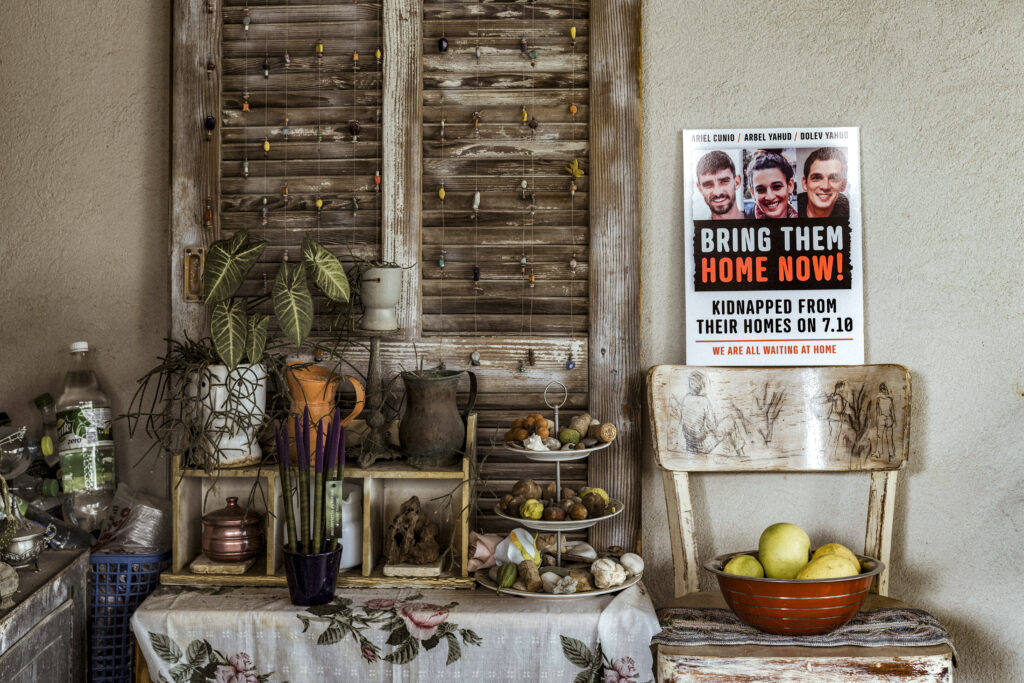
Gaza hostage families conflicted over those not on release list
The families of Israeli hostages held in Gaza are trapped in limbo, two days before the second prisoner exchange of the Israel-Hamas ceasefire, with many having relatives both on the list to be freed and those who aren’t. Among them is Silvia Cunio, an Argentine-Israeli from the Nir Oz kibbutz community. She has two sons in captivity, one of whom was taken along with his partner Arbel Yehud.She is on the list — but the Cunio brothers, David and Ariel, are not. They are among the 91 hostages taken captive during Hamas’s October 7, 2023, attack and still held in the Gaza Strip. Of that number, 34 are dead according to the Israeli military. The ceasefire’s 42-day first phase began on Sunday with the release of three women hostages. A total of 33 captives are to be exchanged during the initial phase in return for around 1,900 Palestinian prisoners held in Israeli jails.Standing in front of the office of Israeli Prime Minister Benjamin Netanyahu in Jerusalem, Cunio demanded that the ceasefire deal continue beyond the first phase to completion so she could see her sons again. “I came here to say that I continue to fight for my children… to demand that they stop the war and don’t stop fighting for my children”, she said, wearing a T-shirt with their image on it. Cunio presented herself as an untrammelled optimist, saying that her sons “will come back in good health. That is my hope and it is what keeps me going”.Whenever she appears on TV, Cunio addresses her sons directly, just in case they might hear her. – ‘Waiting for you’ -“David, my darling, Ariel… I am here, I am fighting, I am doing everything I can. We love you. Be strong. We are here waiting for you.”Another hostage relative, Sharon Sharabi, has two brothers Eli and Yossi in Gaza. Eli is presumed alive. The Israeli military said early last year that Yossi was dead.As a man over 50, Eli Sharabi is on the list of 33 to be freed, alongside women, children and hostages who are ill or injured. The release of the remaining 61 people taken by Palestinian militants is dependent on further negotiations.”As far as we know, Eli is alive. We have not received any statement from the security forces or the (military) confirming that Eli is no longer alive. So we want to maintain this optimism and pray that we will see him on his feet very soon,” said Sharabi.Moved by the possibility, he allowed himself to imagine a reunion between his nearly octogenarian mother and his brother.Yet, within moments, anxiety intruded. If his brother Eli returns, Sharon Sharabi will have to tell him that his wife and two daughters were killed on October 7, 2023, and that their brother Yossi died in captivity. Yossi and Eli were taken captive from Beeri, a kibbutz community where Eli’s wife and teenage daughters were found dead in their home.- ‘They cut me in half’ -Itzik Horn, 72, also an Argentine-Israeli, has similar contrasting emotions. He hopes for the release of his son Yair, 46, who is on the list of 33 because of his diabetes.But there is also the pain of his other son, Eitan, 38, remaining in Gaza.”They cut me in half. This is an impossible situation. One son might be released, and the other one isn’t,” Horn said. Eitan was visiting his older brother in Nir Oz on October 7, when militants took the two of them hostage. The kibbutz, less than three kilometres (two miles) from the Gaza border, was hit extremely hard during the Hamas attack. More than 30 people were killed in Nir Oz and 70 taken hostage, with 25 still in the Gaza Strip. Horn was angry, insisting that “everyone has to return, including the bodies”.He admitted that dark humour helped him cope with the pain. “Yair inherited his diabetes from me and he was always mad at me (for it). Now, if he’s freed first because of his illness, he’ll be able to thank me,” he joked. Asked what he would do if, after the first phase of the ceasefire the war resumed, Horn said: “I’m going to burn the country down… because that’s like signing their death sentence.”