AFP Asia Business

Journalist quits broadcaster after comparing French actions in Algeria to Nazi massacre

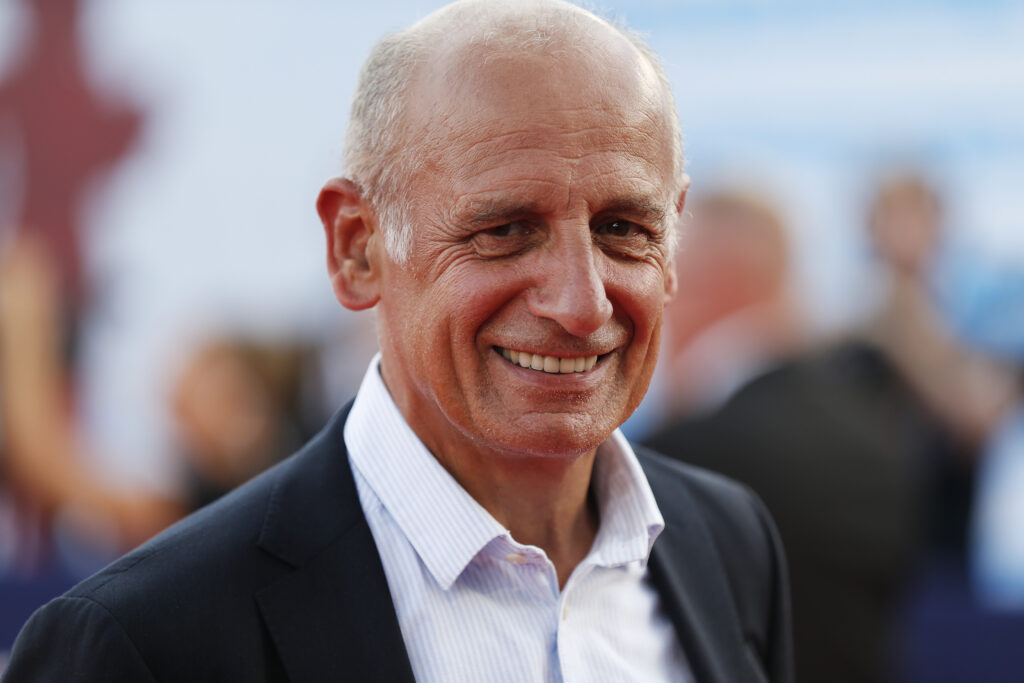
A prominent French journalist on Sunday announced he was stepping down from his role as an expert analyst for broadcaster RTL after provoking an uproar by comparing French actions during colonial rule in Algeria to a World War II massacre committed by Nazi forces in France.Jean-Michel Aphatie, a veteran reporter and broadcaster, insisted that while he would not be returning to RTL he wholly stood by his comments made on the radio station in late February equating atrocities committed by France in Algeria with those of Nazi Germany in occupied France. “I will not return to RTL. It is my decision,” the journalist wrote on the X, after he was suspended from air for a week by the radio station.On February 25 he said on air: “Every year in France, we commemorate what happened in Oradour-sur-Glane — the massacre of an entire village. But we have committed hundreds of these, in Algeria. Are we aware of this?”He was referring to the village of Oradour-sur-Glane, where an SS unit returning to the front in Normandy massacred 642 residents on June 10, 1944. Leaving a chilling memorial for future generations, the village was never rebuilt. Challenged by the anchor over whether “we (the French) behaved like the Nazis”, Aphatie replied: “The Nazis behaved like us”.On X, he acknowledged his comments had created a “debate” but said it was of great importance to understand the full story over France’s 1830-1962 presence in Algeria, saying he was “horrified” by what he had read in history books. After being suspended for a week by the channel it means that “if I come back to RTL I validate this and admit to making a mistake. This is a line that cannot be crossed”.His comments had prompted a flurry of complaints to audio-visual regulator Arcom which has opened an investigation. France’s conduct in Algeria during the 1954-1962 war that led to independence and previous decades remain the subject of often painful debate in both countries.Historians from both sides have over the last years documented numerous violations including arbitrary killings and detention carried out by French forces and the history still burdens French-Algerian relations to this day.The far-right in France has long defended French policies in those years with Algeria War veteran Jean-Marie Le Pen, who co-founded the National Front (FN) party and died earlier this year, drawing much support from French settlers who had to return after independence.

‘Roads full of corpses’: terrified Alawites in Syria flee attacks

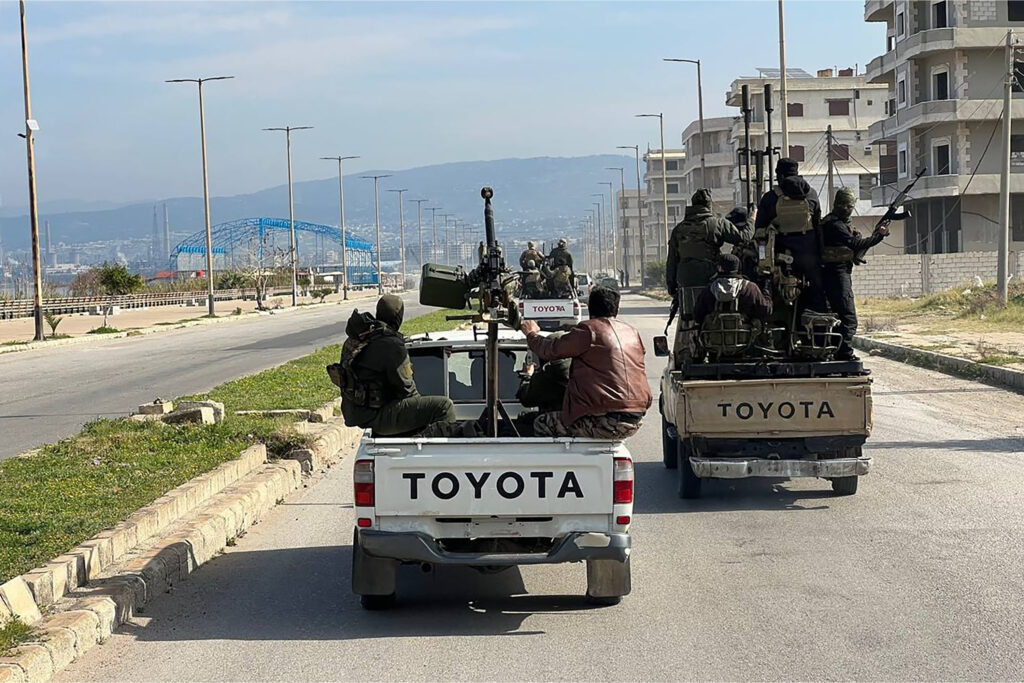
For two days, Rihab Kamel and her family hid terrified in their bathroom in the city of Baniyas as armed men stormed the neighbourhood, pursuing members of Syria’s Alawite minority.The coastal city is part of Syria’s Alawite heartland that has been gripped by the fiercest violence since former president Bashar al-Assad was toppled in December.”We turned off the lights and hid. When we were able to flee our neighbourhood of Al-Qusour, we found the roads full of corpses,” Kamel, a 35-year-old mother, told AFP.A Christian family sheltered them and then helped them reach the frontier with Lebanon, she said, adding that they planned to flee across the border.”What crime did the children commit? Are they also supporters of the (toppled) regime?” she said. “We as Alawites are innocent.”The violence erupted on Thursday after gunmen loyal to Assad attacked Syria’s new security forces. The ensuing clashes resulted in dozens of deaths on both sides.War monitor the Syrian Observatory for Human Rights later reported that security forces and allied groups killed at least 745 Alawite civilians in Latakia and Tartus provinces.Interim President Ahmed al-Sharaa, who led the Islamist group Hayat Tahrir al-Sham that spearheaded the lightning offensive that toppled Assad, on Sunday called for “national unity (and) civil peace” to be preserved.”God willing, we will be able to live together in this country,” he said at a mosque in Damascus.But in villages and towns on the coast, people spoke of systematic killings.- ‘Minutes’ from death -Assad, himself an Alawite, sought to present himself as protector of Syria’s minorities.The new authorities have repeatedly promised an inclusive transition that protects the rights of religious minorities.The Alawite heartland has nonetheless been gripped by a fear of reprisals over the Assad clan’s decades of brutal rule.Baniyas resident Samir Haidar, 67, told AFP two of his brothers and his nephew were killed by “armed groups” that entered people’s homes.Though an Alawite himself, Haidar belonged to the leftist opposition under the Assads and was imprisoned for more than a decade.He said he began hearing explosions and gunfire on Friday morning with the arrival of forces deployed to the city, adding that there were “foreigners among them”.”They entered the building and killed my only neighbour,” he said.He managed to escape with his wife and two children to a Sunni neighbourhood, but said: “If I had been five minutes late, I would have been killed.”That same day, armed men entered his brother’s building 100 metres (yards) away.”They gathered all the men on the roof and opened fire on them,” Haidar said.”My nephew survived because he hid, but my brother was killed along with all the men in the building.”He added that another brother, who was 74, and nephew were killed along with all the men in their building.”There are houses with four or five dead bodies in them,” Haidar said.”We have appealed to be able to bury our dead,” he said, adding that he has so far been unable to bury his brothers.- ‘Bodies in the sea’ -In the port city of Latakia, AFP heard testimonies from residents who said armed groups abducted a number of Alawites who were killed.Among them was the head of a state-run cultural centre, Yasser Sabbouh, who was kidnapped and whose corpse was dumped outside his home, an AFP reporter said.In Jableh further south, a resident spoke to AFP in tears, saying they were being terrorised by armed groups who had taken control of the town.”There are six of us in the house, with my parents and my brothers. There’s been no electricity for four days, no water. We have nothing to eat and we do not dare go out,” he said on condition of anonymity, fearing for his safety.”More than 50 people from among my family and friends have been killed,” he added. “They gathered bodies with bulldozers and buried them in mass graves.”Jaafar Ali, a 32-year-old Alawite from the region, fled to neighbouring Lebanon with his brother.”I don’t think I’m going back soon,” he said. “We are refugees without a homeland. We want countries to open up (channels for) humanitarian migration for Alawites.”

China-US trade war heats up with Beijing’s tariffs to take effect

Trade tensions between the world’s two leading economies are set to escalate on Monday, as Beijing begins levying tariffs on certain US agricultural goods in retaliation for President Donald Trump’s latest hike on Chinese imports.Since retaking office in January, Trump has unleashed a barrage of tariffs on major US trading partners, including China, Canada and …

China-US trade war heats up with Beijing’s tariffs to take effect Read More »

Israel to send team to Doha as Hamas pushes for phase two of Gaza truce

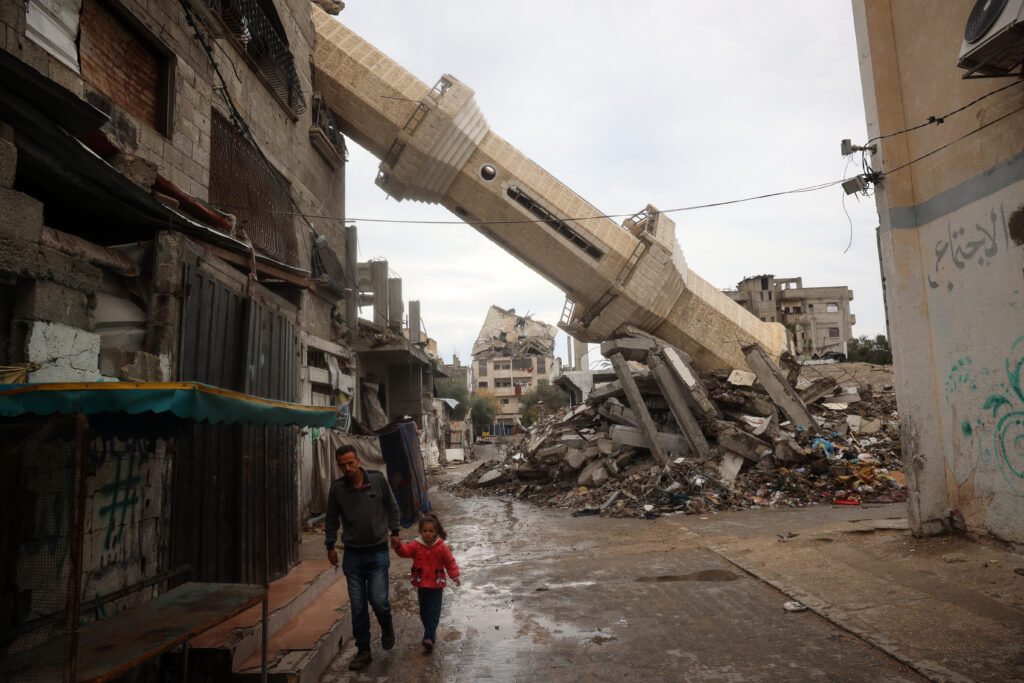
Israel on Sunday prepared to send a delegation to Doha for further talks on the Gaza truce, as Hamas called for an immediate start to negotiations on the ceasefire’s second phase, which it hopes will lead to a permanent end to the war.Representatives of the Palestinian militant group, which waged a deadly war with Israel before a truce took effect on January 19, met with mediators in Cairo over the weekend, stressing the urgent need for humanitarian aid to re-enter the besieged territory “without restrictions or conditions”, according to a Hamas statement.”Hamas stresses the urgency of forcing the occupation to immediately begin second-phase negotiations under the agreed parameters,” senior Hamas leader Mahmoud Mardawi told AFP, adding that this would pave the way for a permanent end to the war.Hamas’s key demands for the second phase include a full Israeli withdrawal from Gaza, an end to the Israeli blockade, the reconstruction of the Palestinian territory and financial support, Mardawi said.Following talks with mediators, Hamas spokesperson Abdel Latif Al-Qanoua said indicators were so far “positive”.Israeli Prime Minister Benjamin Netanyahu’s office said it would send delegates to Doha on Monday, while the Israeli media reported that the government’s security cabinet would discuss the matter later on Sunday.Israel says that it wants an extension of the truce’s first phase until mid-April.That initial period ended on March 1 after six weeks of relative calm that included the exchange of 25 living hostages and eight bodies for the release of about 1,800 Palestinian prisoners held in Israel.The truce largely halted more than 15 months of fighting in Gaza, where virtually the entire population was displaced by Israel’s relentless military campaign in response to Hamas’s October 7, 2023, attack.It also enabled the flow of vital food, shelter and medical assistance into Gaza. After Israel cut off that flow again, UN rights experts accused the government of “weaponising starvation”.Displaced Palestinian widow Haneen al-Dura told AFP she and her children spent weeks living on the street “among dogs and rats” before receiving a tent.”As the family’s provider, it was distressing and I couldn’t sleep at all during the night,” she said.- ‘Last warning’ -Last week, US President Donald Trump threatened further destruction of Gaza if all remaining hostages were not released, issuing what he called a “last warning” to Hamas leaders.He also warned of repercussions for all Gazans, telling them: “A beautiful Future awaits, but not if you hold Hostages. If you do, you are DEAD!”Hamas said Trump’s threats would only encourage Israel to ignore the terms of their truce.The Trump administration has also confirmed the start of unprecedented direct talks with Hamas, which Washington had previously refused contact with since designating it a terrorist organisation in 1997.Of the 251 hostages taken by the Palestinian militants, 58 remain in Gaza, including five Americans. Four American captives have been confirmed dead, while one, Edan Alexander, is believed to be alive.The US president previously floated a widely condemned plan to expel Palestinians from Gaza, prompting Arab leaders to offer an alternative. Their proposal would see Gaza’s reconstruction financed through a trust fund, with the Ramallah-based Palestinian Authority returning to govern the territory.”We need more discussion about it, but it’s a good-faith first step,” Steve Witkoff, Trump’s Middle East envoy, told reporters in Washington in response to the plan.Witkoff will be returning to the region this week as he travels to Saudi Arabia for talks on the war in Ukraine.At their regular weekend rally in Tel Aviv, families of Israeli hostages demanded the government fully implement the ceasefire.”The war could resume in a week — they have even picked a name for the operation,” Einav Zangauker, the mother of Matan Zangauker, told the candle and poster-wielding crowd. “The war won’t bring the hostages back home, it will kill them.”Hamas’s attack resulted in the deaths of 1,218 people on the Israeli side, most of them civilians, according to official figures.Israel’s retaliatory campaign has killed at least 48,453 people in Gaza, the majority of them civilians, according to the Hamas-run territory’s health ministry. The UN considers these figures reliable.

Hamas pushes for phase two of Gaza truce talks

Hamas reiterated on Sunday its insistence on moving directly into negotiating a second phase of the Gaza truce, as Israel announced it would dispatch a delegation to Doha for further talks.Representatives of the Palestinian militant group met with mediators in Cairo at the weekend, emphasising the need for humanitarian aid to re-enter the besieged territory “without restrictions or conditions”, according to a Hamas press release.The high-level delegation also stressed the need for “moving directly to begin negotiations for the second phase” of the deal, which will aim to lay the groundwork for a permanent ceasefire.Hamas’s demands for the second phase include a full Israeli withdrawal from Gaza, an end to the blockade, the reconstruction of the territory and financial support, an official told AFP.Hamas spokesperson Abdel Latif Al-Qanoua said indicators were so far “positive”.Israeli Prime Minister Benjamin Netanyahu’s office meanwhile said it would send delegates to Doha on Monday.Israel has maintained it wants an extension of the truce’s first phase until mid-April.That initial period ended on March 1 after six weeks of relative calm that included the exchange of 25 living hostages and eight bodies for the release of about 1,800 Palestinian prisoners held in Israel.The truce largely halted more than 15 months of fighting in Gaza, where virtually the entire population was displaced by Israel’s relentless military campaign in response to Hamas’s October 7, 2023 attack.It also enabled the flow of vital food, shelter and medical assistance into Gaza. After Israel turned the pipeline off again, UN rights experts accused the government of “weaponising starvation”.Displaced Palestinian widow Haneen al-Dura told AFP she and her children spent a month and a half living on the street “among dogs and rats” before receiving a tent.”As the family’s provider, it was distressing and I couldn’t sleep at all during the night,” she said.- ‘Last warning’ -Last week, US President Donald Trump threatened further destruction of Gaza if all remaining hostages are not released, issuing what he called a “last warning” to Hamas leaders.He also warned of repercussions for all Gazans, telling them: “A beautiful Future awaits, but not if you hold Hostages. If you do, you are DEAD!”Hamas said Trump’s threats would only encourage Israel to ignore the terms of their truce.The Trump administration has also confirmed the start of unprecedented direct talks with Hamas, which Washington had previously refused contact with since designating it a terrorist organisation in 1997.Of the 251 hostages taken by the Palestinian militants, 58 remain in Gaza, including five Americans. Four American captives have been confirmed dead, while one, Edan Alexander, is believed to be alive.The White House said Trump met with eight of the freed captives, who “expressed gratitude” for his efforts to bring them home.The US president previously floated a widely condemned plan to relocate Palestinians from Gaza, prompting Arab leaders to offer an alternative. Their proposal would see Gaza’s reconstruction financed through a trust fund, with the Palestinian Authority returning to govern the territory.”We need more discussion about it, but it’s a good-faith first step,” Steve Witkoff, Trump’s Middle East envoy, told reporters in Washington in response to the plan.Witkoff will be returning to the region this week as he travels to Saudi Arabia for talks on the war in Ukraine.At their regular weekend rally in Tel Aviv, families of Israeli hostages demanded the government fully implement the ceasefire.”The war could resume in a week — they have even picked a name for the operation,” Einav Zangauker, the mother of Matan Zangauker, told the candle and poster-wielding crowd. “The war won’t bring the hostages back home, it will kill them.”Recently released hostages have also joined those beseeching Netanyahu to implement the ceasefire.Hamas’s attack resulted in the deaths of 1,218 people on the Israeli side, most of them civilians, according to official figures.Israel’s retaliatory campaign has killed at least 48,446 people in Gaza, the majority of them civilians, according to the Hamas-run territory’s health ministry. The UN considers these figures reliable.