

AFP Asia Business
Trump treatment of Columbia puts US universities on edge
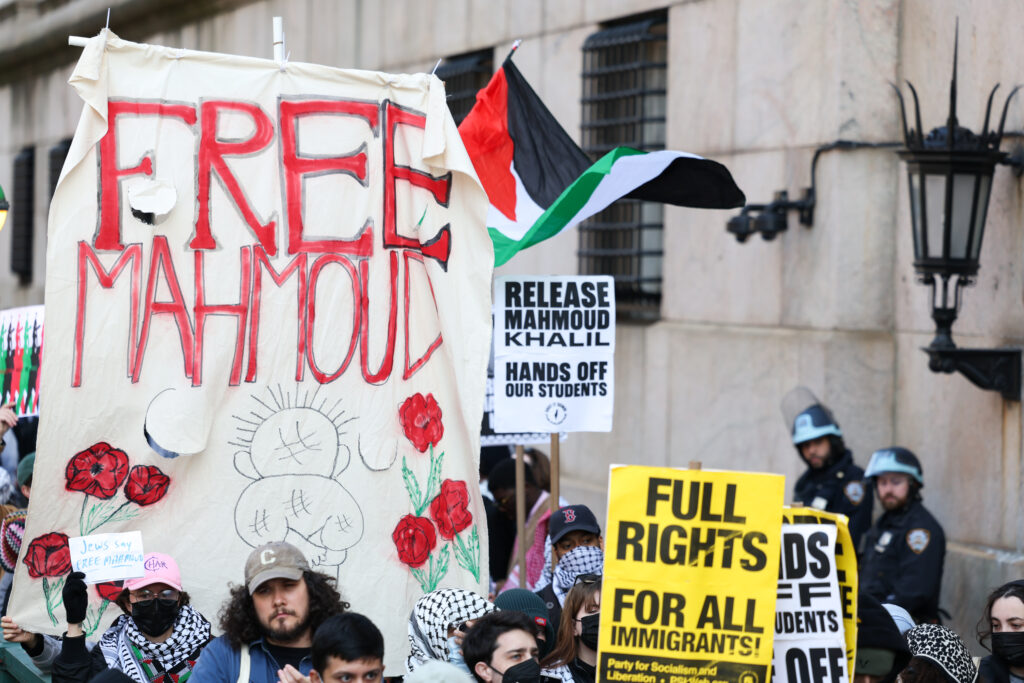
Hit by massive funding cuts and a crackdown on student protesters, Columbia University is under fire from US President Donald Trump, putting the world of higher education on tenterhooks.The arrest of student activist Mahmoud Khalil has crystallized concerns over freedom of speech under the Republican leader’s administration — and fueled warnings that Trump is out to quell dissent.Khalil, a US permanent resident with Palestinian roots, recently earned a graduate degree from the prestigious Ivy League school in New York.But he was detained in early March by plainclothes immigration agents over his role in the student movement protesting Israel’s war on Gaza.Trump has vowed Khalil’s detention is the first in a line of arrests to come.Columbia’s student movement has been at the vanguard of protests that have exposed deep rifts over the war.Activists call them a show of support for the Palestinian people. Trump condemns them as anti-Semitic, and says they must end.The president has cut $400 million in federal funding from Columbia — including research grants and other contracts — on the questionable grounds that the institution has not adequately protected Jewish students from harassment.Experts say the move aims to send a message to other universities: fall in line or face the consequences.”Columbia has been placed in an impossible position,” Lynn Pasquerella, president of the American Association of Colleges and Universities, told AFP.”We can be sure that the other 60 higher education institutions that have been targeted for a perceived failure to comply with federal mandates are paying close attention to Columbia’s response.”- ‘Critical moment’ -Columbia’s interim president, Katrina Armstrong, acknowledged the “critical moment for higher education” in a recent statement.US universities are still reeling from a furor over pro-Palestinian protests that has felled several institutions’ presidents since the Gaza war began, including at Harvard, the University of Pennsylvania and Columbia itself.”The stakes are high not only for Columbia, but for every college and university in this country,” Armstrong said, vowing a commitment to “open dialogue and free debate” as well as “efforts to combat hate and discrimination on campus.”Beyond that cautious official position — which has come under criticism from various sides — Columbia is making moves.Entry to campus is barricaded, though immigration officers have entered for surprise searches, and the university gave police the green light to remove pro-Palestinian activists last spring.Last week, the private university announced a battery of disciplinary measures — including suspensions, temporary degree revocations and expulsions — aimed at student protesters who occupied a campus building last year.Still, in a letter sent to Columbia last week, the Trump administration gave the university one week to agree to a series of drastic reforms if it wants to open negotiations to recover the $400 million.The letter demands Columbia codify a definition of anti-Semitism that includes a focus on anti-Zionism, and insists the Middle Eastern, South Asian, and African Studies departments be put under “academic receivership.”That rare step puts an academic department under outside administrative oversight, and is generally only used to reset — or axe — a department in crisis.- ‘Existential threat’ -Pasquerella said Trump’s moves put core principles of higher education at risk, seeking to control the curriculum and “impose a particular definition of anti-Semitism on the university by ostensibly conflating any pro-Palestinian sentiment and activity with unlawful activity.”The administration’s demands “threaten to undermine the democratic purposes of higher education by impeding academic freedom,” she said.For Jameel Jaffer, who directs the free speech-focused Knight First Amendment Institute at Columbia, the White House’s bid to control university policies poses an “existential threat to academic life itself.”The undertone of the letter is clear, he said: “It basically says, ‘We’ll destroy Columbia unless you destroy it first.'””The subjugation of universities to official power is a hallmark of autocracy. No one should be under any illusions about what’s going on here,” Jaffer told AFP.Trump’s pressure has also given new life to pro-Palestinian protests, which are again happening virtually every day throughout New York — including a recent one at Trump Tower in Manhattan.But that engagement in the streets is not undoing the damage already done at academic institutions across the nation, Pasquerella said.”Many institutions are already engaging in anticipatory or preemptive compliance with requests by the current administration, even if they are not legally required, in order to avoid being targeted,” she said.”The real losers in all of this are the students.”
Kiribati eyes deep-sea mining deal with China
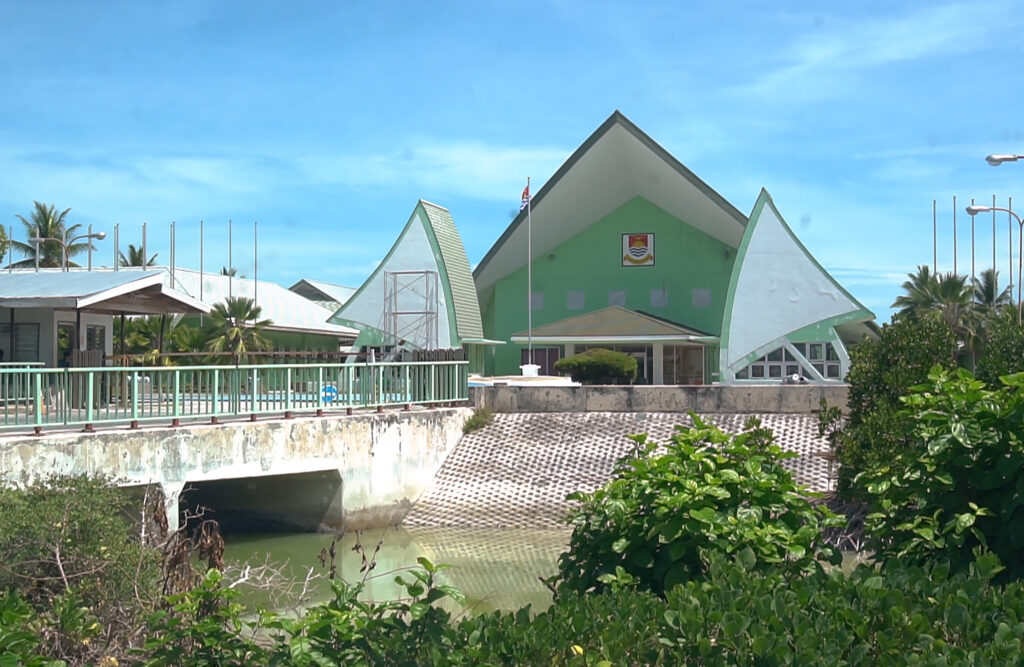
Pacific nation Kiribati says it is exploring a deep-sea mining partnership with China, dangling access to a vast patch of Pacific Ocean harbouring coveted metals and minerals.Beijing has been ramping up efforts to court Pacific nations sitting on lucrative seafloor deposits of cobalt, nickel and copper — recently inking a cooperation deal with Cook Islands. Kiribati …
Israel pounds Hamas in Gaza in strikes that rescuers say killed 121
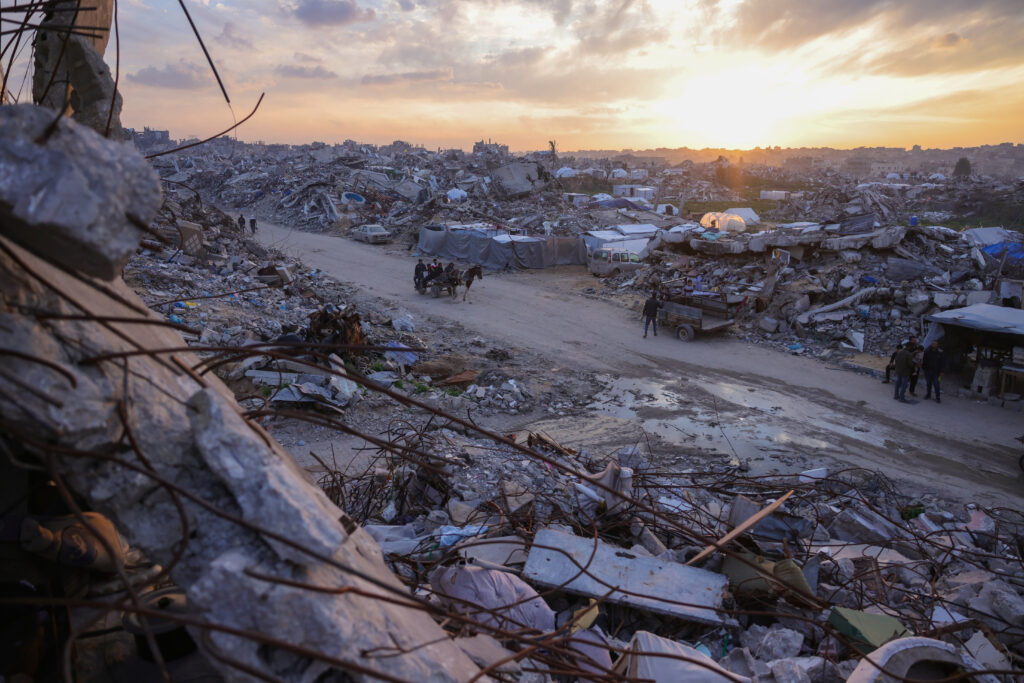
Israel on Tuesday unleashed its most intense campaign on the Gaza Strip since a January ceasefire, with rescuers reporting more than 121 people killed, prompting Hamas to accuse Benjamin Netanyahu’s government of torpedoing the truce.The strikes were ordered after “Hamas’s repeated refusal to release our hostages, as well as its rejection of all of the proposals it has received from US Presidential Envoy Steve Witkoff and from the mediators,” Netanyahu’s office said in a statement.An Israeli official told AFP that the operation “will continue as long as necessary, and will expand beyond air strikes”. In a statement, Hamas said “Netanyahu and his extremist government have decided to overturn the ceasefire agreement, exposing the prisoners in Gaza to an unknown fate”.Mediated by Qatar, Egypt and the United States, the initial phase of the ceasefire took effect on January 19, largely halting more than 15 months of fighting in Gaza triggered by Hamas’ October 7, 2023 attack on Israel.That first phase ended in early March, and while both sides have since refrained from all-out war, they have been unable to agree on the next steps for truce talks.In a post on Telegram in the early hours of Tuesday, the Israeli army said it was currently “conducting extensive strikes on terror targets belonging to the Hamas terrorist organisation in the Gaza Strip”.Gaza’s civil defence agency reported more than 121 people had been killed “most of them children, women, and the elderly”. At least 150 people were also wounded by the “aggression, aerial bombardment and artillery shelling”. Israel ordered all schools close to the regions neighbouring Gaza shut, as the government in a statement said it would now act with “increased military force” against Hamas.Witkoff told CNN on Sunday he had offered a “bridge proposal” that would see five living hostages, including Israeli-American Edan Alexander, released in return for freeing a “substantial amount of Palestinian prisoners” from Israel jails.Hamas on Friday had said it was ready to free Alexander and the remains of four others, who an official of the movement described as Israeli-Americans.Witkoff said Hamas had provided “an unacceptable response” to the proposal and “the opportunity is closing fast.”- Deadlock -During the first phase of the truce agreement, Hamas released 33 hostages, including eight deceased, and Israel freed around 1,800 Palestinian detainees.Since then, Hamas has consistently demanded negotiations for the second phase.Former US president Joe Biden had outlined a second phase involving the release of remaining living hostages, the withdrawal of all Israeli forces left in Gaza and the establishment of a lasting ceasefire. Israel, however, seeks to extend the first phase until mid-April, insisting that any transition to the second phase must include “the total demilitarisation” of Gaza and the removal of Hamas, which has controlled the territory since 2007.The talks are now at an impasse, with both sides sticking to their positions and accusing each other of obstructing progress.Israel has cut aid and electricity to the territory during the talks deadlock.”It’s so hard for me to think about what they’re (hostages) going through right now because I know that feeling,” freed Israeli captive Omer Shem Tov said in a recently released video.”It’s a terrible feeling and it has to stop as soon as possible.”Hamas’ October 7 attack resulted in 1,218 deaths on the Israeli side, mostly civilians, while Israel’s retaliatory response in Gaza has killed at least 48,572 people, also mostly civilians, according to data from both sides.