AFP Asia Business

Sudan paramilitaries vow ‘no surrender’ after Khartoum setback

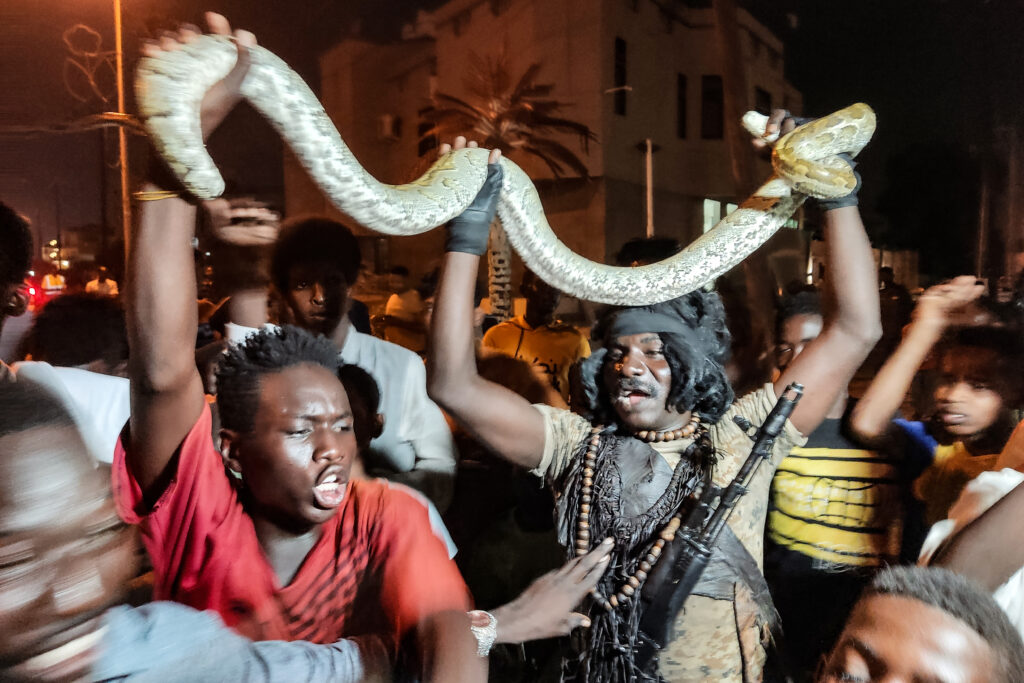
Sudan’s paramilitary Rapid Support Forces vowed on Thursday there would be “no retreat and no surrender” after rival troops of the regular army retook nearly all of central Khartoum.From inside the recaptured presidential palace, Sudan’s army chief Abdel Fattah al-Burhan, at war with his former deputy, RSF commander Mohamed Hamdan Daglo since April 2023, had on Wednesday declared the capital “free” from the RSF.But in its first direct comment since the army retook what remains of the capital’s state institutions this week, the RSF said: “Our forces have not lost any battle, but have repositioned.”Our forces will continue to defend the homeland’s soil and secure a decisive victory. There will be no retreat or surrender,” it said.”We will deliver crushing defeats to the enemy on all fronts.”AFP could not independently confirm the RSF’s remaining positions in the capital. The war has killed tens of thousands of people and uprooted more than 12 million, according to UN figures.It has also split Africa’s third-largest country in two, with the army holding the north and east while the RSF controls parts of the south and nearly all of the vast western region of Darfur, which borders Chad.On Wednesday, the army cleared Khartoum airport of RSF fighters and encircled their last major stronghold in the Khartoum area, just south of the city centre.An army source told AFP that RSF fighters were fleeing across the Jebel Awliya bridge, their only way out of greater Khartoum.A successful withdrawal could link the RSF’s Jebel Awliya troops to its positions west of the city and then to its strongholds in Darfur hundreds of kilometres (miles) away.On Wednesday, hours after Burhan arrived in the presidential palace for the first time in two years, the RSF announced a “military alliance” with a rebel group, which controls much of South Kordofan state and parts of Blue Nile bordering Ethiopia.The Sudan People’s Liberation Movement-North, led by Abdelaziz al-Hilu, had clashed with both sides, before signing a political charter with the RSF last month to establish a rival government.- ‘No desire’ to govern -Following a year and a half of defeats at the hands of the RSF, the army began pushing through central Sudan towards Khartoum late last year.Analysts have blamed the RSF’s losses on strategic blunders, internal divisions and dwindling supplies.Since the army recaptured the presidential palace on Friday, witnesses and activists have reported RSF fighters in retreat across the capital.The army’s gains have been met with celebrations in its wartime headquarters in the Red Sea coastal city of Port Sudan, where displaced Sudanese rejoiced at the prospect of finally returning to Khartoum.”God willing, we’re going home, we’ll finally celebrate Eid in our own homes,” Khartoum native Motaz Essam told AFP, ululations and fireworks echoing around him.Burhan, Sudan’s de facto leader since he ousted civilian politicians from power in a 2021 coup, said on Wednesday the army was looking to form a technocratic government and had “no desire to engage in political work”.”The armed forces are working to create the conditions for an elected civilian government,” Burhan said in a meeting with Germany’s envoy to the Horn of Africa, Heiko Nitzschke, according to a statement from Burhan’s office.The RSF has its origins in the Janjaweed militia unleashed by then strongman Omar al-Bashir more than two decades ago in Darfur.Like the army, the RSF has sought to position itself as the guardian of Sudan’s democratic uprising which ousted Bashir in 2019.The United States has imposed sanctions on both sides. It accused the army of attacks on civilians and said the RSF had “committed genocide”.Burhan and Daglo, in the fragile political transition that followed Bashir’s overthrow, forged an alliance which saw both rise to prominence. Then a bitter power struggle over the potential integration of the RSF into the regular army erupted into all-out war.

At Jerusalem meet, Netanyahu warns of rising anti-Semitism

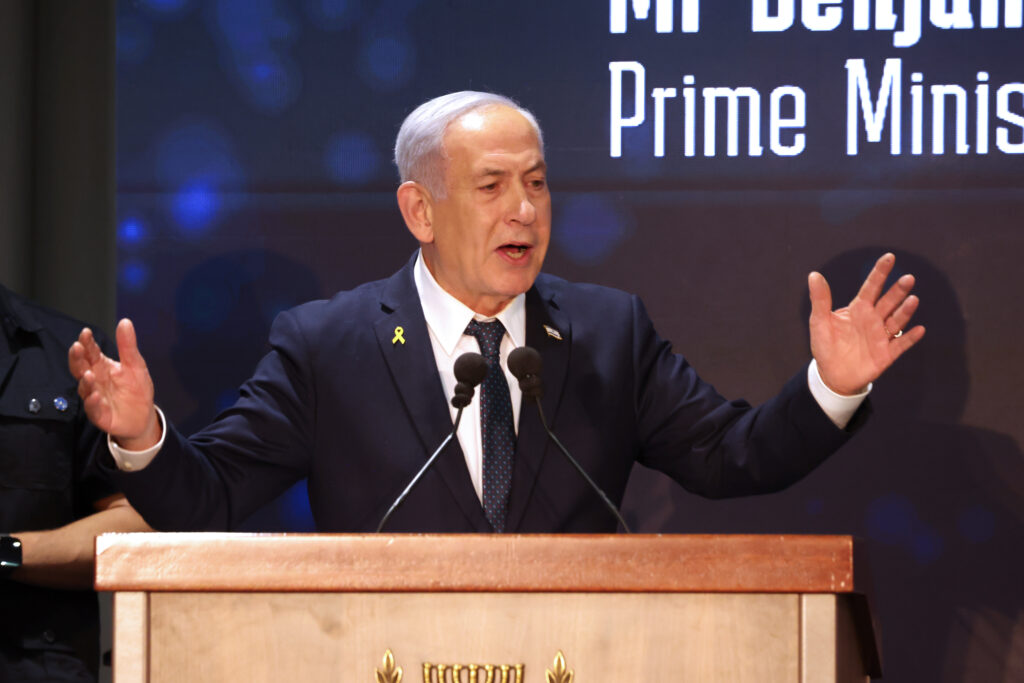
Israel’s Prime Minister Benjamin Netanyahu on Thursday warned “the fate of free societies” was linked to their fight against anti-Semitism, at a conference in Jerusalem, where the attendance of far-right European politicians has divided the international Jewish community. Guests at the symposium on combating anti-Semitism included the leader of France’s far right National Rally (RN), a party whose cofounder Jean-Marie Le Pen was known for his anti-Semitic comments.Also in attendance were a representative from Hungary’s ruling Fidesz party, and Bosnian Serb leader Milorad Dodik, a Kremlin ally for whom Bosnia on Thursday issued an arrest warrant.Analysts say the invitation of parties that have themselves been accused of anti-Semitism demonstrates the willingness of Israel’s right to cultivate new relationships with unlikely supporters, amid pressure from traditional allies over the Gaza war.In a keynote speech, Netanyahu warned that “the fate of free societies is tied to their willingness to fight the scourge of anti-Semitism”.”Eighty years ago this deadly virus destroyed a third of the Jewish people,” he said.”Now this hatred has re-emerged… through radical Islamist carriers in Yemen, Lebanon, Gaza, and elsewhere.”These anti-Semites wish to destroy not only the Jewish state. They seek to destroy the forces of modernity in the Arab and Muslim world,” he added.Addressing the crowd earlier in the day was Jordan Bardella, the president of France’s RN, whose speech capped an unprecedented trip to Israel by a leader of the party.Bardella pledged France would fight anti-Semitism “in all its forms… whether it comes from fanatical Islamists, the far left disguised as anti-Zionists, or even far-right groups and their delusional plots”.He also spoke of a “link” between what he described as “the rise of Islamism, the upsurge of anti-Semitism, and the migratory phenomenon that is fracturing all Western societies.”Member of European Parliament (MEP) Kinga Gal, representing Hungary’s Fidesz party, echoed the comments linking immigration to Europe and anti-Semitism during a panel discussion.- ‘Black and White’ -Thursday’s conference focuses on fighting what rights groups have described as a rising tide of anti-Semitism around the world, a priority for Netanyahu’s government, the most right-wing in Israel’s history.The guest list for the symposium, organised by right-wing Diaspora Affairs Minister Amichai Chikli, also included Bardella’s fellow MEP Marion Marechal, who leads another far-right movement and is the niece of Marine Le Pen, daughter of Jean-Marie Le Pen.Earlier in the week Dodik, president of Bosnia’s Serb-dominated statelet of Republika Srpska, said on X: “The Serbs and the Jews are peoples that others have sought to annihilate,” and that is “why we stand together.”He travelled abroad despite the Bosnian warrant accusing him of attacking the constitutional order. A state court said the matter was now in Interpol’s hands.”The current Israeli government sees the world in black and white,” said Denis Charbit, a political scientist at the Open University of Israel.Some in Israel feel the country is currently isolated, and needs “new friends”, even if it deems them distasteful, he added.Israeli media reported on guests who cancelled their appearances in protest of the far-right politicians’ presence, including Anti-Defamation League CEO Jonathan Greenblatt and the French philosopher Bernard-Henri Levy.Britain’s Chief Rabbi Ephraim Mirvis and the UK government’s independent adviser on anti-Semitism, John Mann, have also withdrawn.Bardella on Wednesday visited sites where Hamas militants carried out their October 7, 2023 attack on southern Israel.Since Hamas’s attack, the RN has sought to present itself as a bulwark against anti-Semitism.The party was cofounded as the National Front by Jean-Marie Le Pen, who died earlier this year, and who was charged and convicted in a French court for downplaying the Holocaust.His daughter, Marine Le Pen, has moved emphatically to distance the movement from her father’s legacy, renaming the party and seeking to make it more broadly electable.When asked about his party’s past during Wednesday’s visit, Bardella responded: “I don’t do politics in the rearview mirror.”crb-lba-acc-jd/it

Top US senators demand probe into chat scandal

Senior Republican and Democratic US senators issued a bipartisan call Thursday for a probe into a scandal over an accidentally leaked chat between top officials on Yemen air strikes that has engulfed Donald Trump’s White House.Republican Senator Roger Wicker, the chairman of the Senate Armed Services Committee, and ranking Democrat Jack Reed wrote to a Pentagon watchdog asking it to “conduct an inquiry” into the incident.The Atlantic magazine published the full chat — which Trump’s top security officials conducted on the commercially available app Signal rather than on a secure government platform — after its editor was mistakenly looped in.Republican Trump has dismissed the scandal as a “witch-hunt” and backed Defense Secretary Pete Hegseth, despite the fact that Hegseth used the app to discuss precise timings of the strikes shortly before they happened and aircraft types involved.The president told reporters on Wednesday that the prospect of a watchdog investigation “doesn’t bother me.”But Democrats have claimed that the lives of US service members could have been put at risk by the breach, and the row has raised serious questions about potential intelligence risks.In their letter, Wicker and Reed asked the Pentagon’s acting inspector general to look into the “facts and circumstances,” whether classified material was shared, and the security of communications.”If true, this reporting raises questions as to the use of unclassified networks to discuss sensitive and classified information,” they said of The Atlantic’s story about the chat.- ‘Mistake’ -Wicker said on Wednesday that the information shared in the chat “appears to me to be of such a sensitive nature that based on my knowledge, I would have wanted it classified.”But the White House has gone on the offensive, denying that any classified material was shared and attacking Atlantic journalist Jeffrey Goldberg, who revealed that he had been erroneously added into the supposedly secret chat group.White House Press Secretary Karoline Leavitt said Thursday that “we have never denied that this was a mistake” and insisted that National Security advisor Mike Waltz had taken “responsibility” for including Goldberg.US Attorney General Pam Bondi said Thursday that the breach was unlikely to face a criminal investigation.”It was sensitive information, not classified, and inadvertently released, and what we should be talking about is that it was a very successful mission,” Bondi told a news conference.Trump and his top officials have repeatedly tried to turn the conversation towards the strikes themselves that began on March 15.Washington has vowed to use overwhelming force against the Huthis until they stop firing on vessels in the key shipping routes of the Red Sea and Gulf of Aden, with the rebels threatening to resume attacks in protest over the Gaza war.The Huthis said Thursday they targeted an Israeli airport and army site as well as a US warship, soon after Israel reported intercepting missiles launched from Yemen.

AFP journalist Yasin Akgul leaves jail, but lawyer says charges remain

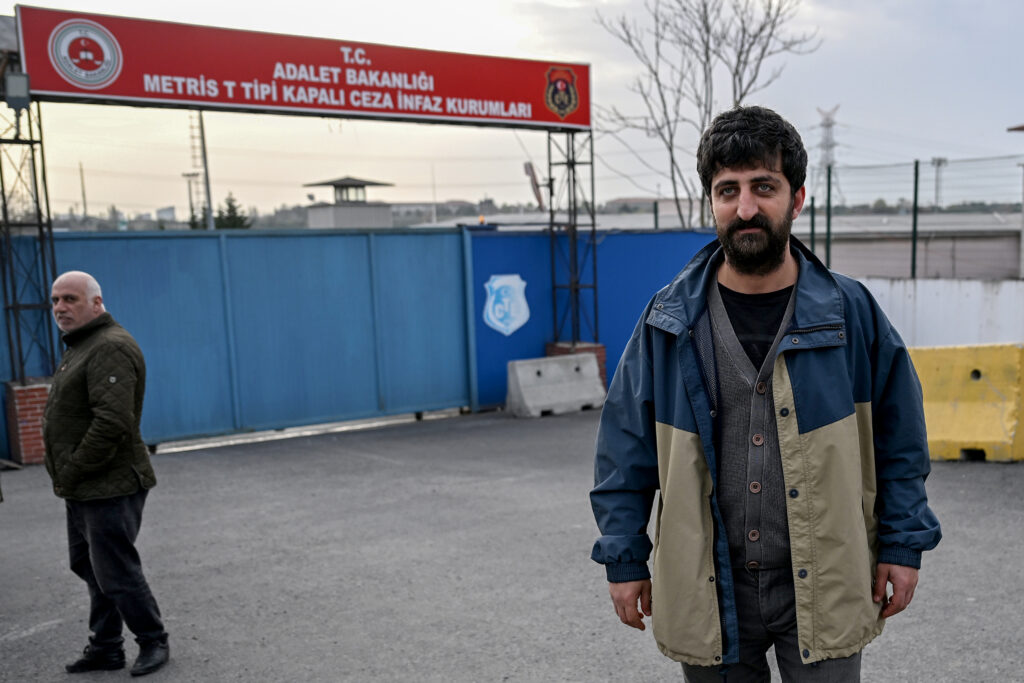
AFP photographer Yasin Akgul, who was arrested this week covering Turkey’s worst unrest in more than a decade, was freed Thursday from an Istanbul jail, AFP correspondents said, though his lawyer said the charges against him remain.Akgul was detained in a pre-dawn raid at his home Monday and remanded in custody by an Istanbul court a day later. He was charged with “taking part in illegal rallies and marches”, drawing outrage from rights groups and the Paris-based news agency.On Thursday, the court ordered that he and six other journalists be released from custody, the MLSA rights group said. Akgul’s lawyer told AFP he would be unconditionally released but said that the charges against him had “not been dropped” and that the investigation would continue.The 35-year-old father of two was released from Metris prison just before 1530 GMT, AFP correspondents at the scene said. The protests erupted on March 19 after the arrest and subsequent jailing of Istanbul mayor Ekrem Imamoglu, President Recep Tayyip Erdogan’s main political rival.Defying a protest ban, vast crowds have hit the streets daily, with the nightly rallies often descending into running battles with riot police, whose crackdowns have drawn international condemnation.- ‘Only doing my job’ -“As a photojournalist for an international news agency, my arrest in a dawn raid in front of my family and children was completely illegal. I was only doing my job,” Akgul said while leaving prison. “Over these past four days, all I thought about was my family and getting back to do my job again. This arrest was aimed at preventing us from taking photos in the field.”Agence France-Presse chief executive and chairman Fabrice Fries had denounced his imprisonment as “unacceptable”.Akgul, he said, was “not part of the protest” but only covering it as a journalist, demanding his immediate release. Eleven Turkish journalists were detained early Monday, and Akgul was one of seven who were charged and remanded in custody.He was the last of them to be released. All the others were freed earlier in the day bar one on Wednesday, the Turkish Union of Journalists said. Media watchdog Reporters Without Borders hailed the court’s decision to release him. “Yasin Akgul’s release is welcome and constitutes redress for a monumental injustice,” RSF’s Erol Onderoglu told AFP, saying the journalists had been subjected to “grossly unjust treatment”.The arrests sparked international condemnation including from the United Nations. RSF had earlier described the arrests as “scandalous”, while the Turkish Photojournalists Union denounced it as “unlawful, unconscionable and unacceptable”.Turkey ranks 158 out of 180 countries in the 2024 World Press Freedom Index compiled by Reporters Without Borders (RSF). 

Lebanese president heading to France on first Europe visit since election

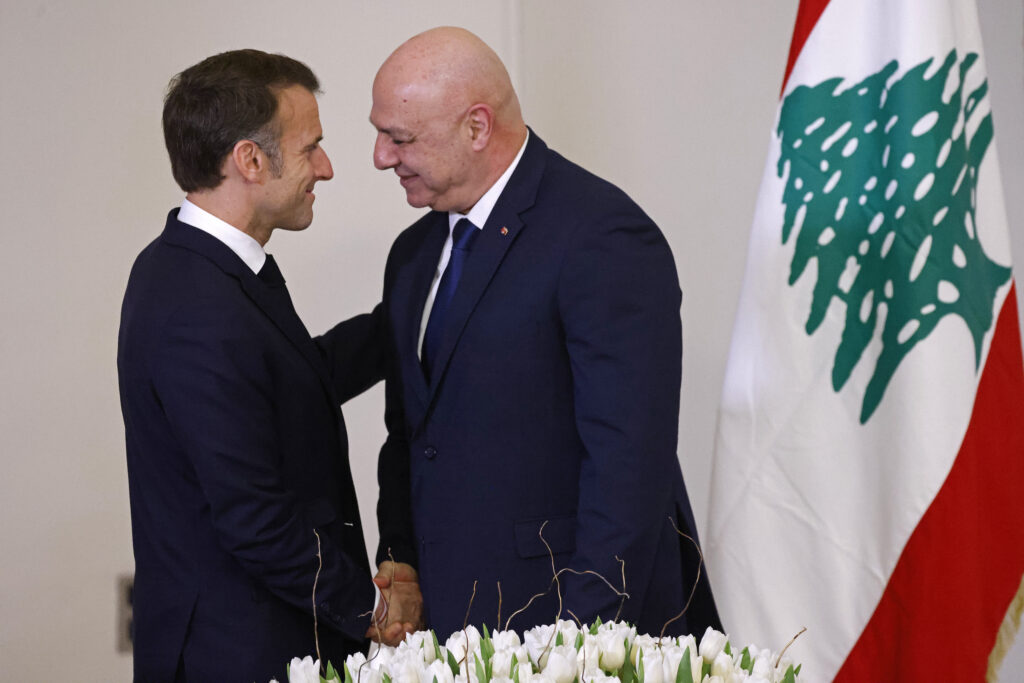
Lebanese President Joseph Aoun visits France on Friday, his first trip to a European country since his January election and as Paris pushes Beirut for long-demanded political and economic reforms.He is due to meet President Emmanuel Macron, who on a visit to Beirut days after Aoun’s appointment said France would hold an international aid conference to support Lebanon’s reconstruction after a devastating war between Israel and Hezbollah.No date for the conference has been announced.Aoun was elected president after the position had been vacant for more than two years, under international pressure, including from former colonial power France.His election, along with the formation of a new government in February led by reformist premier Nawaf Salam, ended a prolonged political impasse.The breakthroughs came after the Iran-backed Hezbollah group, long a powerful player in Lebanese politics, was left heavily weakened in the war.Lebanon’s new leaders now face the arduous task of reconstructing swathes of the country, and overseeing the disarmament of Hezbollah, beginning in south Lebanon.They must also carry out reforms demanded by the international community to unlock bailout funds amid a five-year economic collapse widely blamed on official mismanagement and corruption.”This visit to France is symbolically important” because Paris stood alongside Washington and Riyadh in pushing hardest for Aoun’s election, said Karim Bitar, lecturer in Middle East studies at Sciences-Po university in Paris.The trip also aims to restore France’s “traditional role” in mobilising “countries friendly to Lebanon” for their support at donor conferences, he added.- ‘Private interests’ -On Wednesday, Aoun told visiting French envoy Jean-Yves Le Drian that he and the new government were “determined to overcome the difficulties that the reform process may face in the economic, banking, finance and judicial areas”.Bitar said that despite recent optimism, “there are still reasons to fear the new leaders’ task will not be so simple”.He accused “private interests” intrinsically linked to political, economic and media powers of seeking to “defend the system that has endured” since Lebanon’s 1975-1990 civil war.Such interests also seek to “prevent any economic or social reform, any state-building”, or agreement with the International Monetary Fund, he charged.Bitar also warned that Hezbollah was “not yet ready to hand over its weapons to the Lebanese state”.Under the November 27 ceasefire, Hezbollah was to withdraw its forces north of the Litani River, about 30 kilometres (18 miles) from the Israeli border.The Lebanese army was to deploy in the area, and any remaining Hezbollah military infrastructure there was to be dismantled.The ceasefire is based on United Nations Security Council resolutions calling for the disarmament of all non-state armed groups.Israel still regularly strikes what it says are Hezbollah targets and occupies five border points it considers strategic.Aoun said in an interview with the France24 channel broadcast Thursday that “Hezbollah is cooperating in south Lebanon”.He added that the Lebanese “army is undertaking its duties to the full” in the south.He accused Israel of “violating the ceasefire and the deal, including by remaining in five locations and not releasing prisoners”.”We seek to maintain the ceasefire,” he said, calling for guarantees from the United States and France, both of which oversaw the ceasefire agreement.

Lebanon Druze leader accuses Israel of exploiting minority in Syria

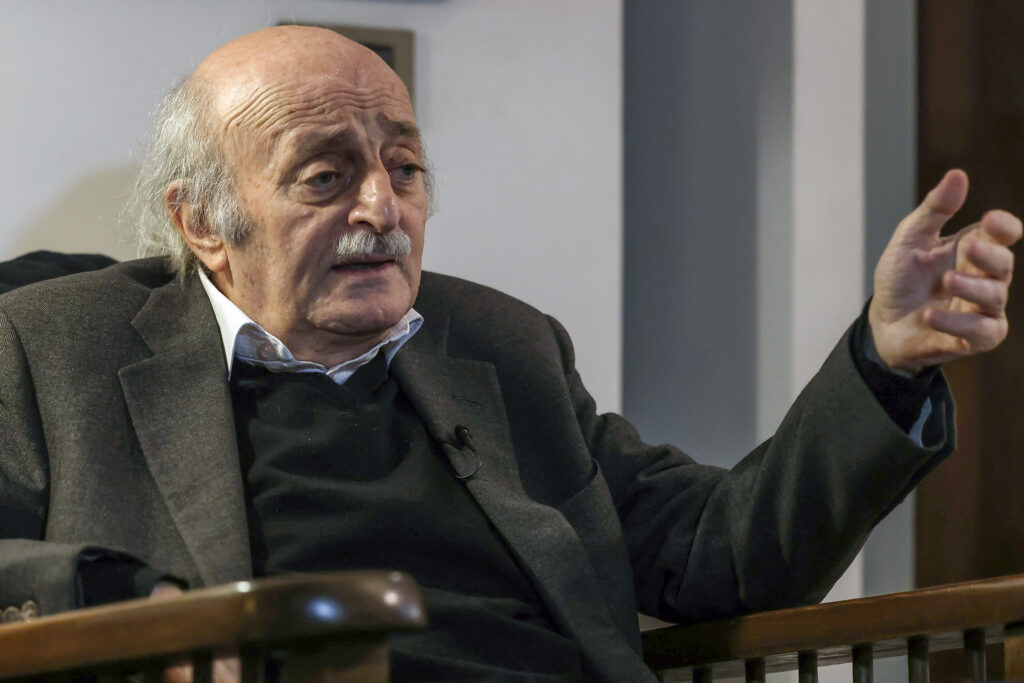
Lebanese Druze leader Walid Jumblatt has accused Israel of exploiting followers of his minority faith in Syria as part of a broader plan to divide the Middle East along sectarian lines.Israel wants “to implement the plan it has always had… which is to break up the region into confessional entities and extend the chaos,” said Jumblatt, a key figure in Lebanese politics for more than four decades.”They want to annihilate Gaza, then it will be the West Bank’s turn… they are trying to destabilise Syria, through the Druze but also others,” he told AFP in an interview Wednesday.”It’s a dangerous game.”Israel has been making overtures towards Syria’s Druze community since Islamist-led rebels ousted longtime ruler Bashar al-Assad in December after more than 13 years of war.Since then, Israel has sent troops into the UN-patrolled buffer zone along the armistice line on the Golan Heights, and war monitor the Syrian Observatory for Human Rights has reported regular Israeli incursions deeper into southern Syria.The Druze faith has followers in Israel, Lebanon and Syria, including the Israeli-annexed Golan Heights.They account for about three percent of Syria’s population and are concentrated in the southern province of Sweida.This month, Israeli government spokesman David Mencer said 10,000 humanitarian aid packages had been sent to “the Druze community in battle areas of Syria” over the past few weeks.”Israel has a bold alliance with our Druze brothers and sisters,” he told journalists.- ‘Prevent the division’ -Israel also authorised the first pilgrimage in decades by Syrian Druze clerics to a revered shrine in Israel.Defence Minister Israel Katz said Israel would not allow Syria’s new rulers “to harm the Druze”, following a deadly clash between government-linked forces and Druze fighters in the suburbs of Damascus. Druze leaders rejected Katz’s warning and declared their loyalty to a united Syria.Druze representatives have been negotiating with Syria’s new authorities on an agreement that would see their armed groups integrated into the new national army.The talks had almost reached completion but “Israeli pressure” on some parties prevented the accord from being finalised, a source close to the negotiations told AFP, requesting anonymity as the matter is sensitive.Jumblatt noted that during the French mandate in the 1920s and 1930s, “Syria was divided into four entities: an Alawite state, a Druze state, the state of Damascus and the state of Aleppo”, the latter two being Sunni Muslim.”The Druze, with the other Syrian nationalists, were able to prevent the division of Syria” by launching a revolt and the plan later collapsed, he said.He expressed hope that any new division of Syria could be avoided, appealing to Arab leaders to support interim President Ahmed al-Sharaa.- ‘Criminal’ -Jumblatt in December was the first Lebanese official to meet Sharaa after his Islamist group spearheaded the offensive that ousted Assad.Sharaa told Jumblatt that Syria would no longer exert “negative interference” in Lebanon, after Assad’s dynasty was accused of destabilising Lebanon for years and assassinating numerous Lebanese officials, including Jumblatt’s father.Kamal Jumblatt, who founded the  Progressive Socialist Party and opposed Assad’s father Hafez over his troops’ intervention in the Lebanese civil war, was killed near the Syrian border in 1977.This month, Syrian security forces arrested former intelligence officer Ibrahim Huweija, suspected of numerous killings including that of Jumblatt’s father.”He’s a big criminal, he also committed crimes against the Syrian people and should be tried in Syria,” Jumblatt said.Lebanon’s new authorities have been under pressure since a devastating war between Israel and the Iran-backed Hezbollah group, an Assad ally, Jumblatt said.”The Americans want Lebanon to normalise ties with Israel,” he said.Under a November ceasefire, Hezbollah was to withdraw fighters from the border area and dismantle its military infrastructure there.The Israeli army was also to withdraw but troops are still deployed in five positions inside Lebanon that it deems strategic.

Six Russians dead in sinking of Egypt tourist submarine

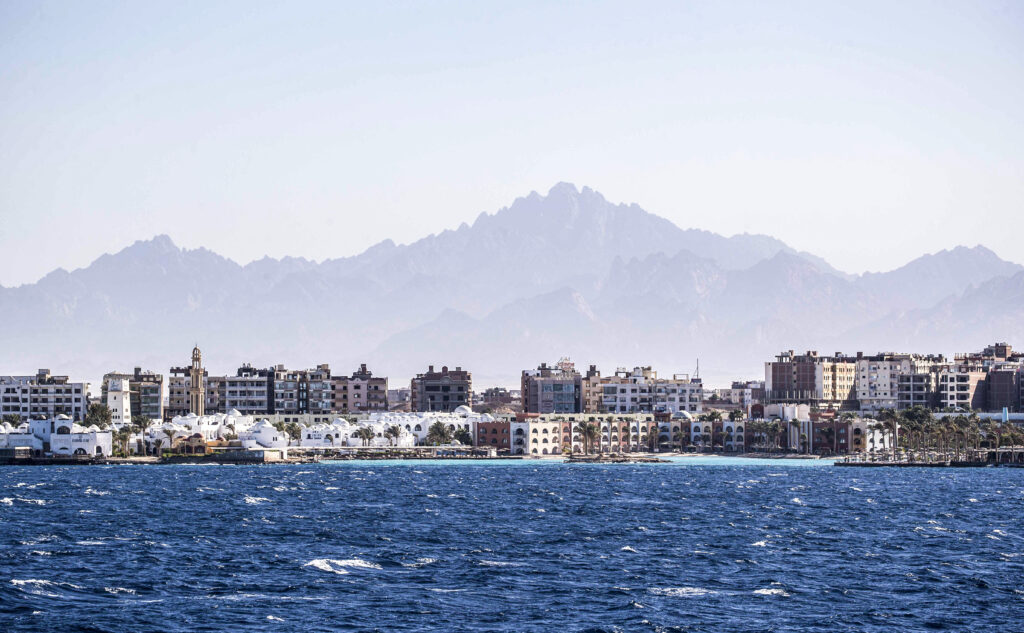
Six Russian tourists, including two minors, died on Thursday when a submarine carrying dozens of passengers sank off a major resort town on Egypt’s Red Sea coast.The governor of Egypt’s Red Sea region, Amr Hanafi, said “39 foreign tourists had been rescued and six others killed, with no one missing,” according to a statement shared by his office, confirming that the six tourists were Russian.Russian state news agencies quoted General Consul Viktor Voropaev as saying that two of the deceased were minors.The Russian consulate in the tourist hub of Hurghada earlier said the vessel had been carrying “45 tourists, including minors” on an underwater excursion to observe coral reefs when it “crashed 1 kilometre from the shore” at about 10:00 am local time (0800 GMT).Hanafi’s office said the vessel was carrying 45 tourists “of different nationalities including Russian, Indian, Norwegian and Swedish” and five Egyptian crew members.The website of Sindbad Submarines, the vessel’s owner according to the Russian consulate, said it could carry 44 passengers and two crew members to up to 25 metres (27 yards) depth.The consulate said that according to initial information, “most of those on board were rescued and taken to their hotels and hospitals in Hurghada”.Investigations were underway to determine the cause of the accident, the governor’s office said, adding that 21 ambulances had been dispatched.The submarine “had a valid license and its crew leader had the requisite academic qualifications,” they added.”Six people were struggling under the water and we were able to pull them out,” a Sindbad employee told the governor in the hospital, according to a video shared by the governor’s office.Four survivors, including at least one minor, were admitted to intensive care, according to the official statement.- Deadly accidents -Hurghada, a resort town about 400 kilometres (250 miles) southeast of the Egyptian capital Cairo, is a major destination for visitors to Egypt, with its airport receiving more than nine million passengers last year, according to state media.Thursday’s forecast in the city was clear, with above average wind speeds reported but optimum visibility underwater. While dozens of tourist boats sail through the area daily for snorkeling and diving activities, Sindbad Submarines says it deploys the region’s “only real” recreational submarine.The vessel had been operational in the area for multiple years, according to a source familiar with the company.The Red Sea’s coral reefs and islands off Egypt’s eastern coast are major draws, contributing to the country’s tourism sector, which employs two million people and generates more than 10 percent of GDP.The area has been the site of several deadly accidents in recent years.In November, a dive boat capsized off the coast of Marsa Alam, south of Hurghada, leaving four dead and seven missing.Thirty people were rescued from another sinking boat, while last June two dozen French tourists were safely evacuated before their boat sank in a similar accident.In 2023, three British tourists died after a fire broke out on their yacht, engulfing their vessel in flames.

Israel parliament expands political control over judicial appointments

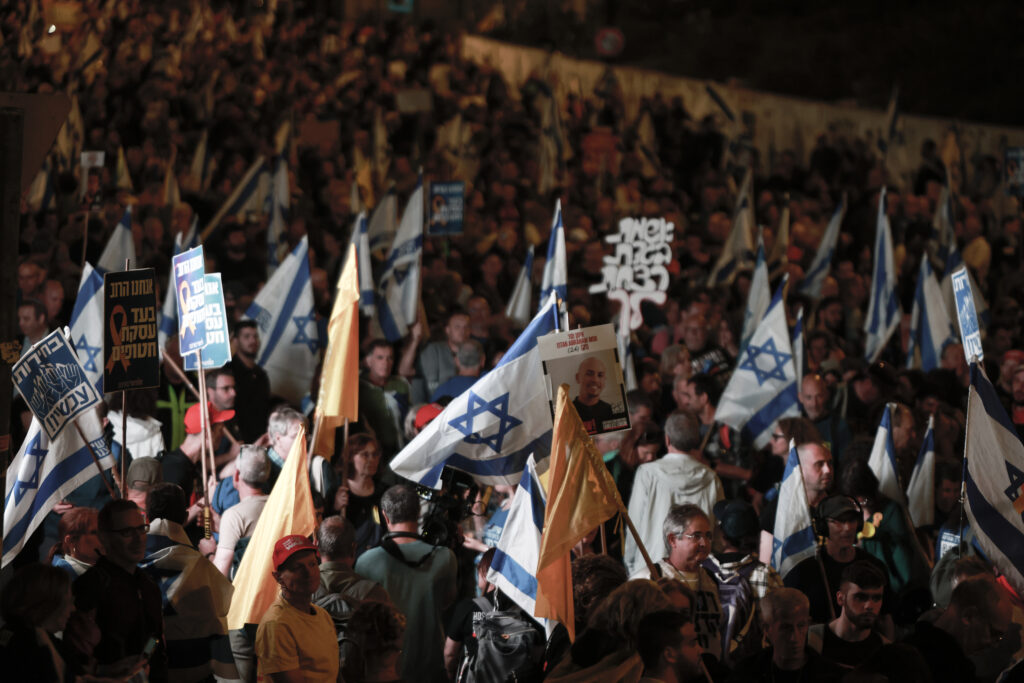
Israel’s parliament on Thursday passed a law expanding the power of politicians over judge appointments in defiance of a years-long protest movement against the judicial reforms pushed by Prime Minister Benjamin Netanyahu.The approval came with Netanyahu’s government, the most right-wing in Israeli history, locked in a standoff with the supreme court after the premier began proceedings to dismiss Attorney General Gali Baharav-Miara and announced the sacking of Ronen Bar, head of the internal security agency.Critics said the new law was a “catastrophe” and a “nail in the coffin of Israeli democracy,” while the opposition swiftly filed a petition with the supreme court challenging the law.The legislation was approved by a vote of 67 in favour and one against, with the opposition boycotting the early-morning vote. Israel’s parliament, the Knesset, has 120 members.The overall judicial reform package sparked one of the largest protest movements in Israel’s history in 2023 before being overtaken by the war in Gaza.According to Justice Minister Yariv Levin, who sponsored the bill, the measure was intended to “restore balance” between the legislative and judicial branches.In his closing remarks ahead of the vote, Levin slammed the supreme court, saying it had “effectively nullified the Knesset”.”It has taken for itself the authority to cancel laws and even Basic Laws. This is something unheard of in any democracy in the world,” said Levin, the key architect of the judicial changes.Israel lacks a written constitution, but it has a number of Basic Laws which set out things such as human rights and the powers of the parliament.”But our supreme court didn’t stop at trampling the Knesset; it placed itself above the government. It can annul any government action, compel the government to perform any action, cancel any government appointment.”The days of appeasement and silencing are over, never to return,” Levin said.- ‘Catastrophe’ -Currently, judges — including supreme court justices — are selected by a nine-member committee comprising judges, lawmakers, and bar association representatives, under the justice minister’s supervision.Under the new law, which would take effect at the start of the next legislative term, the committee would still have nine members: three supreme court judges, the justice minister and another minister, one coalition lawmaker, one opposition lawmaker, and two public representatives -— one appointed by the majority and the other by the opposition.Yair Lapid, leader of the centre-right Yesh Atid party, announced on X that he had filed an appeal with the supreme court against the law on behalf of several opposition parties, just minutes after the parliamentary vote.”Instead of focusing all efforts on their (Israeli hostages in Gaza) return and healing the divisions within the people, this government is returning to the exact legislation that divided the public before October 7,” Lapid said in his post.”The amendment passed by the Knesset is another nail in the coffin of Israeli democracy,” said Eliad Shraga, head of Israeli NGO the Movement for Quality Government in Israel and one of the petitioners against the law.”This is a calculated attempt to take control of the judicial system and turn it into a tool in the hands of politicians,” he said in a statement.Claude Klein, a public law expert at Jerusalem’s Hebrew University, said enactment of the law would be a “catastrophe”.”They want to take real power. Netanyahu thinks that the supreme court is keeping him from running the country his way,” he told AFP.Klein said that over the decades, the top court had expanded its scope of action, in particular by ruling that any legal precedent or law can be reviewed or annuled, a concept to which Levin was “extremely hostile”.- New protests -The government’s judicial reforms package, first unveiled in early 2023, triggered massive weekly street protests that polarised Israeli society.Netanyahu’s detractors warn the multi-pronged package could pave the way for authoritarian rule and be used by the prime minister to quash any possible convictions against him in his ongoing corruption trial, an accusation the premier denies.Rallies have again erupted in key cities and on Wednesday thousands protested against the bill before it was approved in parliament.Netanyahu slammed the opposition in parliament on Wednesday.”Perhaps you could stop putting spanners in the works of the government in the middle of a war. Perhaps you could stop fuelling the sedition, hatred and anarchy in the streets,” he said.