AFP Asia Business

Clean energy giant Goldwind leads China’s global sector push

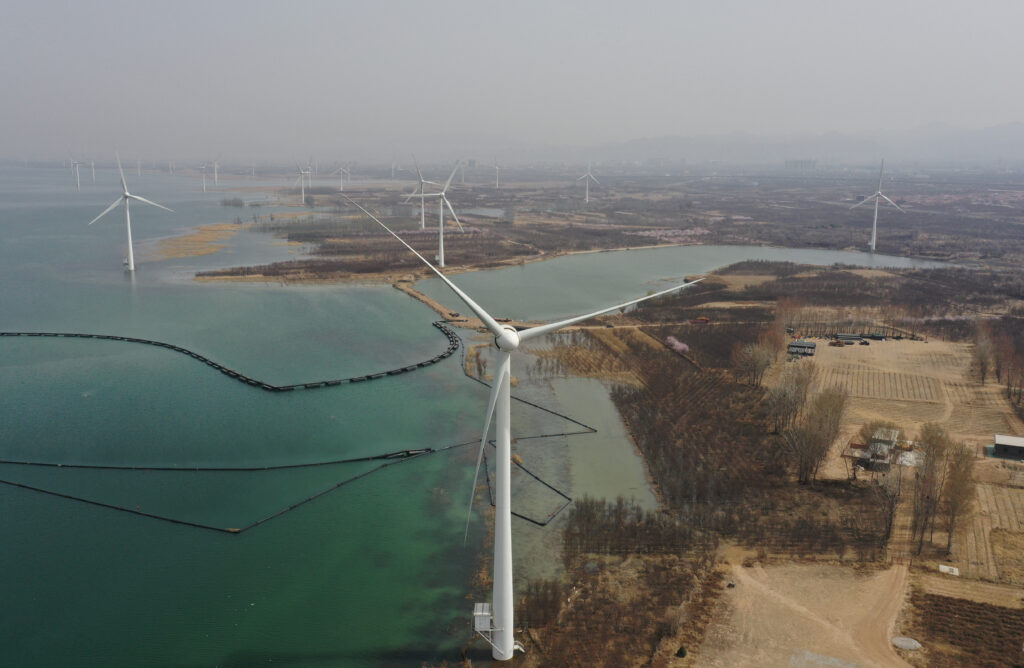
China has rushed ahead in recent years as the world’s forerunner in wind energy, propelled by explosive local demand as Beijing aggressively pursues strategic and environmental targets.Goldwind — the country’s sector champion — is set to publish financial results for last year on Friday, offering a window into how its domestic operations and overseas expansion …

Clean energy giant Goldwind leads China’s global sector push Read More »

Iran says it has responded to Trump’s nuclear talks letter

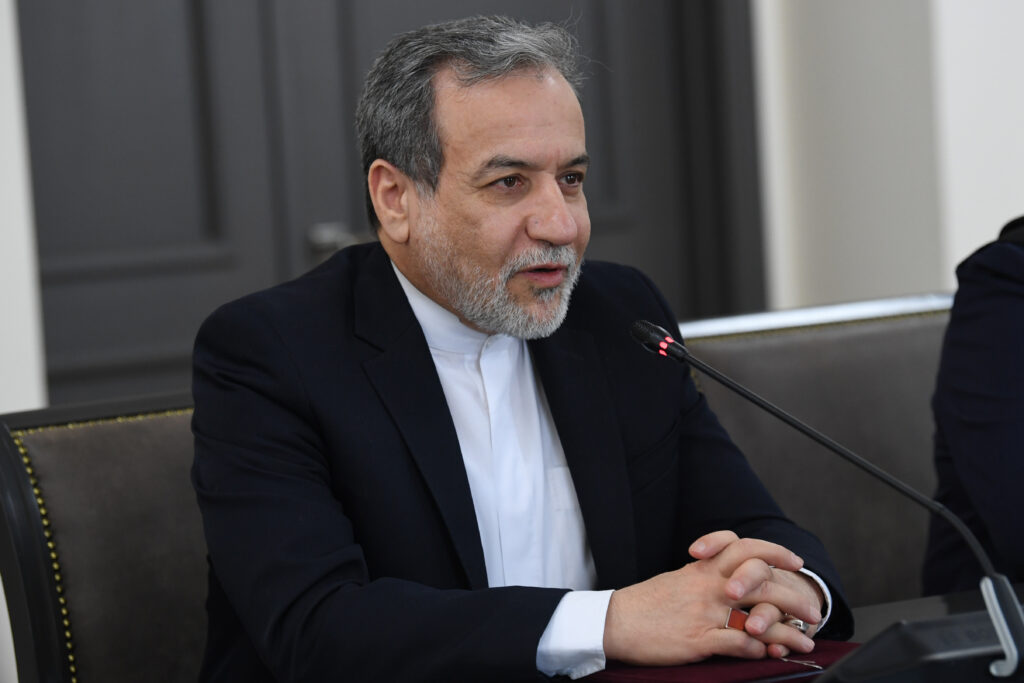
Iran has sent a response to a letter from US President Donald Trump that called for nuclear talks and warned of possible military action if it refuses, its foreign minister said Thursday. “This official response includes a letter in which our position regarding the current situation and Mr Trump’s letter has been fully explained to the other party,” Abbas Araghchi told the official IRNA news agency.He added that the letter was delivered to Oman, which has served as an intermediary in the past in the absence of US-Iranian diplomatic relations.He did not disclose the nature of the response nor say when it had been sent.US Secretary of State Marco Rubio, asked by reporters on his plane over the Caribbean whether the United States has received the letter, said: “I’m not going to comment on that yet”.He said that the United States had expected there to be a response and “obviously at that point, the president will decide what steps if he any he wants to take next”.Trump, who in 2018 pulled the United States out of an agreement to relieve sanctions on Iran in return for curbs on its nuclear programme, now says he is open to diplomatic talks.The US president revealed at the start of March that he had sent a letter to Iran’s supreme leader Ayatollah Ali Khamenei.At the same time, Trump has pushed ahead with his “maximum pressure” programme of additional sanctions on Tehran and the threat of military action if it refuses to negotiate. “Our policy remains not to negotiate directly (with Washington) under ‘maximum pressure’ and the threat of military action, but indirect negotiations, such as those that took place in the past, can continue,” Araghchi said.- Intermediaries -Iran and the United States have not had official diplomatic relations since 1980.However, the two countries have engaged indirectly via the Swiss embassy in Tehran, which represents US interests in Iran.Oman has also played the role of mediator in the past, as has Qatar, to a lesser extent.Trump’s letter was delivered to Iran by the United Arab Emirates.Iran agreed to the deal curbing its nuclear programme in 2015 after negotiations with major powers including the United States and China.Western government have for decades suspected that Tehran is pursuing a nuclear weapons capability, a charge that Iran denies, insisting that the programme is solely for civilian purposes. Iran continued to respect the deal for a year after Trump pulled out, according to the International Atomic Energy Agency, before rolling back its commitments.The US decision to withdraw was driven in part by Iran’s ballistic missile programme, which was not covered by the deal and which Washington perceived as a threat.

‘My entire life’: Saudi tailor keeps robe-making craft alive

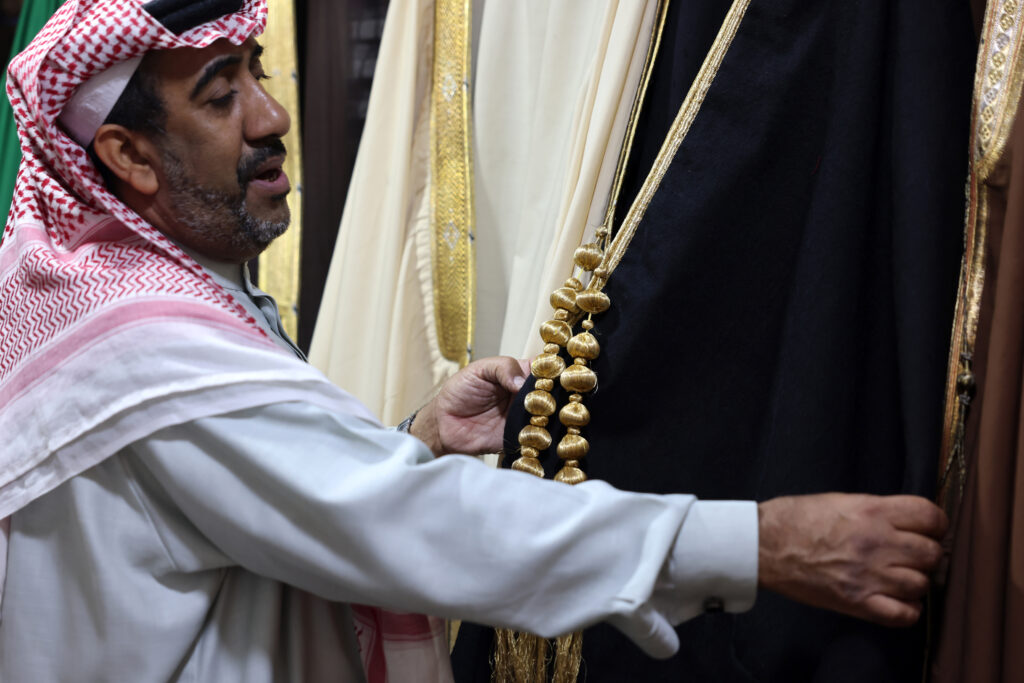
Saudi tailor Habib Mohammed’s shop once made ornate, hand-woven cloaks for royals, a time-honoured craft he is determined to preserve even as mass-produced garments flood the market, threatening his traditional business.He makes “bisht”, a long gown which for centuries has been a status symbol, worn by kings and princes — and ordinary men — and could take a week of meticulous work to create.Now, with cheap Chinese-made robes taking a bite out of his business, the 60-year-old tailor is struggling to make a profit, and his only son wouldn’t take over the beleaguered shop.But Mohammed refuses to let the ancient craft die, searching for ways to hand down his knowledge.”We’ve started training here at the shop and at home,” he told AFP in his windowless atelier in the oasis city of Hofuf, with bishts hanging all around.”I am teaching my grandchildren, be they girls or boys.”In Mohammed’s native Al-Ahsa governorate, it was “considered shameful for a man to go to a funeral or a market, or make a visit to anyone anywhere without wearing the bisht”, he said.The bisht came to global attention in 2022 when Qatar’s emir draped one over football star Lionel Messi after the World Cup final.Although Arabs across the Gulf still sometimes wear traditional garb, especially in formal settings, factory-made clothing has replaced tailor services in the oil-rich countries of the region.- Robe ‘recession’ -At his workshop, Mohammed watched over his granddaughter Fajr, nine, and grandson Ghassan, 10, as they embroidered delicate gowns.For the veteran craftsman, who learned to weave when he was only five, this is “my entire life”.”I came into this world… seeing only bishts around me,” said Mohammed, wearing the Saudi national dress of white thobe robe and chequered red-and-white headdress.”I was born in (my father’s) tailor shop and grew up watching my mother sew. I saw my brothers and cousins work with my father in the tailor shop,” he added with pride.His wife was also a bisht seamstress, he said, skilled at collar embroidery.But his modest shop in an artisans’ market in Hofuf has fallen on hard times.”A sort of recession has taken hold,” he said.A high-quality bisht could once have fetched up to 6,000 riyals ($1,600), but machine-made cloaks sell for just a fraction of that price, Mohammed said.”Pieces I would make for 1,500 riyals now go for 150 riyals. It’s not enough to make a living.”- ‘Didn’t give up’ -Mohammed refuses to let the tradition die out, and he is far from alone.A bisht revival is taking shape in Saudi Arabia even as it opens up to the world, attracting tourists and foreign businesses.Last year, the kingdom ordered ministers and other senior officials to wear a bisht when entering or leaving the workplace or attending formal events.Saudi Arabia has named 2025 the Year of Handicrafts, when it will promote and support 10 crafts including bisht-weaving.And Gulf countries are trying to include the bisht on the UNESCO list of intangible cultural heritage in a bid to preserve the craft.Some of the bishts hanging on the walls of Mohammed’s workshop are at least a century old, he said, proudly presenting a brown robe made from sheep’s wool.”Someone offered me 200,000 riyals for this, but I refused to sell it because it is as dear to me as my life. It represents my country’s history,” he said.”I want to pass them down to my children and grandchildren, and I will instruct them never to sell them,” he said, pointing to the pieces on the walls.Mohammed also gives weekly bisht tailoring lessons at a nearby institute, mostly for young people.”We didn’t give up,” he said, training the younger generation “to revive an old heritage that was disappearing”.”We will bring it to life once more,” said Mohammed.

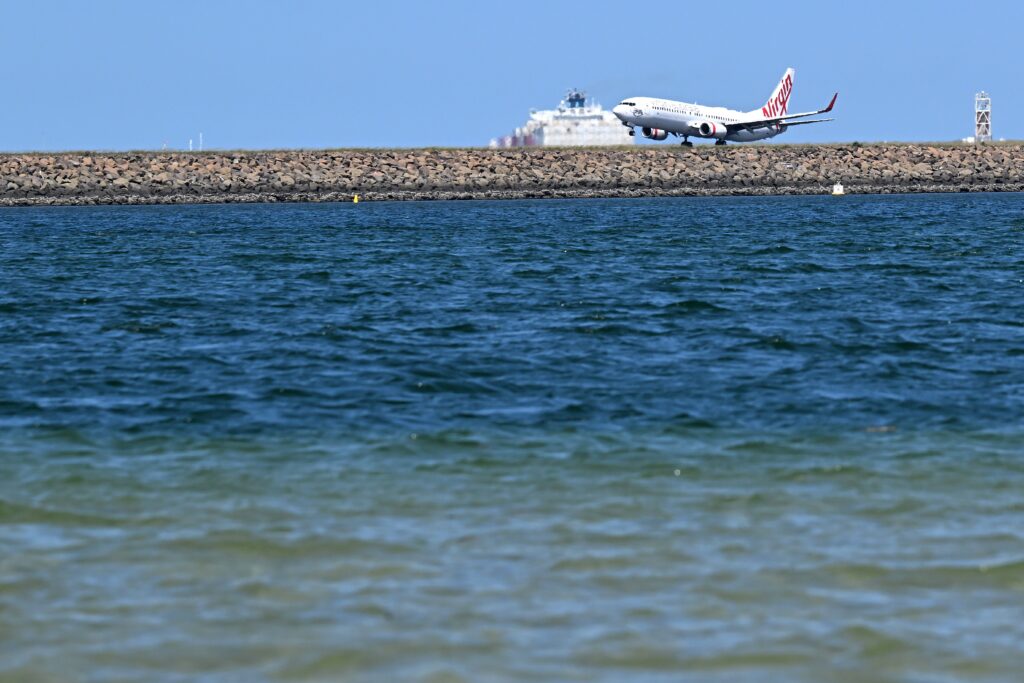
Regulator clears Qatar Airways-Virgin Australia alliance

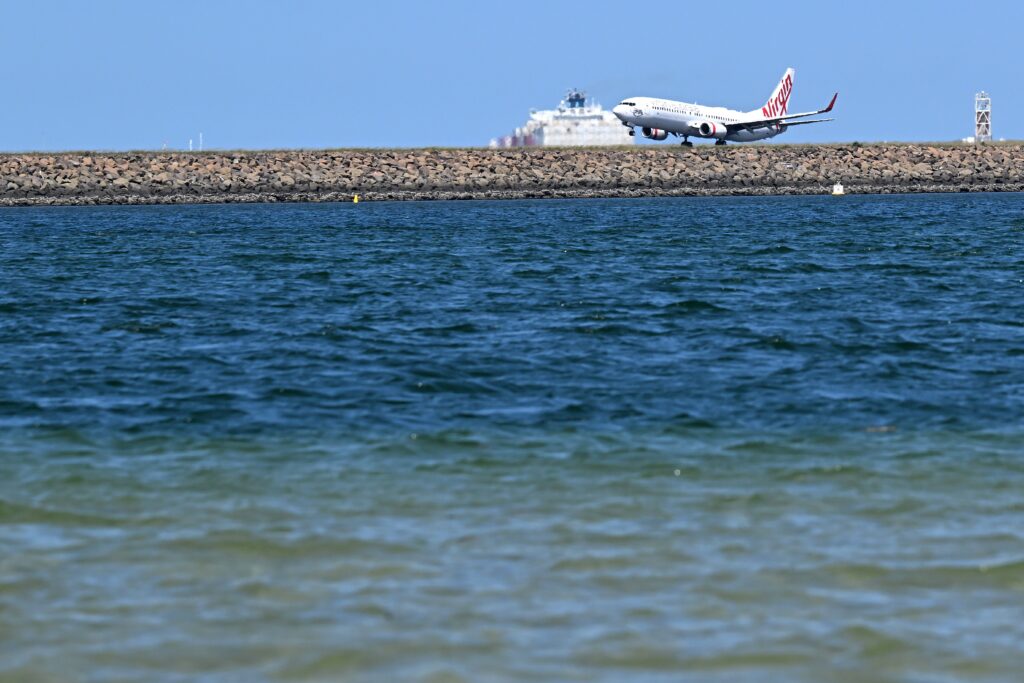
Australia’s competition regulator gave the go-ahead Friday for Qatar Airways to launch an alliance with Virgin Australia.The decision clears Qatar Airways to cooperate for five years in an “integrated alliance” with the Australian carrier, in which it will take a 25-percent stake.The pact would double flights between Doha and major Australian airports, the Australian Competition and Consumer Commission said.The boost in Australia-Middle East flights would create “minimal, if any, public detriment”, the authority’s commissioner, Anna Brakey, said in a statement.”This will likely place downward price pressure on these routes and will also give customers of Virgin Australia and Qatar Airways a greater choice of international flights with additional connectivity and loyalty program benefits,” she said.Under the pact, Qatar Airways and Virgin Australia plan to launch 28 new weekly services between Doha and the Australian cities of Sydney, Melbourne, Brisbane and Perth.The competition regulator’s decision was widely expected after it issued a draft determination in February proposing to grant authorisation.The two airlines, along with Virgin owner Bain Capital, announced the long-rumoured alliance proposal in October last year. The new flights are expected to stoke competition on expensive long-haul routes long dominated by Qantas.Qantas — along with its low-cost brand Jetstar — has a more than 60 percent share of the Australian market and boasts strong political clout.Virgin Australia started bankruptcy proceedings in 2020, laying off hundreds of staff as the Covid-19 outbreak grounded international flights. US private equity giant Bain Capital came to the airline’s rescue after the Australian government refused to bail out the majority foreign-owned company. Qatar Airways has been looking to increase its foothold in the Australian market.In 2023, Qatar launched a bid to put on 21 extra international flights to and from Australia each week. But the Australian government snubbed that request, citing a 2020 strip search scandal at Doha Airport as a “factor”. Women were pulled off 10 Qatar Airways flights at Doha Airport and forced to take invasive gynaecological exams after a baby was abandoned in an airport bathroom. Three Australian women lodged legal action against Qatar Airways following the ordeal, although the case was eventually dismissed. 

Regulator clears Qatar Airways-Virgin Australia alliance

Australia’s competition regulator gave the go-ahead Friday for Qatar Airways to launch an alliance with Virgin Australia.The decision clears Qatar Airways to cooperate for five years in an “integrated alliance” with the Australian carrier, in which it will take a 25-percent stake.The pact would double flights between Doha and major Australian airports, the Australian Competition …

Regulator clears Qatar Airways-Virgin Australia alliance Read More »