
AFP Asia Business
Gaza rescuers say 44 killed as Israel steps up offensive
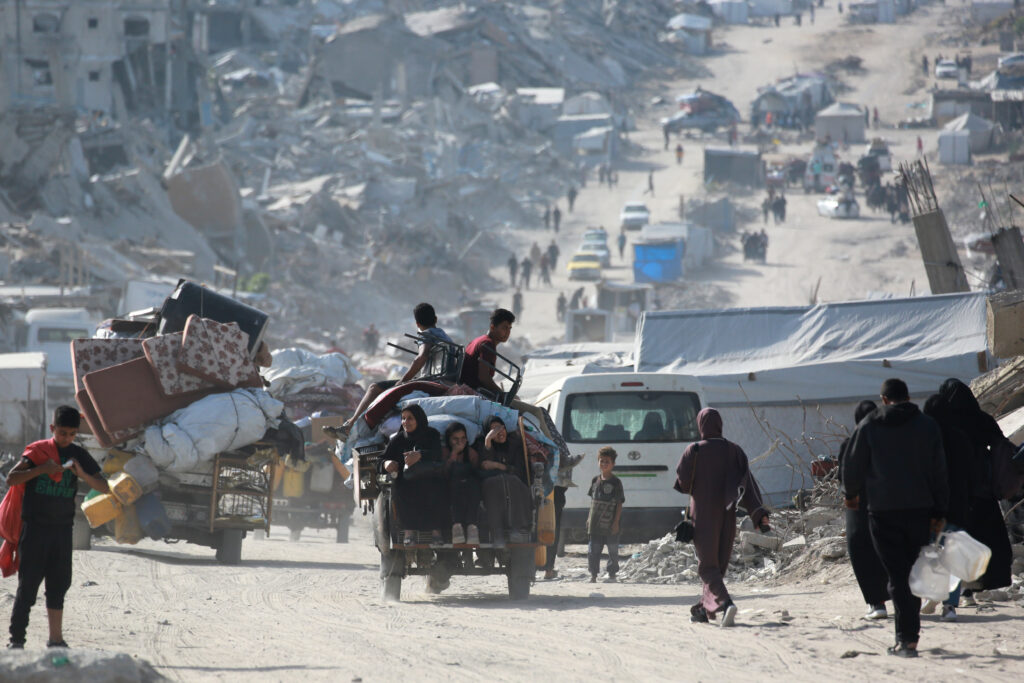
Gaza’s civil defence agency said Israeli strikes on Tuesday killed at least 44 people across the war-ravaged Palestinian territory, where Israel has intensified a military offensive aimed at crushing Hamas.Aid trickled into the Gaza Strip on Monday for the first time in more than two months, following widespread condemnation of Israel’s total blockade that has sparked severe shortages of food and medicine.On Tuesday, a UN spokesman said it had received permission to send another “around 100” trucks of aid into Gaza.The Israeli army stepped up its offensive at the weekend, vowing to defeat Gaza rulers Hamas whose October 7, 2023 attack on Israel triggered the war.Strikes overnight and early Tuesday left “44 dead, mostly children and women, as well as dozens of wounded”, civil defence spokesman Mahmud Bassal told AFP.Bassal said 15 people were killed when a gas station was hit near the Nuseirat refugee camp and 12 others in a strike on a house in Deir el-Balah, both in central Gaza.Eight people were killed in a strike on a school sheltering displaced Palestinians in Gaza City, further north, Bassal said.The Israeli military told AFP it had “struck a Hamas terrorist who was operating from within a command and control centre” within the school compound. There was no comment on the other incidents.In a statement Tuesday, the military announced strikes on more than “100 terror targets” in Gaza over the past day.At the bombarded gas station, Nuseirat resident Mahmoud al-Louh carried a cloth bag of body parts to a vehicle.”They are civilians, children who were sleeping. What was their fault?” he told AFP.- ‘Egregious’ -Israel’s security cabinet approved earlier this month a plan to expand the military offensive, which one official said would include the “conquest” of Gaza and the displacement of its population.On Monday Prime Minister Benjamin Netanyahu said Israel “will take control of all the territory of the strip”, as the intensified military campaign prompted international alarm.Israel resumed major operations across Gaza on March 18 amid deadlock over how to proceed with a two-month ceasefire that had largely halted the war.Netanyahu said it was necessary for Israel to prevent famine in Gaza for “practical and diplomatic reasons”, after his government announced it would allow limited aid into the besieged territory.”Images of mass starvation” could harm the legitimacy of Israel’s war effort, Netanyahu said.On Friday, President Donald Trump of the United States, Israel’s close ally and main arms supplier, said that “a lot of people are starving” in Gaza. The World Health Organization later warned that the territory’s “two million people are starving”.Britain, France and Canada issued a harsh condemnation of Israel’s conduct of the war, slamming its “egregious actions” in the expanded offensive and the “wholly inadequate” resumption of aid.They warned of “concrete actions” if Israel did not ease its offensive and allow more aid in.Netanyahu called their joint statement a “huge prize” for Hamas.- ‘Drop in the ocean’ -Qatar, which has been involved in mediation efforts throughout the war, said on Tuesday that Israel’s offensive had undermined chances for a ceasefire.”This irresponsible, aggressive behaviour undermines any potential chance for peace,” Qatari Prime Minister Sheikh Mohammed bin Abdulrahman bin Jassim Al-Thani said.Ending more than two months of a complete blockade, Israel said the first five aid trucks entered Monday carrying supplies “including food for babies”.UN humanitarian chief Tom Fletcher said that the trucks allowed it on Monday were “a drop in the ocean of what is urgently needed”.AFP could not independently verify how many aid trucks had entered Gaza.Fletcher told the BBC on Tuesday that 14,000 babies could die in the Palestinian territory in the next 48 hours if aid did not reach them in time.The Hamas attack in October 2023 resulted in the deaths of 1,218 people on the Israeli side, mostly civilians, according to an AFP tally based on official figures.Militants also took 251 hostages, 57 of whom remain in Gaza including 34 the military says are dead.Gaza’s health ministry said Tuesday at least 3,427 people have been killed since Israel resumed strikes on March 18, taking the war’s overall toll to 53,573.
Iran’s Panahi takes on Iran’s jailers in Cannes comeback
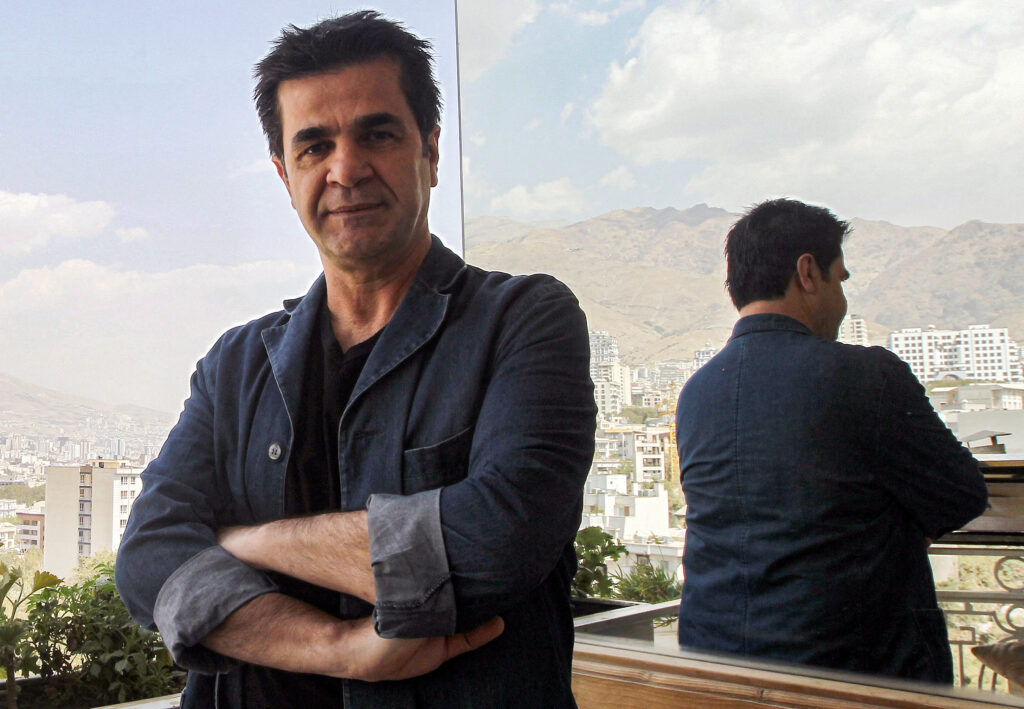
Dissident Iranian filmmaker Jafar Panahi made his first appearance at an international film festival in 15 years in Cannes on Tuesday, with a story about political prisoners trying to get back at their jailers.Panahi was banned from making films for 20 years and has been repeatedly detained since 2009 over his gritty, social dramas, considered subversive by the Islamic republic’s regime.His new feature, “It Was Just An Accident” — which is in the running for the top prize — risks causing new legal problems for a prize-winning director celebrated by fans for his defiance. The 64-year-old said his nearly seven months in the notorious Evin prison in Tehran until February 2023 had helped inspire his latest wry tale.”One of the characteristics of the Iranian people is their humour,” Panahi, 64, told Screen magazine.”This regime has been trying for over four decades now to impose on Iranians tragedy, tears and suffering but the Iranians always come up with humour and jokes.”The acclaimed director has repeatedly skirted the ban on him by shooting in secret, including 2022’s “No Bears”, which screened at the Venice film festival and won a special jury prize there while he was in jail.”Although I am not banned any more, it didn’t really change my actual situation. I still had to work illegally,” he told Screen.A source close to the filmmaker, who asked not to be named, told AFP Panahi’s latest film had been shot in secret and had no government funding. Cannes has a long history of supporting independent Iranian filmmakers, who often face legal problems and intimidation from Iranian authorities.- Assange appears -A second Iranian film is competing in the top Cannes competition this year — “Mother and Child” by Saeed Roustaee.Roustaee was sentenced to six months in prison for the screening of his film “Leila’s Brothers” in Cannes in 2022 but his latest production has drawn criticism from some exiled directors.The Iranian Independent Filmmakers Association (IIFMA) has called it a “propaganda film” but it is unclear if they have seen it in full. Fellow Iranian Cannes favourite Mohammad Rasoulof, who fled the country last year, defended Roustaee.He told Variety that there was a “clear distinction between the propaganda films of the Islamic republic and the films that are made under the constraints of censorship”.Wikileaks founder Julian Assange — who spent five years in prison over his leak of classified US files — is also in Cannes for the premiere on Wednesday of a documentary about him, “The Six Billion Dollar Man”. Its American director, Eugene Jarecki, was awarded the first ever Golden Globe for documentary at Cannes on Monday for his previous work, including his 2018 film about Elvis, “The King”. Ecuador’s left-wing former president Rafael Correa, who famously offered Assange asylum in the Ecuadorian embassy in London, was set to appear alongside the Australian at the premiere. – Denzel’s up and down night -Panahi and Assange’s presence comes at one of the most political Cannes for many years, dominated by protest over the war in Gaza, sexual politics and US President Donald Trump’s threat to impose tariffs on movies from “foreign lands”.Monday night featured a tense exchange with a photographer that took some of the joy from Hollywood star Denzel Washington’s lifetime achievement award.The surprise honorary Palme d’Or was handed to Washington, 70, at the premiere of his latest film with New York director Spike Lee, “Highest 2 Lowest” — the first time the actor has appeared at the festival.”It’s a total surprise. I’m so emotional,” Washington said, according to a member of the audience.The photographer had earlier appeared to grab the actor by the arm as he posed in front of a bank of cameras. Washington shook him off and then pointed his finger at him and appeared to say “Stop it” a number of times, videos showed.But despite the awkward incident, Washington’s mood was no doubt lifted by the rave reviews of his and Lee’s film.Loosely adapted from a Japanese master Akira Kurosawa’s 1963 classic, “High and Low”, the Hollywood Reporter said the film had “wit, high style and kinetic energy to burn”.The Guardian praised Washington’s “magnificent form” in the movie, saying he played a music mogul with “grinning monarchical assurance”. The Cannes film festival runs until Saturday.
PKK urges Turkey to ease imprisonment of ‘chief negotiator’ Ocalan
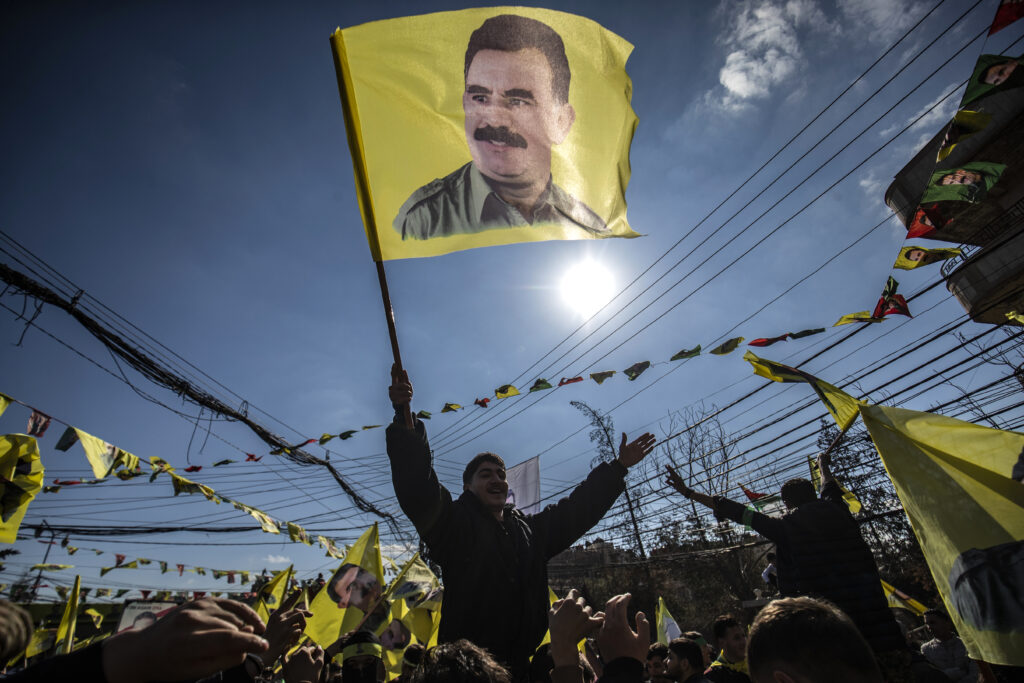
The Kurdistan Workers’ Party (PKK) has said Turkey should ease prison conditions for its founder Abdullah Ocalan, declaring him the group’s “chief negotiator” for any future talks after a decision to disband.A spokesman for the Kurdish group, blacklisted as a “terrorist” organisation by Ankara and its Western allies, told AFP in an interview on Monday that Turkey has not yet provided guarantees for a peace process, and expressed objection to exiling PKK members.In recent months, the PKK has made several historic decisions, starting with announcing a ceasefire and ultimately declaring on May 12 its dissolution, ending a decades-long insurgency against the Turkish state that cost more than 40,000 lives.The group’s moves followed an appeal by Ocalan, made in a letter from Istanbul’s Imrali prison island where he has been held in solitary confinement since 1999.Zagros Hiwa, spokesman for the PKK’s political wing, told AFP in a written interview that “as an organisation which has waged military struggle for 41 years, we have decided to dissolve and put an end to armed struggle.””By this, we give peace a real chance.””So from now on, we expect that the Turkish state makes amendments in the solitary confinement conditions” of Ocalan, and allow him “free and secure work conditions so that he could lead the process,” Hiwa said.”Leader Apo is our chief negotiator” for any talks with Turkey, he added, referring to Ocalan.- ‘No guarantees’ -The spokesman said that “only Leader Apo can lead the practical implementation of the decision” taken by the PKK congress earlier this month to disband, paving the way for a political settlement.The dissolution mechanisms are unclear yet, but the Turkish government has said it would carefully monitor the process to ensure full implementation.Hiwa said the implementation would be addressed in Ocalan’s negotiations with Turkish officials.Observers expect the government to show a new openness to the Kurds, who make up about 20 percent of Turkey’s population of 85 million.But negotiations have not started, according to Hiwa, although “there are contacts and dialogues… being conducted in Imrali” prison.Hiwa said that his group has shown “goodwill” and “seriousness and sincerity regarding peace”.But “till now the Turkish state has not given any guarantees and taken any measure for facilitating the process” and continued its “bombardments and artillery shellings” against the Kurdish group’s positions, Hiwa added.The PKK operates rear bases in Iraq’s autonomous northern Kurdistan region, where Turkey also maintains military bases and often carries out air and ground operations against the Kurdish fighters.Turkey’s military said last week it will continue acting against the PKK posts until it is “certain” the threat is removed.- ‘Integration’ – Most of the PKK’s fighters have spent the past decade in the mountains of northern Iraq.Turkish media reports have suggested that militants who had committed no crime on Turkish soil could return without fear of prosecution, but that PKK leaders might be forced into exile or stay behind in Iraq.Hiwa said that “real peace requires integration, not exile.””If the Turkish state is sincere and serious about making peace, it should make the necessary legal amendments so that PKK members would be integrated” into a “democratic society”, he added.The Kurds, an ethnic minority with a distinct culture and language, are rooted in the mountainous region spread across Turkey, Syria, Iraq and Iran.They have long fought for their own homeland, but for decades suffered defeats.Today, millions of Kurds live in relative safety in Iraq’s Kurdistan and under the semi-autonomous Kurdish administration in northeastern Syria.Both areas have been embroiled in the PKK insurgency against the Turkish state.In Syria, following the overthrow of Bashar al-Assad in December by Islamist fighters with ties to Turkey, the Kurds are left navigating an uncertain future.Turkey sees Syrian Kurdish forces, who make up the bulk of the US-backed Syrian Democratic Forces (SDF), as an offshoot of the PKK.Hiwa said “we don’t intervene in the matters regarding the SDF.””The present process is between PKK and Turkey. No other party is involved”.But the process “will surely have positive implications for the solution of the Kurdish question in other parts of Kurdistan,” he said.
Mother of jailed Egyptian-UK activist returns to full hunger strike
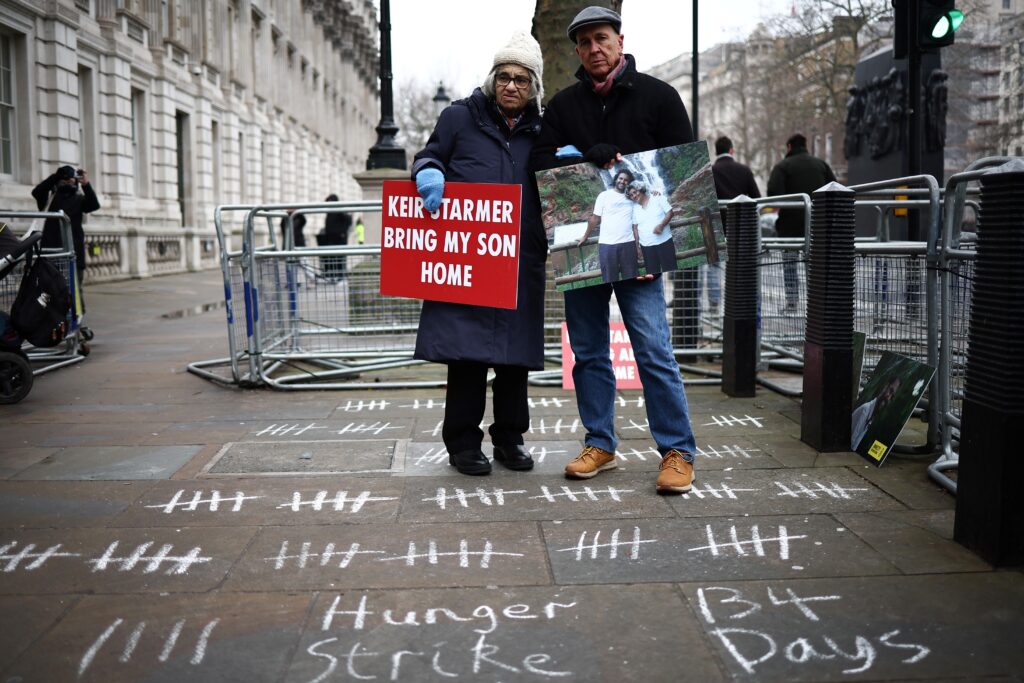
The mother of jailed Egyptian-British activist Alaa Abdel Fattah announced on Tuesday that she was returning to a full hunger strike to protest against her son’s lengthy imprisonment in Egypt.Laila Soueif, 69, eased her strike in March after UK Prime Minister Keir Starmer said he had “pressed” for Fattah’s release in a call with Egyptian President Abdel Fattah al-Sisi.She began consuming 300 calories a day through a liquid nutritional supplement but still went without food.With her son still languishing in jail two months later, Soueif said it was time to return to taking just rehydration salts, tea without sugar and vitamins.”I’m going to be on full hunger strike, which means I take zero calories,” she told AFP outside Downing Street, home to Starmer’s official residence.Soueif said she would also return to protesting outside Downing Street for an hour every day during the week, following a brief pause after Starmer’s intervention.The London-based mother began her protest on September 29, 2024, which she said marked the day Fattah was due to be released after completing a five-year sentence.Fattah, 43, a pro-democracy and rights campaigner, was arrested by Egyptian authorities in September 2019 and given a five-year sentence for “spreading false news”.He was a key figure in the 2011 revolt that toppled Egyptian autocrat Hosni Mubarak and was given UK citizenship in 2022 through his British-born mother.Fattah launched his own hunger strike on March 1 after hearing about his mother’s admission to hospital, which he continues, according to the campaign group.Soueif, a mathematician and activist, was in February admitted to a London hospital with dangerously low blood sugar and blood pressure, and given a glucose drip.
Iran’s Panahi pokes fun at Iran’s jailers in Cannes comeback
Dissident Iranian filmmaker Jafar Panahi makes his first appearance at an international film festival in 15 years at Cannes on Tuesday, with a story about political prisoners trying to get back at their jailers.Panahi was banned from making films and has been repeatedly detained since 2009 over his gritty, social dramas, considered subversive by the Islamic republic’s regime.His new film, “It Was Just An Accident” — which is in the running for Cannes’s top prize — uses humour to point out injustice.Critics clapped at the end — a rare occurrence in press screenings.The director said his own time in prison helped colour the wry tale.Panahi, 64, told Screen magazine: “One of the characteristics of the Iranian people is their humour. This regime has been trying for over four decades now to impose on Iranians tragedy, tears and suffering but the Iranians always come up with humour and jokes.”The acclaimed director has repeatedly skirted the ban on him by shooting in secret, including 2022’s “No Bears”, which screened at the Venice film festival and won a special jury prize there while he was in jail.”Although I am not banned any more, it didn’t really change my actual situation. I still had to work illegally,” he told Screen.A source close to the filmmaker, who asked not to be named, said Panahi’s latest film had been shot in secret and had no government funding. Cannes has a long history of supporting independent Iranian filmmakers, who often face legal problems and intimidation from Iranian authorities.- Assange appears -A second Iranian film is competing in the top Cannes competition this year — “Mother and Child” by Saeed Roustaee.Roustaee was sentenced to six months in prison for the screening of his film “Leila’s Brothers” in Cannes in 2022 but his latest production has drawn criticism from some exiled directors.The film’s screening in Cannes has been hailed by Iranian state media, including the state news agency IRNA. Fellow Iranian Cannes favourite Mohammad Rasoulof, who fled the country last year under the threat of an eight-year jail sentence, defended Roustaee, telling Variety there was a “clear distinction between the propaganda films of the Islamic republic and the films that are made under the constraints of censorship”.Wikileaks founder Julian Assange — who spent five years in prison over his leak of classified US files — is also in Cannes for the premiere on Wednesday of a documentary about him, “The Six Billion Dollar Man”. Its American director, Eugene Jarecki, was awarded the first ever Golden Globe for documentary at Cannes on Monday for his previous work, including his 2018 film about Elvis, “The King”. – Denzel’s up and down night -Panahi and Assange’s presence comes at one of the most political Cannes for many years, dominated by protest over the war in Gaza, sexual politics and US President Donald Trump’s threat to impose tariffs on movies from “foreign lands”.Tensions have even spilled over onto the red carpet with a ban on too-revealing “naked dresses” and “voluminous” trains that take up too much space.And on Monday night a tense exchange with a photographer took some of the joy from Hollywood star Denzel Washington’s lifetime achievement award.The surprise honorary Palme d’Or was handed to Washington, 70, at the premiere of his latest film with New York director Spike Lee, “Highest 2 Lowest” — the first time the actor has appeared at the festival.”It’s a total surprise. I’m so emotional,” Washington said, according to a member of the audience.The photographer had earlier appeared to grab the actor by the arm as he posed in front of a bank of cameras. Washington shook him off and then pointed his finger at him and appeared to say “Stop it” a number of times, videos showed.But despite the awkward incident, Washington’s mood was no doubt lifted by the rave reviews of his and Lee’s film.Loosely adapted from a Japanese master Akira Kurosawa’s 1963 classic, “High and Low”, the Hollywood Reporter said the film had “wit, high style and kinetic energy to burn”.The Guardian praised Washington’s “magnificent form” in the movie, saying he played a music mogul with “grinning monarchical assurance”. The Cannes film festival runs until Saturday.